In today's tech-driven world, even the simplest devices are becoming smarter. Consider the humble projection screen. Once a manually operated affair, modern projection screens now boast automated controls, offering convenience and precision. At the heart of this transformation lies the Projection Screen Control PCB (Printed Circuit Board). These PCBs act as the brain, orchestrating the screen's movements and integrating with smart home systems. Zero One Solution Limited provides comprehensive PCB solutions, from design to manufacturing and assembly, empowering innovation in smart projection screen technology. But what exactly goes into creating a reliable and efficient Projection Screen Control PCB? This article dives deep into the world of these PCBs, exploring their design, functionality, and the crucial role they play in enhancing our viewing experience.
Introduction: The Rise of Smart Projection Screens
The evolution of projection screens has moved far beyond simple pull-down mechanisms, ushering in an era of intelligent, automated systems. This transformative shift, powered by advanced electronics and sophisticated control mechanisms, addresses the modern demand for seamless integration within smart environments and intuitive user experiences. The core of this revolution lies in the underlying Smart Projection Screen Control PCB Solution, which elevates traditional screens into dynamic, responsive components of contemporary entertainment and presentation setups. This introduction explores the journey from manual operation to highly integrated smart systems, highlighting the critical role of precision engineering in meeting the growing expectations for automated, user-friendly control.
What is a Projection Screen Control PCB?
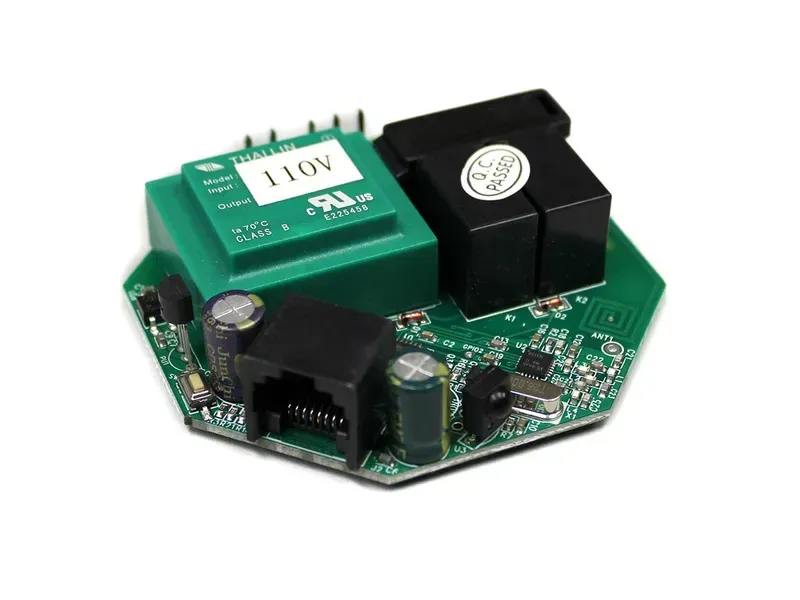
Smart Projection Screen Control Board
A Projection Screen Control PCB (Printed Circuit Board) serves as the sophisticated central nervous system of automated projection screens, orchestrating seamless and precise control over their various functionalities. Far beyond a simple switch, this intricate electronic board translates user commands into precise mechanical actions, enabling the automated deployment, retraction, and positioning of the screen. Its core function is to manage motor control, ensuring smooth and quiet operation, while also facilitating communication with a range of external devices and control interfaces. Essentially, the PCB acts as the brain that brings smart projection screens to life, enhancing user convenience and elevating the overall viewing experience.
What exactly does a Projection Screen Control PCB do? The Projection Screen Control PCB acts as the central processing unit for automated projection systems. It receives commands from various input sources (remote controls, smart home hubs, wall switches), interprets them, and then sends precise signals to the screen's motor, enabling controlled movement (up/down/stop). Beyond motor control, it often manages safety features like limit switches, integrates with external sensors, and facilitates advanced communication protocols for smart home integration.
How does the PCB ensure precise screen movement and positioning? Precision in screen movement is achieved through a combination of motor drivers and feedback mechanisms integrated into the PCB. Motor drivers regulate the power supply to the screen's motor, controlling its speed and direction. Feedback, often from encoders or limit switches, provides real-time position data back to the microcontroller on the PCB. This closed-loop system allows the PCB to accurately determine the screen's current position and stop it precisely at predefined limits or user-specified intermediate positions, preventing overextension or incomplete retraction.
Key Components of a Smart Projection Screen PCB
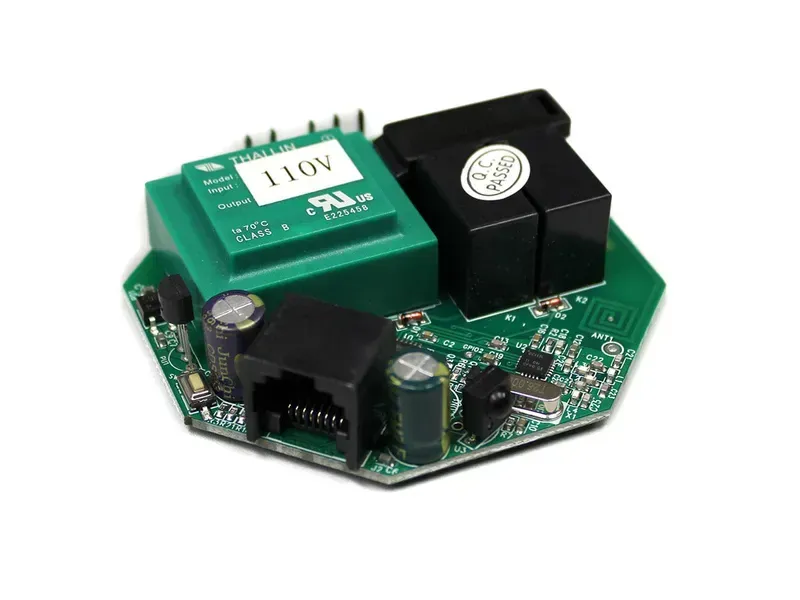
Projection Screen PCB Components
At the heart of every high-performance smart projection screen lies a sophisticated Printed Circuit Board (PCB), meticulously engineered to orchestrate seamless motion, precise control, and intelligent connectivity. This central nervous system integrates a diverse array of components, each playing a critical role in transforming user commands into a captivating viewing experience. Understanding these essential components is paramount to appreciating the robust functionality and reliability of modern smart projection screen systems.
Microcontroller Unit (MCU) The MCU serves as the brain of the smart projection screen PCB. It processes user inputs, executes control algorithms, and manages communication with other components. For instance, a 32-bit ARM Cortex-M series MCU provides the necessary processing power for complex motor control and wireless communication protocols, ensuring swift and accurate screen deployment and retraction. Our designs often leverage MCUs with integrated memory and peripherals for optimized performance and reduced board space, reflecting a commitment to efficient system architecture.
Motor Drivers Motor drivers are indispensable for controlling the projection screen's motor, which facilitates smooth upward and downward movement. These integrated circuits (ICs) translate low-power control signals from the MCU into high-power currents required to drive the motor. Advanced motor drivers often incorporate features like overcurrent protection, thermal shutdown, and precise speed control, ensuring the longevity and silent operation of the screen mechanism. Zero One Solution Limited emphasizes selecting motor drivers that deliver both robust power delivery and granular control, critical for precision applications like smart projection screens.
Power Management Circuits Efficient power management is crucial for the reliability and energy consumption of the PCB. This includes voltage regulators, DC-DC converters, and power filters that ensure stable and clean power supply to all components. For example, a buck converter might step down the input voltage to the precise levels required by the MCU and communication modules, minimizing heat generation and maximizing efficiency. Our designs prioritize power integrity, employing optimized power delivery networks (PDN) to prevent voltage fluctuations and noise, which are vital for consistent performance.
Communication Interfaces Connectivity is a cornerstone of smart projection screens, enabling control via remote devices and integration into smart home ecosystems. Key communication interfaces found on the PCB include:
Infrared (IR) Receivers: For traditional remote control operation.
Radio Frequency (RF) Modules: Offering longer range and non-line-of-sight control, often used for dedicated screen remotes.
Wi-Fi Modules: Enabling integration with home networks and cloud-based smart home platforms (e.g., controlling via a smartphone app).
Bluetooth Modules: For short-range wireless control and peer-to-peer connectivity with other devices.
Zero One Solution Limited integrates a range of these interfaces, often utilizing System-on-Chips (SoCs) that combine multiple wireless protocols, ensuring broad compatibility and future-proofing the control solution.
Design Considerations for Optimal Performance
Designing a Smart Projection Screen Control PCB for optimal performance is a meticulous process that significantly impacts the product's reliability, longevity, and user experience. Beyond simply integrating components, a veteran engineering approach focuses on critical factors that mitigate potential issues and ensure seamless operation. These considerations are fundamental to transforming a functional prototype into a robust, market-ready solution that stands the test of time in diverse operating environments.
Strategic component layout utilizing advanced CAD tools for optimized routing and minimized parasitic effects.
Signal Integrity
Ensures accurate data transmission, prevents signal distortion, crucial for reliable communication between ICs.
Impedance controlled routing, proper grounding techniques, and stack-up optimization to maintain signal fidelity at high speeds and frequencies.
Thermal Management
Prevents overheating, extends component lifespan, maintains stable operation under load.
Detailed thermal analysis, strategic placement of heat-generating components, and implementation of appropriate heat sinks or thermal vias for efficient heat dissipation.
EMC (Electromagnetic Compatibility)
Ensures the PCB operates without interfering with other electronic devices and is immune to external interference.
Careful consideration of ground planes, shielding, filtering, and component selection to comply with international EMC standards (e.g., FCC, CE).
Power Integrity
Provides stable and clean power delivery to all components, preventing voltage sags and noise.
Robust power delivery networks (PDN) with adequate decoupling capacitors and wide power planes to ensure consistent voltage supply.
Zero One Solution Limited, with its deep expertise in PCB design and manufacturing, integrates these critical design considerations from the initial concept phase. Our comprehensive understanding of these factors ensures that the Smart Projection Screen Control PCB delivers not only on its functional requirements but also excels in terms of durability, efficiency, and long-term stability, meeting the stringent demands of modern smart home and commercial applications.
The Manufacturing Process: From Design to Assembly
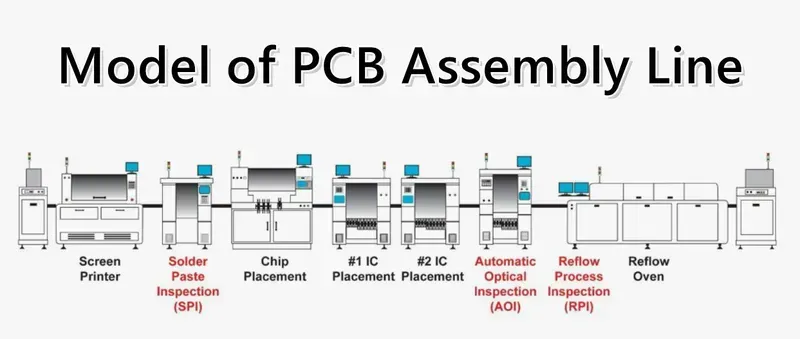
PCB Manufacturing Assembly Line
The journey of a Smart Projection Screen Control PCB from a conceptual design to a tangible, high-performing component is a meticulous process demanding precision at every stage. This manufacturing pipeline, encompassing fabrication, component sourcing, assembly, and rigorous testing, is crucial for ensuring the reliability, longevity, and seamless functionality of smart projection systems. Each phase is interconnected, with quality control checkpoints vital for delivering a superior final product that stands up to the demands of modern smart home integration.
Ensures correct circuit pathways, signal integrity, and mechanical robustness, foundational for electrical performance and longevity. Avoiding errors here prevents costly reworks later on, directly impacting the final product's reliability and performance under various environmental conditions, including thermal stress and humidity. According to a study by IPC, proper fabrication practices can reduce defects by up to 15%.
Component Sourcing
Identification of certified suppliers, procurement of microcontrollers, motor drivers, connectors, passive components
Guarantees authenticity, quality, and performance of critical active and passive components, preventing system failures and ensuring compliance with design specifications. The use of counterfeit or substandard components can lead to system instability, premature failure, and potential safety hazards. Zero One Solution Limited prioritizes a robust supply chain to mitigate these risks.
PCB Assembly (SMT & Through-Hole)
Solder paste application, component placement (pick-and-place), reflow soldering, wave soldering for through-hole components, manual soldering for specific parts
Ensures accurate and secure attachment of all components, proper electrical connections, and thermal dissipation, crucial for functional integrity and reliability. Precision in assembly minimizes short circuits, open circuits, and cold solder joints, all of which can severely impact PCB performance. Automated optical inspection (AOI) and X-ray inspection are vital at this stage to detect microscopic defects.
Verifies electrical functionality, component integrity, and performance under operational conditions, ensuring compliance with design specifications and industry standards. Comprehensive testing identifies defects early, significantly reducing field failures and enhancing product reputation. IPC-A-610 standards are widely followed to ensure acceptable quality levels.
Zero One Solution Limited excels in every facet of this manufacturing process. With a specialization in rapid prototyping, we accelerate the development cycle, allowing clients to quickly iterate and refine their smart projection screen control PCB designs. Our one-stop services, from meticulous PCB design to advanced manufacturing and assembly, ensure a seamless transition from concept to high-quality production. Our strategic locations in Shenzhen and Dubai provide access to a robust global PCBA supply chain, underpinning our commitment to efficiency, quality, and timely delivery for partners worldwide.
Software and Firmware Integration
The true intelligence of a smart projection screen control PCB lies not just in its hardware, but critically in its sophisticated software and firmware integration. This digital backbone orchestrates every function, from precise motor control for screen deployment and retraction to seamless communication with external devices and user interfaces, ensuring an intuitive and reliable user experience. Effective software design transforms raw hardware capabilities into a responsive and adaptable system, making it central to the smart screen's functionality and its capacity for future enhancements.
The Role of Firmware in Smart Projection Screen Control Firmware is embedded software that provides low-level control for the hardware components of the PCB. For smart projection screens, firmware manages motor drivers for smooth and precise screen movement, interprets signals from remote controls (IR/RF), and handles basic communication protocols. It's the essential layer that enables the hardware to perform its core functions reliably and efficiently, acting as the bridge between the digital commands and the physical actions of the screen. Optimally written firmware ensures stable operation, accurate positioning, and quick response times, which are paramount for user satisfaction.
Connectivity and Smart Home Integration
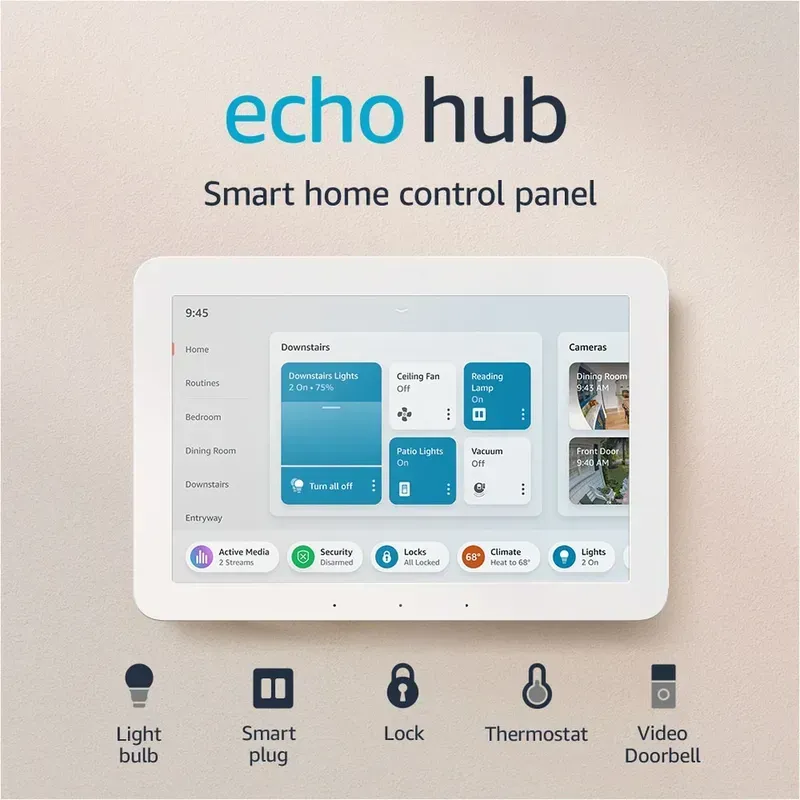
Smart Home Control Hub
Seamless connectivity and integration with smart home ecosystems are paramount for modern smart projection screen control PCB solutions, transforming a mere display into an integral component of a unified automated living or working space. This integration elevates user convenience, offering centralized control, automation capabilities, and enhanced interoperability with other smart devices, thereby delivering a truly intelligent and effortless viewing experience.
How do smart projection screens connect to a smart home system? Smart projection screens utilize various wireless communication protocols embedded within their control PCB to connect with smart home systems. Common methods include Wi-Fi, Bluetooth, and Zigbee. These protocols enable the screen to receive commands from smart home hubs, voice assistants, or dedicated smart home applications, facilitating automated control alongside other connected devices.
What are the key connectivity protocols for smart projection screen integration? The primary connectivity protocols include Wi-Fi, offering high bandwidth for broader network integration; Bluetooth, ideal for direct, short-range device pairing; and Zigbee, a low-power mesh network protocol highly suitable for comprehensive smart home ecosystems due to its reliability and scalability. Each offers distinct advantages based on the specific smart home setup and user requirements for the projection screen control PCB.
Which smart home platforms are compatible with integrated projection screens? Most advanced smart projection screens are designed for compatibility with leading smart home platforms such as Amazon Alexa, Google Assistant, and Apple HomeKit. This broad compatibility ensures that users can integrate their projection screens into their existing smart home setup, enabling voice control, routine automation, and scene management alongside other smart devices like lighting, thermostats, and security systems.
Can smart projection screens be controlled via voice commands? Yes, a significant advantage of integrating smart projection screens with smart home systems is the ability to control them via voice commands. By linking the projection screen control PCB to voice assistants like Amazon Alexa or Google Assistant through a compatible smart home hub, users can easily raise or lower the screen, power it on or off, or even trigger specific viewing presets using simple spoken instructions.
Troubleshooting Common Smart Projection Screen Control PCB Issues
Even with robust design and manufacturing, smart projection screen control PCBs can occasionally encounter issues. Understanding common problems and their root causes is crucial for efficient troubleshooting, minimizing downtime, and ensuring a seamless user experience. This section addresses prevalent challenges such as motor malfunctions, communication errors, and power supply irregularities, providing foundational insights and practical tips to diagnose and resolve them effectively.
Why is my smart projection screen not responding to commands? This often points to a communication error or a power supply issue. First, verify the power connection to the control PCB and the screen's motor. Check the remote control's batteries or the smart home hub's connection if it's integrated. Ensure there are no physical obstructions or interference blocking IR/RF signals. If using Wi-Fi, confirm the PCB is connected to the network and that the router is functioning correctly. A simple power cycle (unplugging and replugging) of the screen and any associated control devices can often resolve temporary glitches.
What should I do if the projection screen motor is not moving or making unusual noises? Motor issues can stem from mechanical problems or electrical control failures. First, listen for any grinding or straining sounds, which might indicate a physical obstruction or a failing motor. Check the motor's power supply and the motor driver IC on the PCB for proper voltage output. Verify that the limit switches, which define the screen's upper and lower positions, are functioning correctly and not stuck. Overheating can also cause motor protection circuits to trip; ensure adequate ventilation. If these steps don't resolve the issue, the motor or its driver circuit on the PCB might require replacement.
How do I diagnose power supply problems with my projection screen control PCB? Power supply issues are fundamental and can manifest as complete system failure or intermittent operation. Begin by checking the main power input to the screen and the PCB. Use a multimeter to verify the correct voltage output from the power adapter or internal power supply unit. Inspect the PCB for any signs of burnt components, bulging capacitors, or damaged traces, which often indicate power surges or component failure. Ensure all power connectors are securely seated. In cases of intermittent issues, electromagnetic interference (EMI) could be a factor, requiring shielded cabling or relocation of the PCB away from strong interference sources.
The smart features (Wi-Fi, Bluetooth) of my screen's PCB are not working. How can I fix this? Connectivity problems with smart features usually relate to software, network configuration, or module failure. First, perform a factory reset on the screen's control PCB if available, which can often resolve software conflicts. Check your home network for stability and ensure the Wi-Fi password is correctly entered. Verify that the Wi-Fi or Bluetooth module on the PCB is properly seated and free from physical damage. Interference from other devices operating on similar frequencies can also degrade performance; try changing Wi-Fi channels or moving the screen away from potential interference sources. Ensure the screen's firmware is up to date, as updates often include connectivity improvements.
My projection screen goes up or down but stops unexpectedly. What could be the cause? Unexpected stops often point to issues with limit switches or motor overload protection. The limit switches define the screen's travel range; if they are faulty, dirty, or misaligned, they might prematurely trigger, stopping the screen. Carefully inspect and clean these switches. Additionally, modern PCBs incorporate overload protection for the motor. If the motor encounters excessive resistance (e.g., a physical obstruction, worn bearings, or an underpowered motor), this protection can activate, causing the screen to stop. Clear any obstructions and ensure the screen mechanism moves freely. If the issue persists, consider calibrating the motor's travel limits through the screen's control settings or checking the motor's health.
Zero One Solution Limited: Your Partner for Smart Projection Screen PCB Solutions
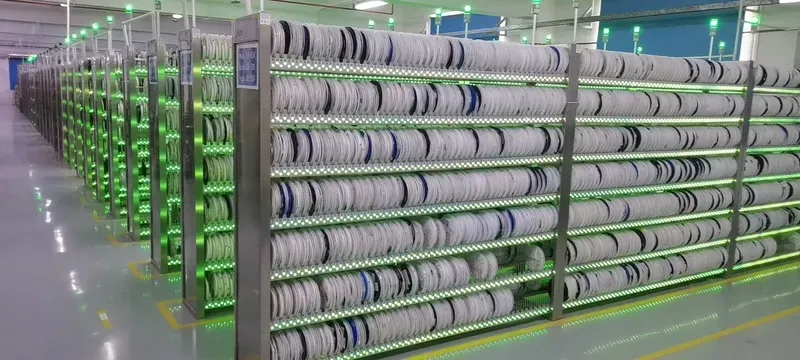
Electronic Components Warehouse
For manufacturers and innovators in the smart projection screen industry, selecting a reliable and capable PCB solution provider is paramount to product success. Zero One Solution Limited stands as a premier partner, offering end-to-end expertise in designing, manufacturing, and assembling the sophisticated Printed Circuit Boards that power the next generation of smart projection systems. Our commitment to rapid prototyping and comprehensive services ensures that your innovative concepts translate into high-performance, market-ready products with unparalleled efficiency and quality.
Rapid Prototyping Excellence At Zero One Solution Limited, our strength in rapid-response R&D prototype manufacturing significantly accelerates your product development cycle. We understand the critical need for quick iteration and testing in the smart projection screen market, providing agile and precise prototype PCB solutions that shorten your time to market.
Comprehensive PCB Services We offer a holistic suite of services encompassing every stage of PCB development for smart projection screens. From intricate PCB design and meticulous component sourcing to advanced SMT and through-hole assembly, and rigorous final testing, our integrated approach ensures seamless project execution and superior product quality.
Unmatched Manufacturing and Assembly Capabilities Leveraging state-of-the-art facilities and a highly skilled engineering team, Zero One Solution Limited excels in both low-volume, high-mix prototypes and high-volume production for smart projection screen control PCBs. Our expertise ensures precise manufacturing and reliable assembly, critical for the complex requirements of smart display electronics.
Global Reach and Strategic Sourcing Headquartered in Shenzhen, China's electronic manufacturing hub, and with a strategic branch office in Dubai, Zero One Solution Limited operates within a robust global PCBA supply chain network. This enables us to efficiently source high-quality components and provide flexible support, ensuring cost-effectiveness and timely delivery for your smart projection screen projects worldwide.
Partnering with Zero One Solution Limited means gaining access to a veteran team of engineers and manufacturing specialists dedicated to bringing your smart projection screen innovations to life with precision, speed, and reliability. We are committed to empowering your product development journey from concept to market leadership.
In conclusion, the Smart Projection Screen Control PCB is a vital component in modern home and commercial entertainment systems. It's more than just a circuit board; it's the key to seamless automation, enhanced convenience, and a superior viewing experience. Zero One Solution Limited is at the forefront of providing cutting-edge PCB solutions for this technology, offering comprehensive services from initial design to final assembly.
As technology continues to evolve, the demand for smarter, more integrated solutions will only increase. Contact Zero One Solution Limited today to discuss your project and discover how our PCB solutions can bring your innovative ideas to life. Let's shape the future of smart projection together!