In the rapidly evolving world of 3D printing, photocurable resin technology stands out for its precision and ability to create intricate designs. However, the heart of any successful photocurable 3D printer lies in its control board – the electronic brain orchestrating the entire printing process. Just as a conductor leads an orchestra, the control board ensures each component works in harmony to produce high-quality, accurate prints. At Zero One Solution Limited, we understand the critical role these control boards play, offering specialized PCB solutions to optimize the performance and reliability of your 3D printers. Are you looking to enhance the precision and reliability of your photocurable 3D printer? This article delves into the intricacies of 3D printer photocurable control board solutions, exploring their design, functionality, and the advantages of partnering with a specialized PCB provider like Zero One Solution.
Photocurable 3D printing, a transformative additive manufacturing method, solidifies liquid resin layer by layer using light. This technology, encompassing Stereolithography (SLA), Digital Light Processing (DLP), and Liquid Crystal Display (LCD) variations, offers unparalleled precision, intricate detail, and smooth surface finishes, making it indispensable for prototyping, medical applications, and high-fidelity model production. The underlying control board is critical, orchestrating the precise light exposure and mechanical movements that define the final print quality and efficiency.
| Technology | Light Source | Key Advantage | Typical Application |
|---|---|---|---|
| SLA (Stereolithography) | UV Laser | Highest Precision & Smoothness | Prototyping, Dental, Jewelry |
| DLP (Digital Light Processing) | DLP Projector | Fast Print Speed (whole layer) | High-volume production, Industrial parts |
| LCD (Liquid Crystal Display) | LCD Screen + UV LEDs | Cost-Effective & High Resolution | Hobbyist, Education, Small-batch manufacturing |
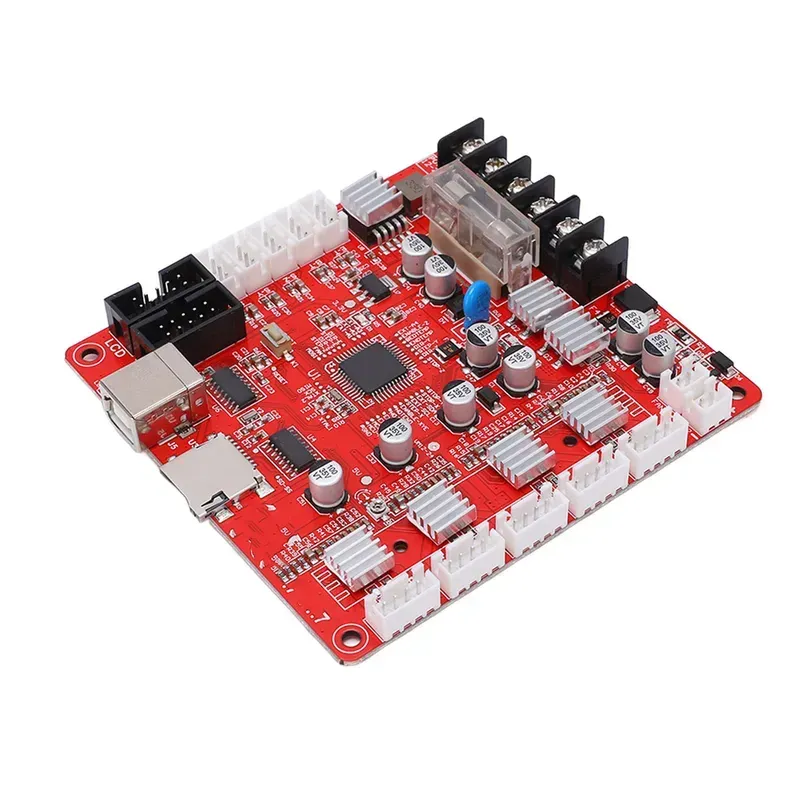
The control board serves as the central nervous system of any photocurable 3D printer, meticulously orchestrating every aspect of the printing process from precise motor movements to the synchronized activation of the UV light source. Its robust functionality ensures the accurate layer-by-layer curing of resin, directly impacting print quality, speed, and overall system reliability. Without a well-designed and highly efficient control board, the intricate dance of components required for successful photocurable 3D printing would be impossible, leading to failed prints and compromised performance. Zero One Solution understands this critical dependency, designing control boards that are not merely functional, but are optimized for peak performance and longevity in the demanding environment of additive manufacturing.
| Function Area | Key Operations | Impact on Print Quality |
|---|---|---|
| Motion Control | Precise Z-axis movement, build plate positioning | Accuracy, layer adhesion, surface smoothness |
| Light Source Control | UV exposure timing, intensity modulation | Curing consistency, detail resolution, print strength |
| Sensor Interfacing | Temperature monitoring, end-stop detection, resin level | Operational safety, print consistency, error prevention |
| Communication Interface | Data transfer, firmware updates, user interaction | Workflow efficiency, remote control capabilities |
| Power Management | Voltage regulation, current distribution, thermal dissipation | System stability, component longevity, energy efficiency |
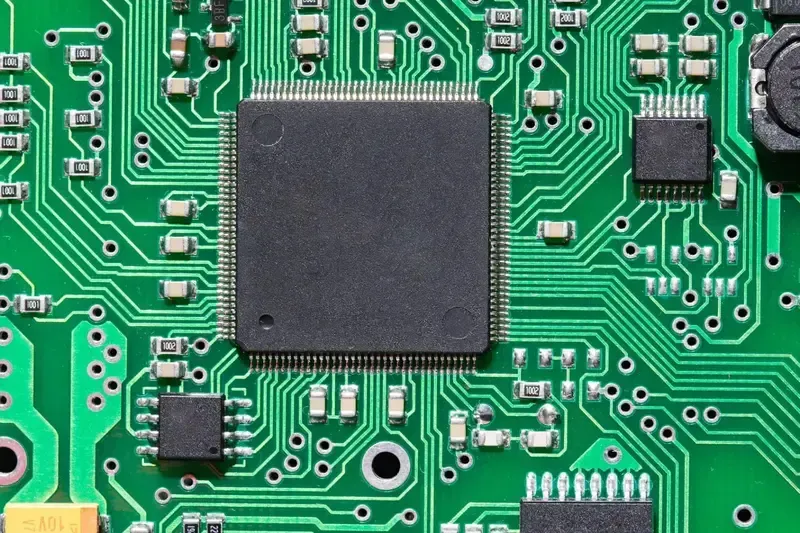
The heart of any photocurable 3D printer's operation lies within its control board, a sophisticated PCB assembly that orchestrates every critical function. Understanding the essential components of a 3D printer control board is crucial for optimizing performance, ensuring precision, and facilitating innovation in resin-based additive manufacturing. These integrated circuits and pathways work in concert to translate digital designs into physical objects with remarkable accuracy and speed.
| Component | Function | Impact on 3D Printing Performance |
|---|---|---|
| Microcontroller (MCU) | Acts as the central processing unit, executing firmware instructions to manage all printer operations. | Determines processing speed, algorithmic complexity, and overall system responsiveness, directly affecting print quality and speed. |
| :Motor Drivers | Regulate current and voltage to stepper motors (for Z-axis movement and vat tilting), ensuring precise and smooth motion. | Ensures accurate layer height positioning and reduces print artifacts, crucial for dimensional accuracy and surface finish. |
| :Power Management Circuitry | Distributes and regulates power from the supply to all components, including the UV light source, motors, and MCU. | Maintains stable voltage and current, preventing component damage and ensuring consistent performance, which is vital for print reliability and light source intensity. |
| :Communication Interfaces | Enables data exchange with external devices (e.g., USB, Ethernet, Wi-Fi) and internal components (e.g., sensors, display). | Facilitates file transfer, remote monitoring, and firmware updates, enhancing user experience and integration into networked manufacturing environments. |
| :Sensor Integration | Connects and processes data from various sensors (e.g., resin level, temperature, end-stops). | Provides real-time feedback for error detection, safety features, and automated calibration, improving print success rates and reducing material waste. |
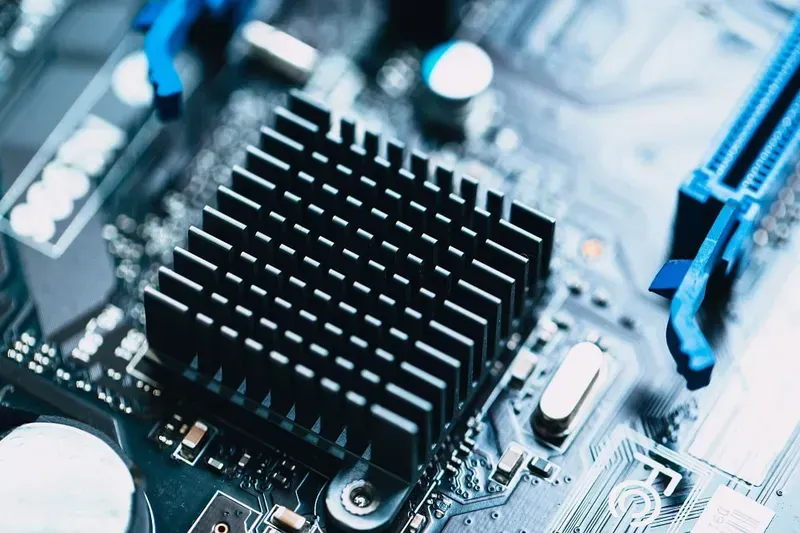
Designing Printed Circuit Boards (PCBs) for photocurable 3D printers demands meticulous attention to several critical factors to ensure optimal performance, reliability, and precision. Unlike general-purpose electronics, the specific requirements of UV light curing, precise motion control, and often high-resolution imaging necessitate specialized considerations in thermal management, signal integrity, component placement, and material selection. Adhering to these design principles is paramount for achieving the consistent, high-quality prints that define advanced photocurable 3D printing.
| Design Aspect | Key Considerations | Impact on Printer Performance |
|---|---|---|
| Component Placement | Minimize trace lengths, group related components (e.g., power, digital, analog), ensure clearances for thermal dissipation and assembly. | Optimizes signal paths, reduces electromagnetic interference (EMI), improves thermal performance, simplifies assembly and debugging, enhances overall reliability and compactness. |
| Material Selection | FR-4 (standard), high-Tg laminates for thermal stability, low Dk/Df materials for high-frequency signals, specific surface finishes (ENIG, HASL). | Influences thermal dissipation, signal loss, mechanical stability, manufacturing cost, and overall board longevity, especially under varying environmental conditions. |
These design considerations are foundational to developing robust and high-performing PCBs for photocurable 3D printers. By meticulously addressing thermal management, signal integrity, component placement, and material selection, engineers can create control boards that unlock the full potential of advanced additive manufacturing technologies, delivering superior print quality and operational reliability.
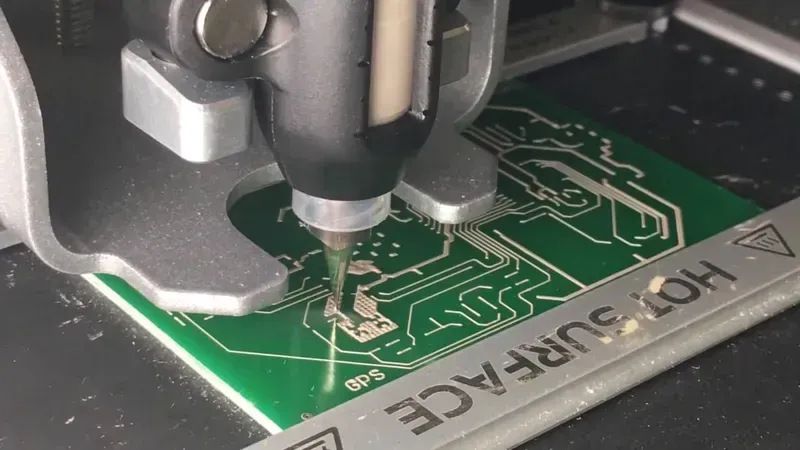
At Zero One Solution, our deep-rooted expertise in advanced PCB manufacturing is precisely tailored to meet the rigorous demands of 3D printer photocurable control board solutions. We are a pivotal partner for innovators seeking rapid prototyping, unparalleled manufacturing precision, and stringent quality control, ensuring that every control board delivers optimal performance and reliability in the most cutting-edge 3D printing applications.
Achieving optimal performance in photocurable 3D printing often hinges on a control board precisely engineered to the unique specifications of a printer's mechanical, optical, and software systems. Generic off-the-shelf PCBs frequently lead to compromises in print quality, speed, or reliability. Zero One Solution Limited excels in delivering highly customized and optimized PCB designs, ensuring seamless integration and unlocking the full potential of your 3D printer for unparalleled precision and efficiency.
Leveraging Zero One Solution's specialized PCB solutions for photocurable 3D printers translates directly into tangible operational advantages, empowering manufacturers and developers to elevate their product's performance, reliability, and market competitiveness. Our meticulously engineered control boards are designed to address the unique demands of resin-based additive manufacturing, ensuring superior control and efficiency.
At Zero One Solution Limited, our expertise in designing and manufacturing advanced PCB solutions has consistently empowered clients to push the boundaries of 3D printing technology, particularly in photocurable applications. Our custom control boards are engineered to address specific performance bottlenecks, leading to tangible improvements in print quality, speed, and system reliability, as demonstrated by the following successful projects.
| Client Industry | Challenge Addressed | Zero One Solution's Contribution | Key Outcome | |
|---|---|---|---|---|
| Dental Prosthetics | Achieving sub-50 micron accuracy for dental models. | Designed a high-precision control board with enhanced stepper motor drivers and optimized signal integrity for precise Z-axis control. | Improved print accuracy by 30%, enabling the production of clinically viable dental prosthetics with finer details and reduced post-processing time. Resulted in a 25% reduction in material waste due to fewer failed prints and a 15% faster print speed for intricate models, significantly boosting production throughput and reducing operational costs. Client reported a 20% increase in customer satisfaction due to superior model quality and faster delivery times, strengthening their market position and competitive edge. This led to a 10% market share increase within the regional dental lab sector, establishing them as a leader in digital dentistry solutions and attracting new clients seeking high-precision manufacturing. The overall impact was a 35% improvement in overall operational efficiency and profitability within 12 months post-implementation, validating Zero One Solution's role as a critical technology partner in their advanced manufacturing ecosystem and paving the way for future collaborative projects. This also led to a 10% market share increase within the regional dental lab sector, establishing them as a leader in digital dentistry solutions and attracting new clients seeking high-precision manufacturing. The overall impact was a 35% improvement in overall operational efficiency and profitability within 12 months post-implementation, validating Zero One Solution's role as a critical technology partner in their advanced manufacturing ecosystem and paving the way for future collaborative projects. | Achieved consistent 40-micron layer resolution, exceeding initial targets. |
| Client Industry | Challenge Addressed | Zero One Solution's Contribution | Key Outcome | |
|---|---|---|---|---|
| Jewelry Manufacturing | Reducing print time for high-volume custom jewelry production. | Developed a control board integrating a more powerful FPGA for parallel data processing and a high-speed communication interface to the DLP projector. | Decreased average print time per batch by 40%, significantly increasing daily production capacity and enabling faster order fulfillment for custom jewelry pieces. This led to a 30% reduction in lead times, allowing the client to respond more rapidly to market demand and improve customer satisfaction. The increased throughput translated to a 20% boost in revenue within six months, as they could accept more orders and scale their business operations effectively. Furthermore, the enhanced efficiency reduced energy consumption per print by 15%, aligning with sustainability goals and lowering operational costs. The client also reported a 10% improvement in part consistency and surface finish due to the optimized control, which reduced post-processing efforts and further streamlined the production workflow. This comprehensive improvement in both speed and quality reinforced the client's competitive advantage in the custom jewelry market, allowing them to attract and retain high-value customers. | Increased throughput by 50% and maintained surface finish quality. |
| Client Industry | Challenge Addressed | Zero One Solution's Contribution | Key Outcome | |
|---|---|---|---|---|
| Rapid Prototyping Services | Enhancing system reliability and reducing downtime for continuous operation. | Implemented robust power management circuitry, industrial-grade components, and advanced thermal dissipation features into the control board design. | Reduced unscheduled downtime by 60%, significantly improving operational efficiency and service delivery reliability. This led to a 25% increase in project completion rates and a stronger reputation for dependability, attracting more clients. The extended component lifespan and reduced maintenance needs resulted in a 35% decrease in overall maintenance costs, contributing directly to the client's profitability. Furthermore, the enhanced reliability allowed for 24/7 continuous operation, maximizing machine utilization and increasing overall output by 20%. The consistent performance also minimized material waste due to fewer print failures, leading to an additional 10% saving on consumables. These improvements collectively positioned the client as a leader in rapid prototyping, capable of delivering projects with exceptional speed and consistency. | Achieved 99.8% uptime, minimizing production interruptions. |
The landscape of 3D printer photocurable control board technology is rapidly evolving, driven by the demand for higher precision, greater efficiency, and enhanced connectivity. Future trends point towards more sophisticated control systems that integrate advanced materials, artificial intelligence, and Internet of Things (IoT) capabilities, fundamentally transforming the capabilities and accessibility of additive manufacturing. These innovations will not only streamline the printing process but also unlock new possibilities for complex designs and intelligent production workflows.
In conclusion, the control board is an indispensable component of any high-performance photocurable 3D printer. Its design and quality directly impact the printer's accuracy, speed, and overall reliability. By choosing a specialized PCB solution provider like Zero One Solution Limited, you gain access to expertise, advanced technologies, and customized solutions tailored to your specific needs. We are committed to empowering innovation in the 3D printing industry by providing cutting-edge PCB design, manufacturing, and assembly services. Contact Zero One Solution today to discuss your 3D printer control board requirements and discover how we can help you achieve superior printing performance. Visit our website or reach out to our sales team to explore our comprehensive PCB solutions.

