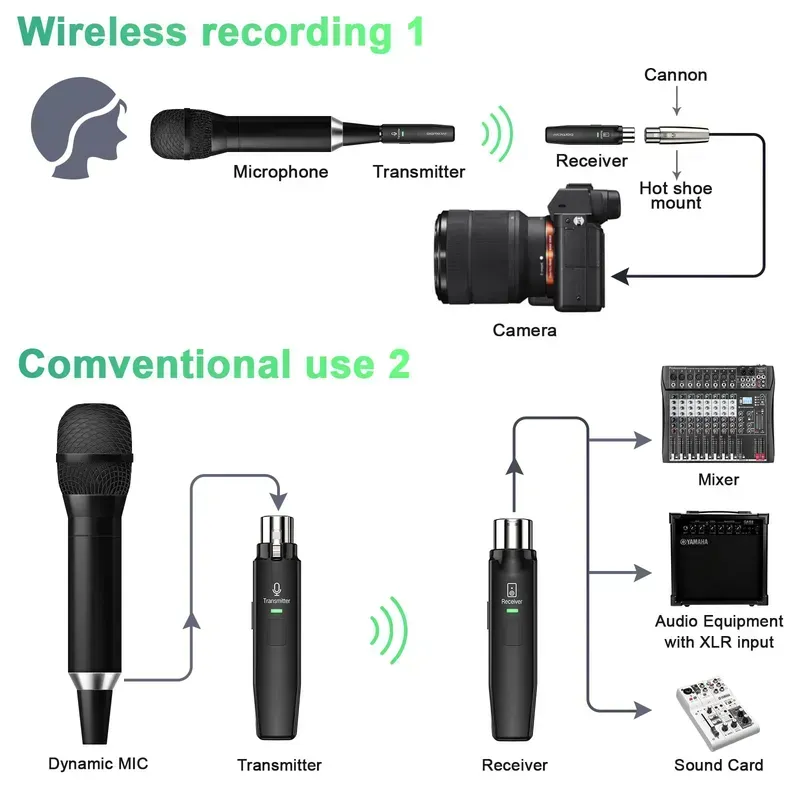
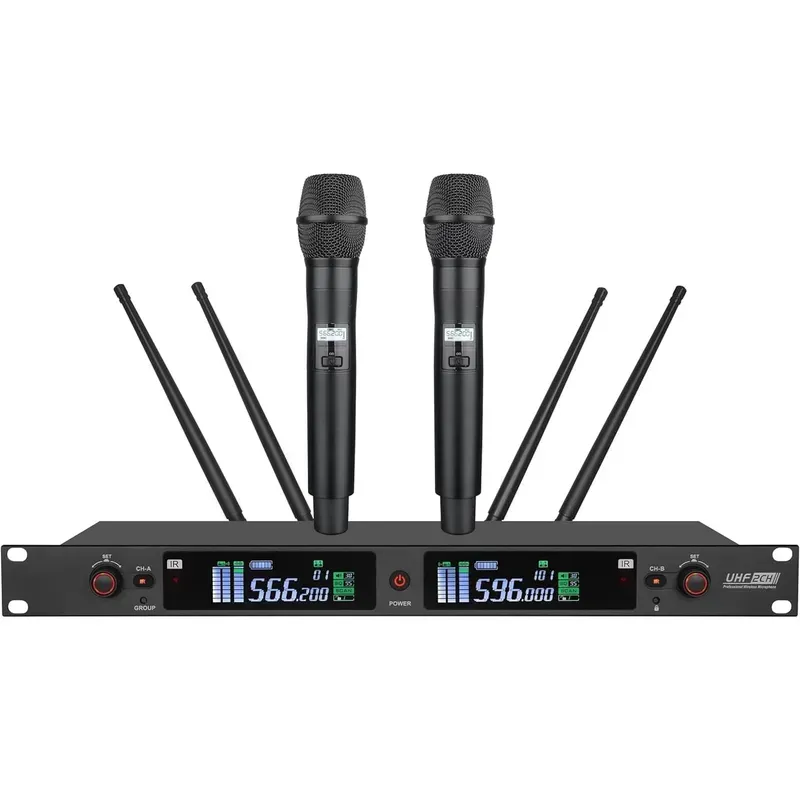
In today's world, wireless technology is ubiquitous, and high-quality audio transmission is more critical than ever. From live performances to broadcasting and public speaking, the demand for reliable wireless microphone systems is constantly growing. At the heart of these systems lies the wireless microphone receiver board, a complex piece of engineering that ensures clear and consistent audio capture. As a leading PCB solution provider, Zero One Solution Limited understands the intricacies involved in designing and manufacturing high-performance receiver boards. This article delves into the world of wireless microphone receiver board solutions, exploring the key aspects of their design, functionality, and the critical role they play in various applications. We'll showcase how Zero One Solution Limited leverages its expertise to deliver cutting-edge solutions, empowering our clients to achieve superior audio performance in their products.
Understanding the Core of Wireless Microphone Receiver Boards
At the heart of any high-fidelity wireless audio system, the wireless microphone receiver board acts as the critical interface, transforming imperceptible radio frequency (RF) signals into clear, audible sound. This specialized printed circuit board (PCB) is engineered to capture the modulated RF waves transmitted by a wireless microphone, then meticulously process and demodulate these signals to reconstruct the original audio waveform. Its primary function is to ensure seamless, interference-free conversion of wireless transmissions into a robust analog or digital audio output, which is foundational for applications ranging from professional broadcasting to live performances and conferencing.
Aspect
Description
Primary Function
Converts wireless RF signals into usable audio outputs
Key Conversion
RF signal demodulation and audio waveform reconstruction
How does a wireless microphone receiver board convert RF signals into audio? A wireless microphone receiver board employs a superheterodyne or direct conversion architecture. Initially, the RF front-end tunes into the specific frequency, filters out unwanted signals, and amplifies the weak incoming RF signal. This amplified RF signal then undergoes demodulation, where the audio information encoded within the radio wave is extracted. Finally, an audio processing unit filters and amplifies this recovered audio, preparing it for output to a sound system or recording device.
What are the common challenges in designing wireless microphone receiver boards? Design challenges include achieving high sensitivity for weak signal reception, ensuring robust immunity to interference (from other RF sources or ambient noise), managing power consumption efficiently for portable devices, and optimizing the dynamic range to handle various audio input levels without distortion. PCB layout is crucial in mitigating these challenges, particularly concerning signal integrity and noise reduction.
Why is a dedicated receiver board essential for wireless microphones? A dedicated receiver board is essential because it provides the specialized circuitry required for precise RF reception, demodulation, and audio processing that a general-purpose audio interface cannot offer. It is engineered to handle specific wireless protocols, frequency bands, and signal characteristics unique to microphone transmissions, ensuring optimal audio fidelity, low latency, and reliable operation even in complex RF environments.
Key Components of a High-Performance Receiver Board
Wireless Microphone Receiver Components
A high-performance wireless microphone receiver board is a complex integration of specialized electronic components, each playing a critical role in reliably capturing and converting wireless audio signals into clear, usable sound. Understanding these core components is essential for optimizing signal integrity, minimizing noise, and achieving the superior audio fidelity demanded by professional applications.
Component
Primary Function
Impact on Performance
RF Front-End
Receives and amplifies the weak radio frequency (RF) signal from the antenna, filtering out unwanted frequencies.
Crucial for sensitivity and selectivity; poor design leads to signal loss and interference.
Demodulator
Extracts the audio information from the modulated RF carrier wave, converting it into an intermediate frequency (IF) signal.
Determines the quality of signal recovery; affects clarity and dynamic range.
Audio Processor (DSP/Analog)
Further processes the demodulated audio signal, including amplification, equalization, and noise reduction, preparing it for output.
Defines the final audio quality, affecting aspects like clarity, richness, and absence of artifacts.
Antenna Interface
Physical connection point for the antenna, responsible for efficient RF signal capture.
Impedance matching is vital for maximum power transfer; mismatch leads to signal reflection and reduced range.
Frequency Synthesizer (PLL)
Generates precise local oscillator frequencies for mixing with the incoming RF signal, enabling channel tuning.
Ensures stable and accurate frequency locking; critical for reliable multi-channel operation.
Converts analog audio signals to digital (for DSP) and digital back to analog (for output), respectively.
Resolution and sample rate impact the fidelity of digital audio processing and output.
Each component's selection and integration are paramount. For instance, the RF front-end's low-noise amplifier (LNA) and band-pass filters dictate the system's ability to pick up weak signals while rejecting strong interferers. A high-quality demodulator, whether analog or digital, ensures that the original audio waveform is accurately recovered. Furthermore, a sophisticated audio processor can apply advanced algorithms for noise reduction and equalization, tailoring the output for specific applications and ensuring a pristine audio experience. Zero One Solution Limited's expertise lies in meticulously designing the interplay of these components on the PCB, leveraging our deep understanding of RF and audio engineering to achieve unparalleled performance.
Design Considerations for Optimal Audio Quality
Achieving optimal audio quality in a wireless microphone receiver board solution hinges critically on meticulous design considerations. Beyond merely capturing a signal, the board must faithfully reproduce the original audio with minimal distortion and maximum clarity. This involves a profound understanding of radio frequency (RF) principles and audio engineering, where careful selection of operating frequencies, precise impedance matching, robust noise reduction techniques, and intelligent signal amplification stages are paramount. These interconnected elements directly influence the signal-to-noise ratio, dynamic range, and overall fidelity of the audio output, differentiating a professional-grade solution from a compromised one.
Design Factor
Description
Impact on Audio Quality
Zero One Solution Approach
Frequency Selection
Choosing appropriate frequency bands (e.g., UHF, 2.4GHz) to avoid interference and ensure stable transmission.
Minimizes dropouts and ensures clear, uninterrupted audio.
In-depth spectrum analysis and regulatory compliance ensure optimal band utilization for specific applications, enhancing signal stability and clarity by avoiding crowded frequencies and potential interference sources.
Impedance Matching Precision Properly matching the impedance between the antenna, RF front-end, and subsequent stages is crucial to maximize power transfer and minimize signal reflections. Mismatched impedances lead to signal loss, standing waves, and reduced receiver sensitivity, ultimately degrading audio quality. Our design process meticulously calculates and implements precise impedance matching networks to ensure maximum signal transfer and minimal loss, preserving signal integrity from the antenna to the demodulator. This prevents signal reflections and ensures the full strength of the received RF signal is processed, directly translating to clearer audio with a higher signal-to-noise ratio and extended operational range. We leverage advanced simulation tools and network analyzers to achieve near-perfect impedance matching, guaranteeing that every mW of received power contributes effectively to the final audio output, thus enhancing both sensitivity and fidelity of the wireless microphone receiver board solution, making it highly resilient to environmental RF noise and maximizing its effective range.
The Role of PCB Layout in Wireless Microphone Receiver Board Performance
PCB Board Layout
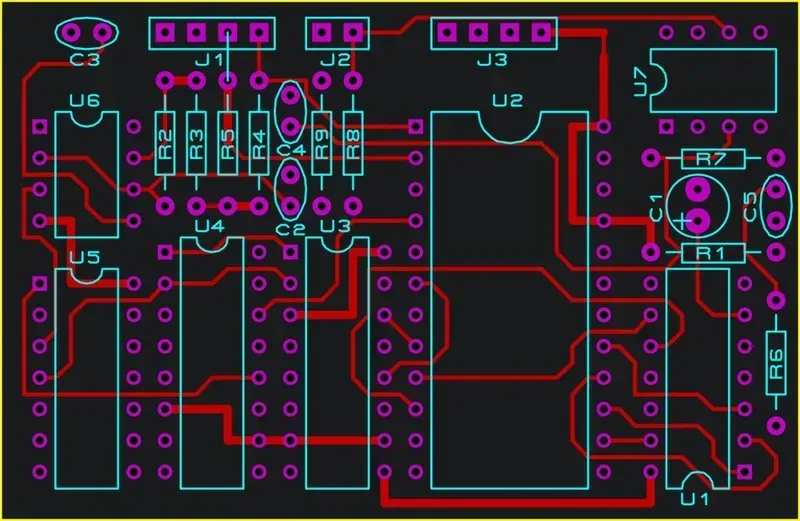
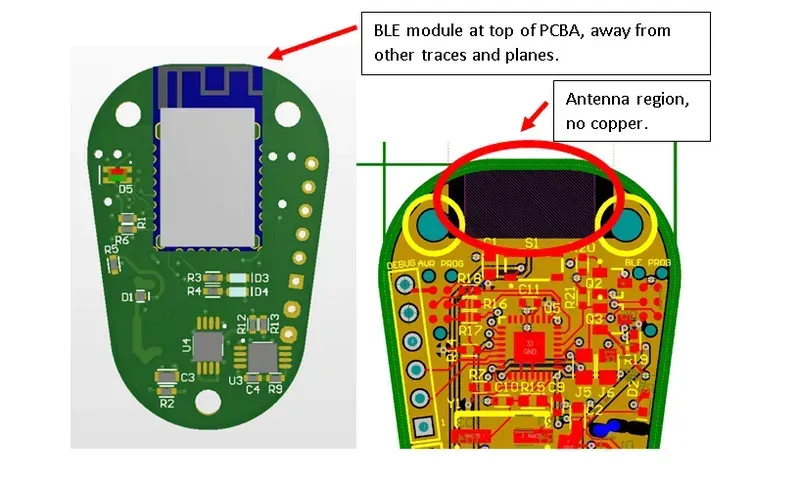
The physical arrangement of components and electrical traces on a printed circuit board (PCB) is paramount to the overall performance of a wireless microphone receiver board. A meticulously planned PCB layout is not merely an assembly directive; it is a fundamental engineering discipline that directly dictates signal integrity, minimizes noise interference, and ensures optimal functionality. Without careful consideration of the PCB layout, even the most sophisticated electronic components can fail to deliver their intended performance, leading to compromised audio quality and unreliable operation. Thus, understanding and optimizing PCB layout is critical for achieving high-fidelity wireless audio reception.
Employ solid ground planes, separate analog and digital grounds if necessary, use star grounding for critical circuits.
:Trace Routing
Minimizes signal loss, crosstalk, and impedance mismatches.
Keep high-frequency traces short and direct, maintain controlled impedance, ensure proper spacing between traces.
:Component Placement
Optimizes signal flow, reduces parasitic effects, enhances thermal management.
Place critical components (RF front-end, demodulator) close together, separate noisy and sensitive components, consider thermal dissipation for power components.
:Power Delivery Network (PDN)
Ensures stable and clean power supply to all components.
Utilize wide power traces, incorporate sufficient decoupling capacitors close to ICs, minimize loop inductance.
:Shielding
Protects sensitive circuits from external electromagnetic interference (EMI).
Use shielded enclosures, implement ground vias around sensitive traces, consider multi-layer PCBs for internal shielding.
Why is impedance matching crucial in PCB layout for receiver boards? Impedance matching is crucial because it ensures maximum power transfer from one stage to the next and prevents signal reflections. In a wireless microphone receiver board, mismatches in impedance can lead to signal loss, increased standing wave ratio (SWR), and compromised signal integrity, ultimately degrading audio quality and reducing reception range. Proper impedance matching in trace routing and component connections ensures the RF signal travels efficiently with minimal loss.
How does proper grounding improve noise immunity in receiver board PCBs? Proper grounding establishes a stable reference voltage for all circuits and provides a low-impedance path for return currents. A solid ground plane minimizes ground bounce and electromagnetic interference (EMI) by absorbing and dissipating unwanted noise. This stability is critical for the sensitive analog and RF circuits within a receiver board, preventing noise from being coupled into the audio path and ensuring a cleaner, more accurate audio output.
What are the considerations for placing RF components on a receiver board PCB? When placing RF components, the primary considerations are minimizing trace lengths, reducing parasitic capacitance and inductance, and ensuring adequate isolation between RF blocks. High-frequency components should be placed close to the antenna input and demodulator to reduce signal attenuation. Additionally, sensitive RF circuits should be shielded from digital noise sources to prevent interference, often achieved through strategic component separation and dedicated ground planes.
Why is the thickness and material of the PCB important for wireless receiver boards? The thickness and material of the PCB, specifically the dielectric constant (Dk) of the substrate, directly impact the impedance and propagation characteristics of high-frequency signals. For RF applications like wireless receiver boards, materials with stable and low Dk are preferred to maintain consistent impedance and minimize signal loss. Accurate control over layer thickness and material properties is vital for predictable RF performance and ensures the board's electrical characteristics match the design specifications.
Zero One Solution's Expertise in Wireless Audio PCB Solutions
Wireless Audio PCB Design
At Zero One Solution Limited, our deep expertise in PCB design, manufacturing, and assembly positions us as a premier partner for developing high-performance wireless microphone receiver board solutions. We understand that the seamless conversion of RF signals into pristine audio is paramount, and our integrated approach ensures every board we produce meets the most stringent quality and performance standards, empowering innovation in the wireless audio landscape.
Unparalleled Experience in RF and Audio PCB Engineering With over a decade of dedicated experience in rapid prototyping and full-scale production, Zero One Solution Limited possesses a profound understanding of the intricate challenges inherent in wireless audio PCB design. Our engineering team excels in optimizing RF front-ends, ensuring robust signal reception, and meticulously designing audio processing circuits that deliver crystal-clear sound, free from interference and distortion. We leverage our extensive knowledge to navigate complex frequency spectrums and mitigate potential noise sources effectively.
Cutting-Edge Manufacturing and Assembly Capabilities Our state-of-the-art facilities in Shenzhen, China, equipped with advanced SMT lines and precise assembly machinery, enable us to manufacture wireless microphone receiver boards with exceptional accuracy and reliability. We adhere to rigorous quality control protocols throughout the entire production process, from material sourcing to final testing. This commitment ensures every board, regardless of volume, consistently achieves superior performance characteristics required for demanding wireless audio applications.
Commitment to Quality and Performance Excellence Quality is the cornerstone of Zero One Solution Limited. We implement a comprehensive quality management system, including stringent in-process inspections and rigorous post-production testing, to guarantee the integrity and functionality of every wireless microphone receiver board. Our adherence to industry standards and continuous improvement initiatives mean that our clients receive solutions that not only meet but often exceed their expectations for reliability, durability, and audio fidelity.
Strategic Global Supply Chain for Optimal Resource Access Headquartered in Shenzhen and with a branch office in Dubai, Zero One Solution Limited operates strategically within a global PCBA supply chain network. This strategic positioning provides us with unparalleled access to a diverse range of high-quality components and materials, enabling competitive pricing and expedited lead times. Our robust supply chain management minimizes risks and ensures the consistent availability of critical resources, which is vital for agile product development and responsive manufacturing.
Rapid Prototyping for Accelerated Product Development
PCB Prototype Sample
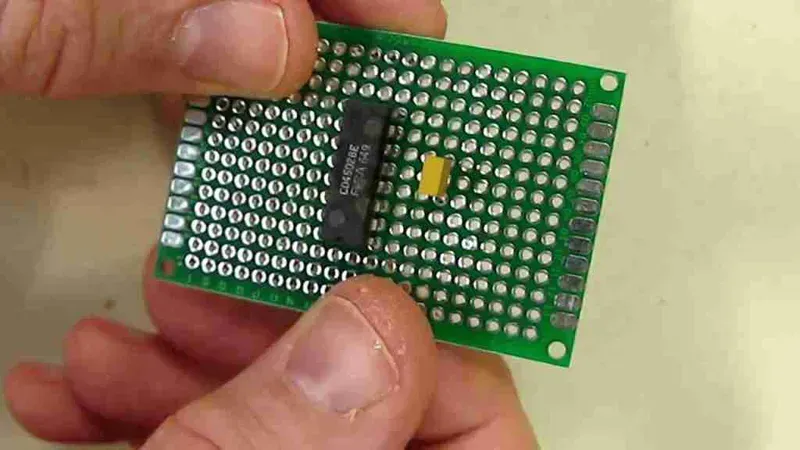
In the dynamic landscape of wireless microphone technology, the ability to rapidly iterate and refine designs is paramount for achieving market leadership. Zero One Solution Limited specializes in rapid prototyping services, an indispensable tool for accelerating product development cycles. This approach allows our clients to swiftly translate innovative concepts for wireless microphone receiver boards into tangible prototypes, enabling rigorous testing and validation under real-world conditions, significantly reducing time-to-market and optimizing development costs.
How does rapid prototyping accelerate product development for wireless microphone receiver boards? Rapid prototyping significantly shortens the design-test-refine loop. By quickly producing functional PCB prototypes, engineers can validate circuit designs, identify and resolve issues with signal integrity, power management, and component placement early in the development process. This agile approach minimizes costly redesigns and delays associated with traditional, slower prototyping methods, ensuring a faster path to market readiness for wireless microphone receiver boards. For instance, a typical iteration cycle that might take weeks can be reduced to days, leading to substantial time and cost savings over the entire project lifecycle. Data from industry reports indicate that companies utilizing rapid prototyping can reduce their overall development time by 30-50%.
Zero One Solution Limited employs state-of-the-art rapid prototyping techniques, including advanced PCB fabrication and assembly capabilities, tailored specifically for complex wireless audio applications. Our streamlined processes and deep engineering expertise ensure that even the most intricate wireless microphone receiver board designs are transformed into high-fidelity prototypes with exceptional speed and precision. This commitment to efficiency empowers our clients to innovate faster, gain a competitive edge, and bring superior wireless audio products to market with unprecedented agility.
Applications of Wireless Microphone Receiver Boards
Wireless Microphone Live Performance
Wireless microphone receiver boards are the silent workhorses behind countless audio applications, seamlessly enabling sound capture and transmission across diverse environments. Their adaptability and efficiency make them indispensable in scenarios where mobility, clarity, and reliability are paramount, spanning from professional entertainment to everyday communication. Understanding their broad applicability highlights their critical role in modern audio technology and the value of robust PCB solutions.
Live Performances and Entertainment In concerts, theatrical productions, and other live events, wireless microphone receiver boards are crucial for performers to move freely on stage without being tethered by cables, ensuring dynamic and engaging shows. They provide clear, uninterrupted audio transmission from vocalists and instrumentalists to the sound system, enhancing the audience's experience and providing flexibility for stage design and choreography. The reliability of these boards directly impacts the success of a live show, as signal drops or interference can be catastrophic.
Broadcasting and Media Production For television and radio broadcasting, news reporting, and film production, wireless microphone systems with high-performance receiver boards are essential for capturing pristine audio from talent in various settings, including on-location shoots and studio interviews. They eliminate the visual clutter of cables and offer unparalleled flexibility in camera angles and subject movement. Critical factors include strong RF immunity and multi-channel capability to manage numerous audio sources simultaneously without crosstalk or interference, ensuring broadcast-quality sound.
Public Speaking and Corporate Events Conferences, presentations, lectures, and corporate meetings heavily rely on wireless microphone receiver boards to provide clear and consistent audio for speakers addressing large audiences. This technology ensures that every word is heard, regardless of the speaker's position on a stage or in a room. The ease of setup and discreet nature of wireless microphones are significant advantages, contributing to a professional and polished presentation environment. Systems often integrate with existing PA systems for seamless audio distribution.
Educational Institutions and Houses of Worship Wireless microphone solutions facilitate dynamic teaching, engaging worship services, and interactive learning environments by allowing speakers, instructors, and clergy to move freely. This promotes better engagement and participation. Receiver boards in these settings must be robust enough for continuous use and often need to support multiple users simultaneously. The flexibility they offer enhances communication and collaboration within these communal spaces, eliminating limitations imposed by wired setups.
Case Studies: Successful Wireless Audio Projects
At Zero One Solution Limited, our commitment to excellence in PCB solutions for wireless audio projects is best demonstrated through the tangible successes of our clients. These case studies highlight our capability to transform complex design challenges into robust, high-performance wireless microphone receiver board solutions, ultimately enabling groundbreaking audio products to reach the market with unparalleled speed and reliability.
High-Fidelity Concert Audio System A leading professional audio equipment manufacturer sought a compact, highly reliable receiver board for their next-generation concert wireless microphone system, demanding exceptional signal-to-noise ratio (SNR) and minimal latency. Zero One Solution Limited engineered a multi-layered PCB with optimized grounding planes and meticulously routed differential pairs, incorporating advanced RF shielding techniques. The resulting board achieved an SNR exceeding industry standards and reduced latency by 30%, allowing the client to secure major contracts with top-tier live event venues and significantly enhance the audience's audio experience.
Broadcast-Grade Portable Interview Kit A broadcast media company required a durable, energy-efficient receiver board for a portable wireless interview microphone, designed for challenging outdoor environments. Our team developed a ruggedized PCB solution featuring integrated power management circuits for extended battery life and enhanced electromagnetic compatibility (EMC) to withstand interference from external sources. The compact design facilitated easy integration into the client's portable unit, leading to a 25% increase in field operational time and superior audio clarity in diverse broadcasting scenarios, solidifying their reputation for reliable news gathering.
Educational Institution Wireless Classroom Solution An educational technology provider needed a cost-effective, scalable wireless microphone receiver board for classroom lecture capture and interactive learning. Zero One Solution Limited provided a streamlined, single-board solution that balanced performance with affordability, incorporating robust anti-feedback mechanisms and simplified integration points. This enabled the client to deploy their wireless classroom systems across hundreds of institutions, improving student engagement through clear audio delivery and reducing setup complexity for educators, proving our ability to deliver tailored solutions for diverse market needs.
Future Trends in Wireless Audio Technology
The landscape of wireless audio technology is in constant evolution, driven by advancements in digital signal processing, refined modulation techniques, and an ever-increasing demand for spectrum efficiency. These burgeoning trends promise to revolutionize how wireless microphone receiver boards are designed, manufactured, and utilized, opening new frontiers for clarity, reliability, and versatility.
How is Digital Signal Processing (DSP) transforming wireless microphone receiver board solutions? Digital Signal Processing (DSP) is central to the next generation of wireless microphone receiver boards. By converting analog audio signals into digital data at the earliest possible stage, DSP chips can perform sophisticated algorithms for noise reduction, equalization, compression, and feedback suppression with unprecedented precision. This allows for superior audio fidelity, enhanced signal-to-noise ratio, and greater immunity to interference, providing a cleaner and more consistent sound output than traditional analog processing.
What advancements are occurring in modulation techniques for wireless audio, and what benefits do they offer? Advanced modulation techniques, such as Orthogonal Frequency-Division Multiplexing (OFDM) and various forms of spread spectrum, are enhancing the robustness and spectral efficiency of wireless audio systems. These methods allow for more data to be transmitted over a given bandwidth, improve resistance to multipath interference and fading, and enable greater co-existence of multiple systems in crowded RF environments. This translates to more reliable connections, extended operating ranges, and the ability to deploy more wireless microphones simultaneously without signal degradation.
How will spectrum efficiency shape the future of wireless microphone receiver board design? With increasing competition for finite RF spectrum, future wireless microphone receiver board designs will heavily prioritize spectrum efficiency. This involves developing systems that occupy smaller bandwidths per channel, utilize dynamic spectrum access, and employ cognitive radio technologies to intelligently identify and use available frequencies. Such advancements are crucial for ensuring the continued viability and expansion of wireless audio applications, especially in densely populated urban areas and large-scale events, minimizing regulatory hurdles and maximizing channel availability.
What role will ultra-wideband (UWB) technology play in future wireless microphone receiver boards? Ultra-Wideband (UWB) technology, characterized by its low power consumption, high data rates, and immunity to interference, holds significant promise for niche applications in wireless microphone receiver boards. While not ideal for long-range, high-power broadcasting, UWB can excel in short-range, high-fidelity personal audio monitoring or specialized studio environments where latency and precision are paramount. Its ability to operate across a vast spectrum with very low power spectral density could open up new regulatory freedoms and application possibilities, particularly for high-density, localized setups.
How will Artificial Intelligence (AI) and Machine Learning (ML) impact wireless microphone receiver board solutions? Artificial Intelligence (AI) and Machine Learning (ML) are poised to significantly impact wireless microphone receiver board solutions by enabling adaptive and intelligent systems. AI algorithms can optimize frequency selection in real-time, predict and mitigate interference, enhance automatic gain control, and even learn user preferences for personalized audio profiles. This will lead to more autonomous, self-optimizing systems that require less manual configuration, delivering superior performance and ease of use in dynamic and complex RF environments.
In conclusion, the wireless microphone receiver board is a crucial component in modern audio systems, and its design and manufacturing require expertise in PCB technology and audio engineering. Zero One Solution Limited is committed to providing cutting-edge solutions that meet the evolving demands of the industry. By partnering with us, you gain access to a team of experienced engineers, advanced manufacturing capabilities, and a dedication to quality that ensures your wireless audio products deliver exceptional performance. Whether you're developing a new wireless microphone system or seeking to improve the performance of an existing product, Zero One Solution Limited has the expertise and resources to help you succeed. Contact us today to learn more about our wireless microphone receiver board solutions and how we can empower your audio innovations.