In an era where technological advancements are continually pushing the boundaries of human potential, smart prosthetics stand as a beacon of innovation, offering unprecedented levels of mobility, dexterity, and sensory feedback to individuals. These sophisticated devices, far from being mere replacements, are complex electro-mechanical marvels that integrate advanced sensors, powerful microcontrollers, and intricate actuation systems. At the heart of every high-performance smart prosthetic lies a meticulously engineered Printed Circuit Board (PCB). Zero One Solution Limited, a leader in rapid-response PCB assembly solutions since 2011, is at the forefront of enabling this revolution. This article delves into how our specialized PCB solutions are driving the next generation of smart prosthetics, empowering developers to transform visionary concepts into tangible, life-changing realities.
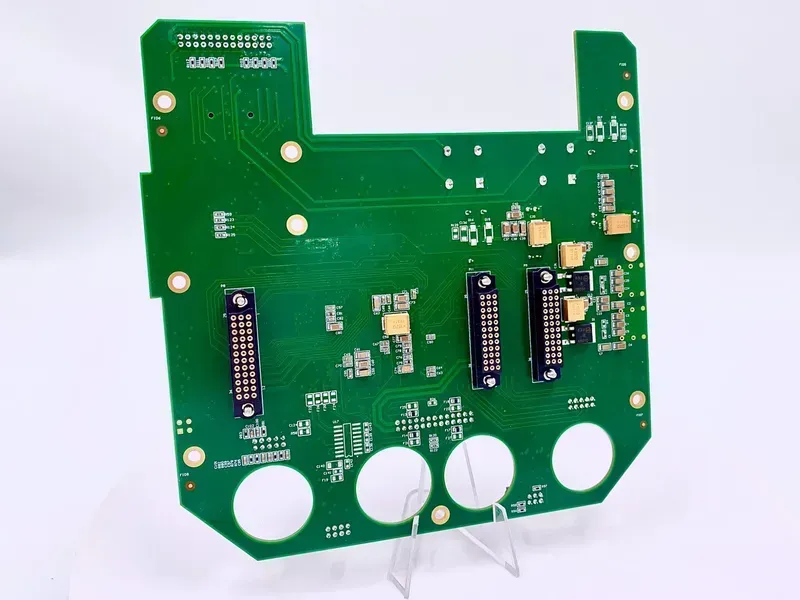
The relentless march of innovation in smart prosthetics is intrinsically tied to advancements in Printed Circuit Board (PCB) technology. What began as rudimentary devices driven by relatively simple circuits has blossomed into sophisticated, integrated systems, where the PCB acts as the central nervous system, enabling intricate control, sensory feedback, and seamless human-machine interaction. This evolution, fueled by demands for enhanced functionality, miniaturization, and user comfort, has transformed prosthetics from basic aids into true extensions of the human body, profoundly impacting the quality of life for countless individuals.
Historically, early prosthetics relied on conventional rigid PCBs, which, while functional, presented significant limitations in terms of size, weight, and adaptability to complex anatomical structures. The bulky nature of these boards often hindered the aesthetic and ergonomic integration of the prosthetic limb, impacting user acceptance and mobility. Furthermore, the limited processing capabilities and connectivity of these simpler PCBs restricted the sophistication of control mechanisms and the integration of advanced sensors, preventing the development of features like nuanced grip control or realistic gait patterns.
The paradigm shift in smart prosthetic design has been largely propelled by the emergence of flexible and rigid-flex PCB technologies. These innovations offer unprecedented design freedom, allowing for the creation of compact, lightweight, and anatomically conformable prosthetic components. The ability to bend and conform PCBs to irregular shapes facilitates better integration within the prosthetic structure, enhancing comfort and wearability. Beyond physical form, these advanced PCBs provide superior electrical performance, enabling higher component densities, improved signal integrity, and efficient power management – critical factors for powering complex motors, advanced sensors, and communication modules within smart limbs. This technological leap has paved the way for features such as haptic feedback, mimicking the sensation of touch, and robust brain-computer interface (BCI) capabilities, promising a future where prosthetic control is as intuitive as natural limb movement. Zero One Solution Limited stands at the forefront of this revolution, providing the advanced PCB solutions that empower this next generation of smart prosthetics.
Designing Printed Circuit Boards (PCBs) for smart prosthetics demands a meticulous approach, considering not just electrical functionality but also the intimate interaction with the human body and the demanding operational environment. The core challenge lies in balancing performance with constraints imposed by wearability, battery life, and user safety. Addressing factors like miniaturization, power efficiency, signal integrity, electromagnetic compatibility (EMC), and robust mechanical integration is paramount to creating prosthetic drives that are both highly functional and comfortable for the user.
| Design Consideration | Importance in Smart Prosthetics | Impact on Device Performance & User Comfort |
|---|---|---|
| Miniaturization | Enables compact, lightweight prosthetics; crucial for aesthetics and user acceptance. | Improved wearability, less fatigue, better cosmetic integration. Contributes to a natural feel and discreet appearance for the user, enhancing psychological comfort and adoption rates. |
| Power Efficiency | Extends battery life, reducing recharge frequency and improving device autonomy. | Longer operational periods between charges, critical for daily use and user convenience. Minimizes heat generation, improving device longevity and comfort against the skin. |
| Signal Integrity | Ensures accurate and reliable transmission of sensory data and control signals between the prosthesis and the user/system. | Precise control and feedback, leading to more natural movement and responsive interaction. Prevents errors and latency, which are vital for user confidence and task execution. |
| Electromagnetic Compatibility (EMC) | Guarantees stable operation in diverse electromagnetic environments, preventing interference from external sources and self-generated noise. | Reliable performance in various settings (e.g., near mobile phones, medical equipment). Protects sensitive internal components from disruption, maintaining consistent functionality and safety. |
| Robust Mechanical Integration | Ensures the PCB is securely embedded within the prosthetic device, capable of withstanding physical stress, vibrations, and impact. | Enhanced durability and longevity of the prosthetic, reducing maintenance and replacement costs. Prevents damage to internal electronics from daily wear and accidental drops, ensuring continuous functionality. |
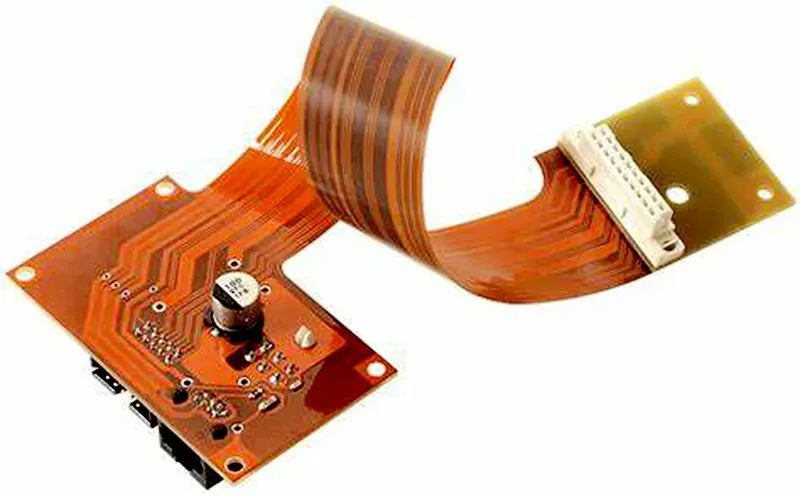
The performance and longevity of smart prosthetics are intrinsically linked to the underlying Printed Circuit Board (PCB) materials and fabrication techniques. Given the rigorous demands of medical applications—including constant motion, human body interaction, and compact integration—the selection of advanced materials and precision manufacturing processes is paramount. This section delves into how specific material properties and cutting-edge fabrication methods contribute to the durability, flexibility, thermal management, and overall reliability of PCBs crucial for sophisticated prosthetic devices.
| Material Type | Key Properties | Smart Prosthesis Application Benefits | Challenges |
|---|---|---|---|
| Flex PCBs | Bendable, lightweight, thin | Conformity to anatomical structures, reduced weight, enhanced comfort | Lower heat dissipation, delicate handling during assembly |
| Rigid-Flex PCBs | Combines rigid and flexible sections | High-density integration, 3D packaging, improved reliability through fewer connectors | Higher complexity in design and manufacturing, increased cost |
| High-Tg Laminates | Elevated glass transition temperature | Enhanced thermal stability, ideal for high-power components, reduced delamination risk | Less flexible, higher cost than standard FR-4 |
| LCP (Liquid Crystal Polymer) | Excellent electrical properties, low moisture absorption, biocompatible | High-frequency signal integrity, sterilization compatibility, durable in harsh environments | Higher material cost, specialized processing requirements |
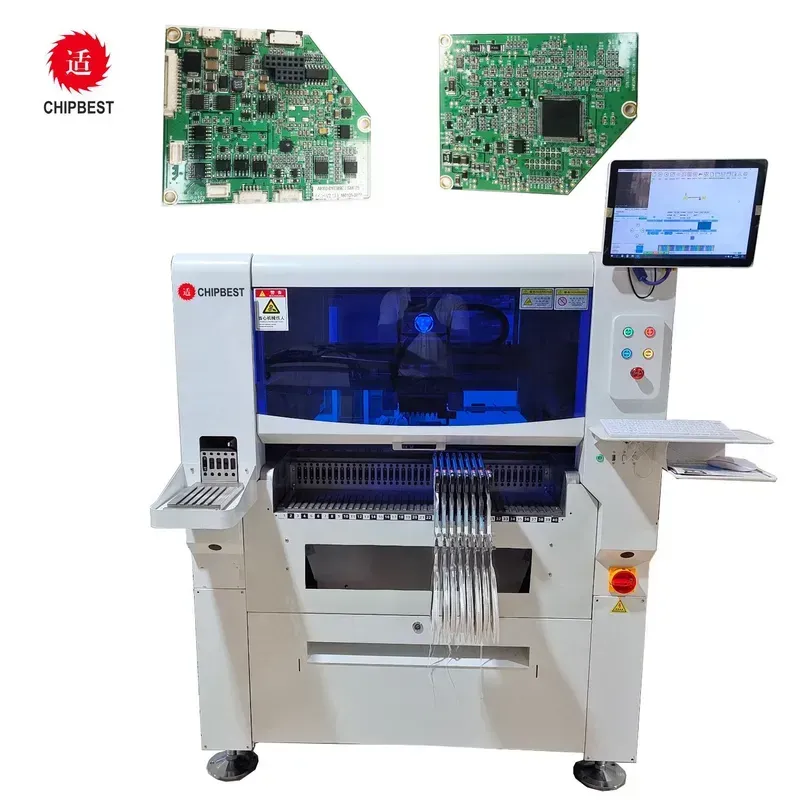
Manufacturing Printed Circuit Boards (PCBs) for smart prosthetics presents a unique set of challenges, demanding extreme precision, advanced material handling, and rigorous quality assurance. These intricate devices require PCBs that are not only miniaturized and highly integrated but also robust enough to withstand the demanding conditions of human interaction and continuous operation. Zero One Solution Limited, with over a decade of experience as a leader in rapid prototyping and comprehensive PCB solutions, excels in navigating these complexities, offering unparalleled expertise to overcome the inherent hurdles in this critical medical device sector. Our strategic location in Shenzhen, China, and our global network, including a Dubai branch, further enhance our capability to deliver advanced solutions reliably and efficiently.
Zero One Solution Limited's commitment to advanced manufacturing processes and state-of-the-art equipment enables us to consistently overcome these challenges. Our rigorous testing protocols, including AOI (Automated Optical Inspection), X-ray inspection, and functional testing, guarantee the reliability and performance of every PCB, critical for applications where human well-being is at stake. We are not just a manufacturer; we are a partner dedicated to pushing the boundaries of what's possible in smart prosthesis technology.
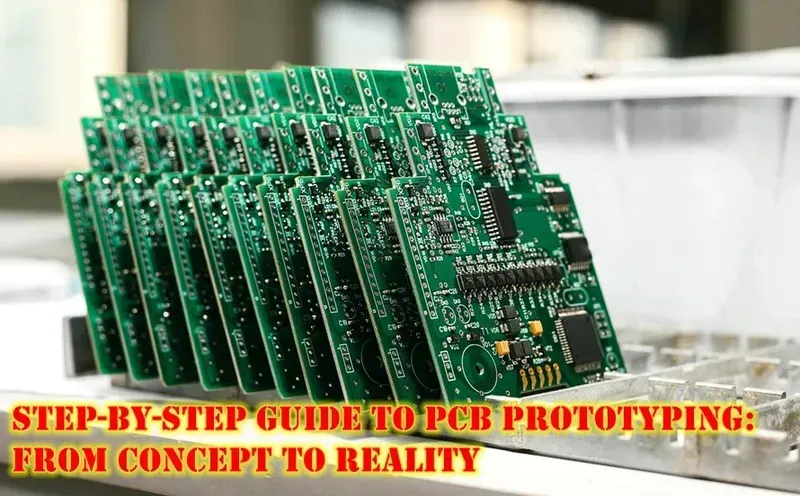
In the fast-evolving landscape of smart prosthetics, the ability to rapidly prototype and iterate PCB designs is not just an advantage—it's a critical enabler for accelerated innovation and market leadership. Zero One Solution Limited stands at the forefront of this imperative, offering unparalleled rapid prototyping services that empower designers to transform groundbreaking concepts into functional prototypes with remarkable speed and precision. This agile approach significantly compresses development cycles, enabling rigorous testing and refinement, ultimately bringing life-changing smart prostheses to patients faster and more efficiently.
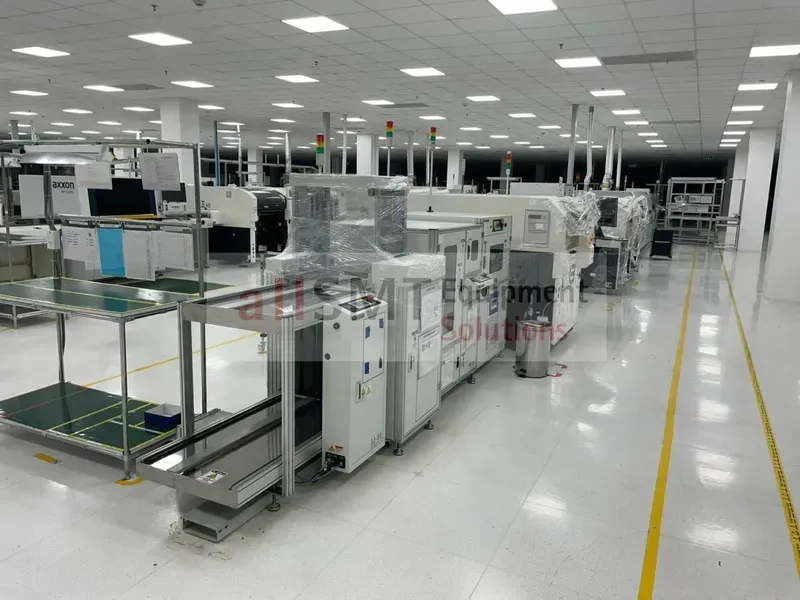
Zero One Solution Limited stands as a premier PCB solution provider, offering a comprehensive, one-stop service model crucial for the complex demands of smart prosthesis development. Our integrated approach, spanning PCB design review, manufacturing, precise component sourcing, and efficient assembly, streamlines the entire product development lifecycle for smart prosthesis manufacturers. This seamless transition across all stages ensures consistent quality, minimizes coordination overhead, and accelerates time-to-market for innovative medical devices, allowing our clients to focus on core innovation while we handle the intricacies of advanced PCB production.
| Service Aspect | Traditional Multi-Vendor Approach | Zero One Solution's One-Stop Approach |
|---|---|---|
| Coordination Complexity | High, requiring multiple points of contact and communication | Low, single point of contact for all stages |
| Time-to-Market | Extended due to handoffs and potential delays between vendors | Accelerated through seamless integration and efficient workflows |
| Quality Control | Varied, inconsistencies may arise between different vendors | Consistent, standardized quality control across all stages |
| Cost Efficiency | Potentially higher due to fragmented processes and rework | Optimized by consolidated services and reduced overhead |
| Risk Management | Increased risk of errors and miscommunication across vendors | Reduced through unified accountability and streamlined processes |
By entrusting Zero One Solution Limited with their PCB needs, smart prosthesis innovators gain a strategic partner capable of delivering end-to-end solutions with unparalleled efficiency and quality. This integrated service model empowers our clients to transform their groundbreaking concepts into market-ready products with confidence, leveraging our decade-plus of expertise in rapid prototyping and high-reliability PCB manufacturing.
Partnering with Zero One Solution Limited for your Smart Prosthesis Drive PCB Solution offers an unparalleled competitive edge rooted in our unwavering commitment to reliability, precision engineering, and a truly collaborative partnership. We understand that in the realm of medical devices, especially smart prosthetics, there is no room for compromise. Our strategic operational framework, combining our Shenzhen headquarters with a Dubai branch, ensures global supply chain accessibility and localized support, providing clients with robust, high-performance PCB solutions essential for breakthrough innovations.
At Zero One Solution, we see ourselves not just as a service provider, but as an indispensable partner in your innovation journey. We pride ourselves on fostering deep, collaborative relationships, working hand-in-hand with smart prosthesis manufacturers to transform visionary concepts into tangible, market-ready medical devices. Our seasoned engineering and marketing experts offer insightful guidance throughout the entire product lifecycle, from initial design optimization to post-production support, ensuring your success in the competitive medical device landscape.
Navigating the complexities of Smart Prosthesis Drive PCB Solution development often brings forth specific questions. This FAQ section aims to address common inquiries, providing clear and concise answers that clarify our capabilities and the nuances of high-performance PCB solutions for advanced medical devices.
The journey of smart prosthetics from concept to reality is a testament to human ingenuity, and at its core, the reliability and performance of the underlying PCB are paramount. Zero One Solution Limited is proud to be a pivotal partner in this transformative field, offering unparalleled expertise, rapid prototyping capabilities, and a commitment to quality that empowers innovators to push the boundaries of what's possible. Our Shenzhen and Dubai offices strategically position us to leverage a global supply chain, ensuring seamless project execution from design to high-volume production. We invite you to collaborate with Zero One Solution Limited. Whether you are developing a revolutionary bionic limb or refining an existing prosthetic design, our team of veteran engineers is ready to provide the robust, reliable, and high-performance PCB solutions you need. Accelerate your R&D, reduce time-to-market, and elevate the capabilities of your smart prosthetic devices. Contact us today to discuss how our PCB expertise can bring your next-generation prosthetic drive solution to life.

