In today's fitness-conscious world, smart resistance bands are gaining immense popularity for their versatility and effectiveness in strength training. At the heart of these innovative fitness tools lies a sophisticated sensor PCB (Printed Circuit Board) solution, crucial for accurately tracking and analyzing workout data. Zero One Solution Limited, a leading PCB solution provider specializing in rapid prototyping, offers comprehensive services from PCB design to manufacturing and assembly. This article delves into the intricacies of smart resistance band sensor PCB solutions, highlighting their design considerations, manufacturing processes, and the critical role they play in enhancing the user experience.
Introduction to Smart Resistance Band Technology
Smart resistance band technology represents a significant leap in personalized fitness, integrating advanced sensors and connectivity into traditional resistance training tools. These innovative devices transcend basic exercise equipment by providing real-time data on workout intensity, repetition count, and even force exerted, transforming how individuals approach strength training and rehabilitation. The core of this intelligence lies in sophisticated sensor PCB solutions that capture and process intricate biometric and movement data, enabling users to optimize their workouts, track progress, and prevent injuries with unprecedented precision. This integration elevates the user experience from mere physical exertion to data-driven performance enhancement.
Real-time Performance Feedback Smart resistance bands provide immediate feedback on workout metrics like resistance level, reps, and sets, allowing users to adjust their form and intensity for optimal results. This real-time data ensures efficiency and effectiveness in every session.
Personalized Workout Tracking These devices meticulously track long-term progress, creating a comprehensive record of strength gains, endurance improvements, and calorie expenditure. Such detailed tracking enables tailored fitness plans and motivates users by visualizing their achievements.
Injury Prevention and Rehabilitation Support By accurately measuring force and movement patterns, smart resistance bands can identify inconsistencies or excessive strain, helping users maintain proper form and reduce injury risk. They are also invaluable tools in physical therapy, guiding controlled movements and monitoring recovery.
Gamified Fitness Experience Many smart resistance bands integrate with fitness apps that offer guided workouts, challenges, and virtual coaching, transforming exercise into an engaging and interactive experience. This gamification significantly boosts user adherence and enjoyment.
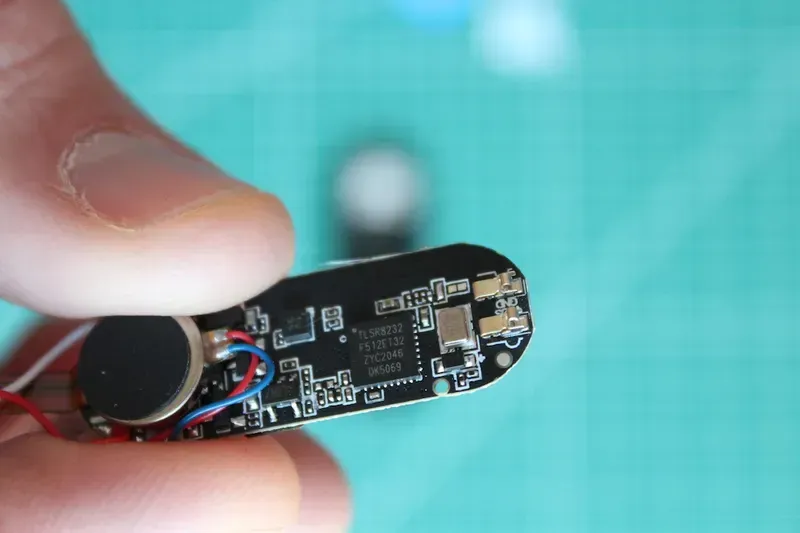
At the heart of every smart resistance band lies a sophisticated Sensor PCB, the unsung hero responsible for transforming physical exertion into actionable digital data. This Printed Circuit Board is the central nervous system, meticulously designed to house and interconnect the various sensors and processing units that detect, measure, and transmit vital workout parameters. Without a precisely engineered Sensor PCB, the promise of real-time feedback, personalized training, and progress tracking offered by smart resistance bands would remain an unrealized ambition, highlighting its critical role in the functionality and user experience of these innovative fitness devices.
Core Functions of a Smart Band Sensor PCB The Sensor PCB in smart resistance bands integrates several critical functions to provide comprehensive workout data. Its primary role involves accurate data acquisition from embedded sensors, followed by precise analog-to-digital conversion. Post-conversion, the data is processed and prepared for transmission, often via wireless modules, to a paired smart device or cloud platform. This seamless flow of information is orchestrated by the PCB, ensuring reliable performance during dynamic movements.
Key Data Points Captured by Sensor PCBs Smart resistance band Sensor PCBs are engineered to capture a range of critical data points that enhance fitness tracking. These typically include real-time force or resistance applied, repetition count, range of motion, and even metrics like power output or velocity. Advanced PCBs may also integrate biometric sensors to monitor heart rate or calorie expenditure, providing a holistic view of the user's performance and physiological response during exercise. For example, precise force sensors, often integrated directly onto the PCB, can measure the exact tension applied during each rep, offering unparalleled accuracy compared to traditional methods. According to a 2022 market analysis by Grand View Research, the global smart fitness equipment market, heavily reliant on such sensor technologies, is projected to reach USD 22.3 billion by 2030, underscoring the growing demand for high-performance PCBs in this sector.
PCB Component
Primary Function
Relevance in Smart Bands
Microcontroller (MCU)
Processes sensor data, manages communication protocols.
Translates raw sensor input into meaningful workout metrics (e.g., reps, force).
Force/Pressure Sensors
Measures the resistance or tension applied to the band.
Directly quantifies the intensity of each exercise movement, crucial for progress tracking and load management. Typically utilizes strain gauge technology or piezoelectric elements integrated directly onto flexible substrates for optimal performance in dynamic environments, ensuring real-time accuracy and responsiveness, a key differentiator for premium smart resistance bands.
Key Design Considerations for Resistance Band Sensor PCBs
Flexible PCB
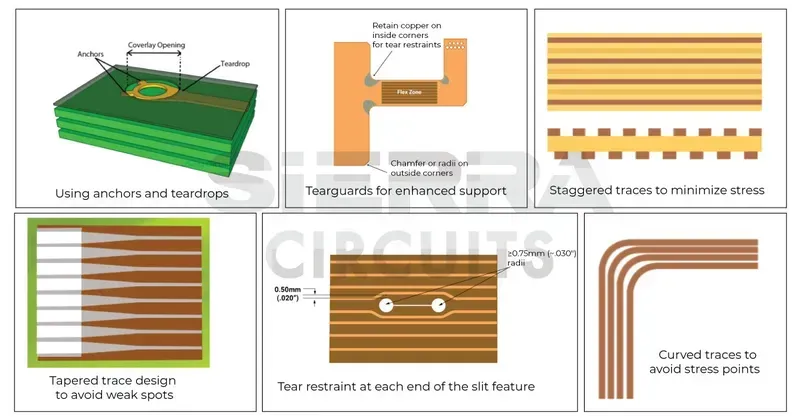
Designing a Printed Circuit Board (PCB) for smart resistance bands presents unique challenges that necessitate a meticulous approach to material selection, form factor, and connectivity. Unlike conventional electronics, these PCBs must seamlessly integrate into flexible, high-stress environments while accurately capturing biometric and movement data. The ability to withstand repeated stretching, bending, and sweat exposure, alongside the imperative for compact and lightweight designs, are paramount. Strategic design decisions at this stage are critical, directly influencing the smart band's performance, user comfort, and overall durability in a demanding fitness application.
Design Consideration
Description
Impact on Performance
Flexibility & Form Factor
Utilizing flexible PCB (FPC) or rigid-flex PCB designs to accommodate dynamic movements and anatomical contours.
Ensures comfortable wear and prevents stress fractures on components during intense workouts.
Design Consideration
Description
Impact on Performance
Material Selection
Choosing substrates like Polyimide (PI) for flexibility and durability, along with conformal coatings for moisture and sweat resistance.
Guarantees long-term reliability and resistance to environmental degradation.
Design Consideration
Description
Impact on Performance
Miniaturization & Weight
Optimizing component placement and trace routing for a compact footprint and minimal weight, crucial for user comfort.
Reduces bulk and allows for a more ergonomic, barely-there feel, enhancing user adoption.
Design Consideration
Description
Impact on Performance
Power Management
Implementing efficient power circuits and low-power components to maximize battery life.
Extends usage time between charges, critical for uninterrupted fitness tracking.
Design Consideration
Description
Impact on Performance
Connectivity & Integration
Ensuring robust wireless communication (e.g., Bluetooth Low Energy) and seamless integration with other smart devices.
Facilitates real-time data syncing and enhances the overall user experience.
Design Consideration
Description
Impact on Performance
Thermal Management
Designing for efficient heat dissipation, particularly for components that generate heat during operation.
Prevents overheating, ensuring stable performance and prolonging component lifespan.
Component Selection for Accurate Data Acquisition
Sensor Microcontroller
Accurate data acquisition is paramount for the efficacy of smart resistance bands, directly influencing user experience and training insights. This precision hinges upon the meticulous selection of electronic components for the Smart Resistance Band Sensor PCB. Every component, from the core sensors to the power management units, must be chosen not only for its individual performance but also for its seamless integration within the constrained and dynamic environment of a wearable fitness device. The goal is to capture nuanced metrics like force, stretch, and movement with high fidelity, translating physical exertion into actionable digital data.
Component Category
Key Considerations
Examples/Benefits
Force/Strain Sensors
Sensitivity, linearity, durability, size
Miniature load cells, strain gauges (e.g., MEMS-based) for precise force measurement and high fatigue resistance. These enable accurate tracking of resistance levels and repetitions, crucial for progressive overload and injury prevention. Strain gauges, often integrated directly into the band's material, provide real-time deformation data, offering a direct measure of force applied by the user.
Inertial Measurement Units (IMUs)
Accuracy, low power consumption, small footprint, data rate
Accelerometers and gyroscopes (e.g., 6-axis, 9-axis IMUs). Essential for tracking motion, orientation, and exercise form. High-precision IMUs detect subtle movements, ensuring correct exercise execution and preventing compensatory movements that could lead to injury. They are vital for analyzing repetition speed, range of motion, and even detecting compensatory movements.
Microcontroller Units (MCUs)
Processing power, low power modes, integrated peripherals, package size
ARM Cortex-M series (e.g., STM32, Nordic nRF52). Chosen for their balance of processing capability to handle sensor data, robust connectivity options (Bluetooth Low Energy), and extreme power efficiency, which extends battery life in compact designs. Their ability to manage multiple sensor inputs and execute complex algorithms locally is critical for real-time feedback.
Connectivity Modules
Power efficiency, range, data throughput, form factor
Bluetooth Low Energy (BLE) 5.x. Optimal for wireless data transmission to smartphones or other fitness devices, offering excellent power efficiency for prolonged use. BLE 5.x provides increased data rates and range, ensuring a stable and rapid connection for real-time data streaming and firmware updates.
Highly efficient buck/boost converters, linear regulators. Crucial for maximizing battery life and ensuring stable power delivery to all components, especially during fluctuating load conditions typical in active use. Integrated charging circuits are also vital for user convenience and battery longevity.
Manufacturing Process: From Prototype to Mass Production
PCB Assembly
The journey from a conceptual smart resistance band sensor PCB design to a market-ready product involves a meticulous manufacturing process, beginning with rapid prototyping to validate functionality and culminating in large-scale production with rigorous quality control. This phased approach is critical for minimizing risks, optimizing performance, and ensuring the final product meets the stringent demands of wearable fitness technology.
Rapid Prototyping Rapid prototyping is the cornerstone of agile development in PCB manufacturing. It allows for quick iteration and testing of designs, identifying and rectifying potential issues early in the development cycle. For smart resistance band sensor PCBs, this phase focuses on evaluating sensor accuracy, connectivity reliability, and power consumption within a compact, flexible form factor. Zero One Solution Limited excels in rapid PCB prototyping, enabling clients to swiftly move from concept to functional samples, accelerating their product development timelines significantly.
Component Sourcing and Assembly (PCBA) Once the prototype design is validated, the next crucial step is the meticulous sourcing of high-quality components, including microcontrollers, MEMS sensors, Bluetooth modules, and power management ICs. Following sourcing, the Printed Circuit Board Assembly (PCBA) process begins. This involves precise placement of surface-mount devices (SMDs) using automated pick-and-place machines, followed by reflow soldering. For flexible PCBs used in resistance bands, specialized low-temperature soldering techniques or flexible conductive adhesives may be employed to maintain structural integrity and performance.
Firmware Integration and Testing Beyond hardware assembly, integrating the firmware onto the microcontroller is vital. This software dictates how the sensors collect data, how data is processed, and how it communicates with external devices. Post-integration, comprehensive functional testing is performed. This includes verifying sensor calibration, data transmission accuracy, battery life, and overall system responsiveness. Environmental testing, such as temperature and humidity cycling, is also conducted to ensure reliability under various operational conditions.
Quality Control and Assurance Quality control is paramount throughout the manufacturing process, not just at the end. Automated Optical Inspection (AOI) and X-ray inspection are used to detect soldering defects and component misalignments. In-Circuit Testing (ICT) and Functional Circuit Testing (FCT) verify electrical connections and overall operational integrity. For smart resistance bands, stress testing (e.g., repeated stretching, bending) is also performed to ensure the PCB's durability and longevity in a high-wear application, adhering to international quality standards such as ISO 9001 and IPC Class 2/3.
Mass Production and Scalability Upon successful validation of prototypes and pilot runs, the manufacturing process scales up for mass production. This phase requires robust supply chain management, efficient production lines, and continuous quality monitoring to maintain consistency and reduce costs per unit. Zero One Solution Limited's strategic location in Shenzhen, a global electronic manufacturing hub, combined with our Dubai branch, facilitates seamless access to a vast supply chain network, enabling efficient and scalable mass production of smart resistance band sensor PCBs to meet global market demands.
Ensuring Reliability and Durability in Wearable Applications
Durable PCB
In the demanding world of wearable fitness technology, the reliability and durability of the Smart Resistance Band Sensor PCB are paramount. These devices are subjected to constant flexing, sweat exposure, and impact, necessitating a robust design and manufacturing approach. Achieving this involves meticulous material selection, advanced protective coatings, and rigorous testing protocols that ensure sustained performance under challenging conditions.
Why is reliability critical for Smart Resistance Band Sensor PCBs? Reliability is crucial because smart resistance bands are used in dynamic environments, often involving strenuous exercise. A failure in the PCB can lead to inaccurate data, device malfunction, or even user injury, undermining the product's credibility and user trust. Ensuring reliability means the device consistently performs its intended function over its expected lifespan, providing accurate and continuous feedback for fitness tracking and analysis. This is particularly important for professional athletes and rehabilitation patients who depend on precise data for performance monitoring and recovery.
Reliability Factor
Description
Impact on Smart Band Performance
Flexural Strength
Ability of the PCB to withstand repeated bending without damage.
Prevents circuit breakage and intermittent connectivity during dynamic movements, ensuring continuous data capture.
Moisture Resistance
Protection against sweat and humidity to prevent corrosion and short circuits.
Maintains circuit integrity in high-perspiration environments, preventing sensor degradation and false readings.
Impact Resistance
Capacity to absorb physical shocks from drops or accidental impacts.
Safeguards internal components, preventing damage that could lead to device failure or data loss.
Zero One Solution Limited: Your Partner in Smart Resistance Band Sensor PCB Solutions
Zero One Solution Limited stands at the forefront of PCB innovation, particularly in the rapidly evolving wearable fitness technology sector, offering unparalleled expertise in Smart Resistance Band Sensor PCB solutions. Our 20 years of experience, coupled with a strategic global presence in Shenzhen and Dubai, enables us to deliver not just components, but integrated solutions that empower clients to accelerate product development and bring revolutionary fitness devices to market with exceptional efficiency. We understand the nuanced demands of wearable electronics, where miniaturization, flexibility, and robust data acquisition are paramount, and our bespoke PCB services are tailored to meet these precise needs, ensuring your smart resistance bands are both intelligent and reliable.
Rapid Prototyping and Agile Development Our rapid prototyping capabilities significantly reduce time-to-market for smart resistance band sensor PCBs. We provide quick-turn prototypes that allow for iterative design improvements, ensuring your product evolves efficiently from concept to a market-ready device. This agile approach minimizes development costs and accelerates validation cycles, critical for competitive fitness tech.
Comprehensive One-Stop PCBA Services Zero One Solution Limited offers a seamless, one-stop solution covering everything from initial PCB design and layout to manufacturing, component sourcing, and final assembly. This integrated service simplifies your supply chain, reduces communication overheads, and ensures consistent quality control across all stages, delivering a superior Smart Resistance Band Sensor PCB tailored to your specifications.
Expertise in Wearable-Specific PCB Challenges Developing PCBs for smart resistance bands presents unique challenges, including the need for extreme flexibility, resilience to constant movement, and precise sensor integration. Our engineers possess deep expertise in flexible PCBs (FPCBs) and rigid-flex designs, critical for the durability and performance of wearable fitness devices, ensuring accurate data capture under strenuous conditions.
The Future of Smart Resistance Band Technology
The trajectory of smart resistance band technology is rapidly evolving, driven by innovations in sensor integration, data analytics, and user experience. At its core, the advancement of these devices hinges significantly on sophisticated PCB innovation, enabling smaller, more powerful, and more reliable solutions. This convergence of hardware and software is poised to redefine personalized fitness and rehabilitation.
Enhanced Sensor Integration Future smart resistance bands will feature an even broader array of integrated sensors, moving beyond just tension and motion. Expect the inclusion of biometric sensors for real-time heart rate, sweat analysis, and muscle activation (EMG), providing a more holistic view of workout efficacy and physiological response. This necessitates multi-layered, flexible PCBs capable of housing diverse components in a compact form factor.
AI-Driven Adaptive Training The next generation of smart bands will leverage artificial intelligence and machine learning to provide truly adaptive training programs. By analyzing real-time data from the PCB's sensors, AI algorithms will dynamically adjust exercise recommendations, provide immediate form correction feedback, and even predict potential overtraining or injury risks, creating a personalized coaching experience directly from the band.
Seamless Connectivity and Ecosystem Integration Expect more robust and energy-efficient wireless connectivity protocols (e.g., UWB, next-gen Bluetooth) ensuring seamless data transfer to smart devices, fitness platforms, and even VR/AR environments. Smart resistance bands will become integral components of larger, interconnected health and wellness ecosystems, allowing for comprehensive data aggregation and sharing with trainers, therapists, or healthcare providers (with user consent).
Advanced Material Science in PCB Design Innovations in flexible and stretchable PCB substrates will be crucial. Materials that can withstand extreme repetitive bending, stretching, and environmental exposure while maintaining electrical integrity will be standard. This includes advancements in conductive inks, stretchable elastomers, and self-healing polymers, pushing the boundaries of durability and comfort for wearable fitness devices.
FAQs about Smart Resistance Band Sensor PCBs
The robust and innovative Printed Circuit Boards (PCBs) within smart resistance bands are fundamental to their functionality, enabling precise data capture and seamless user experience. As the backbone of these advanced fitness tools, understanding the nuances of their design, manufacturing, and application is crucial for anyone involved in developing or utilizing smart resistance band technology.
What specific types of sensors are typically integrated into a Smart Resistance Band Sensor PCB? Smart resistance band sensor PCBs primarily integrate force sensors (e.g., strain gauges or load cells) to measure applied resistance, accelerometers for motion tracking and exercise recognition, and gyroscopes for orientation data. Some advanced designs may also include magnetometers for enhanced positional accuracy or even bio-impedance sensors for basic body composition analysis, all meticulously selected for their low power consumption and compact size.
How does Zero One Solution Limited ensure the flexibility and durability of PCBs for wearable resistance bands? Zero One Solution Limited employs advanced flexible PCB (FPC) or rigid-flex PCB technologies, utilizing high-performance polyimide substrates that offer excellent bend endurance. Durability is further enhanced through strategic component placement to minimize stress points, robust encapsulation techniques (e.g., conformal coating or potting), and rigorous environmental testing, including repeated bending cycles, temperature extremes, and humidity exposure, ensuring the PCB withstands the dynamic movements inherent in resistance band usage.
What are the primary challenges in designing a compact yet powerful PCB for smart resistance bands? Designing a compact yet powerful PCB for smart resistance bands presents challenges in miniaturization, power management, and signal integrity. Miniaturization requires high-density interconnect (HDI) techniques and the use of micro-components. Efficient power management is critical due to limited battery space, necessitating low-power component selection and optimized circuit design. Maintaining signal integrity, especially for sensitive sensor data, is challenging in a small, flexible form factor susceptible to noise and electromagnetic interference (EMI).
How does rapid prototyping benefit the development of Smart Resistance Band Sensor PCBs? Rapid prototyping is invaluable for Smart Resistance Band Sensor PCB development as it enables quick iteration and validation of design concepts. It allows engineers to swiftly test sensor accuracy, power consumption, mechanical fit, and overall performance in real-world scenarios. This accelerated feedback loop significantly reduces development cycles, minimizes costly design errors before mass production, and helps achieve optimal functionality and user experience faster.
What quality control measures are implemented during the manufacturing of Smart Resistance Band Sensor PCBs? During the manufacturing of Smart Resistance Band Sensor PCBs, Zero One Solution Limited implements a multi-stage quality control process. This includes automated optical inspection (AOI) for solder joint integrity and component placement, X-ray inspection for internal layer alignment and hidden solder defects, in-circuit testing (ICT) for electrical continuity and component functionality, and functional testing to verify the entire assembly's performance against design specifications. Environmental stress testing and reliability testing (e.g., drop tests, vibration tests) are also conducted on samples to ensure long-term durability and performance.
In conclusion, the smart resistance band sensor PCB solution is a cornerstone of modern fitness technology, enabling accurate tracking and analysis of workout data. Zero One Solution Limited offers comprehensive PCB solutions, from design to manufacturing, ensuring high-quality and reliable performance for smart resistance bands and other wearable fitness devices. We empower our clients to accelerate product development and bring innovative solutions to market with exceptional efficiency. Contact us today to learn more about how our PCB solutions can enhance your product development and fitness tracking capabilities.