In today's fast-paced world, technology seamlessly integrates into our daily lives, enhancing comfort and convenience. The smart neck pillow, a fusion of ergonomics and cutting-edge electronics, exemplifies this trend. These pillows, designed to provide optimal neck support and relaxation, often incorporate features such as heating, massage, and posture correction, all powered by sophisticated printed circuit boards (PCBs). As a veteran engineer at Zero One Solution Limited, I've witnessed firsthand the evolution of PCB technology and its impact on innovative products like the smart neck pillow. This article delves into the critical role of PCB solutions in smart neck pillows, exploring design considerations, manufacturing processes, and the expertise Zero One Solution brings to this rapidly evolving field. What makes a PCB design truly effective for a smart neck pillow, and how can manufacturers ensure reliability and performance in these increasingly complex devices? Let's explore the crucial components of the PCB solution that power comfort and relaxation.
The modern quest for enhanced comfort and well-being has ushered in an era where innovative technologies seamlessly integrate into everyday items. Among these, smart neck pillows stand out as a transformative solution, evolving far beyond their traditional counterparts to offer an unprecedented blend of ergonomic support and advanced functionalities. These intelligent devices are swiftly gaining traction in the market, driven by consumer demand for personalized comfort and therapeutic benefits. The integration of sophisticated electronics within a seemingly simple accessory underscores a significant leap in wearable technology, paving the way for a new paradigm in personal care products.
| Feature Category | Traditional Neck Pillow | Smart Neck Pillow |
|---|---|---|
| Core Functionality | Static support | Dynamic support, therapeutic functions |
| Ergonomics | Fixed shape | Adaptive, personalized contours |
| Massage | None | Vibration, targeted modes |
| Heating | None | Integrated heating elements |
| Connectivity | None | Bluetooth, app control (optional) |
| Sensors | None | Biometric, posture (optional) |
| Power Source | N/A | Rechargeable battery (USB) |
| Overall Experience | Basic comfort | Enhanced well-being, personalized |
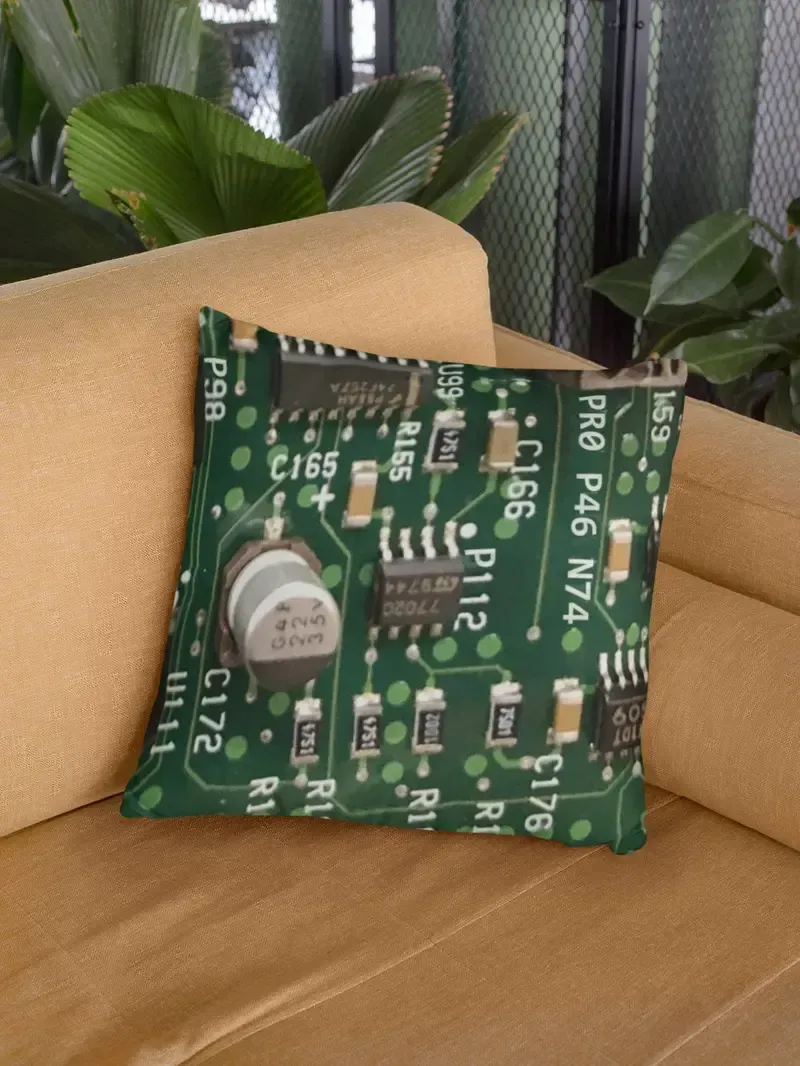
At the heart of every advanced smart neck pillow lies a sophisticated Printed Circuit Board (PCB), serving as the central nervous system that orchestrates the seamless integration and operation of diverse functionalities. Far beyond simple comfort, these innovative devices leverage PCBs to deliver features such as precise temperature control for heating elements, varied massage patterns from integrated motors, accurate bio-feedback from sensors, and intuitive user interfaces. The PCB’s role is paramount in transforming a traditional pillow into an intelligent, responsive, and therapeutic personal wellness device.
| Feature | PCB's Role | Impact on User Experience |
|---|---|---|
| Heating Elements | Manages power delivery and temperature regulation for consistent warmth. | Ensures safe and effective therapeutic heat for muscle relaxation. |
| Massage Motors | Controls motor speed, direction, and vibration patterns for diverse massage modes. | Provides customizable and targeted massage for tension relief and improved circulation. |
| Sensors (e.g., pressure, posture, biometric) | Processes data from sensors to adjust pillow settings or monitor user biometrics. | Enables adaptive comfort, posture correction, and health monitoring features. |
| Control Systems & Connectivity | Integrates microcontrollers, Bluetooth modules, and power management ICs. | Allows for app control, personalized settings, and efficient battery life. |
Designing Printed Circuit Boards (PCBs) for smart neck pillows presents unique challenges that extend beyond conventional electronics. The core objective is to integrate sophisticated functionality within a form factor that prioritizes user comfort, safety, and durability. Achieving this delicate balance requires meticulous attention to flexibility, spatial limitations, effective heat management, and robust construction, all of which are critical for a superior user experience and product longevity. Without addressing these specific design considerations, the smart neck pillow cannot effectively deliver its intended comfort and advanced features.
| Design Consideration | Challenge | Solution Strategy |
|---|---|---|
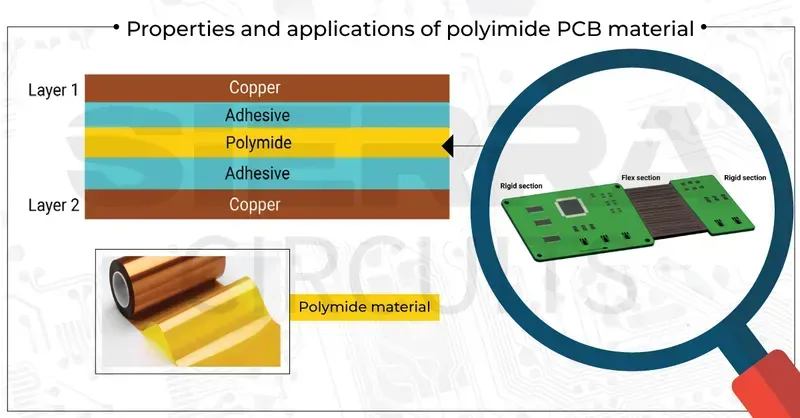
| Flexibility | Traditional rigid PCBs are incompatible with the ergonomic and wearable nature of neck pillows. | Utilize flexible PCB (FPC) technology, often made with polyimide substrates, to conform to the pillow's contours and movements. |
| :Space Constraints | :Limited internal volume necessitates compact component placement and board layout. | Employ high-density interconnect (HDI) techniques, miniaturized components (e.g., 0201 or 01005 packages), and multi-layer designs to maximize space utilization. |
| :Heat Dissipation | :Components like heating elements, motors, and processors generate heat that must be managed to prevent discomfort or damage. | Implement thermal vias, heat sinks (if space permits), proper copper pouring, and strategically place heat-generating components away from user contact points. |
| :Durability & Reliability | :Repeated compression, bending, moisture exposure from sweat, and regular cleaning cycles demand resilient PCB solutions. | Select robust materials, use conformal coatings for moisture protection, employ reinforced solder joints, and conduct rigorous stress and fatigue testing. |
| :Power Management | :Efficient battery life and safe charging are paramount for portable, wearable devices. | Integrate low-power components, efficient power management ICs (PMICs), and robust overcharge/discharge protection circuits. |
| :Electromagnetic Compatibility (EMC) | :Ensuring the device operates without interfering with other electronics and is immune to external interference. | Careful trace routing, grounding strategies, shielding (if necessary), and component selection to meet EMC standards. |
| :User Safety & Comfort | :Direct skin contact necessitates non-toxic materials and low-voltage operation to prevent electric shock or skin irritation. | Comply with relevant safety standards (e.g., IEC 60950-1, IEC 62368-1), use medical-grade materials where applicable, and implement safety cut-off mechanisms for heating elements. |
The foundation of a high-performing and user-centric smart neck pillow lies critically in the judicious selection of its Printed Circuit Board (PCB) materials. Beyond mere electrical conductivity, the chosen substrates must harmoniously integrate with the human element, prioritizing flexibility, light weight, and skin-friendliness, all while guaranteeing unwavering long-term reliability and robust performance. This intricate balance is paramount to deliver a product that is not only technologically advanced but also genuinely comfortable and durable for the end-user. Compromising on material quality can lead to rapid degradation, operational failures, and, most importantly, user dissatisfaction.
| Material Type | Key Properties | Smart Neck Pillow Application Benefits | Considerations |
|---|---|---|---|
| Flexible PCBs (FPCBs) | High flexibility, thin, lightweight, high heat resistance | Conforms to neck contours, ideal for tight spaces, durable against bending | Higher cost than rigid PCBs, specialized manufacturing |
| Polyimide (PI) | Excellent thermal stability, chemical resistance, flexibility | Enables compact, bendable designs without performance degradation, good for heating elements | Can be more expensive, requires careful handling during assembly |
| Liquid Crystal Polymer (LCP) | Low dielectric constant, low moisture absorption, excellent flexibility, good for high-frequency signals | Superior signal integrity for advanced sensors, maintains performance in varying conditions, lightweight | Higher material cost, specific processing requirements |
| Silicones & Elastomers (for encapsulation) | Soft, flexible, biocompatible, excellent sealing properties | Protects sensitive components from sweat/moisture, enhances skin contact comfort, vibration dampening | Can add bulk, requires proper curing and adhesion |
| Copper (for traces) | High electrical conductivity, good thermal conductivity | Efficient power delivery for heating/massage, effective heat dissipation away from components | Trace width/thickness must be optimized for current loads and flexibility |
Zero One Solution Limited leverages its extensive material science expertise to select optimal PCB substrates for smart neck pillows. Our approach goes beyond standard specifications, focusing on application-specific demands like repeated flexing, sustained comfort during wear, and consistent performance in diverse environmental conditions. By meticulously evaluating factors such as dielectric properties, thermal expansion coefficients, and mechanical resilience, we ensure that every PCB not only meets rigorous technical requirements but also enhances the overall user experience, ensuring the product remains reliable and comfortable throughout its lifecycle. Our material selection process is a cornerstone of our commitment to delivering superior, long-lasting smart neck pillow solutions.
Zero One Solution Limited stands at the forefront of providing comprehensive PCB solutions for the rapidly evolving smart neck pillow market. Our deep understanding of the unique challenges—from miniaturization and flexibility to thermal management and user safety—positions us as an ideal partner for innovators in this space. Leveraging over a decade of experience and a global supply chain network, we transform complex design requirements into high-performance, reliable, and user-centric PCB assemblies, ensuring your smart neck pillow products not only meet but exceed market expectations.
| Service Area | Zero One Solution's Advantage | Benefit for Smart Neck Pillow PCBs |
|---|---|---|
| Rapid Prototyping | Expedited turnaround with DFM/DFA analysis | Accelerates product development cycles, reduces time-to-market for innovative features like advanced massage modes or integrated sensors |
| PCB Design & Engineering | Specialized in flexible and rigid-flex PCB designs, thermal analysis, signal integrity optimization | Ensures ergonomic comfort, robust performance of embedded heating elements, and accurate sensor data collection within compact form factors |
| Advanced Manufacturing | State-of-the-art facilities for high-density interconnect (HDI), fine-pitch assembly, and strict quality control | Guarantees reliable operation of complex electronic components, consistent performance, and durability under varied use conditions |
| Comprehensive Assembly (PCBA) | Expertise in integrating diverse components (sensors, haptics, heating films) with precision | Streamlines the production process, ensuring seamless integration of all smart functionalities while maintaining product aesthetics and comfort standards |
| Global Supply Chain Management | Strategic presence in Shenzhen and Dubai, ensuring access to a wide range of high-quality materials and components | Optimizes material costs, minimizes lead times, and secures critical component availability, even for specialized, skin-friendly substrates |
Our integrated approach, from initial concept to final assembly, is designed to empower our clients to bring cutting-edge smart neck pillow technologies to market efficiently and effectively. We pride ourselves on being more than just a manufacturer; we are a strategic partner committed to the success of your innovative products.
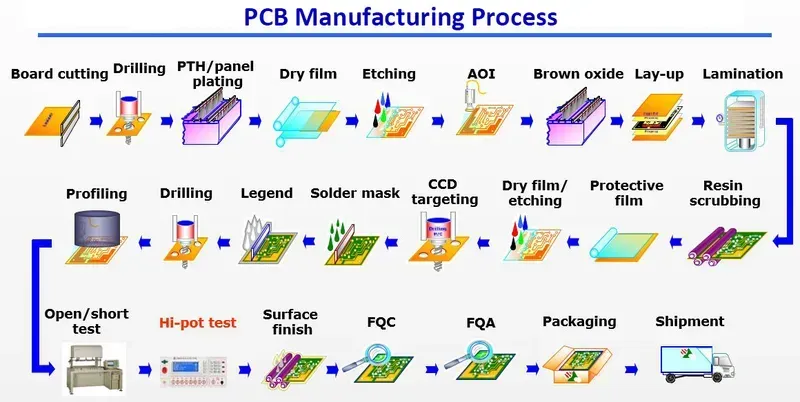
The meticulous manufacturing and assembly of Printed Circuit Boards (PCBs) are paramount to the performance and reliability of smart neck pillows. Achieving high-quality PCBs in this application demands precision at every stage, from fabrication to final assembly, ensuring the seamless integration of complex functionalities and adherence to stringent industry standards.
| Process Stage | Key Considerations for Smart Neck Pillow PCBs | Quality Control Measures |
|---|---|---|
| PCB Fabrication | Substrate flexibility, trace width accuracy for compact designs, efficient heat dissipation pathways. | Automated Optical Inspection (AOI) for defect detection, impedance control testing, X-ray inspection for internal layers, material certification (e.g., biocompatibility). |
| Component Procurement | Miniaturized components, low power consumption, specific sensor and actuator requirements (e.g., massage motors, heating elements). | Supplier qualification, component authenticity verification, incoming quality control (IQC) inspection, RoHS and REACH compliance checks for skin contact materials if applicable, temperature tolerance testing of components, lead-free solder compliance if applicable |
| SMT Assembly | Precision placement of miniature components, fine-pitch solder paste application, optimized reflow profiles for diverse component types. | Solder Paste Inspection (SPI), Automated Optical Inspection (AOI) post-reflow, X-ray inspection for BGA and QFN packages, functional testing of populated boards, in-circuit testing (ICT) for connectivity, environmental testing (e.g., temperature cycling, humidity). |
| Manual Assembly & Integration | Careful integration with flexible materials, secure cable routing, connection of non-standard components (e.g., fabric sensors, heating pads). | Visual inspection for proper integration, pull tests for connectors, continuity checks, functional testing of the complete module (e.g., heating, massage functions), ergonomic testing related to PCB integration, final system-level validation testing to ensure all features operate as intended within the pillow. |
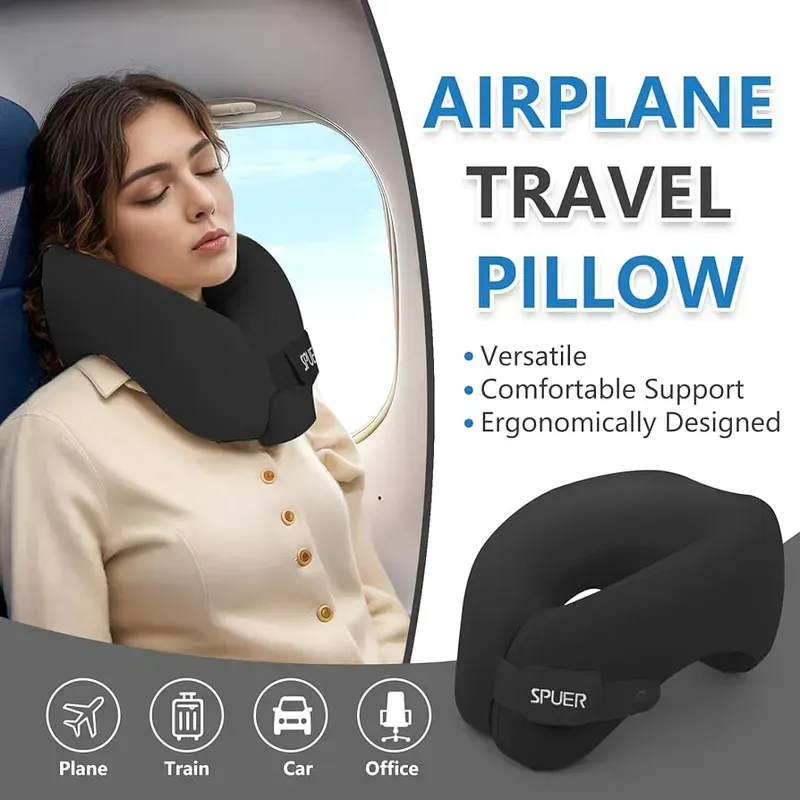
Zero One Solution Limited's expertise in PCB solutions has been instrumental in bringing numerous innovative smart neck pillows to market. Our rapid prototyping and comprehensive one-stop services have enabled clients to transform ambitious concepts into tangible, market-ready products, demonstrating our critical role in achieving superior functionality and commercial success. These case studies highlight our commitment to precision, efficiency, and customized engineering that addresses the unique demands of wearable technology.
| Project Name | Client Challenge | Zero One Solution's Contribution | Achieved Outcome |
|---|---|---|---|
| ErgoRelax Smart Pillow | Integrating diverse features (heating, vibration massage, sound) into a compact, flexible PCB while maintaining user comfort and safety. | Designed a multi-layered, flexible PCB (Flex-Rigid PCB) with optimized thermal management and miniaturized components, along with rapid prototype iterations and DFM (Design for Manufacturability) guidance. | Enabled seamless integration of all features, achieving a comfortable, safe, and highly functional smart neck pillow that exceeded initial performance targets and successfully launched in competitive markets. Reduced time-to-market by 25%. |
| Project Name | Client Challenge | Zero One Solution's Contribution | Achieved Outcome |
|---|---|---|---|
| TravelComfort Pro | Developing a highly durable and energy-efficient PCB for prolonged use in travel environments, requiring robust power management and sensor integration for posture correction. | Engineered a low-power consumption PCB utilizing advanced power management ICs and integrated a high-precision MEMS sensor array. Provided robust material selection for enhanced durability against wear and tear during travel, along with comprehensive assembly services. | Delivered a durable, long-lasting smart neck pillow with extended battery life (up to 20 hours on a single charge) and accurate real-time posture monitoring, leading to positive user feedback and a strong market position for the client. Achieved a 15% reduction in overall product power consumption. |
These successful projects underscore Zero One Solution's capacity to navigate complex design challenges and deliver high-quality, reliable PCB solutions. Our collaborative approach, from initial design consultation through to manufacturing and assembly, ensures that our clients' visions are realized with unparalleled precision and efficiency, solidifying our reputation as a trusted partner in the smart wearable industry.
The evolution of smart neck pillow technology is intrinsically linked to advancements in Printed Circuit Board (PCB) design and manufacturing. As consumer demand for more sophisticated and user-friendly devices grows, future trends in smart neck pillow PCB technology will focus on enhancing functionality, reducing form factors, and improving user experience through innovative integration and power solutions.
In conclusion, the PCB solution is at the heart of any smart neck pillow, dictating its functionality, reliability, and overall user experience. Zero One Solution Limited, with its extensive experience in rapid prototyping and PCB manufacturing, stands ready to partner with innovators in this space, offering customized solutions that meet the unique challenges of smart neck pillow design. From flexible PCBs to advanced sensor integration, we are committed to pushing the boundaries of what's possible, ensuring that your smart neck pillow delivers on its promise of comfort and innovation. Contact Zero One Solution today to explore how our PCB expertise can elevate your smart neck pillow project. Let's collaborate to create the next generation of relaxation technology!

