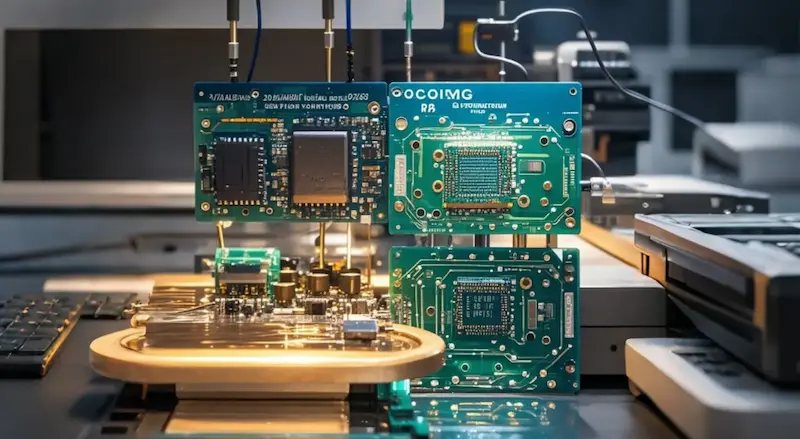
In today's interconnected world, security is paramount. Homes, businesses, and critical infrastructure all rely on robust security systems to protect against potential threats. At the heart of these systems lies the security alarm board, a critical component that demands reliability, efficiency, and cutting-edge technology. Zero One Solution Limited provides comprehensive PCB solutions, from design to manufacturing and assembly, and we're at the forefront of developing smart security alarm board solutions that meet the evolving needs of the security industry. How can a well-designed and expertly manufactured security alarm board enhance your security system's performance and reliability? This article delves into the intricacies of smart security alarm board solutions, exploring their design, functionality, and the benefits they bring to modern security systems. We will explore the critical aspects of PCB design and assembly for security applications, demonstrating Zero One Solution Limited's commitment to delivering high-quality, rapid-response solutions.
Introduction to Smart Security Alarm Boards
At the forefront of modern property protection, smart security alarm boards serve as the intelligent nucleus of advanced security systems. These sophisticated printed circuit boards integrate diverse sensor inputs, communication modules, and processing units, transforming raw data into actionable alerts and enabling comprehensive monitoring and control. Their pivotal role lies in orchestrating seamless interaction between various security components, delivering unparalleled situational awareness and rapid response capabilities essential for safeguarding homes, businesses, and critical infrastructure.
What defines a 'smart' security alarm board? A 'smart' security alarm board transcends traditional systems by incorporating advanced microcontrollers, wireless communication capabilities (e.g., Wi-Fi, Zigbee, Z-Wave), and often cloud connectivity. This allows for real-time monitoring, remote control via mobile applications, integration with other smart home devices, and intelligent automation based on predefined rules or AI-driven analytics, moving beyond simple siren activation to proactive threat detection and management.
How do smart security alarm boards enhance security beyond conventional systems? Smart boards offer a multi-layered security approach. Unlike conventional systems that primarily react to breaches, smart boards enable proactive measures through sensor data fusion (motion, door/window, glass break, smoke), remote arming/disarming, video surveillance integration, and instant push notifications. This allows for early detection, verification of threats, and even automated responses like lighting adjustments or door locking, significantly reducing response times and false alarms. They also provide comprehensive event logs and remote diagnostic capabilities.
What are the core components of a typical smart security alarm board? Key components include a central processing unit (CPU) for data processing, communication modules (Wi-Fi, cellular, RF transceivers) for connectivity, memory for firmware and data storage, power management circuitry, input/output interfaces for connecting various sensors (PIR, magnetic contacts, etc.) and actuators (sirens, relays), and often dedicated security chips for encryption and tamper detection to ensure robust operation and data integrity.
Why is the PCB design crucial for a smart security alarm board's performance? The PCB design is fundamental to the board's reliability and performance. It dictates signal integrity, power distribution efficiency, electromagnetic compatibility (EMC), and overall system stability. A well-designed PCB minimizes noise interference, ensures reliable communication between components, optimizes power consumption for battery-operated devices, and provides a robust physical platform capable of withstanding environmental stresses, all critical for consistent security operation.
What role does remote monitoring play in smart security alarm board solutions? Remote monitoring, facilitated by smart alarm boards, allows users or security providers to oversee security status from anywhere via internet-connected devices. This includes real-time alerts, live video feeds, arm/disarm functionality, and access to event logs. It provides peace of mind, enables immediate verification of incidents, and allows for rapid intervention, whether it's contacting authorities or adjusting system settings, significantly enhancing overall security responsiveness and user convenience.
Key Features and Functionality
At the core of any robust smart security alarm system lies a sophisticated alarm board, whose key features and functionalities are paramount for effective threat detection, rapid response, and user convenience. These boards are engineered to integrate seamlessly with various sensors, facilitate secure wireless communication, and offer intuitive remote control capabilities, transforming a reactive security measure into a proactive, intelligent defense mechanism.
Feature
Description
Benefit to User
Sensor Integration
Supports a wide array of sensors (PIR, door/window, smoke, CO2, glass break, etc.) through wired or wireless connections.
Comprehensive coverage and tailored security for diverse environments.
][
PCB Design Considerations for Security Systems
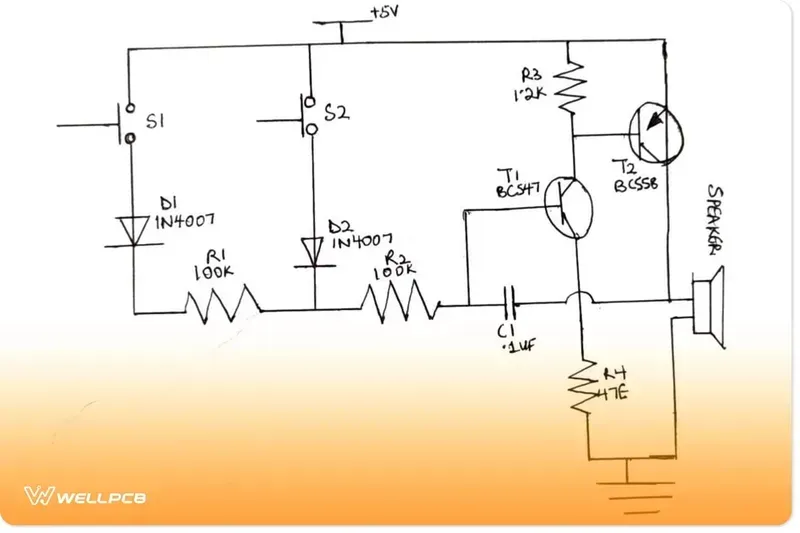
Security Alarm System PCB Design
Designing Printed Circuit Boards (PCBs) for smart security alarm systems demands a rigorous approach to ensure unwavering reliability, robust signal integrity, and efficient power management. Unlike standard consumer electronics, security system PCBs must withstand diverse environmental conditions, operate continuously, and resist tampering, making meticulous design paramount for effective threat detection and prevention.
Design Aspect
Key Consideration
Impact on Security System Performance
Noise Reduction
Employ proper grounding techniques (e.g., star grounding), use decoupling capacitors, and isolate sensitive analog/digital circuits.
Prevents false alarms and ensures accurate sensor readings by mitigating electromagnetic interference (EMI) and radio frequency interference (RFI).
Signal Integrity
Control trace impedance, minimize trace length, ensure proper termination, and avoid sharp bends.
Maintains reliable communication between components (sensors, microcontrollers, communication modules) and prevents data corruption, crucial for timely threat alerts.
Power Management
Optimize power distribution networks (PDN), select efficient voltage regulators, and consider battery backup/charging circuits.
Ensures stable operation, extended battery life for wireless components, and continuous functionality during power outages, vital for an always-on security system.
Environmental Robustness
Select materials with appropriate thermal properties, apply conformal coatings, and design for specific temperature/humidity ranges.
Guarantees long-term reliability and performance in varying operational environments, from indoor climate-controlled spaces to outdoor exposure.
Security and Tamper Resistance
Integrate physical tamper switches, design secure boot mechanisms, and consider anti-reverse engineering techniques in layout.
Protects the system from physical breaches and unauthorized access, maintaining the integrity of the security infrastructure.
/* Example of a basic power management circuit consideration in a security alarm board */#define VCC_CORE 3.3V // Core logic voltage#define VCC_SENSORS 5.0V // Sensor supply voltage#define BATTERY_MONITOR_PIN A0 // Analog input for battery voltage monitoring// Power supply decoupling for noise reductionC1, C2 - 100nF ceramic capacitors near IC power pinsC3 - 10uF electrolytic capacitor for bulk decoupling// Voltage RegulatorsLDO1 - Low Dropout Regulator for VCC_COREDCDC1 - DC-DC Converter for VCC_SENSORS (if higher current or efficiency needed)// Battery ManagementIC_BAT_CHG - Battery Charger IC with overcharge/discharge protectionIC_FUEL_GAUGE - Fuel Gauge IC for accurate battery status
Component Selection and Reliability
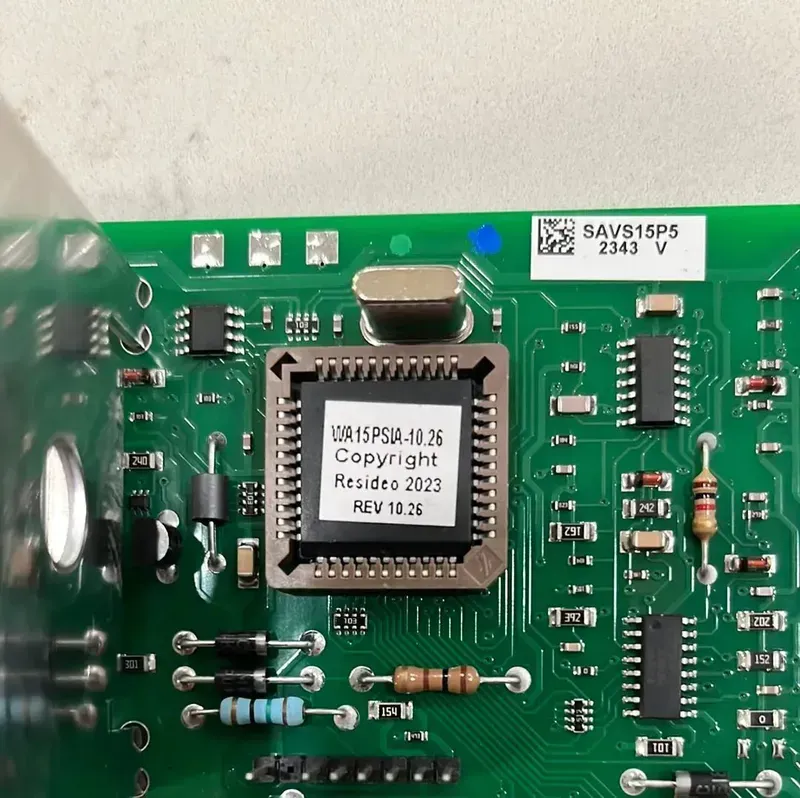
Security Alarm Board Electronic Components
The long-term performance and unwavering integrity of any smart security alarm board are fundamentally contingent upon the judicious selection of its constituent components. In security applications, where failure is not an option, prioritizing high-quality, reliable electronic components is paramount. This strategic approach ensures not only operational longevity but also mitigates the risk of system vulnerabilities and costly failures, upholding the critical trust placed in security infrastructure.
What are the critical factors for selecting components for a smart security alarm board? Critical factors include extended temperature range, low power consumption, electromagnetic compatibility (EMC), longevity, and the availability of long-term supply. Components must withstand environmental stresses and ensure continuous operation without frequent replacement or high maintenance.
Why is component reliability crucial for security alarm systems? Reliability is paramount because security systems operate continuously and must respond instantaneously to threats. Component failure can lead to false alarms, system downtime, or, critically, a failure to detect actual security breaches, compromising safety and asset protection. High reliability minimizes total cost of ownership.
How does Zero One Solution Limited ensure component quality for security alarm boards? Zero One Solution Limited employs a rigorous multi-stage quality assurance process including supplier qualification, incoming material inspection (IQC), in-process quality control, and comprehensive functional testing. We partner with reputable global suppliers, adhere to industry standards like IPC-A-610, and conduct extensive component-level stress tests to guarantee performance under various conditions.
What are common failure modes for components in security alarm boards and how are they avoided? Common failure modes include thermal degradation, electrical overstress (EOS), electrostatic discharge (ESD) damage, and material fatigue. These are mitigated by precise thermal management in design, robust circuit protection, strict ESD control protocols during manufacturing, and selecting components with appropriate stress ratings and proven durability, often utilizing automotive-grade or industrial-grade parts.
Is component obsolescence a concern for security alarm board solutions? Yes, component obsolescence is a significant concern for long-lifecycle products like security systems. Zero One Solution Limited addresses this through proactive lifecycle management, designing with readily available components, maintaining strong relationships with suppliers for advance notifications, and strategically managing inventory to ensure long-term supply, including offering redesign services for obsolete parts if necessary.
Manufacturing and Assembly Processes
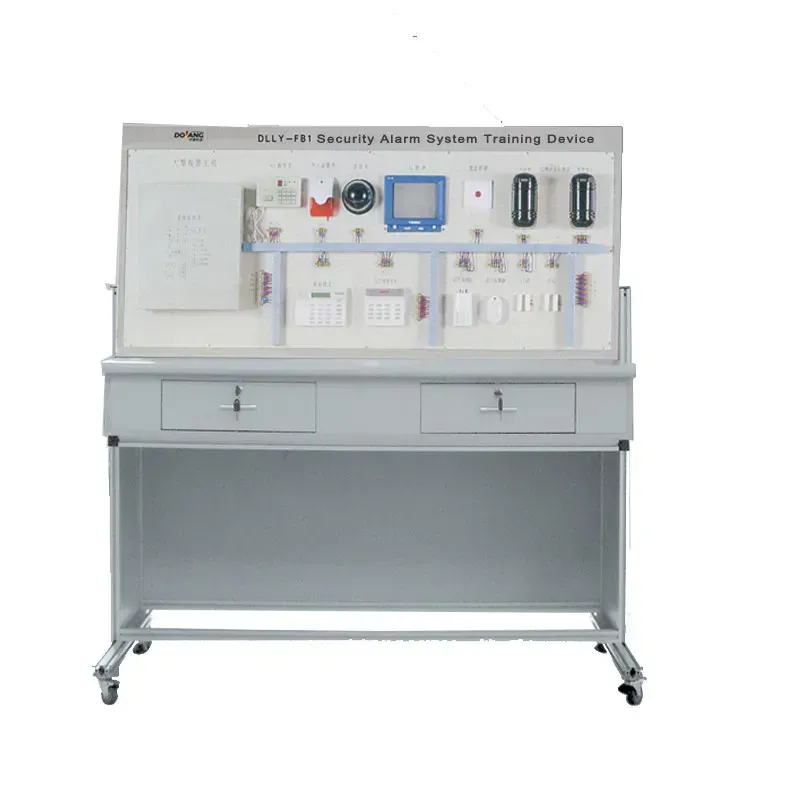
Smart Security Alarm Board Production Line
The manufacturing and assembly of Smart Security Alarm Boards are critical phases that directly impact the reliability and performance of the final security system. These processes demand meticulous attention to detail, adherence to stringent quality control standards, and the application of advanced techniques to ensure that every board functions flawlessly under various operating conditions. From the precise placement of microscopic components to rigorous testing, each step is engineered to build a resilient and secure foundation for modern alarm systems.
Automated Solder Paste Inspection (SPI) SPI systems use optical technology to inspect solder paste deposits for volume, shape, and alignment after printing. This pre-reflow inspection is crucial for preventing common soldering defects like shorts or opens, which are particularly detrimental in security applications where reliability is paramount.
Automated Optical Inspection (AOI) AOI is employed post-reflow to inspect the PCB for a wide range of defects, including missing components, incorrect polarity, solder bridges, and lifted leads. High-resolution cameras and advanced algorithms ensure comprehensive coverage, identifying even subtle imperfections that could compromise the board's functionality.
In-Circuit Testing (ICT) ICT uses a bed of nails fixture to physically contact test points on the PCB, checking for shorts, opens, resistance, capacitance, and component functionality. This method is highly effective in detecting manufacturing defects and verifying the integrity of individual components and circuits before final assembly.
Functional Testing (FCT) FCT simulates the operational environment of the Smart Security Alarm Board, verifying its overall performance against design specifications. This includes testing communication protocols, sensor interfaces, power consumption, and alarm triggers, ensuring the board performs as intended in a real-world scenario.
Environmental Stress Testing (EST) EST, including thermal cycling and humidity testing, subjects the alarm boards to extreme environmental conditions to identify potential weaknesses or latent defects that might emerge over time. This proactive testing enhances product reliability and longevity, critical for security devices that must operate continuously and without failure.
Zero One Solution Limited employs a comprehensive, multi-stage quality assurance framework throughout its manufacturing and assembly processes for Smart Security Alarm Boards. Our commitment to cutting-edge technology and stringent protocols ensures that every PCB not only meets but exceeds industry standards for reliability and performance. This rigorous approach minimizes defect rates, reduces costly rework, and ultimately delivers a superior product that our clients can trust.
Wireless Communication Protocols and Security for Smart Alarm Boards
Robust and secure wireless communication is the bedrock of any effective smart security alarm board solution. The choice of communication protocol directly impacts a system's range, power consumption, data transfer speed, and, critically, its resilience against cyber threats. Ensuring the integrity and confidentiality of data transmitted between sensors, control panels, and cloud platforms is paramount to prevent unauthorized access, false alarms, or system compromises, making advanced encryption and authentication mechanisms indispensable.
Protocol
Key Advantages
Security Considerations
Typical Use Cases
Zigbee
Low power consumption, mesh networking, high scalability
AES-128 encryption, potential vulnerabilities in key management if not implemented correctly
Home automation, sensor networks, small to medium-sized security systems
Z-Wave
Reliable mesh networking, strong interoperability, lower interference in 900MHz band
AES-128 encryption, secure inclusion process, robust against eavesdropping
Residential security, smart home ecosystems, door/window sensors
Wi-Fi
High bandwidth, widespread infrastructure, IP connectivity
WPA2/WPA3 encryption, requires robust router security, susceptible to network congestion
IP cameras, video doorbells, cloud-connected alarm panels
Bluetooth Low Energy (BLE)
Ultra-low power, short-range, direct device-to-device communication
AES-128 encryption, pairing vulnerabilities if not properly secured, limited range
Proximity sensors, smart locks, localized device control
LoRaWAN
Long range, low power, ideal for wide-area IoT deployments
AES-128 encryption for network and application layers, strong authentication
Remote monitoring, perimeter security, industrial alarms across large areas
How do smart alarm boards secure wireless communication? Smart alarm boards employ multiple layers of security, primarily relying on robust encryption protocols like AES-128 or AES-256 for data transmission. This ensures that even if intercepted, the data remains unreadable. Additionally, they use authentication mechanisms to verify the identity of connected devices, preventing unauthorized devices from joining the network. Regular firmware updates also patch potential vulnerabilities, maintaining a strong security posture.
What are common vulnerabilities in wireless security alarm systems? Common vulnerabilities include weak encryption key management, default passwords, unpatched firmware, and susceptibility to jamming or spoofing attacks. Poorly secured Wi-Fi networks can also provide an entry point for attackers. Zero One Solution Limited emphasizes secure-by-design principles to mitigate these risks from the PCB level upwards.
Why is mesh networking beneficial for security alarm boards? Mesh networking, utilized by protocols like Zigbee and Z-Wave, enhances reliability and range. In a mesh network, each device can act as a repeater, extending the signal path and creating multiple routes for data transmission. This redundancy ensures that even if one device fails, the communication path remains intact, crucial for consistent security monitoring.
How does Zero One Solution Limited ensure communication security in their PCB designs? Zero One Solution Limited integrates dedicated hardware security modules (HSMs) and secure boot mechanisms into our PCB designs to protect firmware integrity and cryptographic keys. We also design for robust electromagnetic compatibility (EMC) to minimize interference and ensure signal integrity, combined with meticulous component selection for RF performance and secure element support, guaranteeing resilient and protected wireless communication for smart alarm boards.
Zero One Solution Limited's Expertise in Security PCB Solutions
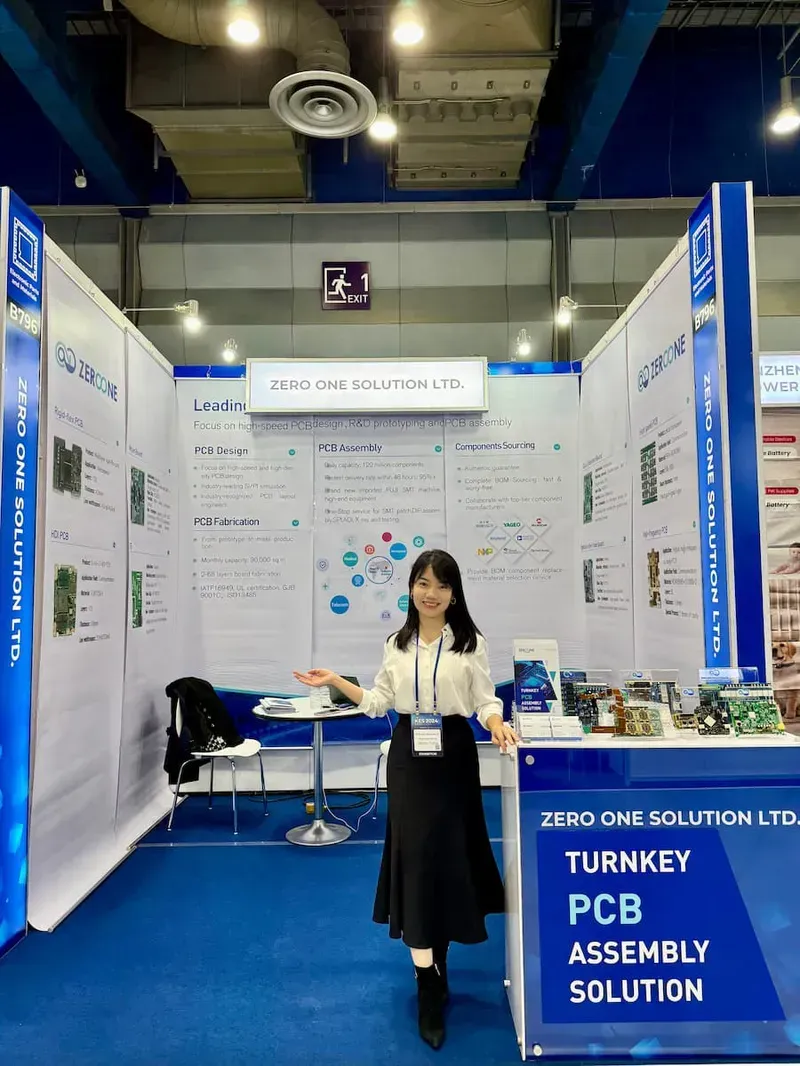
Zero One Solution PCB Manufacturing
Zero One Solution Limited stands as a beacon of innovation and reliability in the realm of Smart Security Alarm Board Solutions, particularly excelling in rapid prototyping and custom PCB manufacturing. Our deep expertise, honed over years in the heart of electronic manufacturing in Shenzhen and amplified by our global presence, enables us to deliver highly sophisticated, secure, and durable PCB solutions that are critical to the performance of modern security systems. We are committed to empowering our clients to accelerate their product development cycles, ensuring their cutting-edge security concepts transition from idea to market with unparalleled efficiency and robust quality.
Rapid Prototyping for Accelerated Development Our core strength lies in rapid-response R&D prototype manufacturing. This capability significantly reduces the time-to-market for smart security alarm boards, allowing for quick iterations and testing of innovative designs. We understand that in the fast-paced security industry, speed without compromising quality is paramount. Our streamlined processes and advanced facilities ensure rapid turnaround times for prototypes, enabling clients to validate their designs swiftly and adapt to evolving market demands efficiently. This agile approach minimizes development costs and maximizes opportunities for early market entry, providing a significant competitive edge for our partners in the security sector.
Case Studies and Applications
Smart Home Security System
Smart Security Alarm Boards are the foundational technology enabling a new generation of robust, reliable, and responsive security systems across diverse sectors. Their versatility and advanced capabilities allow for tailored solutions that address specific security challenges, from protecting residential properties to safeguarding critical industrial infrastructure and managing complex access control in commercial settings. These real-world applications demonstrate the profound impact of well-designed and precisely manufactured alarm boards in creating safer environments.
Residential Smart Home Security A prominent application involves integrating smart alarm boards into comprehensive home security systems. For instance, a leading smart home provider partnered with Zero One Solution Limited to develop a board capable of seamlessly interfacing with a network of motion sensors, door/window contacts, glass break detectors, and integrated cameras. This central board processes sensor data, triggers alarms locally, and communicates alerts to homeowners via mobile apps, often leveraging secure Wi-Fi and cellular protocols. The system allows for remote arming/disarming, real-time monitoring, and even smart home automation integration, such as turning on lights during an alarm event, significantly enhancing home protection and peace of mind. Our rapid prototyping capabilities enabled quick iterations to optimize sensor compatibility and power efficiency for battery-operated devices.
Industrial Monitoring and Asset Protection In industrial settings, smart security alarm boards are crucial for protecting high-value assets and ensuring operational safety. Consider a remote oil and gas pipeline monitoring project where environmental factors and potential sabotage are significant risks. Zero One Solution Limited designed and manufactured specialized alarm boards for this client that could withstand extreme temperatures and vibrations, integrating with perimeter intrusion detection systems (e.g., fiber optic sensors, microwave barriers) and environmental sensors (e.g., gas leak detectors). These boards transmit data over long-range wireless protocols (like LoRaWAN) to a central control room, triggering immediate alerts upon detecting anomalies. The rugged design and robust component selection ensured continuous operation in harsh conditions, minimizing downtime and safeguarding critical infrastructure.
Commercial Access Control Systems Smart alarm boards are at the heart of modern access control solutions for commercial buildings, data centers, and secure facilities. A recent collaboration involved developing a high-security access control board for a corporate campus. This board manages multiple entry points, integrating with biometric readers (fingerprint, facial recognition), RFID card readers, and video intercoms. The alarm board processes access requests, verifies credentials against a central database, and logs all entry/exit events. In case of unauthorized attempts or forced entry, it immediately triggers local alarms, locks down specific zones, and alerts security personnel. The precision of our PCB manufacturing was vital to ensure the high-speed data processing required for instantaneous access verification and seamless integration with complex security software.
Future Trends in Smart Security Alarm Board Technology
The smart security alarm board is continuously evolving, driven by advancements in artificial intelligence (AI), machine learning (ML), edge computing, and the proliferation of the Internet of Things (IoT). These trends are fundamentally reshaping how security systems detect, analyze, and respond to threats, moving towards more intelligent, proactive, and interconnected solutions. For PCB solution providers like Zero One Solution Limited, anticipating these shifts is crucial for developing future-proof alarm board designs that integrate cutting-edge capabilities while maintaining robust performance and security.
AI and Machine Learning for Enhanced Threat Detection Future smart security alarm boards will extensively leverage AI/ML algorithms embedded directly on the board or through cloud connectivity. This enables advanced capabilities such as behavioral anomaly detection, false alarm reduction through intelligent filtering of environmental factors, and more precise object recognition (e.g., distinguishing between a pet and an intruder). On-board AI processors will require higher computational power within compact footprints, necessitating optimized PCB layouts for thermal management and signal integrity. According to a report by Statista, the global AI in security market is projected to reach over 45 billion USD by 2027, underscoring the growing integration of AI in security solutions.
Edge Computing for Faster Response and Data Privacy The shift towards edge computing means more data processing will occur directly on the smart security alarm board rather than solely in the cloud. This reduces latency, improves response times, and enhances data privacy by minimizing the transmission of sensitive information. PCB designs will need to accommodate more powerful microcontrollers and dedicated neural processing units (NPUs) capable of handling complex AI models locally. This also places a greater emphasis on robust power delivery and efficient heat dissipation within the board's design.
Cloud-Based Security Management and Integration While edge computing handles immediate processing, cloud platforms will remain vital for centralized management, data analytics, software updates, and seamless integration with other smart home or building systems. Future alarm boards will feature enhanced connectivity modules (e.g., 5G, Wi-Fi 6) designed for high bandwidth and low latency communication with cloud services. The PCB will need to support these advanced wireless modules with optimized antenna designs and robust power supplies, ensuring reliable and secure cloud interaction.
In conclusion, a smart security alarm board is more than just a component; it's the brain of a sophisticated security system. Its design and manufacturing require specialized expertise to ensure reliability and effectiveness. Zero One Solution Limited offers comprehensive PCB solutions, from design to manufacturing and assembly, catering specifically to the demands of the security industry. With a focus on rapid prototyping and high-quality production, Zero One Solution Limited empowers clients to innovate and deploy cutting-edge security solutions quickly. Contact us today to discover how our smart security alarm board solutions can enhance your products and protect what matters most. Let Zero One Solution Limited be your trusted partner in PCB solutions for a safer, more secure future.