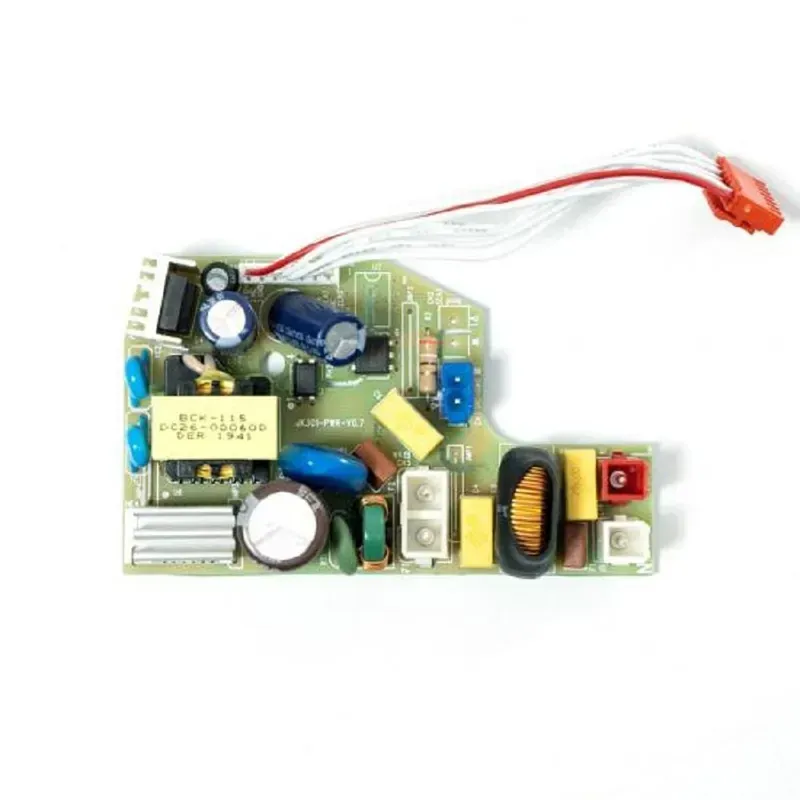
In an era defined by technological innovation, even the most mundane aspects of our lives are being reimagined through the lens of smart technology. One such innovation is the smart toilet, an IoT-enabled device designed to monitor various health parameters, conserve water, and enhance hygiene. At the heart of these sophisticated systems lies the Printed Circuit Board (PCB), the central nervous system that orchestrates the functionality of the entire device. As a leading PCB solution provider, Zero One Solution Limited recognizes the growing demand for reliable and efficient PCBs in smart toilet applications. This article delves into the intricate world of smart toilet monitoring PCB solutions, highlighting the key components, design considerations, and manufacturing expertise required to bring these innovative products to life. From rapid prototyping to comprehensive PCB assembly, we'll explore how Zero One Solution Limited empowers companies to develop cutting-edge smart toilet technologies, improve public health, and advance sustainable living.
Introduction to Smart Toilet Monitoring Systems
Smart toilet monitoring systems represent a significant leap in hygiene, health management, and operational efficiency, integrating advanced sensor technologies and data analytics to transform a basic utility into an intelligent health and environmental hub. At the core of these sophisticated systems lies the Printed Circuit Board (PCB), acting as the central nervous system that orchestrates all functionalities, from precise water temperature control and automatic flushing to comprehensive health data collection and remote diagnostics. These PCBs are meticulously engineered to withstand the unique environmental challenges of a bathroom, ensuring reliable, long-term performance and enabling seamless interaction between various smart components.
Defining Smart Toilets Smart toilets are advanced sanitary fixtures equipped with integrated electronic systems that offer enhanced functionalities beyond basic sanitation. These often include automated flushing, bidet functions with adjustable water temperature and pressure, heated seats, air deodorizers, and self-cleaning mechanisms. Crucially, many modern smart toilets incorporate health monitoring capabilities, such as urine analysis or vital sign measurement, providing users with actionable insights into their well-being.
Key Functionalities of Smart Toilet Systems Beyond convenience features, smart toilet monitoring systems excel in providing proactive maintenance alerts, optimizing water usage through intelligent sensing, and enhancing user comfort through personalized settings. For commercial and public spaces, these systems can monitor usage patterns, detect leaks, and provide real-time status updates, significantly reducing operational costs and improving hygiene standards. The ability to collect and transmit data wirelessly is fundamental to these functionalities.
The Pivotal Role of PCBs PCBs are indispensable to smart toilet systems, serving as the foundational platform for integrating diverse electronic components. They facilitate the precise control of mechanical actuators, the accurate reception and processing of sensor data (e.g., occupancy, water levels, bio-signals), and reliable communication with external networks (Wi-Fi, Bluetooth). The design of these PCBs must consider miniaturization, robust environmental protection against humidity and water, efficient power management, and electromagnetic compatibility (EMC) to ensure flawless operation in a demanding environment.
The advancements in PCB technology are directly correlated with the evolution of smart toilet capabilities, enabling more compact, powerful, and reliable systems. As a leading PCB solution provider, Zero One Solution Limited specializes in developing robust and highly integrated PCBs that meet the stringent requirements of smart toilet monitoring systems, paving the way for healthier and more efficient sanitary solutions globally.
Key Components of a Smart Toilet Monitoring PCB
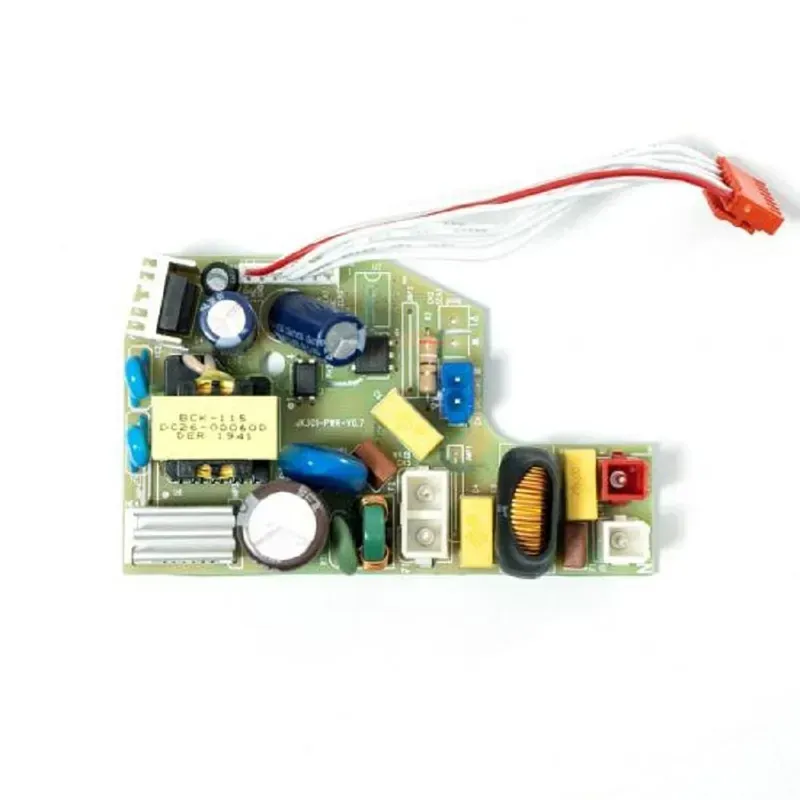
Smart Toilet PCB Components
The efficacy and intelligence of any smart toilet monitoring system are fundamentally rooted in the sophisticated design and integration of its Printed Circuit Board (PCB). This intricate core orchestrates all functionalities, from advanced hygiene features to health monitoring capabilities. Understanding the critical components within a smart toilet monitoring PCB is paramount to appreciating the complexity and innovation driving these cutting-edge devices.
Component Category
Specific Components
Function in Smart Toilet PCB
Sensors
Pressure Sensors, Temperature Sensors, Proximity Sensors, Flow Sensors, pH Sensors
Detect occupancy, water temperature, user presence for auto-flush/seat warming, water usage, and analyze biological samples for health insights respectively. They are crucial for data acquisition, enabling features like automatic flushing, bidet control, and health monitoring.
Microcontrollers (MCUs)
ARM Cortex-M Series (e.g., STM32, ESP32)
The brain of the smart toilet, processing data from sensors, executing control logic for actuators (e.g., bidet nozzles, dryers), and managing communication. They enable complex algorithms for personalized settings and diagnostics.
Communication Modules
Wi-Fi (IEEE 802.11), Bluetooth Low Energy (BLE), LoRaWAN (for specific applications)
Enable connectivity to smart home networks, mobile applications, and cloud platforms for data logging, remote control, and firmware updates. Wi-Fi offers high bandwidth for rich data, while BLE provides energy efficiency for specific interactions. LoRaWAN extends range for broader IoT integration.
Power Management Circuits
Voltage Regulators (LDOs, DC-DC Converters), Battery Management ICs
Ensure stable and efficient power distribution to all components. They manage power conversion from AC or battery sources, optimize energy consumption, and protect against power fluctuations, critical for reliability and energy efficiency.
Actuators
Motor Drivers, Solenoid Drivers, Heater Control Circuits
Translate electrical signals from the MCU into physical actions, such as controlling the bidet spray, operating the air dryer, flushing mechanisms, and heating elements for seat warming or water temperature control.
Why are low-power components critical for smart toilet PCBs? Low-power components are crucial for smart toilet PCBs primarily to reduce energy consumption, especially in battery-backed or always-on systems. This minimizes operational costs, enhances environmental sustainability, and can extend the lifespan of components by reducing heat generation. Efficient power management also allows for more compact designs by reducing the need for large heat sinks or complex cooling solutions, directly impacting product form factor and cost.
Design Considerations for Smart Toilet PCBs
Designing Printed Circuit Boards (PCBs) for smart toilet monitoring systems demands meticulous attention to specific considerations to ensure optimal performance, longevity, and user safety. The inherent environment of a smart toilet system, characterized by confined spaces and fluctuating environmental conditions, necessitates a sophisticated approach to PCB layout, material selection, and component integration. These critical design considerations are paramount in developing a reliable and efficient smart toilet PCB solution.
Miniaturization and Size Constraints Smart toilets typically have limited internal space, requiring highly compact and space-efficient PCB designs. This often involves using high-density interconnect (HDI) PCBs, micro-vias, and smaller surface-mount components (SMCs) to maximize functionality within a minimal footprint. Strategic component placement and optimized routing are essential to achieve the required compactness without compromising performance.
Power Efficiency and Management Many smart toilet features, such as continuous monitoring and rapid response, necessitate efficient power management. The PCB design must incorporate low-power components, efficient voltage regulators, and intelligent power-saving modes to minimize energy consumption. This is crucial for both sustainability and reducing operational costs, especially for devices that may be always-on or frequently activated.
Signal Integrity and EMI/EMC Maintaining signal integrity is critical for accurate sensor readings and reliable communication within the smart toilet system. Designers must employ careful trace routing, impedance matching, and grounding techniques to prevent signal degradation and cross-talk. Furthermore, the PCB needs to be robust against electromagnetic interference (EMI) and ensure electromagnetic compatibility (EMC) to prevent interference with other electronic devices and ensure stable operation in a potentially noisy environment.
Environmental Durability (Humidity, Temperature, Water Resistance) The bathroom environment exposes PCBs to high humidity, temperature fluctuations, and the potential for water splashes. Therefore, the PCB materials must exhibit excellent moisture resistance, and components should be selected for their operational range within these conditions. Conformal coatings, hermetic sealing, and appropriate enclosure designs are often employed to protect the PCB from moisture ingress and ensure long-term reliability in such challenging environments.
Sensor Integration and Accuracy Smart toilet PCBs integrate various sensors (e.g., proximity, temperature, pressure, chemical). The design must ensure proper sensor placement, noise reduction, and dedicated signal conditioning circuits to achieve high accuracy and responsiveness. The PCB layout should minimize interference between different sensor types and their associated circuitry.
Thermal Management Despite low power consumption, certain components can generate heat. Efficient thermal management, including proper heat dissipation pathways and potentially heat sinks, is important to prevent overheating and ensure component longevity and stable performance, especially in confined spaces with limited airflow.
PCB Manufacturing and Assembly Process
PCB Manufacturing and Assembly Process
The manufacturing and assembly of Printed Circuit Boards (PCBs) for smart toilet monitoring systems demand precision and adherence to stringent quality standards, given the product's long lifespan and sensitive operating environment. This intricate process transforms a digital design into a functional electronic heart, ensuring the seamless operation of a smart toilet's advanced features, from sensor data acquisition to complex control logic. Zero One Solution Limited leverages its state-of-the-art facilities and expertise to deliver high-quality, reliable PCBs that meet the unique requirements of smart toilet applications.
Process Stage
Description
Key Considerations for Smart Toilet PCBs
Material Selection
Choosing the right substrate (e.g., FR-4, high-Tg laminates) and copper foils.
Moisture resistance, thermal stability for prolonged use, lead-free compatibility, cost-effectiveness vs. performance balance.
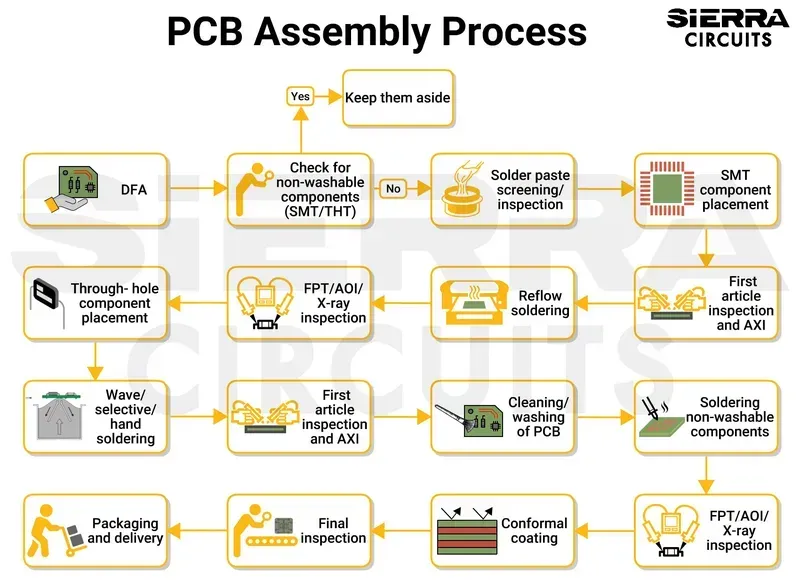
The fabrication techniques employed are critical for the durability and performance of smart toilet PCBs. These include precise etching for circuit traces, multi-layer lamination for compact designs, and advanced drilling for component placement. Following fabrication, the assembly process integrates all electronic components onto the bare PCB. This typically involves Surface Mount Technology (SMT) for smaller components and Through-Hole Technology (THT) for larger, more robust parts. Automated pick-and-place machines ensure high accuracy and speed, while reflow soldering or wave soldering techniques create reliable electrical and mechanical connections. Rigorous quality control, including Automated Optical Inspection (AOI) and X-ray inspection, is performed at various stages to detect any manufacturing or assembly defects, guaranteeing the final product's integrity and reliability in a humid and demanding environment. Our comprehensive approach ensures that every PCB delivered is ready for seamless integration into sophisticated smart toilet systems.
Rapid Prototyping for Smart Toilet PCB Solutions
Rapid PCB Prototype Board
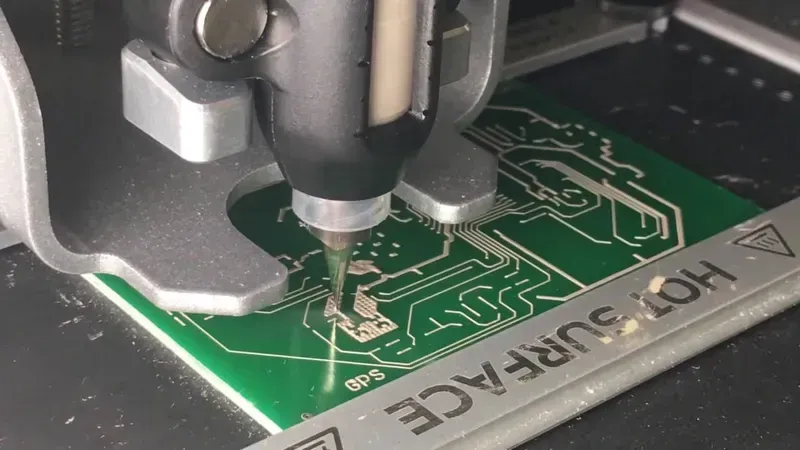
Rapid prototyping is a critical enabler in the accelerated development cycle of Smart Toilet Monitoring PCB Solutions, allowing for swift iteration, validation, and refinement of designs. This agile approach minimizes time-to-market and significantly reduces overall development costs by identifying and rectifying potential issues early in the process. Zero One Solution Limited excels in providing rapid prototyping services, ensuring that innovative smart toilet concepts transition from conceptualization to tangible, testable hardware with unprecedented efficiency.
Why is rapid prototyping essential for Smart Toilet PCBs? Rapid prototyping for Smart Toilet PCBs is crucial because it enables quick validation of complex sensor integrations, intricate power management circuits, and communication modules in a real-world environment. This iterative process allows engineers to detect and correct design flaws, optimize performance, and ensure reliability in challenging, high-humidity environments before committing to mass production, thereby saving significant time and resources and mitigating risks associated with late-stage design changes.
How does Zero One Solution Limited achieve quick turnaround times for PCB prototypes? Zero One Solution Limited achieves quick turnaround times through a highly optimized, integrated workflow that encompasses in-house design capabilities, automated manufacturing processes, and efficient supply chain management. Our state-of-the-art facilities leverage advanced machinery and skilled engineers to expedite fabrication, component procurement, and assembly, minimizing bottlenecks. Furthermore, our dedicated project management team ensures seamless communication and expedited decision-making, allowing for prototypes to be delivered rapidly without compromising quality or precision, often within days for critical projects.
Zero One Solution Limited: Your Partner in Smart Toilet PCB Development
PCB Design Service Company
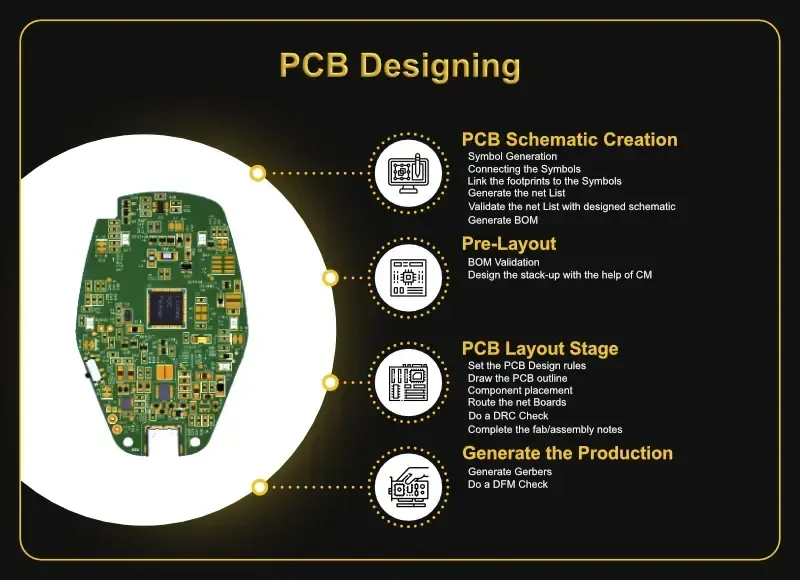
At Zero One Solution Limited, we are acutely aware that the success of innovative smart toilet monitoring systems hinges on the reliability and precision of their underlying Printed Circuit Board (PCB) solutions. Our unparalleled expertise, honed over years in the highly demanding electronics manufacturing industry, positions us as the ideal partner for companies developing next-generation smart toilet technologies. We understand the critical balance between performance, miniaturization, and durability required for these specialized applications, offering a comprehensive, integrated approach that streamlines your development cycle from concept to final product.
Full-Spectrum PCB Design & Engineering Our team of veteran engineers possesses deep knowledge in designing complex PCBs optimized for smart toilet environments, addressing challenges such as moisture resistance, compact form factors, and integration with diverse sensor arrays. We prioritize signal integrity and power efficiency from the initial schematic capture to the final layout.
Rapid Prototyping & Iteration Excellence In the fast-paced smart home market, speed to market is paramount. Zero One Solution Limited specializes in rapid PCB prototyping, enabling quick iteration and validation of your designs. Our agile manufacturing processes ensure that your R&D prototypes are produced with exceptional efficiency, drastically reducing development timelines and costs.
Advanced PCB Manufacturing Capabilities Leveraging state-of-the-art facilities in Shenzhen and a global supply chain, we offer advanced PCB manufacturing, including multi-layer boards, HDI (High-Density Interconnect) technology, and specialized material selection for harsh environments. Our rigorous quality control processes guarantee the highest standards for your smart toilet PCBs.
Precision Component Sourcing & Assembly Beyond fabrication, our one-stop service encompasses global component sourcing and high-precision PCB assembly (PCBA). We ensure access to the exact components required for your smart toilet solution, followed by meticulous assembly using advanced SMT (Surface Mount Technology) and THT (Through-Hole Technology) processes, all under stringent quality assurance protocols.
Global Reach & Local Support With headquarters in China's manufacturing hub and a strategic branch in Dubai, Zero One Solution Limited provides seamless support and efficient logistics across international borders. Our global presence ensures timely delivery and responsive service, wherever your product development is located.
Service Aspect
Zero One Solution Limited Advantage
Benefit for Smart Toilet PCB Projects
Design for Manufacturability (DFM)
Proactive identification and resolution of manufacturing issues during design phase
Reduces production costs and accelerates time-to-market
Environmental Durability
Expertise in selecting materials and coatings for humid/corrosive environments
Ensures long-term reliability and product lifespan in smart toilet applications
Sensor Integration Expertise
Deep understanding of various sensor types (e.g., occupancy, water quality, motion) and their PCB interface requirements
Optimizes sensor performance and data accuracy for intelligent monitoring
Scalability for Production
Seamless transition from prototype to mass production with consistent quality
Supports product growth from initial launch to high-volume market adoption
Cost Optimization
Strategic sourcing and efficient manufacturing processes
Achieves competitive unit costs without compromising quality or performance
The Future of Smart Toilet Technology
The trajectory of smart toilet technology is set for significant advancements, with Printed Circuit Boards (PCBs) serving as the fundamental enablers of these innovations. As connectivity, health monitoring, and personalization become increasingly central to smart home ecosystems, the sophistication and integration capabilities of PCBs will be paramount in driving the next generation of intelligent sanitary solutions. This evolution will transcend basic bidet functions to incorporate more proactive health diagnostics, enhanced user interfaces, and seamless integration with broader smart living platforms, all underpinned by highly advanced PCB designs.
Enhanced Health Monitoring and Diagnostics Future smart toilets will leverage highly integrated PCBs to incorporate advanced biometric sensors capable of non-invasively monitoring vital signs, urine composition, and even early indicators of health conditions. These PCBs will need to support high-density sensor arrays and robust data processing capabilities for real-time analysis and secure transmission of health data, potentially even integrating with telemedicine platforms. The focus will be on miniaturization and power efficiency to accommodate these complex systems within existing form factors.
Advanced User Personalization and AI Integration The next wave of smart toilets will feature sophisticated AI-driven personalization, adapting to individual user preferences and learning behavioral patterns. This requires PCBs with more powerful microcontrollers and memory to handle complex algorithms for user recognition, customized cleaning routines, and predictive maintenance. Edge AI processing on the PCB itself will minimize latency and enhance data privacy, ensuring a more responsive and secure user experience without constant cloud reliance.
Seamless Integration with Smart Home Ecosystems Future smart toilet PCBs will be designed for unparalleled interoperability with other smart home devices and platforms. This means supporting a wider range of communication protocols (e.g., Matter, Thread) and robust API integration. The PCBs will facilitate unified control through voice commands, smart displays, or mobile applications, creating a truly interconnected and automated bathroom environment. Energy harvesting and ultra-low power designs will be critical for maintaining always-on connectivity.
Case Studies: Successful Smart Toilet PCB Implementations
Smart Toilet PCB Application Examples
At Zero One Solution Limited, our commitment to innovation and precision has been instrumental in the successful implementation of advanced Smart Toilet Monitoring PCB Solutions. These real-world applications demonstrate our capability to deliver high-performance, reliable, and compact PCB designs that meet the rigorous demands of smart sanitary technology. Our expertise in rapid prototyping and one-stop PCB services has enabled numerous clients to bring their smart toilet concepts to fruition, enhancing user experience and health monitoring capabilities.
Project Title
Client Challenge
Zero One Solution
Key PCB Features
Outcome
Elderly Care Smart Toilet
Require continuous health monitoring and fall detection in a compact, water-resistant design.
Designed and manufactured a multi-layer rigid-flex PCB, integrating various biometric sensors and an emergency alert system.
Achieved real-time health data transmission with 99.5% reliability and enabled immediate alerts for caregivers, significantly improving elder safety and care efficiency.
Public Restroom Hygiene System
Need robust environmental sensors and usage tracking for high-traffic public facilities, with long-term durability.
Developed an industrial-grade PCB with enhanced durability features, capable of enduring frequent usage and diverse environmental conditions, including a self-cleaning mechanism control.
Environmental Sensors (air quality, humidity), High-Durability Materials (FR-4 with specialized coatings), Redundant Power Paths, Remote Diagnostics Module.
Resulted in optimized cleaning schedules based on actual usage, reduced operational costs by 15%, and significantly improved overall public hygiene standards.
Residential Health & Wellness Toilet
Demanded integration of advanced diagnostic features for at-home health screening within a sleek, consumer-friendly design.
Provided a highly integrated PCB solution combining diagnostic capabilities with user-friendly interface control, leveraging our advanced HDI technology.
High-Density Interconnect (HDI), Bluetooth LE for smartphone connectivity, Integrated Microfluidic Control for sample analysis, Secure Data Encryption.
Enabled users to conduct routine health screenings at home with medical-grade accuracy, fostering proactive health management and receiving positive market reception for its innovative features.
Why are these case studies relevant to your Smart Toilet PCB Solution? These case studies exemplify Zero One Solution Limited's comprehensive capabilities, from initial design consultation to final assembly, showcasing our ability to overcome complex engineering challenges in smart toilet technology. They highlight our expertise in integrating diverse sensors, ensuring power efficiency, achieving compact designs, and delivering reliable performance under varied operating conditions, which are critical for successful smart toilet monitoring systems.
How does Zero One Solution Limited ensure rapid prototyping for complex Smart Toilet PCBs? Our rapid prototyping process is streamlined by leveraging advanced DFM (Design for Manufacturability) analysis, extensive component libraries, and automated manufacturing lines. This allows for quick iteration cycles, significantly reducing the time from concept to functional prototype. For smart toilet PCBs, this means faster integration and testing of sophisticated sensor arrays and communication modules.
What unique challenges do Smart Toilet PCBs present, and how does Zero One Solution address them? Smart toilet PCBs face unique challenges such as exposure to high humidity, potential for direct water contact, strict size constraints, and the need for robust data integrity for health monitoring. Zero One Solution addresses these by employing specialized conformal coatings, selecting moisture-resistant materials, optimizing PCB layout for minimal footprint, and implementing secure communication protocols to safeguard sensitive data.
FAQs about Smart Toilet Monitoring PCBs
Understanding the intricacies of Printed Circuit Boards (PCBs) within smart toilet monitoring systems is crucial for stakeholders ranging from product developers to end-users. This section addresses common queries regarding the design, manufacturing, and application of PCBs in smart toilets, offering clarity and actionable insights derived from years of industry experience.
What are the primary functions of a PCB in a smart toilet monitoring system? The PCB serves as the central nervous system, integrating various sensors (e.g., pressure, temperature, water level, occupancy), microcontrollers for data processing, communication modules (Wi-Fi, Bluetooth) for connectivity, and power management circuits. It orchestrates the collection of data, enables intelligent functionalities, and facilitates communication with external devices or cloud platforms for monitoring and analysis.
How do environmental factors like humidity and moisture impact smart toilet PCB design and durability? Humidity and moisture are significant challenges. PCBs for smart toilets require specialized design considerations, including conformal coatings to protect against corrosion, hermetically sealed enclosures, and selection of moisture-resistant components and substrate materials (e.g., FR-4 with low moisture absorption). Proper layout and component placement also minimize moisture entrapment and ensure long-term reliability in humid bathroom environments.
What are the key considerations for achieving power efficiency in Smart Toilet Monitoring PCBs? Power efficiency is critical for smart toilets, especially those that are battery-powered or aim for low energy consumption. Key considerations include selecting low-power microcontrollers and sensors, implementing efficient power conversion circuits (e.g., buck-boost converters), optimizing firmware for sleep modes and wake-up events, and careful component selection to minimize leakage currents. Zero One Solution Limited prioritizes these aspects to extend operational life and reduce environmental impact.
How does rapid prototyping benefit the development of Smart Toilet Monitoring PCBs? Rapid prototyping significantly accelerates the development cycle by enabling quick iteration and validation of design concepts. It allows engineers to swiftly test component integration, functionality, and performance in real-world conditions, identify potential issues early, and refine the PCB design before committing to large-scale production. This agility minimizes development costs and time-to-market, which is a core strength of Zero One Solution Limited's service offering.
Zero One Solution Limited's expertise in rapid prototyping and comprehensive PCB solutions ensures that these critical design and manufacturing considerations are meticulously addressed, leading to robust and reliable smart toilet monitoring systems.
In conclusion, the smart toilet monitoring system represents a significant step forward in integrating technology into everyday life, offering the potential for improved health monitoring, water conservation, and enhanced hygiene. Zero One Solution Limited stands at the forefront of providing the necessary PCB solutions to make these innovative systems a reality. Our expertise in rapid prototyping, PCB design, manufacturing, and assembly ensures that our clients can bring their smart toilet concepts to market quickly and efficiently. Contact us today to learn more about how we can help you develop the next generation of smart toilet technology. Share your thoughts and experiences with smart toilet technology in the comments below! Visit our website to explore our comprehensive range of PCB solutions.