Building Lighting Atmosphere Control Board Solution
2025.09.04
In today's world, lighting is more than just illumination; it's about creating an atmosphere. From setting the perfect mood in a restaurant to optimizing productivity in an office, lighting plays a crucial role. But achieving the ideal lighting environment requires sophisticated control, and that's where advanced PCB solutions come in. At Zero One Solution Limited, we understand the intricate needs of modern building lighting systems. With our expertise in rapid prototyping and comprehensive PCB services, we empower our clients to develop innovative lighting solutions that transform spaces. Are you looking to revolutionize building lighting with intelligent control? This article delves into the core of building lighting atmosphere control board solutions, exploring the design, functionality, and impact of these critical components, with the support of Zero One Solution Limited.
Introduction to Building Lighting Atmosphere Control Boards
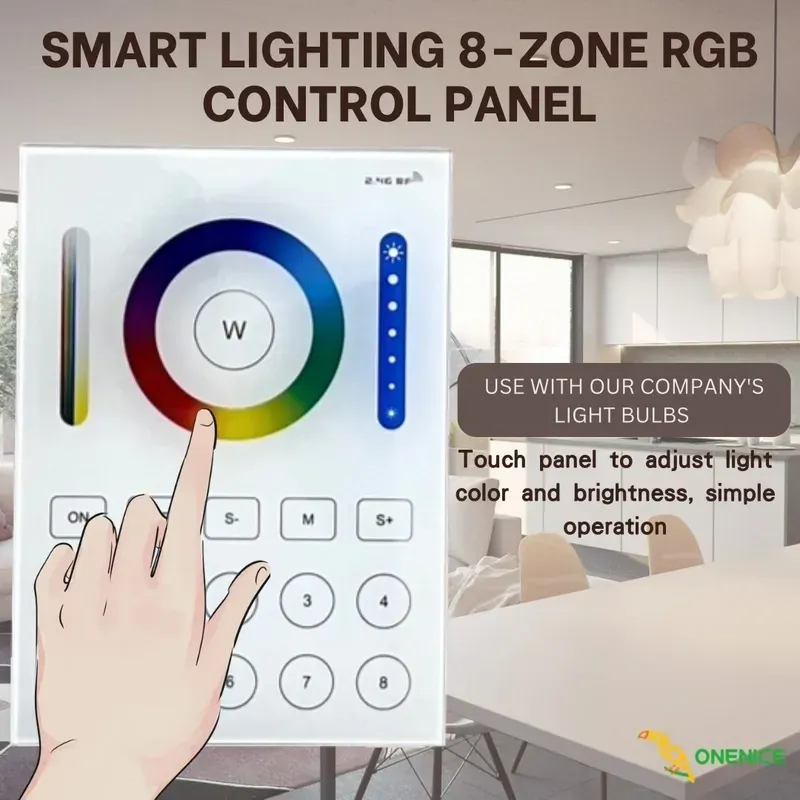
Smart Lighting Control Board
Building Lighting Atmosphere Control Boards are the technological core behind modern, dynamic indoor and outdoor lighting environments, serving as the central nervous system that orchestrates intricate lighting scenes to enhance aesthetics, mood, and functionality within a space. These sophisticated Printed Circuit Boards (PCBs) are critical for delivering intelligent lighting solutions, moving beyond simple on/off switches to enable nuanced control over brightness, color temperature, and even individual light fixtures, thereby transforming static illumination into an interactive and adaptive atmospheric element in contemporary building design and automation systems.
What exactly is a Building Lighting Atmosphere Control Board? A Building Lighting Atmosphere Control Board is a specialized electronic circuit board designed to manage and automate various aspects of a building's lighting system. It integrates microcontrollers, communication interfaces, and power management circuits to facilitate precise control over lighting parameters such as intensity, color, and timing, often responding to environmental sensors or pre-programmed schedules. Its primary function is to create and maintain specific lighting ambiances, contributing to energy efficiency, occupant comfort, and aesthetic appeal. These boards are the brain behind smart lighting systems, enabling features like scene recall, automated adjustments, and integration with broader building management systems (BMS).
Why are these control boards important in modern building design? In modern building design, these control boards are paramount because they enable dynamic and adaptable lighting environments that go beyond basic illumination. They are crucial for optimizing energy consumption through features like daylight harvesting and occupancy sensing, aligning with sustainability goals. Furthermore, they significantly enhance occupant well-being and productivity by allowing for tunable white lighting that mimics natural circadian rhythms, and by creating immersive experiences through intelligent color and scene control. This level of sophisticated lighting management is a cornerstone of smart, human-centric building design, providing both functional utility and aesthetic value while contributing to a building's overall operational efficiency and market appeal. They are essential for achieving advanced certifications like LEED and WELL.
Key Components of an Atmosphere Control Board
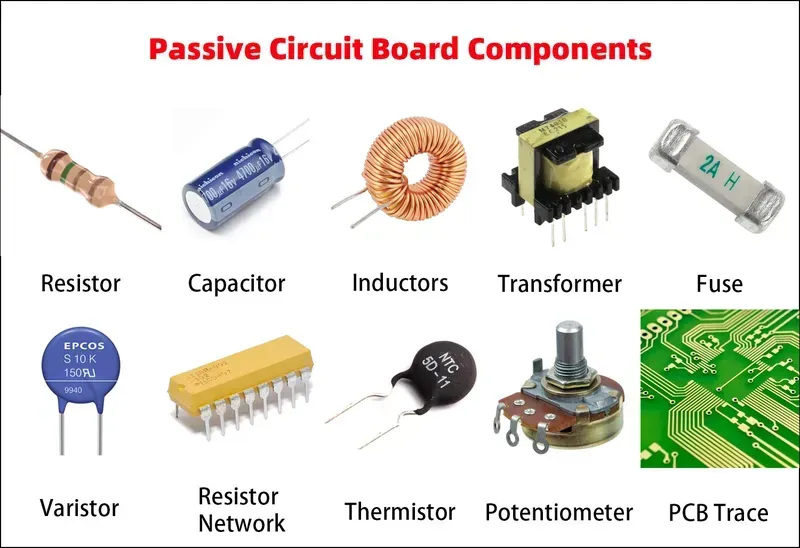
Lighting Control Board Components
A robust Building Lighting Atmosphere Control Board solution relies on a sophisticated interplay of specialized components, each meticulously selected to ensure precise and dynamic control over lighting environments. Understanding these core elements is crucial for architects, designers, and engineers aiming to create truly immersive and efficient lighting experiences. The integrity and functionality of these components directly dictate the board's reliability, responsiveness, and capacity for advanced atmospheric modulation.
Microcontrollers (MCUs) The brain of the control board, MCUs process data from sensors, execute programmed lighting scenes, and manage communication protocols. For atmosphere control, MCUs with sufficient processing power, memory, and versatile I/O pins are critical to handle complex algorithms for dimming, color mixing (RGBW), and real-time adjustments based on environmental inputs. Examples include ARM Cortex-M series or specialized lighting control ICs, offering low power consumption and high integration capabilities.
Sensors These components gather environmental data essential for dynamic lighting adjustments. Common types include: 1. Ambient Light Sensors: Detect natural light levels to enable daylight harvesting, reducing energy consumption. 2. Occupancy/Motion Sensors: Identify presence or movement to activate or adjust lighting, enhancing energy efficiency and security. 3. Temperature/Humidity Sensors: Can influence color temperature or intensity for comfort and aesthetic purposes. The selection depends on the desired level of automation and environmental responsiveness.
Component Type
Function
Key Considerations for Atmosphere Control
Power Management Unit (PMU)
Regulates and distributes power to all components, ensuring stable operation.
Efficiency, voltage stability, surge protection, and appropriate current handling for various LED loads (e.g., constant current vs. constant voltage).
Communication Interfaces
Enable interaction with other systems (e.g., building management systems, user interfaces).
DALI (Digital Addressable Lighting Interface) for professional lighting, DMX512 for dynamic effects, Zigbee/Z-Wave/Bluetooth for wireless integration, Ethernet/Wi-Fi for network connectivity and IoT applications. Multi-protocol support is often advantageous.
Output Drivers (LED Drivers) These convert the control signals from the MCU into the specific electrical current or voltage required to power and control LED luminaires. For atmospheric lighting, high-precision dimming capabilities (e.g., PWM dimming with fine resolution), color control for RGBW LEDs, and flicker-free performance are paramount. Advanced drivers may include integrated power factor correction and thermal management features.
Functionality and Features of Advanced Lighting Control
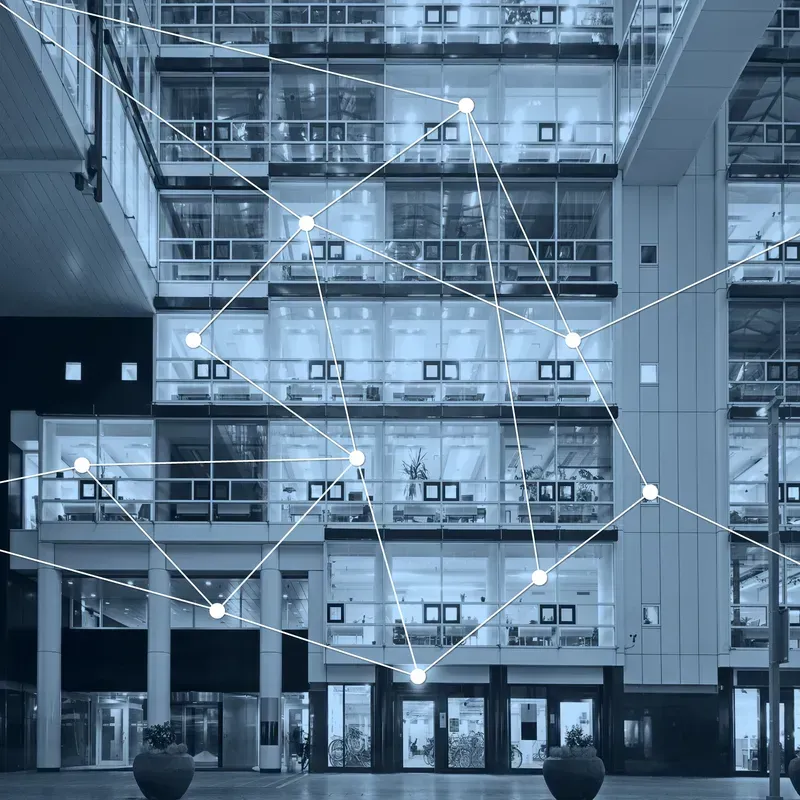
Smart Building Lighting System
Advanced Building Lighting Atmosphere Control Boards are the technological backbone enabling the sophisticated lighting experiences demanded by modern architectural design and smart environments. These boards transcend simple on/off functions, offering granular control over every aspect of illumination to create dynamic, energy-efficient, and human-centric spaces. Their core functionality revolves around precise manipulation of light output, color, and behavior, seamlessly integrating with broader building management systems to enhance comfort, productivity, and aesthetic appeal.
Precise Dimming and Brightness Control Modern control boards offer smooth, flicker-free dimming capabilities from 0% to 100%, allowing for meticulous adjustment of light intensity to suit various activities and moods, optimizing energy consumption while maintaining desired illumination levels.
Dynamic Color Temperature Adjustment (Tunable White) The ability to shift color temperature, typically from warm (e.g., 2700K) to cool white (e.g., 6500K), enables the creation of circadian-friendly lighting. This feature supports human well-being by mimicking natural daylight cycles, enhancing alertness during the day and promoting relaxation in the evening.
Full RGBW/RGBA Color Control For artistic and atmospheric lighting, advanced boards provide extensive control over the full spectrum of colors (Red, Green, Blue, White/Amber). This allows designers to create vibrant, themed, or brand-specific lighting schemes, transforming spaces with immersive visual effects.
Scene Setting and Recall Users can pre-program and instantly recall multiple lighting scenes tailored for different purposes or times of day. For example, a conference room might have 'Presentation Mode,' 'Discussion Mode,' and 'Relaxation Mode,' each with unique light levels, colors, and patterns.
Occupancy and Daylight Harvesting Integration with occupancy sensors automatically adjusts lighting based on human presence, preventing energy waste in unoccupied areas. Daylight harvesting utilizes photosensors to continuously measure ambient light and dim artificial lights accordingly, maximizing the use of natural light and significantly reducing energy consumption.
Scheduling and Astronomical Clock Functions Automated scheduling allows lighting to turn on/off or change scenes at specific times, while astronomical clock features can synchronize lighting with sunrise and sunset, ensuring optimal lighting conditions without manual intervention.
Integration with Smart Building Management Systems (BMS) A critical feature is seamless integration with larger BMS platforms via protocols like DALI, KNX, BACnet, or Ethernet. This enables centralized control, monitoring, and data analytics across all building systems, facilitating holistic energy management, predictive maintenance, and operational efficiency.
Feature Category
Benefit to User
Technical Impact on Control Board
Energy Efficiency
Reduced operational costs, lower carbon footprint
Requires precise dimming circuits, sensor integration, and efficient power management ICs
User Comfort & Well-being
Improved productivity, mood, and visual experience
Demands accurate color rendering, tunable white control, and flicker-free output
Needs robust RGBW control, scene memory, and versatile output channels
System Integration
Centralized control, simplified management, data insights
Requires multi-protocol communication interfaces (DALI, KNX, Ethernet) and robust processing power
Operational Automation
Reduced manual effort, consistent performance
Relies on reliable real-time clocks, sensor inputs, and programmable logic controllers
PCB Design Considerations for Optimal Performance
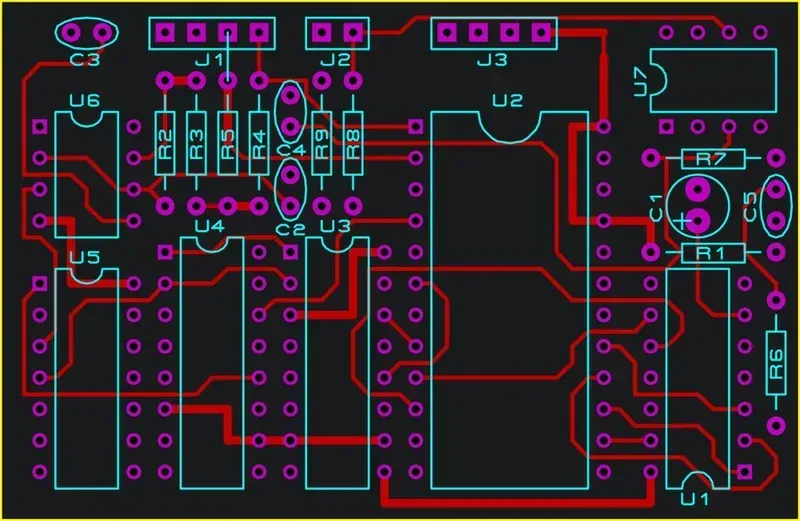
PCB Design Layout
For building lighting atmosphere control boards, meticulous PCB design is paramount to ensure not only functional performance but also long-term reliability and energy efficiency. Optimal design practices, encompassing aspects from component selection to layout strategies, directly impact the board's thermal management, signal integrity, and overall electromagnetic compatibility (EMC), which are critical for stable and precise lighting control in diverse architectural environments. Ignoring these considerations can lead to operational instabilities, reduced lifespan, and costly system failures, underscoring the need for a robust engineering approach.
Design Consideration
Description
Impact on Performance
Thermal Management
Strategic placement of heat-generating components and implementation of heat sinks or thermal vias to dissipate heat effectively.
Prevents component overheating, extends lifespan, and ensures stable operation of power-intensive LEDs and drivers.
Signal Integrity
Careful routing of traces, impedance matching, and minimization of crosstalk to ensure clean data transmission.
Maintains accuracy of control signals, preventing flickering or erratic behavior in lighting outputs.
Component Placement
Logical grouping of components based on functionality (e.g., power, digital, analog) to minimize interference and optimize signal paths.
Reduces noise, simplifies debugging, and improves the overall efficiency and reliability of the board.
Power Delivery Network (PDN)
Designing robust power planes and trace widths to ensure stable and clean power supply to all components.
Minimizes voltage drops and noise, crucial for sensitive control circuits and consistent LED brightness.
Electromagnetic Compatibility (EMC)
Implementing shielding, ground planes, and filtering to minimize electromagnetic interference (EMI) both emitted and received.
Ensures the lighting system operates without interfering with other electronic devices and is immune to external noise.
Layer Stack-up
Optimizing the arrangement of copper layers and dielectric materials for signal integrity and thermal performance.
Affects impedance control, crosstalk, and heat dissipation, directly impacting high-speed signal quality and overall board stability.
Zero One Solution Limited: Your Partner in PCB Solutions
Zero One Solution Limited stands at the forefront of PCB manufacturing, offering unparalleled rapid prototyping and comprehensive solutions crucial for the sophisticated demands of building lighting atmosphere control boards. Our deep expertise, honed since 2011, ensures that your innovative lighting concepts are transformed into reliable, high-performance physical products with exceptional speed and precision, providing a critical advantage in a rapidly evolving market.
Rapid Prototyping Advantage We specialize in rapid-response R&D prototype manufacturing, enabling quick iteration and validation of design concepts for complex lighting control systems. This drastically reduces time-to-market for our clients.
One-Stop Solution From initial PCB design and layout to manufacturing and final assembly, Zero One Solution Limited provides a seamless, integrated service. This end-to-end approach ensures consistency, quality control, and streamlined project management for your building lighting atmosphere control board solutions.
Global Supply Chain Network Strategically located in Shenzhen, China, with a branch in Dubai, we leverage a robust global PCBA supply chain. This allows us to source high-quality components efficiently and respond to global market demands with agility, ensuring cost-effectiveness and timely delivery for your projects.
Expertise in Complex PCB Designs Our veteran engineers possess extensive experience in addressing critical PCB design considerations for lighting control, including thermal management, signal integrity, and compact component placement, ensuring optimal performance and longevity of the control boards.
Quality and Reliability Committed to the highest industry standards, Zero One Solution Limited ensures every PCB solution meets rigorous quality checks. Our focus on precision manufacturing and assembly guarantees the reliability and stable operation of your building lighting atmosphere control boards in diverse applications.
Service Aspect
Zero One Solution Limited Offerings
Benefit for Lighting Control Boards
PCB Design
Optimized layout, signal integrity, thermal management
Ensures stable and efficient operation of complex lighting algorithms
Rapid Prototyping
Fast turnaround for R&D samples (3-7 days)
Accelerates innovation and reduces product development cycles
Manufacturing
High-precision fabrication, diverse material options
Guarantees robust and durable control boards for long-term use
Delivers fully functional, reliable control units ready for integration
Global Reach
Shenzhen & Dubai presence, worldwide logistics
Provides seamless access to resources and supports global deployment of lighting solutions
The Importance of Rapid Prototyping in Lighting Control Development
Rapid Prototyping Circuit Board
Rapid prototyping is a pivotal methodology in the development of sophisticated building lighting atmosphere control boards, enabling swift iteration, rigorous testing, and ultimately, faster market entry for innovative lighting solutions. In an industry driven by evolving aesthetic demands, energy efficiency imperatives, and smart building integration, the ability to quickly transform conceptual designs into tangible prototypes is not merely an advantage but a fundamental necessity for competitive differentiation and technological leadership.
Accelerated Design Iteration Rapid prototyping significantly condenses the design-test-refine cycle. Engineers can quickly validate design choices, identify potential flaws, and implement improvements, reducing the time and cost associated with multiple design revisions. This agility is crucial for complex lighting control systems that require precise calibration and integration with diverse components and protocols.
Enhanced Risk Mitigation By allowing for early functional testing, rapid prototyping helps identify and mitigate potential technical risks before significant capital is committed to full-scale production. This includes verifying signal integrity, power distribution, thermal management, and compatibility with various lighting fixtures and control interfaces, thus preventing costly redesigns or field failures.
Cost Efficiency in Development While prototyping involves an initial investment, it dramatically reduces overall development costs by minimizing errors and accelerating time-to-market. Detecting and correcting design flaws in the early stages through rapid prototypes is far more economical than addressing them during mass production or after product deployment.
Facilitating Stakeholder Feedback Tangible prototypes provide a concrete basis for stakeholders—architects, interior designers, end-users, and system integrators—to provide invaluable feedback. This collaborative approach ensures that the final lighting control solution not only meets technical specifications but also aligns with aesthetic, functional, and user experience requirements, leading to higher adoption rates and customer satisfaction.
Enabling Innovation and Experimentation The low-cost, high-speed nature of rapid prototyping fosters an environment of experimentation. Engineers can explore novel control algorithms, integrate cutting-edge sensors, or test unconventional lighting effects without the prohibitive costs or delays associated with traditional development cycles. This freedom to innovate is key to developing breakthrough lighting atmosphere solutions.
Case Studies: Innovative Lighting Control Applications
Innovative Lighting Application Scene
Innovative lighting control applications, driven by advanced Building Lighting Atmosphere Control Boards, are transforming commercial, residential, and public spaces into dynamic, energy-efficient environments. These real-world examples showcase the tangible benefits of sophisticated control systems, from enhancing occupant well-being to achieving significant energy savings and meeting stringent sustainability goals. The precision and adaptability offered by these solutions enable designers to craft truly immersive and responsive lighting experiences that were once unimaginable.
Project Type
Lighting Control Goal
Key Innovation with Control Board
Achieved Outcome
Smart Office Building
Dynamic Human-Centric Lighting (HCL)
Integration of circadian rhythm algorithms, daylight harvesting sensors, and individual user control via mobile apps.
Improved employee productivity and well-being; up to 30% energy reduction in lighting consumption; enhanced occupant comfort.
Project Type
Lighting Control Goal
Key Innovation with Control Board
Achieved Outcome
High-End Retail Store
Experiential and Brand-Focused Lighting
Precise color temperature and intensity tuning for product display; automated scene transitions; integration with multimedia and security systems.
Increased customer engagement and dwell time; enhanced brand perception; ability to rapidly reconfigure lighting for new product launches.
Project Type
Lighting Control Goal
Key Innovation with Control Board
Achieved Outcome
Luxury Hospitality Venue (Hotel/Resort)
Personalized Guest Experience and Ambiance
Customizable in-room lighting scenes; centralized control for common areas; integration with building management systems (BMS) for energy optimization.
Enhanced guest satisfaction and loyalty; significant operational savings on energy; creation of distinct atmospheres for different events and times of day.
Project Type
Lighting Control Goal
Key Innovation with Control Board
Achieved Outcome
Museum Exhibition Space
Preservation-Sensitive and Adaptive Illumination
UV/IR filtering control; granular dimming for light-sensitive artifacts; automated adjustments based on visitor flow and time of day.
Optimal preservation of valuable exhibits; creation of immersive educational experiences; minimized energy footprint.
These case studies exemplify how custom-designed Building Lighting Atmosphere Control Boards, often facilitated by rapid prototyping from experts like Zero One Solution Limited, are critical enablers for achieving complex lighting objectives. They demonstrate not just aesthetic improvements but also measurable benefits in energy efficiency, operational cost reduction, and occupant satisfaction, paving the way for smarter, more sustainable building environments.
Future Trends in Building Lighting Control
The landscape of building lighting control is undergoing a transformative shift, driven by advancements in digital technology and a growing emphasis on intelligent, adaptive environments. Future trends in building lighting control are moving beyond simple on/off functionality to embrace highly sophisticated, data-driven systems that offer unprecedented levels of personalization, efficiency, and integration within smart building ecosystems. This evolution promises to redefine how occupants interact with their illuminated spaces, fostering enhanced comfort, productivity, and sustainability.
IoT Integration for Seamless Connectivity The Internet of Things (IoT) is at the forefront of future lighting control, enabling seamless communication between lighting systems and other building infrastructure. This integration allows for centralized management, real-time data exchange, and the creation of highly responsive environments. For instance, lighting can dynamically adjust based on occupancy, natural light levels, or even the operational status of HVAC systems, optimizing energy consumption and user experience.
AI-Powered Control and Predictive Intelligence Artificial intelligence (AI) is set to revolutionize lighting control by introducing predictive capabilities and self-learning algorithms. AI-driven systems can analyze historical data, user preferences, and external factors (like weather patterns) to anticipate lighting needs and proactively adjust settings. This leads to truly adaptive lighting that optimizes energy use, enhances occupant well-being, and minimizes manual intervention, making buildings more intelligent and autonomous.
Personalized Lighting Experiences and Human-Centric Design Future lighting control will heavily focus on personalized experiences, moving towards human-centric lighting (HCL) solutions. This involves tailoring light intensity, color temperature, and spectral distribution to individual preferences and circadian rhythms, promoting better sleep, mood, and productivity. Occupants will have granular control over their personal lighting zones, potentially via mobile apps or intuitive interfaces, allowing for a truly customized and comfortable environment.
Li-Fi Technology for Data Communication Light Fidelity (Li-Fi) represents a groundbreaking trend, utilizing visible light communication (VLC) for high-speed data transmission. Beyond illumination, future lighting fixtures could become crucial nodes for wireless communication within buildings, offering secure and high-bandwidth connectivity. This innovation opens up new possibilities for integrated smart building services, from location-based services to enhanced security, all delivered through the existing lighting infrastructure.
Sustainable and Energy-Harvesting Solutions The drive for sustainability will continue to shape future lighting control. Expect to see increased adoption of energy-harvesting technologies, where lighting systems power themselves using ambient energy sources like solar or kinetic energy. Furthermore, advanced control algorithms will prioritize maximum energy efficiency, minimizing waste and contributing to greener building operations, aligning with global efforts towards carbon neutrality and reduced environmental impact.
FAQs About Building Lighting Atmosphere Control Boards
What is a building lighting atmosphere control board? A building lighting atmosphere control board is the central electronic system that manages and orchestrates various lighting fixtures within a building to create specific ambiances. It typically integrates inputs from sensors, user interfaces, and scheduling systems to adjust parameters like brightness, color temperature, and dynamic lighting effects, significantly enhancing occupant comfort and energy efficiency. These boards are crucial for modern smart building infrastructure, enabling centralized and automated lighting management beyond simple on/off switches.
In conclusion, building lighting atmosphere control boards are essential for creating intelligent, energy-efficient, and aesthetically pleasing environments. Zero One Solution Limited is committed to providing cutting-edge PCB solutions that empower our clients to innovate in the lighting industry. From rapid prototyping to full-scale manufacturing, we offer the expertise and resources needed to bring your vision to life. Whether you're developing smart home systems, commercial lighting solutions, or architectural lighting designs, our team is ready to partner with you. Contact Zero One Solution Limited today to discover how our PCB solutions can transform your building lighting projects and elevate the atmosphere of any space.