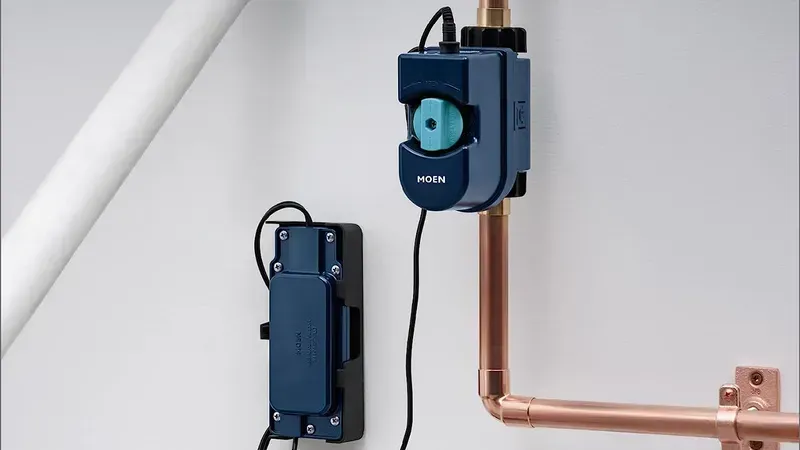
Water leaks can cause significant damage to homes and businesses, leading to costly repairs and potential health hazards. In today's technologically advanced world, smart water leak detectors offer a proactive approach to mitigating these risks. These devices utilize sophisticated sensor technology and printed circuit board assemblies (PCBAs) to detect leaks early, alerting property owners before major damage occurs. Zero One Solution Limited, a leader in rapid prototyping and PCBA manufacturing, provides comprehensive solutions for smart water leak detector boards, empowering our clients to create innovative and reliable leak detection systems. This article delves into the intricacies of smart water leak detector board solutions, highlighting their design, functionality, and the benefits of partnering with Zero One Solution for your PCBA needs.
Understanding the Importance of Smart Water Leak Detectors
The advent of smart water leak detectors marks a significant leap forward in property protection, directly addressing the escalating financial burden and structural damage caused by unforeseen water incidents. Unlike reactive traditional methods, these intelligent systems leverage advanced sensing and communication technologies to provide proactive, real-time alerts, enabling swift intervention and mitigating potential catastrophic losses. The shift from manual inspections to automated, continuous monitoring not only safeguards assets but also offers unparalleled peace of mind to homeowners and businesses alike, making early detection an indispensable component of modern risk management.
Economic Impact of Water Damage Water damage is a leading cause of property insurance claims, with an average claim cost frequently exceeding $10,000. These figures, as reported by industry analyses, highlight the substantial financial risk posed by leaks, emphasizing the urgency for preventative measures.
Limitations of Traditional Detection Conventional leak detection often relies on visual cues or basic drip pans, which are inherently reactive and can only identify issues once significant damage has occurred. This delayed response invariably leads to extensive repairs, mold growth, and increased insurance premiums.
Proactive vs. Reactive Protection Smart water leak detectors offer a proactive defense, employing sophisticated sensors and IoT connectivity to detect even minute changes in moisture levels or flow rates. This enables immediate notification to property owners or management via mobile apps or emails, facilitating rapid response before minor leaks escalate into major disasters.
Feature
Traditional Water Detection
Smart Water Leak Detector
Detection Method
Visual inspection, basic drip pans
Conductivity, capacitive, ultrasonic sensors
Alert System
Manual discovery
Real-time app/email notifications
Response Time
Delayed (after damage occurs)
Immediate
Coverage
Limited, localized
Wide-area monitoring, multiple zones
Cost Savings
Minimal (reactive repairs)
Significant (preventative, reduced damage)
Integration
None
Smart home systems, automation
Key Components of a Smart Water Leak Detector Board
Smart Water Leak Sensor Board Components
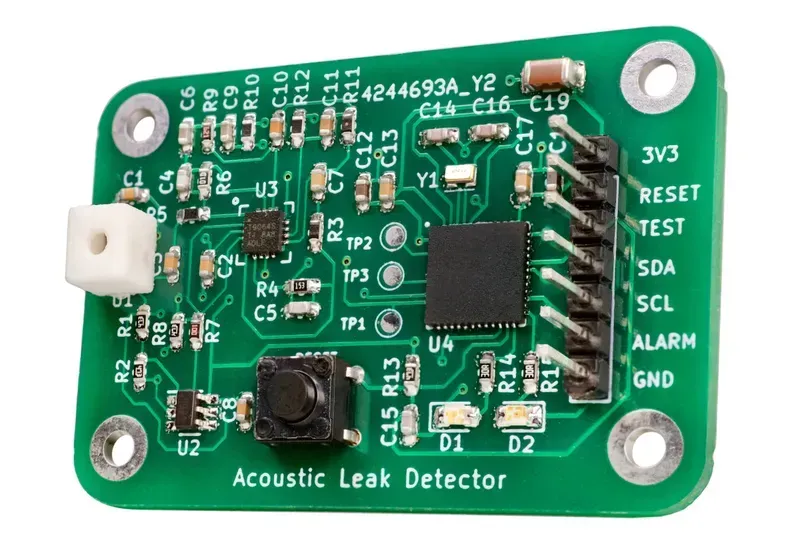
The efficacy and reliability of a smart water leak detector fundamentally depend on the intelligent integration of its core electronic components. A robust Smart Water Leak Detector Board Solution is engineered around a synergistic ensemble of a high-performance microcontroller, accurate sensing mechanisms, versatile communication modules, and efficient power management circuitry. Each element plays a pivotal role in enabling rapid detection, reliable alerts, and sustained operation, ensuring comprehensive protection against water damage.
Microcontroller Unit (MCU) The MCU serves as the brain of the detector board, processing sensor data, making detection decisions, and managing communication. Key considerations include low-power consumption, sufficient processing power for algorithms, and adequate GPIOs for sensor interfaces. For example, an ARM Cortex-M series MCU is often preferred for its balance of performance and energy efficiency in IoT applications.
Water Leak Sensors These are the primary detection elements, converting the presence of water into an electrical signal. Common types include conductivity sensors (detecting resistance change), capacitive sensors (detecting dielectric constant change), and less commonly, ultrasonic sensors (detecting acoustic changes in the presence of water). The choice of sensor impacts sensitivity, response time, and environmental resilience.
Communication Modules Enabling alerts and remote monitoring, communication modules transmit data to a central hub or user device. Wi-Fi modules (e.g., ESP32) offer broad compatibility with home networks, while Bluetooth Low Energy (BLE) is ideal for short-range, low-power applications. For wider coverage and longer battery life, LoRaWAN or NB-IoT modules are utilized in industrial or large-scale deployments, adhering to standards like IEEE 802.11 for Wi-Fi or Bluetooth Core Specification for BLE.
Power Management Circuitry Crucial for battery-powered devices, this circuitry optimizes energy usage to extend operational life. It typically includes voltage regulators (LDOs, buck converters), battery charging ICs for rechargeable options, and circuitry for activating sleep modes or ultra-low-power states for the MCU and peripherals. Efficient power management can enable devices to operate for years on a single set of batteries, a critical factor for maintenance-free deployment.
Alerting Mechanisms Beyond wireless communication, local alerting mechanisms provide immediate notification. This can include buzzers or LEDs that visually and audibly indicate a leak. The integration of these components ensures multi-modal notification for varied user preferences and scenarios.
Component Type
Primary Function
Key Selection Criteria
Common Examples
Microcontroller Unit (MCU)
Data Processing & Control
Low power, processing speed, I/O availability
ARM Cortex-M0/M4, ESP32
Water Leak Sensors
Detect Presence of Water
Sensitivity, response time, environmental robustness
Conductivity probes, Capacitive sensors
Communication Modules
Wireless Data Transmission
Range, power consumption, network compatibility
Wi-Fi (802.11n), Bluetooth LE, LoRaWAN
Power Management ICs
Regulate & Optimize Power
Efficiency, quiescent current, battery chemistry support
LDOs, DC-DC Converters, Battery Chargers
Sensor Technologies Used in Water Leak Detection
Types of Water Leak Sensors
At the core of any effective Smart Water Leak Detector Board Solution lies its sensor technology, which dictates sensitivity, accuracy, and versatility in diverse environments. The selection of the appropriate sensor is paramount, as it directly impacts the system's ability to reliably detect water presence and prevent costly damage. Engineers must consider factors such as the type of liquid, the potential for false positives, and the required response time to ensure an optimal detection solution.
Sensor Type
Working Principle
Advantages
Limitations
Typical Applications
Conductivity Sensor
Detects water by measuring electrical conductivity between two probes.
Cost-effective, simple design, rapid detection.
Requires direct contact with water, susceptible to false positives from conductive materials, cannot detect non-conductive liquids.
Under sinks, near water heaters, sump pump areas, general floor monitoring.
][
Capacitive Sensor
Detects changes in capacitance caused by the presence of water on or near the sensor surface.
Non-contact detection possible, less susceptible to dirt/debris, can detect various liquids.
Sensitivity can be affected by humidity and material thickness, higher cost than conductivity sensors, requires calibration.
Behind walls, under flooring, in confined spaces, industrial pipe monitoring.
][
Ultrasonic Sensor
Emits ultrasonic waves and measures the time it takes for the waves to reflect off a surface, detecting changes in water level or presence.
Non-contact, can detect water levels, suitable for larger areas or tanks.
More complex and expensive, affected by surface texture and foam, requires clear line of sight.
Water tanks, reservoirs, large industrial facilities, flood detection in open areas.
Designing an Efficient and Reliable Water Leak Detector PCB
Water Leak Detector PCB Design
Designing an efficient and reliable PCB is paramount for the performance and longevity of any smart water leak detector solution. It's not merely about assembling components; it involves a meticulous approach to layout, strategic component selection, and rigorous attention to signal integrity to ensure the device operates accurately and dependably in critical situations. A well-designed PCB minimizes false alarms, maximizes battery life, and provides the robustness required for continuous environmental monitoring.
PCB Layout Best Practices for Leak Detectors Achieving optimal performance begins with a thoughtful PCB layout. Minimize trace lengths, especially for sensitive analog sensor signals, to reduce noise and interference. Employ proper grounding techniques, such as a solid ground plane, to ensure signal stability. Isolate analog and digital sections to prevent crosstalk, which can lead to erroneous readings. Consider the placement of moisture-sensitive components away from potential condensation points on the board. Furthermore, incorporate appropriate clearances and creepage distances, especially in areas susceptible to moisture or high voltage, to prevent short circuits and ensure safety standards compliance (e.g., IPC-2221A).
Critical Component Selection for Reliability The choice of components directly impacts reliability and efficiency. Select low-power microcontrollers (MCUs) that offer sufficient processing power for sensor data acquisition and communication protocols while minimizing current draw during sleep modes. Opt for high-quality, corrosion-resistant sensor materials suitable for long-term exposure to moisture. Ensure communication modules (Wi-Fi, Bluetooth, LoRaWAN) have robust radio frequency (RF) performance and low power consumption. For power management, choose efficient DC-DC converters or LDOs that maintain stable voltage regulation under varying loads and input conditions. Additionally, use industrial-grade components where environmental conditions demand higher durability and wider operating temperature ranges.
Design Aspect
Key Consideration
Impact on Performance
Signal Integrity
Minimize noise, prevent crosstalk
Ensures accurate sensor readings and reliable communication
Power Efficiency
Low-power components, sleep modes
Extends battery life, reduces maintenance
Environmental Robustness
Conformal coating, appropriate enclosures
Protects against moisture, dust, and temperature extremes
Manufacturing Feasibility
Standardized footprints, DFM principles
Reduces production costs and accelerates time-to-market
Electromagnetic Compatibility (EMC)
Proper shielding, filtering
Prevents interference with other devices, meets regulatory standards
import machine
import time

# Define GPIO pin for the water sensor (example: GP28 for an analog sensor)
sensor_pin = machine.ADC(28)

# Define threshold for water detection
water_threshold = 2000 # Adjust based on sensor calibration

while True:
    sensor_value = sensor_pin.read_u16()
    print(f"Sensor Value: {sensor_value}")

    if sensor_value > water_threshold:
        print("Water detected! Triggering alert...")
        # Add code here to send alerts (e.g., via Wi-Fi, Bluetooth)
    else:
        print("No water detected.")

    time.sleep(5) # Check every 5 seconds (adjust for power saving)
Wireless Communication Protocols for Leak Alerts
Effective wireless communication protocols are the backbone of any smart water leak detector board, enabling immediate alerts and remote monitoring. The choice of protocol is critical, directly influencing a device's range, power consumption, data throughput, and overall suitability for diverse application environments, from residential smart homes to expansive industrial complexes. Selecting the optimal protocol ensures reliable and timely data transmission, which is paramount for preventing catastrophic water damage.
Protocol
Key Advantages
Typical Applications
Considerations for Leak Detection
Wi-Fi
High bandwidth, ubiquitous infrastructure, easy integration with existing networks.
Residential, commercial buildings with existing Wi-Fi.
Higher power consumption, shorter battery life without careful power management, network congestion.
Bluetooth Low Energy (BLE)
Extremely low power consumption, short-range, cost-effective for peer-to-peer communication.
Small apartments, single-room monitoring, localized alerts.
Limited range, typically requires a gateway for internet connectivity, lower data rates.
LoRaWAN
Long range (km), very low power, excellent penetration in challenging environments, ideal for wide-area deployments.
Large commercial facilities, industrial sites, multi-building complexes, rural areas.
Lower data rates, requires a LoRaWAN gateway infrastructure, initial setup complexity.
Cellular (NB-IoT/LTE-M)
Extensive coverage, no need for local gateways, highly reliable for critical alerts.
Higher recurring costs (subscription fees), moderate power consumption compared to LoRaWAN, dependent on cellular network availability.
Zero One Solution Limited specializes in integrating these sophisticated wireless communication modules into custom PCB designs for smart water leak detectors. Our expertise ensures that your device not only detects leaks but also communicates effectively and reliably, tailored to the specific demands of your application. We prioritize robust connectivity and power efficiency, essential for the long-term, maintenance-free operation of your smart water leak detection solutions.
Power Management Strategies for Long Battery Life
Low Power Water Leak Detector
Achieving extended battery life is paramount for smart water leak detector boards, ensuring continuous operation and reliable protection without frequent maintenance. Effective power management strategies are critical to minimize energy consumption, especially in devices that need to operate autonomously for years. This involves a multi-faceted approach, integrating hardware and software optimizations to draw minimal current while maintaining essential functionality and rapid response capabilities.
Low-Power Microcontroller Selection Utilize microcontrollers (MCUs) specifically designed for low-power applications. These MCUs often feature multiple low-power modes (e.g., sleep, deep sleep, hibernate) and efficient peripheral management, consuming only microamperes or nanoamperes in idle states. For instance, an ARM Cortex-M series MCU with specialized low-power modes can reduce consumption significantly, allowing the device to remain vigilant for extended periods.
Optimizing Sensor Duty Cycling Instead of continuous sensing, implement a duty-cycling approach where sensors are activated only periodically to check for leaks. The frequency of checks can be dynamically adjusted based on risk assessment or user preferences. For example, a leak sensor might wake up every 10 seconds to take a reading, then return to a deep sleep state for the remainder of the cycle, drastically cutting down average current draw.
Efficient Wireless Communication Protocols Select communication protocols that are energy-efficient for the specific application. Technologies like LoRaWAN excel in low-power, long-range applications, sending small data packets infrequently. In contrast, Wi-Fi, while high-bandwidth, is more power-intensive and requires careful power-saving techniques like targeted wake-up times and fast connection/disconnection cycles to manage consumption.
Firmware Optimization and Sleep Modes Develop firmware that maximizes the use of the MCU's sleep modes. The device should spend the vast majority of its operational time in the lowest possible power state, waking up only for sensor readings, processing data, or transmitting alerts. Interrupt-driven programming can ensure the device only wakes when necessary, such as upon detecting a significant environmental change or a scheduled reporting interval.
Power Supply and Component Efficiency Design the power supply circuit with highly efficient components, such as low-dropout (LDO) regulators or switching regulators (buck/boost converters) that exhibit high efficiency across the expected load range. Every milliwatt saved in quiescent current or conversion losses contributes to longer battery life. Selecting passive components with low leakage currents also plays a role.
Energy Harvesting Integration For specific applications, consider integrating energy harvesting techniques, such as small solar panels or thermoelectric generators, to supplement or recharge the battery. While typically providing limited power, even a small continuous charge can significantly extend the lifespan of primary batteries or reduce the recharge cycles of secondary batteries, pushing operational life into years or even decades.
Zero One Solution's Expertise in Water Leak Detector PCB Solutions
PCBA Production Line
Zero One Solution Limited stands at the forefront of providing comprehensive PCB solutions for smart water leak detectors, leveraging over a decade of industry leadership to deliver unparalleled design, manufacturing, and assembly services. Our deep-rooted expertise, honed in Shenzhen's electronic manufacturing heartland and supported by a global supply chain, ensures that every water leak detector board we produce meets the highest standards of reliability, efficiency, and innovation. We empower businesses to accelerate their product development cycles with our rapid prototyping capabilities, turning concepts into market-ready solutions with exceptional speed and precision.
Integrated Design & Engineering We offer end-to-end design services for water leak detector PCBs, from schematic capture and component selection to complex multilayer PCB layouts. Our engineers specialize in optimizing board performance for sensor accuracy, low-power operation, and robust wireless communication, critical for effective leak detection systems.
Advanced Manufacturing Capabilities Our state-of-the-art manufacturing facilities are equipped to handle high-volume production with stringent quality control. We specialize in producing compact, high-density PCBs essential for modern smart devices, ensuring precise fabrication that withstands challenging environmental conditions typical of water detection applications.
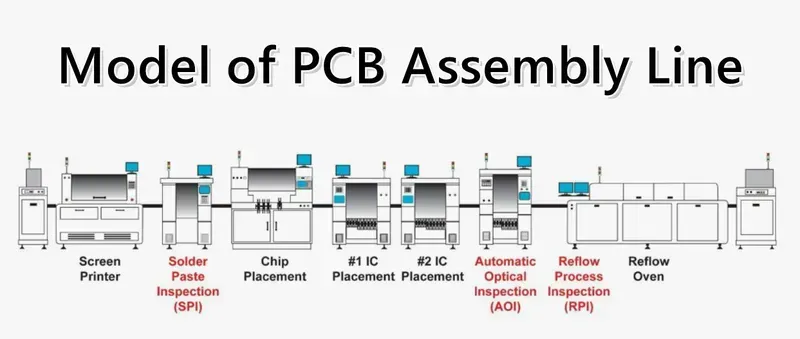
Precision Assembly (PCBA) Zero One Solution excels in sophisticated PCBA, employing automated SMT lines and skilled manual assembly for sensitive components. Our assembly processes are optimized for reliability, guaranteeing strong solder joints and accurate component placement, which is vital for the long-term performance of water leak detectors.
Rapid Prototyping & Iteration Recognizing the urgency in product development, our rapid prototyping service significantly reduces time-to-market. We enable quick iteration and testing of water leak detector board designs, allowing clients to validate concepts, refine functionalities, and resolve issues efficiently before mass production.
Commitment to Quality & Compliance Quality is paramount at Zero One Solution. All water leak detector PCB solutions undergo rigorous testing and adhere to international standards (e.g., IPC, RoHS, CE, FCC) to ensure optimal performance, durability, and compliance with global market requirements. Our commitment to quality minimizes field failures and enhances product reputation.
Benefits of Partnering with Zero One Solution
Partnering with Zero One Solution for your Smart Water Leak Detector Board needs offers a strategic advantage, transforming complex design and manufacturing challenges into streamlined successes. Our commitment to innovation, quality, and rapid-response prototyping ensures that your product development cycle is accelerated, bringing robust and reliable solutions to market efficiently. We are not just a supplier but a dedicated partner, invested in the success of your smart home or industrial IoT projects.
Rapid Turnaround Times Our Shenzhen-based headquarters and efficient global supply chain network enable unparalleled rapid prototyping and manufacturing, significantly reducing your time-to-market for smart water leak detector boards. This agility is critical for capitalizing on emerging market opportunities and outmaneuvering competitors.
Competitive Pricing & Cost Efficiency Leveraging our established global supply chain and optimized manufacturing processes, Zero One Solution provides highly competitive pricing without compromising on quality. This translates to superior cost-efficiency for your smart water leak detector board solutions, maximizing your ROI.
Expert Technical Support & Design Optimization Our team of veteran engineers, with two decades of Silicon Valley experience, offers comprehensive technical support from conceptualization to mass production. We provide invaluable insights into PCB design optimization, material selection, and component integration, ensuring your water leak detector boards are both high-performing and cost-effective. We guide you through complexities like sensor calibration, low-power design, and robust communication protocol implementation.
Real-World Applications and Case Studies
Residential Water Leak Detector
Smart water leak detector board solutions are transforming property protection and resource management across diverse sectors by offering proactive real-time monitoring and immediate alerts. These advanced systems mitigate significant water damage, reduce insurance claims, and optimize water consumption, delivering tangible value in residential, commercial, and industrial environments. Their integration into existing infrastructure proves critical for preventative maintenance and emergency response.
Application Sector
Key Benefits
Example Use Cases
Residential
Reduced damage, lower insurance premiums, peace of mind
Under sinks, near water heaters, basements, vacation homes
Commercial
Asset protection, business continuity, compliance adherence
Office buildings, data centers, retail spaces, hotels
Water treatment plants, municipal pipelines, underground utility networks
Case Study: Commercial Property Protection A large commercial office complex in Dubai faced recurring issues with undetected pipe leaks leading to significant structural damage and operational disruptions. Partnering with Zero One Solution, they implemented a bespoke smart water leak detector board system. Our solution integrated high-precision conductivity sensors with LoRaWAN communication, allowing for wide-area coverage and long battery life. Within six months, the system detected three potential leaks early, preventing an estimated $150,000 in repair costs and averting business interruption, showcasing the tangible ROI of proactive leak detection.
Case Study: Residential Smart Home Integration A smart home developer sought to integrate robust water leak detection into their premium offerings. Zero One Solution developed a compact, low-power PCB for their detectors, featuring Wi-Fi connectivity for seamless integration with popular smart home hubs. The solution included multiple sensor points for critical areas like kitchens, bathrooms, and utility rooms. Homeowners now receive instant smartphone alerts upon leak detection, enabling immediate action. Post-implementation surveys indicated a significant increase in perceived home security and a reduction in water-related claims among early adopters.
FAQs About Smart Water Leak Detector Boards
Understanding the intricacies of smart water leak detector boards is crucial for effective deployment and optimal performance. This section addresses common inquiries, providing clear, authoritative answers to help you navigate the complexities of these vital devices and the solutions we offer at Zero One Solution Limited.
What is the typical battery life for a smart water leak detector board, and how is it optimized? The typical battery life for a smart water leak detector board can range from 1 to 5 years, heavily depending on the power management strategies employed, sensor sampling frequency, and communication module usage. Optimization involves selecting low-power microcontrollers, implementing deep sleep modes, utilizing efficient communication protocols (e.g., LoRaWAN for long-range, low-power), and designing power-efficient sensor circuits. Zero One Solution focuses on comprehensive power integrity analysis during PCB design to maximize battery longevity.
How do smart water leak detector boards differentiate between a minor leak and a major flood? Differentiation is primarily achieved through sensor data interpretation and programmed logic. Conductivity sensors, for instance, can detect the presence of water. Advanced boards may incorporate multiple sensors or algorithms that analyze the duration and spread of water detection. Some systems integrate flow meters to monitor unusual water consumption patterns, providing a more holistic approach to distinguishing between minor drips and significant flooding events. The sophistication of the firmware determines the granularity of detection and alert categories.
What are the essential communication protocols for a smart water leak detector board? Essential communication protocols depend on the application environment. For residential use, Wi-Fi and Bluetooth are common due to existing infrastructure. For larger commercial or industrial settings, LoRaWAN (Long Range Wide Area Network) and cellular (LTE-M, NB-IoT) are preferred for their extended range, low power consumption, and robust connectivity. Zero One Solution integrates a range of modules, allowing clients to select the most suitable protocol based on coverage, power, and data rate requirements.
Can smart water leak detector boards integrate with existing smart home or building management systems? Yes, seamless integration with existing smart home or building management systems (BMS) is a key feature of modern smart water leak detector boards. This is achieved through open Application Programming Interfaces (APIs), MQTT protocols, or compatibility with popular ecosystems like Amazon Alexa, Google Home, or enterprise-level BMS platforms. Interoperability ensures centralized monitoring, unified alerts, and automated responses, enhancing overall property protection and management efficiency. Zero One Solution prioritizes designs that facilitate such ecosystem integration.
In conclusion, smart water leak detector board solutions offer a critical line of defense against water damage, providing early detection and enabling timely intervention. Zero One Solution Limited stands at the forefront of PCBA manufacturing, offering comprehensive services from design to assembly, ensuring the highest quality and reliability for your water leak detection systems. By partnering with Zero One Solution, you gain access to cutting-edge technology, expert engineering support, and a commitment to excellence. Contact us today to learn more about how we can help you develop and deploy innovative smart water leak detection solutions, protecting homes and businesses from the devastating effects of water leaks.