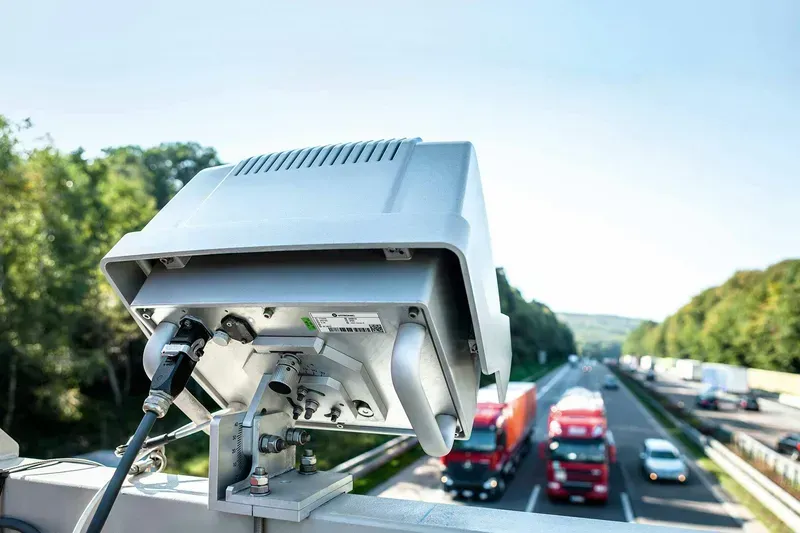
In an era defined by seamless connectivity and efficient transportation, smart toll collection systems are at the forefront of revolutionizing how we manage vehicular traffic. These systems, powered by sophisticated electronics, rely heavily on robust and reliable Printed Circuit Boards (PCBs). At Zero One Solution Limited, we recognize the critical role PCBs play in ensuring the smooth operation of smart toll collection. With our expertise in rapid prototyping and one-stop services, we provide comprehensive PCB solutions, from initial design to manufacturing and assembly, accelerating your product development cycle and enabling you to bring innovative toll collection solutions to market faster.
Introduction to Smart Toll Collection Systems
Smart Toll Collection Systems revolutionize urban mobility by automating fee collection, significantly reducing traffic congestion, operational costs, and environmental impact. These advanced systems, powered by sophisticated PCB solutions, are integral to modern intelligent transportation infrastructure, ensuring seamless vehicle flow and optimized revenue management for highway authorities worldwide.
What defines a Smart Toll Collection System? A Smart Toll Collection System utilizes advanced technologies like RFID, ANPR (Automatic Number Plate Recognition), GNSS (Global Navigation Satellite System), and DSRC (Dedicated Short Range Communications) to automate the identification of vehicles and collection of tolls, eliminating the need for physical toll booths and manual transactions.
How do these systems enhance urban mobility? By enabling free-flow traffic, Smart Toll Collection Systems drastically reduce bottlenecks, commute times, and fuel consumption associated with traditional toll plazas. This promotes smoother traffic flow, improving overall urban mobility and reducing driver frustration.
What are the primary benefits of implementing smart tolling? Key benefits include improved traffic efficiency, reduced operational costs for toll authorities, enhanced safety by eliminating sudden stops, decreased vehicle emissions due to less idling, and greater convenience for commuters through electronic payment options.
What are the core components of a Smart Toll Collection System? At their core, these systems comprise roadside units (gantries with sensors and antennas), vehicle-mounted transponders (like RFID tags), back-end processing software for data management and billing, and communication networks. Each component relies heavily on specialized PCB technology for its functionality.
How do Smart Toll Collection Systems contribute to sustainability? By optimizing traffic flow and reducing idling time at toll booths, these systems contribute to lower fuel consumption and reduced greenhouse gas emissions, aligning with global sustainability goals and creating greener urban environments.
The Role of PCBs in Smart Toll Collection
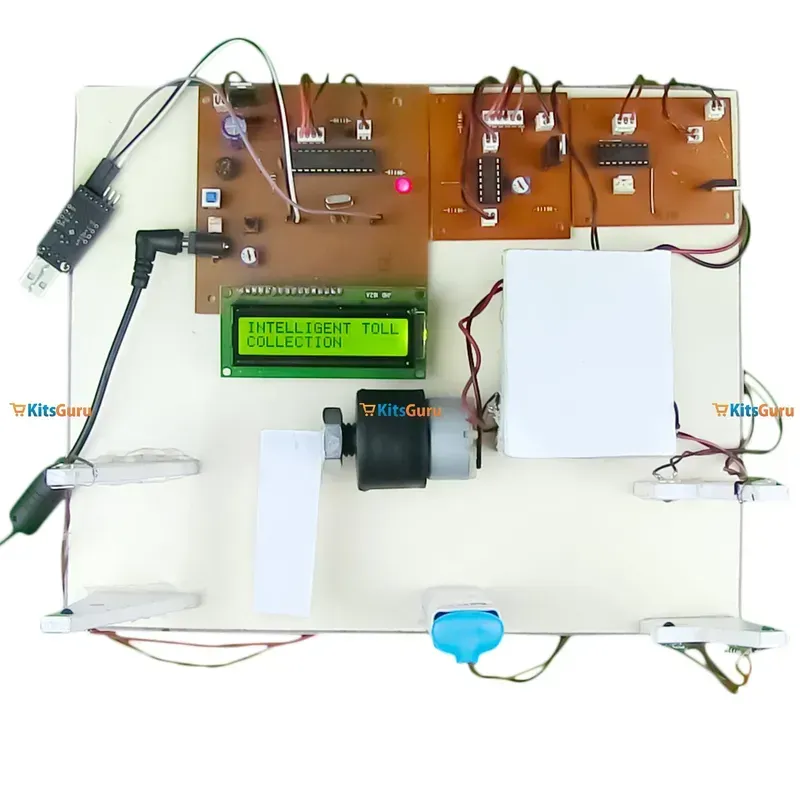
PCB in Smart Toll System
Printed Circuit Boards (PCBs) are the foundational electronic backbone of modern smart toll collection systems, enabling the seamless and reliable operation of technologies like Electronic Toll Collection (ETC) and Radio-Frequency Identification (RFID). These systems rely heavily on robust, high-performance PCBs to process data, manage power, and facilitate communication between various components, ensuring accuracy, speed, and efficiency in tolling operations. Without specialized PCBs, the complex interplay of sensors, transceivers, and data processing units required for automated tolling would be impossible to achieve.
Why are PCBs critical for ETC and RFID systems? PCBs provide the interconnected pathways for electrical signals and power, serving as the central nervous system for ETC transponders, roadside units, and RFID readers. They facilitate high-speed data processing for vehicle identification, transaction management, and communication with central servers, ensuring instantaneous and accurate toll deduction without physical stops. Their compact nature allows for integration into small, durable devices vital for roadside deployment.
What specific functions do PCBs perform in smart toll collection? In smart toll collection, PCBs manage signal integrity for RFID communication, process data from vehicle detection sensors, control power distribution to active components, and enable secure data encryption for financial transactions. They also facilitate network connectivity for real-time data transfer to central processing units, supporting functions from automatic vehicle classification to violation detection.
PCB Application Area
Key PCB Function
Impact on Toll System
ETC Transponders
Signal processing, RFID communication, secure data storage
Enables rapid, accurate vehicle identification and transaction
Roadside Readers/Antennas
High-frequency signal transmission/reception, data acquisition
Ensures reliable communication with transponders and vehicle detection
System Control Units
Data processing, power management, network communication
Orchestrates overall system operation and data flow
Payment Processing Modules
Secure data encryption, transaction validation
Guarantees secure and verifiable financial transactions
Key PCB Requirements for Toll Collection Systems
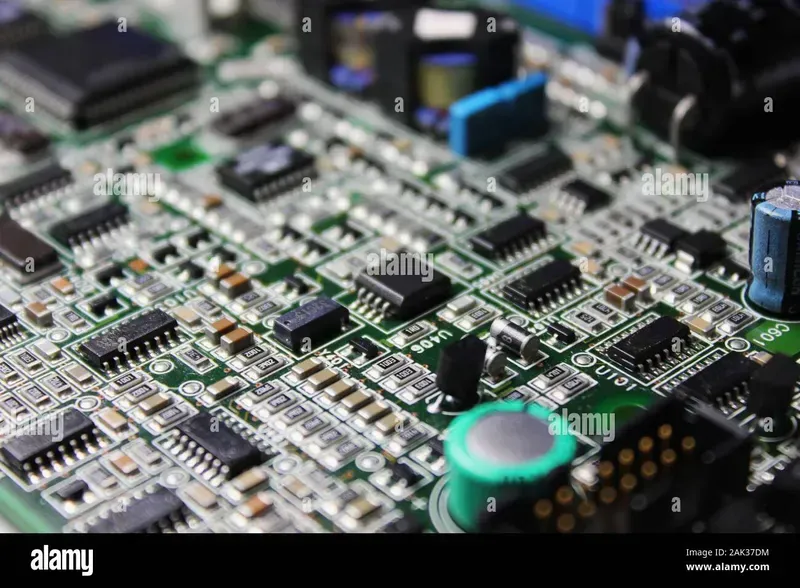
Durable PCB Close-Up
Printed Circuit Boards (PCBs) are the foundational elements powering smart toll collection systems, demanding specialized characteristics to ensure unwavering performance in diverse and often challenging operational environments. The precise functionality and long-term reliability of these critical infrastructures depend heavily on PCBs that can withstand harsh conditions while maintaining high-speed data processing and signal integrity. Understanding these nuanced requirements is paramount for engineers and system integrators aiming to develop robust and efficient smart tolling solutions.
Environmental Durability PCBs for toll collection systems must endure extreme temperatures, from sub-zero winters to scorching summers. They also require robust protection against moisture, dust, and corrosive elements, often necessitating conformal coatings, specialized laminates, and ruggedized enclosures to prevent failure and ensure continuous operation.
High Reliability and Longevity Given their critical role in revenue collection and traffic management, system downtime is unacceptable. PCBs must exhibit exceptional reliability with a low failure rate over an extended operational lifespan, typically 5-10 years or more, minimizing maintenance costs and ensuring consistent service availability.
Signal Integrity and EMC Performance Smart toll systems rely on accurate and rapid data transmission (e.g., RFID, ANPR, vehicle detection). PCBs must be designed to maintain high signal integrity, minimizing noise and interference (EMI/EMC) to ensure precise data acquisition and communication, which is crucial for transaction accuracy and system responsiveness.
Power Efficiency and Management Many toll collection components operate remotely or on limited power sources. The PCBs must incorporate efficient power management strategies to reduce energy consumption, especially for battery-powered or solar-assisted installations, ensuring sustained operation without frequent power interruptions.
Vibration and Shock Resistance Toll collection equipment, particularly roadside units or in-vehicle transponders, is exposed to constant vibrations from passing vehicles and potential physical shocks. PCBs must be mechanically robust, employing secure component mounting, appropriate board thickness, and strategic layout to prevent damage and maintain connectivity.
Integration of Diverse Technologies Modern toll systems integrate various technologies, including RF, optical, sensor, and communication modules. PCBs must facilitate seamless integration of these disparate components, often requiring multi-layer designs, precise impedance control, and optimized routing for different signal types to ensure harmonious system operation.
Requirement Category
Specific Performance Aspect
Impact on Toll System Performance
Environmental Resistance
Operating Temperature Range
Ensures functionality in extreme hot/cold conditions, preventing thermal stress failures.
,Moisture/Dust Protection
Prevents short circuits, corrosion, and component degradation from environmental ingress.
,UV Exposure Resistance
Maintains integrity of outdoor-facing components over time, preventing material degradation.
,Vibration & Shock Tolerance
Ensures mechanical stability and connectivity despite road vibrations and accidental impacts.
,Corrosion Resistance
Protects against chemical degradation from pollutants, salt spray, or industrial emissions.
,Electrical Performance
Signal Integrity (High-Speed Data)
Guarantees accurate and rapid data capture (e.g., RFID reads, image processing), preventing transaction errors.
,EMI/EMC Compliance
Minimizes interference from external sources and internal components, ensuring reliable communication.
,Power Efficiency
Reduces operational costs and extends battery life for remote or solar-powered units.
,Component Longevity (MTBF)
Minimizes system downtime and maintenance, ensuring continuous revenue collection.
,Reliability & Longevity
Thermal Management
Prevents overheating, extending component lifespan and maintaining stable performance.
Provides necessary thermal, mechanical, and electrical properties for demanding applications.
,Manufacturing Quality
Trace Width/Spacing Accuracy
Ensures reliable circuit paths and prevents shorts or open circuits.
,Drill Accuracy & Plating
Guarantees robust through-hole connections for component mounting and electrical conductivity.
Zero One Solution's PCB Solutions for Smart Tolling
PCB Design and Prototyping
At Zero One Solution Limited, we understand that the backbone of a reliable smart toll collection system is its robust Printed Circuit Board (PCB) infrastructure. Our comprehensive suite of services, from initial PCB design to rapid prototyping, manufacturing, and assembly, ensures that our clients receive high-performance, durable, and precisely engineered PCB solutions tailored for the demanding environment of smart tolling applications. We leverage our deep industry expertise and advanced technological capabilities to deliver end-to-end support, enabling the seamless integration and operation of critical electronic components in both ETC and RFID-based systems.
Rapid Prototyping Excellence We specialize in rapid-response R&D prototype manufacturing, significantly reducing development cycles. Our agile prototyping process allows for quick iterations and design validation, crucial for accelerating time-to-market for innovative smart toll collection solutions.
Precision PCB Design and Engineering Our seasoned engineers bring over two decades of Silicon Valley expertise to every project. We meticulously design PCBs for optimal signal integrity, power efficiency, and thermal management, crucial for the continuous operation of smart tolling equipment in varying environmental conditions.
Advanced Manufacturing Capabilities Leveraging state-of-the-art facilities in Shenzhen, China, we offer advanced PCB manufacturing, including multi-layer boards, HDI (High-Density Interconnect) technology, and specialized material handling for enhanced durability and performance required in outdoor or high-stress environments.
High-Quality PCB Assembly (PCBA) Our one-stop service extends to precision PCB assembly, incorporating both SMT (Surface Mount Technology) and THT (Through-Hole Technology). We adhere to stringent quality control standards, ensuring every assembled board meets the highest reliability and functionality benchmarks for smart toll collection systems.
Service Area
Key Benefit for Smart Tolling PCBs
Zero One Solution's Advantage
PCB Design
Optimized for signal integrity & power efficiency
20+ years of Silicon Valley engineering expertise, specialized for robust outdoor applications
Rapid Prototyping
Accelerated product development & validation
Industry-leading lead times for R&D prototypes, enabling faster market entry
Manufacturing
High-density & durable board production
Access to advanced fabrication technologies (HDI, specialized materials)
Assembly (PCBA)
Reliable and precise component integration
Stringent IPC standards, comprehensive testing for operational integrity
PCB Design Considerations for Optimal Performance in Smart Toll Systems
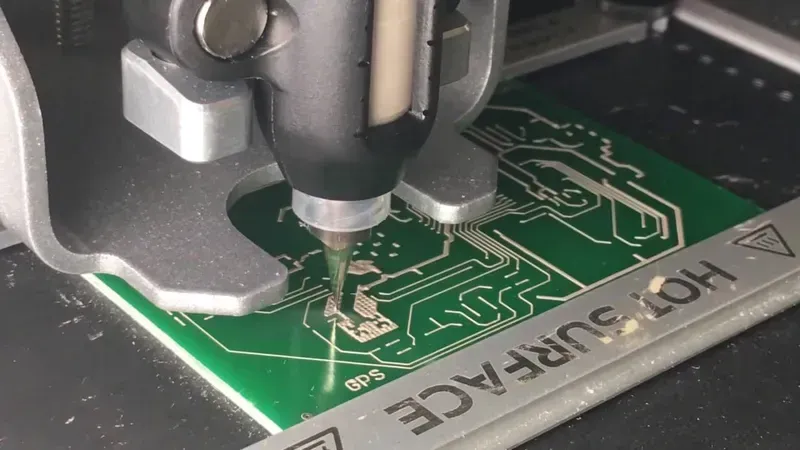
Electronic Component Soldering
Achieving optimal performance in Smart Toll Collection Systems hinges critically on meticulously designed Printed Circuit Boards (PCBs). From ensuring seamless data transmission for Electronic Toll Collection (ETC) to managing power efficiently for complex RFID readers, every design choice profoundly impacts system reliability, accuracy, and longevity. Engineers must prioritize robust component selection, impeccable signal integrity, and sophisticated power management strategies to meet the demanding operational environments and high throughput requirements of modern toll infrastructure.
Component Selection for Durability and Reliability Selecting the right components is paramount for PCBs in smart toll systems, which often operate in harsh outdoor environments. This includes choosing industrial-grade ICs, connectors, and passive components that can withstand extreme temperatures (-40
y0C to +85
y0C), humidity, vibration, and electromagnetic interference (EMI). Key considerations involve extended operational lifespan, low power consumption for continuous operation, and resistance to environmental degradation.
Ensuring Signal Integrity and Data Accuracy High-speed data transfer is integral to smart toll collection, particularly for real-time vehicle identification and transaction processing. Maintaining signal integrity is crucial to prevent data loss or corruption. Design considerations include controlled impedance routing for RF and high-speed digital signals, careful trace length matching, appropriate grounding techniques, and minimizing crosstalk. Utilizing advanced simulation tools during the design phase is essential to predict and mitigate potential signal integrity issues.
Advanced Power Management for Efficiency and Stability Efficient power management is vital for systems that require continuous operation and potentially rely on remote power sources or solar panels. PCB designs must incorporate robust power regulation circuits, voltage stabilizers, and surge protection to ensure stable power delivery. Considerations include minimizing power dissipation, optimizing power planes for current distribution, and implementing effective thermal management strategies to prevent overheating of critical components, thereby enhancing system reliability and extending battery life in autonomous units.
Manufacturing and Assembly Expertise
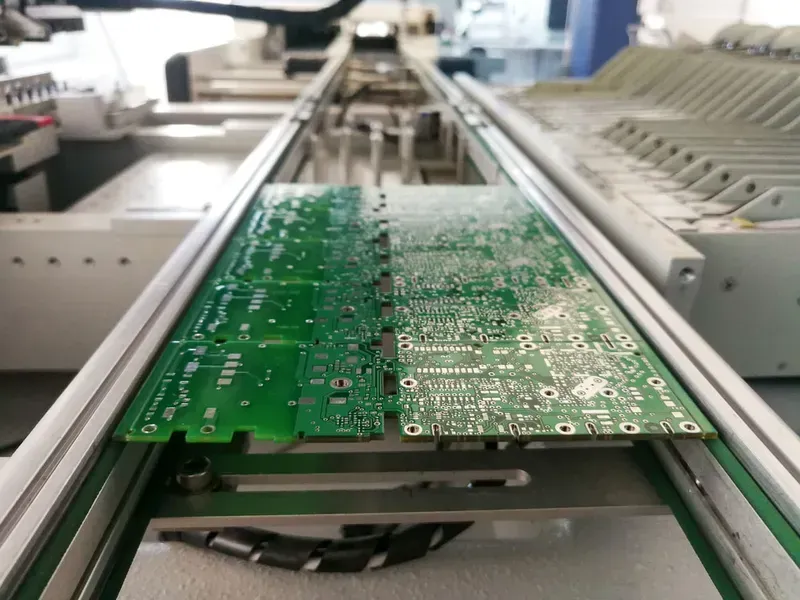
PCB Manufacturing Line
The robustness and reliability of Smart Toll Collection System PCBs hinge significantly on the precision and quality of their manufacturing and assembly. Zero One Solution Limited, with its state-of-the-art facilities and extensive experience, ensures that every PCB not only meets but exceeds the stringent demands of modern tolling infrastructures. Our integrated approach from design to final assembly guarantees unparalleled performance and longevity, critical for the continuous operation of smart toll systems.
Advanced Manufacturing Processes Our manufacturing facilities are equipped with cutting-edge machinery, including high-precision SMT lines, automated optical inspection (AOI) systems, and X-ray inspection, ensuring flawless component placement and soldering. We handle various PCB complexities, from multi-layer boards to flexible and rigid-flex PCBs, all vital for the compact and durable designs required in smart toll applications. Our capacity for rapid prototyping allows for swift iteration and validation, accelerating time-to-market for innovative solutions.
Comprehensive Assembly Services Zero One Solution provides end-to-end PCB assembly services, including Surface Mount Technology (SMT), Through-Hole Technology (THT), and mixed-technology assembly. We adhere to IPC standards, guaranteeing high-quality solder joints and component integrity. Our expertise extends to complex assemblies, including fine-pitch components and BGA packages, ensuring high-density integration often required in sophisticated toll collection electronics.
Rigorous Quality Control and Testing Quality is paramount in PCB manufacturing for critical applications like toll systems. Our robust quality management system incorporates multiple inspection stages, from incoming material inspection (IQC) to in-process quality control (IPQC) and final quality assurance (FQA). We conduct comprehensive functional testing, in-circuit testing (ICT), and environmental stress screening (ESS) to identify and rectify potential issues before deployment, ensuring PCBs can withstand harsh operating conditions and provide reliable performance over their lifespan. This commitment minimizes field failures and reduces maintenance costs for our clients.
Manufacturing Capability
Zero One Solution Advantage
Impact on Smart Toll Systems
High-Precision SMT Lines
Automated placement down to 01005 component size; High throughput.
Enables miniaturization and increased functionality for compact toll system devices.
Multi-Layer PCB Production
Up to 32 layers support for complex circuit designs.
Facilitates advanced signal processing and power management, crucial for high-speed data in ETC.
Environmental Testing
Temperature cycling, humidity testing, vibration testing.
Ensures PCB durability and operational integrity in diverse outdoor and indoor tolling environments.
IPC Class 2/3 Compliance
Adherence to industry-leading standards for electronic assemblies.
Guarantees high reliability and extended operational life, reducing system downtime.
Case Studies: Successful Toll Collection PCB Projects
Smart Toll Station Equipment
Real-world applications demonstrate the critical role of robust PCB solutions in the successful deployment and continuous operation of smart toll collection systems. Zero One Solution Limited has a proven track record of partnering with leading innovators to deliver high-performance PCBs that withstand demanding operational environments and enable seamless, efficient tolling infrastructure.
ETC Gantry System PCB Enhancement A prominent toll road operator faced challenges with signal interference and power efficiency in their existing Electronic Toll Collection (ETC) gantry systems. Zero One Solution collaborated with their engineering team to redesign the core processing unit's PCB. By optimizing ground plane design, implementing advanced EMI shielding techniques, and integrating more efficient power regulation modules, we achieved a 15% reduction in power consumption and a 20% improvement in data transmission reliability, leading to fewer misreads and reduced operational costs. This project showcased our expertise in high-frequency design and power integrity for mission-critical applications.
RFID-Based Vehicle Identification Module For a client developing a new generation of RFID-based vehicle identification modules for smart tolling, miniaturization and high-frequency performance were paramount. Zero One Solution leveraged its rapid prototyping capabilities to iterate on several PCB designs, ultimately producing a multi-layer PCB with precise impedance control and compact component placement. The final solution met stringent size constraints while ensuring optimal RFID signal reception and transmission, enabling faster vehicle processing at toll points and significantly improving system throughput.
Integrated Toll Booth Control Unit A system integrator required a highly integrated PCB for a next-generation toll booth control unit, incorporating multiple communication protocols (Ethernet, CAN bus), sensor interfaces, and power management. Zero One Solution provided a comprehensive solution, from schematic capture and layout to manufacturing and assembly. Our design focused on thermal management for long-term reliability in varying climates and robust connectivity for diverse peripheral devices. The resulting PCB enabled the client to streamline their control unit, reduce assembly time, and enhance overall system stability across their deployments.
Wireless Payment Terminal for Mobile Toll Collection In a forward-thinking project for mobile toll collection, a client needed a rugged, low-power PCB for a handheld wireless payment terminal. Zero One Solution engineered a compact, energy-efficient PCB that integrated secure payment processing chips, wireless communication modules (4G/5G, Wi-Fi), and a robust battery management system. The design incorporated features for shock resistance and wide temperature tolerance, crucial for portable devices used in diverse outdoor environments. This collaboration resulted in a highly reliable and user-friendly device that expanded the flexibility of toll collection options.
The landscape of smart toll collection systems is continuously evolving, driven by advancements in digital technology, data processing, and environmental considerations. As a result, the Printed Circuit Boards (PCBs) at the core of these systems must also adapt, integrating new functionalities and adhering to stricter performance metrics to support the next generation of intelligent transportation infrastructure. Zero One Solution Limited remains at the forefront, anticipating these shifts to provide future-proof PCB solutions.
Edge Computing Integration for Faster Processing The increasing demand for real-time data processing in smart toll collection necessitates the integration of edge computing capabilities directly onto PCBs. This reduces latency by processing data closer to the source (e.g., at the toll gate), enabling quicker transaction verification and anomaly detection. Future PCBs will feature more powerful, energy-efficient processors and dedicated hardware accelerators to support complex AI algorithms for vehicle classification and fraud prevention at the edge.
Enhanced Sensor Integration and Miniaturization Future smart toll systems will rely on an even wider array of sensors, including advanced LiDAR, millimeter-wave radar, and high-resolution cameras, all requiring seamless integration onto compact PCBs. This trend demands greater component density and miniaturization, pushing the boundaries of HDI (High-Density Interconnect) and flexible PCB technologies. Zero One Solution is investing in advanced fabrication techniques to support these intricate designs.
5G and IoT Connectivity for Ubiquitous Communication The rollout of 5G networks will revolutionize smart toll collection by providing ultra-low latency and high-bandwidth communication. PCBs will need to incorporate advanced 5G modules and robust IoT (Internet of Things) capabilities to ensure seamless data exchange between toll gates, central management systems, and connected vehicles. This enables more dynamic pricing, real-time traffic management, and predictive maintenance of toll infrastructure.
Sustainable and Eco-Friendly PCB Manufacturing As environmental concerns grow, the demand for sustainable manufacturing processes and eco-friendly materials in PCB production will intensify. Future trends include the adoption of halogen-free laminates, lead-free solders, and more energy-efficient manufacturing techniques. Zero One Solution is committed to exploring and implementing green initiatives in its PCB solutions, aligning with global sustainability goals.
Cybersecurity Hardening at the Hardware Level With smart toll systems becoming increasingly connected, cybersecurity threats are a significant concern. Future PCBs will integrate hardware-level security features, such as secure boot mechanisms, hardware-backed encryption, and tamper-resistant designs, to protect sensitive transaction data and prevent unauthorized access. This proactive approach ensures the integrity and reliability of the entire toll collection infrastructure.
Power Efficiency and Renewable Energy Integration Optimizing power consumption will be crucial for the next generation of smart toll systems, especially for remote or solar-powered installations. PCBs will feature advanced power management integrated circuits (PMICs) and designs that minimize energy waste. There will also be a greater emphasis on integrating PCBs with renewable energy sources, contributing to more sustainable and resilient tolling operations.
Conclusion
The evolution of smart toll collection systems is inextricably linked to the advancements in Printed Circuit Board (PCB) technology, which serves as the foundational backbone for their efficiency, reliability, and connectivity. Zero One Solution Limited stands at the forefront of this technological intersection, offering unparalleled expertise and a comprehensive suite of PCB services tailored specifically for the demanding requirements of intelligent transportation infrastructure. Our commitment to innovation and rapid prototyping empowers developers to bring next-generation tolling solutions to market swiftly and successfully, ensuring seamless and secure revenue collection for road networks worldwide.
As the smart toll collection industry continues its rapid expansion, driven by the imperative for enhanced urban mobility and optimized traffic flow, the demand for high-performance, durable, and precisely engineered PCBs will only intensify. Zero One Solution Limited is strategically positioned to meet these evolving needs, leveraging our deep industry knowledge, cutting-edge manufacturing capabilities, and a global supply chain network. We are dedicated to partnering with our clients, transforming their visionary concepts into tangible, high-quality PCB solutions that drive the future of smart toll collection. Our holistic approach, encompassing design, prototyping, manufacturing, and assembly, ensures that every PCB solution we deliver is optimized for longevity, functionality, and cost-effectiveness, cementing our role as a trusted leader in this critical sector.
In conclusion, the reliability and efficiency of smart toll collection systems are intrinsically linked to the quality and design of their PCBs. Zero One Solution Limited is committed to providing cutting-edge PCB solutions that meet the demanding requirements of this dynamic industry. From design and prototyping to manufacturing and assembly, we offer a comprehensive suite of services to help you develop and deploy innovative toll collection systems with speed and confidence. Contact us today to discover how our expertise can accelerate your next smart toll collection project. Together, let's pave the way for smarter, more efficient transportation infrastructure.