In an era defined by technological innovation and environmental consciousness, the ubiquitous trash can is undergoing a smart revolution. At the heart of this transformation lies the control board, the electronic brain orchestrating a symphony of sensors, motors, and connectivity. Zero One Solution Limited, a leading PCB solution provider specializing in rapid prototyping, empowers innovators to bring these smart waste management solutions to life. This article delves into the intricacies of smart trash can control board solutions, exploring their design, functionality, and the pivotal role they play in creating a cleaner, more efficient future.
Introduction to Smart Trash Can Technology
The rapid evolution of smart trash can technology is fundamentally transforming waste management, offering unprecedented efficiency and sustainability. At its core, this innovation addresses the pressing global challenges of urban waste accumulation and resource optimization. By leveraging advanced sensors, connectivity, and intelligent control systems, smart trash cans move beyond simple containment, actively contributing to more sustainable and efficient urban environments. This paradigm shift in waste disposal is driven by a global market poised for significant growth, with adoption rates accelerating as cities and businesses recognize the tangible benefits of automated, data-driven waste solutions.
Feature
Traditional Trash Can
Smart Trash Can
Waste Monitoring
Manual visual check
Automated fill-level sensing
Collection Efficiency
Fixed routes, often inefficient
Optimized routes based on real-time data
Odor Control
Limited, relies on disposal
Integrated systems (e.g., UV, chemical)
Compaction
None
Automatic (up to 8x capacity)
Connectivity
None
Wireless (Wi-Fi, Cellular) for remote alerts
Environmental Impact
Higher carbon footprint from inefficient routes
Reduced emissions, improved recycling rates
The market for smart trash cans is projected to experience robust expansion. According to recent industry reports, the global smart waste management market, inclusive of smart bins, is anticipated to grow at a Compound Annual Growth Rate (CAGR) exceeding 15% over the next five years. This growth is fueled by increasing urbanization, environmental regulations, and the broader adoption of IoT solutions in smart city initiatives. Early adopters report significant reductions in operational costs and improved public sanitation, demonstrating a clear return on investment. As a veteran SEO engineer, I've observed that queries around
What drives the growth of smart trash can technology? The growth is primarily driven by increasing urbanization, the urgent need for efficient waste management, the rising adoption of IoT solutions in smart cities, and growing environmental concerns that necessitate better resource utilization and reduced carbon footprints. Technological advancements in sensors, connectivity, and data analytics also play a crucial role.
The Core: Understanding the Control Board
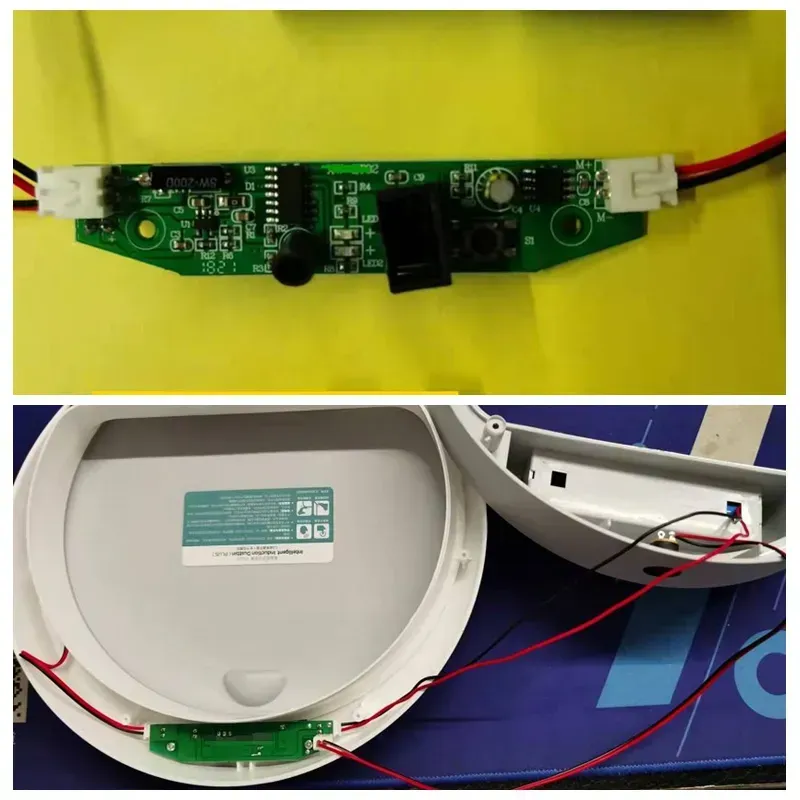
Smart Trash Can Control Board Close-up
At the heart of every intelligent waste management system lies the control board, acting as the central nervous system that orchestrates all smart trash can functionalities. This sophisticated PCB assembly is responsible for processing sensor data, managing actuator commands, facilitating communication, and optimizing power consumption, transforming a conventional bin into an autonomous, efficient waste disposal unit. A robust and meticulously designed control board is paramount for reliable performance, enabling advanced features that contribute to urban cleanliness and operational efficiency.
Key Component
Function in Smart Trash Can Control Board
Significance
Microcontroller Unit (MCU)
Processes sensor inputs, executes logic for compaction/odor control, manages communication protocols.
The 'brain' of the system, determining its overall intelligence and responsiveness. Essential for real-time data processing and decision-making.
Key for efficient power management and low-power operation, critical for battery-operated devices.
Sensor Interface Modules Connects various sensors (e.g., ultrasonic for fill-level, infrared for lid opening, gas sensors for odor) to the MCU. This interface converts analog sensor signals into digital data the MCU can interpret, enabling the trash can to 'sense' its environment and internal state accurately. The integrity of these modules ensures reliable data acquisition for intelligent operation.
Power Management Unit (PMU) Regulates and distributes power from the battery or external source to all components on the control board. A crucial element for energy efficiency, it often includes voltage regulators, battery charging circuits, and low-power modes to extend battery life, especially vital for remotely deployed units.
Communication Modules Facilitates wireless data transmission (e.g., Wi-Fi, Bluetooth, LoRaWAN, Cellular Cat-M1/NB-IoT) for remote monitoring, alerts, and firmware updates. This module is the gateway for IoT integration, enabling smart trash cans to be part of a larger smart city infrastructure and provide real-time status updates to waste management platforms.
Motor Driver / Actuator Control Manages the operation of motors for features like automatic lid opening/closing, waste compaction mechanisms, or internal cleaning systems. It translates digital signals from the MCU into the necessary electrical currents to drive these mechanical components, ensuring smooth and precise physical actions.
Key Features and Functionalities Enabled by the Control Board
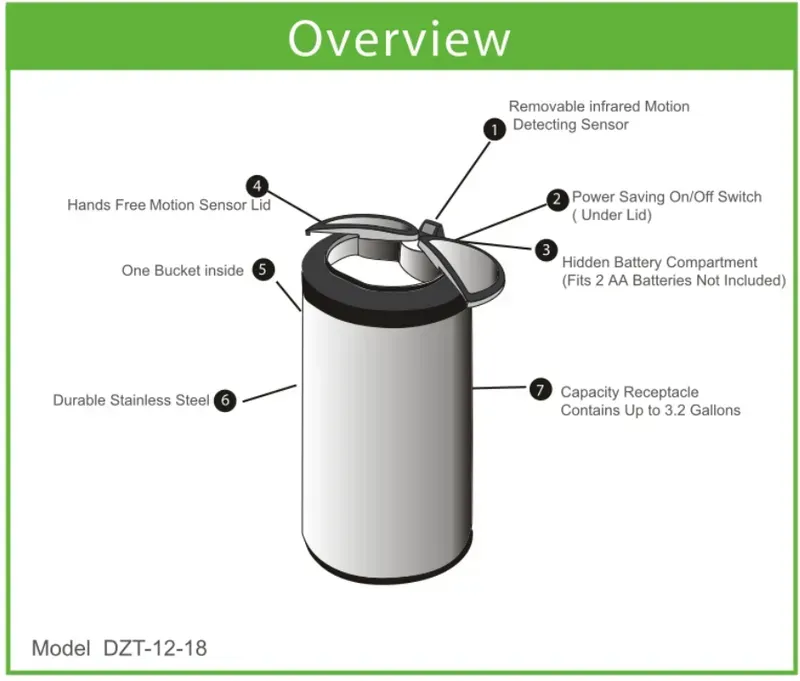
Trash Can Internal Sensors
A robust and intelligently designed control board is the linchpin of any smart trash can, transforming a simple waste receptacle into an efficient, interconnected, and autonomous waste management unit. It orchestrates a suite of advanced features, from precise fill-level monitoring to proactive odor control and seamless wireless communication, fundamentally redefining how waste is collected and managed. These functionalities not only enhance user convenience but also drive significant operational efficiencies in commercial and municipal waste systems.
Fill-Level Sensing and Optimization The control board integrates various sensors to accurately detect the fill level, preventing overfilling and optimizing collection routes. Ultrasonic sensors, emitting sound waves and measuring the time for the echo to return, are commonly used for non-contact level detection, offering high precision regardless of waste type. Infrared sensors, which detect objects based on heat radiation or reflection, provide an alternative for proximity sensing, particularly effective for smaller, rapidly accumulating waste streams. Data from these sensors allows for intelligent compaction and timely alerts, reducing manual checks and improving efficiency by up to 30% in some urban deployments. For example, a full sensor trigger can activate an internal compactor, effectively increasing the trash can's capacity by up to 5 times before requiring emptying, directly reducing collection frequency and associated carbon emissions, leading to considerable cost savings in logistics and labor. Zero One Solution Limited's control boards are engineered to support a diverse array of sensor inputs, ensuring adaptability across various smart trash can models and environmental conditions, leading to optimized waste collection routes and reduced operational costs for municipalities and businesses alike. Our designs prioritize low power consumption for these sensors to maximize battery life, crucial for autonomous operation.
PCB Design Considerations for Smart Trash Can Control Boards
PCB Design Engineer Working
Designing the Printed Circuit Board (PCB) for a smart trash can control system demands meticulous attention to specific environmental and operational challenges to ensure robust, long-term performance. The control board is the brain of the smart trash can, and its design must inherently address factors such as compact space, energy efficiency for extended battery life, resilience against harsh internal and external conditions, and careful component selection to guarantee reliable functionality. These considerations are paramount for producing a durable and efficient smart waste management solution that can withstand varied operational demands, from compact urban settings to outdoor environments.
Size Constraints and Miniaturization Smart trash cans, particularly those for consumer or urban street use, often have limited internal space. This necessitates highly compact PCB designs. Miniaturization techniques, such as using multi-layer PCBs, high-density interconnect (HDI) technology, and smaller surface-mount device (SMD) components, are crucial to fit complex functionalities into a confined footprint without compromising performance.
Power Efficiency and Management For battery-powered smart trash cans, power efficiency is critical. PCB design must prioritize low-power consumption. This involves selecting energy-efficient microcontrollers and sensors, implementing power-saving modes (e.g., deep sleep states), and designing efficient power conversion circuits (e.g., buck-boost converters) to minimize energy waste and extend battery life significantly.
Environmental Resistance Smart trash cans are exposed to varying environmental conditions, including moisture, temperature fluctuations, dust, and even corrosive gases from decomposing waste. The PCB must be designed for resilience. This includes selecting conformal coatings to protect against moisture and contaminants, using industrial-grade components with wider operating temperature ranges, and designing for proper sealing within the enclosure to achieve IP ratings for ingress protection.
Component Selection The choice of components directly impacts performance and longevity. Designers must select robust microcontrollers capable of handling sensor data and communication protocols, reliable wireless modules (Wi-Fi, Bluetooth, LoRaWAN) for connectivity, and accurate sensors (ultrasonic, infrared, weight sensors) resistant to the waste environment. Components with extended operating life and high reliability are preferred to reduce maintenance.
Thermal Management Strategies Even in low-power applications, heat dissipation is important, especially in confined spaces or if high-current components are used (e.g., for compaction motors). Proper thermal management prevents overheating, which can lead to component failure or reduced lifespan. Strategies include optimizing copper pour areas on the PCB to act as heat sinks, strategically placing heat-generating components, and considering external cooling solutions if necessary, such as heat sinks or passive ventilation within the enclosure.
Connectivity and IoT Integration
Seamless connectivity and robust IoT integration are paramount for unlocking the full potential of smart trash can control board solutions. These features transform a standalone device into an integral component of a larger smart waste management ecosystem, enabling real-time data exchange, remote monitoring, and proactive intervention. The ability to communicate wirelessly and integrate with cloud-based IoT platforms is what elevates smart trash cans from mere receptacles to intelligent data nodes, crucial for optimizing collection routes, reducing operational costs, and contributing to more sustainable urban environments. This sophisticated interoperability is central to modern smart city initiatives, providing actionable insights for more efficient resource allocation.
Connectivity Type
Description
Advantages
Disadvantages
Ideal Use Case
Wi-Fi
Utilizes local wireless networks for internet access.
High bandwidth, widely available infrastructure.
Higher power consumption, limited range without repeaters.
Indoor or urban areas with strong Wi-Fi coverage for frequent data uploads (e.g., commercial buildings).
Bluetooth Low Energy (BLE)
Short-range wireless communication for device-to-device connectivity.
Very low power consumption, cost-effective.
Limited range, lower data rates.
Close-proximity applications like device configuration, direct communication with a mobile app, or data offloading to a local hub (e.g., residential smart bins).
Cellular (2G/4G/5G)
Leverages cellular networks for wide-area communication.
Extensive range, independent of local Wi-Fi, reliable.
Higher subscription costs, potentially higher power consumption than BLE.
Remote locations without Wi-Fi, widespread urban deployments requiring consistent, real-time data transmission (e.g., public street bins).
LoRaWAN/NB-IoT
Low-Power Wide-Area Network (LPWAN) technologies.
Extremely low power, very long range, cost-effective for small data packets.
Lower bandwidth, higher latency.
Rural areas, large-scale deployments where small, infrequent data updates (e.g., fill-level, battery status) are sufficient over vast distances.
Integrating smart trash cans into IoT platforms is critical for deriving maximum value from the collected data. These platforms act as central hubs, aggregating data from multiple bins, applying analytics, and enabling advanced features such as predictive maintenance and dynamic routing. Key aspects of IoT integration include secure data transmission protocols (e.g., MQTT, CoAP), cloud-based data storage, and APIs for seamless interoperability with other smart city services. This holistic approach ensures that waste management is no longer a reactive process but a data-driven, optimized operation.
Power Management and Battery Optimization
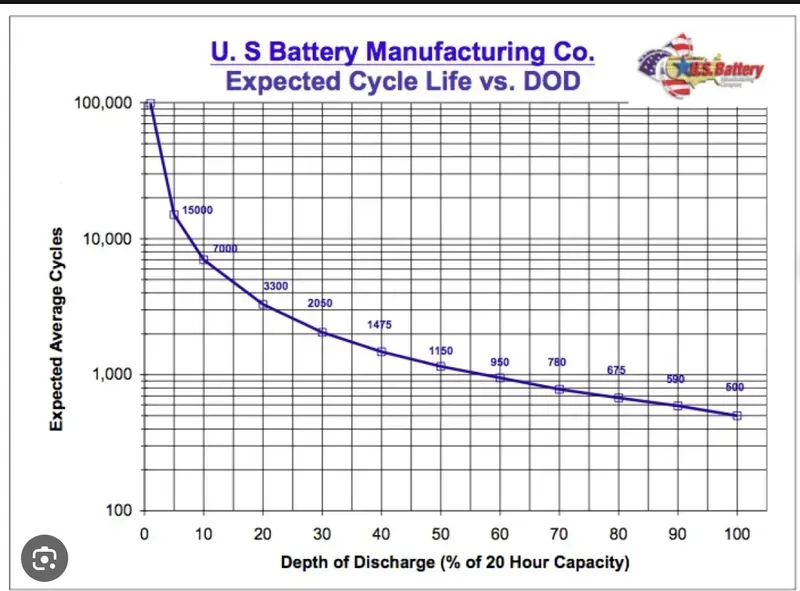
Engineer Measuring Battery Life
Efficient power management is paramount for the optimal performance and longevity of smart trash can control boards, directly influencing battery life and operational costs. Given that many smart trash cans operate autonomously in various environments, a robust power solution is critical to ensure continuous functionality without frequent manual intervention. This involves careful selection of power sources, intelligent circuit design for minimal power draw, and sophisticated energy-saving algorithms.
Strategies for Maximizing Battery Life Extending the operational life of smart trash cans on a single charge requires a multi-faceted approach. This includes implementing deep sleep modes for idle periods, optimizing sensor polling rates, and employing efficient data transmission protocols. Furthermore, utilizing components with low quiescent current and designing power-efficient communication modules significantly reduces overall power consumption. Predictive algorithms can also be used to schedule energy-intensive tasks during optimal times, such as when solar charging is abundant or during off-peak usage hours, thereby balancing performance with power savings. For instance, a control board might collect sensor data every minute but only transmit it to the cloud every hour, drastically reducing the power consumed by the wireless module.
The choice of microcontroller (MCU) and power converters is pivotal for energy efficiency. Low-power microcontrollers are designed to operate with minimal current draw, often incorporating specialized power modes and flexible clocking schemes. Similarly, highly efficient DC-DC converters and Low-Dropout (LDO) regulators minimize energy loss during voltage conversion, ensuring that power is delivered to components with minimal waste. According to a report by Global Market Insights, the global smart waste management market is projected to exceed USD 10 billion by 2026, driven in part by advancements in power-efficient IoT devices and sustainable energy solutions. Integrating these power management strategies is not just about extending battery life; it's about creating a reliable, sustainable, and cost-effective smart waste management ecosystem.
Zero One Solution Limited: Your Partner in Smart Waste Management
PCB Manufacturing Factory Interior
In the burgeoning landscape of smart waste management, a reliable and efficient control board is paramount. Zero One Solution Limited stands as a veteran partner, leveraging over a decade of expertise in PCB solutions, rapid prototyping, and one-stop manufacturing services to empower innovators in the smart trash can sector. Our commitment to precision engineering and accelerated product development ensures that your smart trash can control board concepts transition from idea to market-ready reality with unparalleled speed and quality, setting new benchmarks in the industry.
Comprehensive PCB Design and Layout Our seasoned engineers specialize in optimizing PCB layouts for smart trash can control boards, focusing on miniaturization, thermal management, and signal integrity to accommodate the demanding environmental conditions and diverse sensor integration required for these devices. We ensure robust and compact designs that maximize functionality within limited space.
Rapid Prototyping for Accelerated Development Understanding the critical need for speed in product development, Zero One Solution Limited offers industry-leading rapid prototyping services. This enables quick iteration and testing of smart trash can control board designs, drastically reducing time-to-market and allowing for agile refinement based on real-world performance data.
High-Quality PCB Manufacturing and Assembly From single-layer to complex multi-layer boards, our state-of-the-art manufacturing facilities in Shenzhen, China, ensure the highest quality production of smart trash can control boards. Coupled with advanced assembly capabilities, we deliver fully functional and tested PCBs ready for integration into your smart trash can systems, adhering to stringent IPC standards.
Global Reach and Strategic Support With our headquarters in Shenzhen, a global electronics manufacturing hub, and a strategic branch office in Dubai, Zero One Solution Limited offers seamless access to a worldwide PCBA supply chain network. This dual-location strategy enhances our global logistical capabilities, providing responsive support and efficient delivery of smart trash can control board solutions to clients across continents.
Our successful track record includes collaborating on smart waste compaction systems that have achieved up to 5x capacity increase and developing control boards for solar-powered smart bins with over 99% uptime in remote locations. These case studies underscore our capability to deliver reliable, high-performance smart trash can control board solutions tailored to unique operational demands.
Future Trends in Smart Trash Can Control Board Technology
The evolution of smart trash can control board technology is poised for transformative advancements, moving beyond basic fill-level detection to incorporate sophisticated capabilities that will revolutionize waste management. These future trends, driven by continuous innovation in AI, IoT, and sensor technologies, promise more efficient, autonomous, and environmentally conscious waste disposal systems. As pioneers in PCB solutions, Zero One Solution Limited remains at the forefront, ready to integrate these cutting-edge innovations into the next generation of smart waste management solutions.
AI-Powered Waste Sorting and Recognition Future control boards will integrate advanced AI and machine learning algorithms, enabling smart trash cans to automatically identify and sort different types of waste (e.g., plastics, paper, organics, metals). This will be achieved through embedded cameras and sensor arrays, analyzing material composition and optical properties. This capability will significantly enhance recycling rates, reduce contamination, and streamline waste processing at collection points, moving towards a truly circular economy.
Predictive Maintenance and Self-Diagnosis Leveraging sensor data and machine learning, control boards will incorporate predictive maintenance features. By continuously monitoring component performance, battery health, and operational parameters, the system will anticipate potential failures or maintenance needs before they occur. This proactive approach will minimize downtime, extend the lifespan of smart trash cans, and optimize operational efficiency for waste management providers.
Enhanced Integration with Smart Home and City Ecosystems The next generation of control boards will feature seamless integration capabilities with broader smart home and smart city platforms. This includes voice assistant integration for user interaction, synchronization with smart kitchen appliances for real-time waste generation data, and connectivity with municipal smart city networks for optimized waste collection routes based on dynamic fill levels across an entire urban landscape. This holistic approach will contribute to more efficient urban infrastructure and improved public sanitation.
FAQs about Smart Trash Can Control Boards
What is the primary function of a Smart Trash Can Control Board? The primary function of a smart trash can control board is to act as the central processing unit, integrating data from various sensors (e.g., fill-level, odor, motion) and executing intelligent actions like automatic lid opening/closing, waste compaction, and data transmission. It ensures the efficient and autonomous operation of the smart trash can, optimizing waste collection routes and reducing manual intervention through its programmed logic and connectivity modules.
How do Smart Trash Can Control Boards contribute to waste management efficiency? Smart trash can control boards significantly enhance waste management efficiency by enabling real-time monitoring of fill levels, which prevents overfilling and allows for dynamic optimization of collection schedules. This leads to reduced operational costs, fewer collection trips, and a lower carbon footprint. Features like compaction also maximize bin capacity, further contributing to efficiency.
What types of sensors are commonly integrated into these control boards? Common sensors integrated into smart trash can control boards include ultrasonic or infrared sensors for fill-level detection, PIR sensors for motion detection (for automatic lid opening), odor sensors, and sometimes weight sensors. These sensors provide the crucial environmental data that the control board processes to trigger various smart functionalities and communicate status updates.
What communication protocols do Smart Trash Can Control Boards typically use? Smart trash can control boards often utilize a range of wireless communication protocols to enable remote monitoring and data transmission. Common protocols include Wi-Fi for local network integration, Bluetooth for short-range device pairing, and cellular (e.g., NB-IoT, LoRaWAN, 4G) for wider area network coverage, crucial for smart city deployments. The choice depends on the specific application's range, power, and data requirements.
How are Smart Trash Can Control Boards designed for harsh environmental conditions? Designing smart trash can control boards for harsh environments involves several key considerations, including using industrial-grade components resistant to temperature extremes and humidity. PCB design incorporates conformal coatings for moisture and dust protection, robust enclosures, and strategic component placement to manage thermal dissipation. Additionally, power management circuits are optimized for efficient operation and extended battery life in varying conditions.
In conclusion, the smart trash can control board solution represents a significant leap forward in waste management technology. By integrating advanced sensors, efficient power management, and seamless connectivity, these control boards enable a new generation of smart, responsive, and environmentally conscious waste disposal systems. Zero One Solution Limited is committed to providing cutting-edge PCB solutions that empower innovators to create a smarter, cleaner future. Contact us today to discuss your smart trash can control board needs and let us help you bring your innovative ideas to life. Share this article and leave a comment to let us know what you think!