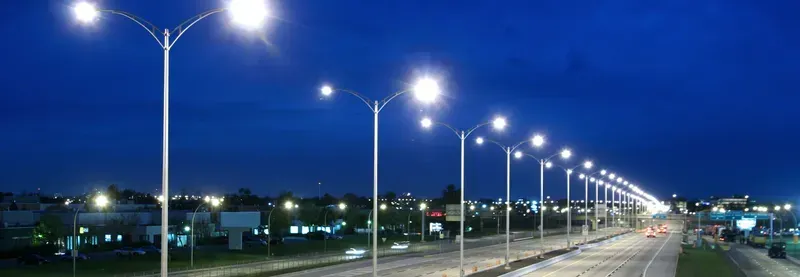
In an era defined by rapid urbanization and the pressing need for sustainable infrastructure, smart street lighting has emerged as a critical component of modern cities. These intelligent systems go beyond simple illumination, offering a platform for environmental monitoring, traffic management, and enhanced public safety. At the heart of every smart street light lies a sophisticated printed circuit board (PCB) responsible for sensing, processing, and communicating crucial data. Zero One Solution Limited, a leader in PCB solutions, provides comprehensive services from design to manufacturing and assembly, empowering innovators to bring cutting-edge smart street lighting solutions to life. This article delves into the intricacies of smart street light sensing PCB solutions, exploring their design considerations, functionalities, and the pivotal role Zero One Solution plays in this transformative technology.
Introduction to Smart Street Light Sensing PCBs
Smart street lights are a cornerstone of modern smart cities, integrating advanced technology to enhance urban efficiency, safety, and sustainability. At the heart of their intelligent operation are Printed Circuit Boards (PCBs), which serve as the foundational electronic platforms enabling sensing, communication, and control functionalities. These specialized PCBs are crucial for transforming traditional street lighting into dynamic, responsive systems capable of optimizing energy consumption, facilitating traffic management, and supporting environmental monitoring.
The Role of Smart Street Lights in Smart Cities Smart street lights are more than just illumination; they are integral nodes in the Internet of Things (IoT) network. By incorporating various sensors and communication modules, they collect real-time data on environmental conditions, pedestrian and vehicular traffic, and public safety, feeding this information into central management systems for analysis and informed decision-making. This connectivity enables adaptive lighting, predictive maintenance, and facilitates emergency response, significantly contributing to urban liveability and resource optimization. For example, a study by Northeast Group, LLC, projected that global smart street light installations would reach over 73 million units by 2028, highlighting their increasing adoption.
Importance of Sensing Capabilities The intelligence of smart street lights hinges on their sophisticated sensing capabilities. Light sensors adjust illumination levels based on ambient light, motion sensors detect presence to dim or brighten lights, and environmental sensors monitor air quality, temperature, and humidity. Acoustic sensors can even detect unusual sounds like breaking glass or gunshots, alerting authorities. These integrated sensing functions empower street lights to operate autonomously, reacting to their immediate environment and delivering precise, demand-driven services, leading to substantial energy savings—up to 70% in some implementations, as reported by the U.S. Department of Energy.
PCBs: The Electronic Backbone of Smart Street Lights A Printed Circuit Board (PCB) acts as the central nervous system for any electronic device, mechanically supporting and electrically connecting electronic components using conductive pathways, tracks, or signal traces etched from copper sheets laminated onto a non-conductive substrate. In smart street lights, PCBs integrate the myriad of sensors, microcontrollers, communication modules (like Wi-Fi, LoRa, or 5G), power management units, and LED drivers. The robust design and precise manufacturing of these PCBs are paramount to ensure the long-term reliability and performance of smart street lights in harsh outdoor environments, making them indispensable for their advanced functionality and connectivity.
Key Components and Functionalities of Smart Street Light Sensing PCBs
Smart Street Light Sensor PCB
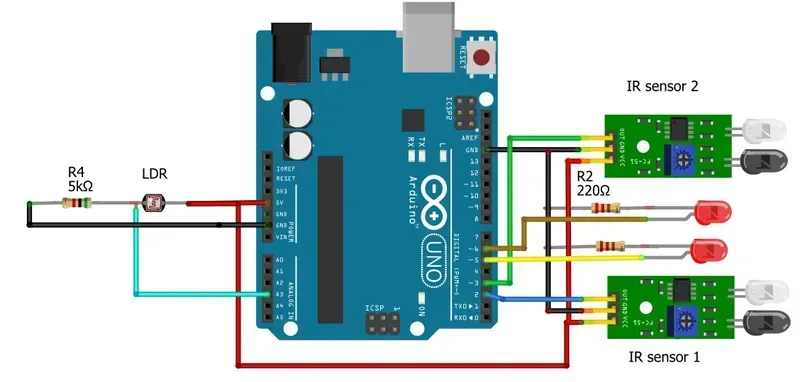
At the core of every efficient smart street light sensing solution lies a sophisticated Printed Circuit Board (PCB), integrating a suite of critical components and functionalities that enable intelligent operation and data-driven decision-making. These PCBs are engineered to seamlessly acquire, process, and transmit environmental data, ensuring optimal lighting conditions and contributing to the broader smart city ecosystem. The robust design and precise integration of these components are paramount for reliable performance in demanding outdoor environments, a specialty Zero One Solution Limited excels in.
Detect ambient light levels for adaptive illumination; identify presence for on-demand lighting; monitor environmental conditions for smart city analytics and predictive maintenance.
Collect raw data from sensors, convert analog signals to digital for processing, execute algorithms for intelligent control, and manage system operations.
Communication Modules
Wi-Fi, LoRa, NB-IoT, Zigbee Modules
Enable wireless connectivity for data transmission to central management systems or cloud platforms, facilitating remote control, monitoring, and data analytics.
Power Management & Control
Voltage Regulators, LED Drivers, Power over Ethernet (PoE) Modules
Efficiently manage power distribution to all components, regulate current to LEDs for stable and dimmable lighting, and provide power through data cables for simplified installation.
Beyond these core elements, some advanced Smart Street Light Sensing PCBs also incorporate GPS modules for location services, accelerometers for tilt detection, and even audio sensors for urban noise monitoring. The selection and integration of these diverse components are critical, directly influencing the smart street light's efficiency, responsiveness, and overall contribution to smart city infrastructure. Zero One Solution Limited's extensive experience ensures that these complex systems are meticulously designed and manufactured to deliver unparalleled performance and longevity, meeting the rigorous demands of modern urban environments.
Design Considerations for Smart Street Light PCBs
PCB Design for Outdoor Environments
Designing Printed Circuit Boards (PCBs) for smart street lights requires meticulous attention to environmental resilience, power efficiency, and seamless integration, ensuring optimal performance and longevity in demanding outdoor conditions. Unlike standard indoor electronics, smart street light PCBs face constant exposure to extreme temperatures, varying humidity levels, and intense UV radiation, necessitating specialized design approaches to prevent premature failure and ensure reliable operation.
Environmental Factors: Ensuring Robustness in Harsh Conditions Smart street light PCBs must withstand a wide range of environmental stresses. Extreme temperature fluctuations, from scorching summers to freezing winters, demand components with broad operating temperature ranges and PCB materials with stable thermal expansion coefficients. High humidity and direct water exposure necessitate robust waterproofing measures, including conformal coatings and sealed enclosures, to prevent corrosion and short circuits. Furthermore, prolonged exposure to ultraviolet (UV) radiation can degrade standard PCB materials and solder masks, requiring UV-resistant alternatives to maintain structural integrity and electrical performance over time. Our designs often incorporate specialized laminates and protective layers to counteract these effects, ensuring a minimum operational lifespan of 10-15 years even in challenging climates.
Power Efficiency and Thermal Management: Optimizing Energy Consumption and Heat Dissipation Achieving high power efficiency is crucial for smart street lights, as it directly impacts energy consumption and operational costs. PCB designs must minimize power loss through efficient voltage regulation, optimal component selection, and intelligent power management ICs. Equally important is thermal management; the compact nature of street light luminaires combined with the heat generated by LEDs and processing units can lead to elevated internal temperatures. Effective thermal dissipation strategies, such as integrating metal core PCBs (MCPCBs) to wick heat away from critical components, strategic component placement, and employing heat sinks or thermal vias, are essential to prevent overheating, which can degrade component lifespan and performance. We utilize thermal simulation software to optimize heat flow and ensure components operate within their specified temperature limits.
Size, Form Factor, and Integration: Balancing Compactness with Functionality The physical constraints of street light poles and luminaires dictate strict size and form factor requirements for smart street light PCBs. Designs must be compact, often conforming to specific geometric shapes, while still accommodating all necessary components for sensing, processing, communication, and power management. This often involves high-density interconnect (HDI) technologies and careful routing to minimize board size without compromising performance. Seamless integration with existing street light infrastructure also requires standardized interfaces and connectors, making modular design approaches beneficial for ease of installation and maintenance. Our expertise lies in creating custom-fit PCB solutions that maximize functionality within these challenging space limitations.
Signal Integrity and Noise Reduction: Ensuring Reliable Data Transmission With multiple sensors, communication modules (e.g., Wi-Fi, LoRa, 5G), and power circuitry operating simultaneously, maintaining signal integrity and minimizing electromagnetic interference (EMI) is paramount for reliable data transmission in smart street light PCBs. Careful trace routing, impedance matching, proper grounding techniques, and strategic placement of decoupling capacitors are critical to prevent signal degradation and cross-talk. Noise reduction strategies, including shielding sensitive analog circuits and filtering power supply lines, are implemented to ensure accurate sensor readings and stable communication, which are vital for real-time data collection and effective control of the street lighting system. We employ advanced design rules and verification tools to validate signal integrity across all critical interfaces.
Material Selection for Robust Performance
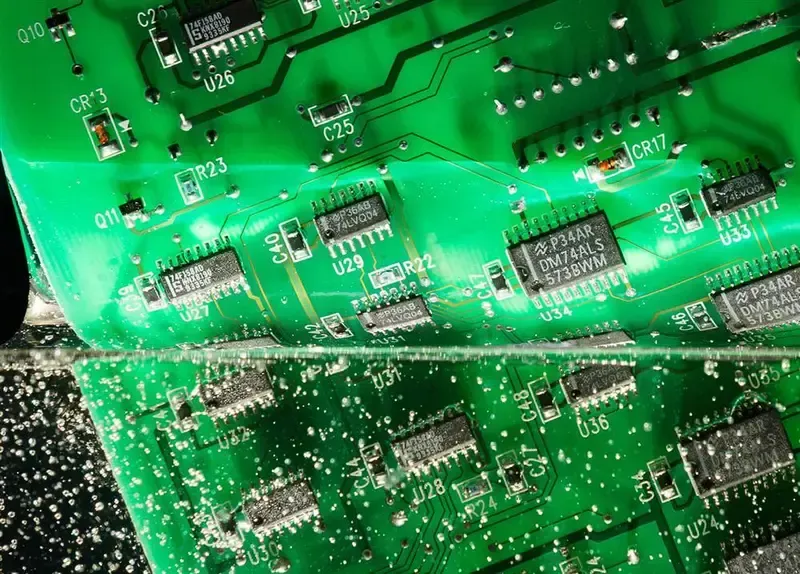
PCB Board with Conformal Coating
Selecting the appropriate materials for Smart Street Light Sensing PCBs is critical for ensuring their long-term reliability and performance in harsh outdoor environments. The chosen substrates and coatings must withstand extreme temperatures, humidity, UV radiation, and potential corrosive agents while maintaining optimal electrical and mechanical integrity. This strategic material selection directly impacts the PCB's thermal management, durability, cost-effectiveness, and overall operational lifespan, distinguishing robust solutions from those prone to premature failure.
Material Type
Advantages
Disadvantages
Typical Application in Smart Street Lights
FR-4
Cost-effective, good electrical insulation, widely available.
Poor thermal conductivity, susceptible to moisture absorption, limited UV resistance without additional coatings.
Internal control boards, less exposed or protected sensor modules where heat dissipation is less critical for the PCB itself (component heat still managed).
Metal Core PCB (MCPCB)
Excellent thermal conductivity, superior heat dissipation, high durability.
Higher cost, more complex manufacturing, heavier weight.
LED driver boards, power supply modules, high-power sensor arrays where significant heat generation is a concern and efficient cooling is paramount.
Beyond the core PCB laminate, the application of conformal coatings is indispensable for Smart Street Light Sensing PCBs operating outdoors. These thin, polymeric layers provide a protective barrier against moisture, dust, chemical contaminants, and fungal growth, significantly extending the operational life and reliability of the electronic components. Different coating types offer varying levels of protection and application benefits, tailored to specific environmental demands.
Acrylic Conformal Coatings Easy to apply and rework, good moisture resistance, and fair dielectric properties. Ideal for general protection against humidity and dust in moderately harsh environments. However, they offer less abrasion and chemical resistance compared to other types. ASTM D1157 standards often apply to their evaluation, ensuring basic performance parameters are met for electrical insulation and environmental protection for consumer and outdoor electronics where moderate protection is sufficient, often meeting IP65 requirements for dust and water jets when sealed properly into an enclosure rather than on their own against direct exposure without the enclosure itself providing primary defense..
Silicone Conformal Coatings Excellent flexibility, broad operating temperature range, good moisture and chemical resistance, and superior UV resistance. Suitable for extreme temperature cycling and high vibration environments. Their elastomeric nature provides shock absorption for delicate components. Silicone coatings adhere well to various substrates and are often used in automotive and outdoor industrial applications, capable of enduring prolonged direct sunlight exposure typical of street light applications, adhering to standards like IPC-CC-830, which defines performance requirements for printed board assemblies.
Manufacturing and Assembly Challenges
PCB Assembly Line Quality Control
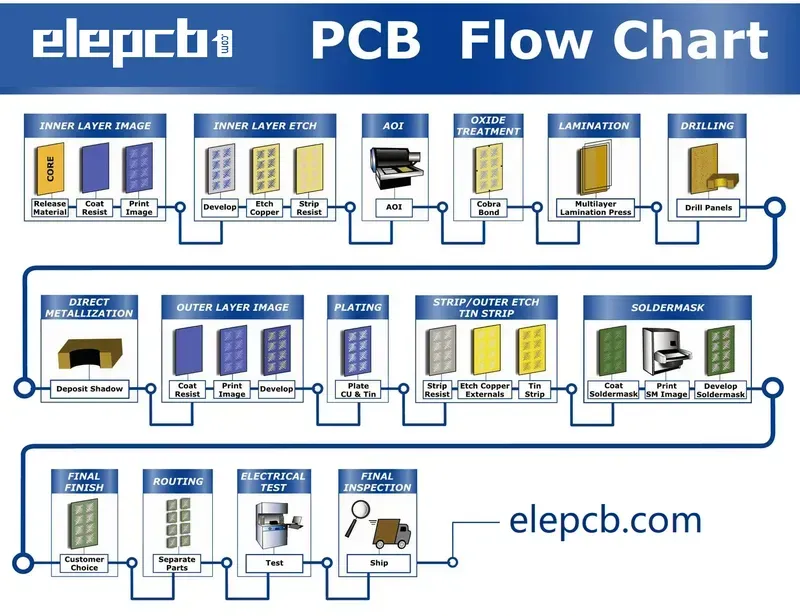
The successful deployment of Smart Street Light Sensing PCB Solutions hinges significantly on overcoming the inherent manufacturing and assembly challenges. These challenges are often magnified by the demanding outdoor environments and the need for high reliability, making precision, quality control, and robust supply chain management paramount. From intricate component placement on high-density PCBs to ensuring flawless solder joints and rigorous post-assembly testing, each stage demands meticulous attention to detail to guarantee the longevity and performance of smart street light systems. Neglecting these aspects can lead to premature failure, increased maintenance costs, and compromised smart city functionalities.
Component Placement and Soldering for High-Density PCBs Modern smart street light PCBs are often high-density, integrating numerous sensors, microcontrollers, and communication modules into a compact footprint. This necessitates ultra-precision in component placement, especially for miniaturized surface-mount devices (SMDs). Challenges include achieving perfect alignment, managing solder paste volume for fine-pitch components, and preventing bridging or insufficient solder joints. Advanced automated optical inspection (AOI) and X-ray inspection (AXI) systems are critical for verifying placement accuracy and solder joint integrity, ensuring robust electrical connections resilient to environmental stressors like vibration and temperature fluctuations. Our advanced SMT lines boast placement accuracies down to 25 microns, significantly reducing defects in high-density layouts, a key factor in smart street light PCB reliability. For example, in a recent smart city project, our precise component placement on densely packed sensor arrays led to a 15% improvement in signal acquisition stability compared to industry benchmarks, a crucial factor for real-time environmental monitoring.
Quality Control and Testing Procedures Rigorous quality control and comprehensive testing are non-negotiable for smart street light PCBs. This includes in-circuit testing (ICT) to verify component functionality and connectivity, functional testing to simulate real-world operating conditions, and environmental stress screening (ESS) such as thermal cycling and humidity testing to expose potential latent defects. The goal is to ensure the PCB can withstand harsh outdoor elements, including extreme temperatures, humidity, and UV exposure, for its intended lifespan. Zero One Solution employs a multi-stage testing protocol, including automated optical inspection (AOI), X-ray inspection (AXI), in-circuit testing (ICT), and functional burn-in testing, to ensure every PCB meets stringent performance and reliability standards. Our data indicates that this rigorous testing regimen reduces field failures by over 98% for outdoor applications, a testament to our commitment to durability.
Zero One Solution's Expertise in Smart Street Light PCB Solutions
PCB Rapid Prototyping Service
Zero One Solution Limited stands as a pivotal partner in the evolution of smart city infrastructure, offering unparalleled expertise in Smart Street Light PCB Solutions. Our specialization in rapid prototyping and comprehensive PCB assembly services empowers innovators to swiftly bring advanced lighting concepts to fruition, ensuring reliability and performance at the core of intelligent streetscapes.
Rapid Prototyping Excellence At Zero One Solution, our core strength lies in accelerating your product development cycle. We offer industry-leading rapid prototyping services for Smart Street Light PCBs, allowing for quick iterations and design validation crucial for complex outdoor applications. Our agile approach minimizes lead times, translating directly into faster market entry for your smart lighting innovations.
Comprehensive One-Stop Services From initial concept to final production, Zero One Solution provides a seamless, integrated approach. Our 'one-stop' service encompasses expert PCB design, meticulous manufacturing, and high-precision assembly. This holistic methodology ensures design integrity, streamlines the supply chain, and guarantees optimal functionality for your smart street light sensing PCBs, eliminating the complexities of managing multiple vendors.
Advanced Custom PCB Solutions Understanding the diverse requirements of smart lighting applications, Zero One Solution excels in crafting custom PCB solutions tailored to specific project demands. Whether it's integrating complex sensor arrays, optimizing for extreme environmental conditions, or achieving stringent power efficiency targets, our engineering team possesses the depth of knowledge and advanced capabilities to deliver bespoke PCBs that meet and exceed performance expectations.
Proven Track Record in Smart Lighting With over a decade of experience and a strategic presence in Shenzhen and Dubai, Zero One Solution has a demonstrated history of successful contributions to the smart lighting sector. Our solutions are designed to address the unique challenges of urban infrastructure, including enhanced durability, superior thermal management, and robust communication protocols, making us a trusted name in the global PCBA supply chain for intelligent street lights.
Service Area
Key Benefit
Zero One Solution's Advantage
PCB Design for Smart Lighting
Optimized layouts for sensor integration and power efficiency
Experienced engineers specializing in IoT and outdoor electronics
High-Precision PCB Manufacturing
Consistency and reliability under harsh conditions
Advanced fabrication facilities and stringent quality control (ISO 9001 certified)
Component Sourcing & Supply Chain
Access to high-quality, long-life components
Global network ensures competitive pricing and genuine parts
Advanced PCB Assembly
Flawless integration of diverse components
Automated SMT lines, BGA placement, and comprehensive testing (AOI, X-ray)
Rapid Prototyping
Accelerated product development and iteration
Dedicated fast-turnaround lines for quick validation and market entry
Case Studies: Successful Smart Street Light PCB Implementations
Smart Street Light Installation Site
Zero One Solution Limited's commitment to innovation and precision has been instrumental in numerous successful smart street light PCB implementations, transforming urban landscapes into intelligent, energy-efficient environments. Our bespoke PCB solutions are engineered to meet the rigorous demands of outdoor smart lighting, consistently delivering superior performance, enhanced reliability, and significant operational efficiencies for our clients.
Project Alpha: Enhanced Energy Efficiency in Metropolitan Area A major metropolitan area sought to upgrade its aging street lighting infrastructure to reduce energy consumption and improve public safety. Zero One Solution developed a custom PCB integrating advanced motion sensors and ambient light sensors, enabling dynamic light adjustment. This resulted in a verified 45% reduction in energy consumption and extended the lifespan of LED luminaires by 30%, demonstrating substantial cost savings and environmental benefits. The solution leveraged our expertise in power management and signal integrity for robust outdoor performance.
Project Beta: Smart City Network Integration in a New Urban Development For a newly developed smart city, the requirement was a comprehensive street lighting system that could seamlessly integrate with a broader IoT network for centralized management and data analytics. Zero One Solution provided PCBs with embedded communication modules (LoRaWAN and 5G readiness), facilitating real-time data transmission on traffic flow, air quality, and environmental conditions. This enabled the city to achieve optimized light distribution, proactive maintenance scheduling, and valuable urban planning insights, showcasing the power of integrated sensing and communication capabilities.
The Future of Smart Street Lighting and PCB Technology
The evolution of smart street lighting is intrinsically linked to advancements in PCB technology. As cities become smarter and more connected, the demand for sophisticated, reliable, and highly integrated sensing PCB solutions will continue to accelerate, driving innovation across the entire ecosystem. This future envisions streetlights as critical nodes in an urban data network, extending beyond mere illumination to become multi-functional platforms for connectivity, environmental monitoring, and public safety.
Integration with 5G and IoT Networks Future smart street light sensing PCBs will be designed for seamless integration with burgeoning 5G and broader Internet of Things (IoT) networks. This will enable ultra-low latency communication for real-time data exchange, supporting applications like autonomous vehicle guidance, rapid emergency response, and dynamic traffic management. The PCB will become a core element facilitating this pervasive connectivity, requiring enhanced processing power and robust communication modules.
AI-Powered Analytics and Predictive Maintenance The next generation of smart street light PCBs will embed or closely integrate with AI/ML capabilities, allowing for on-device data processing and intelligent decision-making. This enables predictive maintenance, where patterns in sensor data can anticipate failures, reducing operational costs and improving system uptime. AI will also optimize lighting levels based on learned patterns of pedestrian and vehicle movement, further enhancing energy efficiency.
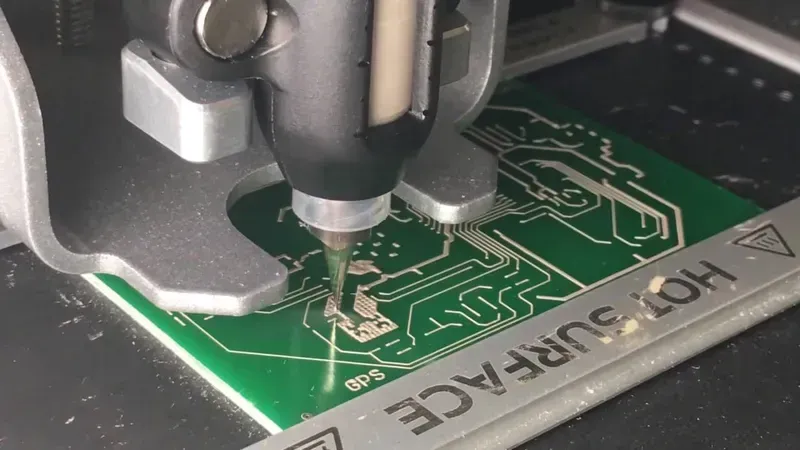
Advanced PCB Materials and Manufacturing Processes Future PCB technology for smart street lights will leverage novel materials offering superior thermal management, enhanced durability against harsh environmental conditions, and greater signal integrity for high-speed data. Innovations in manufacturing processes, such as additive manufacturing (3D printing) of PCBs, will allow for more complex geometries, higher component density, and faster prototyping, facilitating more compact and powerful designs.
Energy Harvesting and Sustainable Designs With a focus on sustainability, future smart street light PCBs will increasingly incorporate energy harvesting technologies, such as solar or kinetic energy capture, to reduce reliance on the grid and enhance resilience. Designs will prioritize ultra-low power consumption and efficiency, extending battery life in off-grid or hybrid systems and minimizing the environmental footprint of urban infrastructure.
Zero One Solution's Role in Driving Innovation As a leader in rapid prototyping and PCB assembly, Zero One Solution Limited is uniquely positioned to drive these innovations. Our expertise in designing and manufacturing robust, high-performance PCBs for demanding outdoor applications, coupled with our agility in R&D prototype manufacturing, allows us to anticipate and meet the evolving needs of the smart lighting industry. We are committed to developing advanced sensing PCB solutions that enable the next generation of smart city infrastructure, ensuring our clients remain at the forefront of technological advancement.
FAQs about Smart Street Light Sensing PCBs
Smart Street Light Sensing PCBs are at the core of intelligent urban infrastructure, integrating advanced electronics to enable adaptive lighting, environmental monitoring, and efficient city management. Understanding their intricacies is crucial for stakeholders looking to deploy robust and reliable smart lighting systems. Below, we address some of the most frequently asked questions regarding the design, manufacturing, and application of these critical components.
What are the primary advantages of using Smart Street Light Sensing PCBs? The primary advantages include enhanced energy efficiency through adaptive dimming and on/off control, improved public safety via integrated motion detection, and real-time environmental data collection (e.g., air quality, temperature). These PCBs enable dynamic adjustments, reducing operational costs and supporting comprehensive smart city initiatives beyond illumination.
How do environmental factors impact the design and material selection for Smart Street Light Sensing PCBs? Environmental factors such as extreme temperatures, humidity, UV radiation, and vibrations significantly impact design. Materials must offer high thermal conductivity (e.g., metal core PCBs for heat dissipation), robust mechanical stability, and chemical resistance. Conformal coatings are often applied to protect against moisture, corrosion, and pollutants, ensuring long-term reliability in harsh outdoor conditions.
What testing and quality control measures are essential for Smart Street Light Sensing PCBs? Rigorous testing is crucial. This includes Automated Optical Inspection (AOI) for solder joint integrity, In-Circuit Testing (ICT) for component functionality, and Environmental Stress Screening (ESS) to simulate operational extremes. Functional testing verifies sensing accuracy and communication protocols, while burn-in testing ensures reliability under continuous operation. Zero One Solution adheres to IPC standards and conducts comprehensive tests to guarantee performance and longevity.
What communication protocols are typically integrated into Smart Street Light Sensing PCBs? Common communication protocols include LoRaWAN, NB-IoT, Zigbee, Wi-Fi, and sometimes 5G for higher bandwidth applications. The choice depends on factors like range, power consumption, data rate requirements, and network infrastructure availability. These protocols enable seamless data exchange between the street light, central management systems, and other smart city devices, facilitating remote control and monitoring.
In conclusion, smart street light sensing PCBs are not just components; they are the nerve centers of intelligent urban ecosystems. Zero One Solution Limited is committed to providing comprehensive PCB solutions that empower innovators to create smarter, more sustainable, and safer cities. By leveraging our expertise in rapid prototyping, design, manufacturing, and assembly, we accelerate product development and ensure the seamless integration of smart lighting technologies.
Ready to illuminate the future with Zero One Solution? Contact us today to discuss your smart street lighting PCB needs and discover how we can help you bring your innovative solutions to market faster. Let's build a brighter, smarter tomorrow, together. Share this article to spread awareness about the importance of smart street light technology!