In an era where resource management is paramount, the efficient monitoring and distribution of water is more critical than ever. Traditional water meters, often manually read, are prone to inaccuracies and delays. Enter the Smart Water Meter, a technologically advanced solution that promises to revolutionize water management. At Zero One Solution Limited, we recognize the importance of this evolution, providing cutting-edge PCB solutions to empower the next generation of smart water meters. Our expertise in rapid prototyping and one-stop services, from PCB design to manufacturing and assembly, positions us as a key enabler in this vital sector. This article delves into the core of smart water meter technology, focusing on the communication board solution that makes real-time data transmission and analysis possible, facilitating better decision-making and resource allocation.
Understanding the Smart Water Meter Landscape
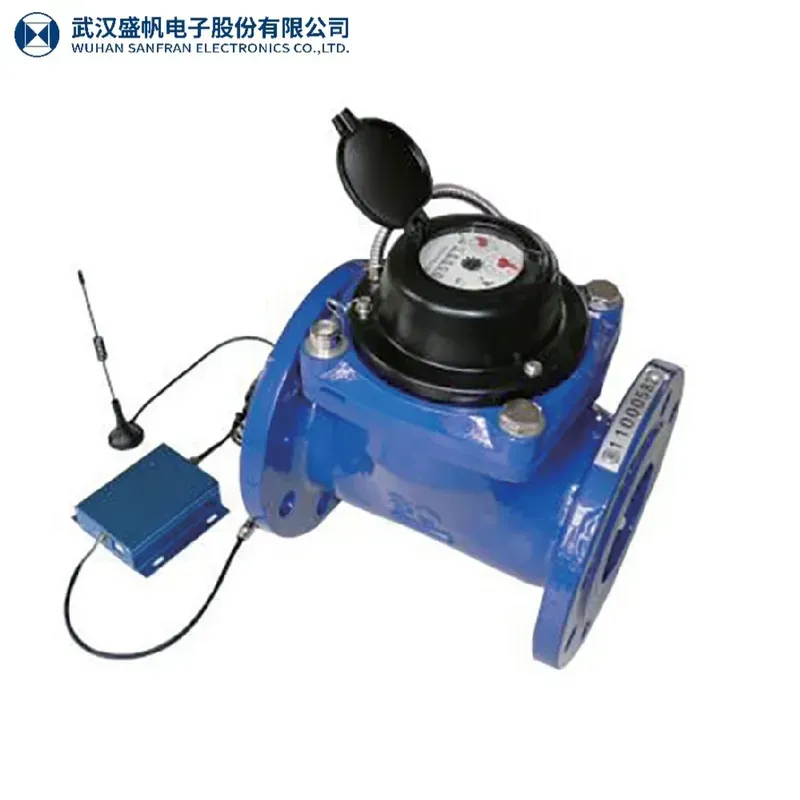
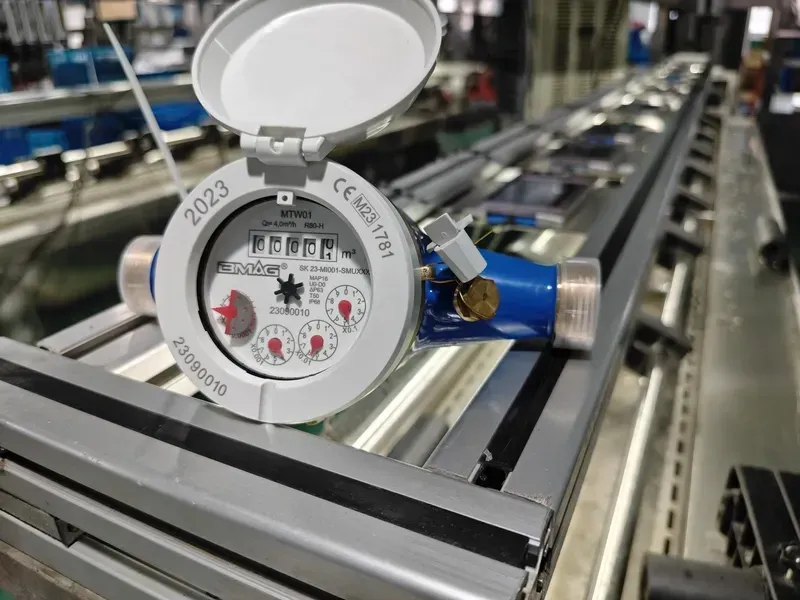
The global imperative for sustainable water resource management is driving a rapid transformation in utility operations, positioning smart water meters as a foundational technology. These advanced devices move beyond simple consumption measurement, offering real-time data insights crucial for optimizing distribution, detecting leaks, and enhancing billing accuracy. Zero One Solution Limited recognizes this evolving landscape, providing robust PCB solutions that empower the next generation of smart water metering infrastructure to address critical challenges from water scarcity to operational inefficiencies.
Why are smart water meters becoming essential? Smart water meters are vital for addressing increasing water scarcity, aging infrastructure, and the demand for greater transparency. They enable accurate billing, reduce non-revenue water loss through precise leak detection, and empower consumers with real-time usage data, fostering conservation. Traditional meters lack the granularity and immediate feedback required for modern water management strategies.
What are the primary challenges in traditional water management? Traditional water management faces significant hurdles, including inaccurate manual readings, delayed leak detection leading to substantial water loss, inefficient resource allocation, and a lack of real-time data for informed decision-making. These issues result in increased operational costs and diminished service reliability for utilities and consumers alike.
Feature
Traditional Water Meters
Smart Water Meters
Data Collection
Manual, periodic
Automated, real-time
Leak Detection
Delayed, often reactive
Immediate, proactive
Billing Accuracy
Prone to human error
Highly accurate, granular
Resource Management
Limited insights
Optimized, data-driven
Consumer Engagement
Minimal
High, with usage insights
Operational Efficiency
Low, labor-intensive
High, automated processes
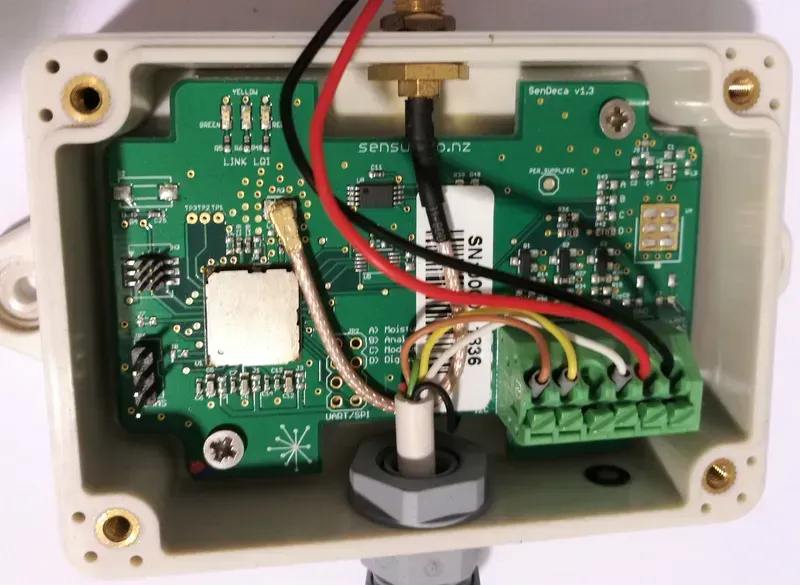
At the heart of every efficient smart water meter lies its communication board, serving as the central nervous system that transforms raw consumption data into actionable insights. This crucial component is responsible for orchestrating the meter's ability to collect, process, and transmit water usage information, enabling remote monitoring, leak detection, and advanced billing. Without a robust and reliable communication board, a smart water meter is merely a sophisticated mechanical device, unable to leverage the intelligence that defines its 'smart' capabilities. It bridges the physical world of water flow with the digital realm of data analytics, making it indispensable for modern water management systems.
Data Acquisition and Processing The communication board meticulously gathers real-time water consumption data from sensors, converting analog signals into digital format. It then processes this raw data, performing initial computations and filtering to ensure accuracy and relevance before transmission.
Secure Data Transmission Acting as the gateway, the communication board facilitates the secure and efficient transfer of processed data to a central management system or cloud platform. This involves selecting and managing the appropriate communication protocol (e.g., LoRaWAN, NB-IoT, Cellular) to ensure reliable delivery, even in challenging environments.
Remote Control and Firmware Updates Beyond data uplink, the communication board enables bidirectional communication, allowing utilities to remotely configure meter settings, perform diagnostics, and push over-the-air (OTA) firmware updates. This capability significantly reduces the need for costly on-site visits and extends the meter's operational lifespan.
Power Management and Efficiency Given that smart water meters often operate on battery power for extended periods, the communication board is engineered with sophisticated power management features. It optimizes energy consumption for all functions, including data sampling, processing, and transmission, ensuring prolonged battery life and reduced maintenance cycles.
Anomaly Detection and Alerting Many advanced communication boards incorporate algorithms for real-time anomaly detection. By continuously monitoring flow patterns, they can identify potential leaks, bursts, or unusual consumption behaviors and trigger immediate alerts, minimizing water loss and potential property damage.
Function Category
Key Role on Communication Board
Impact on Smart Water Meter Performance
Data Interface & Conversion
Connects to flow sensors; digitizes analog signals
Ensures accurate and high-resolution data capture from the meter's physical readings, critical for precise billing and leak detection.
>=Microcontroller Unit (MCU)
Executes firmware, processes data, manages communication protocols
The brain of the board, directly influences data processing speed, algorithmic capabilities (e.g., anomaly detection), and overall system responsiveness.
Determines the meter's connectivity range, data transfer rate, and network reliability, directly impacting remote monitoring and control effectiveness.
>=Power Management Unit (PMU)
Regulates power, manages battery life, optimizes energy consumption
Crucial for extending battery life to 5-15 years, reducing maintenance costs, and ensuring continuous operation in remote or inaccessible locations.
>=Memory (Flash/RAM)
Stores firmware, configuration settings, and logged data
Impacts the meter's ability to store historical data, support complex software features, and manage buffered transmissions during network outages.
Key Components of a Smart Water Meter Communication Board
Smart Water Meter Communication Board Components
The effectiveness of a Smart Water Meter Communication Board hinges on the synergistic operation of its core electronic components, each playing a vital role in accurate data acquisition, robust processing, and reliable transmission. Understanding these components is crucial for designing and manufacturing highly efficient and durable smart water meter solutions, ensuring seamless integration into modern water management infrastructures.
Microcontroller (MCU) The brain of the communication board, the MCU processes data from sensors, manages communication protocols, and controls peripheral components. For smart water meters, ultra-low power MCUs like those from STMicroelectronics or Texas Instruments are preferred to maximize battery life, often achieving over 10 years of operation in the field.
RF Transceiver Module Responsible for wireless data transmission and reception, supporting protocols such as LoRaWAN, NB-IoT, or Sigfox. These modules, for example from Semtech (LoRa) or Huawei (NB-IoT), are selected based on range requirements, data rates, and network availability, ensuring reliable long-distance communication in challenging environments.
Power Management Unit (PMU) Crucial for optimizing power consumption and managing battery life, especially in remote, battery-powered meters. PMUs regulate voltage, provide power sequencing, and implement power-saving modes (e.g., sleep modes) to extend operational duration. Advanced PMUs can reduce standby current consumption to mere microamperes.
Memory (Flash/SRAM) Stores firmware, configuration settings, and collected data. Both Flash memory for non-volatile storage of program code and SRAM for temporary data processing are essential. The size of the memory is determined by the complexity of the firmware and the volume of data logging required, often ranging from 128KB to 1MB for Flash and 16KB to 64KB for SRAM.
Real-Time Clock (RTC) Ensures accurate timestamping of meter readings, critical for billing, leak detection, and consumption pattern analysis. An integrated RTC with its own backup power source maintains time even if the main power fails, ensuring data integrity and synchronization across the network.
Sensor Interface Circuitry Converts raw sensor data (e.g., from flow sensors, temperature sensors) into a digital format usable by the MCU. This includes Analog-to-Digital Converters (ADCs) and signal conditioning circuits, ensuring precise measurement acquisition. The accuracy of this circuitry directly impacts the reliability of the meter's readings, with high-resolution ADCs (12-bit or 16-bit) often employed.
Tamper Detection Module Incorporates sensors and logic to detect physical interference with the meter or communication board. This critical security feature helps prevent fraud and ensures the integrity of meter readings. Common methods include magnetic sensors, tilt switches, and optical sensors, alerting authorities to unauthorized access.
Communication Protocols and Technologies
Smart Water Meter Communication Modules
The effectiveness of any Smart Water Meter Communication Board Solution hinges on the selection of the appropriate communication protocol and technology, which dictates how meter data is reliably and efficiently transmitted from the device to central monitoring systems. This choice is critical as it directly impacts network coverage, power consumption, data rates, and overall system scalability, ensuring accurate and timely water consumption insights.
Protocol/Technology
Key Features
Advantages
Disadvantages
Ideal Application Scenario
Cellular (2G/3G/4G/5G)
High bandwidth, wide coverage, established infrastructure
Reliable for high data volumes, real-time communication, global roaming
High power consumption, higher operational costs, susceptibility to network congestion
Urban areas requiring frequent, high-volume data transmission (e.g., commercial/industrial meters)
LoRaWAN
Long-range, low power, open standard
Excellent for wide-area coverage, extended battery life (up to 10 years), low cost per device
Lower data rates, not suitable for real-time critical applications, potential interference
Rural or remote areas with sparse meter density, non-critical, infrequent data reporting
NB-IoT
Low power wide area (LPWA), deep indoor penetration, secure
Exceptional battery life (up to 15 years), good penetration, low module cost, robust security
Lower bandwidth than cellular, higher latency than LoRaWAN for some applications
Dense urban environments, basements, or areas with challenging signal penetration where long battery life is paramount
Sigfox
Ultra-narrowband, low power, global network
Extremely low power consumption, simple deployment, cost-effective for small data packets
Very low data rate, limited downlink messages, higher latency
Simple, low-cost applications requiring infrequent status updates and minimal data volume (e.g., leak detection)
Wireless M-Bus
Short-range, local area network (LAN), optimized for metering
Low power for short distances, standardized for metering, good for local collection
Limited range, requires concentrators for wider area coverage, not suitable for direct cloud connectivity
Dense residential areas, apartment complexes for local data collection before aggregation and wider transmission
Choosing the optimal communication protocol requires a thorough analysis of the specific deployment environment, desired data frequency, power budget, and long-term operational costs. Zero One Solution Limited assists clients in navigating these complexities, providing Smart Water Meter Communication Board Solutions engineered to leverage the most suitable communication technologies for robust and efficient water management systems.
Zero One Solution Limited: Your Partner in PCB Solutions
Zero One Solution PCB Manufacturing
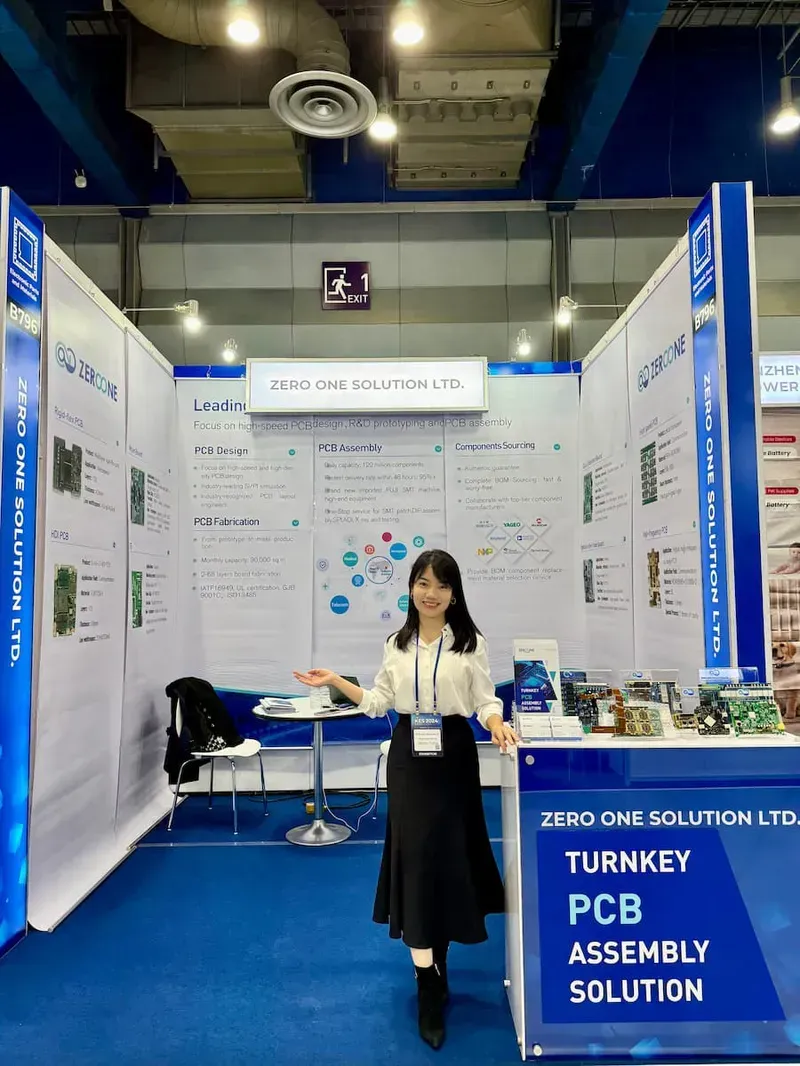
At the heart of every robust smart water meter lies a meticulously engineered communication board, a specialized domain where Zero One Solution Limited excels. Leveraging over a decade of industry leadership since our founding in 2011, we stand as a premier PCB solution provider, uniquely positioned to empower innovation in the smart water management sector through our comprehensive, one-stop services from design to assembly.
Rapid Prototyping for Accelerated Development Zero One Solution Limited specializes in rapid-response R&D prototype manufacturing, enabling quick iterations and significantly reducing time-to-market for smart water meter communication boards. Our agile processes support your innovation cycle, from concept to mass production.
End-to-End PCB Manufacturing Expertise From high-precision bare board fabrication to complex multi-layer PCBs, our manufacturing capabilities ensure superior quality and reliability for smart water meter communication boards. We adhere to stringent industry standards, guaranteeing performance in challenging environments.
Advanced PCB Assembly Services Our state-of-the-art assembly lines handle both Surface Mount Technology (SMT) and Through-Hole Technology (THT) with exceptional precision. We ensure optimal component placement and soldering integrity, critical for the long-term reliability and data transmission accuracy of smart water meter systems.
Strategic Global Supply Chain Network Headquartered in Shenzhen and with a branch office in Dubai, Zero One Solution operates within a robust global PCBA supply chain. This strategic positioning ensures efficient sourcing of high-quality components and seamless logistics, mitigating supply chain risks and ensuring timely delivery for global smart water meter projects.
Customized Design and Engineering Support Our veteran engineering team provides expert design consultation and optimization for smart water meter communication boards, focusing on critical factors like low power consumption, signal integrity, and environmental robustness. We tailor solutions to meet specific project requirements and performance goals.
Service Area
Key Capability
Benefit for Smart Water Meter Communication Boards
PCB Design
Concept-to-production design services
Optimized layout for signal integrity and low power consumption
Rapid Prototyping
Fast-turnaround R&D sample production
Accelerated product development and validation cycles
PCB Manufacturing
High-precision, multi-layer board fabrication
Ensured reliability and durability in harsh environments
PCB Assembly
Advanced SMT & THT assembly
High-quality, robust component integration for long operational life
Global Supply Chain
Strategic sourcing & logistics
Reduced lead times and enhanced material availability
Benefits of Choosing Zero One Solution Limited
Partnering with Zero One Solution Limited for your Smart Water Meter Communication Board Solution offers unparalleled advantages, stemming from our deep expertise, agile processes, and robust global infrastructure. Our commitment to rapid-response R&D prototyping, stringent quality assurance, and seamless global supply chain integration ensures that your innovative smart water metering products achieve market readiness with exceptional speed and reliability, setting a new benchmark for efficiency and performance in the industry.
Accelerated Time-to-Market with Rapid Prototyping Our core strength lies in rapid-response R&D prototype manufacturing. We drastically reduce your product development cycles, enabling quick iterations and validations of your Smart Water Meter Communication Board designs. This agility is crucial for capturing market opportunities ahead of competitors.
Uncompromised Quality Assurance and Reliability With over a decade of experience and a Silicon Valley-inspired engineering ethos, Zero One Solution adheres to the highest quality standards. Our comprehensive testing protocols and ISO-certified manufacturing processes ensure that every communication board is robust, reliable, and performs optimally in diverse environmental conditions inherent to smart water meters.
Strategic Global Supply Chain Network Headquartered in Shenzhen and with a branch in Dubai, we leverage a strategically positioned global PCBA supply chain. This network guarantees access to the best components, competitive pricing, and resilient logistics, minimizing supply chain risks and ensuring consistent production of your communication boards.
One-Stop Integrated PCB Solutions We offer a complete suite of services from initial PCB design and engineering to manufacturing and final assembly. This integrated approach simplifies your procurement process, ensures design integrity, and provides a single point of accountability, streamlining the development of your Smart Water Meter Communication Board.
Expertise in Low-Power and Robust Designs Understanding the unique demands of smart water meters, our engineers specialize in designing communication boards that prioritize ultra-low power consumption for extended battery life and exceptional robustness to withstand harsh operating environments, crucial for long-term deployments.
Design Considerations for Optimal Performance
Engineer Testing Smart Water Meter Communication Board
Achieving optimal performance in a smart water meter communication board necessitates a meticulous approach to design, focusing on critical factors that directly impact device longevity, data reliability, and operational efficiency. Engineers at Zero One Solution Limited prioritize these considerations to ensure that every PCB solution not only meets but exceeds the rigorous demands of real-world smart water metering environments, where uninterrupted operation and precise data transmission are paramount.
Design Consideration
Key Impact
Zero One Solution Approach
Power Consumption
Extends battery life, reduces maintenance costs, crucial for remote deployments.
Ultra-low power component selection, efficient circuit design (e.g., sleep modes, optimized duty cycles), energy harvesting integration readiness.
:Signal Integrity
Ensures accurate data transmission, minimizes packet loss, prevents communication errors.
Impedance matching, controlled trace routing, effective grounding strategies, minimizing electromagnetic interference (EMI) through proper shielding and layout.
:Environmental Robustness
Guarantees reliable operation in harsh conditions (temperature extremes, humidity, dust, water ingress).
Selection of industrial-grade components, conformal coating for moisture protection, robust enclosure design consultation, IPC Class 2/3 manufacturing standards adherence.
:Security Features
Protects sensitive data from unauthorized access, ensures system integrity.
Facilitates smaller meter designs, simplifies assembly, reduces overall system cost.
High-density PCB layout techniques, multi-layer board design expertise, integration of multiple functionalities into fewer components (SoC/SiP solutions).
Future Trends in Smart Water Meter Technology
The smart water meter landscape is continuously evolving, driven by advancements in IoT, AI, and connectivity. These future trends promise even greater efficiency, precision, and sustainability in water management, pushing the boundaries of what is possible with advanced communication board solutions.
Edge Computing Integration Future smart water meters will increasingly incorporate edge computing capabilities directly onto the communication board. This allows for real-time data processing and anomaly detection at the meter level, reducing latency and bandwidth requirements for cloud communication. For instance, instead of sending all raw flow data to a central server, the meter itself can identify and flag unusual consumption patterns, sending only alerts, which significantly enhances response times for leak detection and proactive maintenance, ultimately conserving resources more effectively and reducing operational costs for utility providers.
Advanced AI and Machine Learning for Predictive Analytics The integration of AI and machine learning algorithms will move beyond simple data analysis to predictive modeling. Communication boards will facilitate the collection and transmission of granular data essential for these models, enabling utilities to forecast demand, predict infrastructure failures, and optimize water distribution networks proactively. This means less reactive maintenance and more strategic resource allocation, leading to substantial savings and improved service reliability.
Enhanced Security Protocols and Blockchain As smart water meters become more interconnected, cybersecurity will be paramount. Future communication boards will feature more robust hardware-level security, including secure boot, encrypted communication, and potentially blockchain technology for immutable data logging. This ensures data integrity and protects against cyber threats, building greater trust in smart water infrastructure and safeguarding sensitive consumer data.
Energy Harvesting and Ultra-Low Power Designs To extend the operational lifespan of meters and reduce maintenance, future communication boards will prioritize ultra-low power consumption and integrate energy harvesting technologies (e.g., kinetic, solar, or vibrational energy). This minimizes the need for battery replacements, making smart water meter deployments more sustainable and cost-effective, especially in remote or difficult-to-access locations. Companies like Zero One Solution are already investing in power-efficient PCB designs to support these innovations.
5G and Satellite IoT Connectivity While NB-IoT and LoRaWAN are prevalent, future smart water meters will leverage 5G for its high bandwidth and low latency, enabling more frequent and richer data exchanges. Satellite IoT will also play a crucial role in providing coverage to extremely remote areas where traditional cellular networks are unavailable, ensuring comprehensive monitoring across all geographical terrains, a critical advancement for global water resource management.
FAQs About Smart Water Meter Communication Boards
Understanding the intricacies of smart water meter communication boards is crucial for stakeholders looking to implement or optimize smart water management systems. This section addresses common inquiries, providing clear, authoritative answers to demystify key aspects of this vital technology, from core functionalities to design considerations and future trends. Our goal is to empower you with the knowledge needed to make informed decisions regarding smart water meter communication board solutions.
What is the primary function of a communication board in a smart water meter? The primary function of a communication board in a smart water meter is to facilitate the accurate and reliable transmission of consumption data, meter status, and diagnostic information from the meter to a central data collection system or utility. It converts raw meter readings into digital signals, encrypts them, and sends them via various wireless or wired protocols, enabling real-time monitoring, billing, leak detection, and efficient water resource management.
Which communication protocols are most commonly used for smart water meters? Common communication protocols for smart water meters include LoRaWAN, NB-IoT, Sigfox, and cellular technologies (2G/3G/4G/5G). LoRaWAN and NB-IoT are favored for their low power consumption and long-range capabilities, making them ideal for widespread deployments in urban and rural areas. Cellular networks offer higher bandwidth and lower latency, suitable for applications requiring more frequent data updates. The choice of protocol depends on factors like network availability, data transmission frequency, power requirements, and cost-effectiveness for a given deployment scale.
How does power consumption impact the design of a smart water meter communication board? Power consumption is a critical design consideration for smart water meter communication boards, as meters are often battery-powered and expected to operate for extended periods (e.g., 10-15 years) without maintenance. Low-power components, efficient power management ICs, and optimized communication protocols (like LoRaWAN or NB-IoT) that minimize active transmission time are essential. Design strategies focus on deep sleep modes, event-driven wake-ups, and energy harvesting options to maximize battery life and reduce operational costs.
What are the key security considerations for smart water meter communication boards? Security is paramount for smart water meter communication boards to protect sensitive consumption data and prevent unauthorized access or tampering. Key considerations include end-to-end encryption (e.g., AES-128), secure boot processes, firmware over-the-air (FOTA) updates with authentication, and physical tamper detection. Robust security measures ensure data integrity, privacy, and the overall reliability of the smart water infrastructure, mitigating risks of cyberattacks or data manipulation.
Can Zero One Solution Limited provide custom communication board designs for specific smart water meter needs? Absolutely. Zero One Solution Limited specializes in providing custom PCB design, manufacturing, and assembly services tailored to specific smart water meter requirements. Our veteran engineering team can work closely with clients to develop bespoke communication board solutions that meet unique specifications for size, power consumption, environmental resilience, communication protocol integration, and performance. Our rapid prototyping capabilities ensure quick iteration and market readiness for innovative smart water meter products.
In conclusion, the smart water meter communication board solution represents a significant leap forward in water resource management. By enabling real-time data collection, remote monitoring, and enhanced accuracy, these advanced systems empower utilities and consumers alike to make informed decisions, conserve water, and reduce waste. Zero One Solution Limited is proud to be at the forefront of this technological revolution, providing comprehensive PCB solutions that drive innovation and efficiency in the smart water meter industry.
Ready to upgrade your water management system with advanced PCB solutions? Contact Zero One Solution Limited today to learn more about our rapid prototyping and manufacturing services. Let's collaborate to build a smarter, more sustainable future, one drop at a time. Share this article to spread awareness of the benefits of smart water metering!