In an era where technology increasingly blurs the lines between human interaction and artificial intelligence, social companion robots are emerging as pivotal innovations. These robots, designed to offer companionship, assistance, and even emotional support, require sophisticated hardware at their core. Zero One Solution Limited, with its extensive experience in PCB solutions and rapid prototyping, stands at the forefront of providing cutting-edge motherboard solutions for these complex machines. But what exactly constitutes an ideal motherboard for a social companion robot, and how does Zero One Solution ensure optimal performance and reliability? This article delves deep into the critical aspects of social companion robot motherboard solutions, exploring the design considerations, manufacturing processes, and technological advancements that drive this exciting field. As social robots become more integrated into our daily lives, understanding the technology that powers them becomes increasingly crucial.
The Rise of Social Companion Robots and Their Needs
The burgeoning demand for social companion robots, designed to interact with and assist humans in diverse environments from homes to healthcare facilities, underscores a pivotal shift in human-technology integration. These sophisticated machines require highly specialized motherboard solutions that can seamlessly integrate advanced AI, intricate sensor arrays, and robust communication protocols, posing unique technological challenges in miniaturization, power efficiency, and real-time processing to deliver truly empathetic and reliable interaction.
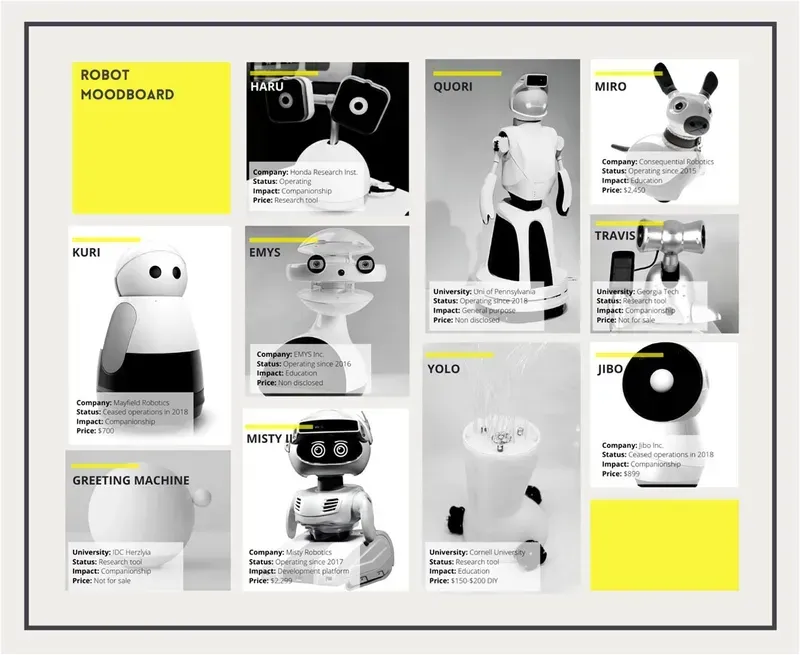
What societal needs are driving the rise of social companion robots? The rise of social companion robots is primarily driven by an aging global population requiring assistance, a growing demand for personalized education and entertainment, and the need for emotional support and companionship in increasingly isolated societies. These robots offer solutions for elderly care, special needs education, mental well-being, and even basic household assistance, addressing gaps that traditional human resources struggle to fill efficiently.
What are the primary functional requirements for social companion robots? Social companion robots necessitate advanced capabilities including natural language processing (NLP) for intuitive communication, facial and emotion recognition for empathetic interaction, sophisticated navigation and obstacle avoidance for safe mobility, and robust connectivity for cloud-based AI and data exchange. These functions demand high computational power, low latency, and efficient energy management, all integrated into a compact form factor.
How do social companion robots differ technologically from industrial robots? While industrial robots prioritize precision, speed, and repetitive task execution in structured environments, social companion robots focus on nuanced human interaction, adaptability to unstructured settings, and emotional intelligence. This fundamental difference mandates distinct technological approaches, particularly in motherboard design, emphasizing diverse sensor fusion, advanced AI accelerators, lower power consumption for extended autonomy, and robust cybersecurity for personal data protection, unlike the brute force and deterministic control found in industrial automation.
What are the major technological challenges in developing motherboards for social companion robots? Developing motherboards for social companion robots presents significant challenges including achieving ultra-compact form factors without compromising performance, ensuring exceptional power efficiency for prolonged battery life, integrating diverse sensors (visual, auditory, haptic) and actuators seamlessly, and providing robust computing power for complex AI algorithms (e.g., real-time emotion detection, natural language understanding) within strict thermal and cost constraints. Data security and privacy are also paramount considerations.
What role does rapid prototyping play in the development of social companion robot motherboards? Rapid prototyping is indispensable in the development of social companion robot motherboards as it enables swift iteration and validation of design concepts. Given the complex interplay of hardware, software, and user interaction, rapid prototyping allows engineers to quickly test different component layouts, thermal management solutions, power delivery systems, and sensor integrations. This iterative approach significantly reduces development cycles, identifies potential flaws early, and accelerates the transition from conceptualization to a market-ready, robust solution, ensuring the robot's functionality and user experience are optimized before mass production.
Understanding the Motherboard: The Heart of a Social Robot
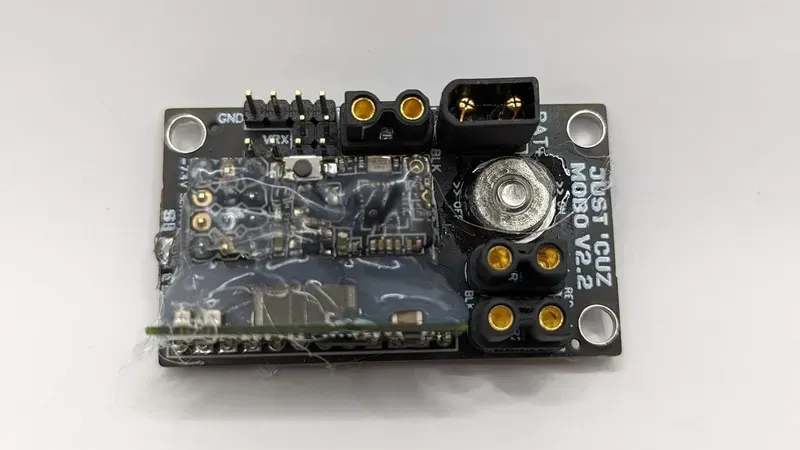
At the core of every sophisticated social companion robot lies its motherboard, serving as the central nervous system that orchestrates all functionalities. Far more than a simple circuit board, this critical component integrates the processor, memory, communication modules, and interfaces for sensors and actuators, enabling the robot to perceive its environment, process information, interact intelligently, and perform complex tasks. Its design directly dictates the robot's capabilities, responsiveness, and overall user experience, making a robust and intelligently engineered motherboard an indispensable foundation for any advanced social robotics application.
The Central Processing Unit (CPU) and Graphics Processing Unit (GPU) These are the brains of the operation. The CPU handles general computations, logical decisions, and task scheduling, while the GPU is essential for processing visual data, facial recognition, gesture interpretation, and enabling smooth, lifelike interactions. High-performance CPUs and GPUs are crucial for real-time responsiveness and complex AI algorithms in social robots.
Memory (RAM and Storage) RAM provides temporary storage for active processes, ensuring smooth multitasking and quick data access. Adequate RAM is vital for running sophisticated AI models and handling simultaneous sensor inputs. Non-volatile storage (e.g., SSD, eMMC) stores the operating system, applications, and persistent data, including learned behaviors and user preferences.
Connectivity Modules (Wi-Fi, Bluetooth, 5G/LTE) Seamless communication is paramount for social robots. Wi-Fi and Bluetooth facilitate local network and peripheral connections, while 5G/LTE enables cloud connectivity for data processing, software updates, and remote control. Robust wireless communication ensures the robot can interact with smart home devices, access online services, and update its knowledge base.
Sensor Integration Interfaces Social robots rely on a myriad of sensors to understand their surroundings. The motherboard provides interfaces (e.g., MIPI CSI for cameras, I2C/SPI for environmental sensors, USB for microphones, LiDAR) for integrating cameras, microphones, touch sensors, accelerometers, gyroscopes, and other vital components, translating real-world data into digital information for processing.
Actuator Control and Power Management The motherboard manages the motors, servos, and other actuators that enable physical movement, expressions, and haptic feedback. Integrated power management units efficiently distribute power to all components, optimizing energy consumption, extending battery life, and ensuring stable operation, which is particularly critical for mobile companion robots.
Audio and Visual Processing Capabilities Beyond raw sensor input, the motherboard must support advanced audio and visual processing. This includes noise reduction for voice recognition, speech synthesis for natural language output, and image processing for object recognition and emotion detection. Dedicated co-processors or integrated DSPs often handle these intensive tasks.
Key Design Considerations for Social Robot Motherboards
Designing the motherboard for a social companion robot presents a unique confluence of technical challenges and empathetic design requirements. Beyond raw computational power, these critical components must seamlessly integrate diverse functionalities, from complex AI processing to subtle haptic feedback, while ensuring robust connectivity, efficient power management, and future scalability. The optimal social robot motherboard balances these demanding specifications to facilitate natural human-robot interaction and reliable operation.
Processing Power for Intuitive Interaction Social robots demand high-performance processors capable of handling real-time data from multiple sensors, executing complex algorithms for natural language processing (NLP), facial recognition, and emotion detection, and driving sophisticated motor control. This requires a balance between multi-core CPUs for general computation and dedicated GPUs or AI accelerators for machine learning tasks. For instance, a robot designed for elderly care may require robust voice recognition and complex decision-making capabilities, necessitating a more powerful processing unit than a simple toy robot.
Connectivity for Seamless Communication Robust wireless connectivity (Wi-Fi, Bluetooth, 5G) is paramount for social robots to communicate with cloud services, other devices, and their human companions. Furthermore, a variety of wired interfaces (USB, Ethernet, I2C, SPI, UART) are essential for integrating a multitude of peripherals like cameras, microphones, speakers, touchscreens, and various actuators. High-bandwidth interfaces are crucial for real-time video and audio processing.
Sensor Integration for Environmental Awareness Social robots rely heavily on a diverse array of sensors to perceive their environment and interact intelligently. This includes cameras (RGB, depth), microphones (microphone arrays for sound source localization), touch sensors, proximity sensors, accelerometers, gyroscopes, and force sensors. The motherboard must provide sufficient I/O ports and robust data pipelines to efficiently process input from these sensors simultaneously, enabling contextual awareness and appropriate responses.
Power Efficiency for Extended Operation Given that social robots are often battery-powered and operate for extended periods, power efficiency is a critical design consideration. The motherboard must employ low-power components, efficient power management ICs, and intelligent power-saving modes to maximize battery life. This not only extends operational time but also reduces heat generation, contributing to the robot's overall reliability and longevity. Optimizing power consumption across all subsystems is key to a commercially viable and user-friendly product.
Thermal Management for Reliability and Safety High processing power within a compact form factor inevitably generates heat. Effective thermal management, including heat sinks, fans, or passive cooling solutions, is essential to prevent component damage, ensure stable operation, and maintain user safety, especially in robots designed for close human interaction. Poor thermal design can lead to performance throttling, reduced lifespan, or even catastrophic failure.
Scalability and Modularity for Future Enhancements A well-designed social robot motherboard should offer a degree of scalability and modularity. This allows for easy upgrades of components, integration of new technologies, and adaptation to evolving user needs without requiring a complete redesign. This foresight in design significantly extends the product lifecycle and reduces long-term development costs. Modular interfaces for adding specialized modules like haptic feedback controllers or advanced navigation units are highly beneficial.
Zero One Solution's Expertise in PCB Solutions for Robotics
Robot Motherboard
Zero One Solution Limited stands as a beacon of innovation in the realm of PCB solutions, especially within the dynamic field of robotics. Our deep-rooted expertise, honed over a decade, is centered on empowering robotics developers with highly specialized and reliable Printed Circuit Boards (PCBs). We understand that the sophisticated requirements of social companion robots demand more than off-the-shelf components; they require bespoke solutions that integrate seamlessly with advanced AI, sensory systems, and intricate motor controls. Our commitment to precision engineering and rapid prototyping ensures that our clients' groundbreaking robotic concepts are transformed into tangible, high-performing realities with unmatched speed and quality.
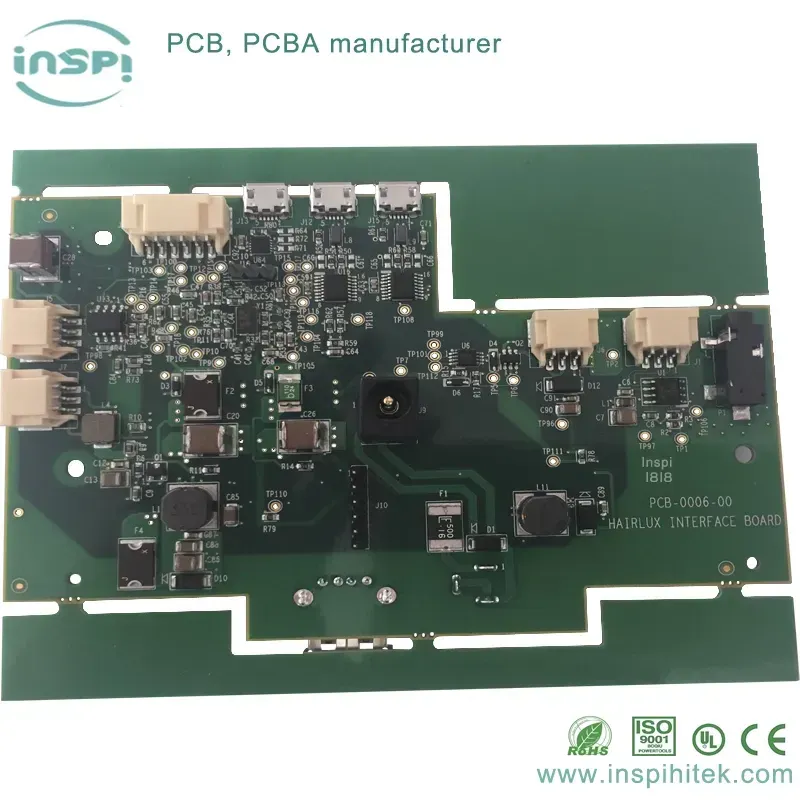
Specialized Robotics PCB Design and Manufacturing Zero One Solution offers end-to-end PCB services, from initial design consultation to manufacturing and assembly, specifically tailored for the unique demands of robotics. This includes multi-layer PCBs, flexible and rigid-flex boards, and high-density interconnect (HDI) solutions vital for compact, feature-rich robot designs.
Rapid Prototyping for Accelerated Development Cycles Understanding the critical need for speed in robotics R&D, our rapid prototyping capabilities enable quick iteration and validation of designs. This significantly shortens time-to-market for innovative social companion robots, allowing developers to test and refine functionalities efficiently.
Advanced Component Integration and Miniaturization Social robots require compact, powerful electronics. We excel in integrating a wide array of components, including microcontrollers, AI accelerators, sensor arrays, and communication modules, into densely packed, miniaturized PCB layouts, optimizing performance within limited spatial constraints.
Rigorous Quality Control and Reliability Testing The reliability of a social robot's motherboard is paramount for consistent performance and user safety. Zero One Solution employs stringent quality control measures and comprehensive testing protocols, including environmental stress testing and functional verification, to ensure every PCB meets the highest standards of durability and reliability.
Global Supply Chain Leverage for Optimized Sourcing Leveraging our strategic locations in Shenzhen and Dubai, we tap into a robust global PCBA supply chain. This allows us to source high-quality components efficiently, manage production costs, and maintain competitive pricing without compromising on the superior quality required for advanced robotics applications.
Rapid Prototyping: Accelerating Robot Development
Rapid Prototype Motherboard
Rapid prototyping is the cornerstone of accelerated product development, particularly within the complex realm of social companion robots. For a Social Companion Robot Motherboard Solution, the ability to quickly iterate, test, and refine designs is paramount, enabling developers to reduce time-to-market and respond dynamically to emerging user needs and technological advancements. This agile approach is critical for transforming innovative concepts into functional, market-ready robotic systems with unprecedented speed and efficiency.
What role does rapid prototyping play in the development of social companion robot motherboards? Rapid prototyping is essential for iterating on complex motherboard designs, allowing engineers to quickly test and validate concepts related to processing power, sensor integration, power management, and form factor. This iterative process drastically reduces development cycles, minimizes costly errors, and ensures the final motherboard meets stringent performance and reliability requirements for social robots before mass production. It enables the transition from theoretical design to tangible, testable hardware in a fraction of the time compared to traditional methods, facilitating agile development in a fast-paced market.
Zero One Solution Limited excels in providing comprehensive rapid prototyping services tailored for advanced electronics like social robot motherboards. Our capabilities are designed to empower robotics developers with the speed and precision needed for iterative design and validation. We leverage cutting-edge manufacturing techniques and a streamlined workflow to transform conceptual designs into functional prototypes swiftly, enabling early-stage testing and feedback that is crucial for refining complex systems. This commitment to rapid prototyping significantly de-risks the development process, allowing for faster iteration and innovation in the highly competitive robotics landscape.
Feature
Traditional Prototyping
Zero One Solution Rapid Prototyping
Lead Time
Weeks to Months
Days to Weeks
Iteration Speed
Slow, High Cost
Fast, Cost-Effective
Design Flexibility
Limited, Costly Changes
High, Easy Modifications
Risk Mitigation
Higher Risk of Rework
Lower Risk, Early Issue Detection
Cost per Iteration
High
Significantly Lower
Component Sourcing
Prolonged
Expedited through Global Network
How does Zero One Solution Limited facilitate rapid iteration and innovation for robot development? Zero One Solution Limited facilitates rapid iteration and innovation through a combination of agile manufacturing processes, advanced equipment, and a deep understanding of PCB engineering for robotics. Our rapid prototyping services include quick-turn PCB fabrication, expedited component procurement, and efficient assembly, allowing for functional prototypes to be produced in days. This speed enables design teams to conduct multiple test cycles in a compressed timeframe, quickly identify and resolve issues, and adapt designs based on real-world performance data, thereby accelerating the entire product development lifecycle and fostering continuous innovation.
Advanced Manufacturing and Assembly Processes
Motherboard Assembly Line
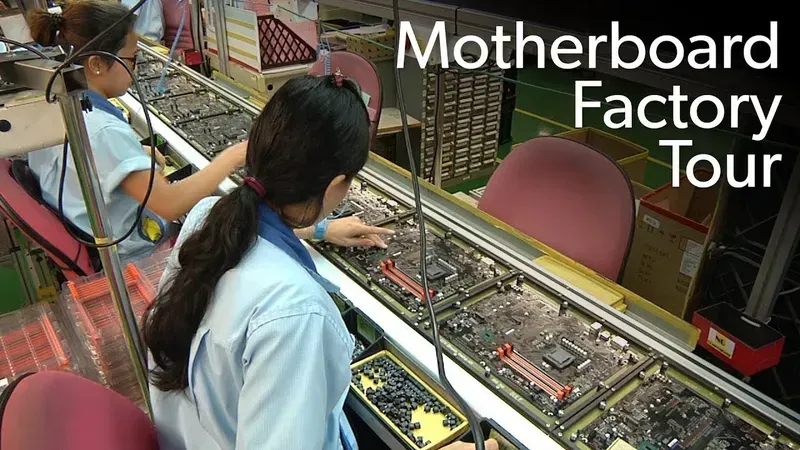
The performance and reliability of a social companion robot motherboard are directly dependent on the precision and quality of its manufacturing and assembly. Zero One Solution Limited employs state-of-the-art processes and adheres to stringent industry standards to ensure every PCB meets the demanding requirements of advanced robotics, from initial design realization to final product integration.
Automated SMT Line Precision Our surface-mount technology (SMT) lines are fully automated, leveraging high-speed pick-and-place machines with vision systems for accurate component placement down to 01005 package sizes. This automation minimizes human error, increases throughput, and ensures consistent quality for complex, high-density board designs critical for compact social robot applications.
Advanced Soldering Techniques We utilize advanced soldering techniques, including reflow soldering with precise temperature profiles and selective wave soldering for mixed-technology boards. This ensures optimal solder joint integrity, crucial for the long-term reliability and signal stability of motherboards operating in dynamic social robot environments.
Strict IPC Standard Adherence All manufacturing and assembly processes strictly conform to IPC (Association Connecting Electronics Industries) standards, particularly IPC-A-610 Class 2 or 3, depending on the client's specific application and reliability requirements. This commitment to IPC standards guarantees high-quality workmanship and adherence to global electronic manufacturing benchmarks.
Comprehensive Material Sourcing and Management Zero One Solution has established a robust global supply chain network, enabling the sourcing of high-quality, authentic components from trusted manufacturers. Our meticulous material management system ensures traceability, prevents counterfeit parts, and optimizes inventory to support rapid production cycles without compromising on component integrity.
Rigorous In-Process Quality Checks Throughout the manufacturing and assembly stages, multiple in-process quality checks are conducted, including Automated Optical Inspection (AOI) for solder joint integrity and component presence, and X-ray inspection for Ball Grid Array (BGA) and other hidden solder joints. These checks identify and rectify potential issues early, preventing costly rework and ensuring higher yields.
Ensuring Reliability and Longevity: Testing and Quality Control
For social companion robot motherboards, ensuring reliability and longevity is paramount, as these devices often operate continuously and directly interact with users. Zero One Solution Limited employs a multi-faceted approach to testing and quality control, transcending mere functional checks to guarantee robust performance and extended operational life, thereby minimizing field failures and maximizing user satisfaction. This rigorous methodology is critical for the demanding applications of social robotics, where dependability is not just a feature, but a fundamental requirement for trust and effective interaction.
How does Zero One Solution ensure the long-term reliability of social robot motherboards? Zero One Solution employs a comprehensive suite of tests including environmental stress screening (ESS), accelerated life testing (ALT), and highly accelerated stress screen (HASS) to simulate real-world operational conditions over extended periods. This includes thermal cycling, humidity exposure, vibration testing, and electromagnetic compatibility (EMC) assessments to identify potential failure points before deployment, ensuring robust performance throughout the product's lifecycle. Our focus extends beyond initial functionality to sustained operational integrity under varied conditions, crucial for social companion robots.
These stringent testing and quality control protocols are integral to Zero One Solution's commitment to delivering superior social companion robot motherboard solutions. By anticipating and mitigating potential issues through advanced validation techniques, we empower our clients to deploy highly reliable and long-lasting robotic products that foster trust and deliver consistent performance in the rapidly evolving social robotics market. Our dedication to quality not only enhances product longevity but also protects brand reputation and reduces total cost of ownership for our partners.
Case Studies: Successful Social Robot Motherboard Implementations
Social Robot Case Study
Zero One Solution Limited has been at the forefront of providing bespoke motherboard solutions that power the most innovative social companion robots today. Our deep engineering expertise ensures that each custom PCB solution precisely meets the demanding performance, integration, and reliability requirements of these complex systems. The following case studies illustrate how our specialized motherboards have facilitated breakthrough advancements in social robotics, enabling developers to bring their visionary products to market efficiently and effectively.
Robot Type
Key Motherboard Features
Impact & Outcome
Elderly Care Assistant Robot
Integrated AI processing units for natural language processing and facial recognition, low-power ARM architecture, extensive sensor array connectivity (temperature, pressure, optical).
Enabled real-time emotional detection and responsive interaction, significantly improving user engagement and support. Reduced power consumption extended operational battery life by 30% for continuous companionship.
Educational Tutoring Robot
High-speed data bus for real-time interactive learning modules, robust Wi-Fi/Bluetooth connectivity for cloud integration and updates, dedicated audio/video processing co-processors.
Facilitated seamless multimedia content delivery and interactive dialogues, leading to a 25% improvement in student comprehension and retention. The stable connectivity ensured uninterrupted learning sessions.
Hospitality & Service Robot
Compact form factor for aesthetic integration, modular expansion ports for customizable peripheral attachments (e.g., payment terminals, display screens), robust power management for continuous operation.
Allowed for flexible deployment in diverse environments with minimal footprint. Enhanced operational efficiency by 20% through reliable performance and easy integration of new features, improving guest experiences.
The Future of Social Robot Motherboards: Trends and Innovations
The trajectory of social companion robot motherboards is defined by an relentless pursuit of enhanced intelligence, autonomy, and human-robot interaction. Future advancements will center on integrating more powerful AI processing at the edge, optimizing energy efficiency for prolonged operation, and ensuring robust connectivity for seamless interaction within complex environments. These innovations are critical for driving the next generation of companion robots, making them more empathetic, adaptable, and indispensable in our daily lives.
How will AI integration evolve in future social robot motherboards? Future social robot motherboards will feature highly specialized AI accelerators and neural processing units (NPUs) directly integrated onto the board. This edge AI capability will enable real-time, low-latency processing for complex tasks like natural language understanding, emotional recognition, and adaptive behavior, significantly reducing reliance on cloud computing and enhancing responsiveness and privacy for social interactions. The focus will be on energy-efficient AI chipsets that can handle sophisticated deep learning models locally, paving the way for more autonomous and intelligent companion robots.
What advancements in power management can be expected for social robot motherboards? Advancements in power management will focus on ultra-low-power designs, dynamic voltage and frequency scaling (DVFS), and integrated power harvesting solutions. Future motherboards will incorporate advanced power management ICs (PMICs) that precisely control power distribution to individual components, minimizing waste. Furthermore, the exploration of novel battery technologies and potentially even passive energy harvesting methods will extend operational lifespans, making social robots more practical for continuous companionship without frequent recharging.
How will connectivity options improve in future social robot motherboards? Future social robot motherboards will boast enhanced multi-protocol wireless connectivity, including 5G/6G for ultra-reliable low-latency communication (URLLC), Wi-Fi 6E/7 for higher bandwidth and less interference, and advanced Bluetooth for robust short-range interactions. Integration of UWB (Ultra-Wideband) for precise indoor localization and secure communication, alongside more resilient mesh networking capabilities, will ensure seamless and secure interactions within diverse environments, from smart homes to public spaces, fostering a more interconnected ecosystem for companion robots.
In conclusion, the motherboard is the nerve center of any social companion robot, demanding a meticulous design and manufacturing process. Zero One Solution Limited's commitment to rapid prototyping, comprehensive PCB solutions, and global supply chain access positions it as a leader in this evolving field. By prioritizing performance, reliability, and customization, Zero One Solution empowers innovators to create social robots that seamlessly integrate into our lives, offering companionship, assistance, and emotional support.
As the demand for social robots continues to grow, Zero One Solution remains dedicated to pushing the boundaries of what's possible. Contact us today to discover how our motherboard solutions can accelerate your robot development and bring your innovative ideas to life. Visit our website or reach out to our team to learn more about our capabilities and how we can partner with you to shape the future of social robotics.