In today's fast-paced world, home cleaning robots have become essential for maintaining cleanliness and convenience. These devices rely on sophisticated Printed Circuit Boards (PCBs) to function effectively. As Zero One Solution Limited, we recognize the critical role of PCB design and manufacturing in the performance and reliability of home cleaning robots. With our rapid prototyping and one-stop services, we empower companies to develop cutting-edge cleaning solutions. Imagine a future where cleaning robots seamlessly navigate your home, thanks to robust and efficient PCB solutions. This article explores the comprehensive PCB solutions we offer for home cleaning robots, highlighting our expertise and commitment to innovation.
At the heart of every sophisticated home cleaning robot lies a meticulously designed Printed Circuit Board (PCB), serving as its central nervous system. This intricate electronic component is the unsung hero, orchestrating the complex interplay of sensors, motors, navigation systems, and power management that enables a cleaning robot to autonomously navigate, clean, and adapt to diverse home environments. Without a robust and precisely engineered PCB, the advanced functionalities we expect from modern robotic vacuum cleaners, mop bots, and window cleaners would be impossible, making the PCB solution a critical differentiator in performance, reliability, and innovation within the rapidly evolving smart home appliance market.
Designing the Printed Circuit Board (PCB) for home cleaning robots demands meticulous attention to several critical factors to ensure optimal performance, efficiency, and longevity. These considerations are fundamental to transforming a robotic concept into a highly functional and reliable product, addressing the unique challenges posed by a dynamic home environment.
| Design Aspect | Description | Impact on Robot Performance |
|---|---|---|
| Size Constraints | Miniaturization is key due to limited internal space within compact robot bodies, requiring high-density interconnect (HDI) designs. | Enables sleek, unobtrusive robot designs and improves maneuverability in tight spaces. Smaller PCBs reduce overall material cost and weight, contributing to energy efficiency and extended battery life, critical for autonomous operation. |
| Design Aspect | Description | Impact on Robot Performance |
|---|---|---|
| Power Management | Efficient power distribution and regulation are crucial for managing battery life and varying power demands of motors and sensors. | Optimized power management extends operational time between charges, ensuring the robot can complete its cleaning cycles. It also prevents overheating and protects sensitive components from power fluctuations, enhancing the robot's reliability and lifespan. |
| Design Aspect | Description | Impact on Robot Performance |
|---|---|---|
| Sensor Integration | Seamless integration of diverse sensors (e.g., LiDAR, ultrasonic, cliff, optical) for navigation, mapping, and obstacle detection. | Accurate sensor data enables precise navigation, effective obstacle avoidance, and comprehensive cleaning coverage. Robust sensor integration ensures the robot can adapt to various floor plans and environmental changes, improving user experience and safety. |
| Design Aspect | Description | Impact on Robot Performance |
|---|---|---|
| Motor Control | Precise control of drive motors, brush motors, and vacuum motors, often requiring high current handling and efficient heat dissipation. | Effective motor control ensures smooth movement, efficient cleaning action, and optimal power consumption for different tasks (e.g., vacuuming, mopping). Proper thermal management prevents motor overheating, contributing to the robot's durability and consistent performance over time. |
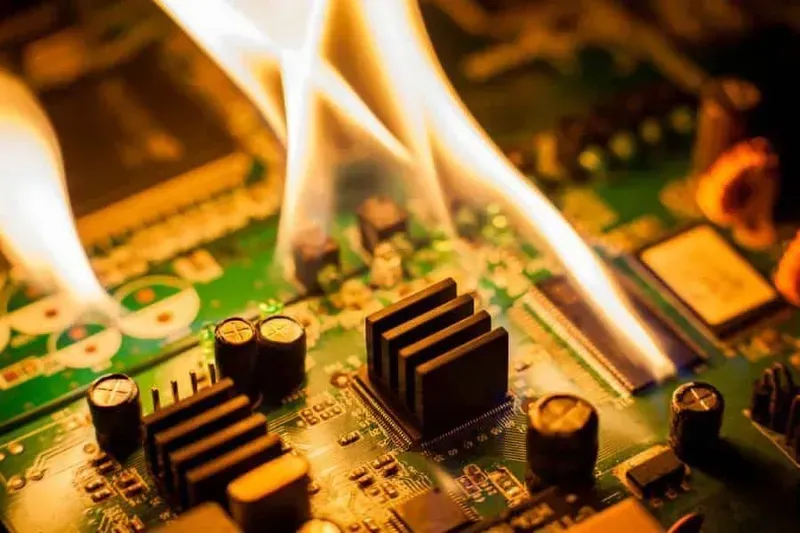
The performance and longevity of a home cleaning robot PCB critically depend on the meticulous selection of materials. Beyond mere conductivity, the chosen substrates and components must withstand the demanding operational environments within a compact chassis, necessitating robust thermal management, inherent flexibility for intricate designs, and formidable resistance to environmental factors such as dust, moisture, and impact. Optimal material choices are paramount to ensuring the robot's sustained functionality and user satisfaction, directly impacting the product's overall reliability and lifespan.
| Material Type | Key Properties | Application in Cleaning Robot PCBs | Advantages | Disadvantages |
|---|---|---|---|---|
| FR-4 (Standard) | High rigidity, good electrical insulation, cost-effective | Main circuit boards, motor control | Widely available, well-understood properties, cost-efficient | Limited thermal performance, brittle |
| High-Tg FR-4 | Higher glass transition temperature | Power management, motor drivers | Improved thermal stability for high-power areas | Slightly higher cost than standard FR-4 |
| Flexible Polyimide | High flexibility, excellent thermal stability, chemical resistance | Sensor arrays, articulated parts, tight spaces | Allows for complex geometries, reduces connectors, space-saving | Higher cost, more complex manufacturing |
| Aluminum Substrate | Excellent thermal conductivity | LED lighting, power modules requiring heat dissipation | Efficient heat dissipation, improved component lifespan | Heavier, limited electrical insulation |
| Ceramic Substrate | High thermal conductivity, excellent insulation, high-frequency performance | High-frequency modules, extreme temperature environments | Superior thermal management, stable at high temperatures | Very brittle, high cost, difficult to process |
At Zero One Solution Limited, we understand that rapid innovation is critical for success in the home cleaning robot market. Our rapid prototyping services are specifically designed to accelerate the product development lifecycle for cleaning robot manufacturers, transforming conceptual designs into tangible, high-performance printed circuit boards (PCBs) with unparalleled speed and precision. We empower engineers to iterate quickly, validate designs efficiently, and bring their next-generation cleaning robots to market ahead of the competition.
Choosing Zero One Solution Limited means partnering with a company that prioritizes speed, quality, and collaboration, ensuring your home cleaning robot PCB solutions are not just innovative, but also production-ready.
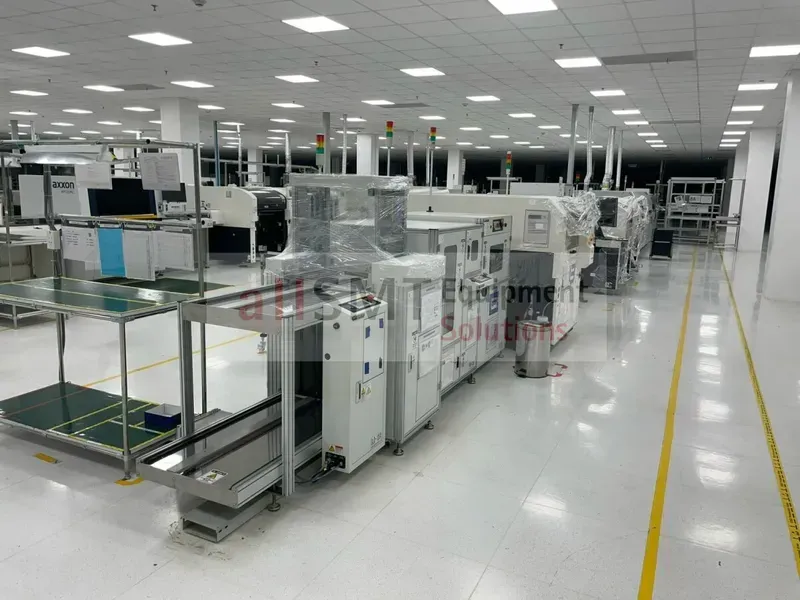
The manufacturing process of Printed Circuit Boards (PCBs) is a sophisticated symphony of precision engineering and advanced technology, crucial for delivering the reliability and performance demanded by home cleaning robots. High-quality PCBs are not merely assembled; they are meticulously crafted using techniques that ensure component integrity, signal fidelity, and long-term durability in dynamic operational environments. Mastering these techniques, such as Surface Mount Technology (SMT), Through-Hole Technology (THT), and Automated Optical Inspection (AOI), is paramount to producing robust and efficient PCB solutions that power the next generation of smart home devices.
| Manufacturing Technique | Description | Advantages for Cleaning Robot PCBs |
|---|---|---|
| Surface Mount Technology (SMT) | Components are mounted directly onto the surface of the PCB. This eliminates the need for drilled holes and allows for denser component placement. | Miniaturization, higher component density, improved performance due to shorter signal paths, and cost-effectiveness for mass production. Ideal for compact robot designs. |
| Through-Hole Technology (THT) | Components have leads that are inserted into drilled holes in the PCB and then soldered to pads on the opposite side. | Provides stronger mechanical bonds, making it suitable for larger, heavier, or heat-generating components like power connectors, motor drivers, and large capacitors, enhancing durability in vibration-prone robots. |
| Automated Optical Inspection (AOI) | A machine-based technique that uses cameras to scan PCB assemblies for catastrophic failures and quality defects, such as missing components, incorrect polarity, and solder joint issues. | Ensures high-quality, defect-free PCBs by identifying subtle flaws missed by human inspection. Critical for the long-term reliability and safety of autonomous cleaning robots. |
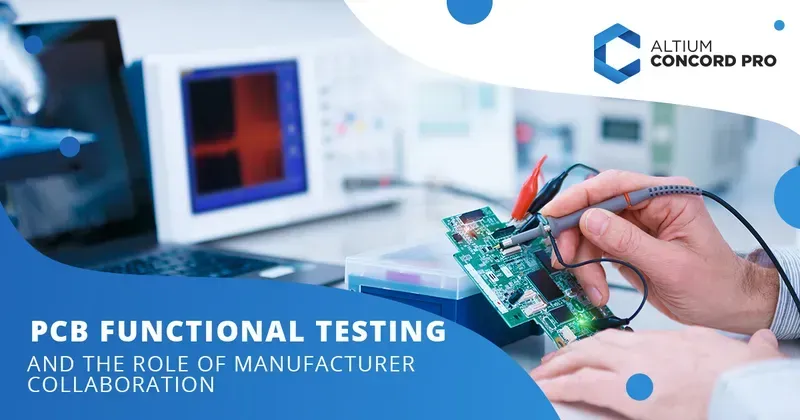
Ensuring the unwavering reliability of Home Cleaning Robot PCB Solutions is paramount, directly influencing a robot's performance, longevity, and user satisfaction. Rigorous testing and comprehensive quality assurance protocols are indispensable at every stage of the manufacturing process, safeguarding against potential failures and guaranteeing the robust operation of these sophisticated devices. This meticulous approach encompasses a range of advanced methodologies, from verifying individual component integrity to simulating real-world operational stresses, ultimately delivering a product that consistently meets the highest standards of quality and dependability.
| Testing Method | Description | Primary Benefit for Home Cleaning Robot PCBs |
|---|---|---|
| In-Circuit Testing (ICT) | Utilizes a bed-of-nails fixture to apply electrical signals to individual components and traces on the PCB, measuring their electrical characteristics against predefined tolerances. | Detects manufacturing defects like short circuits, open circuits, incorrect component placement, and wrong component values, ensuring foundational electrical integrity. |
| Testing Method | Description | Primary Benefit for Home Cleaning Robot PCBs |
|---|---|---|
| Functional Testing (FCT) | Tests the PCB's actual operation by simulating inputs and verifying outputs, often involving custom test fixtures and software to mimic the robot's operational environment. | Confirms that the PCB operates as designed under simulated conditions, validating the entire system's functionality and interaction between components. |
| Testing Method | Description | Primary Benefit for Home Cleaning Robot PCBs |
|---|---|---|
| Environmental Stress Screening (ESS) | Exposes PCBs to extreme temperatures (hot/cold cycling), humidity, and vibration to accelerate potential failure mechanisms and precipitate latent defects. | Uncovers hidden defects that could lead to premature failure in the field, significantly improving the long-term reliability and robustness of the PCB under harsh operating conditions. |
In the rapidly evolving home cleaning robot market, differentiation is key, and customized PCB solutions are critical for achieving unique functionalities and performance benchmarks. Zero One Solution Limited excels in providing bespoke PCB solutions that are not only precisely tailored to specific design requirements but also inherently scalable to accommodate fluctuating production volumes, from rapid prototyping to mass manufacturing. This adaptability ensures that our clients can innovate without being constrained by rigid hardware limitations, allowing for quicker market entry and sustained competitive advantage.
| Aspect | Description | Zero One Solution Limited's Approach |
|---|---|---|
| Design Flexibility | Accommodating unique robot functionalities, sensor arrays, and motor control algorithms. | Collaborative design-for-manufacturability (DFM) reviews; iterative prototyping; support for diverse component integration. |
| Component Sourcing | Ensuring availability of specific, high-performance, or cost-effective components. | Extensive global supply chain network; strategic partnerships with component manufacturers; component lifecycle management. |
| Volume Scalability | Seamless transition from low-volume prototypes to high-volume production without compromising quality or cost-efficiency. | Optimized production lines; automated manufacturing processes (SMT, AOI); robust quality control protocols for all scales. |
| Cost Optimization | Balancing performance and features with manufacturing cost targets. | Value engineering; material selection advice; process optimization for reduced waste and improved efficiency. |
| Regulatory Compliance | Meeting international and regional electronic product standards (e.g., CE, FCC, RoHS). | Adherence to stringent industry standards; documentation support for certifications; lead-free and environmentally compliant processes. |

The evolution of Home Cleaning Robot PCBs is being driven by continuous innovation, aiming for more compact, efficient, and intelligent devices. As the demand for autonomous household appliances grows, the underlying PCB technology must adapt to integrate advanced functionalities while adhering to stricter size, power, and cost constraints. This forward-looking perspective explores key emerging trends that will shape the next generation of home cleaning robot solutions.
In the rapidly evolving landscape of home cleaning robotics, the printed circuit board (PCB) remains the indispensable core, dictating performance, reliability, and innovation. Zero One Solution Limited stands at the forefront of this evolution, offering comprehensive, high-quality, and scalable PCB solutions that empower manufacturers to bring cutting-edge cleaning robots to market with unparalleled efficiency. Our commitment to rapid prototyping, advanced manufacturing techniques, and rigorous quality assurance ensures that every PCB we deliver is a testament to precision engineering and unwavering reliability.
Our expertise spans the critical aspects of home cleaning robot PCB design, from intricate sensor integration and robust power management to precise motor control. We understand the unique challenges posed by these devices, including demands for miniaturization, environmental resilience, and long-term durability. By leveraging state-of-the-art materials and manufacturing processes like SMT and AOI, we guarantee PCBs that not only meet but exceed industry standards for performance and longevity.
Beyond technical excellence, Zero One Solution Limited prides itself on its client-centric approach. We offer highly customized PCB solutions, meticulously tailored to your specific design requirements and production volumes. Whether you're a startup or an established enterprise, our scalable services adapt to your growth, providing consistent support from initial concept to mass production. Partner with Zero One Solution Limited to unlock the full potential of your home cleaning robot innovations, confident in a solution that powers the future of smart homes.
In conclusion, Zero One Solution Limited provides comprehensive and innovative PCB solutions for home cleaning robots, from initial design to final assembly. Our commitment to rapid prototyping and high-quality manufacturing ensures that our clients can bring advanced and reliable cleaning robots to market quickly. We understand the critical role of PCBs in the performance and functionality of these devices, and we are dedicated to delivering solutions that meet the evolving needs of the industry. Contact Zero One Solution Limited today to discuss your home cleaning robot PCB needs and discover how our expertise can help you achieve your product development goals.

