Sourcing Electronic Parts: A Comprehensive Guide for Engineers and Hobbyists

2025.01.20

From the simplest LED circuit to complex microprocessors, electronic parts are the building blocks of modern technology. Whether you're an engineer designing cutting-edge devices or a hobbyist tinkering on your workbench, finding the right components is crucial. This article provides a comprehensive guide to sourcing electronic parts effectively, ensuring your projects succeed from concept to completion. We will cover where to buy them, how to identify quality and discuss best practices.
Understanding Your Electronic Parts Needs

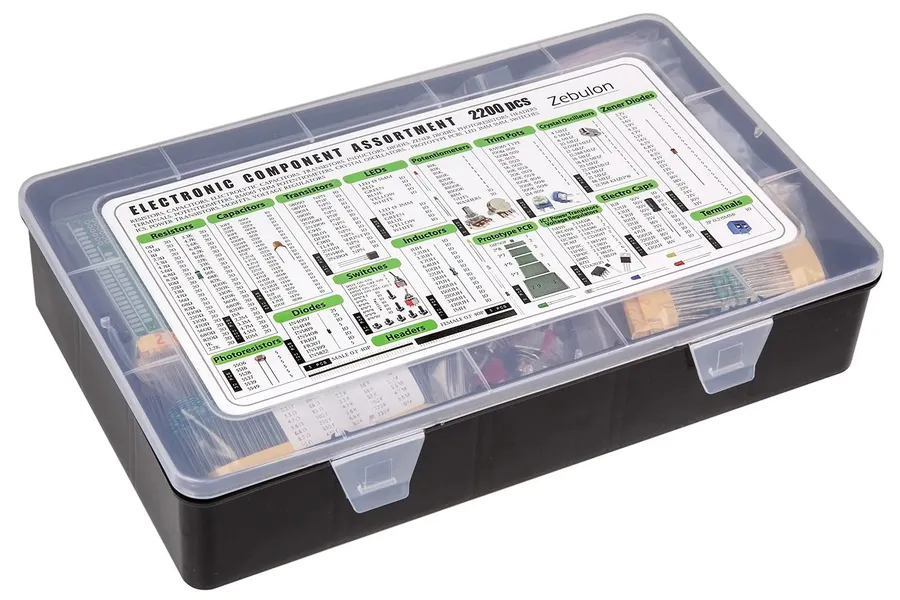
An assortment of various electronic components laid out on a table.
Assortment of Electronic Components

Before initiating the sourcing of electronic components, a rigorous definition of project requirements is paramount. This involves specifying the exact types of components needed, their required quantities, and precise technical specifications such as voltage, current, tolerance, and operating temperature ranges. A well-defined scope at this stage mitigates risks of acquiring incompatible or inappropriate components, saving both time and resources.
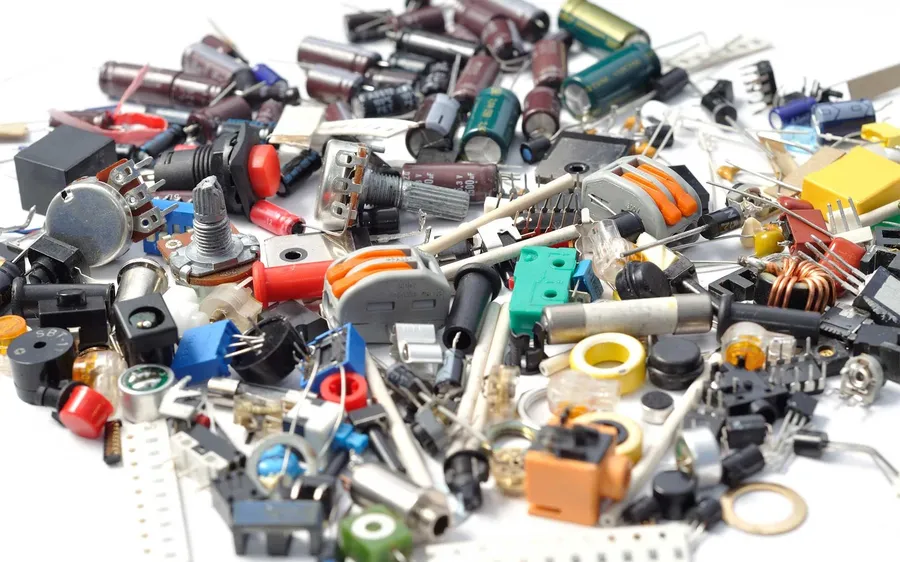
  • Component Types
    Categorize components based on function (e.g., resistors, capacitors, integrated circuits, transistors, sensors, connectors) and characteristics (e.g., through-hole vs. surface mount).
  • Quantity Requirements
    Determine the exact number of each component needed for the current project and consider potential future needs for maintenance, prototyping or scaled production.
  • Technical Specifications
    Specify critical parameters: voltage and current ratings, resistance values, capacitance values, tolerance levels, power dissipation, operating frequency, package type, and material composition. Also consider environmental requirements such as temperature range, humidity, and vibration resistance.
  • Project Application
    Consider the overall design and operating environment. For example, components in high-reliability applications might necessitate higher-grade or more robust components. For low-power applications, components with minimized current leakage might be needed.
  • Project Documentation
    Record all component decisions, including part numbers, specifications, and supplier information. This will make future orders easier and provide traceability for troubleshooting or replacements.

Top Online Electronic Parts Distributors

A screenshot of an online store selling electronic parts.
Online Electronics Store

Navigating the world of electronic components requires access to reliable distributors. Online platforms have become indispensable for engineers and hobbyists alike, offering a wide array of parts, detailed specifications, and efficient delivery systems. This section highlights some of the top online electronic parts distributors, focusing on their key features and offerings.

DistributorKey FeaturesStrengthsConsiderations
Mouser ElectronicsExtensive product range, new product introductions, global reachVast selection, strong in new componentsCan be slightly pricier, may have minimum order quantities for some components
DigiKeyLarge inventory, parametric search, strong customer supportComprehensive inventory, strong technical resourcesWebsite navigation can be complex for new users
Jameco ElectronicsGood selection of common components, educational resources, affordable optionsUser-friendly interface, cost-effective for basic componentsMay have limited selection in specialized areas
Arrow ElectronicsGlobal presence, comprehensive product line, focus on business solutionsSuitable for bulk orders and enterprise solutionsPrimary focus on business to business clients

These distributors not only offer a vast selection of electronic parts, but also provide valuable resources such as datasheets, application notes, and technical support, which are crucial for engineers when selecting and implementing components. When choosing a distributor, consider factors like product range, availability, pricing, shipping options, and return policies to find the best fit for your project needs.
Specialty Retailers for Unique Electronic Parts

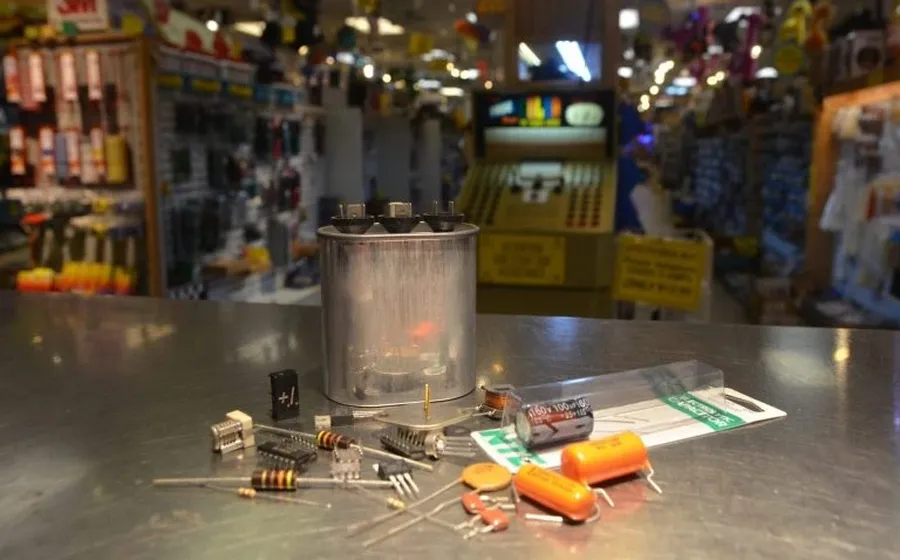
A storefront of a specialty electronics components retailer.
Specialty Retailer Storefront

For electronic projects requiring specialized components or catering to niche interests, specialty retailers offer distinct advantages over general distributors. These retailers often focus on specific areas like audio, DIY electronics, or vintage components, providing in-depth knowledge and a curated selection that can be invaluable for hobbyists and engineers alike.

Specialized retailers, unlike broad distributors, often provide curated selections, focusing on specific niches such as audio components, vintage electronics, or prototyping supplies. This allows them to develop expertise and offer unique products, along with often superior customer service and technical support within their focus area.

  • 'You-Do-It' Electronics Center
    This retailer is known for its focus on DIY projects and hard-to-find components, offering a range of parts, tools, and educational materials that cater to the needs of hobbyists and makers.
  • Parts Express
    Primarily focused on audio and video components, Parts Express is a go-to resource for those working on speaker building, home theater projects, and other audio-related endeavors. They carry a wide range of drivers, amplifiers, and connectors.
  • Antique Electronic Supply
    This retailer specializes in vintage and hard-to-find components for older electronic equipment. It serves those restoring vintage radios, amplifiers, and other legacy devices, providing a vital resource for specialized parts that are not available through mainstream distributors.
FeatureSpecialty RetailersGeneral Distributors
Product FocusNiche specific (e.g., audio, vintage)Broad range of components
Component VarietyCurated selection within nicheVast but less curated
Technical SupportOften deep expertise within their nicheGeneral support
Customer BasePrimarily hobbyists and enthusiasts within the nicheWide range of customers

Using Aggregators to Find Obscure or Hard-to-Find Electronic Parts

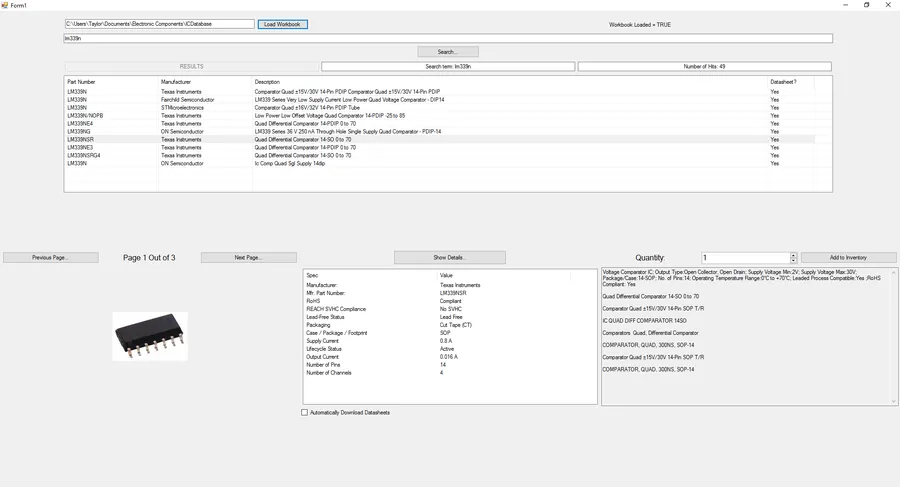
A screenshot of an electronic parts aggregator website.
Electronic Parts Aggregator

Electronic component aggregators are indispensable tools for sourcing parts that are not readily available through standard distributors. These platforms consolidate data from numerous suppliers, offering a streamlined approach to locate and compare components that might otherwise require extensive manual searching. Platforms like Octopart are designed to simplify this process, allowing engineers and hobbyists to efficiently find obscure or hard-to-find electronic parts while also providing cost and availability comparisons.

  • Comprehensive Search Capabilities
    Aggregators index data from a wide range of distributors and manufacturers, enabling users to search across numerous sources simultaneously. This is particularly useful for locating niche components that may not be stocked by major distributors.
  • Real-time Pricing and Availability
    Aggregators provide up-to-date information on pricing, stock levels, and lead times from different suppliers, facilitating informed purchasing decisions and efficient supply chain management.
  • Advanced Filtering Options
    Users can filter search results by parameters such as manufacturer, part number, price range, and packaging type, which allows for precise targeting and easier component selection.
  • Cross-Referencing and Equivalency Finding
    These platforms often allow you to search for equivalent parts if your original component is unavailable, helping to keep projects moving.
  • Bill of Materials (BOM) Management
    Many aggregators allow you to upload or create a bill of materials, streamlining the process of finding and comparing all the parts you need for a specific project.
FeatureBenefit
Centralized SearchAccess to a multitude of suppliers through a single interface, saving time and effort.
Price ComparisonEnables informed purchasing decisions by showing price variations across multiple vendors, ensuring best value.
Availability TrackingReal-time updates on stock levels, helping to avoid procurement delays.
Component Data SheetsEasy access to technical specifications and documentation, assisting in accurate part selection.

Amazon and other General Marketplaces for Electronic Parts

A screenshot of Amazon showing electronic components for sale.
Amazon Marketplace for Components

General marketplaces like Amazon offer a vast array of electronic parts, providing a convenient option for sourcing components. However, this convenience comes with trade-offs in terms of quality control, pricing consistency, and authenticity that must be carefully considered.

These platforms aggregate products from numerous sellers, leading to a highly variable landscape. While this can lead to competitive pricing, it also creates a risk of encountering counterfeit or substandard components, as not all sellers maintain the same quality standards.

FactorProsCons
SelectionWide variety of components, including common and some niche parts.May lack highly specialized or industrial-grade components.
PriceCompetitive pricing due to numerous sellers; potential for lower prices.Prices can fluctuate significantly, and there's less pricing consistency compared to authorized distributors.
QualitySome reputable sellers offer genuine parts.Risk of encountering counterfeit, refurbished, or substandard parts; inconsistent quality control.
AuthenticityPotential to find genuine products when dealing with authorized sellers.High risk of counterfeit components, requiring careful verification.
ShippingOften fast shipping options, including Prime benefits.Shipping costs and delivery times can vary widely among different sellers.
ReturnsGenerally have a return policy, adding a layer of protection.Return policies can differ and are not always straightforward to process.
SupportBasic customer support is generally available through the marketplace.Limited or no technical support for specific components.

Evaluating Electronic Parts Quality and Authenticity

A close-up view of someone inspecting an electronic component with a magnifying glass.
Quality Inspection of Components

Ensuring the quality and authenticity of electronic parts is paramount to the success and reliability of any electronic project. Substandard or counterfeit components can lead to performance issues, premature failure, or even safety hazards. Therefore, a rigorous evaluation process is crucial.

This section details key strategies for assessing electronic part quality, including visual inspection techniques, certification verification, and assessing supplier reputation.

Evaluation MethodDescriptionKey Checkpoints
Visual InspectionPhysical examination of the component for irregularities.Surface condition, markings, lead condition, packaging integrity.
Certification VerificationConfirming adherence to industry standards and regulations.UL, CE, RoHS, specific manufacturer certifications (e.g. AEC-Q100).
Supplier ReputationAssessing the supplier's track record for quality and reliability.Customer reviews, return policies, warranty options.
Electrical TestingTesting components with multimeter, oscilloscope or more complex testerConfirming the electrical performance against the datasheet specification.
  • Visual Checks
    Examine the component for any inconsistencies in markings, finish, or packaging. Compare markings with official datasheets where available. Be wary of inconsistent fonts, faded prints, or misaligned logos. Ensure that the leads are uniformly shaped and free from corrosion.
  • Certificate Verification
    Check that the part or supplier has the necessary certifications for your application. For instance, for automotive components, make sure they comply with AEC-Q100 standards. Check for CE or UL markings, where applicable, and verify RoHS compliance, which ensures that components are environmentally safe by limiting hazardous substance use.
  • Supplier Verification
    Research the supplier's reputation before making a purchase. Look for reviews or comments from other customers regarding product quality. Be cautious of suppliers who do not provide clear contact information or do not have established return policies.
  • Test a Sample First
    When purchasing components from unfamiliar suppliers, consider ordering a small sample and thoroughly test it to ensure it meets the necessary requirements before committing to a large order.

Cost Considerations and Budgeting for Electronic Parts

Effective cost management for electronic parts is crucial for both project viability and profitability. This section details the various factors influencing the pricing of electronic components and offers guidance on budgeting, ensuring you secure parts within your financial constraints without compromising quality.

Cost FactorDescriptionImpact on Budget
Volume DiscountsPrice reductions offered for purchasing larger quantities of components.Significant savings possible for bulk purchases; plan needs accordingly.
Shipping CostsExpenses associated with transporting parts from the supplier to your location.Can significantly increase the total cost, especially for small orders or international shipping; factor into order decisions.
Sales TaxesState or local taxes applied to purchases.Directly increases the cost; research applicable tax rates beforehand.
Component AvailabilityParts that are hard to find or obsolete can command higher prices due to scarcity.May require sourcing from less conventional (and potentially more costly) channels.
Currency Exchange RatesFluctuations in currency values affect the cost of internationally sourced parts.Can increase or decrease the cost; monitor rates when dealing with international suppliers.
Lead TimesLonger lead times from manufacturers can sometimes drive up prices due to demand.May require expedited shipping options at added cost or require higher budget.

Tips for Efficient Ordering and Inventory Management of Electronic Parts

Shelves with organized bins of electronic components in a warehouse.
Inventory Management

Efficient ordering and inventory management of electronic parts are crucial for project success, cost control, and preventing delays. By strategically timing orders, implementing effective inventory practices, and planning for future needs, engineers and hobbyists can streamline their workflows and minimize risks of component shortages.

  • Strategic Order Timing
    Consider lead times from suppliers and align your ordering with project schedules. Ordering in advance reduces the risk of project delays caused by component shortages. Where possible, try to consolidate orders to reduce shipping costs and potential delays related to multiple smaller orders.
  • Implement Inventory Tracking
    Use a spreadsheet or inventory management software to track your current stock, including quantities, part numbers, and locations. Categorize electronic parts based on usage frequency, lead times, and criticality. Use a system like ABC analysis (grouping parts by value) to prioritize your inventory efforts, focusing on high-value or critical components. Regularly audit your inventory, whether through cycle counts or physical stocktaking, to ensure your records match the actual stock.
  • Planning for Future Needs
    Maintain a detailed bill of materials (BOM) that includes all necessary electronic parts and their specifications for your current and planned projects. Anticipate future needs by keeping track of project timelines and forecasting expected demand for each component type. Consider the shelf life of components, and rotate inventory using a FIFO (First-In, First-Out) method.
  • Utilize Vendor Managed Inventory Programs
    If applicable, explore vendor-managed inventory (VMI) programs with your suppliers. This approach allows vendors to manage your inventory levels, often resulting in reduced holding costs and more reliable part availability.
  • Establish minimum and maximum Stock levels
    Set minimum stock levels (reorder points) to trigger automatic reordering for critical components, and define maximum stock levels to avoid overstocking. This will reduce costs for long term storage.

Frequently Asked Questions about Electronic Parts Sourcing

Navigating the landscape of electronic parts sourcing can be complex. This section addresses frequently asked questions, offering concise and authoritative answers to common concerns regarding component selection, delivery, and returns.

  • How do I select the right electronic components for my project?
    Begin by precisely defining your project's technical requirements. This includes voltage and current ratings, tolerances, package sizes, and any specific functionality needed. Consult datasheets and application notes to ensure components meet those requirements. If you're unsure, start with standard components that are well-documented and commonly used.
  • What are the typical delivery times for electronic parts from online distributors?
    Delivery times vary based on the distributor, the supplier's location, and the shipping method chosen. Generally, expect delivery times ranging from a few days to a couple of weeks. Consider checking the distributor's website for estimated shipping times, and factoring in time for any potential delays due to customs or other logistical factors.
  • What should I do if I receive a defective or incorrect electronic part?
    If you receive a defective or incorrect part, immediately contact the distributor or seller's customer support. Document the issue with photos or videos and provide clear details about the defect or discrepancy. Reputable distributors typically offer a return or replacement policy. Ensure you adhere to their terms and conditions for a swift resolution.
  • Can I return electronic parts if I ordered the wrong ones?
    Return policies for electronic parts vary widely depending on the supplier. Generally, distributors that cater to businesses are more likely to accept returns for unused and undamaged components. Ensure to understand the policy before ordering, as some suppliers may not accept returns for incorrectly ordered parts, and others may charge restocking fees. Always verify the product part numbers against your design requirements prior to ordering.
  • What is the best way to verify the authenticity of electronic parts?
    Authenticating electronic components involves several critical steps. Start by purchasing from trusted and reputable distributors. Check for manufacturer markings, date codes, and batch numbers against supplier data. If possible, request certificates of conformity or origin. Visual inspection can often reveal inconsistencies, but rigorous testing is sometimes necessary to verify authenticity. Be wary of unusually low prices, as this can be an indicator of counterfeit parts.
  • Are there any certifications that indicate the quality of electronic parts?
    Yes, certain certifications can be indicators of component quality. Key certifications include UL (Underwriters Laboratories) for safety, RoHS (Restriction of Hazardous Substances) for environmental compliance, and ISO (International Organization for Standardization) certifications for manufacturing quality. Look for these marks on datasheets or component packaging. It is important to note that these certifications guarantee that standards are met, but are not necessarily a proxy for reliability
  • How do I manage my electronic component inventory efficiently?
    Efficient inventory management begins with good organization. Categorize components by type and value, and use clearly labeled bins or containers for storage. Track quantities on hand using a spreadsheet or dedicated inventory management software. Regular audits are essential to ensure accuracy and identify any parts that are nearing end-of-life or have reached their use-by dates. Consider implementing a system for reordering as inventory levels diminish.

Sourcing electronic parts effectively is a cornerstone of successful electronics projects. By understanding your needs, exploring reputable suppliers, evaluating quality, and managing costs, you can equip yourself for any project. Whether you’re building a simple circuit or a complex system, having the right electronic components at hand, sourced reliably, is essential for achieving your technical objectives and enhancing your skills. This is your key to unlocking innovation and bringing your electronic visions to life, ensuring that every part you use is a step towards success.


Anypcba