In today's interconnected world, electronic components are the bedrock of countless innovations, from the smart devices in our pockets to the complex machinery driving industries. Selecting the right electronic components distributor is crucial for both individual projects and large-scale manufacturing needs. This article will demystify the options available, providing an overview of leading players and critical factors to consider when making your sourcing decisions. By understanding this, you're one step closer to success in the technology ecosystem.
Electronic components distributors are vital intermediaries in the electronics industry, forming a critical bridge between component manufacturers and the diverse array of end-users. Their core function revolves around sourcing a wide variety of electronic parts, managing extensive inventories, and providing essential logistical support to ensure timely delivery to customers. They are also key in providing technical support and customer service.
The supply chain relies heavily on these distributors for efficient sourcing and reliable delivery of crucial components. Distributors enable manufacturers to focus on production rather than distribution, while customers can conveniently obtain the parts they need through a singular source.
Electronic component distributors are not a monolithic entity; they vary significantly in their structure, services, and the products they offer. Understanding these differences is crucial for effective sourcing. We can broadly categorize distributors into authorized distributors, independent distributors, and online marketplaces.
The following table provides a detailed comparison to highlight the key differences between these types of distributors.
| Characteristic | Authorized Distributors | Independent Distributors | Online Marketplaces |
|---|---|---|---|
| Relationship with Manufacturers | Direct contractual relationship; franchised by manufacturers. | No direct relationship; source components from various channels. | Platforms for multiple sellers; varying manufacturer relationships. |
| Component Authenticity | High assurance of genuine components directly from the manufacturer. | Risk of counterfeit components; authenticity verification is critical. | Risk varies widely by seller; authenticity verification is very important. |
| Pricing | Typically standard pricing set by the manufacturer; less flexibility. | More flexible pricing, often based on market conditions and availability. | Wide range of prices based on seller competition; can be highly variable. |
| Lead Times | May have longer lead times due to direct supply chain. | Potentially shorter lead times for in-stock items; subject to availability. | Vary significantly by seller and location, often with short lead times for in-stock items. |
| Product Range | Focus on specific lines authorized by manufacturers; may not have niche parts | Wider product range; can include obsolete or hard-to-find components. | Vast product range from many different sellers, potentially including rare and obsolete parts. |
| Customer Support | Strong support from manufacturer technical teams | Support varies; may be limited or inconsistent | Varies greatly by seller and platform. |
| Traceability | High traceability back to the source manufacturer | Traceability is often difficult to ascertain | Traceability can vary; often limited |
Choosing the right type of distributor depends significantly on your project’s specific needs. If component authenticity and direct manufacturer support are paramount, authorized distributors are the preferred route, despite potentially higher prices and lead times. For projects where cost and availability are key drivers, independent distributors and online marketplaces can be viable alternatives, with careful attention to verifying component quality and supplier credibility.

The global electronic components distribution landscape is dominated by a handful of key players, each with unique strengths and specializations. These top-tier distributors serve as critical intermediaries in the electronics supply chain, offering a vast selection of components from numerous manufacturers and providing crucial services like inventory management, logistics, and technical support.
| Distributor | Strengths | Product Range | Geographical Reach |
|---|---|---|---|
| Mouser Electronics | Extensive catalog of new products, strong online presence, high service level. | Broad, with a focus on new and innovative technologies | Global, with strong presence in North America, Europe, and Asia |
| DigiKey | Large selection of in-stock components, efficient online ordering and fast shipping. | Very broad, catering to various applications | Global, with efficient logistics network |
| Arrow Electronics | Strong focus on design and engineering services, solutions-oriented approach, large product portfolio. | Comprehensive, from components to embedded solutions | Global, with a vast network of branches and support teams |
| Future Electronics | Excellent supply chain and global logistics, strong customer relationships, and a focus on providing end-to-end solutions. | Wide range of components, including specialized products | Global, with a strong presence in the Americas, Europe, and Asia |
These distributors are characterized by their extensive product offerings, sophisticated logistics networks, and global reach, ensuring customers have access to components when and where they need them. They often invest heavily in inventory management systems and e-commerce platforms, providing a seamless experience for customers. Each distributor has its own strengths, making it essential to evaluate their offerings based on the specific needs of a project or application. For instance, Mouser and DigiKey are favored for their extensive online catalogs and rapid shipment, while Arrow and Future may be preferred for customers needing design support and comprehensive supply chain solutions.
While large, global distributors offer broad product ranges, specialized and regional electronic components distributors provide unique advantages by catering to specific industries, technologies, or geographic areas. These distributors often possess deep expertise in niche markets, offering tailored solutions and more personalized support. Understanding the nuances of specialized and regional distributors is crucial for targeted sourcing strategies.
Specialized distributors focus on specific types of electronic components or technologies. For instance, some may concentrate on connectors, while others specialize in power semiconductors. Their technical expertise allows them to provide valuable design support and guidance, often lacking in larger, general-purpose distributors. Regional distributors, on the other hand, understand the unique market conditions, regulations, and customer needs of their specific geographic areas, which can translate to more efficient logistics and faster delivery times for local clients.
Examples of specialized distributors include Newark Electronics (now part of Farnell) and Jameco Electronics, which have particular strengths in specific product lines and offer targeted services. Regional distributors might be smaller companies that focus on a particular state or geographic region, providing nuanced support that is hard to replicate by larger national or global distributors. The advantage of choosing them is that they can often respond quicker and adapt to the local market needs more efficiently, making them a valuable partner in the electronic component supply chain.
| Feature | Specialized Distributors | Regional Distributors |
|---|---|---|
| Focus | Specific component types or technologies | Specific geographic areas |
| Expertise | Deep technical knowledge and design support | Local market knowledge and regulations |
| Logistics | May have specialized handling and storage | Faster delivery within region |
| Support | Solution-oriented support | Personalized customer service |
| Examples | Newark Electronics, Jameco Electronics | Local distributors with strong regional presence |
Selecting the right electronic components distributor is crucial for ensuring the success of any project, whether it's a small hobbyist endeavor or a large-scale industrial application. This decision impacts not only the cost and timeline of your project, but also the quality and reliability of the final product. A comprehensive evaluation based on several key factors is essential to mitigate risks and optimize outcomes.
| Factor | Description | Importance |
|---|---|---|
| Product Availability | The distributor's stock levels and the range of components they offer. | Ensures you can source the necessary components without delays. Look for distributors with real-time inventory systems. |
| Pricing | Competitive pricing and transparency in cost structures. | Affects the overall budget of the project. Compare pricing across distributors, but be wary of prices that seem too good to be true. |
| Shipping Options and Logistics | The speed and cost of shipping, as well as the geographical reach of the distributor's logistics network. | Minimizes project delays. Consider distributors with multiple shipping options, tracking capabilities, and good handling practices to prevent damage during transit. |
| Customer Service | The quality and responsiveness of the distributor's support team. | Provides assistance when needed, resolving issues quickly and efficiently. Reliable customer support is vital. |
| Distributor Reputation | The overall credibility, including customer reviews and industry ratings, along with their authorization status by manufacturers. | Indicates the trustworthiness of the distributor and quality of parts. Prioritize distributors with a good history and proper certifications. |
| Component Authenticity Verification | The distributor's procedures to ensure components are genuine and not counterfeit. Includes component traceability and quality assurance. | Guarantees product reliability and performance. Select distributors that follow industry standards for authentication and traceability, such as AS6081. |
| Lead Times | The time it takes for the distributor to process and ship an order. | Impacts project timeline and planning. Assess the distributor's lead time and reliability. A reliable distributor will provide accurate lead times and stick to them. |
It is vital to prioritize authorized distributors whenever possible, as they source directly from manufacturers. This ensures component authenticity and allows you to leverage manufacturer warranties, ultimately enhancing the reliability of your end product. A balance of price, availability, and reliability is necessary for choosing the right partner.
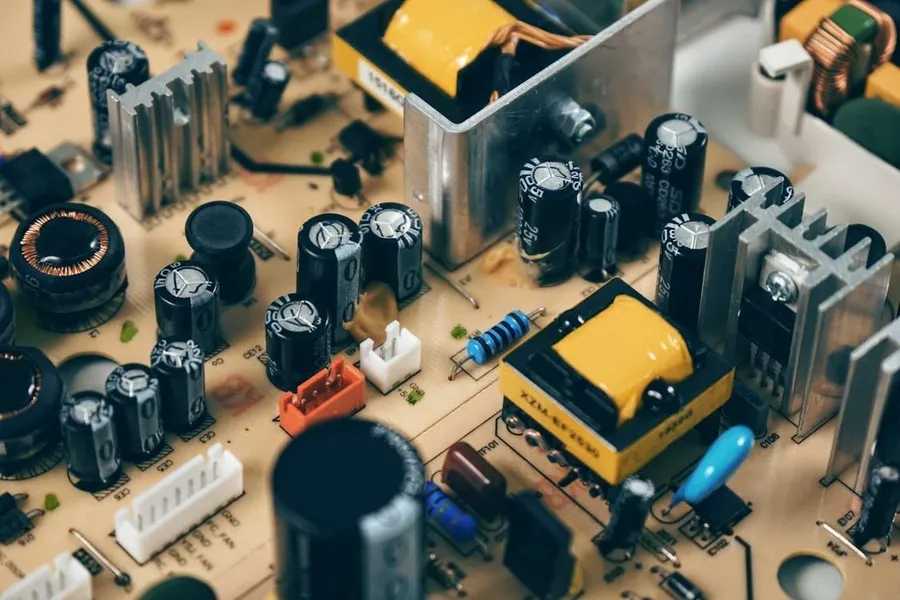
Online platforms and marketplaces have become integral to sourcing electronic components, offering convenience and a wide selection. These digital spaces, exemplified by platforms like OnlineComponents.com and LCSC Electronics, provide a vast inventory accessible at the click of a button. However, it's essential to understand both the advantages and potential risks when using these platforms, to ensure safe and reliable component acquisition.
The convenience of sourcing electronic components online is undeniable, with many platforms offering extensive catalogs and direct shipping. This allows for fast comparisons of price and availability, but due diligence is crucial to avoid counterfeit components or unreliable suppliers. Careful consideration should be given to the platform's reputation, its verification processes for sellers, and whether it offers buyer protection mechanisms.
| Feature | Online Platforms & Marketplaces | Traditional Distributors |
|---|---|---|
| Accessibility | High; 24/7 access, global reach | Lower; typically business hours, may be geographically limited |
| Inventory | Potentially vast but variable, may include less common components and large range of suppliers | Controlled; usually offers a more standardized selection but with strong quality controls |
| Pricing | Competitive due to many suppliers; however, pricing can fluctuate greatly | Generally stable, can be higher but often more predictable |
| Lead Time | Potentially faster for in-stock items, but highly variable on vendor and location | Can be more consistent but potentially longer for specialized components |
| Component Authenticity | Variable, requires due diligence to identify trusted sellers | Typically higher due to direct partnerships with manufacturers |
| Customer Support | Variable; dependent on the platform's vendor, can range from very fast response to non-existent | Usually more reliable and professional support available |
| Risk of Counterfeits | Higher; requires thorough verification of vendor | Lower, but not negligible |
This section addresses common queries regarding electronic component distribution, providing clear and concise answers to assist in navigating this complex market. We aim to equip you with the essential knowledge to make informed decisions when sourcing electronic components.
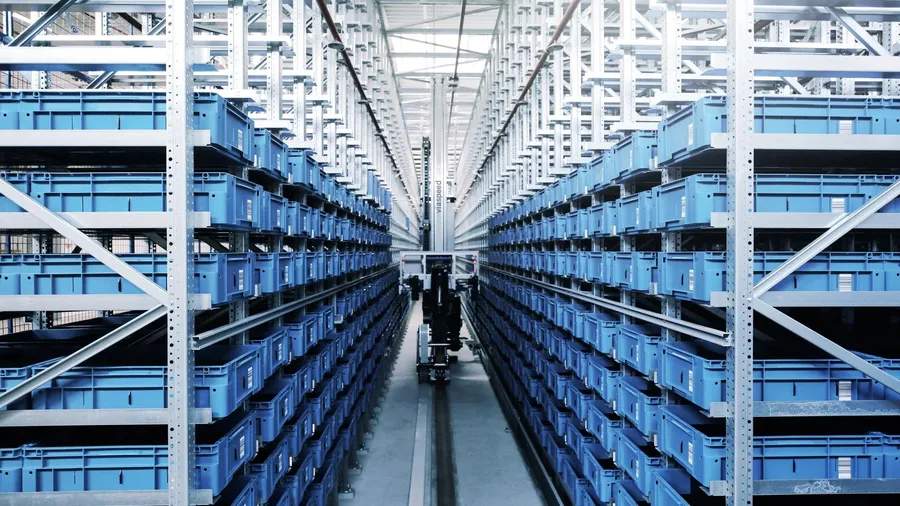
The electronic component distribution industry is undergoing a significant transformation, driven by technological advancements and evolving market dynamics. This section explores the key trends shaping the future of the industry and how these changes will impact both distributors and their customers.
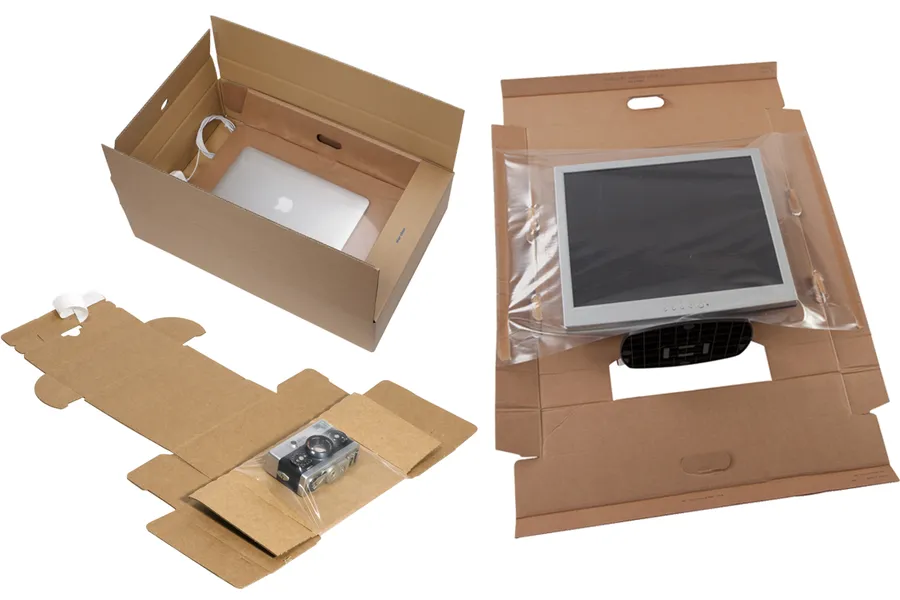
Sourcing electronic components effectively requires a strategic approach that encompasses identifying reliable distributors, negotiating favorable terms, managing lead times, and ensuring component quality. Adopting a structured methodology will minimize risks, reduce costs, and ensure the integrity of the final product.
Choosing the right electronic components distributor is vital for project success and business growth. From well-established global players to niche specialists, the right partner can ensure high-quality components, on-time delivery, and long-term reliability. By understanding the diverse landscape of electronic component distribution and implementing the tips discussed, you can optimize your sourcing strategies and secure a strong foundation for the future of your projects. When in doubt, choosing an authorized electronic components distributor will often give you peace of mind regarding quality.

