In the realm of electronics manufacturing, sourcing reliable components is paramount. JLCPCB, a leading PCB assembly service provider, offers a vast library of components. However, navigating this library effectively, particularly when sourcing 'jlcpcb components' for projects, can seem daunting. This article aims to demystify the process, providing a practical roadmap for selecting and procuring the correct components, ensuring your projects run smoothly. We'll explore the types of components available, how to search efficiently, and how to leverage JLCPCB’s resources to streamline your manufacturing process.
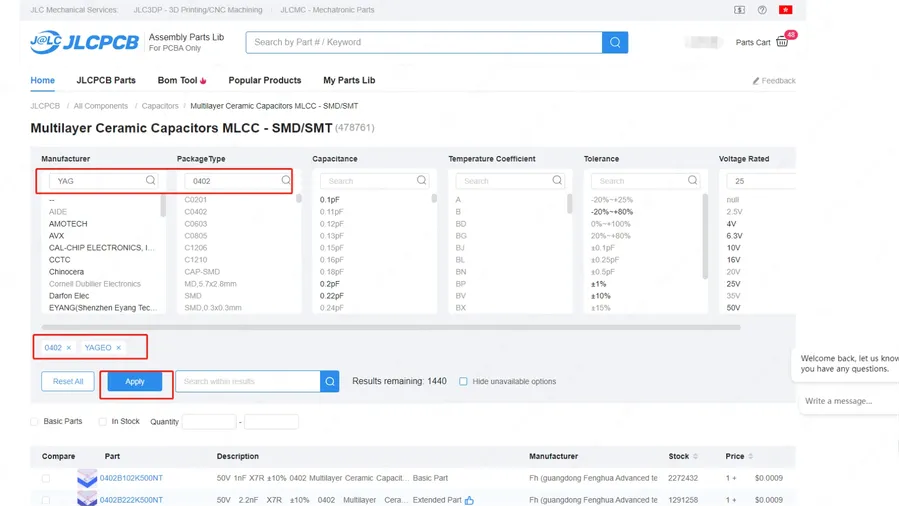
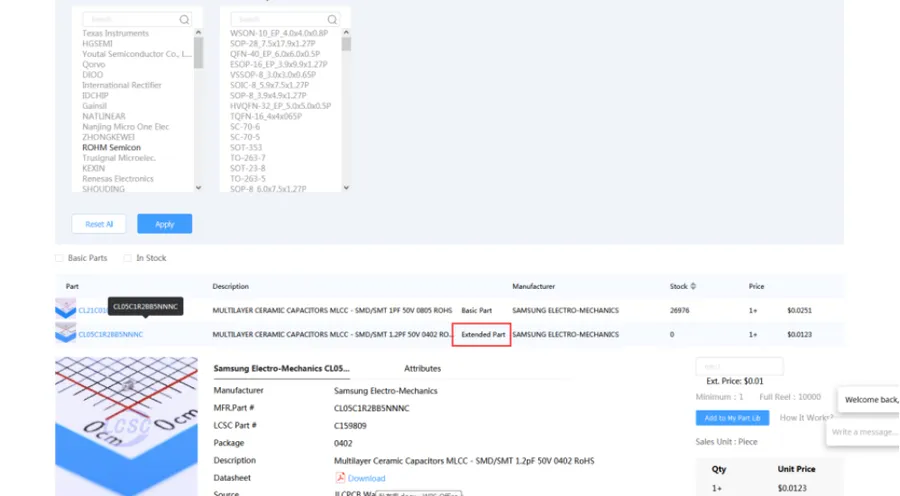
JLCPCB categorizes components into two primary groups: 'Basic' and 'Extended'. This classification is crucial for understanding component availability, assembly costs, and lead times. The distinction between these categories directly impacts the efficiency and overall cost of your PCB assembly project.
| Category | Description | Sourcing | Assembly Process | Lead Time | Cost Impact |
|---|---|---|---|---|---|
| Basic Components | Common, in-stock parts frequently used in PCB assembly. | Generally sourced directly from JLCPCB's inventory. | Automated handling during SMT assembly; minimal human intervention. | Typically shorter lead times. | Lower assembly costs due to streamlined process. |
| Extended Components | Less common or specialized parts; may include specific manufacturer components. | May require additional sourcing from LCSC or other suppliers. | May involve manual intervention during the assembly process. | Potentially longer lead times due to sourcing and handling. | Higher assembly costs due to increased sourcing effort and handling. |
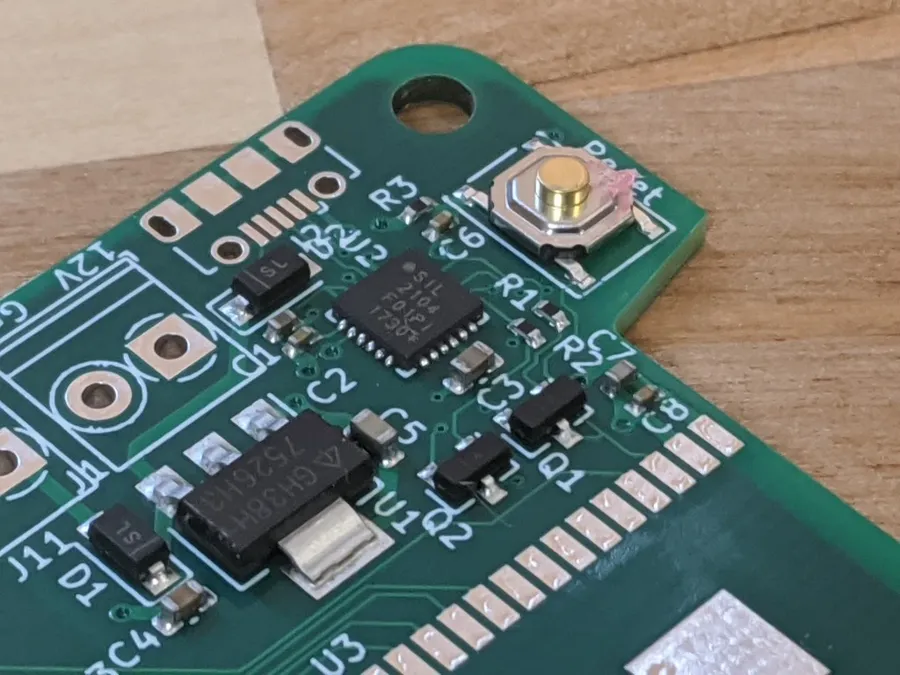
Efficiently navigating the JLCPCB parts library is crucial for optimizing your PCB assembly process. This involves understanding the various search methods, utilizing available filters, and leveraging both the JLCPCB website and third-party tools to ensure you select the most appropriate components for your design. Effective use of the library saves time, reduces errors, and can significantly impact the cost and lead time of your project.
JLCPCB provides several methods to locate components within their extensive parts library:
To effectively use JLCPCB's parts library filters, consider these steps:
Third-party tools like `yaqwsx/jlcparts` can provide a more detailed view of the JLCPCB parts library, and are often faster for searching by JLCPCB part number and offers filtering options not present on the JLCPCB website. These tools often have advanced search capabilities, including the ability to use boolean expressions to filter results, and they may provide extra features such as price comparisons and stock level checking from multiple sources simultaneously. While not officially supported by JLCPCB, they are valuable for experienced users.
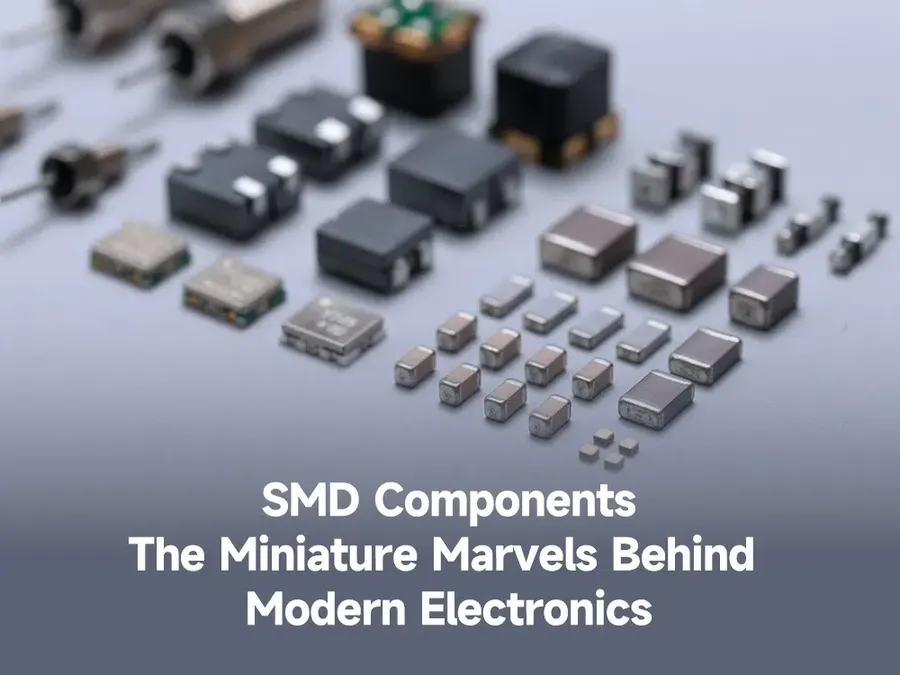
Surface Mount Technology (SMT) assembly relies on a variety of components, and JLCPCB provides access to many common parts crucial for electronics manufacturing. These essential components include passives such as resistors and capacitors, active devices like integrated circuits (ICs), and interconnection components such as connectors.
| Component Type | Description | Typical Applications | Considerations for JLCPCB |
|---|---|---|---|
| Resistors | Passive components that resist the flow of electrical current. | Current limiting, voltage division, pull-up/pull-down configurations. | Available in various sizes and resistance values; check JLCPCB's basic parts list for SMT options to optimize assembly costs. |
| Capacitors | Passive components that store electrical energy in an electric field. | Filtering, decoupling, timing circuits. | Different dielectric types (ceramic, tantalum, electrolytic) available; size and capacitance ratings must match design needs. |
| Integrated Circuits (ICs) | Active components that combine multiple electronic circuits on a single chip. | Logic, processing, amplification, and control functions. | Verify availability in JLCPCB's library, especially for specific IC models. Lead time and costs may vary for extended components. |
| Connectors | Components that provide physical interface for signals, power, or data. | Board-to-board, cable-to-board, power connection. | Ensure correct pin count, pitch, and mounting style. Check if JLCPCB offers the specific connector type required. |
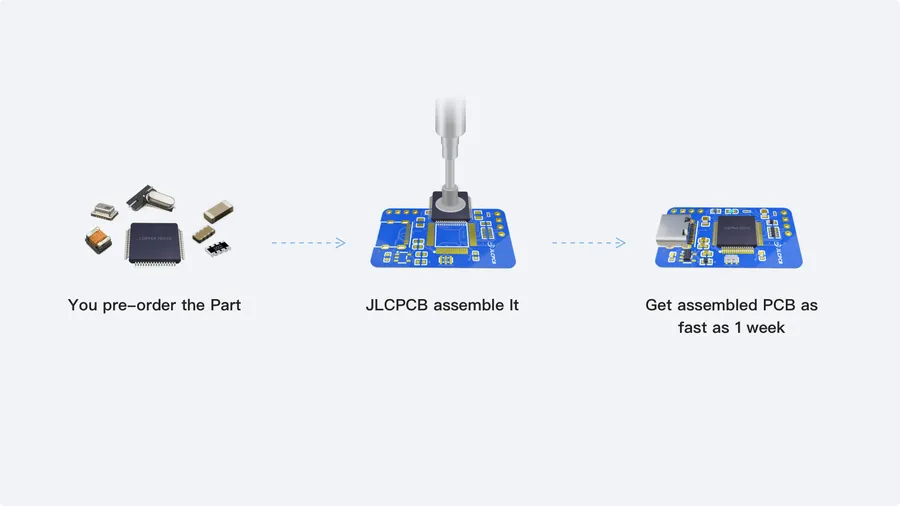
While JLCPCB provides a convenient component sourcing option for PCB assembly, it's crucial to understand its relationship with LCSC, a major electronics component distributor. JLCPCB often relies on LCSC as its primary component source. This section clarifies the nuances between these two platforms, helping you make informed decisions about where to procure your components based on availability, cost, and project requirements.
| Feature | JLCPCB | LCSC |
|---|---|---|
| Primary Function | PCB Assembly and Component Sourcing | Component Distribution |
| Component Sourcing Method | Primarily through integrated assembly service | Direct component purchasing |
| Component Range | Focuses on commonly used SMT parts and those needed for assembly | Extensive range of components, from basic to specialized |
| Stock Levels | Stock levels are dependent on LCSC and availability can fluctuate. | Offers a wide variety of stock levels with real-time updates |
| Pricing | Component costs are integrated into the assembly service, potentially higher than LCSC for some parts | Component costs are typically lower, especially when purchasing in bulk, with no assembly markup |
| Order Process | Components are selected during the PCB assembly order process. | Components are ordered directly from LCSC's website. |
| Shipping | Components are shipped with the assembled PCBs. | Components are shipped directly from LCSC. |
| Use Cases | Ideal when combining PCB manufacturing and assembly from a single vendor. | Ideal for general sourcing, for prototyping, or for purchasing components in bulk for multiple projects. |
Understanding that JLCPCB sources most of its components from LCSC is important. If JLCPCB does not have a part you require, you can try searching on LCSC. If you need a very specific component, or are building prototypes, LCSC is the better option because it provides more control over your selection and has a more comprehensive catalog.
Navigating component shortages is a common challenge in electronics manufacturing. When JLCPCB components are out of stock, a systematic approach to finding alternatives and managing lead times is crucial to maintaining project timelines and budgets. This section outlines effective strategies to mitigate the impact of stockouts.
This section addresses common queries regarding JLCPCB components, providing clear and concise answers to help users understand their options, sourcing, and quality. It consolidates information based on user queries and aims to give definitive answers to key questions.
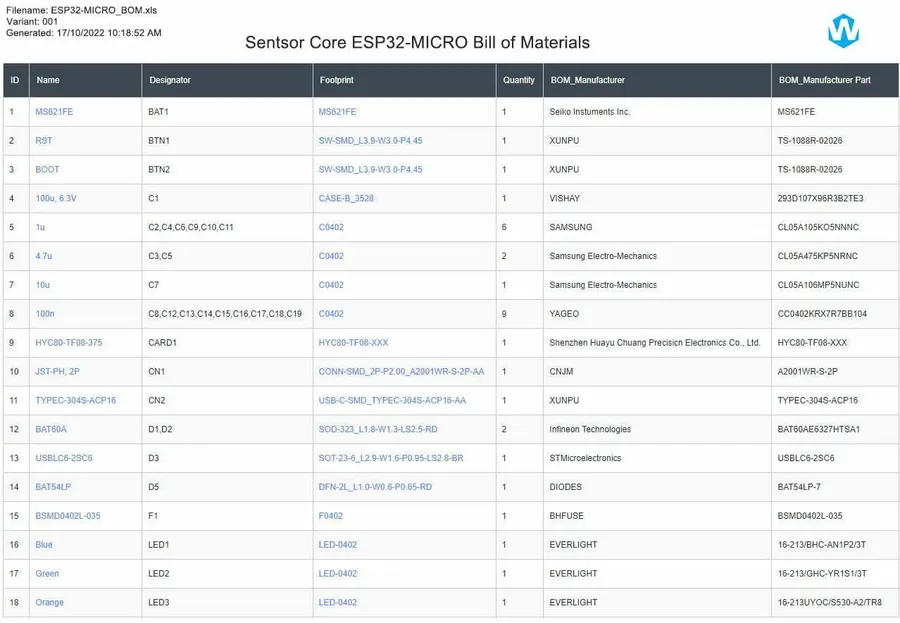
A well-structured Bill of Materials (BOM) is crucial for efficient PCB assembly at JLCPCB, minimizing errors and delays. Optimizing your BOM involves precise component specification, accurate part number usage, and strategic component selection to leverage JLCPCB's capabilities.
Here's how to create a BOM that streamlines the assembly process:
| BOM Field | Description | Example |
|---|---|---|
| JLCPCB Part Number | Unique identifier for the component within JLCPCB's system | C123456 |
| Designator | Reference designator on the PCB layout | R1, C2, U3 |
| Component Value | Electrical value of the component | 10kΩ, 10uF, 3.3V |
| Footprint | Physical package dimensions. | 0603, 0805, SOT-23 |
| Tolerance | The allowed variation in a components value | 1%, 5% |
| Type | Component Type | Basic, Extended |
| Alternate Parts | Alternative components that can be used if the primary part is unavailable | C123457,R789012 |
By using specific JLCPCB part numbers for 'Basic' components and carefully planning for 'Extended' components, you will reduce the risk of errors and delays in the assembly process, leading to lower costs, and faster delivery.
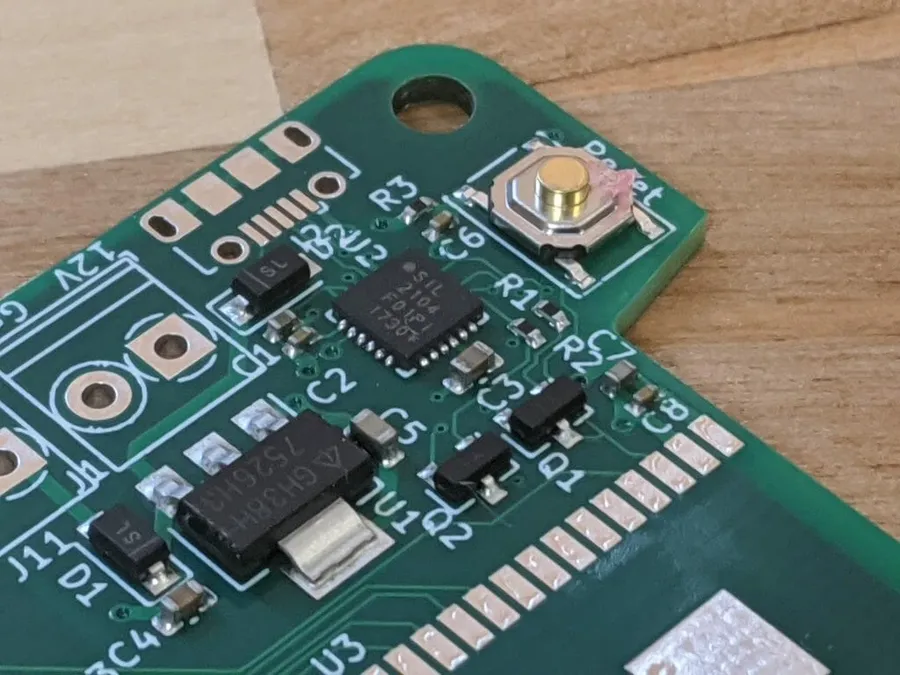
JLCPCB's component pickup system is a crucial aspect of their assembly service, impacting both the cost and turnaround time of your project. This section provides a detailed overview of how JLCPCB manages its component inventory, the associated pricing structure, and the factors that influence these costs.
JLCPCB operates with two primary categories for components: 'Basic' and 'Extended'. Basic components are typically common parts that JLCPCB keeps in stock, streamlining the assembly process. These components are typically automatically handled during assembly. Extended components, on the other hand, might require additional sourcing, potentially increasing lead times and overall costs. The pickup pricing is directly affected by the component category and the number of components required. The system aims to streamline the assembly process by pre-picking and managing components.
| Factor | Impact on Component Pickup Costs |
|---|---|
| Component Category (Basic vs. Extended) | Basic components usually have lower pickup fees due to readily available stock. Extended components may incur higher costs due to sourcing requirements. |
| Component Quantity | Higher quantities may result in a proportional increase in pickup costs, although bulk discounts can sometimes apply for basic components. |
| Component Availability | Out-of-stock components can lead to additional sourcing fees and time delays, often passed on as increased pickup costs. |
| Component Complexity | Some component types, such as unique connectors, may require a higher pick up fee, while standard resistors may have low pick up fees |
When JLCPCB sources components, especially extended parts, they often rely on their sister company, LCSC. This sourcing process can influence both the cost and lead time, particularly if specific parts are not readily available in their primary stock. Be aware that even with basic components, there can still be minor pick-up costs as this is a handling fee for each component. These costs, though often minimal, should be factored into your budget.
To better manage costs, consider the following:
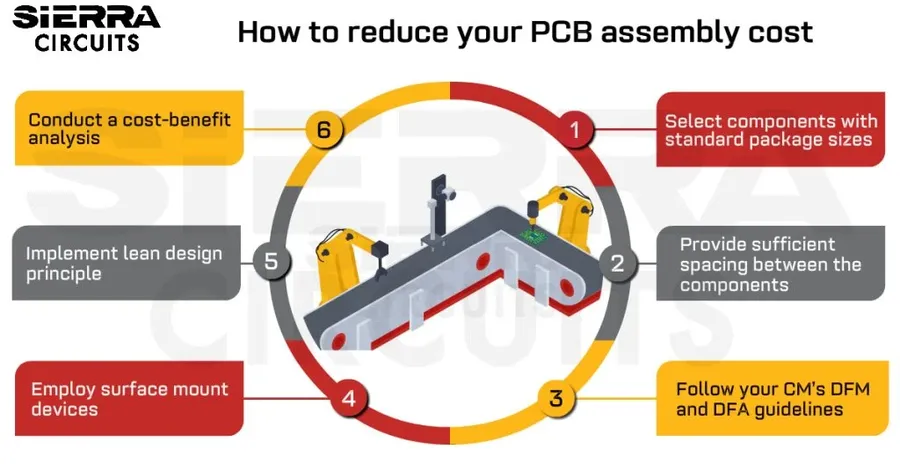
Optimizing for cost-effective SMT assembly at JLCPCB involves strategic component selection and PCB design. By carefully considering design choices and utilizing JLCPCB's component ecosystem, significant cost reductions can be achieved without compromising the quality or performance of your product.
| Cost Optimization Strategy | Description | Impact on Cost |
|---|---|---|
| Basic Components | Using JLCPCB's basic components | Significant cost reduction, quicker lead times |
| Standard Footprints | Using common component footprints | Reduced assembly errors, Lower pick and place time |
| Component Variety | Reducing the number of different components | Simplified assembly, lower handling costs |
| Panelization | Designing PCBs in panels | Reduces number of handling events, cost savings |
| JLCPCB Part Numbers | Using the correct JLCPCB part numbers | Prevents incorrect component selection, avoids delays. |
By utilizing best practices when sourcing and managing your 'jlcpcb components', you can optimize both the cost and timeline of your PCB assembly process. Understanding JLCPCB's system and leveraging their library to choose cost-effective 'jlcpcb components' will greatly improve the success of your projects.

