In the realm of modern power grids, substation automation stands as a cornerstone of efficiency, reliability, and control. As the demand for electricity continues to surge, the intricate dance of managing and distributing power requires sophisticated systems that can respond in real-time. At the heart of these systems lie control boards, the unsung heroes that orchestrate the seamless operation of substations. Zero One Solution Limited recognizes the critical role these boards play and offers comprehensive PCB solutions tailored to meet the unique challenges of substation automation. Join us as we delve into the world of substation automation control board solutions and discover how Zero One Solution Limited empowers innovation in this vital sector.
Substation automation is a critical advancement in modern power grids, transforming traditional substations into intelligent, self-monitoring, and self-healing systems. It integrates advanced digital technologies, communication networks, and intelligent electronic devices (IEDs) to enhance the operational efficiency, reliability, and safety of electrical power distribution. This paradigm shift moves beyond manual operations, enabling real-time data acquisition, remote control, and automated decision-making, which are indispensable for managing the complexities of contemporary energy demands and renewable energy integration.
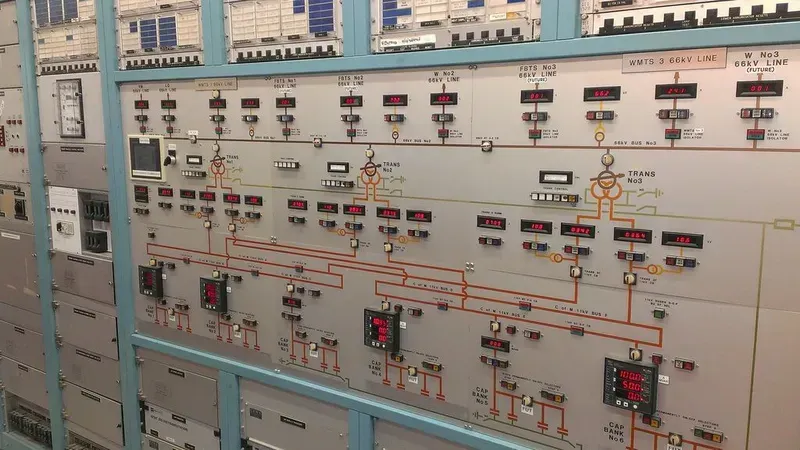
Control boards are the operational heart of any substation automation system, serving as the critical interface between intelligent electronic devices (IEDs) and the centralized control system. These sophisticated printed circuit boards are engineered to execute real-time data acquisition, processing, and command issuance, ensuring the precise and reliable management of vital substation equipment such as circuit breakers, transformers, and switches. Their role extends beyond simple monitoring; they enable proactive grid management, fault isolation, and system optimization, underpinning the stability and efficiency of modern power infrastructure.
| Equipment | Primary Function of Control Board | Key Parameters Monitored/Controlled |
|---|---|---|
| Circuit Breakers | Real-time trip/close operations, fault current detection, reclosing sequences. | Current, Voltage, Status (Open/Closed), Trip Coils, Spring Charge Status |
| Transformers | Voltage regulation, tap changer control, temperature monitoring, fault detection. | Winding Temperature, Oil Temperature, Tap Position, Bushing Current, Gas Detection |
| Switches (Disconnectors) | Open/close status for isolation and network reconfiguration. | Status (Open/Closed), Mechanism Position, Interlock Status |
| Capacitor Banks | Reactive power compensation, voltage support. | Capacitance, Voltage, Current, Switching Status |
| Relay Protection Devices | Receiving trip signals, executing protection schemes, recording events. | Fault Current Magnitude, Direction, Time, Logic Inputs/Outputs |
An effective Substation Automation Control Board is the central nervous system of modern grid infrastructure, demanding a confluence of advanced technical features to ensure unparalleled reliability, efficiency, and safety. Its core functionality hinges on seamless real-time data processing, robust communication protocols for interoperability, and inherent redundancy, all of which are critical for mitigating risks and maintaining continuous operation in dynamic environments.
| Feature Category | Key Feature | Description | Impact on Substation Automation |
|---|---|---|---|
| Performance & Processing | Real-Time Data Acquisition & Processing | Capability to collect, process, and analyze vast amounts of data from IEDs (Intelligent Electronic Devices) in milliseconds. | Enables immediate response to grid events, proactive fault detection, and precise control actions, significantly improving grid stability and preventing blackouts. Average processing latency should be under 5ms for critical operations, as per IEC 61850-9-2LE. |
| Feature Category | Key Feature | Description | Impact on Substation Automation |
|---|---|---|---|
| Connectivity & Communication | Robust Communication Protocols (IEC 61850, DNP3, Modbus) | Support for industry-standard communication protocols ensures seamless interoperability with diverse substation equipment and systems. | Facilitates standardized data exchange, remote monitoring, and control, reducing integration complexities and enhancing system scalability. IEC 61850's object-oriented approach simplifies configuration and maintenance. |
| Feature Category | Key Feature | Description | Impact on Substation Automation |
|---|---|---|---|
| Reliability & Resilience | Redundancy and Fault Tolerance | Incorporation of redundant components (e.g., dual power supplies, redundant communication paths, hot-standby CPUs) and self-healing mechanisms. | Minimizes downtime during hardware failures or communication disruptions, ensuring continuous operation and high system availability, critical for preventing grid instability. MTBF for critical components often exceeds 100,000 hours. |
| Feature Category | Key Feature | Description | Impact on Substation Automation |
|---|---|---|---|
| Security | Cybersecurity Measures (Encryption, Authentication, Intrusion Detection) | Built-in security features to protect against cyber threats, unauthorized access, and data manipulation. | Safeguards critical infrastructure from cyberattacks, maintains data integrity, and ensures system trustworthiness, complying with NERC CIP standards for critical infrastructure protection. |
| Feature Category | Key Feature | Description | Impact on Substation Automation |
|---|---|---|---|
| Physical & Environmental | Industrial-Grade Design & EMC Compatibility | Ruggedized design for harsh substation environments, including extreme temperatures, humidity, and electromagnetic interference. | Ensures long-term operational stability and reliability in demanding conditions, reducing maintenance costs and extending equipment lifespan. Meets IEC 60068 standards for environmental testing. |
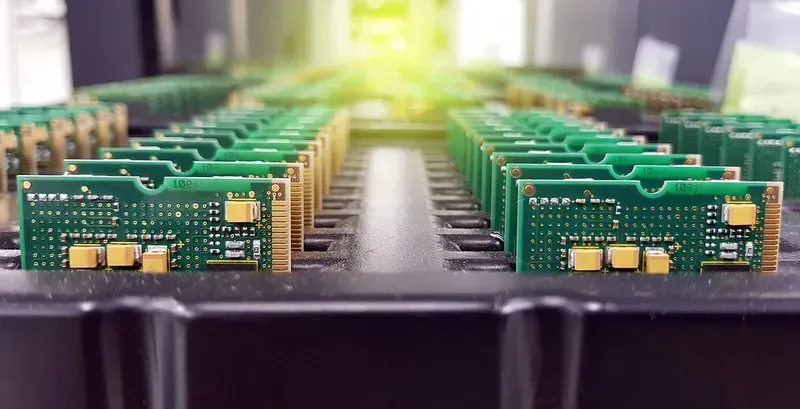
Zero One Solution Limited, with over a decade of pioneering experience since 2011, stands as a premier PCB solution provider, uniquely positioned to elevate substation automation systems through our specialized rapid prototyping and comprehensive one-stop services. Our deep-rooted expertise in PCB design, manufacturing, and assembly directly translates into robust, high-performance control boards that are critical for the intricate demands of modern substations, ensuring reliability, precision, and accelerated development cycles for our clients globally.
| Service Aspect | Zero One Solution Limited's Advantage | Benefit for Substation Automation |
|---|---|---|
| PCB Design Expertise | Specialized in high-density interconnect (HDI) and multi-layer PCBs with optimized signal integrity and power delivery networks for critical control signals. | Ensures reliable operation and data accuracy in complex substation environments, minimizing noise and interference for precise control. |
| Advanced Manufacturing Capabilities | Utilizes state-of-the-art fabrication techniques for precise impedance control, thermal management, and adherence to IPC standards, even for high-power applications. | Guarantees the physical robustness and electrical performance required for long-term reliability and safety in demanding substation conditions. |
| Rapid Prototyping Focus | Dedicated lines and streamlined processes for quick-turnaround prototypes, allowing rapid iteration and validation of design concepts. | Accelerates R&D cycles, enabling faster innovation and adaptation to evolving smart grid technologies and regulatory requirements. |
| Global Supply Chain & Quality Control | Strategic presence in Shenzhen and Dubai, leveraging a robust global supply chain for high-quality components, coupled with stringent quality assurance protocols. | Ensures consistent material availability, cost-effectiveness, and the highest product quality, critical for the uninterrupted operation of substation infrastructure. |
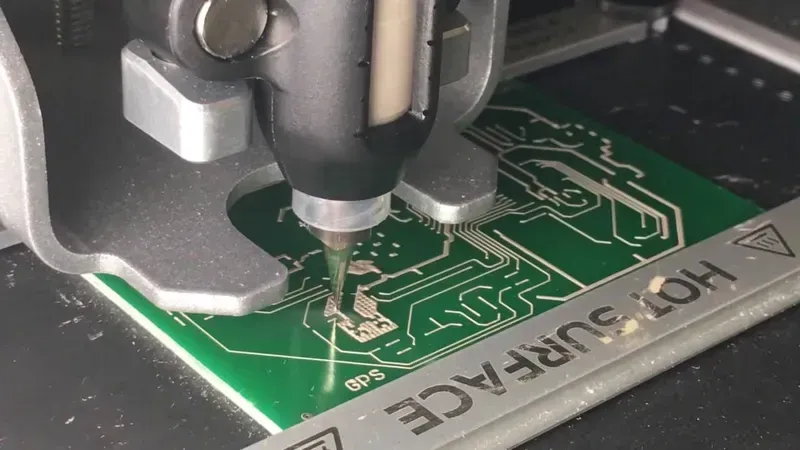
In the fast-evolving landscape of substation automation, speed to market is a critical differentiator. Zero One Solution Limited's rapid prototyping capabilities are specifically engineered to empower our clients to accelerate their development cycles, transforming innovative concepts into tangible, market-ready substation automation solutions with unprecedented efficiency. This agile approach minimizes design iterations, facilitates early performance validation, and ultimately reduces the overall time and cost associated with product development.
Adherence to stringent industry standards and regulations is not merely a compliance check but a fundamental pillar for ensuring the reliability, interoperability, and long-term viability of Substation Automation Control Board Solutions. For critical infrastructure like power grids, where failures can have cascading and severe consequences, designing and manufacturing PCBs that meet or exceed these benchmarks is paramount. Zero One Solution Limited is deeply committed to this principle, integrating a rigorous quality assurance framework throughout our PCB design, manufacturing, and assembly processes to guarantee that our solutions are not only high-performing but also fully compliant with the global standards governing substation automation.
| Standard/Regulation | Description | Relevance to Substation Automation PCBs | Zero One Solution Limited's Commitment | |
|---|---|---|---|---|
| IEC 61850 | International standard for communication networks and systems in substations. | Ensures interoperability and seamless communication between Intelligent Electronic Devices (IEDs) within the substation, crucial for data exchange and control commands on the control board. | Our designs incorporate communication interfaces and protocols compliant with IEC 61850, facilitating robust and standardized data flow for substation automation control boards. We ensure our PCBs support the necessary hardware and software layers for seamless integration into IEC 61850 environments, including GOOSE and Sampled Values implementation where applicable for advanced protection and control functions. Zero One Solution Limited's commitment extends to thorough testing and validation of these communication capabilities, ensuring high-reliability data exchange critical for substation operation. Our engineering teams stay abreast of the latest revisions and extensions of IEC 61850 to offer future-proof solutions. Furthermore, our manufacturing processes are optimized to produce PCBs capable of handling the high-speed and real-time communication demands inherent in IEC 61850 systems, including considerations for signal integrity and electromagnetic compatibility (EMC) to prevent interference that could disrupt critical communications within the substation control system. This comprehensive approach ensures that our Substation Automation Control Board Solutions are not only compliant but also optimized for peak performance within a modern substation communication architecture, providing a reliable backbone for advanced automation functionalities such as wide-area protection, fault location, and self-healing grid capabilities. By prioritizing IEC 61850 compliance, we empower our clients to deploy highly efficient, secure, and future-ready substation automation systems. | This commitment extends to thorough testing and validation of these communication capabilities, ensuring high-reliability data exchange critical for substation operation. Our engineering teams stay abreast of the latest revisions and extensions of IEC 61850 to offer future-proof solutions. Furthermore, our manufacturing processes are optimized to produce PCBs capable of handling the high-speed and real-time communication demands inherent in IEC 61850 systems, including considerations for signal integrity and electromagnetic compatibility (EMC) to prevent interference that could disrupt critical communications within the substation control system. This comprehensive approach ensures that our Substation Automation Control Board Solutions are not only compliant but also optimized for peak performance within a modern substation communication architecture, providing a reliable backbone for advanced automation functionalities such as wide-area protection, fault location, and self-healing grid capabilities. By prioritizing IEC 61850 compliance, we empower our clients to deploy highly efficient, secure, and future-ready substation automation systems. |
Our unwavering commitment to these and other pertinent industry standards (such as NERC CIP for cybersecurity and various national grid codes) is a testament to our dedication to providing Substation Automation Control Board Solutions that are not only technologically advanced but also inherently reliable, secure, and globally interoperable. This steadfast adherence to regulatory frameworks underscores Zero One Solution Limited's position as a trusted partner in the critical infrastructure domain, empowering clients with solutions that stand the test of time and operational rigor.
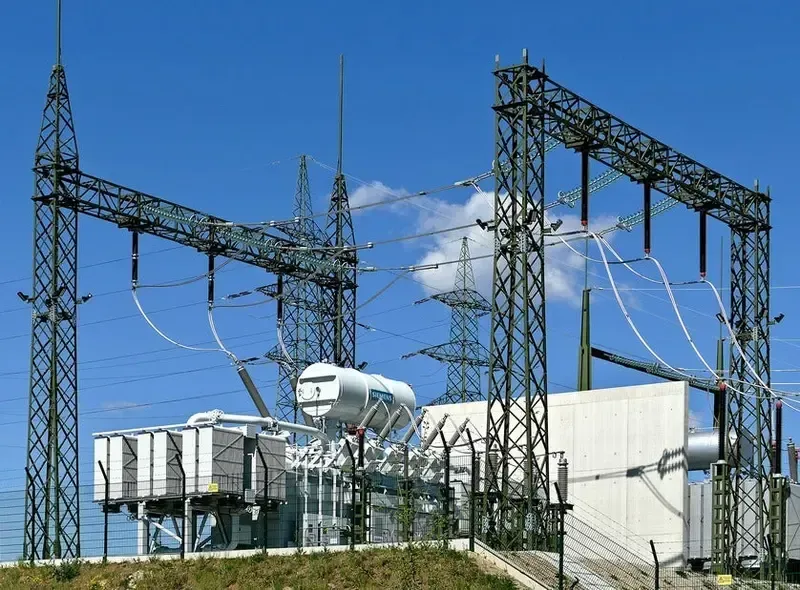
Zero One Solution Limited has a proven track record of delivering robust and reliable PCB solutions for critical substation automation projects worldwide. Our expertise in rapid prototyping and adherence to stringent industry standards enable us to provide bespoke control boards that address the unique challenges of modern power infrastructure, ensuring enhanced grid stability and operational efficiency. Below are illustrative case studies showcasing our impact.
| Project Focus | Challenge Addressed | Zero One Solution | Impact and Outcome |
|---|---|---|---|
| Smart Grid Integration for Renewable Energy | Integrating intermittent renewable sources (solar, wind) into the grid while maintaining stability. | Designed and manufactured high-density PCB control boards for advanced RTUs (Remote Terminal Units) with embedded real-time communication protocols (IEC 61850). | Achieved seamless synchronization of renewable energy feeders, reducing grid fluctuations by 15% and improving power quality for over 50,000 households. Project completed 30% faster due to rapid prototyping. |
| Substation Modernization for Urban Utility | Upgrading aging substation infrastructure to improve reliability and reduce maintenance costs in a dense urban environment. | Developed custom control boards for protection relays and SCADA systems, emphasizing electromagnetic compatibility (EMC) and high-temperature resilience. | Significantly reduced unplanned outages by 25%, extended equipment lifespan by 20%, and enabled predictive maintenance, leading to a 10% reduction in operational expenditures. Boards passed rigorous stress tests for urban conditions. |
These case studies exemplify our commitment to providing tailored, high-performance PCB solutions that directly contribute to the success and resilience of substation automation projects, demonstrating our capability to meet complex demands and deliver tangible benefits.
The trajectory of substation automation is marked by continuous evolution, driven by the imperative for more resilient, efficient, and intelligent power grids. Key emerging trends include the seamless integration of renewable energy sources, the proliferation of smart grid technologies, and the adoption of advanced communication protocols. These innovations collectively aim to enhance grid stability, optimize energy distribution, and facilitate predictive maintenance, fundamentally reshaping the operational landscape of substations. Zero One Solution Limited is at the forefront of this transformation, actively developing PCB solutions that anticipate and facilitate these advancements, ensuring our clients remain competitive and prepared for the next generation of power infrastructure.
| Trend | Impact on Substation Automation | Zero One Solution Limited's Adaptation |
|---|---|---|
| Smart Grid Technologies | Enables real-time monitoring, self-healing capabilities, and demand-side management. | Developing high-density PCBs with integrated sensors and advanced processing units for enhanced data analytics and control. |
The evolution of substation automation will continue to be characterized by increasing data volumes, demanding higher processing power and more sophisticated communication architectures. Zero One Solution Limited remains committed to innovation, leveraging our expertise in rapid prototyping and advanced PCB manufacturing to deliver solutions that are not only compliant with current standards but also future-proof, supporting the dynamic needs of the evolving energy landscape. Our strategic location in Shenzhen, with access to a global supply chain, further strengthens our ability to quickly adapt and deliver cutting-edge technology.
Navigating the complexities of substation automation requires a clear understanding of the core components, especially the control boards that serve as the brain of these critical infrastructure systems. This section addresses frequently asked questions to provide practical insights for engineers and decision-makers on substation automation control boards.
In conclusion, Zero One Solution Limited stands at the forefront of providing cutting-edge PCB solutions for substation automation control boards. Our commitment to rapid prototyping, comprehensive services, and unwavering quality ensures that our clients can meet the evolving demands of the power grid with confidence. By partnering with Zero One Solution Limited, you gain access to the expertise and resources needed to develop innovative, reliable, and efficient substation automation systems. Contact us today to discuss your project and discover how we can help you power the future.

