The convergence of robotics and medicine has revolutionized surgical procedures, offering unparalleled precision and minimally invasive options. At the heart of every advanced surgical robot lies a sophisticated control circuit board, dictating its every move and ensuring patient safety. As a leading PCB solution provider, Zero One Solution Limited understands the critical demands of this niche. Since 2011, we've empowered innovators to bring groundbreaking medical technologies to market faster. How can a robust and reliable PCB solution be the cornerstone of the next generation of surgical robotics? This article delves into the intricacies of surgical robot control circuit boards and how Zero One Solution's comprehensive services provide the foundation for innovation.
The Critical Role of PCBs in Surgical Robotics
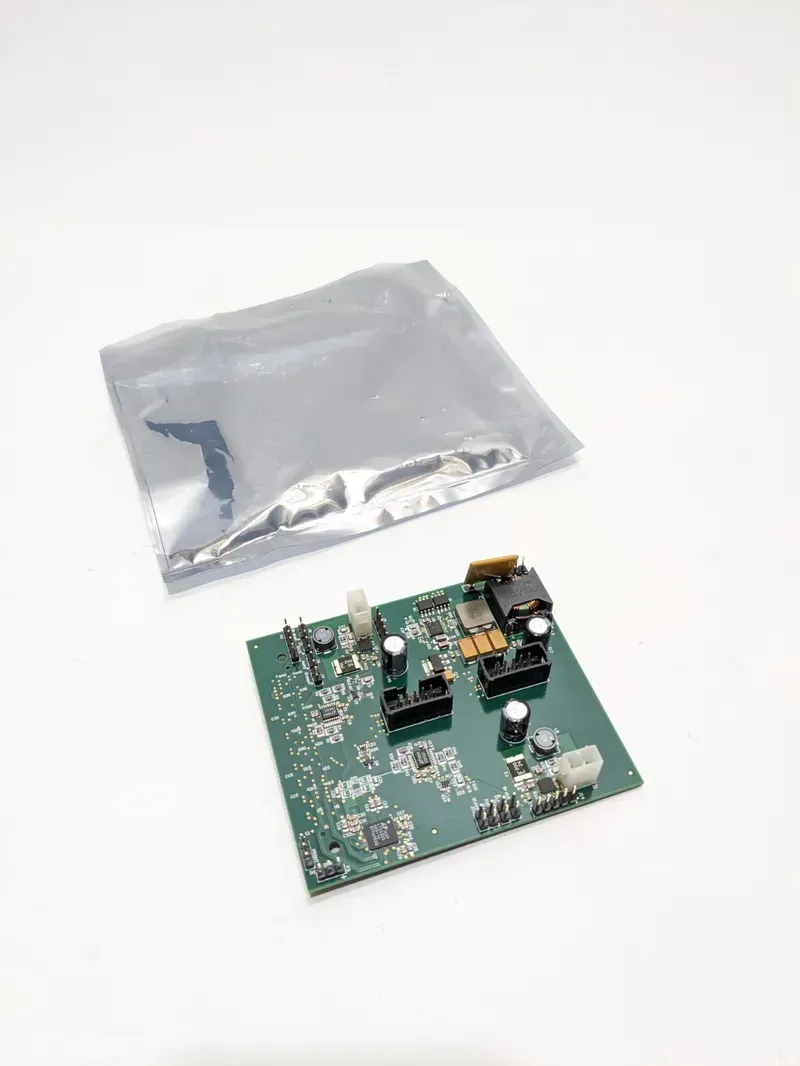
Surgical Robot Internal Circuit Board
In the highly demanding and safety-critical domain of surgical robotics, printed circuit boards (PCBs) are far more than mere electronic components; they are the central nervous system, dictating the precision, reliability, and functionality of these life-saving machines. The intricate movements, real-time data processing, and fail-safe mechanisms inherent to surgical robots hinge entirely on the impeccable performance of their underlying PCBs. Any compromise in their quality, design, or manufacturing can lead to catastrophic failures, endangering patient lives and undermining surgical outcomes. Therefore, selecting a partner with profound expertise in medical-grade PCB solutions is paramount to advancing surgical robotics innovation.
Why are PCBs so critical in surgical robots? PCBs serve as the fundamental electronic backbone, integrating complex sensors, actuators, and control systems. Their reliability directly impacts the robot's precision, responsiveness, and ability to perform intricate surgical tasks without error. They manage data flow, power distribution, and signal integrity, which are all non-negotiable for safe and effective surgical procedures.
What are the consequences of PCB failure in surgical robotics? Failure in a surgical robot's PCB can lead to severe consequences, including loss of precision, uncontrolled movements, delayed responses, system shutdowns, and ultimately, patient harm or even fatality. Beyond the immediate danger, it can result in significant financial losses, reputational damage, and legal repercussions for medical device manufacturers.
Key Design Considerations for Surgical Robot Control Boards
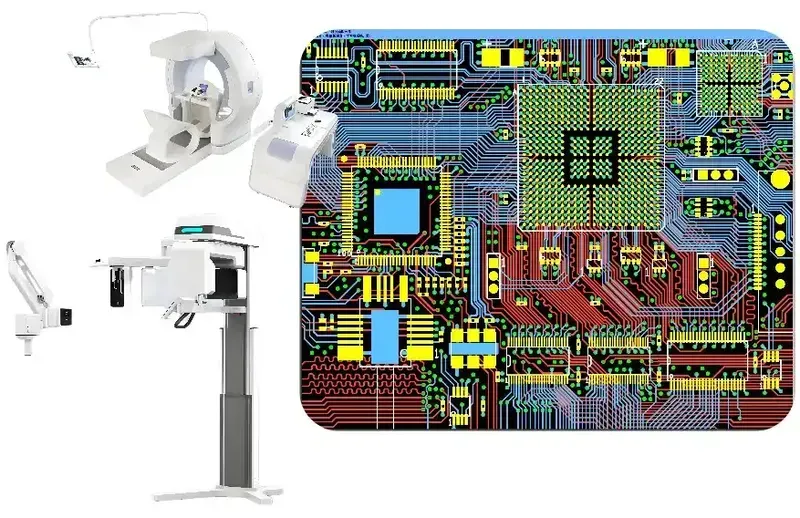
Medical PCB Design Engineer
Designing control circuit boards for surgical robots demands a meticulous approach, integrating advanced engineering principles to ensure unparalleled precision, safety, and operational reliability. These boards are the brain of the robot, translating complex commands into delicate, life-saving movements. Critical design considerations span signal integrity, power management, thermal dissipation, electromagnetic compatibility (EMC), and miniaturization, each playing a pivotal role in the robot's performance and patient outcomes.
Signal Integrity and High-Speed Data Transmission Surgical robots rely on real-time data for precise control and feedback. Maintaining signal integrity is paramount, especially for high-speed digital signals carrying sensor data and motor commands. This involves careful impedance matching, crosstalk minimization, and proper termination techniques to prevent data loss or distortion, ensuring the robot responds accurately to surgeon input. For instance, a small signal degradation could lead to a significant deviation in tool tip position, highlighting the critical nature of this design aspect.
Robust Power Management and Efficiency Consistent and stable power delivery is non-negotiable for surgical robots. Design considerations include efficient power conversion to minimize heat generation, robust voltage regulation to prevent fluctuations, and redundant power pathways to ensure uninterrupted operation in critical moments. The board must manage power distribution across numerous motors, sensors, and processing units, often under varying load conditions, to maintain peak performance and prevent system failures.
Effective Thermal Dissipation Strategies High component density and continuous operation generate significant heat. Effective thermal management is crucial to prevent overheating, which can degrade performance, reduce component lifespan, and lead to system instability. This involves selecting appropriate PCB materials with good thermal conductivity, implementing thermal vias, utilizing heat sinks, and optimizing component placement to facilitate efficient heat transfer away from sensitive areas, maintaining the board's operational temperature within safe limits.
Electromagnetic Compatibility (EMC) and Interference Mitigation The surgical environment is replete with potential sources of electromagnetic interference (EMI), from other medical devices to power lines. Surgical robot control boards must be designed for high electromagnetic compatibility (EMC) to prevent both emission of and susceptibility to EMI. This includes meticulous grounding strategies, shielding, filtering, and careful trace routing to ensure the robot operates flawlessly without being affected by or causing interference with other critical hospital equipment, upholding patient safety standards.
Miniaturization and High-Density Interconnect (HDI) Space within surgical robots is often severely constrained, necessitating highly compact and integrated control boards. Miniaturization, achieved through High-Density Interconnect (HDI) techniques like micro-vias, fine lines, and multi-layer boards, allows for more components in a smaller footprint while maintaining electrical performance. This not only reduces the overall size and weight of the robot but also enables more sophisticated functionality in a limited volume, crucial for surgical precision and maneuverability.
Material Selection and Manufacturing Precision
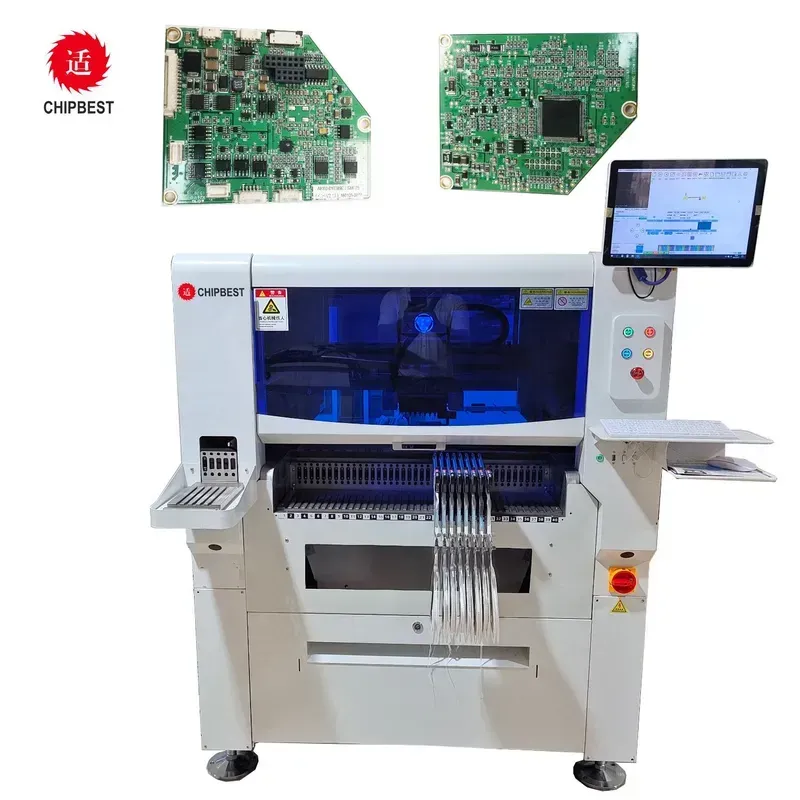
High Precision PCB Manufacturing Equipment
For surgical robot control circuit boards, the choice of materials and the precision of manufacturing are not merely technical specifications; they are foundational pillars dictating the device's reliability, safety, and longevity in a high-stakes operational environment. Inadequate material selection can lead to signal degradation, thermal instability, or even catastrophic failure, while imprecise manufacturing can introduce critical flaws that compromise overall system integrity. Zero One Solution Limited emphasizes that only by meticulously combining advanced PCB substrates, optimized copper weights, and cutting-edge manufacturing processes can the stringent demands of medical-grade electronics be truly met, ensuring surgical robots perform flawlessly when precision is paramount.
Material/Process Aspect
Key Considerations for Surgical Robotics
Impact on Performance
PCB Substrates
High Tg (Glass Transition Temperature) for thermal stability; Low Dk/Df (Dielectric Constant/Dissipation Factor) for signal integrity; Biocompatibility for certain applications.
Ensures consistent electrical performance under varying temperatures, minimizes signal loss, and prevents material degradation over time.
Copper Weight & Trace Geometry
Optimized copper thickness for current carrying capacity and thermal dissipation; Fine trace geometries for high-density interconnects.
Manages power efficiently, reduces resistive losses, dissipates heat effectively, and enables complex circuit layouts for miniaturization.
Surface Finishes
ENIG (Electroless Nickel Immersion Gold) or Immersion Silver for excellent solderability, corrosion resistance, and wire bonding capabilities.
Provides reliable electrical contact, prevents oxidation, and ensures long-term joint integrity, crucial for repeated sterilization cycles and device longevity.
Why is material selection so critical for surgical robot PCBs? Material selection is paramount because surgical robots operate under extreme conditions, including high precision movements, potential thermal cycling, and stringent hygiene requirements. Materials must possess stable electrical properties, high thermal resistance, and chemical inertness to ensure consistent performance, prevent degradation from sterilization, and maintain signal integrity. Inferior materials can lead to electrical noise, thermal runaway, or structural failure, directly jeopardizing patient safety and surgical outcomes.
class PCBManufacturingStandards:
    def validate_medical_grade_pcb(self, pcb_specs):
        # ISO 13485: Medical Devices Quality Management System
        if not self.check_iso13485_compliance(pcb_specs):
            return "Non-compliant: ISO 13485 not met"

        # IPC Class 3: High Reliability Electronic Products
        if not self.check_ipc_class3_compliance(pcb_specs):
            return "Non-compliant: IPC Class 3 not met"

        # Biocompatibility (if applicable, e.g., for direct contact components)
        if pcb_specs.get('biocompatible', False):
            if not self.check_biocompatibility_standards(pcb_specs):
                return "Non-compliant: Biocompatibility failed"

        # Traceability & Documentation
        if not self.verify_full_traceability(pcb_specs):
            return "Non-compliant: Traceability incomplete"

        return "Compliant: Ready for Medical Application"

    # ... (helper methods for checks) ...
Stringent Quality Control and Reliability Testing for Surgical Robot Control Boards
PCB Quality Testing Laboratory
In the realm of surgical robotics, the unwavering reliability of control circuit boards is paramount, demanding a rigorous approach to quality control and reliability testing. These boards are the very nervous system of surgical robots, orchestrating every precise movement and critical decision. Any lapse in their performance can have catastrophic consequences, making comprehensive testing not just a best practice, but a foundational requirement. This section outlines the essential testing protocols, including functional testing, environmental stress screening, and adherence to critical medical device standards like ISO 13485, all designed to ensure these vital components perform flawlessly under extreme pressure and over extended operational lifecycles.
Testing Protocol
Description
Key Benefit for Surgical PCBs
Automated Optical Inspection (AOI)
High-speed, camera-based inspection to detect surface feature defects such as shorts, opens, and missing components after solder paste application, component placement, and reflow.
Ensures microscopic precision and identifies manufacturing defects early, crucial for complex, miniaturized surgical boards where space is at a premium and errors are intolerable. Identifies potential issues before functional testing, saving time and resources in rework or scrap costs, particularly for high-density, multi-layer PCBs used in surgical robotics.
How does environmental stress screening (ESS) enhance the reliability of surgical robot control boards? Environmental Stress Screening (ESS) exposes surgical robot control boards to accelerated thermal cycling, vibration, and humidity stresses. This process precipitates latent defects that might not be detectable under normal conditions, such as weak solder joints, material inconsistencies, or manufacturing flaws. By forcing these defects to manifest early, ESS ensures that only robust and reliable boards proceed to deployment, significantly reducing the risk of in-field failures in critical surgical environments where temperature fluctuations and operational vibrations are common. It's a proactive measure that mirrors potential operational extremes.
class SurgicalRobotPCBA:
    def __init__(self, board_id):
        self.board_id = board_id
        self.functional_test_passed = False
        self.iso13485_compliant = False

    def run_functional_test(self):
        # Simulate complex functional tests for surgical precision
        print(f"Running functional test for Board {self.board_id}...")
        # Extensive checks for signal integrity, power stability, motion control accuracy
        self.functional_test_passed = True # Placeholder for actual test logic
        print(f"Functional test for Board {self.board_id} completed: {self.functional_test_passed}")

    def verify_iso13485_compliance(self):
        # Check documentation and process adherence
        print(f"Verifying ISO 13485 compliance for Board {self.board_id}...")
        self.iso13485_compliant = True # Placeholder for actual verification
        print(f"ISO 13485 compliance for Board {self.board_id}: {self.iso13485_compliant}")

# Example Usage:
robot_pcba = SurgicalRobotPCBA("SRCB-001")
robot_pcba.run_functional_test()
robot_pcba.verify_iso13485_compliance()
Zero One Solution's Expertise in Medical PCB Prototyping
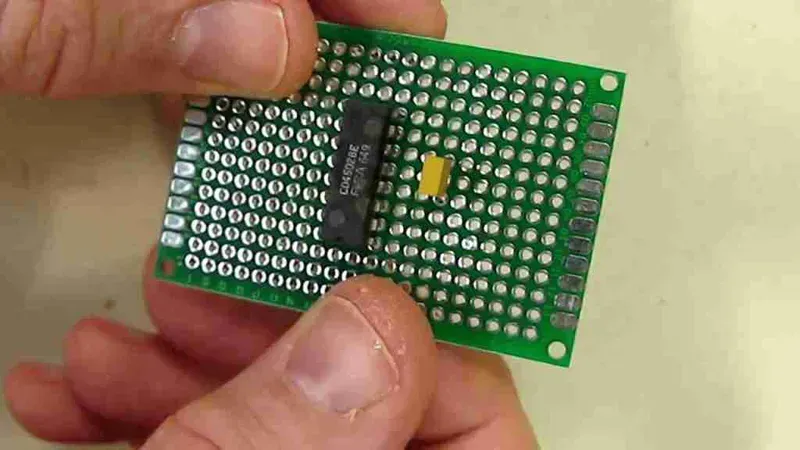
PCB Prototyping Sample
Zero One Solution Limited stands as a cornerstone for innovation in surgical robotics, offering unparalleled expertise in rapid medical PCB prototyping. Our specialized capabilities are engineered to accelerate the R&D cycles for complex surgical robot control circuit boards, enabling medical device manufacturers to iterate designs with exceptional speed and precision. This rapid prototyping capability is crucial for de-risking new designs, validating performance, and ensuring that revolutionary surgical technologies can move from concept to clinical application faster and more reliably.
Why is rapid prototyping crucial for surgical robot control circuit boards? Rapid prototyping for surgical robot control circuit boards is critical because it significantly shortens the development cycle, allowing for quick validation of complex designs. In medical device development, where safety and precision are paramount, rapid iteration helps identify and rectify potential issues early, reducing overall project costs and time-to-market. It enables engineers to test various configurations and materials in a controlled environment, ensuring the final product meets stringent performance and reliability standards before mass production.
What specialized capabilities does Zero One Solution offer for medical PCB prototyping? Zero One Solution offers specialized capabilities including advanced material handling for biocompatible and high-reliability substrates, ultra-fine line and space fabrication for high-density interconnect (HDI) designs, precise impedance control for critical signal integrity, and robust thermal management solutions. Our facilities are equipped for rapid turnaround, ensuring prototypes can be manufactured and delivered within aggressive timelines, supported by comprehensive DFM (Design for Manufacturability) analysis tailored for medical applications.
How does Zero One Solution ensure quality in rapid medical PCB prototypes? Quality in rapid medical PCB prototypes is ensured through a multi-faceted approach. We adhere to stringent quality management systems, including ISO 13485 compliance for medical devices. Each prototype undergoes rigorous in-process inspections, automated optical inspection (AOI), X-ray inspection for hidden solder joints, and comprehensive electrical testing (e.g., flying probe testing, impedance testing) to verify design specifications. Our commitment to traceability and documentation further reinforces the reliability of our prototypes.
Can Zero One Solution assist with design optimization for medical PCB prototypes? Absolutely. Zero One Solution provides robust DFM (Design for Manufacturability) and DFA (Design for Assembly) services specifically tailored for medical PCB prototypes. Our experienced engineers collaborate closely with clients to optimize designs for manufacturability, cost-efficiency, and reliability, identifying potential issues before production. This proactive approach helps streamline the prototyping process and ensures that the final design is robust, scalable, and compliant with relevant medical standards.
From Design to Assembly: Our One-Stop PCBA Services
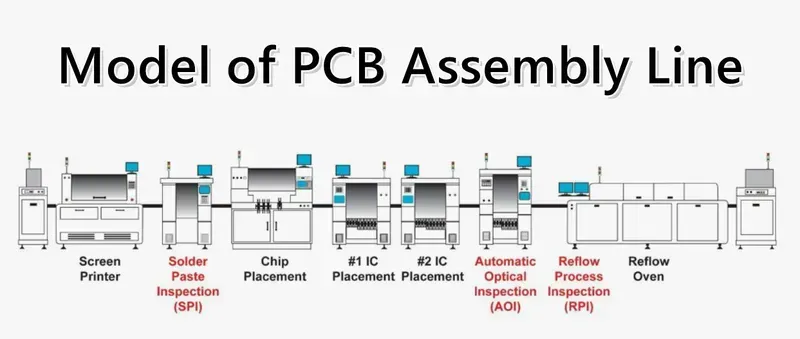
PCBA Assembly Line
Zero One Solution Limited provides a streamlined, vertically integrated approach to surgical robot control circuit board solutions, encompassing the entire product lifecycle from initial design optimization to high-precision assembly. This comprehensive "one-stop" service model eliminates the complexities of managing multiple vendors, accelerates time-to-market, and ensures unparalleled quality and consistency for critical medical applications. By consolidating these essential stages under one roof, we empower our clients to focus on innovation, confident that their PCBA needs are handled with expert precision and regulatory adherence.
PCB Design Optimization for Surgical Robotics Our expert engineers collaborate closely with clients to optimize PCB designs for surgical robotics. This includes reviewing schematics for signal integrity, power distribution, thermal management, and manufacturability. We ensure that the design inherently supports the demanding performance, reliability, and safety requirements of medical devices, often incorporating advanced layout techniques to minimize noise and improve electromagnetic compatibility (EMC).
Precision Manufacturing of Medical-Grade PCBs Leveraging state-of-the-art manufacturing facilities, Zero One Solution produces high-reliability PCBs tailored for surgical robots. We utilize specialized materials, such as high-Tg laminates and low-loss dielectrics, and employ stringent process controls to achieve tight tolerances and exceptional board flatness. Our manufacturing processes are designed to meet or exceed medical industry standards, ensuring the foundational quality of your control boards from the ground up. This includes advanced capabilities for multi-layer PCBs and HDI (High-Density Interconnect) for miniaturization.
Service Aspect
Zero One Solution Advantage
Impact on Surgical Robotics
PCB Design Review
DFM (Design for Manufacturability) & DFA (Design for Assembly) analysis, signal integrity checks.
Reduces design iterations, enhances performance and reliability, minimizes future failures.
Component Sourcing
Global network of trusted suppliers, counterfeit mitigation, bulk purchasing power.
Ensures authenticity, availability, and cost-effectiveness of critical medical-grade components.
High-Precision Assembly
Automated SMT, BGA rework, advanced soldering, IPC Class 3 standards.
Guarantees robust, high-quality connections essential for precise robotic movements and safety.
Minimizes defects, enhances product lifespan, and ensures compliance with medical device regulations.
Efficient Component Sourcing and Management Navigating the complex global supply chain for medical-grade components can be challenging. Zero One Solution offers robust component sourcing services, leveraging our extensive network of authorized distributors. We prioritize the procurement of high-quality, traceable components, ensuring authenticity and reliability crucial for surgical applications. Our comprehensive component management system mitigates supply chain risks, allowing for predictable production schedules and cost efficiencies.
By integrating these critical services—from initial design foresight through manufacturing excellence and meticulous assembly—Zero One Solution offers a distinct competitive advantage. Our one-stop PCBA services for surgical robot control circuit boards are engineered to accelerate your product development cycles, reduce operational overheads, and deliver highly reliable, compliant solutions that meet the exacting demands of the medical technology industry. Partnering with us means gaining a dedicated ally committed to the success and safety of your surgical robotics innovations.
Ensuring Compliance and Regulatory Adherence
In the highly regulated medical device industry, strict compliance and regulatory adherence are non-negotiable, especially for critical components like surgical robot control circuit boards. Failure to meet these standards can lead to severe consequences, including product recalls, legal liabilities, and reputational damage. At Zero One Solution, we recognize that our role extends beyond manufacturing; we are a strategic partner in ensuring your products meet the global benchmarks for safety, performance, and quality, thereby accelerating market entry and building end-user trust.
What are the primary regulatory standards for surgical robot PCBs? The primary regulatory standards include ISO 13485 (Medical Devices - Quality Management Systems), IEC 60601 (Medical Electrical Equipment - Basic Safety and Essential Performance), and region-specific regulations such as FDA 21 CFR Part 820 in the US, CE Marking (MDD/MDR) in Europe, and NMPA in China. These standards dictate everything from design and manufacturing processes to risk management and post-market surveillance for surgical robot control circuit boards.
How does Zero One Solution ensure compliance during the PCB manufacturing process? Zero One Solution implements a robust quality management system aligned with ISO 13485. Our processes incorporate stringent material traceability, controlled manufacturing environments, validated production steps, and comprehensive documentation. We conduct in-process inspections and final functional testing, ensuring that every PCB meets the specified performance parameters and regulatory requirements for surgical robot applications. Our compliance team stays abreast of evolving medical device regulations to proactively adapt our protocols.
Can Zero One Solution assist with specific medical certifications for PCBs? While Zero One Solution provides manufacturing services in compliance with medical device standards, specific product certifications (e.g., FDA clearance, CE Mark for the final medical device) are the responsibility of the OEM. However, our adherence to ISO 13485 and our rigorous documentation processes provide a solid foundation for your certification efforts. We can provide all necessary manufacturing data, test reports, and material certifications to support your regulatory submissions, simplifying your pathway to market for surgical robot control circuit board solutions.
Partnering for Innovation: The Zero One Advantage
In the highly demanding and rapidly evolving field of surgical robotics, partnering with a PCB solution provider that offers more than just manufacturing is crucial. Zero One Solution Limited stands as a strategic ally, providing unparalleled advantages that accelerate innovation, ensure reliability, and navigate the complexities of medical device development, ultimately bringing life-changing surgical technologies to market faster and with greater confidence. Our unique blend of rapid prototyping, comprehensive services, and a robust global network empowers clients to overcome critical challenges in the surgical robot control circuit board solution space.
Rapid Prototyping and Iteration Speed Zero One Solution specializes in rapid PCB prototyping, enabling surgical robot developers to quickly test and iterate on control circuit board designs. This agility significantly cuts down R&D cycles, allowing for faster validation of complex functionalities and integration with robotic systems. Our optimized processes ensure that design modifications can be implemented and tested with unprecedented efficiency, a critical factor in competitive medical technology markets. Based on our internal data, our rapid prototyping services can reduce typical development timelines by up to 30% for complex medical PCBs compared to industry averages, providing a tangible competitive edge for our partners in the surgical robotics sector by accelerating their go-to-market strategies.
Comprehensive One-Stop PCBA Services Beyond individual services, Zero One Solution offers an integrated one-stop solution covering PCB design optimization, precision manufacturing, efficient component sourcing, and advanced assembly. This streamlined approach minimizes logistical complexities, reduces supply chain risks, and ensures seamless coordination across all stages of production for surgical robot control boards. By consolidating these critical functions under a single expert provider, clients benefit from enhanced quality control, cost efficiencies, and a unified point of contact for all their PCBA needs, from initial concept to final production.
Strategic Global Supply Chain Network Headquartered in Shenzhen, China, with a branch in Dubai, Zero One Solution leverages a strategically positioned global PCBA supply chain network. This extensive network provides resilient access to diverse component sources and advanced manufacturing capabilities, mitigating geopolitical risks and ensuring consistent material availability. Our global presence allows us to adapt quickly to market fluctuations and provide agile solutions, guaranteeing that our partners in surgical robotics have uninterrupted access to the highest quality materials and production resources worldwide, regardless of scale or complexity.
In conclusion, the surgical robot control circuit board is far more than just a component; it's the brain and nervous system of a life-changing technology. Zero One Solution Limited stands as your trusted partner, offering an unparalleled blend of expertise, rapid prototyping capabilities, and a commitment to quality that meets the stringent demands of the medical industry. With our roots in Shenzhen and a global reach, we are uniquely positioned to accelerate your product development cycles and ensure the highest standards of reliability and performance. Don't let complex PCB challenges hinder your progress. Partner with Zero One Solution Limited to transform your surgical robot innovations into reality. Contact us today to discuss your next project and experience the Zero One difference.