In the intricate world of medical technology, the artificial cardiac pacemaker stands as a testament to human ingenuity, literally keeping hearts beating. At the core of this life-sustaining device lies an exceptionally sophisticated Printed Circuit Board (PCB). The reliability, precision, and longevity of this PCB are not just engineering challenges; they are matters of life and death. Zero One Solution Limited, a leader in rapid-response PCB assembly solutions, understands this critical imperative. Since our inception in 2011, we've dedicated ourselves to empowering innovators to accelerate product development, particularly in highly sensitive fields like medical devices. This article delves into the crucial role of advanced PCB solutions in artificial cardiac pacemakers and highlights how Zero One Solution Limited's expertise delivers the unparalleled quality and reliability required for these vital implants.
The Criticality of PCBs in Artificial Cardiac Pacemakers
The printed circuit board (PCB) serves as the indispensable central nervous system of an artificial cardiac pacemaker, orchestrating every life-sustaining function from sensing cardiac activity to delivering precise electrical impulses. Given its role in a Class III implantable medical device, any compromise in the PCB's integrity or performance can lead to catastrophic failure, directly jeopardizing patient safety and life. Consequently, medical-grade PCBs for pacemakers are subject to an exceptionally stringent set of requirements, far exceeding those of general electronics, focusing intensely on biocompatibility, unwavering reliability, and extreme miniaturization to ensure long-term, flawless operation within the human body.
Why are PCBs so critical in artificial cardiac pacemakers? The PCB is the brain of the pacemaker, housing the microprocessor, memory, and power management units responsible for signal processing, lead management, and battery life. Its flawless operation dictates the pacemaker's ability to accurately detect heart rhythms and deliver life-saving therapy, making it the most critical component determining device performance and patient safety.
What are the consequences of PCB failure in a pacemaker? A PCB failure in an artificial cardiac pacemaker can have immediate and severe consequences, including cessation of pacing, erroneous pacing (bradycardia or tachycardia), and loss of device functionality. These failures directly endanger the patient's life, necessitating emergency medical intervention or device replacement, underscoring the absolute demand for zero-defect PCBs.
What are the key requirements for medical-grade pacemaker PCBs? Medical-grade pacemaker PCBs must meet stringent requirements across several dimensions: (1) Biocompatibility: Materials must be inert and non-toxic to avoid adverse reactions with bodily tissues. (2) Reliability: Operational integrity must be maintained over decades of continuous implantation. (3) Miniaturization: Ultra-compact design is essential for minimal invasiveness and patient comfort. (4) Low Power Consumption: Critical for extending battery life and reducing the frequency of replacement surgeries. (5) Signal Integrity: Ensures accurate sensing and pacing pulse delivery in a noisy physiological environment.
How does miniaturization impact pacemaker PCB design? Miniaturization is paramount for reducing the implant size, thereby improving patient comfort and reducing surgical invasiveness. This necessitates the use of advanced multi-layer PCB techniques, high-density interconnect (HDI) technology, and the integration of micro-components. Achieving high functionality within such tight constraints demands innovative layout strategies, precise manufacturing, and thermal management considerations to prevent localized overheating.
What role does biocompatibility play in pacemaker PCB material selection? Biocompatibility is a fundamental requirement for any implantable medical device. For pacemaker PCBs, it dictates that all materials in contact with or near bodily fluids and tissues (including the PCB substrate, solder masks, and protective coatings) must be non-reactive, non-toxic, and corrosion-resistant over the device's lifetime. This often involves specialized polymers and coatings that have undergone rigorous testing and regulatory approval to ensure patient safety and long-term device stability within the biological environment.
Key Design Considerations for Pacemaker PCBs
Designing Printed Circuit Boards (PCBs) for artificial cardiac pacemakers presents a unique confluence of engineering challenges, demanding an unparalleled focus on precision, reliability, and biological compatibility. Unlike conventional electronics, pacemaker PCBs must operate flawlessly within the human body for extended periods, necessitating ultra-low power consumption to prolong battery life, robust electromagnetic compatibility (EMC) to prevent interference, and impeccable signal integrity to ensure accurate heart rhythm regulation. These critical design considerations are paramount to the device's efficacy and, ultimately, patient safety, underscoring the specialized expertise required in their development.
Ultra-Low Power Consumption Pacemakers are powered by internal batteries designed to last for years, often a decade or more. The PCB design must aggressively minimize power draw from every component and trace. This involves meticulous selection of low-power ICs, efficient circuit layouts, and advanced power management techniques to extend the operational lifespan and reduce the frequency of invasive battery replacement surgeries for patients. Every microampere saved significantly contributes to device longevity and patient well-being.
Electromagnetic Compatibility (EMC) Implantable medical devices must be impervious to external electromagnetic interference (EMI) from sources like cell phones, household appliances, or medical equipment. The PCB design incorporates rigorous shielding, grounding strategies, and careful trace routing to prevent external noise from disrupting the pacemaker's delicate circuitry. This ensures stable and reliable operation in diverse environments, safeguarding against life-threatening malfunctions due to EMI.
Signal Integrity Maintaining pristine signal integrity is crucial for accurate sensing of cardiac activity and precise delivery of pacing pulses. High-speed digital signals and sensitive analog signals coexist on the pacemaker PCB. Design techniques include controlled impedance routing, careful component placement to minimize crosstalk and noise, and robust filtering to ensure that electrical signals are transmitted without degradation, guaranteeing the pacemaker responds appropriately to physiological needs.
Design Aspect
Description
Impact on Pacemaker Performance
Miniaturization & High-Density Interconnect (HDI)
Integrating complex circuitry into an extremely compact form factor, often employing advanced HDI techniques with micro-vias and fine lines.
Enables smaller, less intrusive devices, improving patient comfort and reducing surgical invasiveness. Essential for integrating advanced features within a limited physical envelope.
Biocompatibility and Material Selection The PCB and its components must withstand the harsh physiological environment of the human body without degrading or causing adverse reactions. This necessitates the use of specialized, biocompatible materials for substrates, solders, and coatings that are inert and non-toxic, ensuring long-term reliability and patient safety. Materials like polyimide or LCP (Liquid Crystal Polymer) are often chosen for their excellent dielectric properties and resistance to biological fluids, crucial for maintaining insulation and signal integrity over the device's lifetime.
Advanced Manufacturing Processes for Medical-Grade PCBs
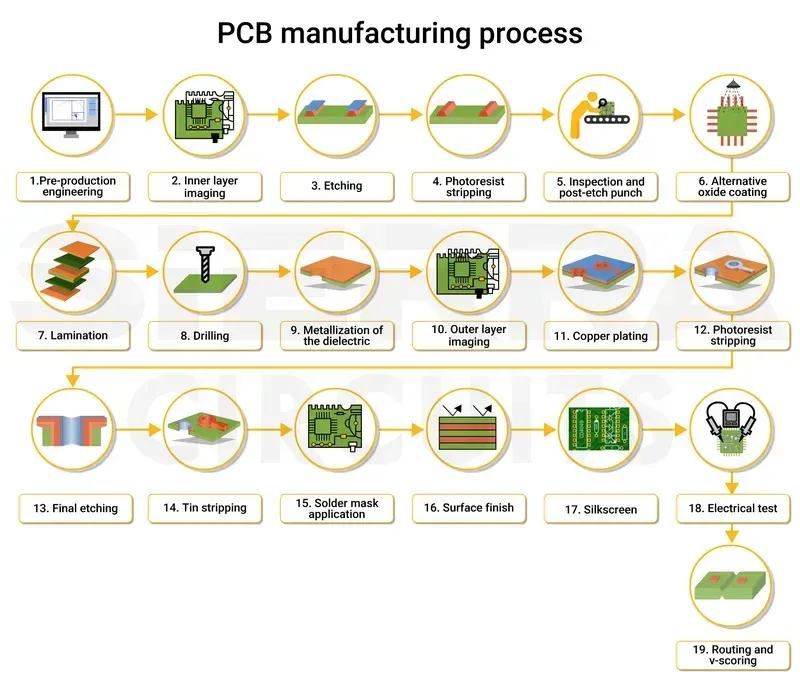
Medical Grade PCB Manufacturing Process
The manufacturing of artificial cardiac pacemaker PCBs transcends conventional electronics fabrication, demanding unparalleled precision, stringent quality control, and specialized environments to ensure the highest levels of reliability and patient safety. These advanced processes are foundational to producing PCBs that can withstand the rigors of continuous operation within the human body, adhering strictly to global medical device regulations like ISO 13485 and FDA guidelines to mitigate any risk of failure.
Precision Fabrication Techniques for Pacemaker PCBs Manufacturing pacemaker PCBs requires micro-scale precision. This involves using advanced lithography, etching, and drilling technologies to create extremely fine lines and spaces, often in the micron range. Laser direct imaging (LDI) and high-density interconnect (HDI) technologies are critical for achieving the miniaturization and complex circuitry necessary for implantable devices.
Cleanroom Environments for Medical PCB Production To prevent contamination that could compromise device integrity, pacemaker PCB manufacturing must occur in ISO Class 7 or higher cleanroom environments. These controlled settings minimize particulate matter, ensuring that components and finished PCBs are free from microscopic debris that could lead to electrical shorts or long-term performance degradation within the body.
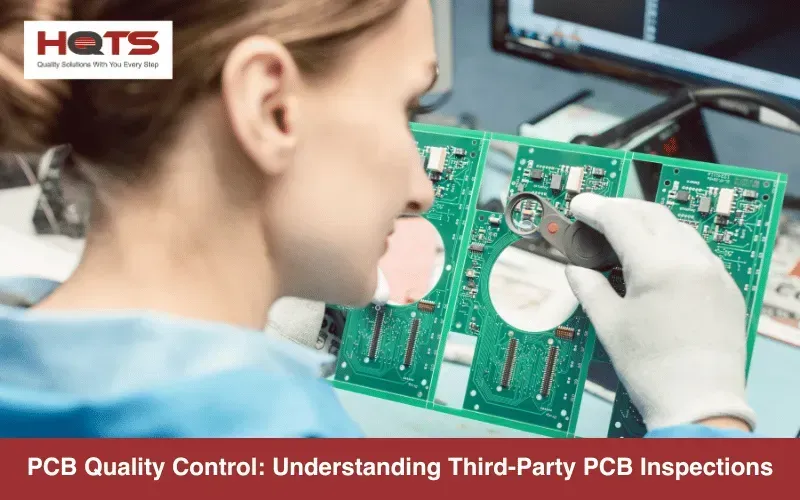
Rigorous Quality Control and Inspection Every stage of pacemaker PCB manufacturing is subjected to meticulous quality control. This includes automated optical inspection (AOI), automated x-ray inspection (AXI) for internal layers, and sophisticated electrical testing (e.g., flying probe, in-circuit testing) to detect even the most minute defects. Furthermore, visual inspections are performed by highly trained personnel to ensure cosmetic and structural integrity.
Robust Testing Methodologies for Pacemaker Reliability Beyond electrical tests, pacemaker PCBs undergo rigorous functional and environmental testing to simulate operational conditions. This includes thermal cycling, humidity testing, vibration testing, and highly accelerated life testing (HALT) to identify potential failure modes and validate long-term performance under extreme stress, far exceeding typical usage scenarios.
Adherence to ISO 13485 and Medical Device Regulations Compliance with ISO 13485 (Medical Devices – Quality Management Systems) is non-negotiable. This standard dictates a comprehensive quality management system that covers design, development, production, installation, and servicing of medical devices. Manufacturers must also navigate region-specific regulations such as FDA 21 CFR Part 820 in the U.S. and the Medical Device Regulation (MDR) in the EU, ensuring full traceability and risk management throughout the entire product lifecycle.
Zero One Solution Limited: Your Partner in Medical Device PCB Excellence
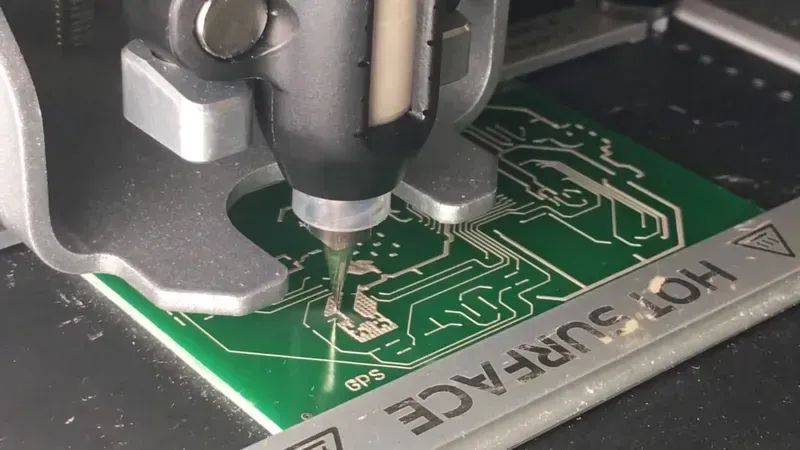
PCB Rapid Prototyping Service
In the highly demanding field of artificial cardiac pacemakers, where precision and reliability are non-negotiable, Zero One Solution Limited emerges as a pivotal partner for medical device companies seeking unparalleled PCB solutions. Our comprehensive, one-stop service model, from initial design concepts to final assembly, is specifically tailored to navigate the complexities of medical-grade PCB manufacturing. We empower innovators to accelerate their product development cycles, bringing life-saving devices to market with confidence and efficiency, ultimately translating to faster patient care and improved outcomes.
Rapid Prototyping for Medical Devices Our rapid prototyping capabilities are a cornerstone of our value proposition for medical device companies. We understand the critical need for speed in R&D, allowing for quick iterations and design validation, significantly reducing time-to-market for complex devices like pacemakers. This agility ensures that groundbreaking innovations can be tested and refined efficiently, minimizing development costs and accelerating deployment for clinical trials or regulatory approval.
Comprehensive One-Stop PCB Services Zero One Solution Limited offers an end-to-end solution, encompassing PCB design, manufacturing, and assembly. This integrated approach streamlines the entire production process, eliminating the complexities and potential miscommunications often associated with multiple vendors. Our holistic service model ensures seamless transitions between each stage, guaranteeing consistency, quality, and optimal performance for the highly sensitive PCBs used in artificial cardiac pacemakers.
Capability
Benefit for Pacemaker PCB Solutions
Impact on Product Development
Rapid Prototyping
Accelerates design validation and iteration cycles
Reduces time-to-market for critical medical devices
Integrated Design-to-Assembly Service
Ensures seamless workflow and consistent quality
Minimizes lead times and potential production errors
High-Reliability Manufacturing Focus
Meets stringent medical-grade quality and safety standards
Enhances device longevity and patient safety
Global Supply Chain Network
Access to diverse components and resources
Ensures continuity and flexibility in production
Our Expertise in High-Reliability PCB Assembly for Pacemakers
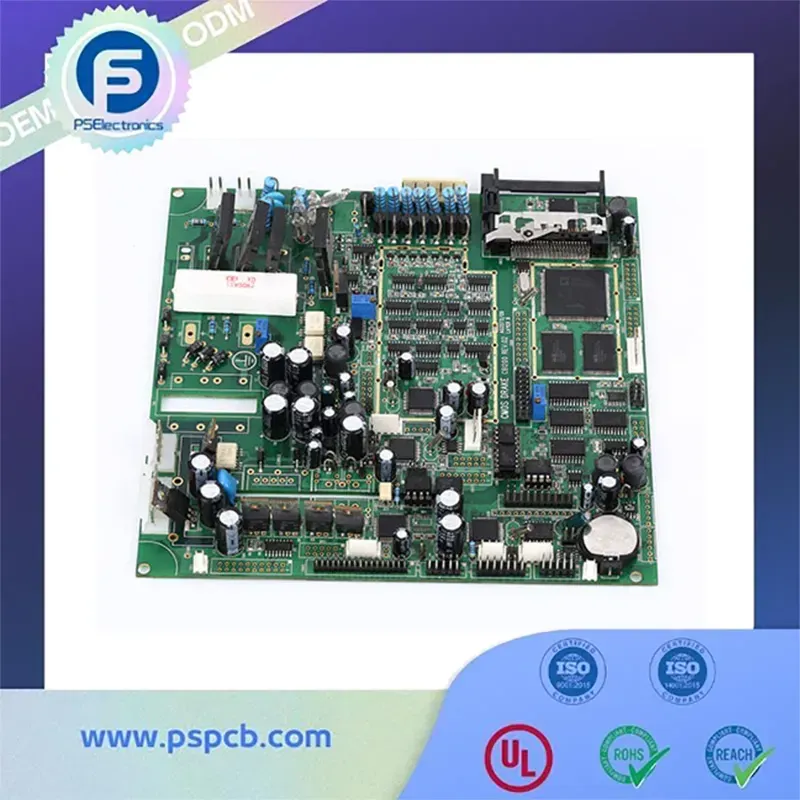
Cardiac Pacemaker PCB Assembly
Zero One Solution Limited stands at the forefront of high-reliability PCB assembly, particularly for critical medical applications like artificial cardiac pacemakers. Our expertise is grounded in an unwavering commitment to precision, quality, and the stringent demands of implantable devices, ensuring that every PCB assembled meets the highest standards of performance and longevity required for human life support. We understand that the flawless operation of a pacemaker is paramount, and our advanced assembly techniques, coupled with rigorous quality control, are specifically tailored to deliver this level of dependability.
Advanced Assembly Techniques for Medical PCBs We utilize cutting-edge assembly technologies, including ultra-fine pitch SMT (Surface Mount Technology), specialized soldering processes, and advanced bonding techniques to accommodate the miniaturization and high-density component placement inherent in pacemaker PCBs. Our capabilities ensure precise component alignment and robust connections, critical for the long-term reliability of implantable devices.
Rigorous Component Sourcing and Management Component authenticity and quality are non-negotiable for medical devices. Zero One Solution Limited implements a meticulous component sourcing strategy, working exclusively with trusted, authorized suppliers to ensure traceability, compliance, and the highest quality of every electronic component. Our robust inventory management system minimizes risks associated with counterfeit parts and ensures a stable supply chain for critical medical-grade components.
State-of-the-Art SMT Capabilities Our SMT lines are equipped with the latest pick-and-place machines capable of handling micro-components with exceptional accuracy, essential for the compact designs of pacemaker PCBs. We employ automated optical inspection (AOI) and X-ray inspection to verify every solder joint and component placement, guaranteeing defect-free assemblies before they proceed to final testing.
Comprehensive Inspection and Testing Processes Beyond automated inspections, our multi-stage quality assurance protocols include manual visual inspection by highly trained technicians, in-circuit testing (ICT), and functional testing to validate the electrical performance and integrity of each assembled PCB. These exhaustive tests simulate real-world conditions to preempt any potential failures, ensuring peak performance for life-sustaining devices.
Quality Assurance and Regulatory Compliance in Pacemaker PCB Production
PCB Quality Inspection
The manufacturing of Printed Circuit Boards (PCBs) for artificial cardiac pacemakers transcends standard electronics production; it demands an unwavering commitment to quality assurance and strict adherence to global regulatory frameworks. These life-sustaining devices necessitate PCBs that are not only impeccably designed and manufactured but also rigorously tested and fully compliant with medical device regulations such as FDA and CE marking, ensuring patient safety and device efficacy. At Zero One Solution Limited, our robust quality management systems are intrinsically linked to every stage of the production cycle, guaranteeing complete traceability and comprehensive risk mitigation for these critical components.
Compliance Standard/Requirement
Description
Zero One Solution Limited's Approach
ISO 13485:2016
International standard for quality management systems specific to medical devices. Covers design, development, production, installation, and servicing.
Our QMS is certified to ISO 13485, ensuring systematic control and continuous improvement across all medical PCB operations, from material procurement to final inspection.
FDA 21 CFR Part 820 (QSR)
U.S. Food and Drug Administration's Quality System Regulation. Outlines good manufacturing practices (GMP) for medical devices.
We integrate FDA QSR principles into our manufacturing processes, including design controls, production and process controls, and corrective and preventive actions (CAPA).
CE Marking (MDR 2017/745)
European Union's conformity mark for medical devices, indicating compliance with essential health and safety requirements.
We support clients in achieving CE marking by providing documentation, traceability, and ensuring our PCBs meet the stringent requirements of the EU Medical Device Regulation (MDR).
Risk Management (ISO 14971)
Application of risk management to medical devices. Systematic process to identify, estimate, evaluate, control, and monitor risks.
We employ a proactive risk management framework throughout PCB design and manufacturing, identifying potential hazards and implementing mitigation strategies to minimize risks.
Traceability & Documentation
Ability to track every component, process step, and personnel involved in the production of a medical device.
Our systems provide end-to-end traceability for all pacemaker PCB components and processes, maintaining comprehensive documentation for audits and regulatory submissions.
Why is regulatory compliance so critical for Artificial Cardiac Pacemaker PCBs? Regulatory compliance is paramount for pacemaker PCBs because these devices are life-sustaining implants. Non-compliance can lead to catastrophic device failure, posing severe risks to patient health and safety. Regulations like FDA 21 CFR Part 820 and ISO 13485 ensure that every stage of PCB design, manufacturing, and assembly meets the highest standards of quality, reliability, and safety, safeguarding patients and maintaining public trust in medical technology.
How does Zero One Solution Limited ensure quality assurance for medical-grade PCBs? Zero One Solution Limited ensures quality assurance through a multi-faceted approach, including ISO 13485 certified quality management systems, stringent incoming material inspection, in-process quality checks, advanced automated optical inspection (AOI), X-ray inspection, and comprehensive functional testing. We implement robust statistical process control (SPC) and employ highly trained personnel dedicated to medical device manufacturing protocols.
What specific tests are performed on Pacemaker PCBs to ensure reliability? To ensure the reliability of pacemaker PCBs, we conduct a battery of rigorous tests, including electrical continuity testing (ECT), impedance control verification, thermal cycling, environmental stress screening (ESS), and accelerated life testing. We also perform specialized inspections such as cleanliness testing, solder joint integrity checks, and micro-section analysis to ensure long-term performance in implantable conditions.
Can Zero One Solution Limited assist with FDA and CE marking requirements for medical devices? While Zero One Solution Limited is not a regulatory body, we play a crucial supporting role in our clients' FDA and CE marking processes. Our adherence to ISO 13485, rigorous documentation, full traceability, and compliance with Good Manufacturing Practices (GMP) provide the necessary foundational evidence and high-quality components that facilitate our clients' successful regulatory submissions and certifications.
What measures are in place for risk mitigation in pacemaker PCB production? Risk mitigation in pacemaker PCB production at Zero One Solution Limited involves a systematic approach as per ISO 14971. This includes early identification of potential risks in design and manufacturing, failure mode and effects analysis (FMEA), implementing robust process controls, redundant verification steps, and a strong corrective and preventive action (CAPA) system. We also maintain strict control over our supply chain to minimize material-related risks.
The artificial cardiac pacemaker epitomizes the convergence of advanced medical science and cutting-edge electronics, with the PCB serving as its silent, yet indispensable, heart. The unwavering demand for precision, reliability, and miniaturization in these life-saving devices underscores the critical importance of a trusted PCB solution provider. Zero One Solution Limited, with our deep expertise in rapid prototyping, high-reliability manufacturing, and comprehensive one-stop services, is uniquely positioned to meet these stringent requirements. Our commitment to excellence, strategic global presence, and focus on accelerating your R&D cycles make us the ideal partner for your next-generation medical electronics projects. Partner with Zero One Solution Limited to transform your innovative designs into reality and ensure the highest standards for devices that truly save lives. Contact us today to discuss your artificial cardiac pacemaker PCB solution needs and embark on a journey of unparalleled quality and efficiency.