
As the healthcare industry pivots toward decentralized care, the legacy hardware powering our diagnostic tools is undergoing a radical transformation. Moving beyond traditional, bulky analog signal chains, today's engineers are leveraging high-density, IoT-enabled architectures to provide patients and clinicians with real-time, actionable biometric data.
The Evolution of Blood Pressure Monitoring Hardware
The Legacy Era: From Mercury to Analog PCBAs
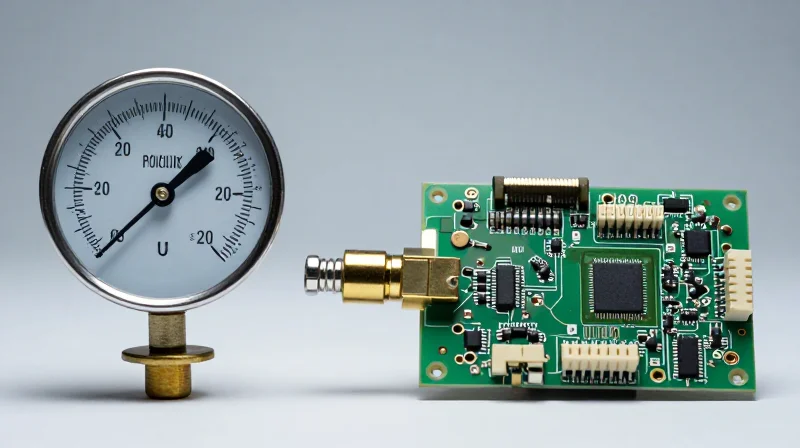
For decades, the clinical gold standard for blood pressure measurement was the mercury sphygmomanometer. These mechanical devices relied on auscultation, requiring a clinician to listen to Korotkoff sounds. As electronics miniaturized, the industry transitioned toward early-generation electronic sphygmomanometers. These systems utilized basic Printed Circuit Board Assemblies (PCBAs) to measure oscillometric pressure fluctuations. While these early digital units improved consistency by removing human interpretation errors, they remained localized, siloed devices that provided only a snapshot in time.
Technological Transition: Traditional vs. IoT-Integrated Systems
The modern shift toward next-gen IoT systems represents a transition from simple data acquisition to continuous physiological intelligence. Where traditional PCBAs focused on analog-to-digital signal processing for a localized readout, modern IoT hardware incorporates advanced connectivity modules, edge-computing microprocessors, and secure cloud synchronization to facilitate remote patient monitoring (RPM).
| Feature | Traditional PCBA Systems | Next-Gen IoT Systems |
|---|---|---|
| Connectivity | None (Isolated) | Wi-Fi/Bluetooth/Cellular |
| Data Storage | Local (On-device memory) | Cloud-based/EHR Integration |
| Diagnostic Insight | Basic numerical output | Trend analysis and AI-driven alerts |
| Form Factor | Fixed clinical units | Wearable and portable sensors |
Key Differences in System Architecture
- How have PCBA designs evolved?
Early PCBAs were designed primarily for signal amplification and basic ADC conversion, whereas modern designs integrate power-efficient MCUs capable of local edge processing and encrypted wireless transmission protocols. - What role does connectivity play in diagnostics?
Connectivity enables seamless transmission of data to the Electronic Health Record (EHR), allowing clinicians to view long-term physiological trends rather than relying solely on sporadic office-visit readings. - Does the hardware impact measurement accuracy?
While basic oscillometric algorithms remain foundational, modern sensor integration and noise-cancellation hardware allow for higher accuracy in non-clinical, real-world environments.
Anatomy of Legacy Analog Signal Chains
Architecture of Legacy Analog Signal Chains
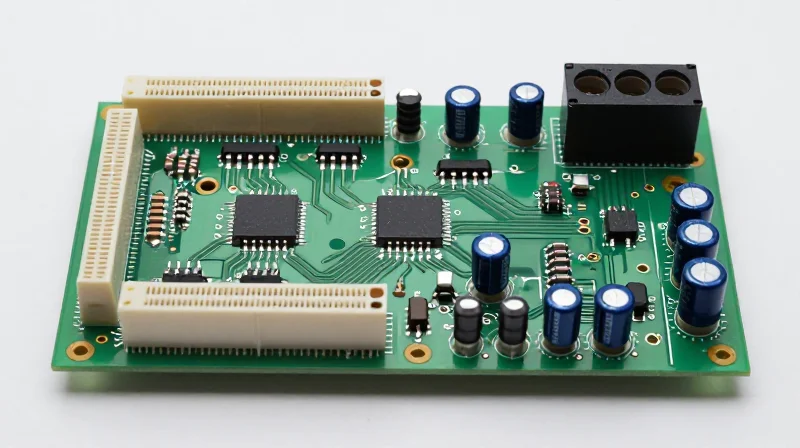
Traditional blood pressure monitors rely on high-precision analog signal conditioning chains to extract the faint Oscillometric waveforms from the cuff. These legacy architectures are typically built upon discrete, stage-by-stage component layouts, where each sub-circuit—ranging from pneumatic pressure transducers to differential amplifiers and multi-order active filters—is physically and electrically siloed on the PCBA.
Critical Signal Processing Stages
- Signal Transduction
Piezoresistive pressure sensors convert mechanical cuff pressure into millivolt-level analog signals, which are highly susceptible to thermal drift and excitation voltage fluctuations. - Analog Filtering
Hardware-based RC (resistor-capacitor) and active bandpass filters are employed to isolate the subtle pulse oscillation (typically 0.5Hz to 5Hz) while suppressing high-frequency mechanical vibration and power-line interference. - Amplification
Multi-stage instrumentation amplifiers gain up the tiny oscillating signal, requiring significant calibration to maintain linearity and prevent early saturation of the analog-to-digital converter.
Design Limitations and Performance Constraints
| Constraint Factor | Legacy Analog Impact | Resulting Challenge |
|---|---|---|
| Component Tolerance | High variance in discrete R/C values | Inconsistent filter cutoff frequencies |
| Electromagnetic Interference (EMI) | Long board traces act as antennas | Increased noise floor and signal artifacts |
| Thermal Sensitivity | Component drift across temperature | Baseline shift requiring frequent calibration |
The primary limitation of these legacy designs is the inherent signal-to-noise ratio (SNR) penalty associated with cumulative noise injection at every physical interconnect. Because these systems lack integrated digital signal processing at the frontend, any noise picked up by the long analog traces between the transducer and the MCU cannot be effectively remediated later in the chain. This rigid, hardware-centric approach requires exhaustive manual tuning during manufacturing, limiting both the miniaturization potential and the ability to adapt to varying physiological profiles.
The Rise of Digital Processing Architectures
From Discrete Chains to SoC Integration
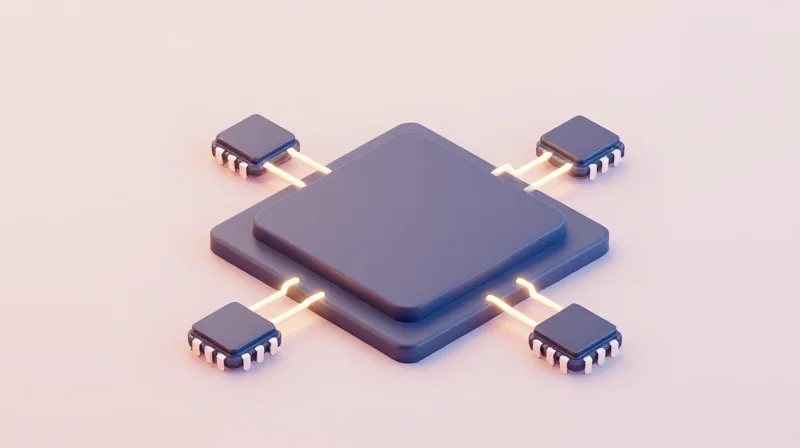
Modern clinical diagnostics are migrating away from sprawling, discrete analog signal chains toward System-on-Chip (SoC) architectures. By integrating the microcontroller, high-resolution analog-to-digital converters (ADCs), and precision instrumentation amplifiers onto a single die, manufacturers reduce parasitic capacitance and board-level noise interference. This architectural shift allows for a significantly smaller footprint while simultaneously improving the signal-to-noise ratio (SNR) required for capturing subtle oscillometric pressure oscillations.
Software-Defined Signal Conditioning
Traditional hardware-locked signal conditioning—reliant on bulky operational amplifiers and physical capacitor-resistor filters—is being supplanted by digital signal processing (DSP) algorithms. Software-defined architectures allow for adaptive filtering, where the system dynamically adjusts its bandpass characteristics in real-time to mitigate motion artifacts or ambient pressure fluctuations. This flexibility ensures that the diagnostic device remains accurate across a wider demographic of patients, including those with arrhythmias or hypertension.
| Architecture Attribute | Legacy PCBA Design | Next-Gen SoC/IoT System |
|---|---|---|
| Filtering Method | Passive/Active Analog Hardware | Programmable Digital DSP |
| Integration Density | Discrete Components | Monolithic SoC |
| Artifact Mitigation | Fixed Thresholding | Adaptive Algorithm Analysis |
| Calibration | Mechanical/Hardware Trimming | Over-the-Air (OTA) Updates |
Critical Performance Impacts
- How does higher ADC resolution improve diagnosis?
Increased bit-depth, typically moving from 12-bit to 24-bit resolution, enables the detection of minute pressure pulses that would otherwise be lost in the quantization noise floor, leading to more accurate systolic/diastolic readings. - What is the primary benefit of moving signal conditioning to software?
It decouples the hardware from the algorithm, allowing manufacturers to improve diagnostic accuracy via firmware updates without needing to redesign the physical PCBA. - Do SoC architectures improve power efficiency?
Yes, by eliminating the need for multiple auxiliary ICs and optimizing clock gating, modern SoCs significantly extend the battery life of portable IoT-enabled diagnostic monitors.
Challenges in Miniaturization and Power Efficiency
Engineering Constraints in Miniaturization
Shrinking medical PCBA designs necessitates moving away from large discrete analog components toward highly integrated System-on-Chip (SoC) architectures. The challenge lies in maintaining high signal-to-noise ratios (SNR) as sensitive pressure sensors are placed closer to high-frequency digital switching circuits, which can introduce crosstalk and electromagnetic interference that compromises clinical-grade accuracy.
Power Efficiency and Battery Longevity
IoT systems require continuous connectivity, often via Bluetooth Low Energy (BLE), which competes with the power-hungry requirements of air pumps and high-resolution ADCs. To achieve longevity, designers must shift from constant polling to event-driven processing architectures, utilizing deep-sleep modes for the microcontroller while ensuring wake-up latency does not interfere with the patient experience.
| Feature | Legacy PCBA Design | Next-Gen IoT System |
|---|---|---|
| Form Factor | Large, multi-PCB stack | Single-board compact design |
| Power Profile | Constant analog bias current | Adaptive duty cycling |
| Connectivity | None/Wired serial | Wireless (BLE/Wi-Fi) |
| Energy Density | High consumption, short life | Optimized, multi-week autonomy |
Key Challenges and Solutions
- How does miniaturization impact sensor sensitivity?
Smaller footprints increase noise floors, necessitating advanced digital filtering algorithms within the SoC to isolate the oscillometric pressure pulses from ambient electronic noise. - Can IoT devices match clinical accuracy despite battery constraints?
Yes, by utilizing ultra-low-power ASICs that perform local data processing and edge analysis, reducing the need for constant, battery-intensive data transmission. - What is the biggest trade-off in portable design?
The trade-off is often between the pump motor's duty cycle and overall battery size; engineers must optimize pneumatic efficiency to allow for smaller, lighter battery chemistries.
Connectivity: Bringing IoT into Clinical Diagnostics

Bridging the Gap: BLE and Wi-Fi in Diagnostics
Modern clinical diagnostics rely on seamless data pipelines to bridge the physical measurement gap between patient-side devices and Electronic Health Records (EHR). By embedding Bluetooth Low Energy (BLE) and Wi-Fi capabilities directly into the PCBA architecture, manufacturers move away from cumbersome manual entry processes, which are prone to human error and latency. This transition enables real-time clinical oversight, allowing healthcare providers to receive validated blood pressure data points directly into their workflow, thereby enhancing diagnostic accuracy and intervention speed.
| Connectivity Metric | Bluetooth Low Energy (BLE) | Wi-Fi Integration |
|---|---|---|
| Primary Use Case | Short-range patient-to-hub | Direct enterprise network access |
| Power Consumption | Ultra-low (optimized for battery) | Higher (optimized for bandwidth) |
| Clinical Workflow | Smartphone/Gateway sync | Direct EHR cloud ingestion |
Implementation Considerations for IoT-Enabled PCBA
The integration of radio frequency (RF) components into small-form-factor PCBAs necessitates rigorous design discipline. Engineers must account for antenna positioning and shielding to mitigate interference with sensitive analog front-end (AFE) components. Furthermore, security protocols such as AES-128 encryption are non-negotiable requirements for ensuring patient data integrity during transmission to the cloud.
Frequently Asked Questions on IoT Connectivity
- How does IoT connectivity improve the accuracy of diagnostic data?
IoT connectivity removes the manual transcription step, ensuring that the raw physiological data captured by the sensor is transmitted bit-for-bit to the EHR without human intervention or data entry bias. - What are the primary power challenges when adding Wi-Fi to a blood pressure monitor?
Wi-Fi modules require significant peak current during transmission compared to BLE; implementing power-efficient sleep modes and optimized buffer management is critical to maintaining long battery life. - Is cloud-based diagnostic monitoring secure?
Yes, provided the PCBA design incorporates hardware-level security modules (HSM) and adheres to HIPAA and GDPR standards for encryption-in-transit and storage.
Ensuring Accuracy and Compliance in Digital Designs
Navigating Regulatory Standards in the IoT Era
As blood pressure monitoring evolves from static analog PCBA designs to dynamic, algorithm-driven IoT systems, compliance with standards such as ISO 81060-2 has become increasingly complex. The transition to software-defined signal conditioning mandates that firmware algorithms are not merely functional, but rigorously validated for clinical accuracy across diverse patient populations. Compliance now relies on a 'Documented Life Cycle' approach, where every iteration of the signal processing stack must be traceable to clinical verification testing.
Comparative Regulatory Requirements
| Compliance Metric | Traditional PCBA Systems | Next-Gen IoT Systems |
|---|---|---|
| Validation Scope | Hardware circuit tolerance | Algorithm + Hardware stack |
| Update Traceability | Fixed hardware revision | OTA Firmware versioning |
| Data Integrity | Analog signal stability | End-to-end encryption/security |
| Risk Management | Component failure rates | Software logic/security vulnerabilities |
Managing Firmware-Based Signal Algorithms
Modern signal algorithms must account for variability that traditional discrete components handled via physical tuning. To maintain compliance, manufacturers are adopting 'Digital Twins' to simulate signal noise and artifacts. By subjecting firmware models to thousands of standardized simulated waveforms before deployment, developers can ensure that high-resolution ADCs and SoC logic conform to clinical accuracy mandates before they ever touch a patient.
- How do we validate firmware-based blood pressure algorithms?
Validation involves rigorous bench testing using standardized pressure waveforms followed by clinical trials that demonstrate equivalence to mercury-based sphygmomanometers as defined by ISO 81060-2 protocols. - Does over-the-air (OTA) updating affect regulatory status?
Yes, any firmware update that alters the signal conditioning or diagnostic logic is considered a significant change, requiring re-verification and potentially re-submission to regulatory bodies like the FDA or EMA. - What role does cybersecurity play in accuracy compliance?
For IoT-enabled devices, data integrity is a compliance pillar; if connectivity vulnerabilities allow for packet injection or data tampering, the medical device is considered non-compliant, regardless of the clinical accuracy of the sensor itself.
The Strategic Edge: Why OEMs are Switching Architectures
Strategic Drivers for Architecture Migration
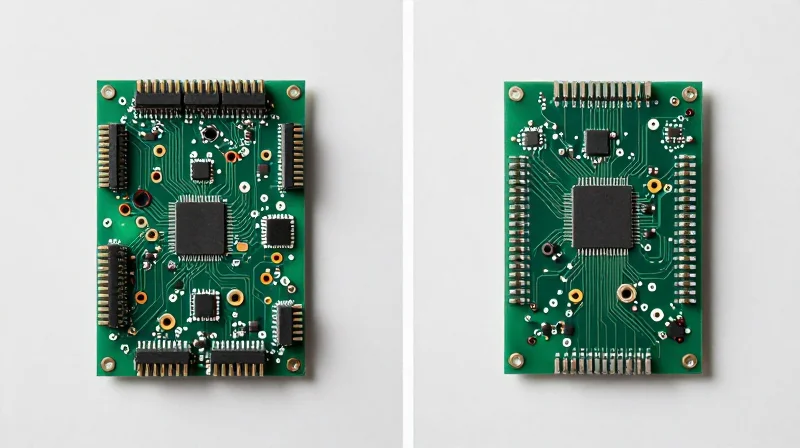
The shift from legacy analog-heavy PCBA designs to modern, firmware-defined IoT architectures is primarily driven by the need for operational agility and improved clinical outcomes. Traditional systems often act as data silos; by contrast, next-gen systems enable bi-directional data flow, turning static diagnostic tools into active components of a patient's care ecosystem.
| Strategic Metric | Legacy PCBA Systems | Next-Gen IoT Systems |
|---|---|---|
| Time-to-Market | Slow (hardware-centric iterations) | Fast (modular, firmware-upgradeable) |
| Maintenance | On-site calibration required | Remote diagnostics & over-the-air updates |
| Patient Data | Manual entry/Local storage | Seamless EHR/Cloud integration |
Key Advantages for OEMs
- Reduced Total Cost of Ownership
By shifting from scheduled physical maintenance to predictive, remote diagnostics, OEMs significantly lower the long-term support costs associated with field-deployed diagnostic hardware. - Accelerated Product Lifecycles
Modular IoT architectures allow manufacturers to update firmware features or security patches without requiring new hardware certification, effectively extending the commercial viability of a device. - Enhanced Data-Driven Value
Integrated IoT connectivity allows for the collection of real-world performance data, enabling OEMs to refine sensor algorithms and prove clinical efficacy to providers more effectively.
Ultimately, the transition to modern IoT-enabled diagnostics is not merely a technical upgrade; it is a fundamental shift in business model. OEMs that adopt these platforms move from being hardware vendors to providers of integrated health insights, creating higher barriers to entry for competitors who remain tethered to traditional, closed-system architectures.
Future Outlook: AI and Edge Computing in Diagnostics

The Shift from Cloud-Dependent to Edge-Native Intelligence
Traditional IoT diagnostic architectures rely heavily on sending raw waveforms to the cloud for processing, creating latency issues and privacy risks. The next generation of PCBA design utilizes high-efficiency edge AI processors, enabling blood pressure monitors to perform local anomaly detection. By executing complex signal analysis—such as identifying arrhythmia or nocturnal hypertension—directly on the device, manufacturers can deliver immediate patient feedback while reducing bandwidth consumption and ensuring data sovereignty.
Edge Computing vs. Traditional Cloud Processing
| Feature | Traditional IoT Model | Edge-Native AI Model |
|---|---|---|
| Data Processing | Centralized (Cloud) | Localized (On-Device) |
| Latency | Variable/High | Ultra-Low (Real-time) |
| Privacy | High Exposure Risk | Privacy by Design |
| Connectivity Need | Constant | Optional/Intermittent |
Predictive Health Insights and Anomaly Detection
Modern PCBAs are increasingly incorporating neural processing units (NPUs) tailored for signal filtering and predictive modeling. Rather than merely recording static values, these systems utilize longitudinal data analysis to identify physiological deviations long before a threshold-based alert would trigger. This shift enables the transition from reactive care to predictive diagnostics, allowing clinicians to receive filtered, high-fidelity insights rather than overwhelming data streams.
Frequently Asked Questions
- How does edge AI improve accuracy in blood pressure devices?
Edge AI allows for real-time noise cancellation and motion artifact rejection during signal acquisition, which is significantly more effective than post-processing raw data in the cloud. - Will edge-native designs increase PCBA cost significantly?
While component costs for AI-capable microcontrollers are higher, they are offset by reduced cloud infrastructure costs, lower data transmission requirements, and increased market value as a 'smart' diagnostic tool. - What are the primary regulatory hurdles for on-device AI?
Regulatory bodies like the FDA and EMA require strict validation of machine learning models. Manufacturers must ensure that algorithms are deterministic, explainable, and undergo rigorous clinical verification to maintain compliance.
The transition to IoT-integrated diagnostic hardware is no longer optional—it is a competitive necessity for the modern medical electronics manufacturer. By abandoning legacy analog constraints for sophisticated digital architectures, OEMs can deliver superior clinical outcomes and seamless user experiences. Contact our engineering design team today to start building the next generation of connected healthcare solutions.
