
Vertical mobility is no longer just about moving passengers from floor to floor; it is the central nervous system of the modern smart building. As legacy PCB architectures become a bottleneck for efficiency, facility managers must understand why the shift to IoT-integrated, cloud-connected controller systems is critical for future-proofing vertical transportation.
The Current State of Vertical Infrastructure
The current state of vertical mobility in aging building stocks is defined by a reliance on fragmented, siloed printed circuit board (PCB) architectures that have reached the end of their technological lifecycle. Many elevators operating today still rely on proprietary, hard-wired logic systems that lack the connectivity required for predictive diagnostics or modern safety integration. This reliance on legacy hardware is not merely a technical limitation; it is a significant operational liability that mandates reactive maintenance cycles and keeps property managers tethered to outdated, expensive support models.
Limitations of Legacy PCB Systems
Legacy PCB controllers were designed for simplicity and longevity in a standalone environment, typically lacking the communication protocols necessary for integration with Building Management Systems (BMS). Because these systems operate in isolation, they create an 'information vacuum' where hardware failures are only identified after a breakdown occurs, leading to prolonged downtime and emergency service premiums.
| Attribute | Legacy PCB Systems | Next-Gen Smart Controllers |
|---|---|---|
| Diagnostics | Reactive/Manual | Predictive/Automated |
| Connectivity | Closed/Isolated | Cloud-Enabled/BMS Integrated |
| Maintenance | Component Replacement | Firmware-Led Optimization |
| Scalability | Limited | High/IoT Ready |
Frequently Asked Questions
- Why is it difficult to replace legacy elevator controllers?
Legacy systems are often deeply embedded in proprietary hardware ecosystems, making them difficult to interface with modern software without comprehensive, capital-intensive modernization of the entire vertical transport system. - What is the primary risk of continuing to use legacy PCBs?
The greatest risk is the 'hidden cost' of obsolescence, which includes skyrocketing costs for rare, discontinued electronic components and the inability to meet modern energy efficiency or safety code standards. - How do next-gen controllers change maintenance?
Next-gen systems utilize real-time telemetry and machine learning to analyze mechanical performance, allowing technicians to resolve micro-faults before they escalate into full-system failures.
Anatomy of Legacy Systems: Why They Fall Short
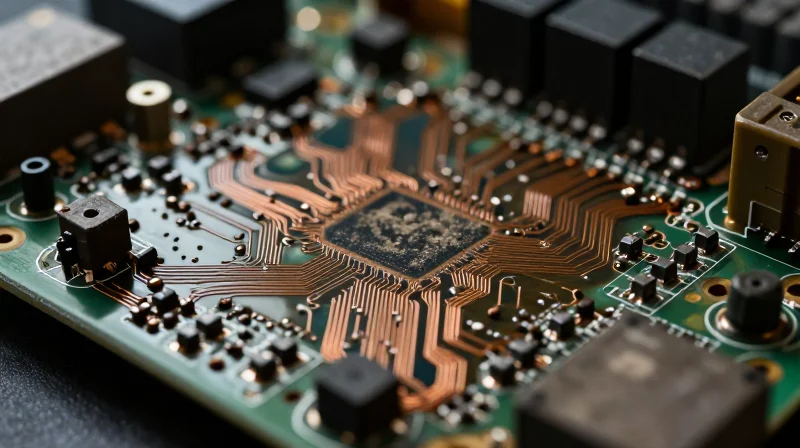
The Architectural Limitations of Legacy Controllers
At their core, traditional elevator controllers rely on monolithic, static PCB designs that lack the modularity required for modern vertical transport. These systems are typically hardwired for specific logic patterns, making them inherently resistant to software-defined updates or real-time diagnostic telemetry. Because they operate on proprietary, isolated bus structures, these legacy boards create significant data silos, preventing the seamless communication necessary for AI-driven predictive maintenance or high-rise energy optimization.
Legacy PCB vs. Next-Gen Smart Controller
| Feature | Legacy PCB System | Next-Gen Smart Controller |
|---|---|---|
| Data Processing | Hard-coded local logic | Edge-computing capability |
| Connectivity | Proprietary serial buses | IP-based IoT protocols |
| Scalability | Fixed hardware footprint | Software-defined modularity |
| Maintenance | Reactive/Manual | Predictive/Automated |
Common Challenges in Legacy Infrastructure
- Why do legacy systems fail to support predictive analytics?
Legacy controllers lack the processing power and memory bandwidth to execute complex machine learning algorithms, which are necessary to analyze high-frequency vibration or motor current data. - What role does closed-loop architecture play in downtime?
Closed-loop systems prevent third-party interoperability; when a component fails, the controller often forces a complete system lockout rather than identifying and reporting specific, granular fault codes. - Is hardware obsolescence a major risk?
Yes, aging PCB components are often no longer manufactured, making repairs expensive and forcing building managers into costly full-unit modernizations rather than simple firmware optimizations.
The IoT Advantage: Real-Time Connectivity
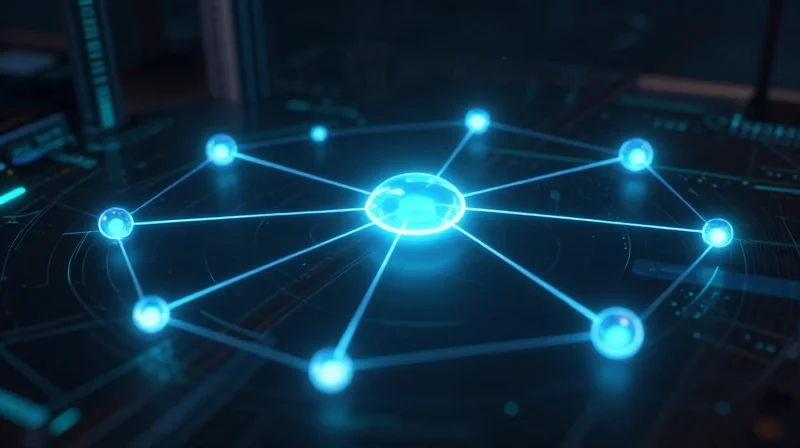
The Shift to Intelligent Connectivity
The integration of IoT architecture represents a fundamental shift from static, reactive hardware to dynamic, proactive systems. By leveraging edge computing directly on the controller, next-gen elevator systems can process telemetry data in real-time, moving beyond simple input-output functions to complex analytical decision-making. This connectivity allows elevators to communicate not only with centralized building management systems (BMS) but also with cloud-based diagnostic platforms, creating a holistic data ecosystem that minimizes downtime.
Comparative Efficiency: Legacy vs. Smart Architectures
| Feature | Legacy PCB Controller | Smart IoT Controller |
|---|---|---|
| Data Processing | Local/Siloed | Edge/Cloud Hybrid |
| Maintenance Logic | Reactive (Break-fix) | Predictive/Proactive |
| Connectivity | Isolated/Hard-wired | Always-on API/Wireless |
| Fault Detection | Manual Inspection | Automated Real-time Alerting |
Key Advantages of IoT Integration
- Predictive Maintenance Protocols
IoT sensors monitor mechanical stress and component degradation, alerting technicians to potential failures before they lead to service interruptions. - Enhanced Energy Optimization
Smart controllers adjust operational parameters based on traffic flow patterns and occupancy data, significantly reducing power consumption during off-peak hours. - Advanced Diagnostic Capabilities
Detailed telemetry logs provide engineering teams with precise fault codes and historical performance data, drastically reducing the time required for on-site repairs. - Interoperability with Building Management
Seamless integration with smart building ecosystems allows elevators to synchronize with HVAC, lighting, and security systems for improved tenant experience.
By transitioning to these connected architectures, property managers shift the paradigm of vertical mobility from a hidden utility cost to a transparent, value-adding component of the modern intelligent building.
Predictive Maintenance: From Reactive to Proactive

From Failure Mitigation to Failure Prediction
The evolution of smart elevator controllers allows for a fundamental shift in maintenance strategy. Instead of relying on rigid, pre-scheduled maintenance intervals, next-gen systems continuously monitor vibration patterns, motor heat, and electrical current stability. By utilizing machine learning algorithms, controllers establish a 'digital twin' baseline for component behavior, flagging anomalies that precede a mechanical or electrical failure by days or even weeks.
Comparing Maintenance Paradigms
| Feature | Legacy PCB Approach | Smart Controller Approach |
|---|---|---|
| Maintenance Trigger | Time or fixed mileage | Actual component health |
| Data Utilization | Static fault logs only | Streaming telemetry/ML analysis |
| Downtime Strategy | Reactive (Wait for break) | Proactive (Preserve lifecycle) |
| Technician Role | Generalist, manual inspection | Specialist, targeted repair |
Key Questions on Predictive Maintenance
- How does an algorithm know a part is failing?
Algorithms analyze multi-variate data points—such as frequency signatures in drive motors or resistance changes in door operators—to detect micro-deviations that deviate from nominal operating parameters. - Does this require replacing the entire elevator system?
No, modular smart controllers can often be retrofitted into legacy systems, bridging the gap between old hardware and modern diagnostic software through IoT gateway modules. - What is the primary impact on asset lifecycle?
Proactive maintenance prevents cascading failures, where a minor faulty relay causes excessive stress on the motor; by fixing small issues early, the total lifespan of major capital components is significantly extended.
By integrating these intelligent diagnostics, building managers transition from an operational expense-heavy model to an asset-optimizing strategy, drastically reducing unexpected downtime and improving tenant satisfaction.
Safety and Cybersecurity Standards in Smart Buildings
Merging Physical Safety with Cyber Resilience
Legacy elevator controllers relied on 'security through obscurity' and air-gapped physical interfaces. As next-gen controllers integrate IP-based connectivity for remote diagnostics and cloud analytics, they become potential attack vectors. Modern safety standards like ASME A17.1 and EN 81-20 must now be complemented by cybersecurity frameworks such as IEC 62443, ensuring that digital compromises cannot bypass critical mechanical safety chains.
Comparison of Security Paradigms
| Feature | Legacy PCB Systems | Next-Gen Smart Controllers |
|---|---|---|
| Connectivity | Air-gapped / Local Bus | IoT / Cloud / Edge-Integrated |
| Threat Vector | Physical Tampering | Network Intrusion / Firmware Hijacking |
| Safety Protocol | Hardwired Safety Loop | Digital Safety Bus + Redundant Hardware |
| Authentication | Physical Keys | Encrypted Tokens / PKI Infrastructure |
Critical Security Measures
- How does encryption protect vertical mobility?
End-to-end encryption ensures that diagnostic telemetry transmitted from the elevator to the building management cloud cannot be intercepted or spoofed, preventing unauthorized control commands. - What is the role of the Hardware Security Module (HSM)?
Modern controllers integrate HSMs to provide a root of trust, allowing for secure boot processes and the safe storage of cryptographic keys, effectively preventing firmware tampering. - Are safety-critical circuits isolated from network interfaces?
Yes, next-gen architectures employ physical and logical segmentation, ensuring that network communication processors operate on a separate hardware domain from the SIL-rated safety processors.
The transition requires strict adherence to supply chain security. Developers must verify the integrity of every software component, moving toward a 'Zero Trust' architecture where even internal communications between sensor modules are continuously verified.
Energy Efficiency and Sustainability Metrics
Revolutionizing Power Consumption with Regenerative Drives
Legacy elevator systems often dissipated kinetic energy as heat through dynamic braking resistors, effectively wasting potential power. Next-generation smart elevator controllers leverage advanced power electronics to convert this mechanical energy back into usable electricity. When an elevator car descends with a heavy load or ascends with a light load, the motor acts as a generator, feeding energy back into the building's electrical grid for use in lighting or HVAC systems.
Comparative Metrics: Legacy vs. Smart Architectures
| Metric | Legacy PCB System | Smart Controller System |
|---|---|---|
| Energy Recovery | None (Dissipated as heat) | Regenerative (Back-to-grid) |
| Standby Consumption | High (Continuous idle load) | Ultra-Low (Sleep/Wake cycles) |
| Traffic Efficiency | Static/Fixed Grouping | Dynamic/Destination Dispatch |
| Peak Load Management | Inefficient | Optimized via AI |
Intelligent Traffic Management and Sustainability
Beyond component-level efficiency, smart controllers utilize Destination Control Systems (DCS) to optimize building-wide energy consumption. By grouping passengers according to their target floors in real-time, the controller minimizes stops and start-stop cycles. This not only reduces mechanical wear but significantly lowers the kilowatt-hours per trip, aligning elevator operations with modern green building certifications like LEED and BREEAM.
Frequently Asked Questions
- How much energy can a regenerative drive actually save?
Depending on building traffic patterns and height, regenerative systems can reduce the total energy consumption of an elevator installation by 20% to 40% annually. - Can smart controllers be retrofitted into legacy PCB systems?
Yes, many modern smart controllers are designed with modular bus architectures that allow for partial retrofitting, providing an immediate sustainability upgrade without requiring full elevator shaft replacement. - Does predictive maintenance contribute to energy efficiency?
Absolutely; by ensuring that motors, rollers, and drive systems operate within optimal friction parameters, predictive maintenance prevents mechanical drag, which is a major hidden cause of energy waste.
ROI and Strategic Capital Expenditure Planning
Evaluating the Financial Lifecycle of Vertical Mobility Infrastructure
Transitioning from legacy PCB architectures to next-gen smart elevator controllers is a strategic financial decision that shifts capital allocation from reactive maintenance to proactive asset performance. While legacy systems may appear cost-effective in the short term, their reliance on obsolete components frequently results in mounting service premiums, extended downtime, and increased liability. Investing in smart, software-defined control architectures reduces the 'hidden tax' of technical debt by enabling remote diagnostics, predictive repair cycles, and energy optimization.
| Financial Metric | Legacy PCB Systems | Next-Gen Smart Controllers |
|---|---|---|
| Maintenance Expenditure | High (Reactive/Escalating) | Low (Predictive/Stable) |
| Downtime Costs | High (Unplanned Revenue Loss) | Minimal (Optimized Scheduling) |
| Energy Efficiency | Inefficient (Fixed Power Draw) | High (Regenerative Capabilities) |
| Asset Lifecycle | Short (Rapid Obsolescence) | Extended (Modular/Firmware Updates) |
Optimizing ROI Through Capital Planning
- How does predictive maintenance affect the ROI of a smart controller upgrade?
By identifying failure signatures early, smart controllers allow facility managers to perform maintenance during off-peak hours, preventing expensive emergency service calls and unplanned downtime that drastically reduces operational revenue. - Is the higher initial capital expenditure for smart controllers justified?
Yes, when calculating the Total Cost of Ownership (TCO). Smart controllers provide measurable savings through energy regeneration, remote software patching, and a significantly extended hardware lifecycle, often leading to a break-even point within 3 to 5 years of installation. - What role does interoperability play in long-term financial planning?
Legacy systems are often siloed, forcing building owners into proprietary service contracts. Next-gen smart controllers typically embrace open standards, fostering competitive maintenance environments and allowing for modular upgrades rather than complete system rip-and-replace.
Ultimately, the strategic move toward intelligent elevator control is an investment in building valuation. As smart building integration becomes the industry benchmark, modern elevators equipped with smart controllers enhance property appeal and ensure compliance with evolving safety and sustainability regulations, effectively future-proofing the asset against rapid technological obsolescence.
Implementation Strategies for Modernization
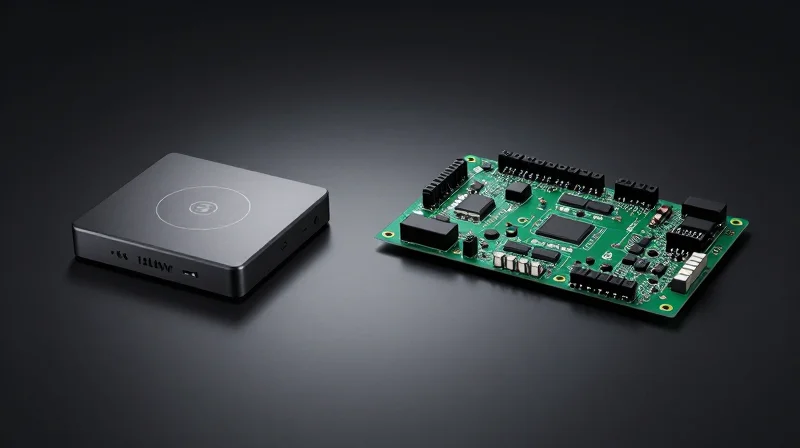
Phased Implementation Framework
Transitioning from legacy proprietary boards to modern smart controllers requires a non-disruptive migration strategy. The most effective approach follows a three-pillar lifecycle: audit, pilot, and phased deployment.
| Phase | Primary Goal | Risk Mitigation |
|---|---|---|
| Audit | Identify critical failure points | Digital mapping of I/O requirements |
| Pilot | Test on one low-traffic unit | Parallel monitoring of safety signals |
| Full Rollout | Scalable enterprise deployment | Staggered installation schedule |
Strategic Migration Considerations
Modernizing vertical mobility assets is not merely a hardware swap; it is an integration project. Developers must ensure that legacy peripherals like car-operating panels and landing buttons are either retrofitted or replaced to support the high-speed bus communication used by modern controllers.
- How do we maintain service uptime during the transition?
Utilize temporary bypass modules and phased installation windows to ensure the building remains operational, upgrading one car at a time. - Is it possible to retain legacy cabin fixtures?
In many cases, yes, through the use of serial link converters that translate old analog signaling into modern CAN-bus or Ethernet-based protocols. - What is the biggest technical hurdle?
Ensuring compatibility between the new controller firmware and existing safety chain components is paramount to meeting local fire and safety codes.
Technical Integration Snippet
if controller.status == 'MIGRATION':
    safety_bridge.activate(protocol='MODBUS_TCP')
    legacy_io.map_signals(source='PHYSICAL', target='VIRTUAL')
    verify_integrity(checksum='SHA-256')
By following this modular path, facility managers can effectively bridge the gap between reliable legacy hardware and the data-rich, high-performance future of vertical mobility.
Transitioning from legacy controls to IoT-integrated architectures is not merely an equipment upgrade; it is a vital step toward long-term operational resilience and building intelligence. By embracing predictive maintenance and data-driven insights, you can significantly reduce costs and enhance passenger safety. Contact our engineering team today for a comprehensive audit of your current elevator infrastructure.
