In today's world, where electronic devices are integral to our daily lives, the printed circuit board (PCB) is an essential component. From smartphones to medical equipment, PCBs form the backbone of modern technology. This article delves into the top 10 printed circuit board manufacturers worldwide, focusing on industry leaders such as TTM Technologies, Sanmina, and Jabil Inc., that are driving innovation and shaping the future of electronics.
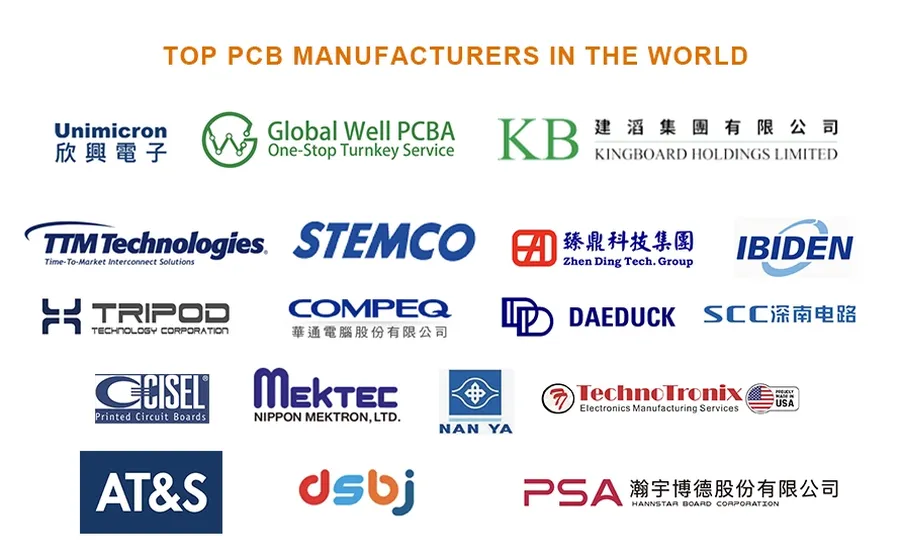
The global printed circuit board (PCB) manufacturing industry is a critical component of the electronics supply chain, characterized by its substantial market size, diverse regional concentrations, and rapidly evolving technological landscape. This industry serves as the foundation for virtually all electronic devices, with a market value reaching hundreds of billions of dollars annually.
Asia Pacific dominates the PCB manufacturing landscape, with China being the single largest producer, followed by other significant contributors such as Taiwan, South Korea, and Japan. North America and Europe also hold key positions, particularly in high-reliability and specialized PCB markets. These regions also house leading research and development facilities that drive innovation within the industry.
Emerging trends in global PCB manufacturing are largely influenced by the demands of modern technology. These include the rise of High-Density Interconnect (HDI) PCBs, flexible circuits, and the incorporation of advanced materials to meet performance requirements in fields like telecommunications, automotive, and aerospace. Moreover, the industry is increasingly focusing on sustainability, seeking more environmentally friendly manufacturing processes and materials.
| Region | Market Share (Approximate) | Key Strengths | Notable Players |
|---|---|---|---|
| Asia Pacific | 70-80% | High volume production, cost competitiveness, broad technology range | China, Taiwan, South Korea, Japan |
| North America | 10-15% | High reliability PCBs, advanced R&D, specialized applications | TTM Technologies, Sanmina, Jabil Inc. |
| Europe | 5-10% | Automotive PCBs, high-quality production, niche markets | AT&S, Schweizer Electronic |
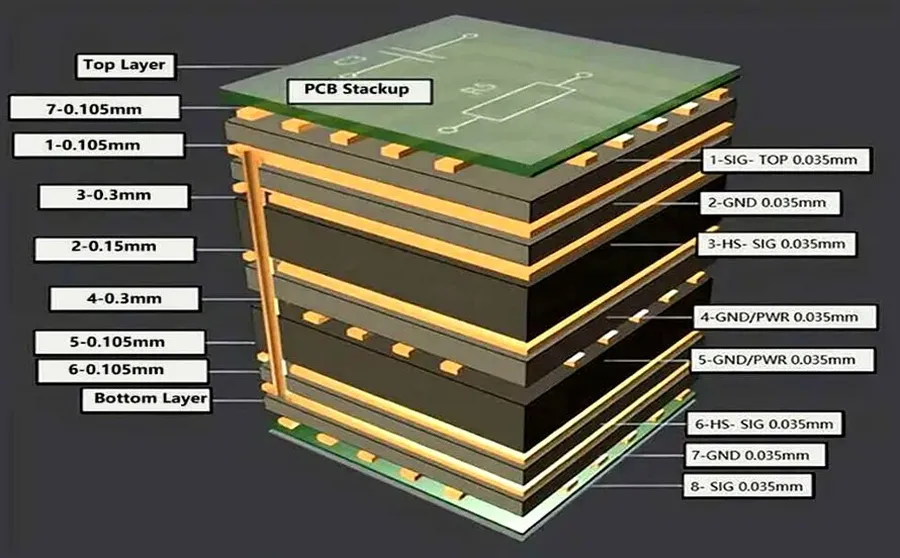
The global printed circuit board (PCB) manufacturing landscape is dominated by a select group of companies that possess the technological prowess, manufacturing capacity, and global reach to serve a diverse range of industries. This section provides an in-depth analysis of the top 10 PCB manufacturers, examining their market share, technological strengths, and geographical footprint. These companies are pivotal in enabling the technological advancements that underpin modern electronics.
| Rank | Manufacturer | Headquarters | Key Technologies | Market Focus |
|---|---|---|---|---|
| 1 | TTM Technologies | USA | High-density interconnect (HDI), RF/microwave PCBs, aerospace and defense applications | Aerospace, defense, networking, communications |
| 2 | Sanmina | USA | Complex PCB assemblies, backplanes, system integration | Medical, industrial, telecommunications, automotive |
| 3 | Jabil Inc. | USA | High-volume manufacturing, advanced technology PCBs, supply chain solutions | Consumer electronics, automotive, healthcare, industrial |
| 4 | Unimicron | Taiwan | HDI, flexible PCBs, rigid-flex PCBs, IC substrate | Mobile devices, computers, networking equipment, automotive |
| 5 | Compeq | Taiwan | HDI, multilayer PCBs, large-size boards | High-end motherboards, servers, data centers, networking |
| 6 | Zhen Ding Technology | Taiwan | Flexible PCBs, HDI, rigid-flex PCBs | Mobile devices, wearables, automotive electronics |
| 7 | Tripod Technology | Taiwan | Multilayer PCBs, large-size boards, high-volume production | Computers, networking equipment, consumer electronics |
| 8 | Nippon Mektron | Japan | Flexible PCBs, automotive PCBs, specialty materials | Automotive, industrial, medical |
| 9 | Kingboard Chemical | Hong Kong | Multilayer PCBs, laminate materials, comprehensive PCB solutions | Telecommunications, networking, consumer electronics |
| 10 | Sumitomo Electric | Japan | Flexible PCBs, high-speed PCBs, specialty materials | Automotive, telecommunications, industrial equipment |
The United States boasts a robust ecosystem of printed circuit board (PCB) manufacturers, catering to diverse industries with varying demands. These companies provide not just manufacturing capabilities but also expertise in design, assembly, and testing, making them vital partners for technology companies across sectors.
While the global PCB market is dominated by Asian manufacturers, the US maintains a strong presence, particularly in high-reliability, advanced technology, and specialized applications. Here's a look at some leading PCB manufacturers in the USA, focusing on their areas of expertise, product ranges, and the specific industries they serve.
This list represents a selection of key US-based PCB manufacturers; the landscape is diverse, with many other specialized companies also contributing to the industry. These companies differentiate themselves through their expertise in specific materials, technologies, or industries, enabling them to meet the evolving demands of US based and global technology sectors.
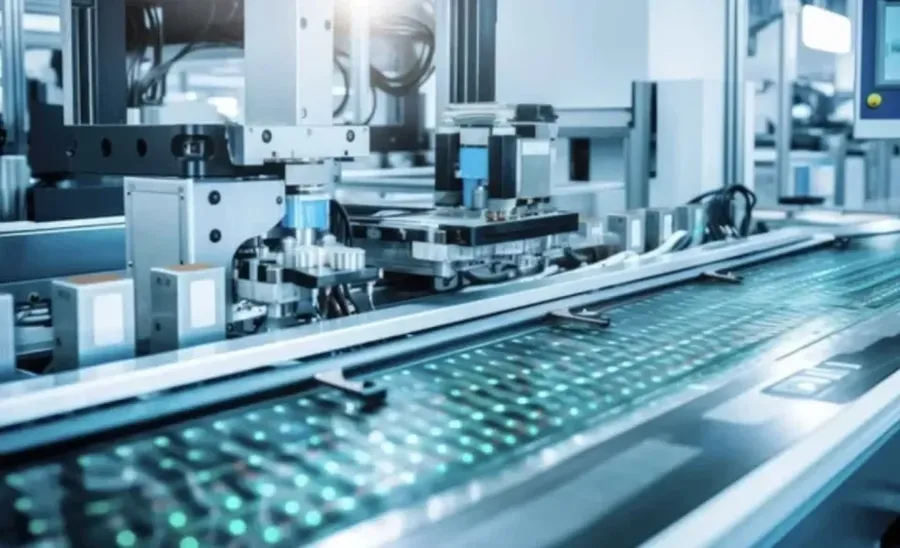
The printed circuit board (PCB) manufacturing sector is characterized by rapid technological advancements, pushing the boundaries of miniaturization, performance, and functionality. This section delves into key innovations shaping the industry, including multilayer PCBs, High-Density Interconnect (HDI) PCBs, and flexible PCBs, alongside their respective manufacturing processes. These advancements are critical to meet the demands of modern electronics across various industries, and are areas where manufacturers like TTM Technologies are at the forefront.
| Technology | Description | Key Features | Applications | Manufacturing Process |
|---|---|---|---|---|
| Multilayer PCBs | PCBs with three or more conductive layers. | Increased circuit density, complex designs, good electrical performance. | High-end electronics, computer motherboards, telecommunications equipment. | Lamination of multiple etched layers using heat and pressure, followed by drilling and plating |
| HDI (High-Density Interconnect) PCBs | PCBs with higher wiring density per unit area. | Fine lines/spaces, microvias, smaller components, increased functionality in less space. | Smartphones, tablets, portable devices, medical equipment. | Sequential build-up process using laser drilling, fine-line etching, and microvia plating. |
| Flex PCBs | PCBs constructed on a flexible substrate. | Flexible, lightweight, capable of fitting into complex shapes, good vibration resistance. | Wearable devices, automotive electronics, aerospace equipment. | Uses flexible base materials, which are often laser cut and have their circuit traces etched using methods similar to rigid boards. |
The evolution of PCB manufacturing is also being driven by the development of new technologies like embedded components, and advanced surface treatments, each aimed at enhancing performance, reducing size, and improving reliability. Leading manufacturers invest significantly in research and development to remain at the technological forefront, driving innovation that benefits various sectors.
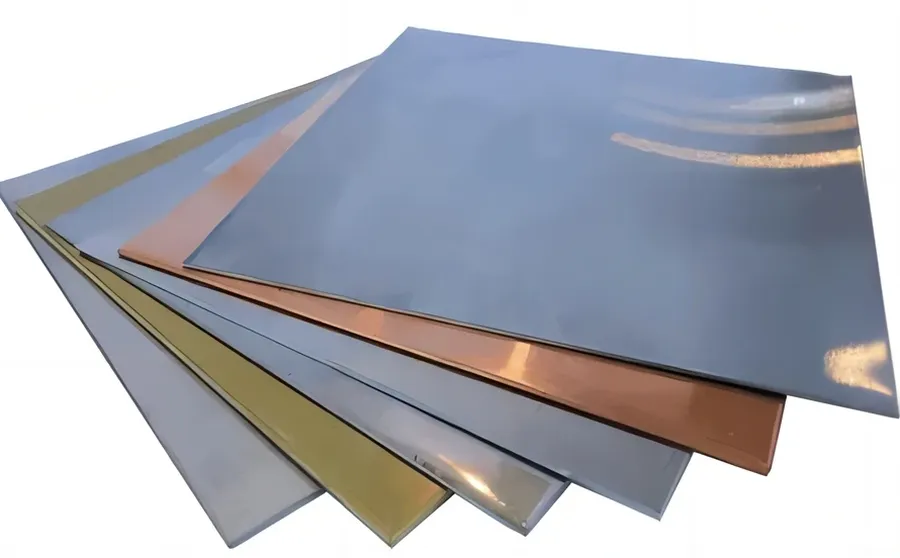
Selecting the right PCB manufacturer is crucial for ensuring product quality, reliability, and cost-effectiveness. This section provides a detailed guide to the key factors that should be considered when making this critical decision, including production capabilities, turnaround time, cost, and quality control measures.
| Factor | Description | Importance |
|---|---|---|
| Production Capabilities | Range of PCB types (single-layer, multi-layer, flex, HDI), production volume, and panel sizes. Also include the ability to handle advanced technologies. | Ensures the manufacturer can produce the specific PCB type required for the project at the desired scale. |
| Turnaround Time | The time taken from design submission to delivery of finished PCBs, considering rapid prototyping and large batch production. | Impacts project timelines and market entry speed; shorter lead times reduce time-to-market. |
| Cost | The total cost of PCB production, including tooling, materials, and any additional services. Requires a balance between cost and product performance and reliability. | Determines project viability and profitability; significant cost variation exists based on material, volume, and tolerance requirements. |
| Quality Control Measures | The quality control process implemented by the manufacturer, including inspection methods and adherence to industry standards. | Impacts product reliability, long-term performance, and overall product safety. |
| Geographical Location | Whether production is domestic or international, understanding the associated logistical impacts. | Factors in shipping costs, lead times, and communication logistics. Domestic production offers better communication and shorter shipping, while international can be cost-effective but has longer timelines and potential language barriers. |
| Certifications and Standards Compliance | Manufacturer's adherence to relevant industry standards (e.g., ISO, UL, IPC) and any quality certifications they possess. | Ensures high-quality and reliable PCBs while promoting compliance and safety standards. |
| Material Expertise | The manufacturer's experience and proficiency in handling a variety of PCB materials (FR-4, Rogers, ceramics) and different material stack-ups. | Ensures that the selected material meets project requirements for performance and environmental conditions. |
| Technology Expertise | The manufacturer's proficiency with different PCB technologies like high-speed and RF design, buried via, and blind via. | Ensures that the selected technology is suitable for project requirements, improves product performance, and reduces potential manufacturing issues. |
| Communication and Support | The quality and responsiveness of customer support, and effectiveness of communication channels. | Facilitates smooth project progression, with quick resolutions to queries and issues. |
The geographical location of the manufacturer is also a significant consideration. Domestic manufacturers often provide quicker turnaround times and better communication, while international manufacturers may offer more cost-effective solutions. However, international options may involve longer lead times and potential communication barriers. Ultimately, the choice depends on a careful balance of these factors, with project needs as the highest priority.
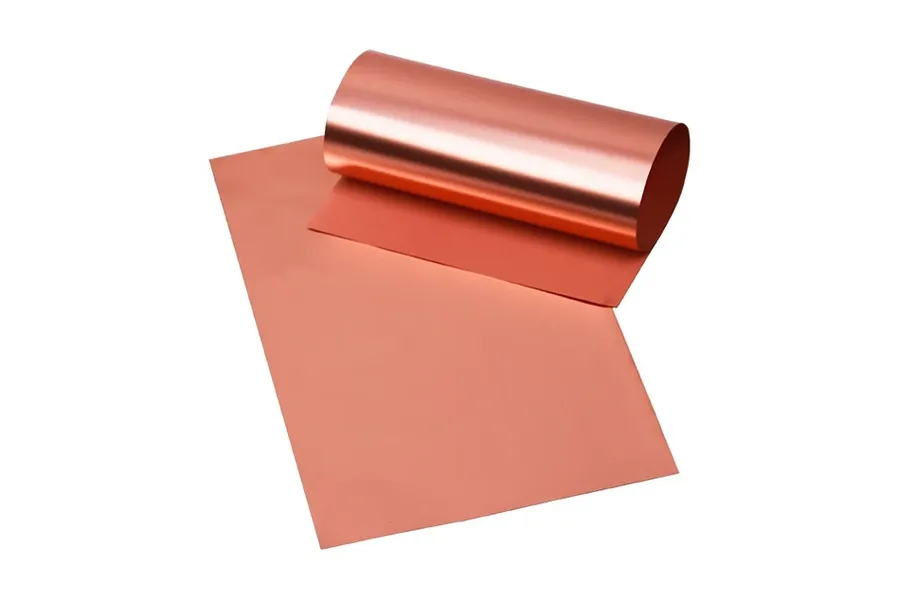
The performance and reliability of a printed circuit board (PCB) are intrinsically linked to the materials used in its construction. Material selection significantly impacts the electrical, thermal, and mechanical properties of the final product. This section explores the diverse range of materials employed in PCB manufacturing, emphasizing their specific roles and performance attributes.
| Material Type | Composition | Key Characteristics | Typical Applications | Advantages | Disadvantages |
|---|---|---|---|---|---|
| FR-4 | Woven fiberglass cloth with epoxy resin | Good mechanical strength, flame retardant, low cost | General-purpose PCBs, consumer electronics | Widely available, cost-effective, good dielectric properties | Limited thermal performance, susceptible to moisture absorption |
| Rogers Materials | Proprietary composite materials (e.g., PTFE based) | Superior electrical performance, low loss tangent, high-frequency applications | High-frequency RF circuits, aerospace applications | Excellent high-frequency performance, low signal loss, stable dielectric constant | Higher cost, more complex processing |
| Polyimide | Polyimide resin | High thermal stability, good chemical resistance, flexible | Flexible circuits, high-temperature applications | Excellent high temperature performance, lightweight, flexible | Higher cost, more complex processing than FR-4 |
| Metal Core PCBs (MCPCB) | Metal core (typically aluminum or copper) with dielectric layer | Excellent heat dissipation, high power applications | LED lighting, power electronics | Superior heat dissipation, high reliability | Heavier, more expensive |
| Ceramic Substrates | Ceramic materials (e.g., alumina, aluminum nitride) | High thermal conductivity, excellent electrical insulation, high-temperature performance | High-power electronics, aerospace, medical devices | Exceptional thermal management, high insulation performance, chemically inert | High cost, brittle |
This section addresses common inquiries regarding printed circuit board (PCB) manufacturers and the PCB manufacturing process. We aim to provide clear, concise answers to help you navigate this complex industry.
The future of printed circuit board (PCB) manufacturing is being shaped by rapid technological advancements, driven by the need for greater efficiency, higher performance, and increased sustainability. Industry 4.0, automation, and material innovation are pivotal forces that are fundamentally changing how PCBs are designed, manufactured, and utilized.
Top PCB manufacturers are actively adapting to these trends. For instance, companies like TTM Technologies are investing heavily in advanced manufacturing equipment and research to drive next-generation PCB design and production capabilities. Moreover, their ability to integrate smart manufacturing principles and focus on sustainability will differentiate leaders in this field.
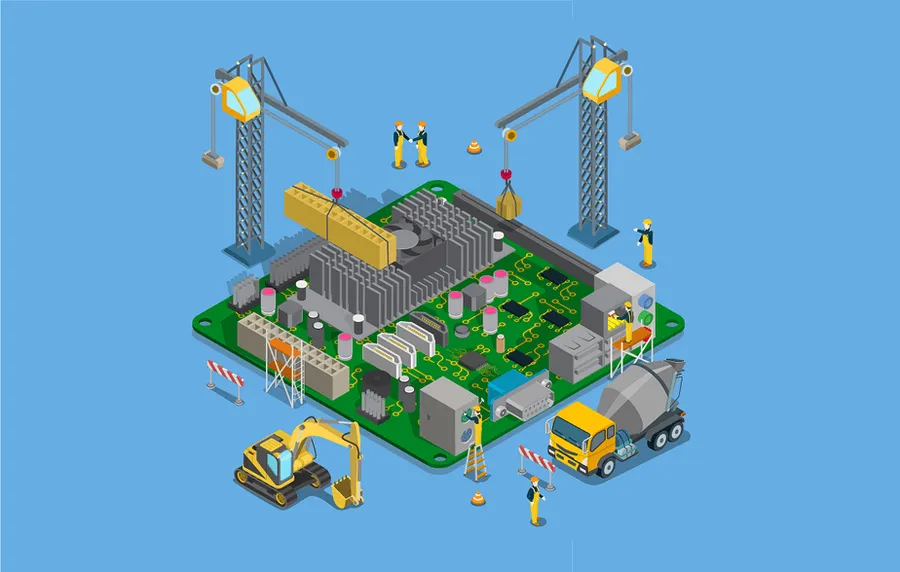
The versatility of Printed Circuit Boards (PCBs) is demonstrated by their widespread use across diverse industries. This section examines real-world applications of PCBs from leading manufacturers, showcasing how specific requirements are met in various sectors, from everyday consumer electronics to highly demanding aerospace applications. By exploring these examples, we gain insight into the critical role PCBs play in modern technology and manufacturing.
Below are a few examples of case studies.
The printed circuit board industry is a cornerstone of modern electronics, with the top 10 printed circuit board manufacturers such as TTM Technologies, Sanmina, and Jabil Inc. playing pivotal roles. These companies not only manufacture but also innovate, pushing the boundaries of technology. As we move forward, the PCB industry is expected to continue its rapid evolution, driven by demand for smaller, more powerful devices and increasingly complex electronic systems. The future will likely bring even more advanced manufacturing techniques and materials, ensuring that PCB technology remains at the heart of technological progress.

