Printed circuit boards (PCBs) are the unsung heroes of modern electronics, forming the backbone of everything from smartphones to sophisticated medical equipment. The PCB manufacturing industry is a complex global ecosystem, with top players like AT&S, TTM Technologies, and Zhen Ding Technology driving innovation and production. This article delves into the key players in this vital industry, exploring market trends and offering insights into what makes these companies leaders in the world of PCB fabrication.
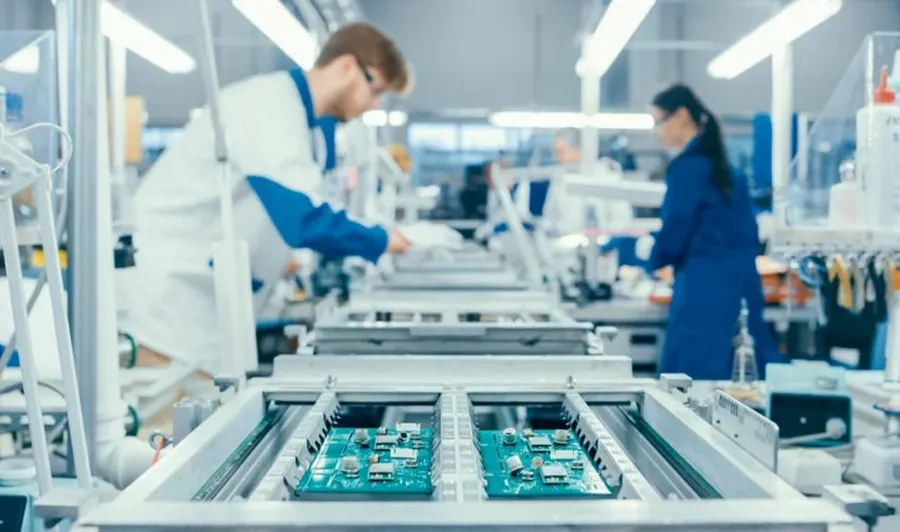
The global PCB (Printed Circuit Board) manufacturing landscape is dominated by a select group of companies that drive innovation and production to meet the ever-increasing demands of the electronics industry. These leaders, through their substantial production capacity, advanced technological capabilities, and strategic market positioning, shape the direction of the industry. This section provides a high-level view of these key players, their specializations, and their influence on the global market.
| Company | Specialization | Market Share (Approx.) | Geographic Presence |
|---|---|---|---|
| AT&S | High-end PCBs, HDI, substrate-like PCBs | 6-8% | Austria, China, India, South Korea |
| TTM Technologies | Aerospace and Defense, Automotive, Data Center PCBs | 5-7% | USA, China, Taiwan |
| Unimicron | HDI, Flexible PCBs, IC Substrates | 4-6% | Taiwan, China, Germany |
| Nippon Mektron | Flexible PCBs | 4-5% | Japan, China, Thailand |
| Compeq | Rigid PCBs, High-Density Interconnect (HDI) boards | 3-5% | Taiwan, China |
| Zhen Ding Technology | Flexible PCBs and Rigid-Flex PCBs | 3-4% | China, Taiwan, India |
| Samsung Electro-Mechanics | Package Substrates, HDI, Rigid PCBs | 2-4% | South Korea, China |
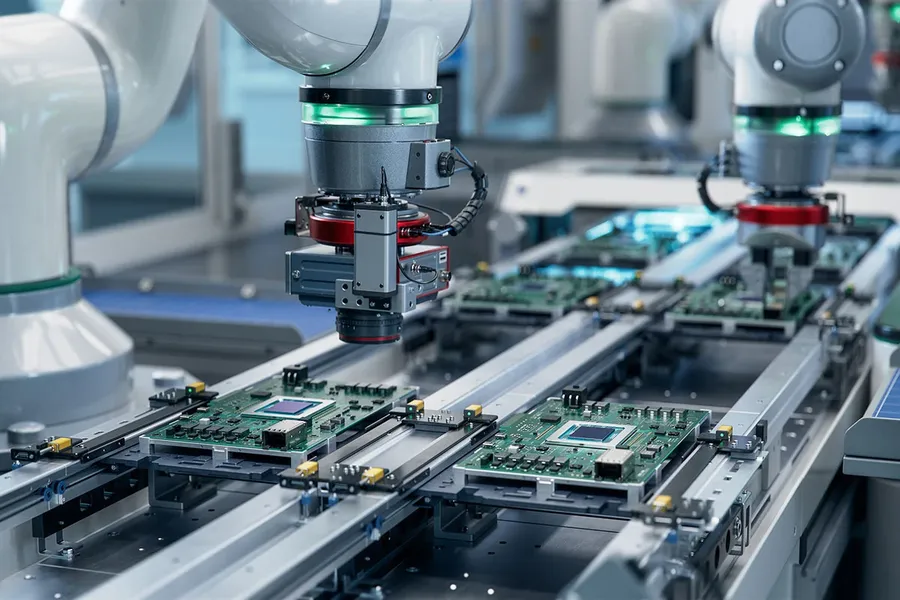
This section provides a focused examination of several leading PCB manufacturers, delving into their specific strengths, technological focuses, and global market positions. Understanding these key players offers insights into the diverse landscape of PCB manufacturing and the distinct approaches each company takes.
The PCB manufacturing sector is dominated by a few major players, each with unique capabilities and specializations. Below, we profile three such companies: AT&S, TTM Technologies, and Unimicron.
| Company | Headquarters | Key Strengths | Specializations | Market Focus |
|---|---|---|---|---|
| AT&S | Austria | Advanced HDI, substrate solutions, strong R&D | High-end PCBs, IC substrates, microelectronics | Automotive, industrial, medical, and high-performance computing |
| TTM Technologies | USA | Broad range of PCB technologies, quick turn services, North American presence | Aerospace & Defense, data centers, medical devices, automotive | North American and global markets with a focus on complex designs |
| Unimicron | Taiwan | High-volume manufacturing, extensive production capacity, advanced technologies | HDI, rigid-flex, IC substrates, mass production | Consumer electronics, computing, communication sectors |
Each of these companies holds a significant position in the global PCB market due to their continuous innovation, specialized technologies, and diverse product offerings. Their strengths allow them to serve different markets, further highlighting the complexity and specialization within the industry.
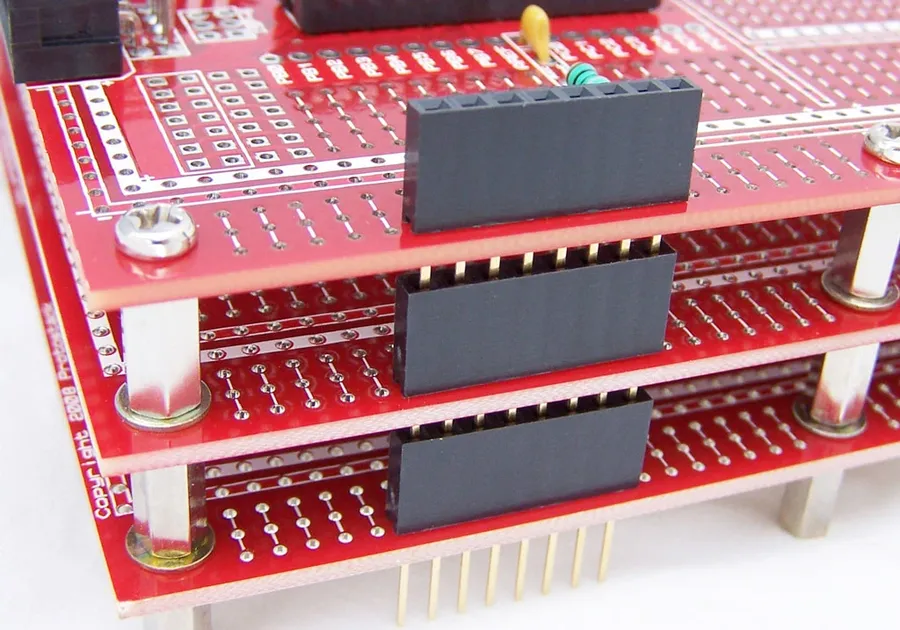
The global PCB manufacturing landscape is not uniformly distributed, with certain regions emerging as dominant hubs due to a confluence of factors including technological expertise, established infrastructure, and supportive government policies. Taiwan, China, and the United States represent key centers of PCB production, each with distinct strengths and specializations that cater to diverse market demands.
| Region | Strengths | Specializations | Market Share (Approximate) |
|---|---|---|---|
| Taiwan | High concentration of manufacturers; strong R&D capabilities; advanced technology adoption | High-end PCBs; HDI boards; mobile device PCBs | 30-40% |
| China | Massive production capacity; cost-competitive manufacturing; broad range of PCB types | Standard PCBs; large-volume production; consumer electronics PCBs | 40-50% |
| United States | Advanced technology; focus on aerospace and military applications; high-reliability PCBs | Aerospace and defense PCBs; high-reliability boards; advanced materials PCBs | 10-15% |
Taiwan’s strength lies in its established ecosystem of PCB manufacturers, coupled with advanced research and development capabilities. This has allowed them to capture a significant share of the high-end PCB market. China's competitive edge comes from its sheer manufacturing scale and lower production costs, making it a global leader in large-volume PCB production. The United States, while having a smaller overall market share, specializes in high-reliability PCBs, catering to demanding sectors such as aerospace and military.
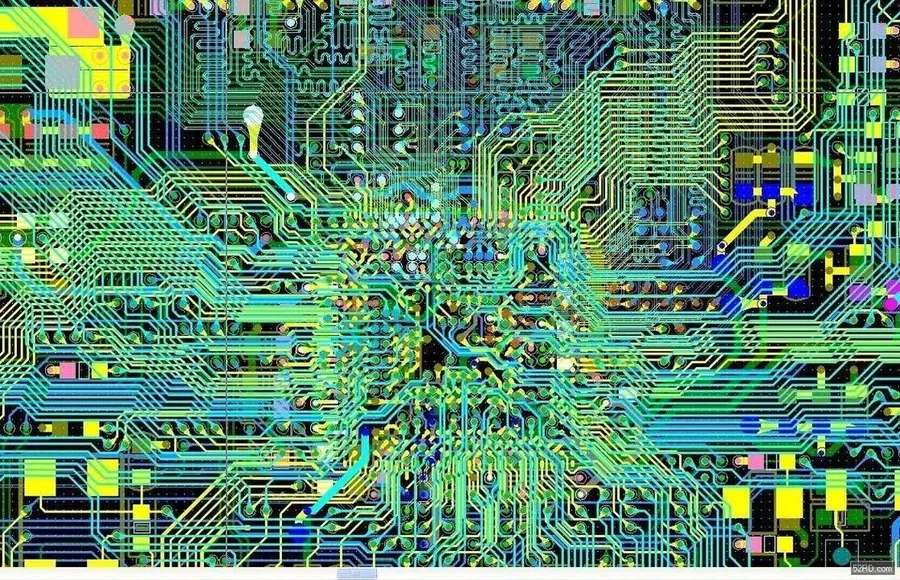
The PCB manufacturing industry is in constant evolution, driven by the demand for smaller, faster, and more reliable electronic devices. This section explores the cutting-edge technologies and innovations that are shaping the future of PCB production, encompassing advanced materials, high-density interconnect (HDI) technologies, and flexible circuit board manufacturing.
Advanced materials are crucial in meeting the increasing demands of modern electronics. These materials must offer superior thermal, electrical, and mechanical properties to enable high-performance, reliable PCBs. High-Density Interconnect (HDI) technology, which enables higher component density and improved signal integrity through microvias and finer lines, is a key focus of innovation. Additionally, flexible PCB manufacturing is a growing area due to its ability to create lightweight and compact electronic devices, particularly for wearables and other emerging applications. These technologies are not only essential for current electronic devices, but also pave the way for future advancements in the electronic industry.
| Technology | Description | Key Benefits | Application Areas |
|---|---|---|---|
| Advanced Materials | Use of materials with enhanced electrical, thermal, and mechanical properties. | Improved signal integrity, thermal management, and durability | High-speed computing, aerospace, automotive electronics |
| High-Density Interconnect (HDI) | Production of PCBs with microvias, fine lines, and tight spacing. | Smaller board size, increased component density, improved electrical performance. | Smartphones, tablets, wearable devices |
| Flexible PCB Manufacturing | Production of PCBs on flexible substrates. | Lightweight, flexible, and compact electronic designs. | Wearable electronics, medical devices, automotive systems |
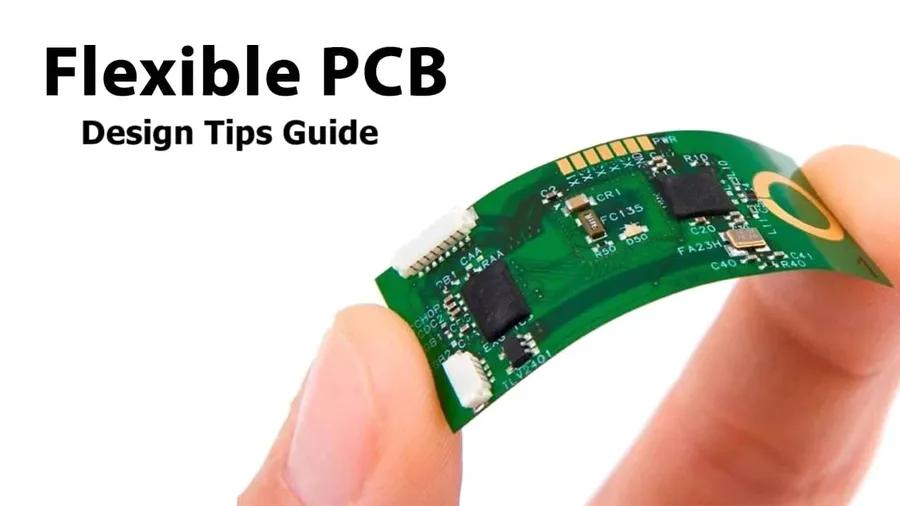
The global PCB market is currently experiencing dynamic shifts, driven by technological advancements and evolving industry demands. This section provides an in-depth analysis of these current market trends and provides a glimpse into the future of PCB manufacturing, exploring potential growth areas, emerging technologies, and critical challenges.
| Trend | Description | Impact |
|---|---|---|
| HDI PCBs | High-density interconnect PCBs for miniaturization. | Smaller, more powerful electronic devices. |
| Flexible PCBs | PCBs that can bend and flex. | Design flexibility and space efficiency. |
| Advanced Materials | High-performance laminates and substrates. | Improved electrical and thermal performance. |
| Sustainable Practices | Eco-friendly and waste-reducing manufacturing. | Reduced environmental impact and enhanced sustainability. |
| IoT and AI Integration | PCBs with advanced functionalities for smart devices. | Increased connectivity and data processing capabilities. |
The performance and reliability of a Printed Circuit Board (PCB) are significantly influenced by the materials used in its construction and the complexity of its design. Material selection affects factors such as thermal resistance, signal integrity, and mechanical durability, while design complexity dictates the board's functionality and manufacturing challenges.
| Material Type | Common Uses | Key Characteristics | Advantages | Disadvantages |
|---|---|---|---|---|
| FR-4 (Flame Retardant 4) | Most common for general-purpose PCBs | Good mechanical strength, flame retardant, moderate cost | Widely available, cost-effective, easy to process. | Moderate thermal resistance, not suitable for high-frequency applications. |
| High-Tg FR-4 | High-temperature applications, automotive | Higher glass transition temperature, improved thermal performance | Improved thermal performance over standard FR-4, more robust | Higher cost compared to FR-4 |
| Polyimide | Flexible PCBs, high-reliability applications | Excellent thermal stability, high flexibility | Excellent high temperature performance, chemically resistant | More expensive, can be difficult to process. |
| Teflon (PTFE) | High-frequency applications, microwave circuits | Excellent electrical performance, low dielectric constant | Very low signal loss, superior high-frequency performance | Expensive, mechanically challenging to handle. |
| Metal Core PCBs (MCPCB) | LED lighting, power electronics | High thermal conductivity, efficient heat dissipation | Excellent heat dissipation, allows for higher power density | Heavier and more expensive than standard PCBs. |
PCB complexity is determined by the number of layers, the density of components, and the intricacy of the routing. Different levels of complexity include:
Choosing the right PCB materials and managing design complexity is critical. It requires a balance between performance, cost, and manufacturability. Engineers must carefully consider the application requirements, including thermal demands, signal frequencies, and operating environment, to make the best material and design decisions.
This section addresses common inquiries regarding PCB (Printed Circuit Board) manufacturing, offering clear, concise answers to guide understanding of this complex process. We delve into questions about leading manufacturers, geographical manufacturing hubs, and the defining characteristics of top PCB companies.
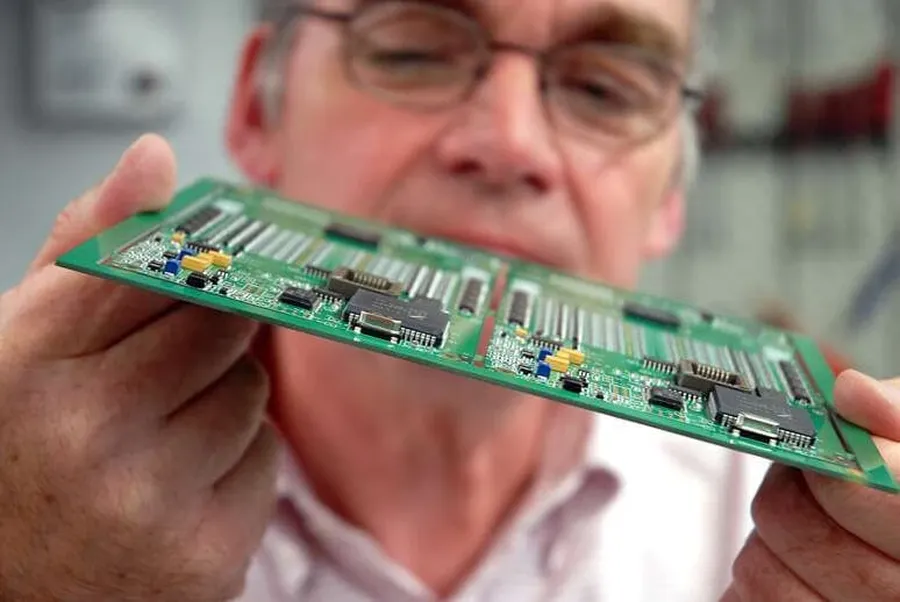
Choosing the appropriate PCB manufacturer is a critical decision that can significantly impact the quality, cost, and time-to-market of your electronic products. It requires careful evaluation of several key factors to ensure a successful partnership.
The leading PCB manufacturers, such as AT&S and TTM Technologies, exert a substantial influence on the global electronics industry by driving technological advancements, setting industry standards, and shaping the supply chain. Their impact extends beyond mere production, affecting the pace of innovation in numerous sectors.
| Impact Area | Influence Mechanism | Example |
|---|---|---|
| Technological Innovation | R&D investments and adoption of advanced manufacturing techniques | Development of high-density interconnect PCBs, enabling smaller and more powerful devices |
| Market Standards | Setting benchmarks for quality, reliability and manufacturing processes | Adoption of IPC standards by many PCB manufacturers to maintain quality and interoperability |
| Supply Chain | Large production volumes and influence on material suppliers | Impact on material pricing and lead times, which affects the entire supply chain |
| Emerging Technologies | Enabling advanced applications with novel PCB designs | Development of flexible PCBs for wearable devices and medical implants |
In summary, the top PCB manufacturers are not just producers of circuit boards but are vital agents of innovation and development within the broader electronics ecosystem. Their actions have repercussions across the entire technology landscape and are critical for the advancement of future technologies. Their success is inextricably linked to the advancement of electronics as a whole.
The PCB manufacturing industry is a constantly evolving landscape, shaped by technological innovation and the demands of the global electronics market. Companies like AT&S, TTM Technologies, and Zhen Ding Technology are at the forefront of this industry, driving the development of advanced PCBs and playing a crucial role in the advancement of modern technology. Staying informed about these top manufacturers and understanding market trends is crucial for anyone involved in the electronics industry. As technology continues to evolve, these PCB manufacturing leaders will undoubtedly continue to shape the future of electronic devices and the world as a whole.

