In today's electronics landscape, printed circuit boards (PCBs) are the backbone of every device, from the simplest toys to the most sophisticated medical equipment. But have you ever wondered about the costs associated with assembling these crucial components? The price of PCB assembly per component can feel like a mystery, impacting not just your budget but also the design choices you make. This article unravels the factors influencing PCB assembly costs per component, offering a detailed analysis to help you optimize your projects and gain cost-effective insights.
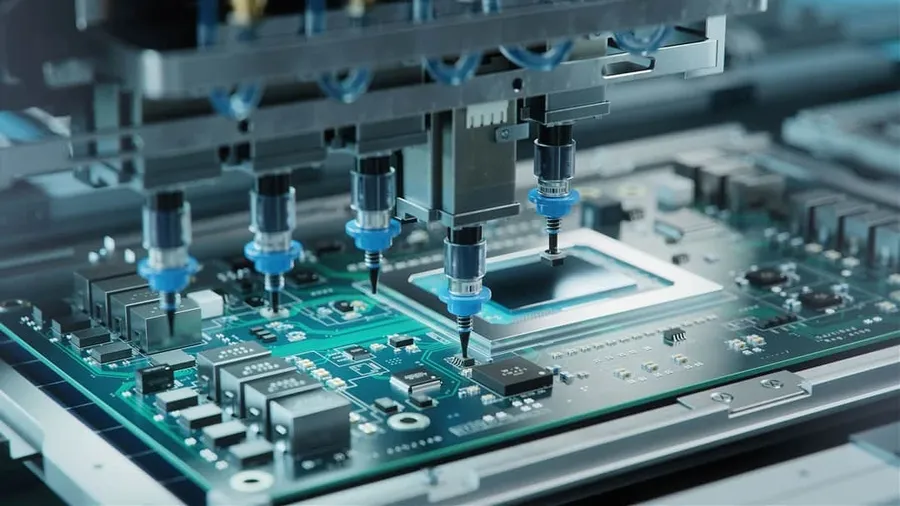
The cost of PCB assembly is not a monolithic figure; it's the result of several interconnected factors. Fundamentally, it encompasses the expenses related to materials, labor, and the depreciation of equipment involved in the manufacturing process. Understanding these underlying components is essential before analyzing per-component pricing.
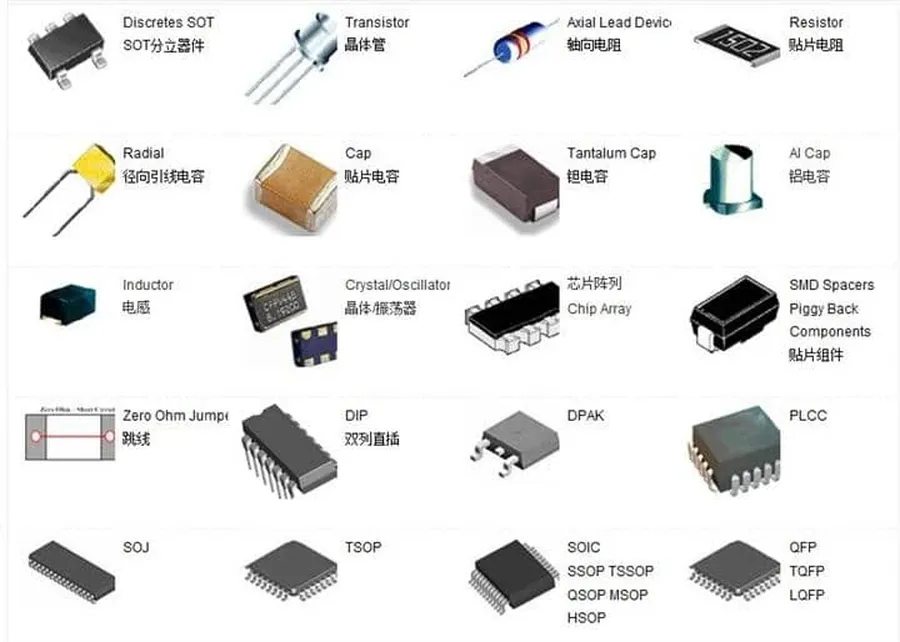
The selection of component types significantly impacts PCB assembly cost per component due to variations in assembly processes and handling requirements. Surface Mount Technology (SMT) components and Through-Hole Technology (THT) components each present unique challenges that affect assembly cost. Additionally, the complexity, size, and precision of a component play a critical role in determining the overall expenses.
| Component Type | Assembly Process | Cost Implications | Typical Applications |
|---|---|---|---|
| Surface Mount (SMT) | Automated pick-and-place, reflow soldering | Generally lower cost for high-volume production; highly dependent on component size and pin density. Finer pitch components require higher precision machines and tooling, thus increasing costs. Smaller SMT components reduce board space and have lower material costs; but increase assembly complexity. | Most electronic devices, consumer electronics |
| Through-Hole (THT) | Manual or wave soldering | Higher labor costs, especially for manual placement and soldering; Fewer automation opportunities for individual component placement, Increased cost due to manual placement requirements. Larger components with larger leads require more solder, which increases the per-component cost. | Power electronics, connectors, mechanical supports |
| High-Precision Components | Precise placement and soldering | Higher costs due to specialized equipment and trained personnel; Stringent quality control measures further increase costs; Specialized pick-and-place machines are required, which have higher depreciation. Highly specialized equipment increases per-component cost, especially if component counts are low. | Sensors, medical devices, high-frequency circuits |
| Components with High Pin Count | Complex placement and soldering | Increased cost due to the potential for solder bridging and alignment errors; Requires skilled operators or specialized automated placement and soldering equipment. Higher pin-count leads to more rework, which increases cost; Complex solder masks, stencils, and reflow profiles are required. | Microprocessors, FPGAs, complex ICs |
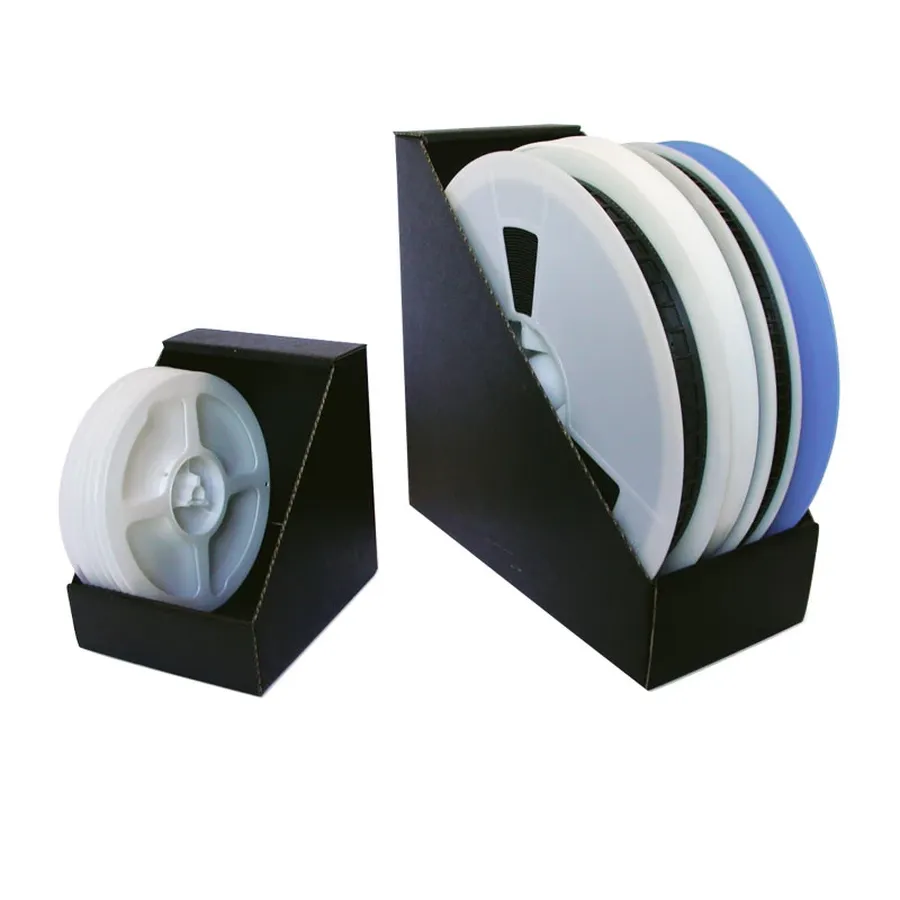
The quantity of PCBs manufactured significantly influences the assembly cost per component. Larger production volumes typically result in lower per-unit costs due to economies of scale. This is a critical consideration for any project involving PCB assembly, where understanding the impact of volume can drastically affect project budgets.
When assessing assembly costs, it's crucial to differentiate between fixed costs and variable costs. Fixed costs, such as setup fees for stencil creation and programming of pick-and-place machines, are incurred regardless of the quantity of PCBs produced. However, variable costs, such as component costs, labor, and machine runtime, are directly proportional to the production volume. As volume increases, fixed costs are spread across more units, reducing the per-unit cost. This is the fundamental concept behind volume discounts.
| Production Volume | Per-Component Cost | Total Cost | Cost Distribution |
|---|---|---|---|
| Small (1-100) | High | Relatively High | Higher proportion of fixed costs |
| Medium (100-1000) | Moderate | Moderate | More balanced fixed and variable costs |
| Large (1000+) | Low | Relatively Low | Lower proportion of fixed costs |
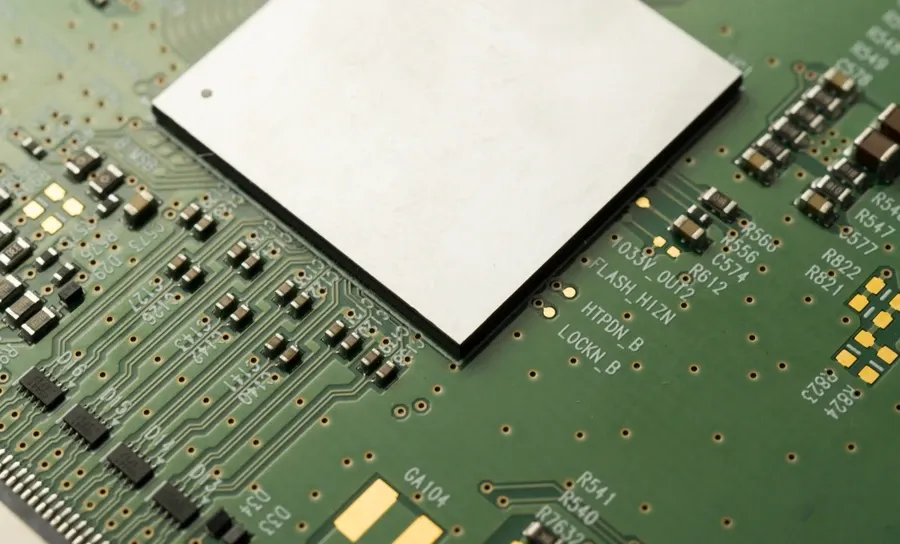
The complexity and density of a printed circuit board (PCB) significantly impact the assembly cost per component. These factors directly influence the manufacturing process, necessitating more sophisticated equipment, higher precision, and longer assembly times, thereby increasing costs.
| Factor | Impact on Assembly Cost per Component | Explanation |
|---|---|---|
| Board Size | Positive Correlation | Larger boards generally require more materials and time for assembly, leading to increased costs. |
| Number of Layers | Positive Correlation | Multi-layer boards are more complex to manufacture and assemble. Each additional layer requires precise alignment and specialized processing, driving up costs. |
| Component Density | Positive Correlation | Higher component density increases assembly difficulty and risk of errors. It requires precise placement and handling, thus increasing time and cost. |
| Component Package Size | Negative Correlation (for larger, standard sizes) & Positive Correlation (for smaller, complex sizes) | Larger standard packages are easier to handle and place during assembly, reducing cost. However, smaller packages (e.g., 0201, 01005) can increase cost due to increased precision and specialized equipment needs. |
| Component Pitch | Positive Correlation | Finer pitch components require more accurate and precise placement, increasing complexity and assembly costs. Very small pitch components require special process controls and higher equipment capabilities. |
Specifically, complex board designs with high component densities lead to several cost escalations. For instance, densely populated boards demand finer pitch components, requiring expensive, high-precision assembly equipment such as advanced pick-and-place machines and reflow ovens with accurate temperature control. Moreover, the more complex a PCB, the greater the likelihood of assembly defects. This means more stringent testing protocols, adding further to the cost. Ultimately, manufacturers need to ensure a lower defect rate for complex boards to maintain yield, which impacts the overall per component cost.
When designing a board, it's critical to consider these trade-offs between cost and complexity. While advanced functionality may require higher component densities or multi-layer boards, understanding the cost implications can help in optimizing the design for cost efficiency. For example, choosing slightly larger component packages, where feasible, can reduce assembly costs without significantly affecting functionality. Therefore, a good balance between board complexity and cost must be carefully considered.
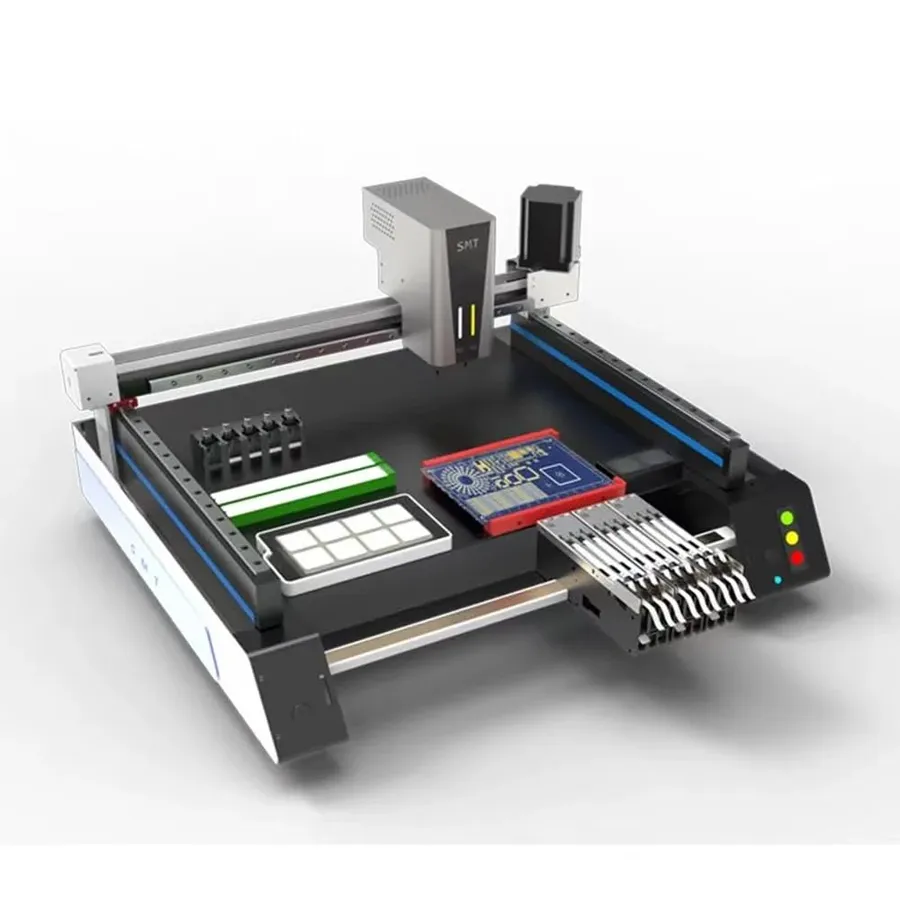
Surface Mount Technology (SMT) assembly cost is a significant factor in the overall PCB production expense. Understanding its breakdown is crucial for cost optimization. SMT assembly involves several key processes, each contributing to the final cost per component.
| Process Step | Description | Cost Drivers | Optimization Strategies |
|---|---|---|---|
| Stencil Cost | Creation of a stencil used to apply solder paste onto the PCB. | Material, precision, size of PCB and stencil. | Optimize layout to reduce stencil size, use existing stencils if possible. |
| Solder Paste Application | Precisely applying solder paste onto the PCB pads using the stencil. | Solder paste type, amount applied, equipment operation time. | Optimize paste application settings, select cost-effective solder paste. |
| Component Placement | Placing components onto the solder paste-covered PCB pads using pick-and-place machines. | Machine time, component type, component density, placement precision, machine setup time. | Optimize component layout for efficient pick-and-place, use standard component packages, accurate placement data. |
| Reflow Soldering | Passing the PCB through a reflow oven to melt the solder paste and permanently connect components to the PCB. | Reflow profile, energy consumption, equipment operation time. | Optimize reflow profile, monitor and control reflow process |
| Inspection | Visual and automated inspection of solder joints and component placement. | Inspection method (manual/automated), inspection time | Optimize inspection process, use automated inspection equipment to reduce errors. |
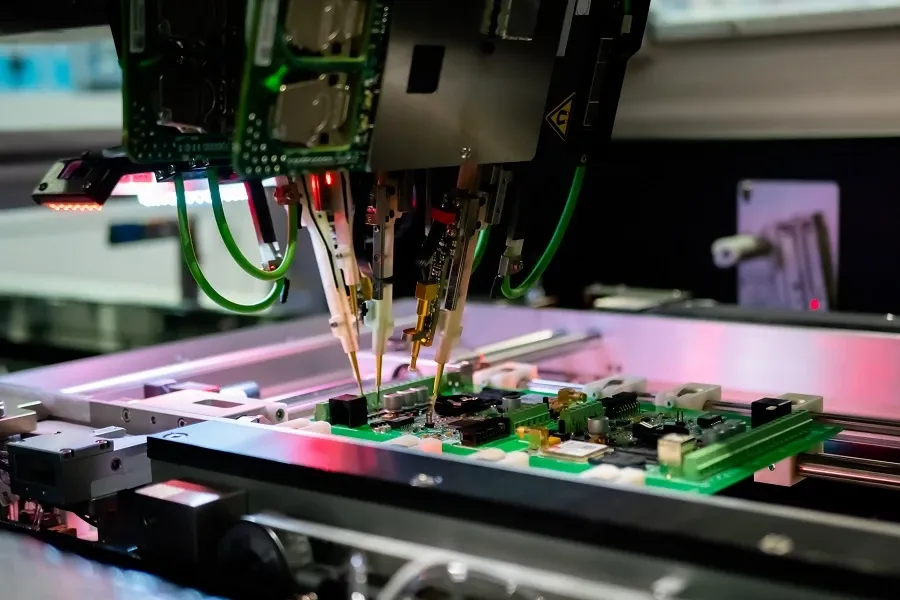
Testing and quality assurance are critical phases in PCB assembly, significantly impacting the final product's reliability and performance. These processes, while essential, contribute to the overall PCB assembly cost per component. These costs are not always fixed, and they vary greatly based on the complexity of the board, the required level of quality, and the testing methods employed.
Each test has its own cost drivers and the aggregate of these drive the cost per component, therefore, understanding the breakdown of these processes is key to cost optimization.
| Testing Method | Cost Drivers | Impact on Per-Component Cost |
|---|---|---|
| Visual Inspection | Labor costs (manual or automated), equipment cost, inspection time | Increases with board complexity and component count. |
| In-Circuit Testing (ICT) | Equipment cost, test fixture design, programming cost, labor cost, number of test points | Significant for complex designs and high component count. |
| Functional Testing | Test procedure complexity, test setup design, labor cost, testing time per unit, specialized hardware/software cost | Higher for complex functional testing requirements. |
This section addresses common inquiries regarding PCB assembly costs, providing clear, concise answers based on the preceding analysis to aid in understanding and estimation.
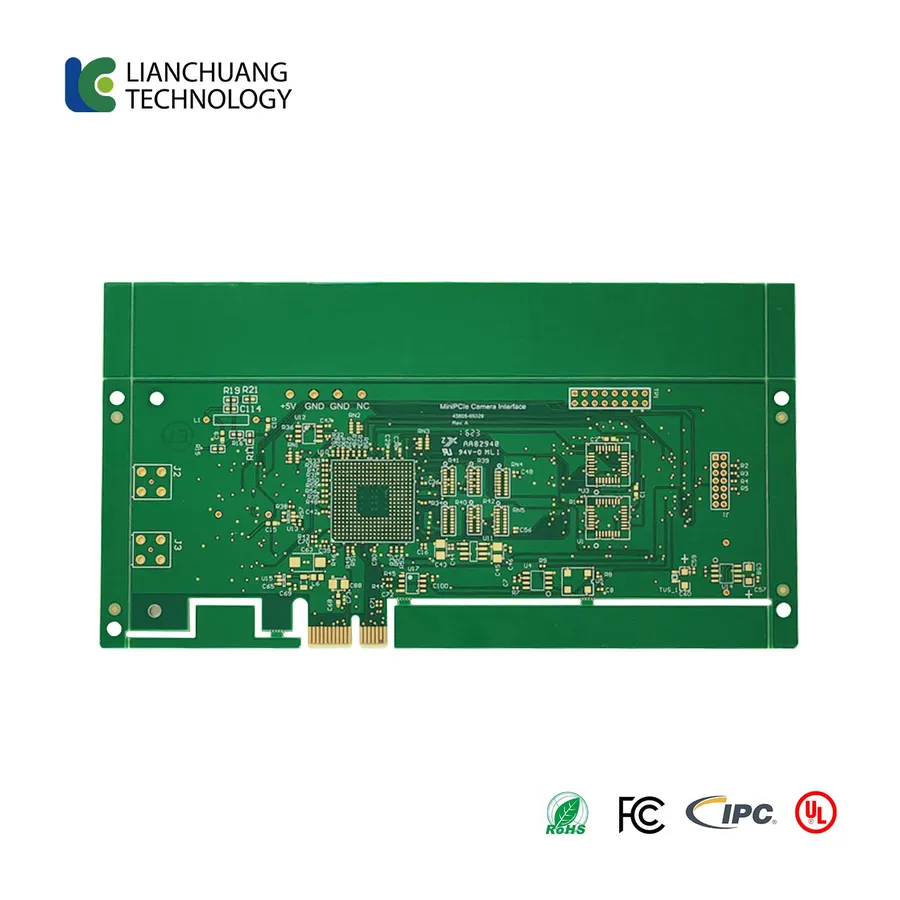
Understanding the nuances of PCB assembly pricing models is crucial for accurately estimating project costs and selecting the most suitable manufacturing partner. The cost of PCB assembly per component can vary significantly based on the pricing model used, thus affecting the overall project budget. This section provides an overview of several common pricing structures including per-pin, per-square-inch, and flat-fee models, and their implications for your project.
| Pricing Model | Description | Advantages | Disadvantages | Best Use Cases |
|---|---|---|---|---|
| Per-Pin Pricing | Cost is determined by the number of pins on the components. | Accurate representation of component complexity, Suitable for boards with many complex ICs. | Can be more expensive for boards with many simple components, complexity in predicting total costs beforehand. | Designs with a high density of integrated circuits (ICs) and complex components. |
| Per-Square-Inch Pricing | Cost is based on the total area of the PCB. | Easy to calculate, predictable, good for standard and rectangular layouts. | Less accurate for unusual board shapes, does not factor in component complexity. | Simple boards with standard layouts and relatively uniform component density. |
| Flat-Fee Model | A fixed cost for a specific assembly job, irrespective of the number of components. | Cost is known up front and straightforward, good for simple and repetitive jobs. | Not cost-effective for boards with high component counts, does not account for board complexity | Very simple PCB designs or low-volume, prototyping runs, fixed and easily defined project. |
The selection of a pricing model can drastically impact the total assembly cost, hence evaluating the options against the project’s specific needs is critical. Each of the pricing models has unique strengths and weaknesses that suit different types of PCB assemblies.
Reducing PCB assembly cost per component requires a multifaceted approach, encompassing design optimization, component selection, and efficient procurement strategies. By strategically addressing these areas, significant cost savings can be realized without compromising the quality or functionality of the final product.
Understanding the nuances of PCB assembly costs per component is crucial for effective project management and budgeting in electronics manufacturing. Factors ranging from component complexity and assembly volume to testing processes and quality checks all impact the final price. By implementing strategies to optimize design choices and streamline assembly processes, it's possible to achieve significant cost reductions and improve the overall efficiency of production, keeping per-component costs under control while maintaining high-quality manufacturing standards. As technology advances, keep abreast of new innovations to further enhance cost-effectiveness and improve assembly processes to remain competitive in the market.

