In today's technology-driven world, printed circuit boards (PCBs) are the backbone of nearly every electronic device. From smartphones to medical equipment, PCBs are essential, making the PCB manufacturing industry a critical part of our global economy. Many entrepreneurs and engineers are considering starting their own PCB manufacturing plants. But, how much does it really cost to set up a PCB manufacturing plant? This article delves into the costs, and challenges of starting your own PCB factory, providing a comprehensive analysis to help you understand the financial implications and make informed decisions.
The most substantial initial outlay for a PCB manufacturing plant is acquiring the necessary equipment. This encompasses a broad spectrum of machinery, ranging from fundamental tools to sophisticated automated systems. The associated costs vary significantly, depending on the scale of operation and the precision requirements of the manufacturing process. Core equipment categories include PCB printers, pick-and-place machines, reflow ovens, CNC machines, etching equipment, and testing & inspection instruments. These investments can range from tens of thousands to millions of dollars. For instance, the cost of pick-and-place machines alone can fluctuate from $20,000 to over $200,000, contingent upon their automation level and throughput capacity.
| Equipment Category | Description | Estimated Cost Range |
|---|---|---|
| PCB Printers | Used for applying solder paste or conductive inks onto the PCB substrate. | $5,000 - $50,000+ |
| Pick-and-Place Machines | Automatically places surface mount components onto the PCB. | $20,000 - $200,000+ |
| Reflow Ovens | Melts solder paste to form permanent connections between components and PCB. | $10,000 - $80,000+ |
| CNC Machines | Used for drilling, milling, and routing the PCB. | $15,000 - $150,000+ |
| Etching Equipment | Removes unwanted copper from the PCB to create the circuit pattern. | $8,000 - $60,000+ |
| Testing & Inspection Equipment | Includes AOI machines, ICT equipment for quality assurance and fault detection. | $10,000 - $100,000+ |
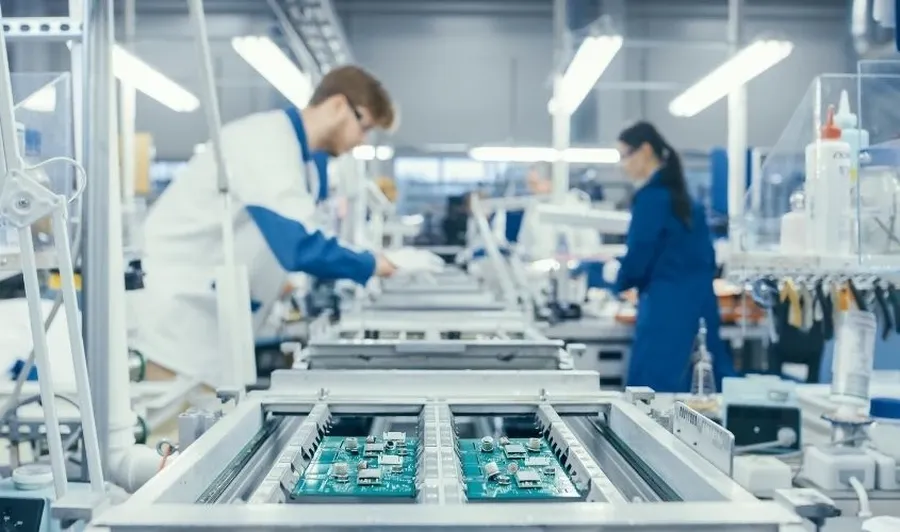
Establishing a PCB manufacturing plant requires significant investment beyond just machinery; the physical facility and its infrastructure are critical components. These costs are highly variable, influenced by factors such as location, scale of operations, and specific building conditions. A well-planned facility ensures efficient production, worker safety, and compliance with environmental standards.
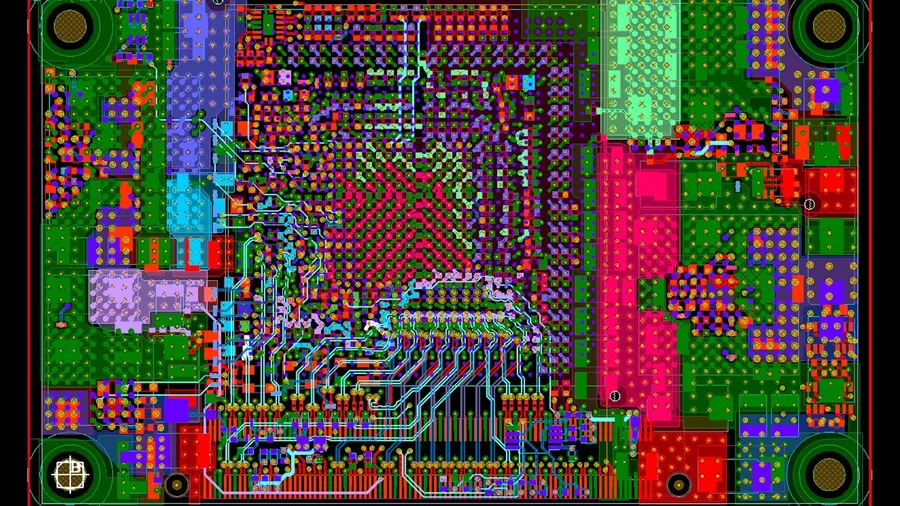
The operation of a modern PCB manufacturing plant is heavily reliant on specialized software for design, layout, testing, and production control. These software tools are crucial for ensuring precision, efficiency, and quality throughout the manufacturing process. The expenses associated with acquiring and maintaining these software systems represent a notable portion of the overall operational costs.
| Software Category | Description | Cost Range | Key Features |
|---|---|---|---|
| CAD (Computer-Aided Design) | Used for designing and laying out PCB circuits and components. | $1,000 - $10,000+ per license | Schematic capture, PCB layout, component library management, 3D visualization. |
| CAM (Computer-Aided Manufacturing) | Translates design data into instructions for manufacturing equipment. | $2,000 - $15,000+ per license | Gerber file generation, drilling data, routing instructions, panelization, design rule checking (DRC). |
| ERP (Enterprise Resource Planning) | Manages various aspects of the manufacturing process, including inventory, production planning, and cost tracking. | $5,000 - $50,000+ per system | Production scheduling, material requirements planning (MRP), inventory control, financial management, quality control. |
| Simulation and Analysis Software | Used for simulating the performance of the design in real-world conditions, allowing manufacturers to optimize the design before it goes to production | $1,000 - $10,000+ per license | Signal Integrity analysis, thermal analysis, electromagnetic compatibility (EMC) analysis, stress analysis. |
The cost of software can fluctuate considerably based on the selected features, the scale of production, and the licensing model (e.g., perpetual vs. subscription). While basic software suites may start at around $5,000 to $20,000, comprehensive solutions that cater to high-volume manufacturing can reach substantially higher investment levels. Additionally, it's essential to budget for ongoing maintenance and upgrades to ensure the software remains current and compatible with evolving technological advancements.
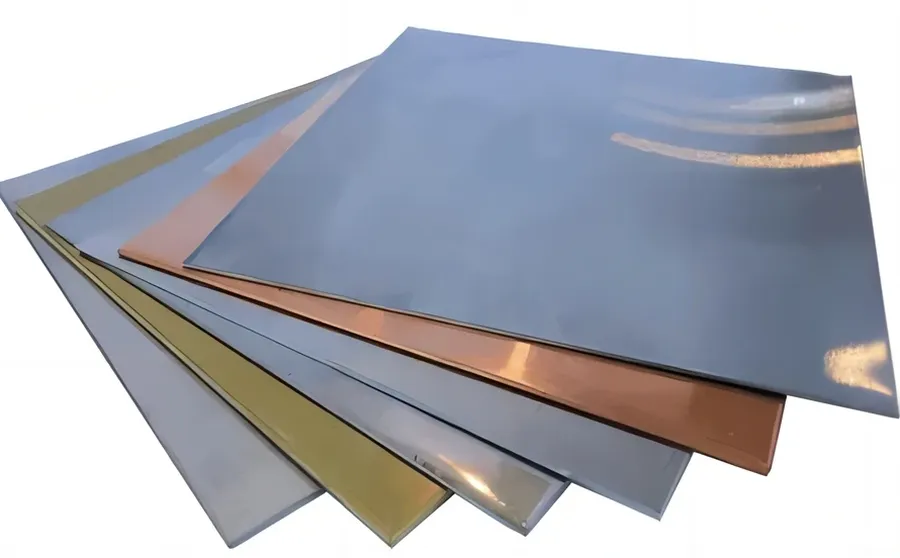
Raw material costs represent a substantial portion of the ongoing expenses in PCB manufacturing. These costs are subject to market volatility and supply chain dynamics, necessitating careful management and strategic sourcing. The primary materials include copper-clad laminates (CCL), prepreg, various chemicals used in etching and plating processes, solder mask, and other consumables.
| Raw Material | Description | Cost Drivers | Impact on Overall Cost |
|---|---|---|---|
| Copper-Clad Laminates (CCL) | Base material for PCBs consisting of copper foil bonded to a substrate. | Copper prices, substrate type (e.g., FR-4, CEM), thickness. | Significant, directly related to the amount of copper and type of substrate used. |
| Prepreg | Partially cured fiberglass or other fabric, used in multilayer PCB manufacturing to bond different layers. | Resin type, thickness, fabric material. | Moderate, important for multilayer boards. |
| Etching and Plating Chemicals | Chemicals used for etching away unwanted copper and for plating vias and through-holes. | Chemical type, concentration, supplier. | Moderate, but consistent usage makes them significant over time. |
| Solder Mask | A protective layer applied to the PCB to prevent solder bridges and protect traces. | Type of ink (e.g., epoxy, UV-curable), application method. | Relatively low, but essential. |
| Consumables | Various materials such as drilling bits, cleaning solutions, and packaging materials. | Material type, quality, supplier. | Low individually, but collectively significant due to volume. |
Effective management of these raw materials is critical for maintaining profitability. Strategies such as establishing reliable, potentially multiple, supply sources, implementing just-in-time inventory management, and monitoring market fluctuations in material costs can mitigate risks associated with price volatility and supply shortages.
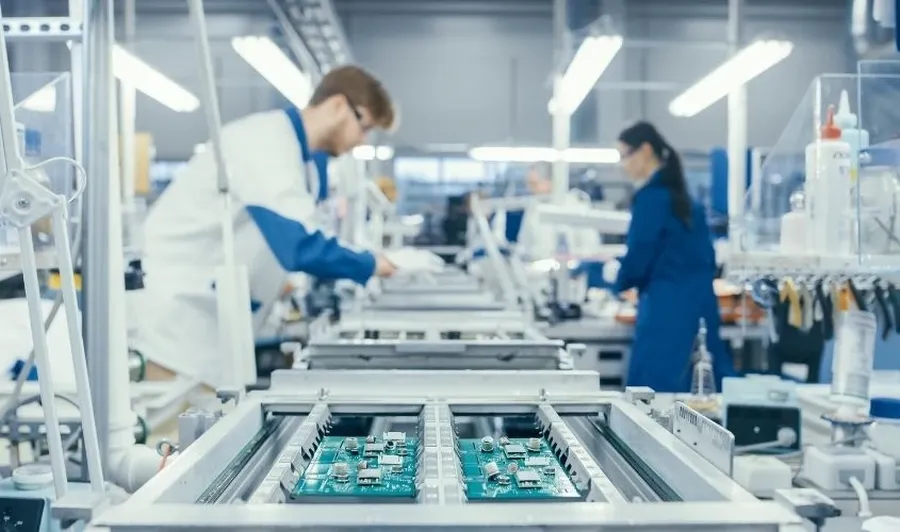
The operational efficiency of a PCB manufacturing plant heavily relies on the expertise of its workforce. This encompasses not only the initial recruitment of skilled personnel but also the continuous investment in their training and development. Labor costs, including wages, salaries, and benefits, form a substantial part of the overall operational expenses.
A breakdown of labor categories and their associated roles is necessary for a comprehensive understanding of the cost structure:
Training, both initial and ongoing, is a critical factor in reducing operational expenses through increased proficiency and reduced material waste. A well-structured training program, emphasizing industry standards and best practices, helps to maximize staff efficiency, improve product quality, and minimize the chances of defects, all contributing to lower overall costs. Furthermore, continuous learning is essential for keeping pace with advancements in technology and production methodologies in the industry.
| Cost Factor | Description | Cost Considerations |
|---|---|---|
| Wages & Salaries | Compensation for all personnel categories. | Dependent on experience, skill, location, and market conditions; often the largest portion of labor costs. |
| Benefits | Health insurance, retirement plans, paid leave, etc. | Vary based on company policy and local laws. Contributes significantly to labor overhead. |
| Initial Training | Onboarding and basic skills development. | Includes costs for trainers, training materials, and time away from production; usually a short-term expense. |
| Ongoing Training | Continuous education and upskilling programs. | Essential for adapting to new technologies, quality improvements, and maintaining a skilled workforce. |
Sustaining a PCB manufacturing plant necessitates a reliable supply of utilities and a proactive maintenance program. These factors are not just operational necessities but significantly impact long-term cost management and plant efficiency. Consistent utilities support uninterrupted production, while diligent maintenance minimizes downtime and expensive repairs, contributing to overall cost savings and productivity.
| Category | Description | Cost Factors | Mitigation Strategies |
|---|---|---|---|
| Electricity | Powering machinery, lighting, environmental controls | Consumption rate, peak demand charges, energy source | Energy-efficient equipment, renewable energy options, load balancing |
| Water | Cooling, cleaning, chemical processing | Consumption rate, water treatment needs, regulatory compliance | Water recycling systems, leak detection, efficient water usage techniques |
| Compressed Air | Operating pneumatic equipment, cleaning | Consumption, compressor efficiency, maintenance | Regular maintenance, efficient piping, leak detection and repair |
| Maintenance | Regular upkeep and repair of machinery and infrastructure | Frequency, parts cost, labor cost | Preventive maintenance programs, skilled technicians, spare parts inventory |
This section addresses common inquiries regarding the costs associated with establishing and operating a PCB manufacturing plant. We'll cover the expenses related to manufacturing individual PCBs, typical profit margins, calculation methods for fabrication costs, and steps to become a PCB manufacturer. The answers are designed to be concise, substantial, and authoritative, providing practical insights.
Implementing effective cost-saving strategies is paramount for the financial viability and competitiveness of a PCB manufacturing plant. These strategies encompass optimizing material usage, investing in efficient equipment, streamlining process flows, negotiating favorable supplier terms, and embracing sustainable manufacturing practices. A holistic approach to cost reduction can lead to significant savings and improved profitability.
| Strategy | Description | Cost Reduction Impact |
|---|---|---|
| Material Optimization | Efficient layout, nesting, inventory control | Significant reduction in material wastage. |
| Efficient Equipment | Automated, high-throughput machinery | Lower labor costs, higher production volume. |
| Process Improvement | Lean processes, defect reduction | Reduced lead times, lower defect rates. |
| Supplier Negotiation | Long-term contracts, bulk purchasing | Lower material costs, stable supply. |
| Sustainable Practices | Recycling, waste reduction, energy efficiency | Lower waste management, energy expenses. |
Understanding the cost variations across different scales of PCB manufacturing is crucial for strategic planning and investment. This section provides a breakdown of cost estimations for small-scale prototyping facilities, medium-sized production lines, and large-scale mass production plants. The economies of scale significantly impact the initial investment and operational expenditures. Each scale has unique requirements regarding machinery, infrastructure, and staffing, directly affecting overall costs.
| Cost Factor | Small-Scale Prototyping | Medium-Scale Production | Large-Scale Mass Production |
|---|---|---|---|
| Initial Equipment Investment | $50,000 - $200,000 | $200,000 - $1,000,000 | $1,000,000 + |
| Facility and Infrastructure Costs | $20,000 - $100,000 | $100,000 - $500,000 | $500,000 + |
| Software and Design Costs | $5,000 - $10,000 | $10,000 - $30,000 | $30,000 + |
| Annual Raw Material Costs | $20,000 - $100,000 | $100,000 - $1,000,000 | $1,000,000 + |
| Annual Labor and Training Costs | $30,000 - $150,000 | $150,000 - $1,000,000 | $1,000,000 + |
| Annual Utilities and Maintenance | $10,000 - $50,000 | $50,000 - $300,000 | $300,000 + |
| Typical Production Volume | 100 - 1,000 boards/month | 1,000 - 10,000 boards/month | 10,000+ boards/month |
Note: These are approximate ranges. Actual costs may vary significantly based on specific requirements, equipment choices, location, and market conditions. Below is a more detailed look at each category.
Starting a PCB manufacturing plant involves significant investment and careful planning. Understanding the various cost components is crucial for success. From initial equipment purchases to ongoing operational expenses, each aspect requires meticulous consideration. While the initial costs can be substantial, the potential for profitability in the growing electronics market makes it a worthwhile venture. This comprehensive guide helps you understand the complexities involved and make informed decisions, helping to manage the PCB manufacturing plant cost effectively and achieve success in this competitive industry. Keeping track of costs and adapting to market dynamics will be paramount to ensure your PCB manufacturing business thrives in the coming years.

