In today's rapidly evolving tech landscape, flexible circuit boards (PCBs) have become indispensable, powering everything from wearable devices to aerospace technology. Choosing the right flex circuit board manufacturer is paramount for ensuring quality and performance of electronic products. This guide will explore the key players, helping engineers and businesses navigate the complex world of flex PCB production and find a reliable partner.
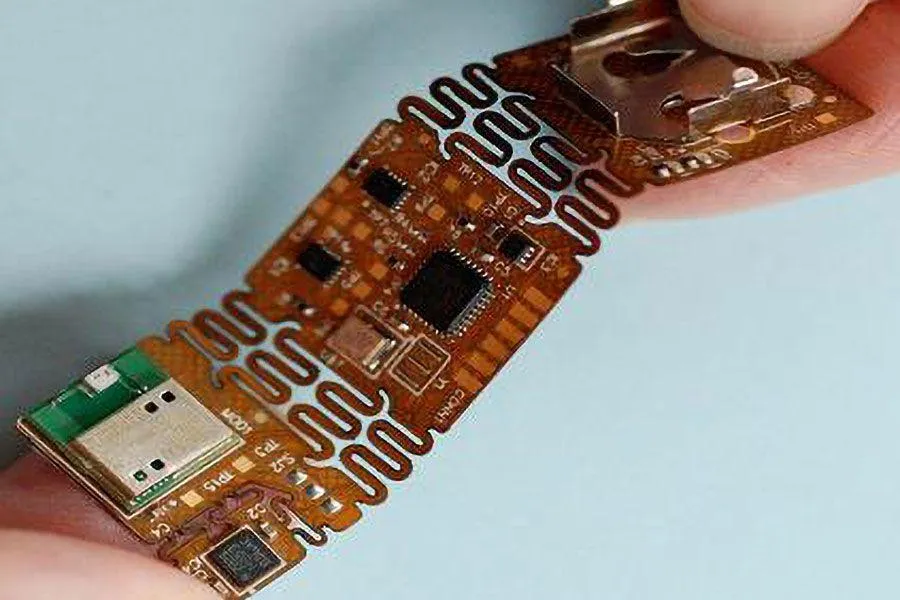
Flexible circuit boards, also known as flex PCBs, represent a significant advancement in electronics packaging, offering a departure from traditional rigid circuit boards through their ability to bend and conform to various shapes. This adaptability is achieved through the use of thin, flexible substrates, allowing for complex geometries and dynamic applications where space and weight are critical considerations. These circuits are not merely a substitute for rigid PCBs; they enable entirely new design possibilities, particularly in compact and mobile devices.
Flex circuits are constructed from several key components: a flexible substrate material (typically polyimide or polyester), conductive traces (usually copper), and insulating layers. The substrate provides the foundational flexibility while the copper traces carry electrical signals. These layers are then bonded together using adhesives or by lamination processes to form the complete circuit structure.
| Feature | Rigid PCBs | Flexible PCBs |
|---|---|---|
| Flexibility | Inflexible | Highly flexible |
| Shape Conformance | Limited | Excellent |
| Weight | Heavier | Lighter |
| Space Efficiency | Lower | Higher |
| Vibration Resistance | Lower | Higher |
| Applications | Static | Dynamic |
The advantages of flex PCBs are multifaceted. Their flexible nature allows them to fit into smaller and unconventional spaces, significantly reducing the size and weight of electronic devices. This is particularly beneficial in portable and wearable electronics. Additionally, the ability to withstand bending and vibration makes them ideal for applications exposed to movement or mechanical stress. Furthermore, flex circuits can be designed to reduce the number of connectors and wiring harnesses, which can increase reliability and lower overall assembly costs.
The application scope of flexible PCBs is vast, spanning numerous sectors. In the automotive industry, they are essential for connecting sensors and control systems, fitting into complex dashboard and engine bay configurations. In medical devices, their thin profile and biocompatibility enable the creation of advanced diagnostic and monitoring equipment. Consumer electronics greatly benefit from the reduced size and weight of flex circuits, enabling the design of sleeker and more compact smartphones, tablets, and wearable devices.
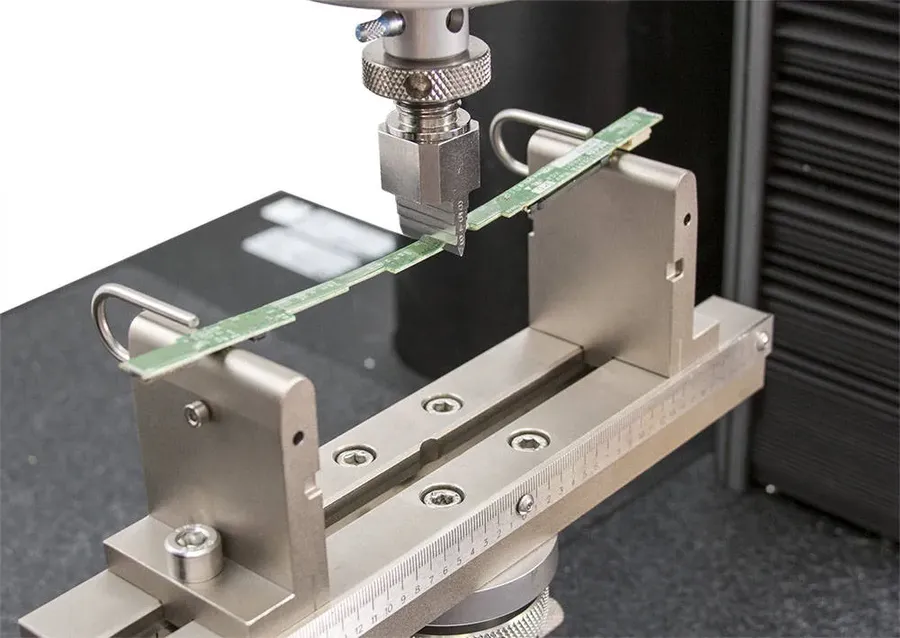
Selecting the right flex PCB manufacturer is crucial for ensuring the success of your project. The ideal manufacturer should possess a blend of experience, technical capabilities, and a commitment to quality. This section details key factors to evaluate when choosing a flex circuit board manufacturer, encompassing aspects from initial design to final production.
| Factor | Description | Importance |
|---|---|---|
| Experience | Years of operation, track record of successful projects, expertise in handling diverse flex PCB designs and applications. | Crucial for reliability and complex designs. |
| Certifications | ISO 9001, ISO 13485 (for medical), AS9100 (for aerospace), and other relevant industry-specific certifications. | Ensures adherence to quality standards and process controls. |
| Manufacturing Capabilities | Advanced machinery, cleanroom environment, micro-via drilling, laser ablation, and tight tolerance capabilities. | Essential for complex designs and high precision. |
| Material Sourcing | Partnerships with reputable material suppliers (e.g., DuPont, Panasonic), transparent sourcing, and ability to provide material certifications. | Guarantees high-quality and reliable end product. |
| Turnaround Time | Quoting lead times for prototyping and mass production, capacity to meet deadlines. | Critical to keep projects on schedule. |
| Prototyping Options | Availability of quick-turn prototyping services, assistance with initial design iterations, and testing capabilities. | Accelerates development and testing. |
| Cost | Competitive pricing, transparent cost breakdown, options to optimize budget without compromising quality. | Important for overall project budgeting. |
| Design Assistance | Expertise in flex PCB design and DFM (Design for Manufacturing) practices, which will help to find potential problems in the design stage | Helpful in optimizing designs for manufacturability and performance |
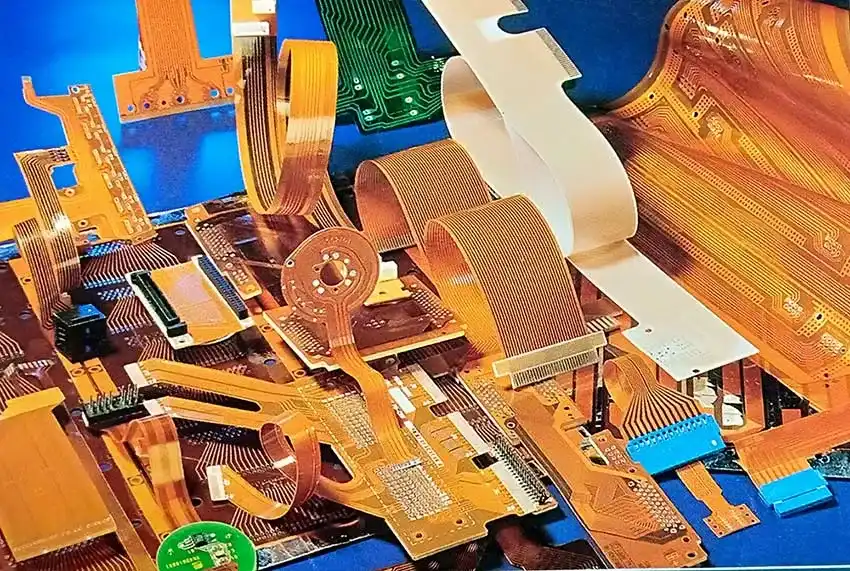
The global landscape of flexible circuit board manufacturing is dominated by a few key players, each bringing unique strengths and specializations to the table. These manufacturers are at the forefront of technological advancements, catering to diverse industries worldwide. Understanding their capabilities is crucial for selecting the right partner for specific flex PCB needs.
| Manufacturer | Headquarters | Key Strengths | Specializations | Global Reach |
|---|---|---|---|---|
| Nippon Mektron | Japan | High-volume production, advanced technology, strong R&D | Automotive, consumer electronics, medical devices | Global manufacturing facilities with a strong presence in Asia |
| Zhen Ding Technology | Taiwan | Large-scale manufacturing, cost-competitive solutions, wide range of materials | Mobile devices, computers, communication equipment | Extensive global supply chain and production capabilities |
| Career Technology | Taiwan | Advanced HDI and flexible PCB technologies, strong in research and development | Consumer Electronics, Automotive, Industrial Applications | Global presence with facilities in Asia and Europe |
| Sumitomo Electric | Japan | High-reliability applications, leading material technology, strong quality control | Aerospace, military, automotive | Global manufacturing and sales networks |
| Multek | Hong Kong | Extensive experience with high-layer-count, rigid-flex and flexible PCBs. | Telecommunications, Computing, Medical | Global Presence and manufacturing facilities in China |
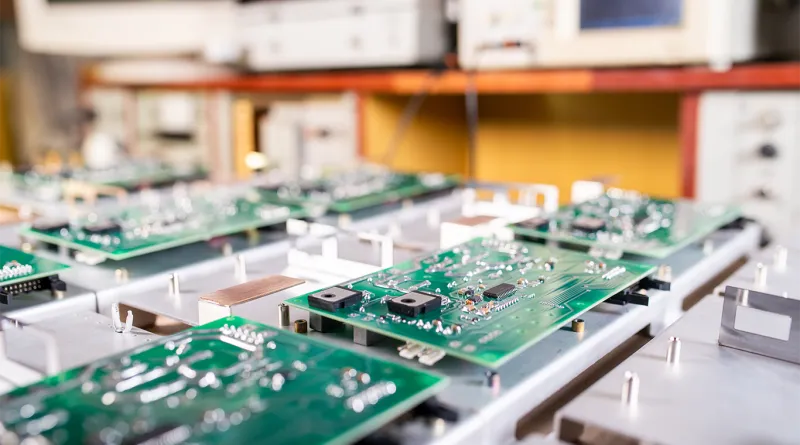
The United States is home to numerous advanced manufacturers specializing in flexible printed circuit boards (PCBs), catering to a wide spectrum of industries from aerospace to consumer electronics. These manufacturers distinguish themselves through technological innovation, high-quality production, and customized solutions for both flex and rigid-flex PCB requirements.
| Manufacturer | Core Capabilities | Target Markets | Specializations |
|---|---|---|---|
| Sierra Circuits | Extensive experience with high-complexity flex and rigid-flex PCBs, rapid prototyping capabilities. | Aerospace, Medical, Industrial | Quick-turn prototypes, advanced materials, and impedance control. |
| Flex PCB | High-volume production of flexible circuits, strong focus on cost-effectiveness and scalable manufacturing solutions. | Consumer Electronics, Automotive | High-volume manufacturing, automated assembly, and cost-optimized designs. |
| Others | Various capabilities such as fine line etching, micro vias, laser drilling, and advanced assembly processes. | Diverse industries including telecommunications, military, and wearable technology | Custom solutions, specialized materials, and industry-specific certifications. |

Certain flex circuit board manufacturers distinguish themselves by focusing on specific, high-reliability industries. These manufacturers possess unique expertise and certifications necessary to meet the rigorous demands of sectors such as aerospace, military, medical, and automotive. These applications often require specialized materials, tighter tolerances, and advanced manufacturing techniques.
Below we explore some of the key industries and the manufacturers that excel in serving their unique demands:
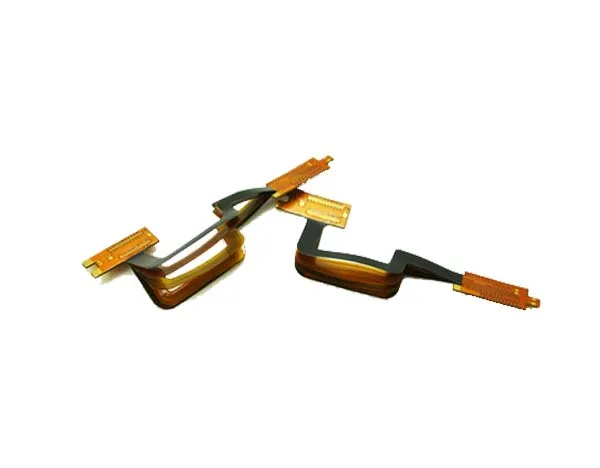
Selecting the appropriate material is paramount in flexible circuit board design, directly impacting performance, reliability, and longevity. DuPont and Panasonic are leading suppliers, offering materials with distinct properties tailored for diverse applications. This section details the key characteristics of materials from both manufacturers and outlines critical factors to consider during material selection.
| Property | DuPont Materials (e.g., Pyralux) | Panasonic Materials (e.g., R-FLEX) |
|---|---|---|
| Base Material | Polyimide films (various thicknesses) | Modified polyimide and LCP (Liquid Crystal Polymer) |
| Flexibility | Excellent, suitable for dynamic bending | Good, may offer higher stiffness for specific applications |
| Temperature Resistance | Very high, suitable for high-temperature environments | High, designed for thermal stability during processing |
| Dimensional Stability | Excellent, minimal shrinkage or expansion | Good, with options for enhanced stability |
| Chemical Resistance | Good, resistant to many chemicals used in PCB manufacturing | Good, offering a variety of options for different chemicals |
| Moisture Absorption | Low, minimal impact on performance in humid environments | Varies depending on material, with some options for low absorption |
| Cost | Generally higher, reflecting premium performance and reliability | Competitive pricing, offering good value for performance |
| Typical Applications | Aerospace, medical, high-reliability electronics | Consumer electronics, automotive, general-purpose applications |
DuPont's Pyralux family of materials, for example, are known for their high performance, particularly in demanding environments. These polyimide films are very flexible, temperature stable, and have excellent dimensional stability. Conversely, Panasonic offers materials like R-FLEX that provide robust performance while balancing cost and flexibility. The choice between them depends heavily on the specific application requirements.
Key considerations during material selection include the expected operational temperature range, the number of flex cycles the circuit will undergo, the required dimensional stability, the chemical resistance needed, and cost constraints. Also of note, specific manufacturing processes and equipment capabilities may influence material selection based on processing compatibility.
Ultimately, a careful evaluation of application requirements against the material specifications provided by DuPont, Panasonic and other material suppliers will lead to an optimal flex circuit board design.
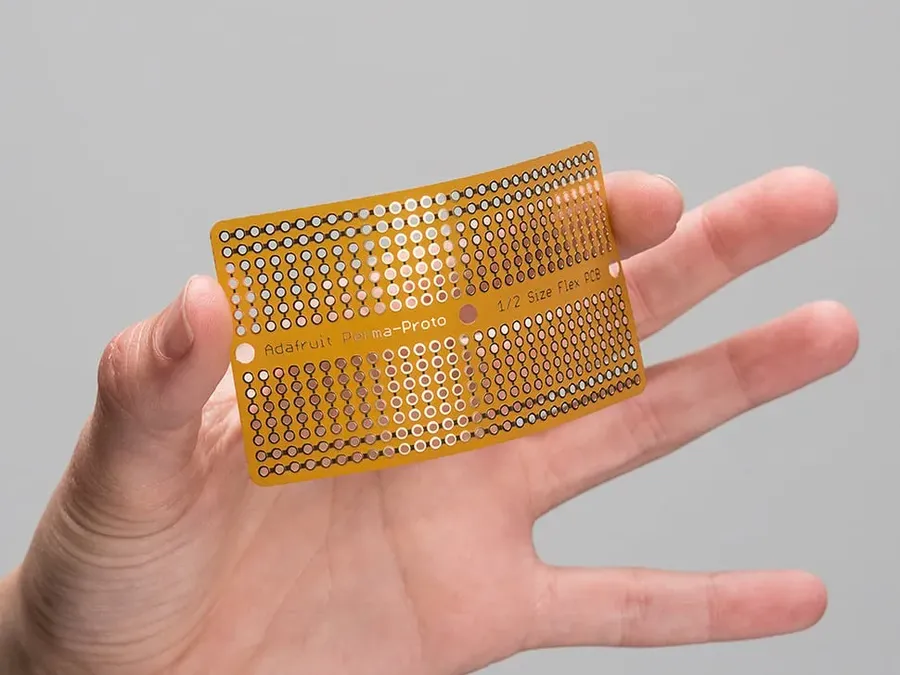
Prototyping is a critical stage in the development of flexible printed circuit boards, allowing for the validation of design concepts and identification of potential issues before mass production. Collaborating closely with flex PCB manufacturers during the prototyping phase ensures that designs are optimized for manufacturability, performance, and cost-effectiveness.
This iterative process provides invaluable insights into the real-world performance of the flexible circuit, enabling necessary design adjustments early in the cycle. Manufacturers bring specialized knowledge and equipment to this phase, assisting in everything from initial design trials to the testing of functional prototypes.
This section addresses common inquiries regarding flexible printed circuit board (PCB) manufacturing, providing essential information for those seeking reliable production solutions. We cover key aspects, from initial design considerations to final assembly and cost management, offering detailed insights into flex and rigid-flex PCB production.
Choosing the right flex circuit board manufacturer is vital for the success of any electronic product. By understanding the available options and thoroughly evaluating each manufacturer's capabilities, you can ensure you partner with a company capable of delivering high-quality, reliable flex and rigid-flex PCBs. This guide aims to serve as a starting point for businesses seeking experienced and innovative flexible circuit board manufacturers, helping them achieve their desired product outcomes and bring their cutting-edge electronics projects to life with confidence.

