From the smartphones in our pockets to the complex machinery that drives industry, printed circuit boards (PCBs) are the unsung heroes of modern technology. This article dives into the world of top PCB manufacturers, including global giants like TTM, AT&S, and PCBONLINE, analyzing their strengths and specialties to guide you in selecting the ideal partner for your next project. We'll explore not just who they are, but what makes each a leader in this vital industry.
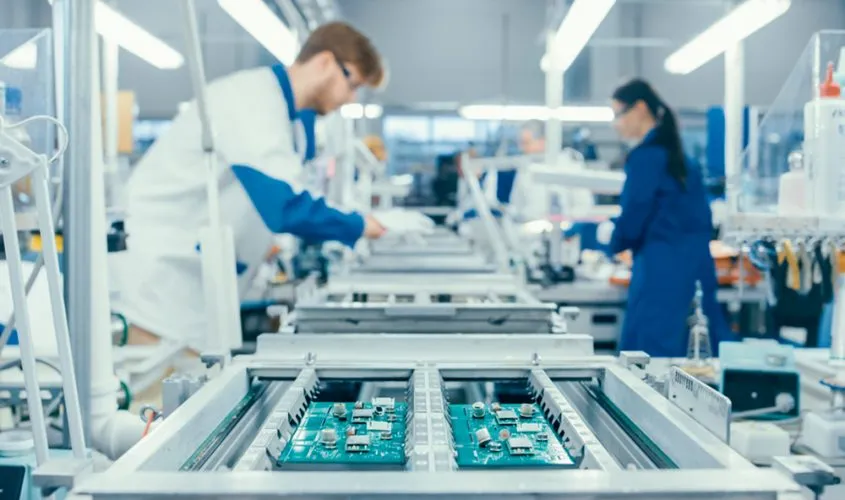
The global printed circuit board (PCB) manufacturing landscape is characterized by a concentration of production in Asia, particularly in China, Taiwan, and South Korea, driven by factors including lower labor costs, government support, and established supply chains. This geographical distribution profoundly influences market dynamics, pricing, and the technological advancements within the industry. PCBs are fundamental components in virtually all electronic devices, with applications spanning from simple consumer gadgets to complex industrial and aerospace systems. Understanding this global landscape is crucial for navigating the complex PCB market.
The PCB industry is diverse, encompassing various types of PCBs, each tailored to specific needs:
The choice of PCB type and manufacturer is influenced by factors such as cost, performance needs, and the required level of technological sophistication. Understanding the global distribution of manufacturing capacity, alongside the specialization of each manufacturer, allows for informed decision-making for those who need to procure PCBs. This understanding is vital for managing supply chains, navigating pricing variations, and staying competitive in the electronics industry.
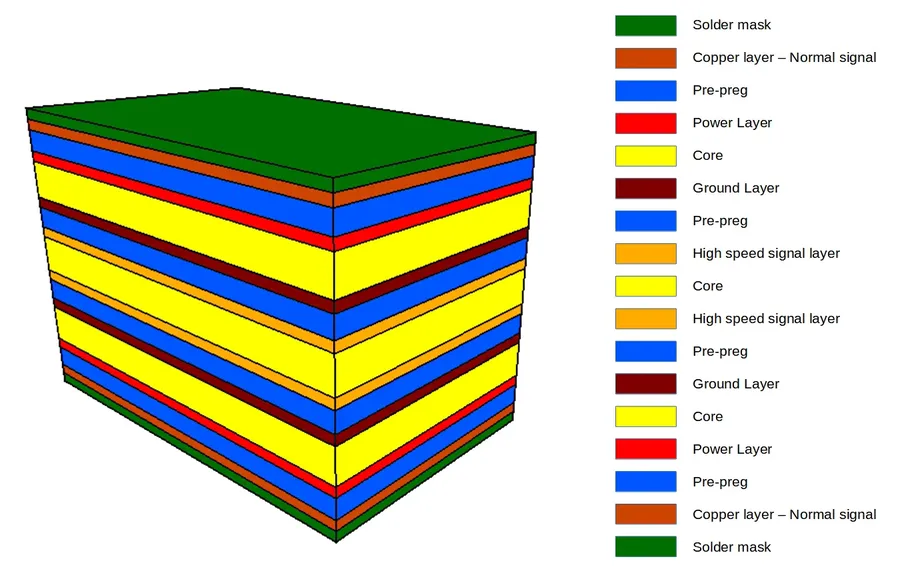
The global PCB manufacturing landscape is dominated by a few key players, each with unique strengths in technology, market focus, and geographical reach. This section provides a detailed comparison of these leading manufacturers, highlighting their specializations and capabilities to guide informed decisions when selecting a partner for PCB fabrication. We will focus on TTM Technologies, AT&S, Zhen Ding Technology, Unimicron Technology, and PCBONLINE, covering their technological prowess, their primary sector of operations, and their global influence.
| Manufacturer | Headquarters | Key Strengths | Primary Sectors | Geographical Reach |
|---|---|---|---|---|
| TTM Technologies | USA | High-mix, high-complexity PCBs, RF and microwave technologies | Aerospace, defense, automotive, networking, medical | North America, Asia, Europe |
| AT&S | Austria | High-end interconnect solutions, HDI, IC substrates | Automotive, industrial, medical, mobile devices | Europe, Asia, North America |
| Zhen Ding Technology | Taiwan | Flexible PCBs, rigid-flex PCBs, high-density interconnects | Consumer electronics, mobile devices, automotive | Asia, North America, Europe |
| Unimicron Technology | Taiwan | HDI, multilayer, rigid PCBs, advanced packaging substrates | Mobile devices, networking, server, automotive | Asia, North America, Europe |
| PCBONLINE | China | One-stop PCB solutions, from prototype to mass production, diverse technology support | Consumer electronics, industrial, IoT, automotive | Global |
Each of these manufacturers demonstrates particular strengths. TTM Technologies, for example, excels in complex PCBs, especially in RF and microwave technologies which are crucial for aerospace and defense. AT&S leads in high-end interconnect solutions and IC substrates, frequently used in automotive and medical technology. Zhen Ding Technology is the go-to for flexible and rigid-flex PCBs, vital in compact devices. Unimicron specializes in high-density interconnects and substrates, supporting the advanced mobile and networking sectors. PCBONLINE provides comprehensive services from prototyping to large-scale production, appealing to diverse industries due to their wide-ranging capabilities. The selection of a manufacturer should align with specific project needs, taking into account these specializations.
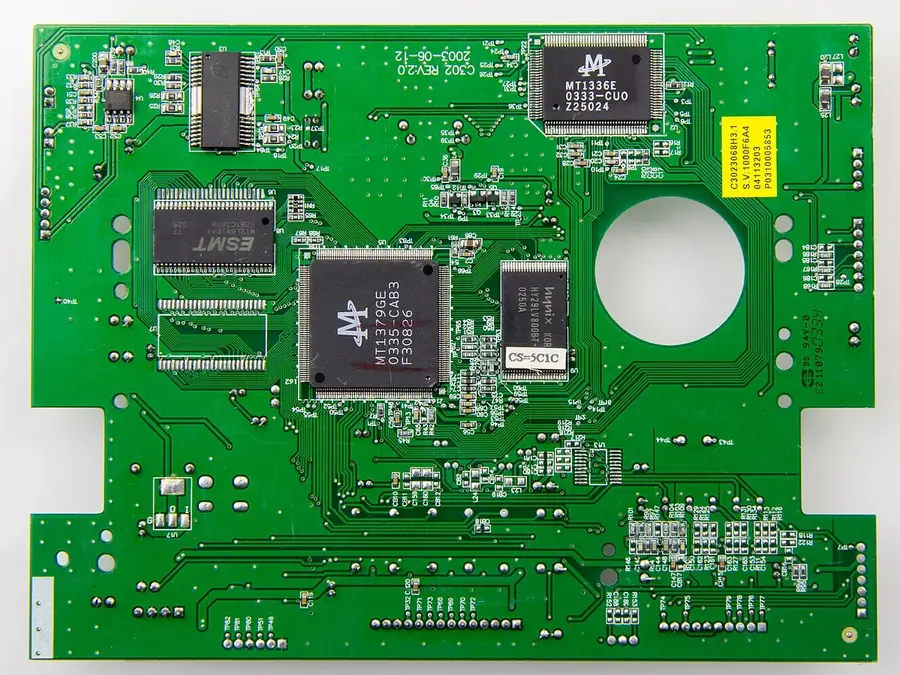
Selecting the right PCB manufacturer is critical for ensuring the success of any electronic product, and requires careful consideration of several factors. These criteria span from cost and quality to technological capabilities and customer service, all of which must align with your project's specific requirements.
| Criteria | Description | Importance |
|---|---|---|
| Cost | The price per unit and any associated tooling or setup costs. | Crucial for budget management; balance cost with quality. |
| Quality | Adherence to specifications, material quality, and manufacturing precision. | Ensures the functionality and reliability of the final product. |
| Delivery Time | The time it takes from order placement to delivery of the PCBs. | Affects project timelines and time-to-market. |
| Technology Capabilities | The manufacturer's ability to produce specific types of PCBs (e.g., multilayer, flex, rigid-flex) and their technological limits (e.g. minimum trace width, via size) | Must align with project specifications and complexity requirements. |
| Minimum Order Quantity (MOQ) | The minimum number of PCBs a manufacturer is willing to produce in a single order. | Important for cost-efficiency based on production volumes. |
| Certifications | Compliance with industry standards such as ISO 9001, IPC standards, or specific industry certifications (e.g., for medical or aerospace). | Demonstrates a commitment to quality and reliability and can be essential for certain applications. |
| Customer Service | The availability, responsiveness, and helpfulness of the manufacturer's support team. | Essential for resolving issues and ensuring smooth communication throughout the production process. |
| PCB Technology Types | Understanding the different PCB technologies available (e.g., through-hole, surface mount, multilayer) and their implications | Ensures the design and manufacturing process align with the PCB technology chosen |
The global PCB manufacturing landscape is largely concentrated in three key regions: North America, Europe, and Asia. Each region possesses unique competitive advantages, technological specializations, and market dynamics that influence pricing, delivery timelines, and the types of PCBs produced. Understanding these regional nuances is crucial for businesses seeking to source PCBs.
| Region | Competitive Advantages | Technological Focus | Market Dynamics |
|---|---|---|---|
| North America | High technology and innovation; strong emphasis on quality and reliability; established supply chains. | Specialization in high-reliability PCBs for aerospace, defense, and medical applications; leading edge technologies such as advanced materials and high-density interconnect (HDI). | Higher labor costs but strong customer service; often preferred for critical applications; trend towards reshoring some manufacturing. |
| Europe | Strong focus on quality, reliability, and sustainability; known for advanced manufacturing processes and compliance with international standards. | Focus on automotive, industrial, and medical PCBs; expertise in complex multi-layer and flexible PCBs; leadership in environmentally conscious manufacturing. | Moderate labor costs compared to North America, but more expensive than Asia; strong emphasis on regulatory compliance and environmental responsibility. |
| Asia | Cost competitiveness; high production volumes; rapidly developing technologies; large labor pool; diverse supply chain. | High-volume consumer electronics, computers, and communication products; growing expertise in advanced technologies such as HDI and flexible PCBs; fastest growth in adoption of new technologies. | Lowest labor costs; high supply chain flexibility; increasingly sophisticated technologies; strong export-oriented manufacturing capabilities. |
Below are specific regional leaders within the PCB manufacturing industry. This list is not exhaustive but offers a strong representation of the competitive landscape.
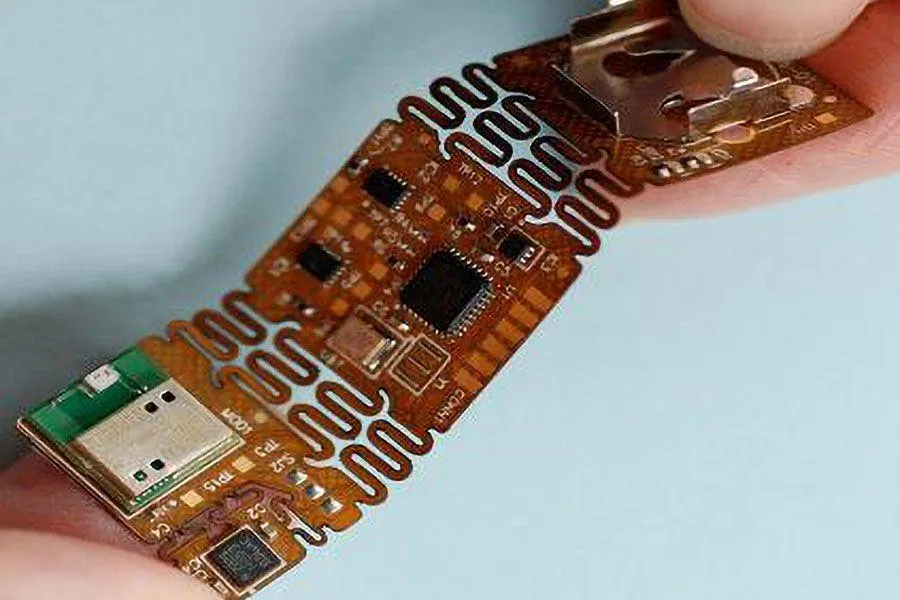
Certain PCB manufacturers distinguish themselves by concentrating on niche markets, specializing in specific PCB types or catering to particular industries with stringent requirements. These manufacturers often possess advanced technology and deep expertise, allowing them to produce high-performance PCBs tailored to the exacting demands of their target sectors.
This section explores some of these specialized manufacturers and their areas of expertise.
| Specialization | Typical Applications | Key Manufacturing Features | Example Industries |
|---|---|---|---|
| Flexible Circuits | Foldable electronics, wearables, automotive displays | Thin, flexible substrates, precise lamination, laser processing | Consumer electronics, automotive, medical devices |
| High-Frequency PCBs | Telecommunications, radar, high-speed computing | Low-loss materials, controlled impedance, tight tolerances | Telecommunications, aerospace, defense |
| Medical PCBs | Diagnostic equipment, implantable devices, monitoring systems | Biocompatible materials, high reliability, strict quality control | Healthcare, medical technology |
| Aerospace/Military PCBs | Avionics, satellite systems, defense electronics | High-temperature materials, shock resistance, MIL-SPEC compliance | Aerospace, defense, military |
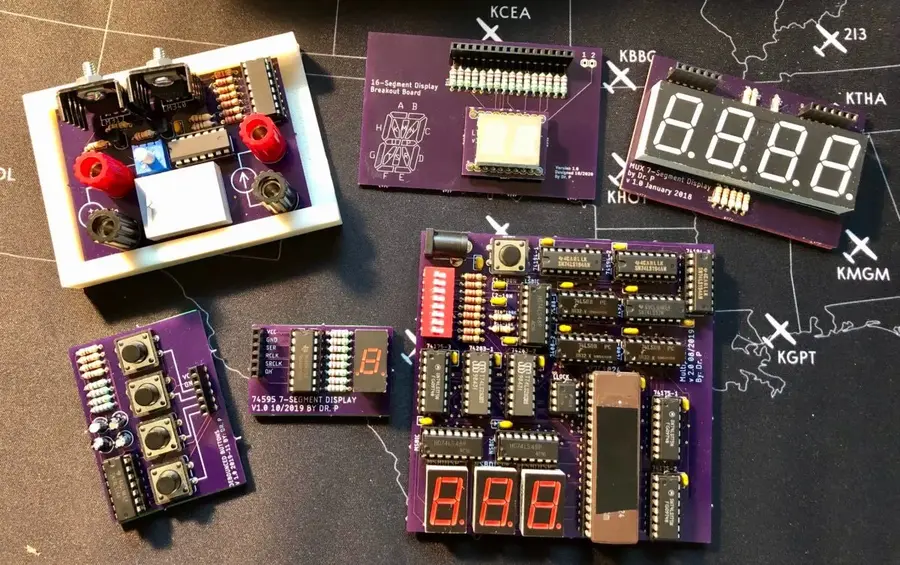
The PCB manufacturing landscape is broadly divided into two segments: vendors catering to hobbyists and those focused on commercial and large-scale industrial clients. These segments differ significantly in cost, capabilities, and lead times, each tailored to their specific user base.
| Feature | Hobbyist PCB Manufacturers | Commercial PCB Manufacturers |
|---|---|---|
| Typical Order Quantity | Low (1-10 boards) | High (100+ boards) |
| Cost Per Board | Higher for small quantities | Lower for large quantities |
| Lead Time | Faster (days to weeks) | Longer (weeks to months) |
| Technology Capabilities | Basic PCBs, limited material and layer options | Advanced PCBs, wide range of materials, high layer counts, HDI, flexible PCBs |
| Design Rules | Less stringent | Strict adherence to industry standards and tight tolerances |
| Customer Support | Basic support | Dedicated engineering support, design for manufacturability |
| Certifications | Limited | Comprehensive (e.g., ISO 9001, UL, IPC standards) |
| Focus | Rapid prototyping, small-scale projects | Large-scale manufacturing, high reliability |
Hobbyist-focused PCB manufacturers like JLCPCB, PCBWay, and OSH Park offer relatively inexpensive, quick-turnaround options for individuals and small projects, accepting orders for a small number of boards. These manufacturers often provide online tools and resources to simplify the ordering process. Commercial manufacturers, such as TTM Technologies or AT&S, target large-scale production runs and offer a wider range of technology capabilities, along with certifications needed for demanding applications, including medical and aerospace. It is important to choose a manufacturer who is aligned with the needs of your project in terms of scale, complexity, and budget.
This section addresses common questions regarding PCB manufacturing, offering clarity on quality, materials, lead times, and the distinctions between rigid and flexible PCBs, alongside cost factors and typical production challenges. Understanding these aspects is crucial for making informed decisions when selecting a PCB manufacturer.
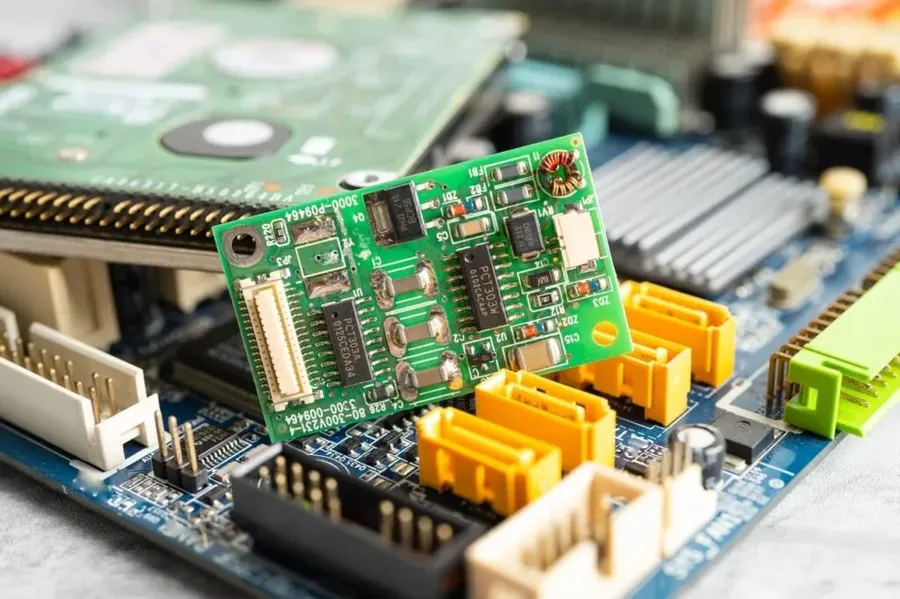
The PCB manufacturing industry is undergoing significant transformation driven by innovation and a growing emphasis on sustainability. These trends are poised to reshape the landscape over the next 5-10 years, impacting production methods, materials, and the overall environmental footprint of PCB manufacturing.
Emerging technologies and practices are not just about improving efficiency; they represent a fundamental shift towards a more environmentally responsible and technologically advanced future for PCB production.
Selecting the right PCB manufacturer is crucial for the success of any electronics project. A methodical approach, focusing on aligning your project's needs with a manufacturer's capabilities, will ensure optimal results. This section provides a step-by-step guide to help you make informed decisions.
Selecting the right PCB manufacturer is a critical step in any electronics project. By understanding the strengths of top players like TTM, AT&S, and PCBONLINE, and being aware of emerging trends, you can make an informed decision that aligns with your specific needs. Whether your priority is advanced technology, cost-effectiveness, or rapid turnaround, the information here can help you navigate the global PCB manufacturing market and secure a reliable partner for future success. As technology advances, so too will the landscape of PCB manufacturing, therefore keeping up with the news of these top players will be crucial for your project success.

