In today's fast-paced technological landscape, flexible circuits have become indispensable in various applications, from consumer electronics to aerospace. Choosing the right flexible circuit manufacturer is critical for product quality and reliability. This article will guide you through the top manufacturers, highlighting their strengths and helping you make an informed decision.
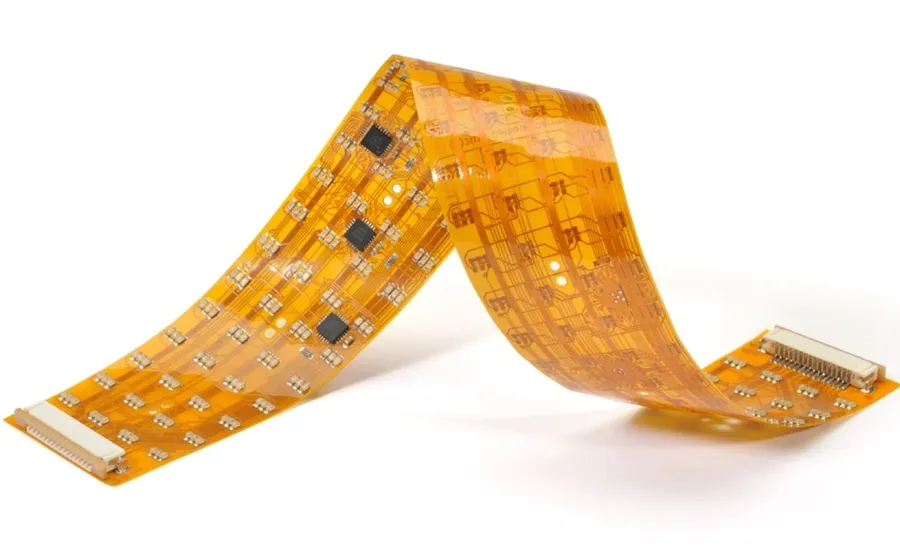
Flexible circuits, also known as flex PCBs, represent a transformative advancement in electronics, offering a departure from traditional rigid circuit boards by utilizing flexible substrates. This characteristic enables them to conform to irregular shapes and dynamic environments, facilitating applications across a multitude of sectors. Their core advantage lies in their ability to provide both electrical interconnection and mechanical flexibility.
| Characteristic | Rigid PCBs | Flexible PCBs |
|---|---|---|
| Flexibility | Inflexible | Highly Flexible |
| Weight | Heavier | Lighter |
| Form Factor | Fixed Shape | Adaptable Shape |
| Application | Static Environments | Dynamic Environments |
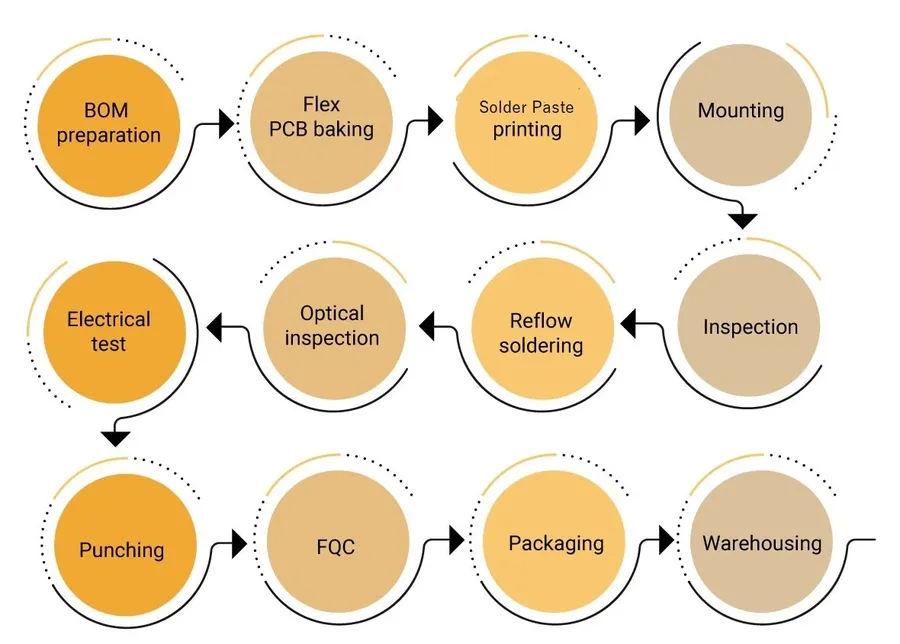
Selecting the right flexible circuit manufacturer is critical for the success of any project involving flexible printed circuits (FPCs). This decision should be guided by a thorough evaluation of several key factors, including manufacturing capabilities, material expertise, quality assurance, and prototyping support. A careful assessment ensures that the chosen manufacturer is equipped to meet specific project requirements and deliver reliable, high-performance FPCs.
| Factor | Description | Importance |
|---|---|---|
| Manufacturing Capabilities | Range of circuit types they can produce (single-sided, double-sided, multilayer, rigid-flex) and the complexity of designs they can handle. | Directly impacts their ability to produce your specific circuit requirements. |
| Material Selection Expertise | Their knowledge of different materials (polyimide, polyester, LCP) and their application-specific suitability. | Ensures your circuit uses the best material for performance and environment. |
| Quality Control | Compliance with standards like ISO 9001, AS9100, and robust testing processes during manufacturing. | Crucial for reliability and longevity of your flexible circuits. |
| Prototyping Speed | Ability to quickly produce prototypes for design validation and testing. | Essential for rapid development cycles and minimizing time to market. |
| Certifications | Possession of industry specific certifications such as ISO 9001, AS9100, ISO 13485, etc. | Signifies adherence to international quality standards, especially important for safety and regulatory requirements in aerospace, medical devices and industrial applications. |
| Specialized Processes | Capabilities in laser ablation, fine-line etching, and other advanced techniques. | Needed for complex designs, higher density circuits, and special applications. |
| Geographical Location | Manufacturing location relative to your engineering team and manufacturing facility | Can affect communication and speed of product development and production. |
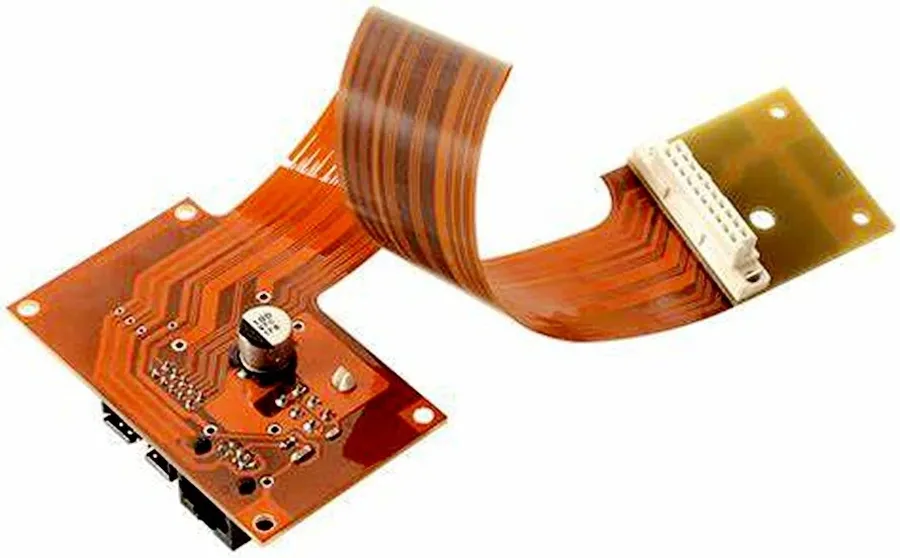
The global flexible circuit manufacturing landscape is dominated by a few key players, each with unique strengths and specializations. These manufacturers serve diverse markets and offer varying capabilities, impacting the design and production strategies of countless electronics products. Understanding these leaders is crucial for selecting the right partner for your specific flexible circuit needs.
| Manufacturer | Market Position | Capabilities | Geographical Focus | Specializations |
|---|---|---|---|---|
| Nippon Mektron | Global Leader, strong presence in Asia | High-volume production, multi-layer flex, rigid-flex | Primarily Asia, expanding globally | Automotive, consumer electronics, high-density interconnect |
| Zhen Ding Technology (ZDT) | Leading manufacturer from China | Mass production, diverse material offerings | Asia, with a growing global reach | Mobile devices, consumer electronics, high-volume applications |
| Interflex | Major player, known for innovation | Advanced flex circuit technologies, fine-line etching | Global, with facilities in Asia and Europe | Automotive, medical devices, high-reliability applications |
| Sumitomo Electric | Established brand with diverse products | Advanced material science, integrated solutions | Global, with strong presence in Japan | Automotive, telecommunications, industrial applications |
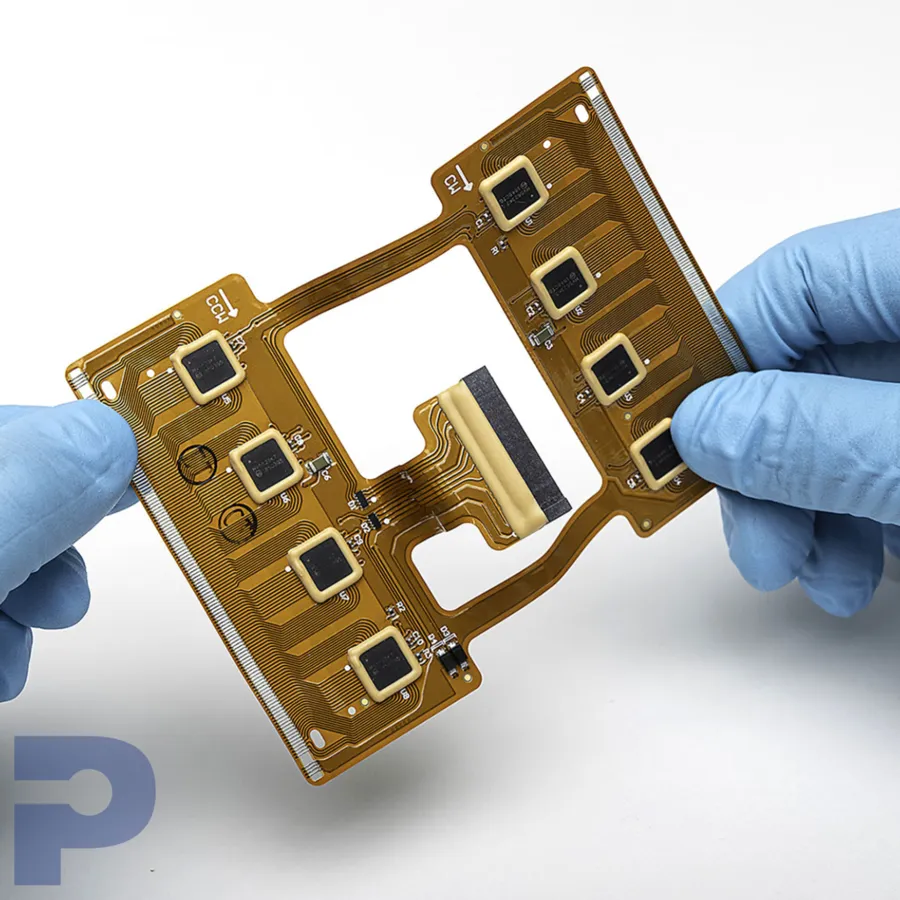
The United States is home to several leading flexible circuit manufacturers, renowned for their technological prowess and specialization in high-reliability applications, rapid prototyping, and quick-turn manufacturing. These manufacturers are crucial partners for industries requiring advanced flexible circuit solutions.
| Manufacturer | Strengths | Specializations |
|---|---|---|
| Flexible Circuits, Inc. | High-reliability applications | Aerospace, medical, and industrial sectors |
| Minco | Demanding Environments, integrated solutions | Medical and aerospace industries |
| Sierra Circuits | Rapid prototyping and quick-turn manufacturing | Fine-line etching and complex circuit designs |
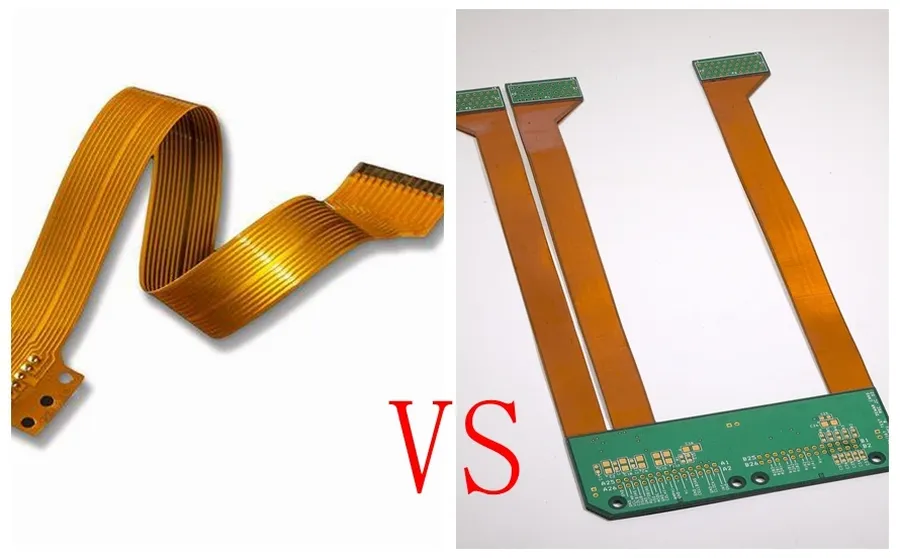
Selecting the appropriate flexible circuit manufacturer hinges on a thorough comparison of their capabilities and specializations. This involves scrutinizing their material offerings, proficiency in advanced manufacturing processes, and the specific types of flexible circuits they are adept at producing. A nuanced understanding of these factors is crucial for ensuring that the chosen manufacturer aligns with the precise requirements of your project.
| Manufacturer | Material Options | Special Processes | Specializations |
|---|---|---|---|
| Manufacturer A | Polyimide (Kapton), Polyester (PET) | Laser Ablation, Fine-Line Etching | High-Density Interconnects, Multilayer Flex Circuits |
| Manufacturer B | Polyimide (Kapton), Liquid Crystal Polymer (LCP) | Laser Direct Structuring, Microvias | High-Frequency Flex Circuits, Rigid-Flex PCBs |
| Manufacturer C | Polyester (PET), PEN | Chemical Etching, Roll-to-Roll Processing | Large-area Flexible Displays, Low-Cost Flex Circuits |
| Manufacturer D | Polyimide (Kapton), Modified Acrylic | Automated Assembly, Component Embedding | Medical Device Flex Circuits, High Reliability Flex Circuits |
The selection of a flexible circuit manufacturer is dependent on the specific demands of the application. Manufacturers who specialize in processes such as laser ablation, and fine-line etching are often better suited to products that require high precision and complex geometries. On the other hand, if the requirement is for very large volume products, then roll-to-roll processing may be more suitable. The base material also greatly impacts the final application of the flexible circuit. Polyimide is an ideal material when the flex circuit must operate in a high-temperature environment, while polyester may be more appropriate in lower temperature, less demanding applications.
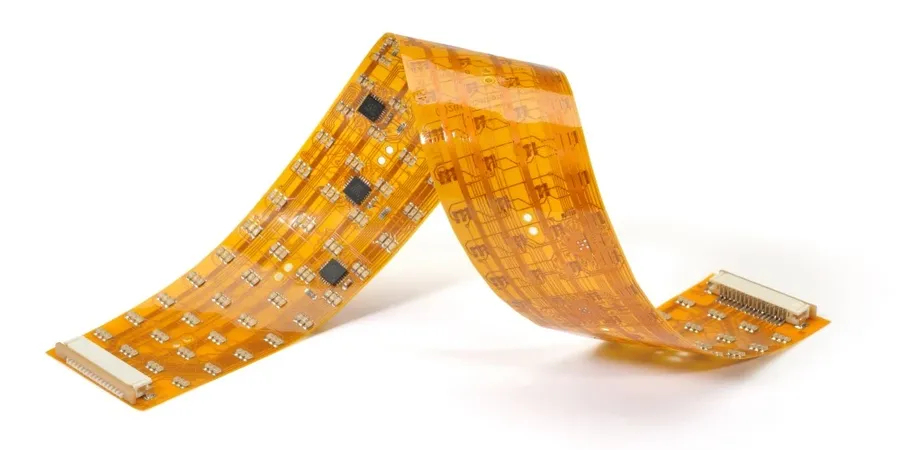
Rapid prototyping and quick-turn manufacturing are vital for validating flexible circuit designs efficiently. These services allow for swift design iterations, reducing time-to-market and enabling rapid validation of the design and functionality. Selecting a manufacturer specializing in these services is crucial for projects requiring agility and fast turnaround.
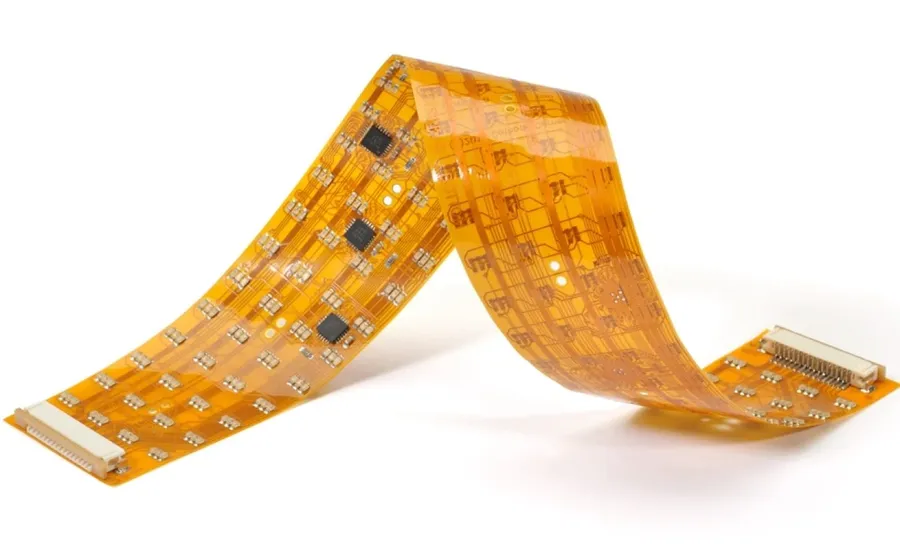
Selecting the appropriate base material is paramount in flexible circuit design, as it directly impacts performance, reliability, and cost. This section explores common materials like polyimide, polyester, and liquid crystal polymer, detailing their properties and suitability for various applications and thermal demands. Material selection is a critical step in the design process, as it must align with the functional requirements of the final product, and the manufacturing capabilities of the chosen flexible circuit manufacturer.
| Material | Properties | Advantages | Disadvantages | Typical Applications | Manufacturer Example |
|---|---|---|---|---|---|
| Polyimide (Kapton) | High temperature resistance, excellent chemical resistance, good mechanical strength | High reliability, durable, suitable for harsh environments | Higher cost than polyester, can be more difficult to process | Aerospace, medical, automotive, high-temperature electronics | DuPont |
| Polyester (PET) | Good tensile strength, cost-effective, flexible | Lower cost, good for lower-temperature applications | Lower temperature resistance, susceptible to chemical damage | Consumer electronics, keyboards, membrane switches, low-cost applications | Toray |
| Liquid Crystal Polymer (LCP) | Excellent electrical properties, low moisture absorption, high temperature stability | High-frequency applications, dimensionally stable, good for fine-line circuitry | Higher cost, more challenging processing | High-speed data transmission, antennas, high-frequency applications | Kuraray |
Material selection often involves trade-offs between performance, cost, and processability. Polyimide, such as DuPont's Kapton, offers superior thermal and chemical resistance, making it ideal for demanding applications. Conversely, polyester is a cost-effective choice for less rigorous environments. Liquid Crystal Polymer is an excellent choice where high electrical performance is critical. Understanding these differences is critical for proper design and manufacturing process.
Effective flexible circuit design necessitates a meticulous approach, balancing electrical performance with mechanical flexibility. Adhering to best practices from the outset ensures the final product meets functional and reliability requirements while minimizing manufacturing challenges and costs.
Navigating the world of flexible circuit manufacturing can be complex. This section addresses common queries to help you make informed decisions when selecting a manufacturer and planning your flexible circuit projects, covering aspects from cost considerations to design best practices.
Choosing the right flexible circuit manufacturer is paramount to the success of your projects. By understanding their capabilities, specializations, and material options, you can ensure high-quality flexible circuits that meet your specific needs. Flexible circuit manufacturers play a crucial role in developing cutting-edge products, and a knowledgeable choice is key to achieving optimal results and pushing the boundaries of technology.

