Top PCB Assembly Companies: Finding the Best Partner for Your Electronics Needs
2025.01.14
In today's technology-driven world, printed circuit boards (PCBs) are the backbone of nearly every electronic device. Selecting the right PCB assembly company is crucial for the success of any electronics project. This article explores the top PCB assembly companies, helping you navigate the landscape and find the best fit for your specific needs. From global giants to specialized regional players, we'll examine what sets these companies apart, ensuring your electronic creations are built with precision and reliability.
Key Factors to Consider When Choosing a PCB Assembly Company
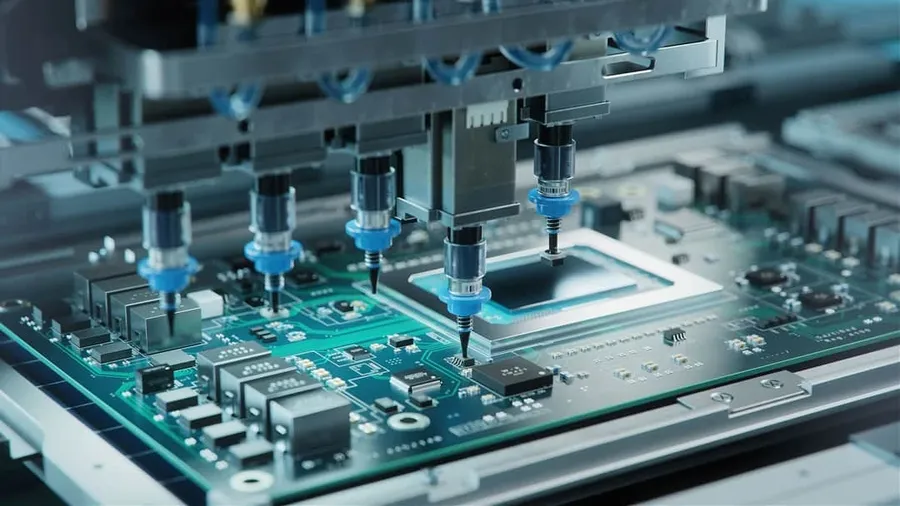
PCB Assembly
Selecting the right PCB assembly company is crucial for the success of any electronics project. This decision hinges on several critical factors, each demanding careful evaluation to align with specific project requirements. A thorough understanding of these key aspects will streamline the selection process and ensure a suitable partnership.
Quality Standards and Certifications (IPC Compliance) Adherence to industry-standard quality benchmarks, like IPC (Association Connecting Electronics Industries) standards, ensures consistent manufacturing quality and reliability. Confirm the company's certifications, particularly IPC-A-610 for acceptability of electronic assemblies.
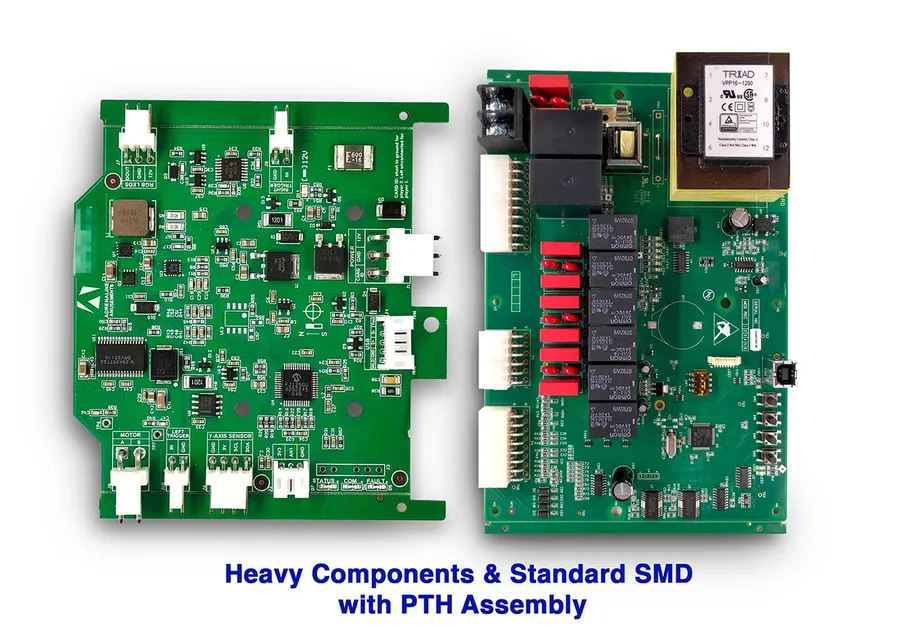
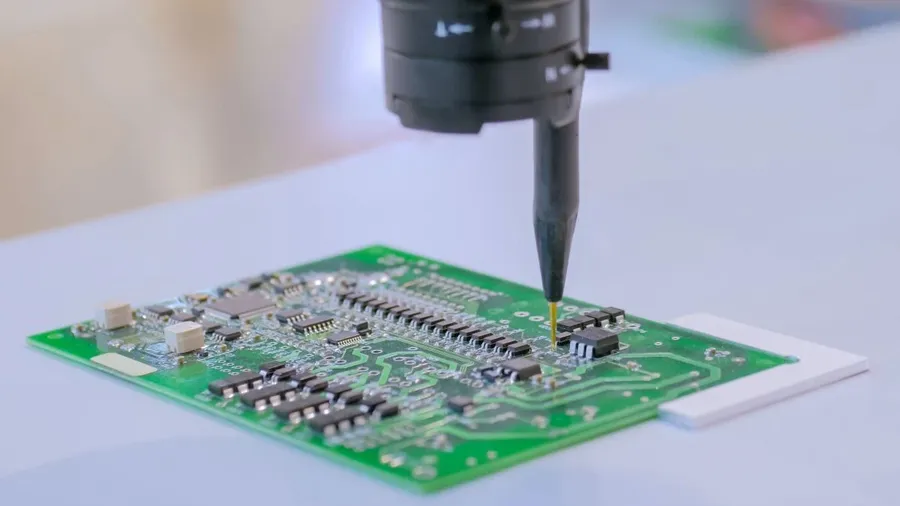
Assembly Capabilities: SMT, Through-Hole, and Mixed Technology Verify the company's expertise in surface mount technology (SMT), through-hole technology, or a mix of both. Ensure they have the equipment and experience to handle the complexity of your project’s components. For instance, can they handle fine-pitch components? Do they offer automated optical inspection (AOI)?
Turnaround Time and Lead Times Assess the company’s standard turnaround times for both prototypes and production runs. Evaluate their ability to meet your project’s deadlines and understand factors affecting lead times, such as component availability and current workloads.
Cost Structure and Pricing Consider the overall cost beyond unit price alone; this can include setup fees, tooling costs, and minimum order quantities (MOQs). Evaluate the transparency of their pricing structure and ask for cost breakdown. Is there a price advantage for larger volumes or for certain types of assembly?
Geographical Location and Logistics The company's location can influence shipping costs, communication effectiveness, and production speed. For US based projects, a US based assembly company might make more sense than an overseas based assembly company. Consider if you need on site support.
Customer Support and Communication Effective customer support and transparent communication are crucial for a smooth project workflow. How responsive are they during the design and pre-production process? Do they have a team that can help with troubleshooting during assembly? Assess their responsiveness and engagement.
Global Leaders in PCB Assembly
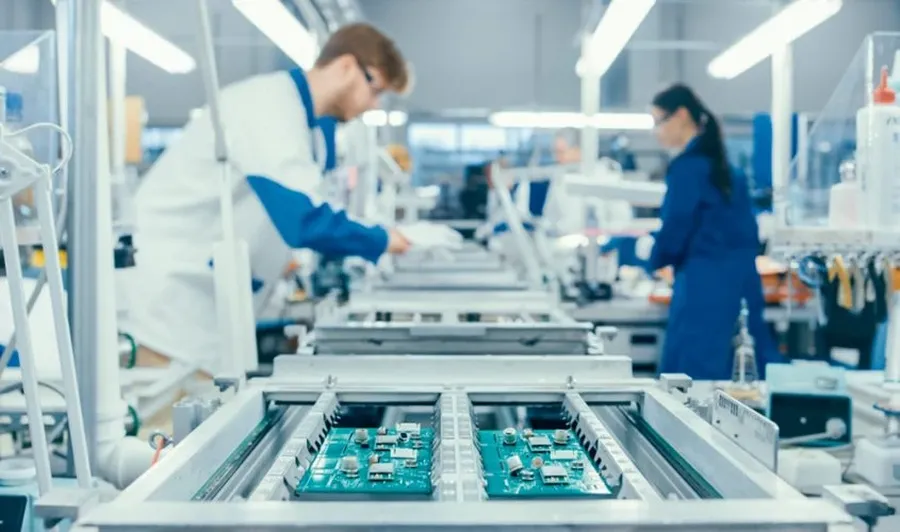
PCB Factory
The global PCB assembly landscape is dominated by several well-established companies that offer extensive manufacturing capabilities, cutting-edge technologies, and a comprehensive range of services. These industry giants are characterized by their ability to handle high-volume production and their experience in serving diverse sectors, making them ideal partners for large-scale and complex projects.
TTM Technologies TTM Technologies is a major global manufacturer of printed circuit boards (PCBs) with a significant presence in PCB assembly. They are known for their expertise in high-technology PCBs and assemblies, catering to diverse markets including aerospace, defense, and telecommunications.
Sanmina Sanmina provides comprehensive electronics manufacturing services, including PCB assembly. Their global footprint and advanced capabilities allow them to support a wide range of industries, from automotive to healthcare. They are recognized for their supply chain expertise and complex assembly services.
Jabil Jabil is a global manufacturing solutions provider offering end-to-end services, including PCB assembly. Their strengths lie in their ability to manage large-scale production and provide innovative solutions for complex electronic products across sectors like consumer electronics and industrial applications.
These companies are particularly adept at handling high-volume manufacturing runs, leveraging their advanced technology and global facilities to meet the stringent demands of large-scale electronics projects. Their comprehensive service offerings often include design for manufacturability (DFM) feedback, component sourcing, and testing, ensuring a seamless transition from design to production.
Leading PCB Assembly Companies in the USA
USA PCB Assembly
For projects prioritizing localized manufacturing, selecting a US-based PCB assembly company can offer advantages in terms of communication, lead times, and potentially regulatory compliance. Several companies in the United States stand out for their expertise, advanced capabilities, and commitment to quality. These firms are well-suited for projects ranging from prototypes to high-volume production runs.
The following highlights some of the leading PCB assembly companies within the USA:
American Standard Circuits Recognized for its advanced manufacturing processes, American Standard Circuits specializes in high-reliability PCBs and offers comprehensive services from design to final assembly.
Epec Engineered Technologies Epec provides custom PCB solutions with a focus on engineering expertise, offering a range of services from design to manufacturing and assembly, tailored to specific customer requirements.
Advanced Assembly As a prominent player in the US, Advanced Assembly is known for rapid prototyping and quick-turn assembly services, suitable for companies needing fast iterations and reduced time to market.
Sierra Circuits With a strong focus on advanced PCB technologies, Sierra Circuits offers a comprehensive suite of services including fabrication, assembly, and testing with an emphasis on high-precision and quality.
Caltronics Assembly Inc. Caltronics is a well-regarded company offering both PCB fabrication and assembly services, focusing on providing comprehensive support to their customers with strong engineering support and on-time delivery.
Creative Hi-Tech Creative Hi-Tech is known for its high quality standards and offers a variety of PCB assembly options, including SMT, through-hole, and mixed technology, with rigorous testing and inspection procedures.
When selecting a US-based company, consider factors such as their manufacturing capacity, the types of assembly services offered, quality certifications (like ISO 9001, AS9100), and their experience with similar projects or industries. A company's location within the US may also influence shipping times and ease of communication. Evaluate which company best aligns with your specific production requirements and timelines.
Specialized PCB Assembly Services
SMT Assembly
Certain PCB assembly companies distinguish themselves by concentrating on niche areas within the field. These specializations can include rapid prototyping, intricate multi-layer boards, or specific sector requirements like medical or aerospace. Selecting a specialized provider ensures that your project is handled with the necessary expertise and equipment for optimal results.
Quick-Turn PCB Assembly Companies offering quick-turn services excel at rapid prototyping and small batch production. They are ideal for initial design validations or projects with tight timelines. These companies often have streamlined processes and prioritize speed, sometimes at a slightly higher cost per unit.
Complex Multi-Layer PCB Assembly Multi-layer PCBs, with their increased density and routing complexity, require advanced assembly techniques and high-precision equipment. These specialists possess the know-how to handle boards with numerous layers, fine-pitch components, and challenging interconnect requirements.
Medical Device PCB Assembly Medical PCB assembly is subject to stringent regulatory requirements, including ISO 13485 certification and adherence to biocompatibility standards. Companies in this niche must have robust quality management systems and meticulous process controls. They typically offer material traceability and comply with strict cleanliness requirements.
Aerospace and Defense PCB Assembly Aerospace and defense applications demand PCBs that can withstand extreme environmental conditions, including shock, vibration, and temperature fluctuations. These companies must adhere to stringent military standards and industry certifications such as AS9100. Components used must be highly reliable, and assembly processes are rigorously controlled and documented.
High-Reliability PCB Assembly High-reliability PCB assembly is critical for applications where failure can have significant consequences. This includes industrial equipment, automotive systems, and telecommunications infrastructure. These companies focus on process control, testing, and quality assurance to ensure the assembled PCBs meet high-performance and dependability requirements.
PCB Assembly for Hobbyists and Small-Scale Projects
DIY PCB Project
For hobbyists, educational purposes, or small-scale projects, cost-effectiveness and accessibility are paramount. Several PCB assembly companies cater specifically to these needs, offering affordable solutions without compromising on reliability. These companies provide essential services such as quick-turn prototypes and design for manufacturing (DFM) assistance, making it easier for individuals and small teams to bring their electronic projects to life.
JLCPCB JLCPCB is renowned for its low-cost PCB manufacturing and assembly services, making it a popular choice for hobbyists and small businesses. They offer a streamlined ordering process and quick turnaround times, which are ideal for rapid prototyping and iterative design processes. Their services include SMT assembly, through-hole assembly, and parts sourcing.
PCBWay PCBWay is another strong contender in the affordable PCB assembly market, providing similar low-cost options and a broad range of services, including PCB fabrication, assembly, and parts sourcing. They offer both prototype and small batch assembly, and are noted for having good customer service and a user-friendly platform for managing orders.
OSH Park OSH Park is a community-focused PCB manufacturer specializing in high-quality, low-volume PCB production, particularly for prototyping. While they primarily focus on PCB fabrication, they are often used in conjunction with other services that might specialize in assembly or hand assembly processes, which is a good starting place for hobbyists not needing full turnkey solutions.
When evaluating these options for small-scale assembly, consider factors such as the complexity of your design, the quantity required, and the level of automation necessary. While these services are cost-effective, fully automated assembly may still have limitations on components used or board complexity. Therefore, understanding the precise services provided by each company, and how well they align with your specific requirements, is crucial. Additionally, many of these companies have strong online communities with lots of available help, advice, and design assistance.
Cost of PCB Assembly: Understanding Pricing Factors
The cost of PCB assembly is influenced by a multitude of factors, extending beyond just the number of components. Understanding these factors is crucial for effective budgeting and design optimization. This section delves into these key cost drivers.
The complexity of your PCB design is a primary determinant of assembly cost. Simple, single-layer boards with few components will naturally be less expensive to assemble than intricate, multi-layer boards with fine-pitch components. Factors that increase complexity and therefore cost include:
Number of layers: Multi-layer boards require more complex processing and are more expensive.
Component density: Boards with a high density of components necessitate more precise placement and reflow processes.
Fine-pitch components: Small components with leads spaced closely together are more challenging to handle and require specialized equipment.
Through-hole vs. SMT: Through-hole components often require manual assembly, increasing labor costs, whereas SMT (Surface Mount Technology) is more automated.
Board size and shape: Unusual shapes or very large boards can increase handling and processing costs.
The volume of your production run also has a significant impact on the final cost. Larger production runs generally result in lower per-unit costs due to economies of scale. Here's a breakdown of how volume affects pricing:
Setup costs: These costs are incurred regardless of volume. They include tooling, programming, and initial setup of assembly lines. Spreading these over a larger volume reduces the per-unit cost.
Component procurement: Purchasing components in bulk is typically cheaper, and some PCB companies can leverage their established supplier relationships for better pricing.
Assembly efficiency: Higher volumes allow for more efficient assembly line processes, reducing the per-unit assembly time and associated costs.
The specific materials used in your PCB and components directly affect cost. Higher-grade materials with tighter tolerances will be more expensive, and special material requirements can add additional costs. Considerations include:
PCB substrate material: FR-4 is common and affordable, but materials such as polyimide, Rogers, or aluminum can add significant costs.
Component types and availability: Specialized or hard-to-source components can drive up costs significantly.
Surface finish: Different surface finishes, such as ENIG (Electroless Nickel Immersion Gold) or HASL (Hot Air Solder Leveling), can impact cost.
PCB assembly companies have varying overhead costs that influence their pricing. Factors such as location, facility size, equipment, labor rates, and certifications all contribute to these overhead costs. A company located in a high-cost area, or that uses cutting-edge machinery may have higher pricing.
Optimizing your PCB design for cost-effective assembly is essential. Consider the following:
Design for manufacturability (DFM): Following DFM guidelines will ensure that your design is optimized for automated assembly and can significantly reduce costs and production issues.
Component selection: Prioritize standard, readily available components. Avoid using components that are difficult to source or have long lead times.
Panelization: If possible, utilize panelization (grouping multiple PCBs on a single panel) to increase production efficiency and reduce per-unit costs.
Clear documentation: Ensure thorough and clear design documentation, including accurate Gerber files, BOM (Bill of Materials), and assembly drawings. This minimizes errors and rework.
Frequently Asked Questions About PCB Assembly Companies
Navigating the world of PCB assembly can raise many questions. This section addresses common queries to provide clarity and assist in your decision-making process when selecting a PCB assembly partner.
Who is the best PCB manufacturer? Determining the 'best' PCB manufacturer is subjective and depends heavily on your specific project needs. Factors such as volume, complexity, required certifications, and budget all play a crucial role. There isn't a single universal best choice; rather, the best manufacturer is the one that aligns with your particular requirements and priorities. Consider companies known for quality like TTM Technologies for high volume, or specialty shops for unique applications.
Which company's PCB assembly services are considered the best? The 'best' PCB assembly services also vary depending on the project's demands. Companies like Sanmina and Jabil offer comprehensive services with global reach, ideal for large-scale projects. For smaller, specialized projects, you might prioritize companies known for high precision or rapid prototyping. Research based on specific technology needs and customer reviews is recommended to find the best fit.
Who is the largest PCB manufacturer in the world? The title of the largest PCB manufacturer by revenue often shifts, but companies like TTM Technologies and other major players consistently rank at the top due to their high-volume production capabilities and global presence. These companies typically serve a wide range of industries, including automotive, aerospace, and telecommunications.
How much does it cost to get a PCB assembled? PCB assembly costs are not fixed and depend on a multitude of factors. These include the complexity of the board (number of layers, component density), the assembly technology (SMT, through-hole), the volume of boards needed, and the turnaround time. Other factors that influence costs include material selections, special testing requirements, and chosen assembly company's location, overhead, and level of service. Typically, more complex and low volume production will cost more than simpler, high volume runs. To get an accurate cost assessment, provide detailed design specifications and assembly requirements to potential manufacturers.
What is the typical turnaround time for PCB assembly? Turnaround time for PCB assembly can vary widely from a few days for quick-turn prototypes to several weeks for large production runs, depending on the complexity and the chosen manufacturer’s capacity. Faster turnaround times often come at a premium. Discuss your required timeline with potential partners to find a balance between speed and your budget.
What are the key quality standards to look for in a PCB assembly company? Key quality standards include IPC (Association Connecting Electronics Industries) compliance, particularly IPC-A-610 for acceptability of electronic assemblies. ISO 9001 certification, indicating a focus on quality management systems, is also essential. Further, inquire about the company’s testing processes, use of automated optical inspection (AOI), and functional testing capabilities to ensure the highest level of quality control and reliability of the final product.
Should I choose a local or overseas PCB assembly company? The decision between local and overseas PCB assembly involves a trade-off between cost, lead time, and communication. Local manufacturers may offer faster turnaround times and easier communication, which can be advantageous for projects requiring flexibility. Overseas manufacturers often have lower prices and are more suited to high-volume orders where cost is a primary concern. Consider the complexity of your project, budget, and your communication needs to make the appropriate decision.
Comparative Analysis of PCB Assembly Companies
PCB Comparison
Selecting the right PCB assembly partner requires a thorough comparison of various factors. This section provides a structured analysis of leading companies, highlighting their strengths and weaknesses across key parameters. The following table offers a side-by-side comparison to aid your decision-making process.
Company
Minimum Order Quantity
Typical Lead Time
Pricing (Relative)
Range of Services
Geographical Presence
Customer Reviews
TTM Technologies
High Volume
Varies (4-12 weeks)
High
Full-Service, Complex PCBs
Global
Generally Positive
Sanmina
High Volume
Varies (6-14 weeks)
High
Full-Service, Complex PCBs
Global
Generally Positive
Jabil
High Volume
Varies (6-14 weeks)
High
Full-Service, Complex PCBs
Global
Generally Positive
American Standard Circuits
Mid to High Volume
Varies (2-8 weeks)
Mid to High
SMT, Through-Hole, Advanced PCBs
USA
Positive
Epec Engineered Technologies
Mid to High Volume
Varies (2-10 weeks)
Mid to High
Flex, Rigid-Flex, High-Reliability PCBs
USA
Positive
JLCPCB
Low to Mid Volume
Fast (3-7 days)
Low
Prototyping, Small Batch
Global
Mixed
PCBWay
Low to Mid Volume
Fast (3-7 days)
Low
Prototyping, Small Batch
Global
Mixed
OSH Park
Low Volume
Moderate (1-2 weeks)
Low to Mid
Prototyping, Small Batch
USA
Positive
Tips for Selecting the Right PCB Assembly Partner
Selecting the right PCB assembly partner is crucial for ensuring the success of your electronics project. This process involves careful planning, clear communication, and a thorough understanding of your project's specific requirements. By following these actionable tips, you can significantly increase your chances of a successful assembly and avoid common pitfalls.
Detailed Design Documentation Provide comprehensive and accurate documentation, including Gerber files, bill of materials (BOM), assembly drawings, and any special instructions. Ambiguity can lead to errors and delays. Ensure the BOM is up-to-date with the correct manufacturer part numbers and specifications.
Early Communication of Requirements Clearly articulate all specific requirements early in the process, including desired quality standards (e.g., IPC Class), testing specifications, and packaging requirements. Engaging early allows the assembly house to provide valuable input and identify potential issues before manufacturing.
Prototype Testing Prioritize prototyping a small batch of boards before committing to a large production run. This allows you to validate the design, identify any issues, and make necessary adjustments. It can save significant costs and time in the long run.
Manufacturing Process Understanding Have a basic understanding of the PCB assembly process. This understanding will help you in communicating with the manufacturer and evaluating their processes. For instance, knowing about Surface Mount Technology(SMT), Through-Hole Technology (THT), and Automated Optical Inspection(AOI) helps.
Review Company Capabilities Verify that the company has the required capabilities to handle your project, including assembly technology, component sourcing, and quality control processes. Certifications like ISO 9001 can indicate a commitment to quality. Also evaluate if they handle your board complexity like single, double, multi-layer, and flex PCBs.
Evaluate Turnaround Time and Cost Balance the need for quick turnaround with budgetary constraints. It's crucial to compare multiple quotes, considering not only cost but also the quality of service and turnaround time. Some manufacturers offer rapid prototyping for quick turn needs.
Check References and Reviews Ask for references and look for independent reviews from previous clients. This can give insights into their customer service, quality of work, and adherence to timelines.
Plan for Test and Inspection Ensure that your assembly partner can perform necessary testing and inspection. This can range from basic visual inspection to functional testing. Clarify test specifications and acceptance criteria up front to minimize surprises.
Choosing the right PCB assembly company is crucial for the success of your electronics projects. By carefully evaluating your specific needs and comparing the offerings of various manufacturers, including giants and specialized regional players, you can secure high-quality, reliable assembly services that perfectly align with your goals. Remember, whether you seek global reach or regional expertise, options like TTM Technologies, Sanmina, Jabil (among the global players) and US based companies such as American Standard Circuits, and Epec Engineered Technologies (among others) can provide reliable solutions. For small scale or hobby projects, companies such as JLCPCB and PCBWay are great options. The right partnership ensures your projects are built for success from the ground up.