The humble printed circuit board (PCB) is the unsung hero of modern electronics. From smartphones to satellites, PCBs form the backbone of countless devices. Selecting the right PCB manufacturer is crucial for ensuring product reliability and success. This guide will explore the world of PCB manufacturing, highlighting the best PCB manufacturers and helping you navigate the complexities of PCB sourcing.
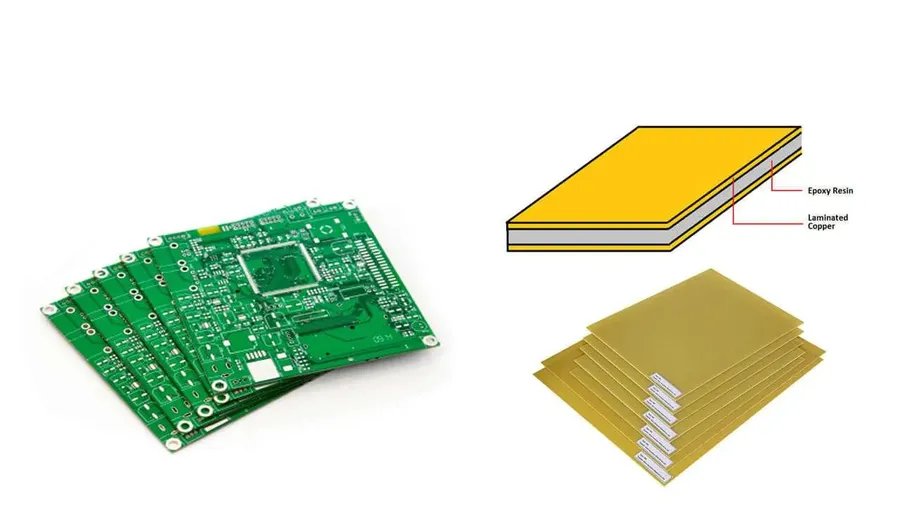
Before selecting a PCB manufacturer, a thorough assessment of your project's specific needs is paramount. This involves a detailed analysis of factors such as the complexity of the circuit board, the required production volume, the desired turnaround time, and the budgetary constraints. A clear understanding of these elements will enable a more focused and efficient selection process, ultimately leading to a better match between project requirements and manufacturer capabilities.
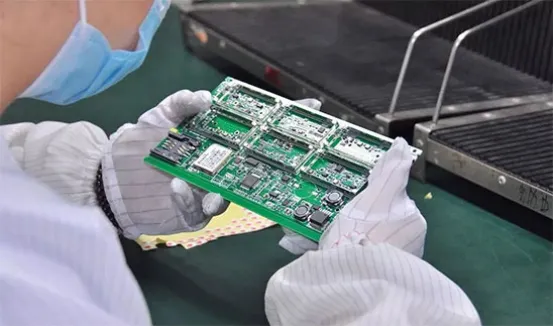
Selecting the right PCB manufacturer is crucial for ensuring the quality and performance of your electronic product. This process requires a thorough evaluation of various factors that directly influence the final outcome. These key factors range from material quality and manufacturing capabilities to certifications and customer support.
Careful consideration of each of these elements is essential when choosing a PCB manufacturer to minimize risks and costs while maximizing the likelihood of a successful project. This section provides a detailed look at what you should be evaluating.
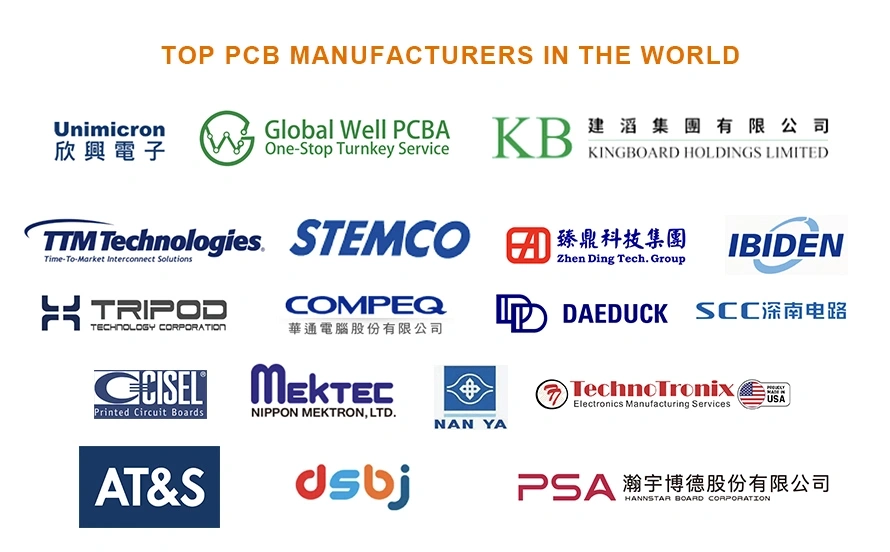
The global PCB manufacturing landscape is dominated by a mix of large corporations and specialized regional players. This section provides an overview of leading manufacturers, highlighting their core competencies and geographic focus. Understanding these nuances is crucial for selecting the best partner for your project, impacting cost, lead time, and technological capabilities.
| Manufacturer | Headquarters | Strengths | Specializations | Considerations |
|---|---|---|---|---|
| TTM Technologies | USA | Large-scale production, diverse capabilities, global presence | Aerospace, defense, medical, automotive | May have longer lead times for small orders; premium pricing |
| AT&S | Austria | High-end technology, strong in HDI and advanced interconnect solutions | Automotive, industrial, medical, mobile devices | Potentially higher costs for standard PCBs, specialized capabilities |
| PCBONLINE | China | Cost-effective solutions, quick turnaround, wide range of services | Prototyping, small to medium volume production, general electronics | Quality can vary; due diligence needed for complex projects |
| Unimicron | Taiwan | High-volume manufacturing, advanced technologies | Consumer electronics, computing, communications | Primarily focused on large-scale production |
| Nippon Mektron | Japan | High-quality, complex PCBs, strong material science expertise | Automotive, industrial, medical | Can be more expensive; best suited for high-performance applications |
| Kingboard Holdings | Hong Kong | Vertically integrated manufacturer with a wide range of product offerings | General electronics, consumer products | Potentially variable quality control |
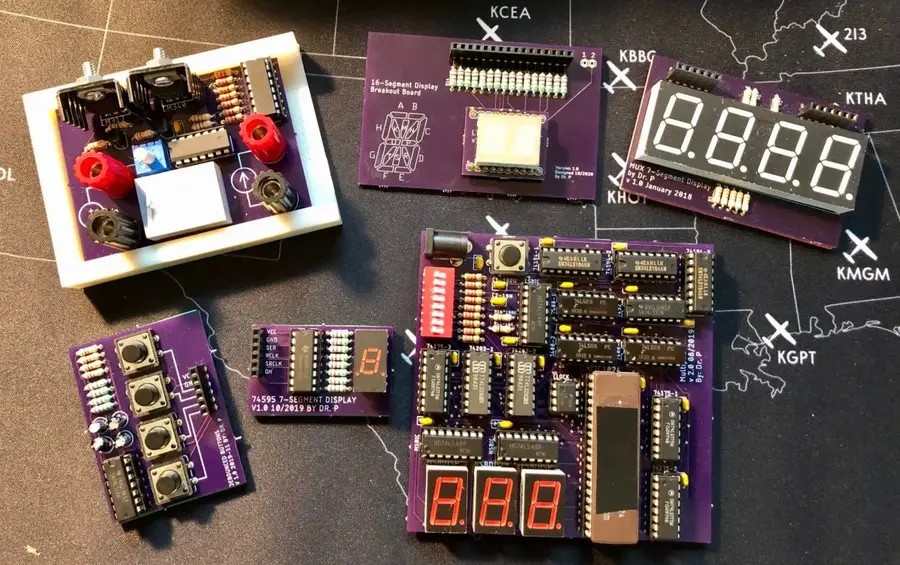
For hobbyists and small-scale ventures, the ideal PCB manufacturer offers a blend of affordability, reliability, and user-friendliness. These manufacturers prioritize accessibility, enabling rapid prototyping and production of small batch orders without compromising on quality. The cost-effectiveness and quick turnaround times are key factors for users working within constrained budgets and timelines.
Several manufacturers have carved a niche in this segment. Below is an overview of prominent players, each with their own strengths.
| Manufacturer | Key Strengths | Typical User | Considerations |
|---|---|---|---|
| JLCPCB | Highly cost-effective, fast turnaround, wide range of options | Hobbyists, small businesses, prototypes | High volume orders may have longer lead times; some limitations in very complex designs |
| PCBWay | Good balance of cost, speed and quality, offers assembly services | Hobbyists, makers, small to medium-sized projects | Slightly higher cost than JLCPCB, but with more service options |
| OSH Park | Focus on quality and open-source hardware community, purple solder mask | Hobbyists, educational projects, open-source enthusiasts | Limited options in layer counts and materials, longer turnaround times, but high quality |
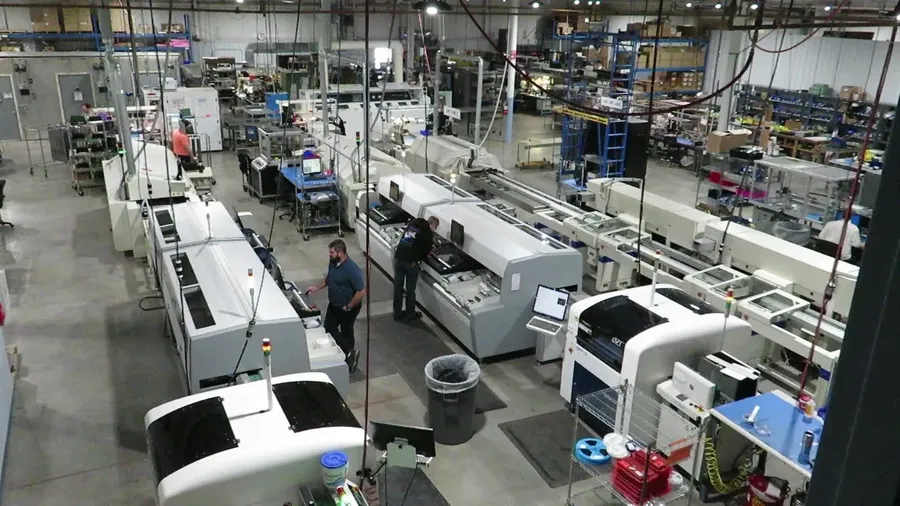
Choosing a domestic PCB manufacturer within the USA offers significant advantages, particularly for projects requiring rapid turnaround, stringent quality control, and adherence to specific regulatory standards. American-based manufacturers like Advanced Circuits and Sunstone Circuits provide reliable solutions with added benefits of faster shipping, enhanced communication, and compliance with US regulations.
| Advantage | Description |
|---|---|
| Faster Shipping | Domestic manufacturing significantly reduces shipping times compared to overseas options, crucial for time-sensitive projects. |
| Enhanced Communication | Real-time communication and direct interaction with the manufacturer's team simplifies project management and issue resolution. This minimizes potential delays and misunderstandings. |
| Compliance with US Regulations | U.S.-based manufacturers adhere to strict environmental and quality standards, ensuring high levels of product consistency and regulatory compliance. This is especially important for projects with regulatory or certification requirements, offering peace of mind. |
| Intellectual Property Protection | Domestic production reduces the risks associated with IP theft or unauthorized replication of your PCB designs, which can be a major concern with international manufacturers. The legal framework within the USA provides greater IP protection. |
| Support for Local Economy | Choosing domestic manufacturers contributes to the local economy, creating jobs and supporting the growth of domestic technology sectors. It promotes American manufacturing, fostering economic development and innovation within the USA. |
While potentially more expensive upfront compared to overseas manufacturers, the long-term benefits, such as reduced lead times, consistent quality, and strong communication channels, frequently outweigh the initial cost difference for businesses that prioritize reliability and quality in their supply chain.
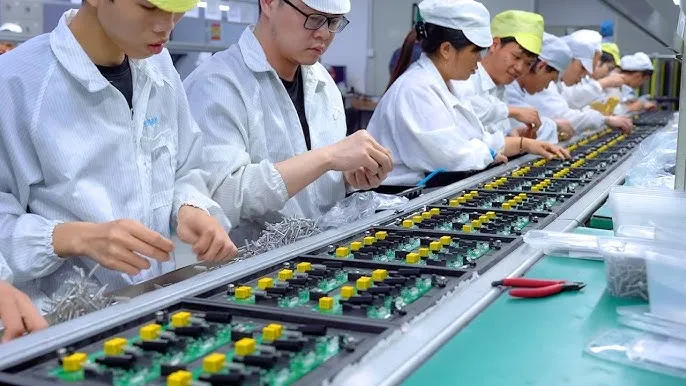
The process of assembling a Printed Circuit Board (PCB) involves mounting electronic components onto the fabricated board, and it is a critical step in transforming a bare PCB into a functional electronic device. PCB assembly services provide a crucial bridge between PCB fabrication and the final product, which can streamline the manufacturing process and ensure the reliable functionality of the electronic device. Manufacturers offering turnkey solutions, encompassing both PCB fabrication and component assembly, present significant advantages in terms of efficiency, quality control and cost.
A unified process, often referred to as a 'turnkey' service, eliminates the need to coordinate between separate fabrication and assembly vendors, reducing the risk of compatibility issues, delays, and errors. Additionally, it streamlines communication, which can improve the efficiency of the whole process. By consolidating these processes, manufacturers can exert greater control over the quality and integrity of the final product, from board design through to final assembly. Choosing the right vendor with comprehensive services ensures better outcomes. This not only simplifies the project management but also enables more effective cost controls and faster turnaround times.
| Aspect | Separate Vendors | Turnkey Solution |
|---|---|---|
| Vendor Coordination | Requires meticulous management and synchronization between multiple vendors. | Managed by a single source, simplifying coordination. |
| Quality Control | Quality control can be challenging to manage across multiple vendors. | Better quality control, as the process is managed by a single entity. |
| Communication | Increased risk of miscommunication, leading to errors and delays. | Communication is streamlined, reducing risk of errors. |
| Logistics | More complex logistics and longer lead times due to coordination. | Simplified logistics, shorter lead times, and increased efficiency. |
| Cost | Cost may be difficult to estimate upfront, and costs can increase due to logistical complexities. | Potentially lower cost due to economies of scale and simplified processes. |
| Compatibility Issues | Higher risk of incompatibility issues between fabricated boards and assembly process. | Ensures compatibility between the fabricated board and assembly components. |
Selecting the right PCB manufacturer is crucial for project success. This section addresses common questions to guide you in making an informed decision.
Selecting a PCB manufacturer involves a careful evaluation of cost factors to balance project budget with desired quality. Understanding the various cost components and strategies for optimization is crucial for effective project management. Transparent pricing policies from your chosen manufacturer are paramount to avoiding unexpected expenses.
| Cost Factor | Description | Impact on Overall Cost | Optimization Strategies |
|---|---|---|---|
| Setup Fees | One-time charge for preparing manufacturing tools, such as stencils and programming equipment. | Significant for small batches; can be amortized over larger volumes. | Batch similar boards together, choose manufacturers with low setup costs for prototypes. |
| Unit Costs | Cost of manufacturing each individual PCB, based on materials, complexity, and manufacturing processes. | Varies with board size, layers, and technology. Lower costs can result in compromised quality. | Compare costs per board, optimize designs for lower material costs, evaluate bulk pricing options. |
| Shipping | Expenses to transport PCBs from the manufacturer to the desired location. | Dependent on location, shipping speed, and order weight/volume. | Consider local manufacturers to reduce shipping costs, plan orders to optimize packaging and shipment method. |
| Bulk Discounts | Reductions in unit costs for larger production volumes. | Significant for larger projects, lower average cost. | Forecast accurately for projected volumes, plan for higher volume orders if feasible to leverage discounts. |
| NRE (Non-Recurring Engineering) costs | These are one-time costs for the engineering work required, often for complex or customized PCBs. | Can significantly increase initial project cost; often associated with first time builds or highly custom designs. | Ensure your designs are optimized and well documented, aim to minimize revisions and iterations, choose manufacturers who offer design consultation early. |
| Tooling Costs | Costs associated with creating necessary tools like stencils for assembly. | Can be substantial for complex boards or large batch sizes. | Reuse tools where possible, choose manufacturers who offer tool reuse policies or minimal tooling fees. |
To ensure you are getting the best deal for your project, always request detailed quotations from multiple manufacturers listed as the best PCB manufacturers, understanding that price should be a factor but not the sole determinant of a final choice. Prioritize providers who offer transparent pricing breakdowns, ensuring that you can identify the source of each cost component. When comparing quotes, make sure you are considering all cost components, not just the quoted unit price. This practice allows you to assess the full expenditure and facilitates making a cost-effective decision without compromising on the final product's overall quality or performance.
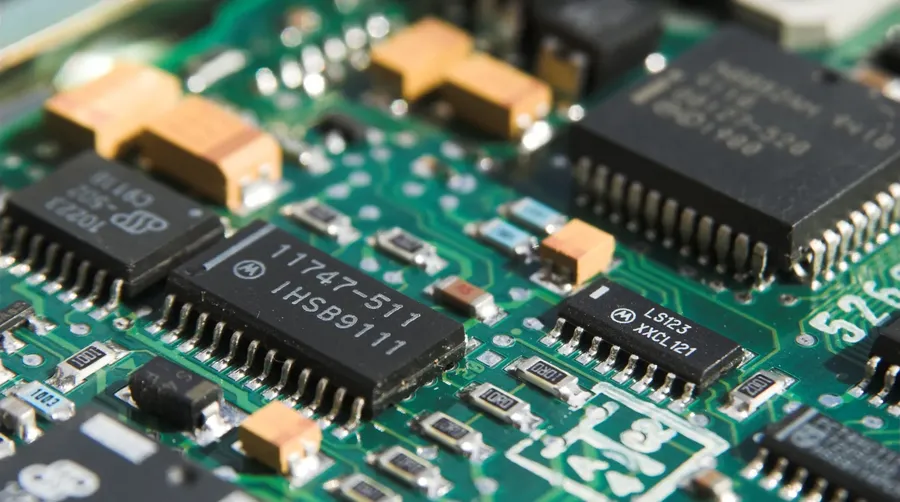
Selecting the appropriate PCB manufacturing technology is crucial for project success. Different techniques offer varied capabilities in terms of complexity, cost, and application suitability. Understanding the nuances of single-sided, double-sided, multi-layer, and flexible PCBs will guide you towards the best pcb manufacturer for your specific needs.
| PCB Type | Description | Typical Applications | Cost | Typical Manufacturers |
|---|---|---|---|---|
| Single-Sided PCB | Components are mounted on one side of the board; simple to design and manufacture. | Simple electronic devices, LED lighting, basic sensor circuits. | Lowest cost; ideal for high-volume, low-complexity applications. | JLCPCB, PCBWay, OSH Park |
| Double-Sided PCB | Components can be mounted on both sides; allows for more complex circuits. | Consumer electronics, power supplies, simple control systems. | Moderate cost; good for medium-complexity applications. | Advanced Circuits, Sunstone Circuits, TTM Technologies |
| Multi-Layer PCB | Consists of three or more layers of conductive material; allows for high-density and complex routing. | Advanced electronics, computers, aerospace equipment, high-speed communication systems. | Higher cost; essential for high-density and complex routing demands. | AT&S, TTM Technologies, PCBONLINE |
| Flex PCB | Flexible substrate material, can bend and conform to various shapes, often used in dynamic applications. | Wearable technology, automotive electronics, medical devices, foldable electronics. | Higher cost; specialized material and manufacturing process. | Nippon Mektron, Flexium Interconnect, Multek |
The PCB manufacturing landscape is constantly evolving, driven by the demand for smaller, more efficient, and environmentally friendly electronics. These emerging trends not only shape the capabilities of printed circuit boards but also influence the selection criteria for the best PCB manufacturers. Understanding these trends is crucial for engineers and businesses looking to stay ahead in the electronics industry.
Key trends that are currently shaping the industry include miniaturization, flexible circuits, and sustainable manufacturing.
These trends impact manufacturer selection by necessitating careful evaluation of their technological capabilities and commitments to innovation. When selecting a manufacturer, evaluate their capacity for high-density interconnect (HDI) PCBs, flexible circuit fabrication, and their adherence to sustainable manufacturing standards.
The adoption of these future trends will differentiate leading-edge manufacturers and is crucial for future-proofing any long-term project. Therefore, when choosing [best pcb manufacturers], consider those that have embraced, or are proactively adopting, these innovative approaches.
Selecting the right PCB manufacturer is a strategic decision that impacts your product's performance, reliability, and cost. By carefully considering your needs, evaluating manufacturers based on the factors discussed in this article, and staying informed about industry trends, you can find the perfect partner for your project. Regardless of whether you need complex multi-layer boards, or a simple prototype, always consider cost-effective, quality solutions from the [best pcb manufacturers]. The future of electronic devices lies in advanced PCB designs and meticulous manufacturing.

