In the world of electronics, resistors are fundamental components, much like the silent workers behind the scenes in our everyday devices. From the simplest LED circuit to complex industrial machinery, they play a crucial role in controlling current flow. But have you ever wondered why a tiny resistor might cost a few cents, while others command higher prices? This article delves into the various factors affecting [resistor cost], exploring how different types, tolerances, materials, and quantities impact the final price, connecting the dots between the seemingly mundane world of electronics and the principles of supply and demand.
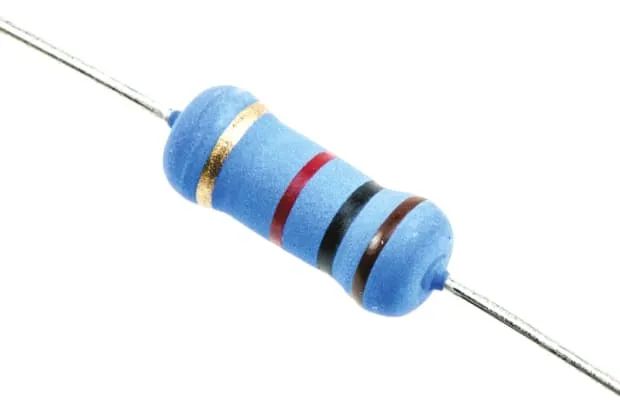
The cost of a resistor is not uniform and is influenced by several key factors. Understanding these factors is crucial for cost-effective component selection. The primary determinants include the materials used in manufacturing, the precision (tolerance) of the resistor, the manufacturing processes employed, and the quantity of resistors purchased.
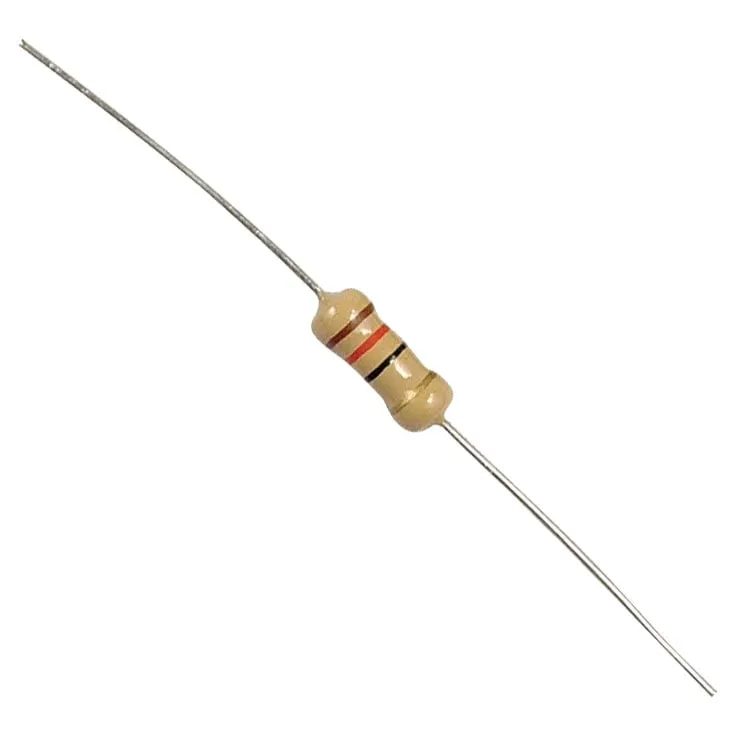
The cost of a resistor is significantly influenced by its type, which is determined by the materials and manufacturing processes involved. Different resistor types exhibit varying electrical characteristics, leading to diverse applications and price points. This section will explore the common types of resistors and their corresponding cost implications.
| Resistor Type | Material | Typical Applications | Typical Price Range (USD/unit) | Key Characteristics | Cost Implication |
|---|---|---|---|---|---|
| Carbon Film | Carbon film deposited on a ceramic substrate | General-purpose circuits, low-power applications | 0.01 - 0.05 | Good for general use, widely available, moderate tolerance | Low cost, suitable for basic projects |
| Metal Film | Thin metal film deposited on a ceramic substrate | Precision circuits, audio equipment, instrumentation | 0.02 - 0.10 | Higher precision and lower temperature coefficient than carbon film | Moderate cost, ideal for applications needing good precision |
| Wire-Wound | Metallic wire wound around an insulating core | High-power applications, current sensing | 0.10 - 1.00+ | Capable of handling high power, typically low resistance | Higher cost due to material and construction requirements |
| SMD (Surface Mount Device) | Various (thick/thin film technology) on a ceramic substrate | Compact electronics, high-density circuit boards | 0.005-0.08 | Small size, suitable for automated assembly, comes in various forms | Cost varies based on precision and size, often very low cost in high volumes |
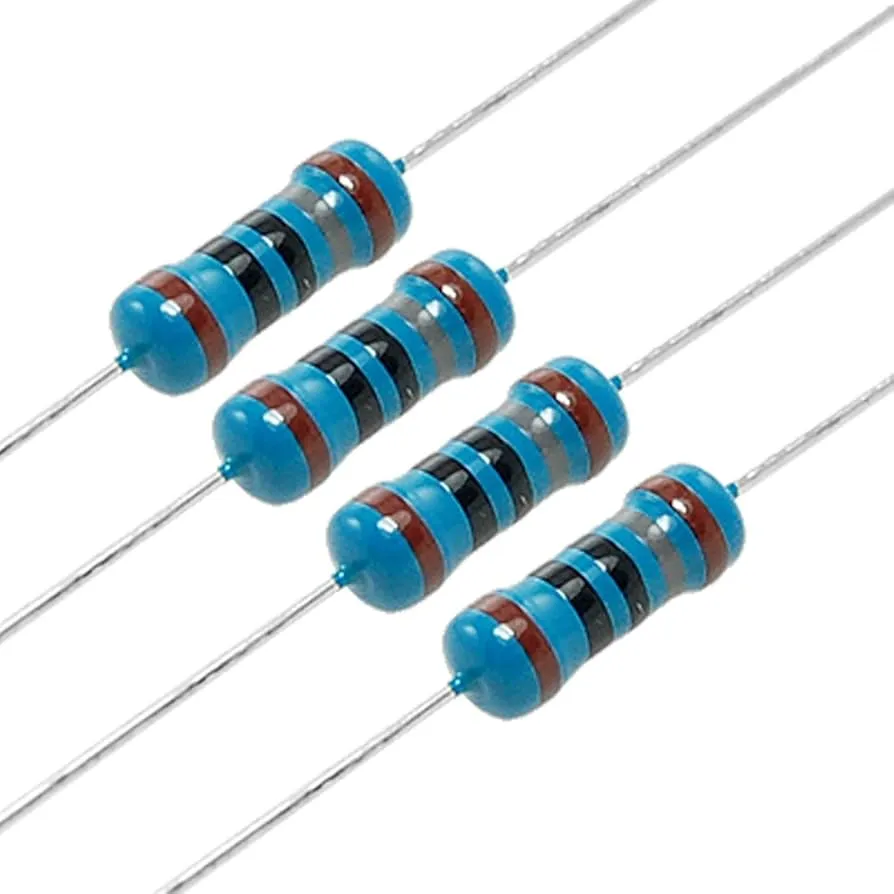
Resistor tolerance, a critical specification indicating the allowable deviation from the stated resistance value, directly influences the cost of a resistor. Tighter tolerances, signifying greater precision, lead to higher prices due to the more rigorous manufacturing processes and quality control measures required.
| Tolerance Level | Typical Applications | Cost Implication |
|---|---|---|
| ±0.1% | Precision instrumentation, medical equipment, high-accuracy circuits | Highest cost, requires advanced manufacturing and testing. |
| ±1% | High-precision circuits, audio equipment, measurement devices | Relatively expensive, moderate manufacturing complexity. |
| ±5% | General purpose circuits, consumer electronics, standard applications | Lower cost, mass-produced with less stringent controls. |
| ±10% | Non-critical circuits, simple applications, cost-sensitive projects | Lowest cost, mass-produced, lower precision requirements. |
The relationship between tolerance and cost is driven by the manufacturing complexity. Achieving tighter tolerances requires more refined materials, more accurate machinery, and more thorough quality control checks during production. For instance, a 0.1% tolerance resistor may necessitate laser trimming and individual calibration, whereas a 5% or 10% resistor can be produced using less meticulous and therefore less expensive methods. The selection of resistor tolerance is therefore a crucial decision in the design process, balancing the need for accuracy and cost.
The cost of resistors is significantly influenced by the quantity purchased. A fundamental principle in electronics component procurement is that the unit price of a resistor decreases as the order quantity increases. This principle is driven by economies of scale in manufacturing and distribution, where bulk orders reduce per-unit overhead costs for vendors.
| Quantity | Unit Price (Typical) | Total Cost (for 100 resistors) | Suitability |
|---|---|---|---|
| 1-10 | $0.10 - $0.50 | $10 - $50 | Prototyping, small DIY projects |
| 100-1000 | $0.02 - $0.10 | $2 - $10 | Medium-sized projects, hobbyists with frequent builds |
| 1000+ | $0.005 - $0.02 | $5 - $20 | Large-scale production, educational institutions, and large R&D departments |
This table illustrates that moving from single-unit purchases to bulk acquisitions can drastically reduce the total cost of a project, with price reductions that can exceed 90%. Bulk purchasing is especially advantageous for situations that involve high-volume production, continuous educational builds or a need to stock essential values for future projects. However, it's important to note that the specific savings achieved will vary depending on the resistor type, tolerance, and vendor. It is also necessary to balance the cost savings against the project needs to avoid unnecessary waste of material
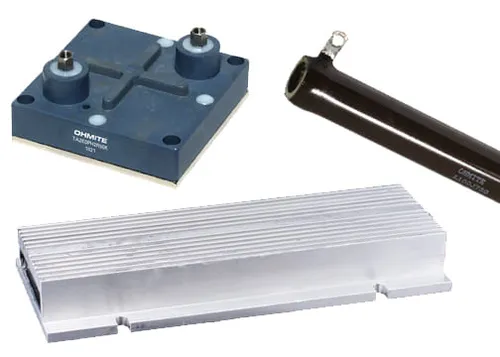
The power rating of a resistor, measured in watts (W), directly influences its cost. Higher power-rated resistors are inherently more expensive due to their construction, which necessitates larger physical dimensions and the use of more robust materials to dissipate heat effectively. This is a critical factor when determining the total resistor cost for any given project.
The power rating of a resistor indicates the maximum power it can safely dissipate without failing or changing its resistance value significantly. Exceeding the power rating can lead to overheating, which can damage the resistor and potentially affect the entire circuit. The design of higher power resistors involves using larger resistive elements and often better thermal management techniques, such as larger surface areas or heat sinks.
| Power Rating (Watts) | Typical Size | Material Cost | Typical Applications |
|---|---|---|---|
| 1/8 W (0.125 W) | Small, typically 3.2 mm x 1.6 mm (SMD) | Low | Low-power circuits, signal processing |
| 1/4 W (0.25 W) | Small, typically 6.3 mm x 3.5 mm (Through-hole) | Low | General purpose circuits, hobby projects |
| 1/2 W (0.5 W) | Medium, typically 9.1 mm x 4.5 mm (Through-hole) | Moderate | Slightly higher power circuits, audio applications |
| 1 W | Medium to Large, typically 13 mm x 6 mm (Through-hole) | Moderate to High | Power supplies, amplifier circuits |
| 2 W or Higher | Large, with heat sinking often required | High | High-power electronics, motor control, industrial equipment |
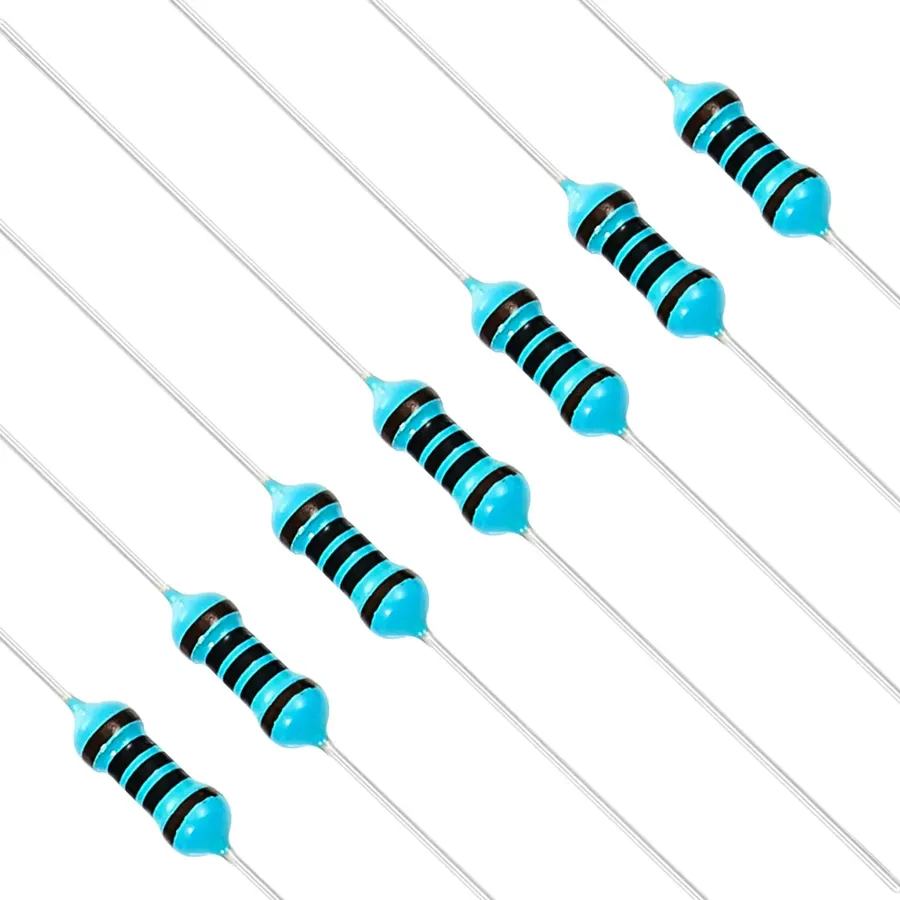
The cost of resistors can vary significantly across different vendors, making it crucial to compare prices before making a purchase. This section analyzes pricing variations from major online distributors to aid in cost-effective component selection.
| Resistor Type & Value | Amazon (USD) | Newark (USD) | Jameco (USD) | Arduino Official Store (USD) |
|---|---|---|---|---|
| 1/4W Carbon Film 100Ω (Pack of 100) | 2.99 | 3.50 | 3.25 | N/A |
| 1/4W Metal Film 1kΩ (Pack of 100) | 3.49 | 4.10 | 3.75 | N/A |
| 1/2W Metal Film 10kΩ (Pack of 100) | 4.99 | 5.75 | 5.25 | N/A |
| 1/4W SMD 10kΩ (Pack of 100) | 6.29 | 7.80 | 7.15 | N/A |
| 1W Wirewound 10Ω (Single) | 1.29 | 1.80 | 1.65 | 2.10 |
| Precision Metal Film 100kΩ 0.1% (Single) | 1.59 | 2.20 | 1.95 | N/A |
Note that pricing and availability can fluctuate. The 'N/A' indicates the vendor does not readily offer this specific product, or it is not directly applicable. These prices are based on a snapshot and may vary based on promotions, quantity purchases, and specific part numbers.
Understanding the nuances of resistor pricing can significantly impact project costs. This section addresses common queries to clarify the factors influencing resistor expenses and guide cost-effective purchasing decisions.
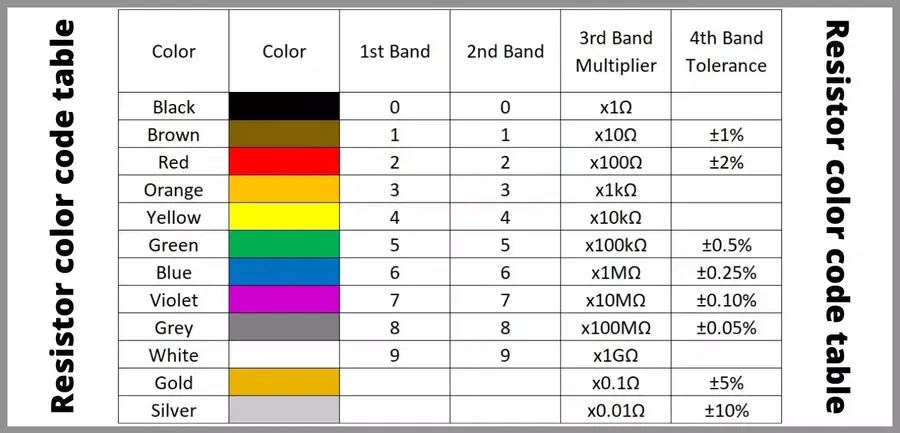
Resistor color codes are a standardized system for indicating the resistance value and tolerance of a resistor. These codes use colored bands painted on the resistor body, each color representing a specific numerical digit or multiplier. Understanding these codes is crucial for selecting the correct resistor for any electronic circuit and is directly relevant to understanding resistor cost, as misidentified components can lead to project failures and additional expenses.
| Color | Digit | Multiplier | Tolerance (%) |
|---|---|---|---|
| Black | 0 | 1 | None |
| Brown | 1 | 10 | ±1 |
| Red | 2 | 100 | ±2 |
| Orange | 3 | 1,000 | None |
| Yellow | 4 | 10,000 | None |
| Green | 5 | 100,000 | ±0.5 |
| Blue | 6 | 1,000,000 | ±0.25 |
| Violet | 7 | 10,000,000 | ±0.1 |
| Gray | 8 | None | ±0.05 |
| White | 9 | None | None |
| Gold | None | 0.1 | ±5 |
| Silver | None | 0.01 | ±10 |
| None | None | None | ±20 |
Typically, resistors have four or five color bands. In a four-band resistor, the first two bands represent the first two digits of the resistance value, the third band represents the multiplier, and the fourth band represents the tolerance. For five-band resistors, the first three bands represent the first three digits of the resistance value, the fourth band represents the multiplier, and the fifth band represents the tolerance. The color bands are read from left to right, with the tolerance band typically being spaced slightly further from the other bands. Example: A resistor with bands of Brown, Black, Red, and Gold would represent a 1.0 KΩ resistor with a 5% tolerance.
Reducing the cost of resistors in electronic projects involves strategic purchasing practices. By understanding factors that drive up prices, buyers can optimize their spending without compromising the performance of their designs. Key areas to focus on are purchasing volume, tolerance requirements, and vendor selection.
Understanding the intricacies of resistor cost is crucial for any electronics enthusiast or professional. The price of a resistor is not just a number; it is the result of a combination of factors ranging from material, type and quantity. By comprehending these factors, you can make more informed decisions when designing circuits and sourcing components. Whether you’re working on a simple DIY project or a complex industrial application, considering the [resistor cost] will save money and lead to efficient solutions. As we move towards more sophisticated electronics, these seemingly minor cost differences can be impactful, highlighting the continued importance of cost analysis of basic electronic components.

