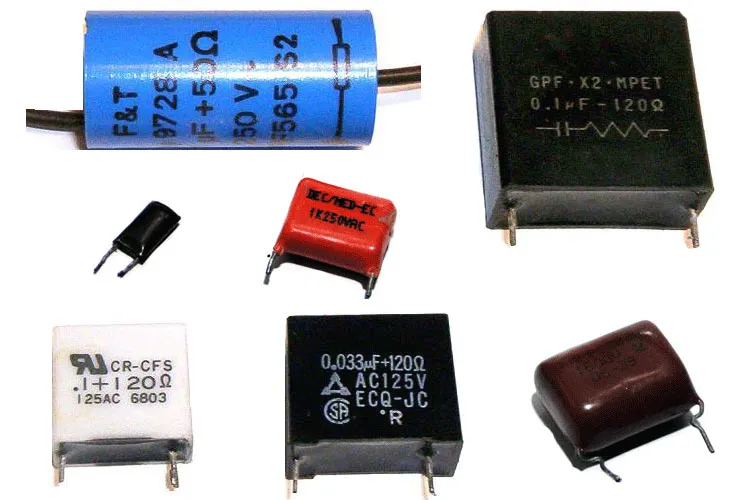
In our electrically powered world, capacitors play a crucial role in various applications, and EPCOS capacitors are a leader in quality and performance. If you're seeking information on EPCOS capacitor 440VAC prices, you've come to the right place. This article will explore the different types of these capacitors, their uses, and the factors that influence their cost. From powering motors to smoothing out electrical currents, understanding these components is key, just as crucial as having the right tools when tackling any DIY project around the house. We'll unravel the complexities and provide clear, actionable information.
Types of EPCOS 440VAC Capacitors
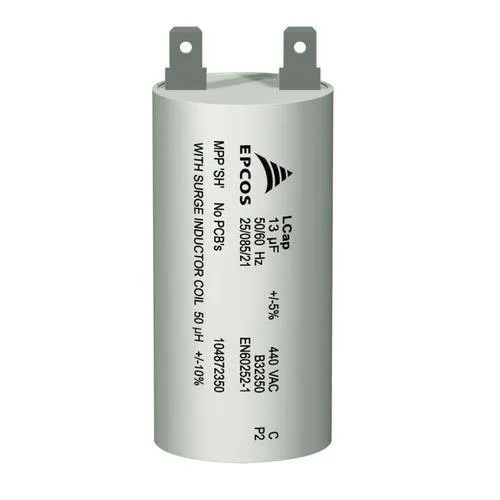
EPCOS 440VAC Capacitors
EPCOS, a brand of TDK Electronics, offers a diverse range of 440VAC capacitors tailored for various applications, each distinguished by their design and functionality. Understanding these types—motor run, starting, and power capacitors—is crucial for selecting the appropriate component for specific operational needs.
Motor Run Capacitors These capacitors are designed for continuous operation in AC motors, providing the necessary phase shift to generate torque. They are built to handle consistent electrical loads and prolonged use, typically featuring a robust construction and extended lifespan. Common applications include fans, pumps, and compressors.
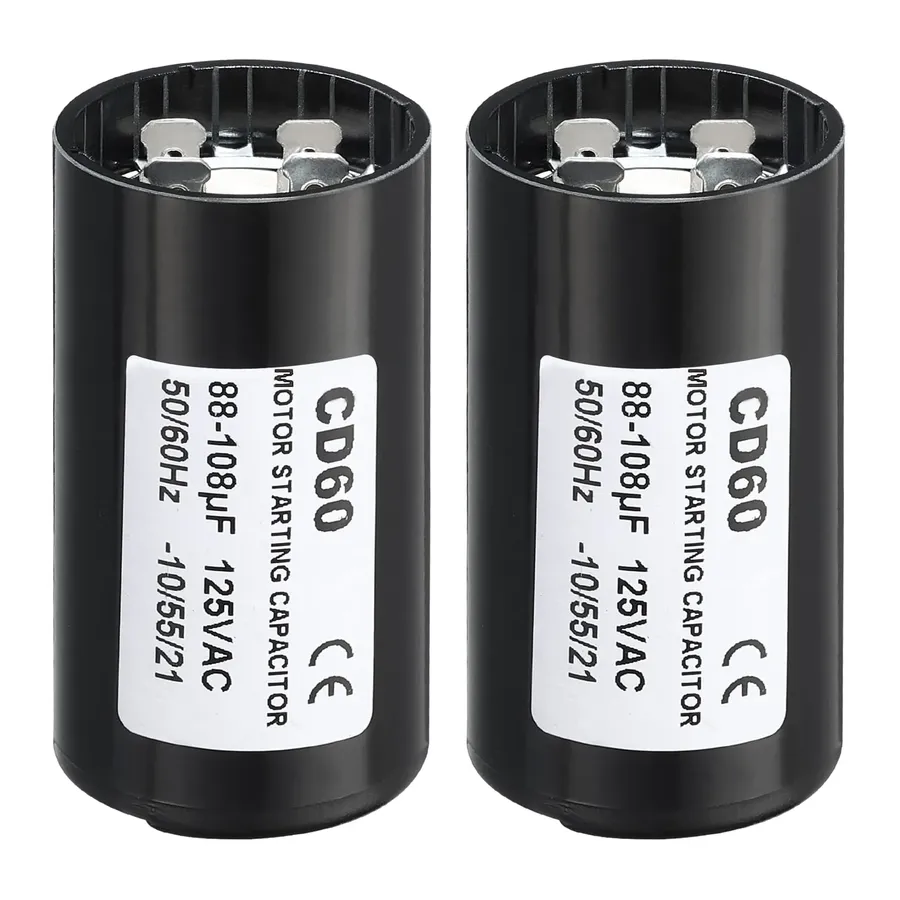
Starting Capacitors Starting capacitors provide a high surge of current for a short duration, assisting motors in overcoming initial inertia. Once the motor reaches its operating speed, the starting capacitor is usually disconnected from the circuit via a centrifugal switch. They are not designed for continuous duty and usually have a limited operational lifespan.
Power Capacitors Power capacitors are primarily used for power factor correction in electrical systems. They help improve the efficiency of power transmission and reduce energy wastage by compensating for reactive power. These capacitors are critical in industrial settings and large-scale electrical installations. They often need to withstand higher current loads compared to motor run capacitors.
Factors Influencing EPCOS 440VAC Capacitor Price
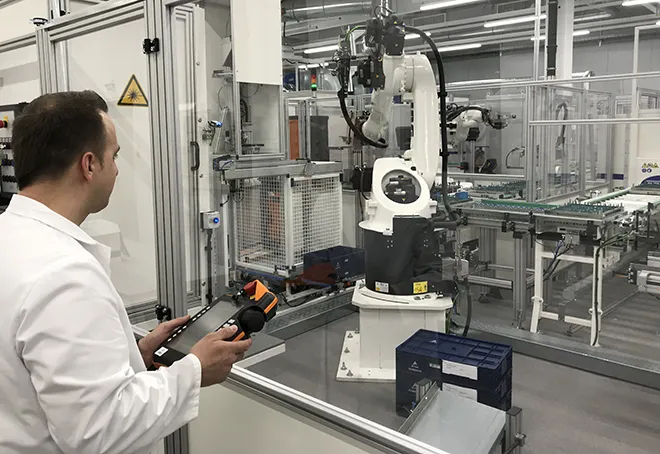
EPCOS Capacitor Production
The price of an EPCOS 440VAC capacitor is determined by a confluence of factors related to its performance, physical characteristics, and market dynamics. Understanding these factors is crucial for making informed purchasing decisions and for accurately estimating project costs.
Factor
Description
Impact on Price
Capacitance (µF/MFD)
The ability of the capacitor to store an electrical charge, measured in microfarads (µF) or MFD.
Higher capacitance generally increases the price due to greater material requirements and manufacturing complexity.
Voltage Rating (VAC)
The maximum voltage the capacitor can safely operate at. For this discussion 440VAC is a constant
Higher voltage ratings, for other capacitors, often lead to increased costs due to stricter insulation and dielectric material requirements.
Physical Dimensions
The physical size of the capacitor; larger sizes often indicate higher capacitance and power handling capability.
Larger physical sizes, generally for higher capacitance, require more materials and space, leading to higher prices.
Type of Terminal
The method of connecting the capacitor to the circuit, such as screw terminals, tabs, or wire leads.
Specialized terminals, or more robust terminal designs may increase the overall cost.
Dielectric Material
The type of material used as the capacitor's insulator, impacting performance, temperature characteristics and longevity.
Materials with superior electrical and thermal properties, such as metallized polypropylene, can increase the cost.
Brand Reputation
The perceived value and reliability associated with the brand of the capacitor (in this case EPCOS).
Established brands like EPCOS, known for high quality and reliability, may command a premium price.
Manufacturing Tolerances
The precision of manufacturing processes; capacitors with tighter tolerances have better performance consistency
Tighter tolerances require more rigorous manufacturing processes, resulting in increased production costs and a higher price.
Quantity Purchased
The total quantity of capacitors purchased; bulk orders often receive volume discounts.
Purchasing in larger quantities often reduces the unit price.
Common Applications of 440VAC EPCOS Capacitors
Motor Capacitor Application
EPCOS 440VAC capacitors are vital components in numerous electrical applications, primarily where alternating current (AC) power is used. Their ability to store and release electrical energy makes them indispensable in ensuring the efficient operation of various systems. These capacitors are engineered to handle the specific demands of AC circuits, providing reliable performance in diverse settings from household to industrial environments.
AC Motor Applications EPCOS 440VAC capacitors are extensively used as motor run capacitors to provide the necessary phase shift for starting and running single-phase AC motors. They are found in a wide array of motor-driven devices, including pumps, compressors, and conveyor systems.
Air Conditioning and HVAC Systems In air conditioning units and other HVAC equipment, these capacitors support the smooth operation of compressor motors, blower fans, and other crucial components, ensuring consistent temperature control and energy efficiency.
Fans From ceiling fans to industrial exhaust fans, 440VAC capacitors are used to start and maintain the rotation of fan motors, providing reliable airflow in residential, commercial, and industrial settings.
Power Factor Correction These capacitors play a critical role in power factor correction by mitigating reactive power in electrical systems. They help to reduce energy waste and improve the overall efficiency of the power distribution network, especially in industrial facilities.
Industrial Equipment Beyond typical applications, EPCOS 440VAC capacitors are also found in a variety of industrial machinery, like welding equipment, power supplies, and other heavy-duty devices that use AC power. Their reliability ensures consistent and stable operations.
Household Appliances Capacitors are also used in common household appliances like refrigerators, washing machines, and dishwashers to support their motor functions.
Finding the Right EPCOS Capacitor 440VAC
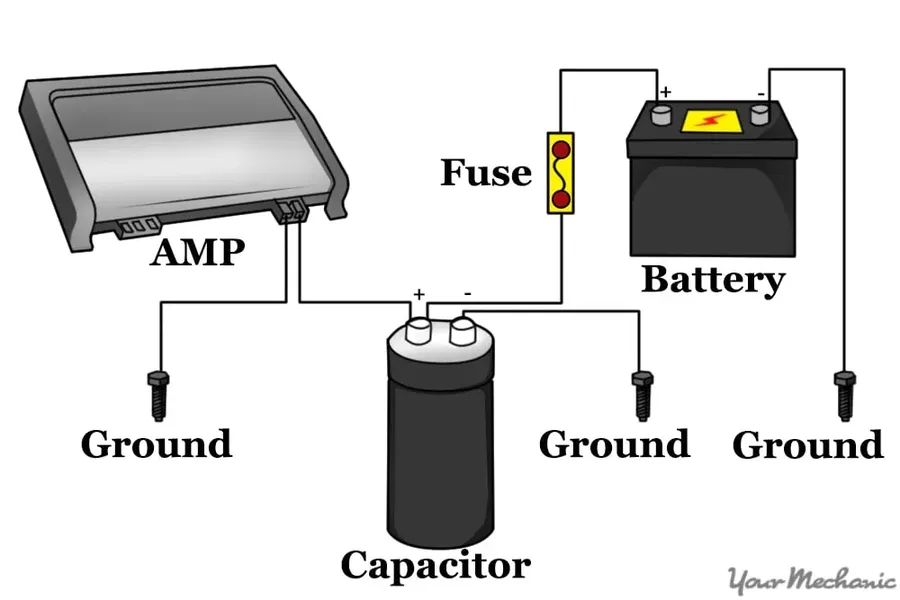
Capacitor Installation
Selecting the correct EPCOS 440VAC capacitor is crucial for ensuring optimal performance and longevity of the equipment it serves. This process involves a careful consideration of several key parameters and application-specific requirements to match the capacitor's capabilities with the demands of the electrical system.
Capacitance (µF/MFD): The capacitance value, measured in microfarads (µF) or MFD, determines the amount of electrical charge the capacitor can store. Selecting the correct capacitance is crucial for proper motor operation or circuit functionality. The value should match the specifications provided by the equipment manufacturer to avoid under or overcompensation of the circuit’s needs. Overcompensation may lead to premature wear of the components and potential damage of the device.
Voltage Rating: The voltage rating, specified in volts (VAC), indicates the maximum voltage that the capacitor can safely withstand. It is paramount that the capacitor's voltage rating equals or exceeds the operating voltage of the application. Using a capacitor with a lower voltage rating may result in failure, potentially leading to safety issues.
Physical Dimensions: The physical size of the capacitor must be compatible with the available space in the equipment. Consider not just the diameter and height but also the mounting requirements, the terminals, and the proximity to other components to ensure proper fit and prevent interference or stress on the device.
Terminal Type: Capacitors come with various terminal types, such as screw terminals, fast-on connectors, or wire leads. Select the type that best suits the wiring method and connections used in your equipment or application, ensuring secure and correct installation of the component.
Application Needs: The specific application will further guide the selection. Motor run capacitors, power factor correction capacitors, and starting capacitors, will each have unique operational requirements that require specific design and capability parameters. These unique needs will affect the design, materials, and the type of capacitor used.
Always double-check the capacitor's specifications against the equipment requirements. Confirm the operating parameters, such as the maximum operating temperature to ensure that the capacitor is rated for the intended usage environment. Additionally, when replacing an existing capacitor, it is crucial to match the capacitor's parameters as closely as possible. If there is any doubt about capacitor parameters, always consult the equipment manufacturer's documentation or seek advice from a qualified professional to avoid potential risks and ensure correct replacement procedures.
Where to Buy EPCOS 440VAC Capacitors
Acquiring EPCOS 440VAC capacitors involves several avenues, each with distinct advantages and considerations regarding price, authenticity, and availability. Understanding these options is crucial for making informed purchasing decisions.
Online Retailers Numerous online platforms offer EPCOS capacitors, providing convenience and a wide selection. However, it's crucial to verify the seller's reputation and the product's authenticity. Look for established e-commerce sites with positive customer feedback and clear return policies. Prices may vary significantly, so comparing multiple sources is recommended.
Authorized Distributors Purchasing from authorized EPCOS distributors ensures you receive genuine products directly from the manufacturer's supply chain. These distributors often have extensive product knowledge and can provide technical support. While prices might be slightly higher than other options, the assurance of authenticity and quality is a significant benefit. Check the official EPCOS website for a list of authorized distributors in your region.
Local Electronics Suppliers Local electronics suppliers can be a good source, especially for smaller or immediate needs. These suppliers may offer a more personal service and the opportunity to inspect the product before purchasing, however they may not have the same variety as online retailers or authorized distributors, and pricing might be less competitive.
Marketplaces Online marketplaces often have the lowest prices, but also pose the highest risk of counterfeit products. Carefully evaluate seller feedback and product descriptions. It is vital to verify authenticity and understand that the lack of direct accountability of some marketplace sellers requires increased caution and due diligence.
Regardless of the source, verifying authenticity is essential. Look for clear product markings, original packaging, and certifications. If a deal seems too good to be true, it likely is. Always prioritize buying from reputable sources to ensure the performance and longevity of your EPCOS capacitor.
EPCOS Capacitor 440VAC Price Comparison
Capacitor Comparison
Understanding the pricing landscape for EPCOS 440VAC capacitors is crucial for informed purchasing decisions. This section provides a comparative overview, highlighting variations based on capacitance and other key specifications. Actual prices can fluctuate based on supplier, quantity purchased, and market conditions, but this comparison offers a representative guide to expected costs.
EPCOS Capacitor Type
Capacitance (µF)
Voltage Rating (VAC)
Approximate Price (USD)
Motor Run Capacitor
10
440
5 - 10
Motor Run Capacitor
20
440
8 - 15
Motor Run Capacitor
25
440
10 - 18
Motor Run Capacitor
30
440
12 - 20
Power Capacitor
5
440
15 - 30
Power Capacitor
10
440
20 - 40
Frequently Asked Questions About EPCOS 440VAC Capacitors
This section addresses common queries regarding EPCOS 440VAC capacitors, aiming to provide clear and concise answers based on fundamental principles and practical knowledge.
What exactly is an EPCOS capacitor? EPCOS is a brand of electronic components, now part of TDK Electronics, known for producing high-quality capacitors, among other components. An EPCOS capacitor is a capacitor manufactured by this brand, designed to store electrical energy and release it as needed in a circuit. These capacitors are known for their reliability and performance.
What is the average cost of a 440VAC capacitor? The average cost of a 440VAC capacitor can vary significantly based on several factors, such as capacitance (measured in microfarads, or MFD), the specific type (e.g., motor run, starting, or power), material construction, and brand reputation. General-purpose 440VAC capacitors can range from a few dollars to over $50 or more for specialized units. Price fluctuations are common based on market conditions and sourcing.
Who manufactures EPCOS capacitors? EPCOS capacitors are manufactured by TDK Electronics, a globally recognized company that acquired EPCOS. TDK is a multinational electronics corporation, which ensures that the EPCOS brand continues to maintain its high standards in the production of capacitors.
What are 10 MFD capacitors commonly used for? A 10 MFD capacitor is commonly used in single-phase AC motor applications, particularly for starting and running motors. These capacitors help provide the required phase shift to create the necessary rotating magnetic field in the motor. They are also frequently found in appliances like air conditioners, fans, and various other devices that employ single-phase AC motors.
Are all 440VAC capacitors interchangeable? No, not all 440VAC capacitors are interchangeable. While they share the same voltage rating, other parameters such as capacitance (in microfarads), operating temperature, and physical dimensions are critical and must match the application’s specifications. Using an incorrect capacitor can lead to poor performance, reduced lifespan, or even damage the equipment. Always consult the device’s specifications before replacement.
How do I know if my 440VAC capacitor has failed? Signs of a failing capacitor include bulging casing, leaks, or the device it's used in not operating correctly. Specific testing using a multimeter with capacitance measuring capabilities can help determine the actual capacitance against the stated value. A large deviation would suggest the capacitor is failing.
Can I use a higher voltage capacitor than what's required? Yes, you can generally use a capacitor with a higher voltage rating than required (e.g., a 450VAC capacitor in place of a 440VAC capacitor) as long as other parameters, such as capacitance, are correct. However, going higher may not offer a performance benefit, and a capacitor with much lower rating must never be used.
Maintenance and Safety of EPCOS 440VAC Capacitors
Ensuring the longevity and safe operation of EPCOS 440VAC capacitors involves routine checks, careful handling, and adherence to proper disposal procedures. This section outlines key maintenance practices and safety protocols to mitigate potential risks associated with these components.
Regular Visual Inspection Periodically examine the capacitor for any physical damage, such as bulging, cracks, leaks, or signs of overheating. These are indicators of potential failure and require immediate attention.
Checking Capacitance Values Use a capacitance meter to verify that the capacitor's capacitance value is within the specified tolerance. Significant deviations can signal degradation or damage.
Testing for Insulation Resistance Measure the insulation resistance between the capacitor terminals and its case using a megohmmeter. Low resistance suggests compromised insulation and potential safety hazards.
Proper Discharge Techniques Before handling or replacing a capacitor, ensure it's fully discharged using a suitable discharge tool or resistor to prevent electrical shocks. This is critical for operator safety.
Appropriate Storage Conditions Store capacitors in a dry, cool environment, away from direct sunlight and extreme temperatures. Improper storage can accelerate degradation and reduce the lifespan of the capacitor.
Safe Handling Practices When handling capacitors, avoid applying excessive force or pressure to the terminals or body. Use proper tools and techniques to prevent damage and accidental short circuits.
Awareness of Potential Hazards Be aware of the potential for electrical shock and fire hazards associated with faulty or damaged capacitors. Always exercise caution when working with these components, especially in a live environment.
Environmentally Responsible Disposal Dispose of old or faulty capacitors according to local regulations. Capacitors may contain materials that require special handling and treatment to minimize environmental impact.
The Future of Capacitor Technology and its Influence on EPCOS 440VAC Prices
The landscape of capacitor technology is continually evolving, driven by the demand for higher performance, smaller sizes, and increased energy efficiency. These advancements have the potential to significantly influence the pricing and availability of EPCOS 440VAC capacitors in the future.
Emerging trends point towards several key areas of development:
Increased Energy Density Research is actively focused on developing capacitors with higher energy storage capacity within smaller physical volumes. New materials and nanotechnologies are being explored to achieve this, which could potentially lead to smaller, more efficient capacitors that might eventually reduce the overall cost per unit of energy stored.
Improved Temperature Stability Capacitors are often required to operate in harsh environments. Ongoing research aims to develop capacitors that can withstand higher operating temperatures with minimal degradation in performance. This enhancement could extend the lifespan of capacitors and improve the reliability of associated equipment.
Solid-State Capacitors Solid-state capacitors, particularly those made with polymer dielectrics, are gaining traction as they offer improved reliability, higher ripple current capabilities, and enhanced safety compared to traditional electrolytic capacitors. This technology is expected to become more cost-effective, which will have a direct effect on the pricing of higher-performance applications, potentially impacting the price point of the EPCOS capacitors.
Advanced Dielectric Materials New dielectric materials, including ceramics, polymers, and composites, are being investigated for their superior electrical and thermal properties. These advancements can enable the production of capacitors with lower equivalent series resistance (ESR) and higher capacitance values, affecting the pricing structures of EPCOS and similar capacitors.
Integration of Capacitors The integration of capacitors into microelectronic systems and semiconductor devices is another significant area of development. This trend is driven by the need for miniaturization and could potentially lower production costs by making capacitors less of an individual component, though the cost savings might be offset by the costs of integration.
These emerging technologies promise not only performance improvements, but also have the potential to change the cost structure of capacitors. While the current prices for EPCOS 440VAC capacitors are influenced by existing market dynamics and manufacturing costs, future prices will likely reflect these technological advancements. As new materials and manufacturing processes mature, we can anticipate a shift in the pricing landscape.
Understanding EPCOS capacitor 440VAC prices involves more than just looking at a single number. Factors like capacitor type, application, and supplier all play a part in determining the final price. This guide equips you with the knowledge to make informed decisions for your electrical needs. Remember to prioritize quality and safety alongside price, as selecting the correct capacitor is critical to the performance and longevity of your devices, as well as considering where to buy the capacitors. As technology advances, the EPCOS capacitor 440VAC price and functionality are expected to evolve as well, making it important to stay up-to-date with these changes.