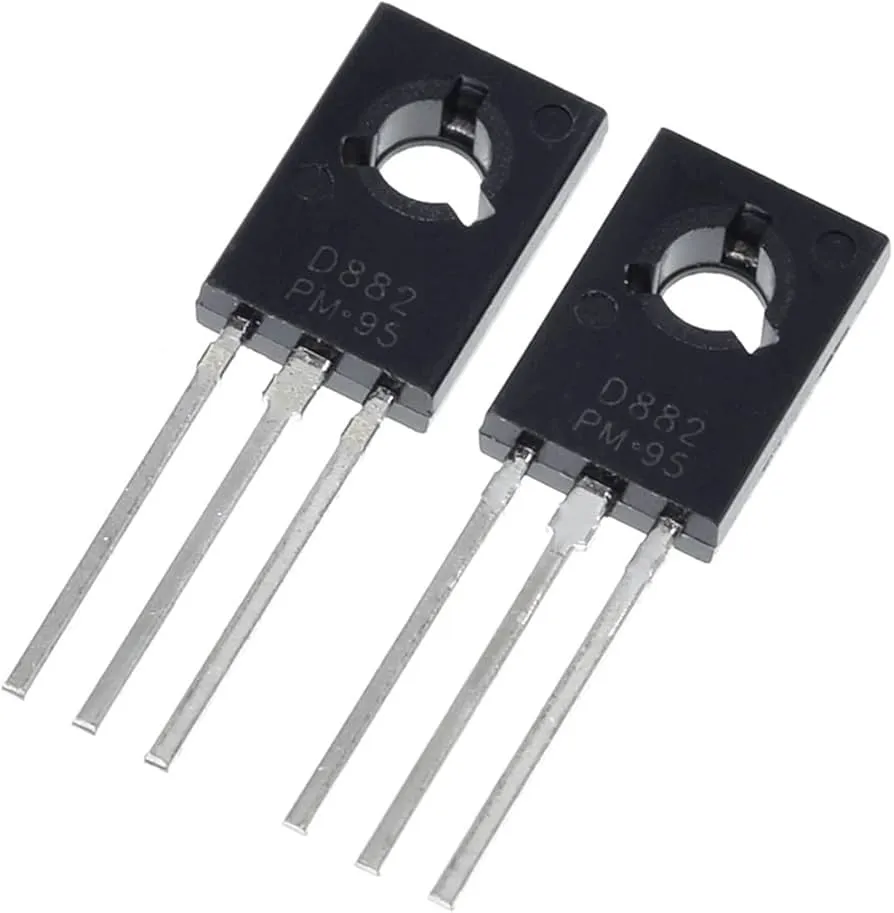
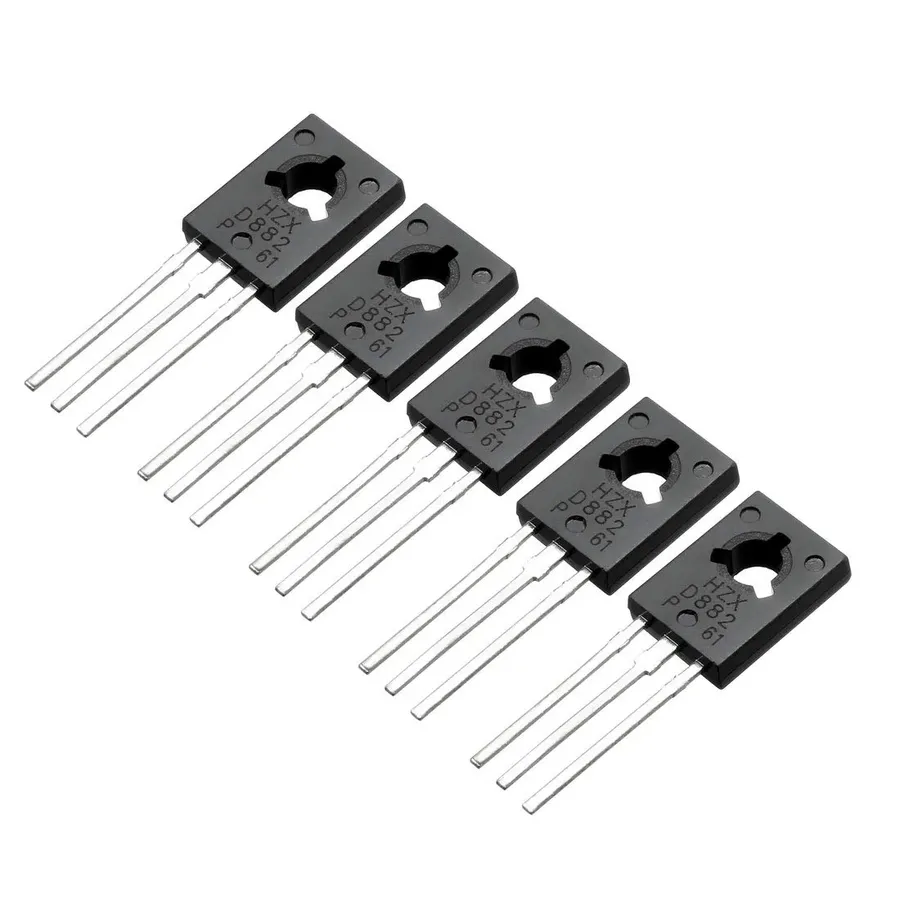
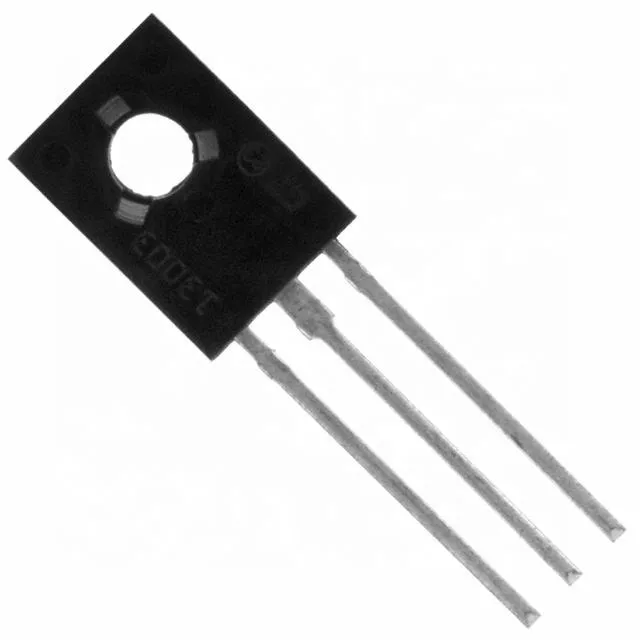
In the realm of electronics, the d882 transistor is a commonly used component, often acting as a workhorse in various circuits. Its modest price makes it accessible, but knowing the current d882 transistor price is crucial for both hobbyists and professionals. This article will delve into the d882 transistor specifications, explore its various applications, and guide you on finding the best price while ensuring you get a genuine product. Think of the transistor as the unsung hero of countless electronic devices, silently switching currents to bring our digital world to life. Let's explore the world of the D882 and learn how to make informed purchasing decisions.
Understanding the D882 Transistor
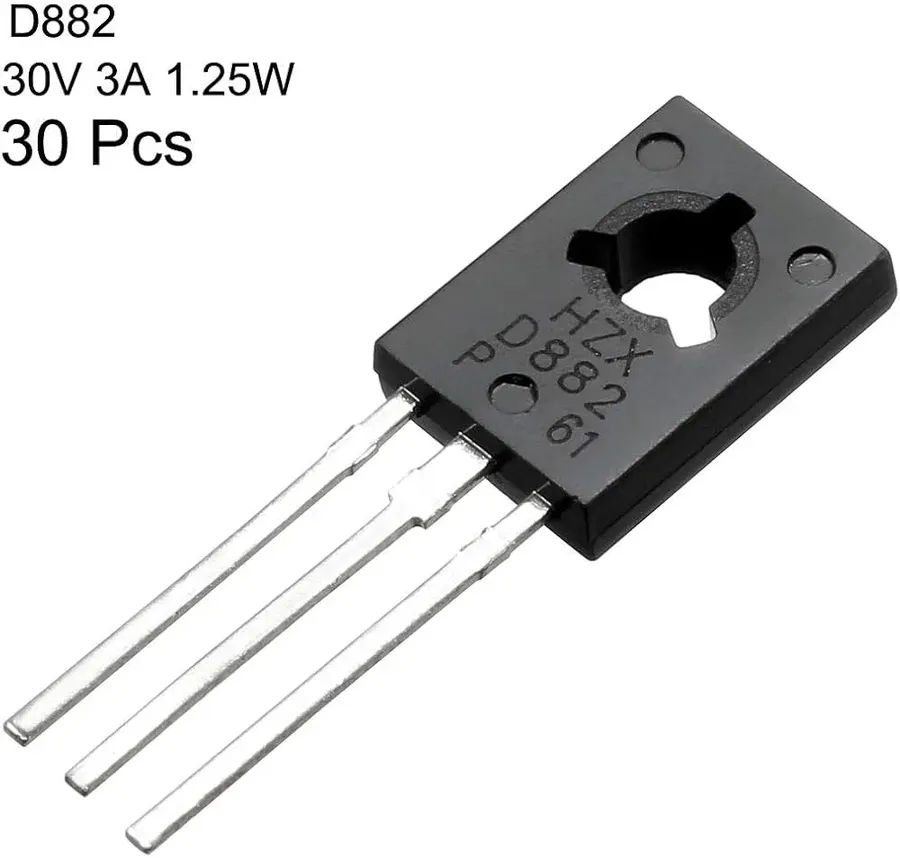
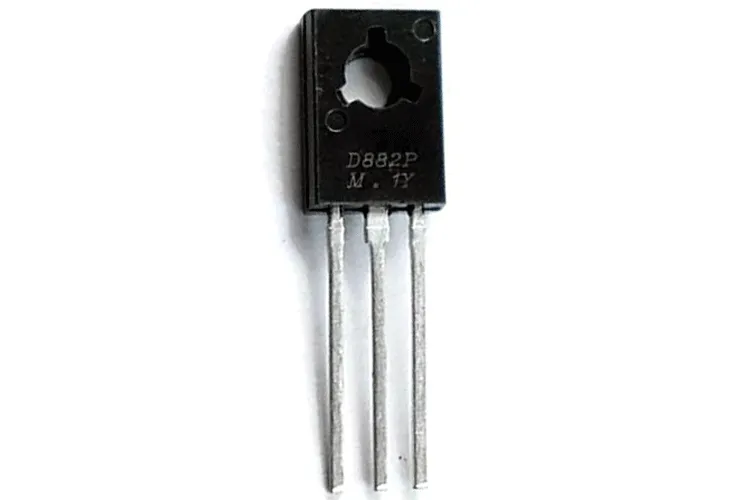
D882 Transistor
The D882 transistor is a common NPN bipolar junction transistor (BJT) widely used in electronic circuits for amplification and switching functions. Its popularity stems from its versatility and reliability in a range of applications, making it a fundamental component in many designs.
D882 Transistor Key Specifications
D882 Pinout Diagram
Understanding the key specifications of the D882 transistor is crucial for selecting the correct component for your electronic applications. These parameters define the transistor's performance limits and capabilities, ensuring proper functionality and preventing damage. This section will detail the critical electrical characteristics.
Parameter
Symbol
Typical Value
Unit
Description
Collector-Emitter Voltage
Vceo
30
V
Maximum voltage that can be applied between the collector and emitter terminals without causing breakdown when the base is open.
Collector Current
Ic
3
A
Maximum continuous current the transistor can handle through its collector terminal.
Peak Collector Current
Ic (peak)
5
A
Maximum pulse current the transistor can handle through its collector terminal.
Base Current
Ib
1
A
Maximum allowable current through the base terminal.
Power Dissipation
Pd
1
W
Maximum power the transistor can safely dissipate as heat.
DC Current Gain
hFE
60-400
Ratio of collector current to base current, which indicates the amplification factor.
Transition Frequency
fT
100
MHz
Frequency at which the transistor's gain drops to unity. Useful in high-frequency applications.
Operating Junction Temperature
Tj
150
°C
Maximum allowable operating temperature of the transistor's junction.
Note that the values given are typical and may vary slightly based on the manufacturer and specific production batches. Always refer to the datasheet provided by the manufacturer for the most accurate specifications. Understanding these parameters is essential for proper circuit design and ensuring that the transistor operates within its safe operating area, preventing damage and ensuring reliability.
Typical Applications of the D882 Transistor
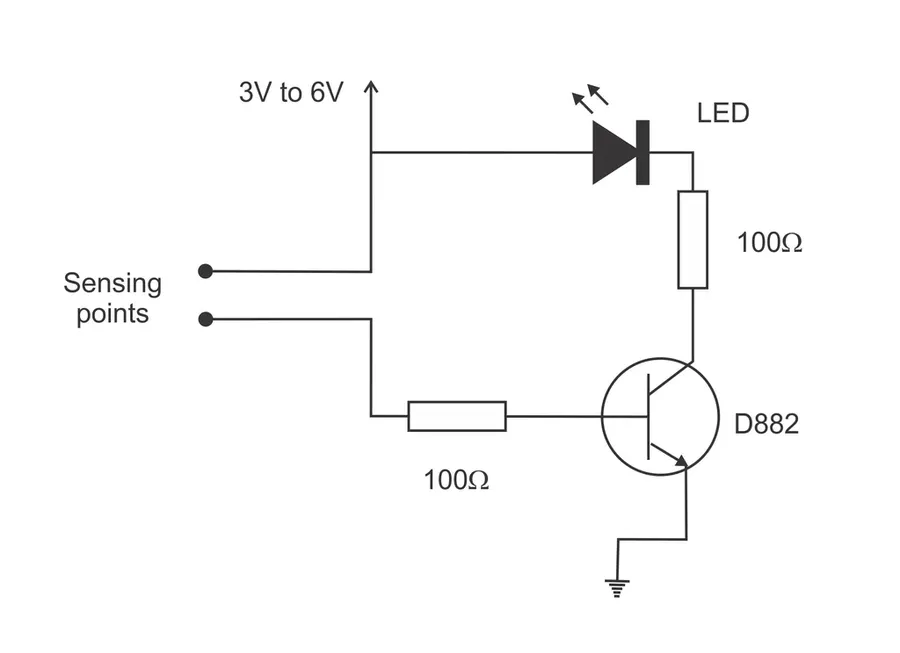
D882 Circuit Example
The D882 transistor, a versatile NPN bipolar junction transistor (BJT), is commonly employed in a variety of electronic applications due to its robust performance and moderate power handling capabilities. Its ability to amplify and switch electronic signals makes it suitable for numerous circuit designs.
Audio Amplifiers The D882 serves as a crucial component in audio amplification circuits, where it amplifies weak audio signals into stronger, audible ones. Its linear gain characteristics make it suitable for pre-amplifier and driver stages in audio systems.
Power Supplies In power supply circuits, the D882 is used to regulate and switch current. It is often found in linear voltage regulators and switching power supplies, controlling the flow of power to different parts of electronic devices.
Switching Circuits The D882 is highly effective in switching applications where it turns electronic circuits on or off with high speed and precision. It is used in various relay driving and electronic switching mechanisms.
Motor Control D882 transistors can also be employed in motor control circuits, controlling the speed and direction of small DC motors. They are often used in H-bridge configurations for bidirectional motor control.
General Purpose Amplification and Switching Beyond specific applications, the D882 acts as a general-purpose amplifier and switch in various electronic devices. Its flexible characteristics allow it to be integrated into a wide range of circuit designs, from basic electronic toys to sophisticated industrial equipment.
Factors Affecting the D882 Transistor Price
D882 Transistors from Different Brands
The price of a D882 transistor is not fixed; it fluctuates based on several market dynamics. Understanding these factors is crucial for securing the best possible deal when purchasing these components.
Manufacturer Different manufacturers may have varying production costs, quality control processes, and brand reputations, influencing their pricing strategies. A well-established brand may command a higher price due to perceived reliability, while lesser-known manufacturers might offer lower prices.
Quantity Purchased Bulk purchasing usually leads to a lower per-unit price. Suppliers often offer tiered pricing, rewarding larger orders with significant discounts. Conversely, buying single units will typically incur a higher per-unit cost.
Retailer Type The type of retailer plays a significant role. Online marketplaces like Amazon, eBay, or AliExpress might offer more competitive prices due to lower overhead costs, but the authenticity of the parts may be a concern. Local electronics stores may charge a premium due to higher operating costs, but they often provide greater assurance of product quality and immediate availability.
Market Conditions Current market conditions, including demand and supply chain factors, can greatly influence pricing. During periods of high demand, prices may surge, while excess supply may lead to price reductions. Global economic events and disruptions to supply chains can also cause fluctuations.
Component Authenticity The presence of counterfeit components in the market is a critical concern, especially when sourcing from less reputable suppliers. Genuine, brand-name components might cost more but ensure reliability. Counterfeit components can be significantly cheaper but pose considerable risks of failure and damage to the circuits they are used in.
Where to Buy D882 Transistors: Online Marketplaces & Local Suppliers
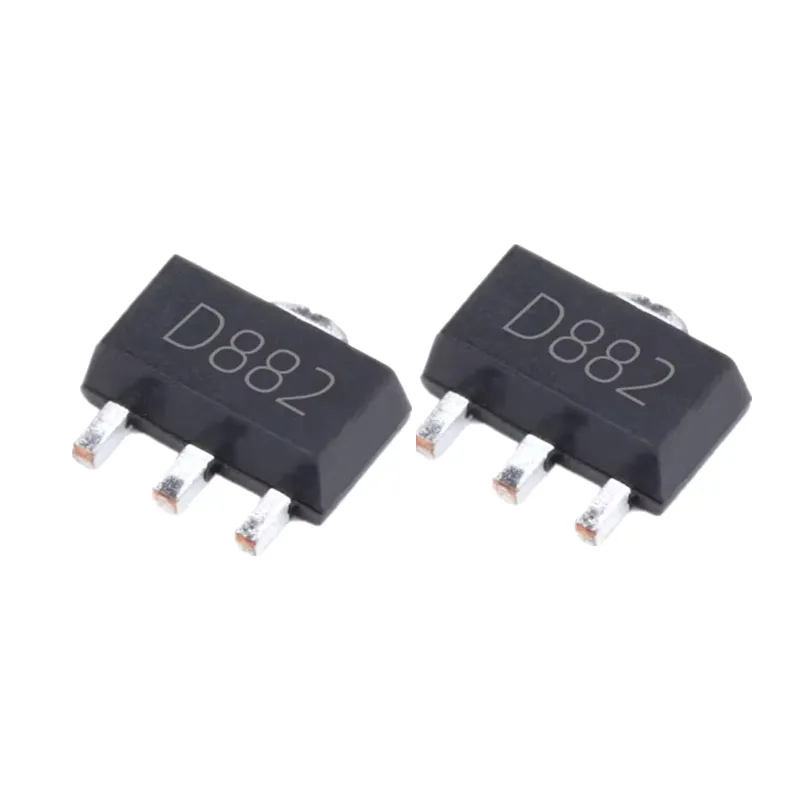
D882 Transistor Packaging
The availability and price of D882 transistors can vary significantly depending on where you choose to purchase them. This section provides a comparative overview of online marketplaces and local suppliers, highlighting the pros and cons of each to guide you to the best purchase options. Considerations include price, availability, and the crucial factor of authenticity.
Platform
Price
Availability
Authenticity
Shipping Time
Additional Notes
Amazon
Competitive, varies by seller
High
Moderate to High (check seller ratings)
Generally Fast
Wide range of sellers; check for reviews carefully.
eBay
Highly variable, can find deals
Moderate to High
Variable (buyer beware)
Variable, depends on seller
Auctions and individual sellers; exercise caution.
AliExpress/Alibaba
Potentially lowest, bulk pricing available
High
Variable, higher risk of counterfeit
Potentially long, international shipping
Primarily B2B focus, quality can be inconsistent
Local Electronics Stores
Generally higher than online
Moderate to low
Generally high
Immediate availability
In-person verification possible; limited selection may impact options.
For online marketplaces like Amazon and eBay, scrutinize seller reviews and ratings to gauge reliability and product authenticity. On platforms such as AliExpress or Alibaba, which often handle bulk orders, be cautious due to higher risks of encountering counterfeit components. Local electronics stores offer the benefit of immediate availability and visual inspection before purchase, but they may not always have the lowest prices or the widest selection. Always cross-reference pricing and availability across multiple sources to get the best deal and ensure the components meet your requirements.
D882 vs. Similar Transistors: Comparisons and Alternatives
D882 and Similar Transistors
The D882 is a popular NPN Bipolar Junction Transistor (BJT) widely used in various electronic applications. Understanding its characteristics and how it compares to similar transistors is crucial for optimal circuit design and component selection. This section provides a detailed comparison of the D882 with its counterpart, the D880, and offers insights into when to use each.
Parameter
D882
D880
Polarity
NPN
NPN
Collector-Emitter Voltage (Vceo)
30V
30V
Collector Current (Ic)
3A
3A
Power Dissipation (Pd)
10W
10W
DC Current Gain (hFE)
60-400
60-400
Transition Frequency (fT)
10 MHz
10 MHz
Typical Application
Amplifiers, Switching
Amplifiers, Switching
Package
TO-126
TO-126
The D882 and D880 transistors share very similar specifications, making them interchangeable in many applications, however, some specific applications may require the D882, while others can be handled by D880. In practice, the main difference is the manufacturer and specific manufacturing process, which can result in minor variations in real-world performance. When selecting a transistor, always consult the manufacturer’s datasheet.
While the D882 and D880 are very similar, other transistors can serve as alternatives if neither is readily available. Potential alternatives include other NPN BJTs with similar Vceo, Ic, and hFE ratings, such as the TIP41, TIP31, or 2N3904, depending on the application requirements. It's essential to check the datasheets to ensure the substitute meets the necessary performance criteria. Always select transistors with ratings equal or exceeding those of the original, but be mindful of the cost and availability.
Frequently Asked Questions About D882 Transistors
This section addresses common questions regarding the D882 transistor, focusing on its pricing, applications, alternatives, and distinctions from similar components. We aim to provide clear and concise answers to help you make informed decisions.
What is the typical price range for a NEC D882 transistor? The price of a NEC D882 transistor can vary based on the supplier, quantity purchased, and current market conditions. Generally, individual units might cost a fraction of a dollar when bought in bulk to a few dollars when purchased individually. Prices will fluctuate depending on where you purchase it.
What are the primary applications of the D882 transistor? The D882 is a versatile NPN bipolar junction transistor commonly used in audio amplification circuits, switching regulators in power supplies, various switching applications, and motor control. Its ability to handle moderate current makes it suitable for these diverse applications.
What are some suitable replacement options for the D882 transistor? Suitable replacements for the D882 transistor include the BD139 and 2SC2625, which offer similar voltage and current handling capabilities. Always check the datasheets of potential replacements to ensure that all critical parameters match or exceed the requirements of your application.
What is the difference between the D880 and D882 transistors? The primary difference between the D880 and D882 transistors lies in their maximum collector current (Ic) and power dissipation (Pd) capabilities. The D882 generally has higher current handling and power dissipation compared to the D880, which makes it a stronger transistor. Always refer to the specific datasheets for detailed parameter comparisons.
Are there any specific considerations when buying D882 transistors online? When purchasing online, verify the supplier's reputation and read customer reviews. Check the authenticity of the product by comparing it to datasheets, and look for manufacturer markings. Prices may be lower when purchasing from overseas suppliers, but the delivery time may be longer. Always verify the product with testing before use, to ensure that it is functioning to the specific data sheet specifications.
Can the D882 transistor be used in high-frequency circuits? While the D882 is suitable for many general-purpose applications, it may not be optimal for very high-frequency circuits. The transistor's frequency response is specified in its data sheet. For high-frequency applications, consider transistors specifically designed for higher frequency operation.
How can I verify the authenticity of a D882 transistor? To verify the authenticity, carefully examine the markings on the transistor, such as the manufacturer's logo and part number. Compare these markings to images on the manufacturer's website or in the datasheet. It is also recommended to check the physical dimensions of the component and perform electrical tests to confirm that it operates to data sheet specifications. Always buy from reputable suppliers to minimize the risk of counterfeit parts.
Practical Tips for Buying D882 Transistors
D882 Internal Structure
Purchasing D882 transistors requires careful attention to detail to ensure you are getting genuine components that will perform as expected, especially concerning the 'd882 transistor price'. This section outlines key steps to verify authenticity and performance.
Verify Authenticity Carefully inspect the transistor's markings for clear and consistent printing, and check the packaging for signs of tampering. Reputable suppliers often provide batch numbers for traceability. If the price is too good to be true, it's often a sign of potential counterfeiting.
Check Datasheet Specifications Always compare the transistor's markings with the official datasheet from the manufacturer (e.g., NEC or other licensed manufacturers). Pay special attention to key parameters like the 'Vceo', 'Ic', 'Pd', and 'hFE' to ensure the device meets your circuit's requirements and check if the claimed specs match the product.
Pre-Purchase Electrical Testing Before integration into a circuit, use a multimeter to perform basic checks for continuity and forward voltage drop between the transistor's pins. This can identify gross defects that may lead to circuit failure. Ideally, a transistor tester should be used to check the gain and other parameters.
Source from Reputable Suppliers Purchasing from authorized distributors and well-known vendors reduces the risk of counterfeit components. Check the supplier’s history and customer reviews before placing an order.
Compare Prices Carefully While price is a factor, overly cheap components can be a red flag for counterfeits. Compare 'd882 transistor prices' across multiple vendors, but prioritize authenticity over the absolute lowest price to ensure the expected performance.
Visual Inspection of Physical Characteristics Look for inconsistencies such as poorly finished leads, inconsistent or smudged markings, or physical damage. These can indicate a substandard or counterfeit component.
D882 Transistor Price Trends and Future Outlook
Understanding the dynamic factors influencing the D882 transistor's price is crucial for making informed purchasing decisions. Price fluctuations are typically driven by market demand, supply chain stability, and broader economic trends. This section explores these elements to help predict potential price movements and plan accordingly.
Market Demand Increased demand for the D882, driven by its applications in various electronic devices, can lead to price increases due to higher manufacturing pressure and potential supply shortages. Conversely, decreased demand can result in lower prices.
Supply Chain Considerations Disruptions in the global supply chain, such as raw material shortages or logistical bottlenecks, can significantly impact the availability and cost of D882 transistors. For instance, a shortage of silicon, a key material in semiconductor production, can drive prices up.
Technological Advancements The introduction of more advanced and efficient transistor alternatives can influence the demand for D882 transistors. As newer technology becomes more accessible and cost-effective, the price of older models like the D882 might experience downward pressure.
Economic Factors Economic downturns or recessions can reduce overall demand for electronic components, including the D882, resulting in lower prices. Conversely, periods of economic growth can lead to increased demand and higher prices.
Manufacturer Pricing Strategies Different manufacturers may have varying pricing strategies based on their production costs, market share goals, and branding. These strategies contribute to price variations across different suppliers and regions.
The d882 transistor, with its moderate d882 transistor price and versatile applications, remains a crucial component in the electronics world. By understanding its specifications, applications, and price influencing factors, users can confidently purchase and integrate the d882 into their projects. Whether you're an experienced engineer or a beginner exploring the world of circuitry, keeping informed about the d882 transistor price and associated characteristics is essential for success. As technology continues to evolve, the D882's role will remain vital, bridging the gap between the theoretical and the practical in electronics.