In the world of electronics, the 1k ohm resistor is a foundational component, akin to a cornerstone in a building. From the simplest LED circuits to complex audio systems, this small component plays a significant role in controlling current flow. But have you ever wondered what the real cost of a 1k ohm resistor is, and what factors influence its price? This article will guide you through the world of 1k ohm resistors, explore its various applications, and help you find the best deals. Whether you're a hobbyist, engineer, or a student, this comprehensive guide will provide you with the knowledge you need, focusing on the relationship between value and price.
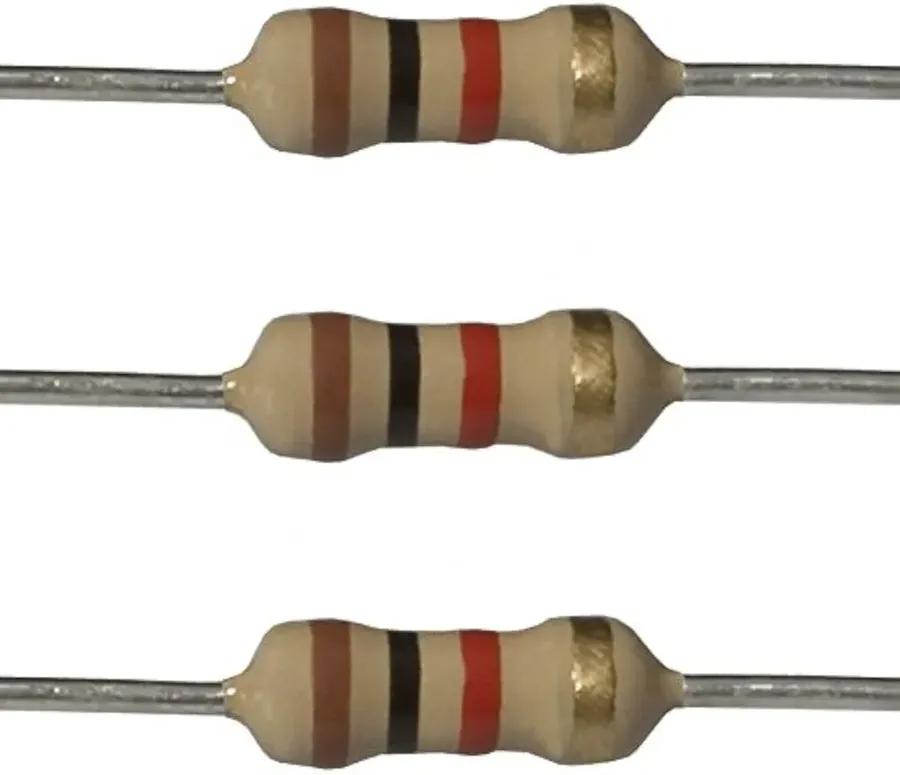
A 1k ohm resistor is a fundamental electronic component designed to impede the flow of electrical current, exhibiting a resistance value of 1000 ohms. This specific resistor value is commonly used across a wide range of electronic circuits and projects due to its balance between current limitation and voltage reduction. The core principle behind a resistor is to convert electrical energy into heat as current flows through it, a process described by Ohm's Law, which states that voltage (V) equals current (I) times resistance (R), or V=IR. By this relationship, a resistor of 1k ohm will create a proportional voltage drop as current flows through it.
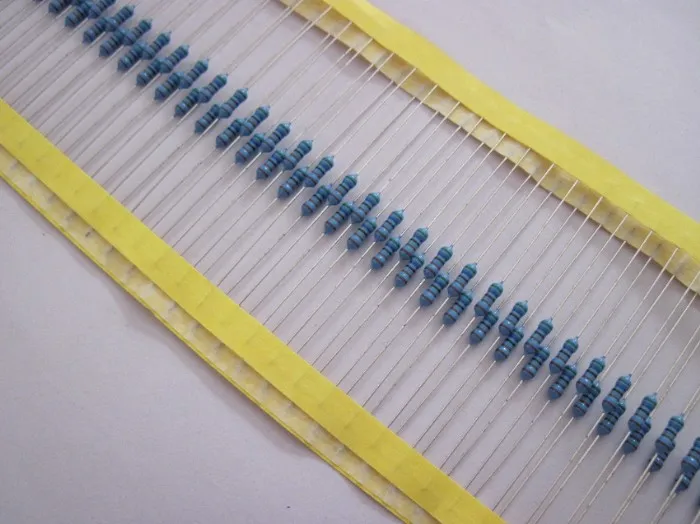
The price of a 1k ohm resistor is not fixed and is influenced by several key factors. Understanding these factors is crucial for making informed purchasing decisions, whether for hobbyist projects or industrial applications. These factors can be broadly categorized into technical specifications, purchase volume, and supplier-related aspects.
| Factor | Description | Impact on Price |
|---|---|---|
| Tolerance | The precision of the resistor's resistance value, expressed as a percentage (e.g., ±1%, ±5%). | Tighter tolerances (e.g., ±1%) are more expensive due to higher manufacturing precision and testing requirements. |
| Wattage Rating | The maximum power a resistor can dissipate without damage (e.g., 1/4W, 1/2W, 1W). | Higher wattage ratings increase cost due to larger size and materials required to handle higher power dissipation. |
| Type (Material) | The material used to construct the resistor, such as metal film, carbon film, or wirewound. | Metal film resistors are generally more expensive than carbon film due to higher precision and lower temperature coefficient. Wirewound resistors, used for high power applications, are typically the most costly. |
| Quantity Purchased | The number of resistors bought in a single purchase. | Prices usually decrease per unit as the quantity purchased increases. Bulk orders benefit from economies of scale. |
| Supplier/Vendor | The source from which the resistors are purchased (e.g., major online retailers, local electronic suppliers, direct manufacturers). | Prices may vary considerably between suppliers due to factors such as overhead, brand reputation, shipping costs, and distribution channels. Direct purchases from manufacturers can offer lower prices for bulk orders but may have higher minimum purchase quantities. |
| Packaging | How the resistors are packaged (e.g., bulk, tape and reel) | Tape and reel packaging is more expensive per resistor than bulk due to automation costs of the packaging. |

1k Ohm resistors are available in several types, each with distinct characteristics influencing their performance and suitability for specific applications. The most common types are metal film, carbon film, and wirewound resistors, each offering unique advantages and disadvantages regarding precision, power handling, and long-term stability.
| Feature | Metal Film Resistors | Carbon Film Resistors | Wirewound Resistors |
|---|---|---|---|
| Precision | High (typically 1% or better) | Moderate (typically 5% or 10%) | Moderate to High (depending on construction) |
| Power Handling | Moderate | Low to Moderate | High |
| Temperature Stability | Excellent | Good | Good to Excellent |
| Long-Term Stability | Excellent | Good | Excellent |
| Cost | Moderate | Low | High |
| Applications | Precision circuits, audio equipment, general use | General-purpose circuits, non-critical applications | High-power applications, current sensing, braking resistors |
| Noise | Low | Moderate | Very Low |
Metal film resistors are generally preferred for their tighter tolerances, low noise, and better temperature stability, making them ideal for precision applications. Carbon film resistors are a more cost-effective option suitable for general-purpose usage where high precision is not crucial. Wirewound resistors, due to their ability to handle high power, are typically employed in high-power circuits but are generally bulkier and more expensive.
Sourcing 1k ohm resistors involves navigating various online and physical retail options, each presenting distinct advantages and disadvantages regarding pricing, shipping, and availability. Selecting the optimal vendor depends largely on the project requirements, quantity needed, and delivery timeframe.
| Vendor Type | Examples | Pros | Cons |
|---|---|---|---|
| Major Online Retailers | Amazon, eBay, Walmart | Wide selection, competitive pricing, fast shipping (for prime options) | Can be less reliable for quality control, potential counterfeit products, bulk pricing may not be ideal for small orders |
| Specialized Electronic Component Distributors | Mouser, Digi-Key, Arrow Electronics | High quality, authentic components, detailed datasheets available, reliable sourcing, options for bulk purchasing | Higher prices compared to general retailers, shipping can be expensive for small orders, can have minimum order quantities |
| Local Electronics Stores | Local RadioShack or equivalent | Immediate availability, good for small quantities, can verify component physically before purchase | Often limited stock, higher prices than online retailers, may not carry specialized types of resistors |
| Surplus Stores | Local surplus stores or online surplus sites | Low prices, good for bulk, good for experimentation | Stock is unpredictable, components may be used or of unknown quality, not reliable for precise or controlled applications |
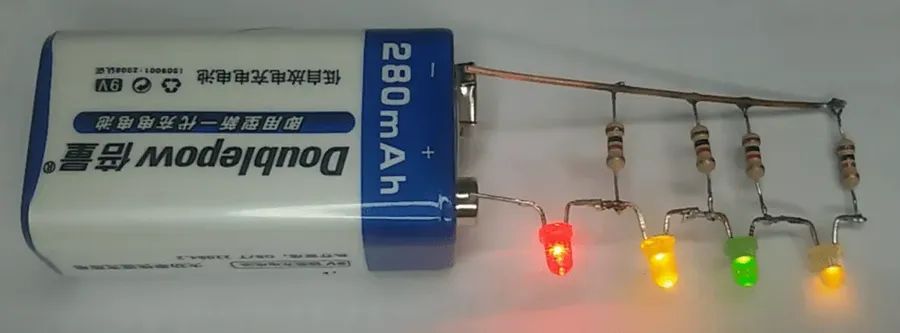
1k Ohm resistors are fundamental components in electronics, serving a variety of crucial functions within circuits. Their ability to limit current and create voltage drops makes them indispensable for numerous applications, especially in protecting sensitive components and establishing correct operating conditions.
Key applications of 1k ohm resistors include:
In summary, the 1k ohm resistor is a versatile component that supports various critical circuit functions and are used in many applications and can be deployed by a beginner or a professional.
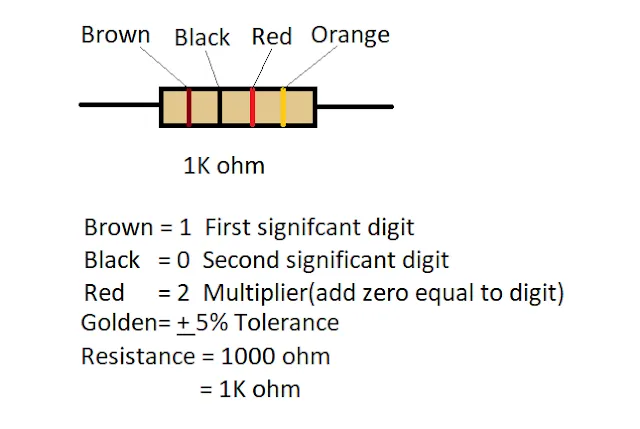
The color code system is a standardized method for identifying the resistance value of resistors. For a 1k ohm resistor, the color bands are interpreted based on their position and numerical representation. This method allows for quick and easy identification of the resistor's value without needing to use an ohmmeter.
| Band | 4-Band Resistor | 5-Band Resistor | Color Representation |
|---|---|---|---|
| 1st Band | 1st significant figure | 1st significant figure | First digit of the resistance value |
| 2nd Band | 2nd significant figure | 2nd significant figure | Second digit of the resistance value |
| 3rd Band | Multiplier | 3rd significant figure | For 4 band resistors, this color determines the number of zeros. For 5 band resistors, this is another significant digit. |
| 4th Band | Tolerance | Multiplier | For 4 band resistors this indicates the percentage tolerance. For 5 band resistors this indicates the number of zeros |
| 5th Band | N/A | Tolerance | For 5 band resistors this indicates the percentage tolerance |
To decode a 1k ohm resistor, refer to the following color assignments:
| Color | Digit | Multiplier | Tolerance |
|---|---|---|---|
| Black | 0 | 10^0 (1) | N/A |
| Brown | 1 | 10^1 (10) | ±1% |
| Red | 2 | 10^2 (100) | ±2% |
| Orange | 3 | 10^3 (1,000) | N/A |
| Yellow | 4 | 10^4 (10,000) | N/A |
| Green | 5 | 10^5 (100,000) | ±0.5% |
| Blue | 6 | 10^6 (1,000,000) | ±0.25% |
| Violet | 7 | 10^7 (10,000,000) | ±0.1% |
| Grey | 8 | N/A | ±0.05% |
| White | 9 | N/A | N/A |
| Gold | N/A | 10^-1 (0.1) | ±5% |
| Silver | N/A | 10^-2 (0.01) | ±10% |
| None | N/A | N/A | ±20% |
For a standard 4-band 1k ohm resistor, the color code is: Brown (1), Black (0), Red (2 zeros), and Gold or Silver (5% or 10% tolerance respectively). The color code for 5-band 1k ohm resistor is: Brown (1), Black (0), Black (0), Brown (1 zero), and Brown (1% tolerance).
This section addresses common queries regarding 1k ohm resistors, providing concise and technically accurate answers to enhance understanding and practical application.
Effective troubleshooting of circuits involving 1k ohm resistors requires a systematic approach to identify and rectify common issues, such as incorrect resistance, open circuits, and component failure. This section outlines diagnostic techniques and practical tips for resolving resistor-related problems.
| Troubleshooting Step | Action | Rationale |
|---|---|---|
| Visual Inspection | Check for physical damage, burn marks, or broken leads on the resistor. | Physical damage is a common indicator of a faulty resistor. |
| Resistance Measurement | Use a multimeter to measure the resistor's value. Ensure it is approximately 1k ohm within its tolerance. | Incorrect resistance values indicate a failed or incorrect resistor. |
| Circuit Analysis | Examine the surrounding circuit for potential causes of resistor failure. Check for shorts, overloads, or improper connections. | Resistor failure can result from issues elsewhere in the circuit. |
| Component Replacement | Replace the 1k ohm resistor with a new one of the same specification if it is found to be faulty or of incorrect value. | Replacing with a known good component isolates resistor issues. |
The 1k ohm resistor, despite its small size, is a vital component in electronics. Understanding its price factors, types, applications, and where to buy them is essential for any electronics enthusiast. The current 1k ohm resistor price is relatively stable, but it can vary based on quantity, brand, and material composition. By understanding all of these factors and using the tips provided, you’ll be well equipped to tackle any projects requiring this versatile component, from simple LED lighting to complex sensor circuits. This foundational knowledge ensures cost-effective and successful electronic projects and serves as a stepping stone to more advanced circuit designs.

