In the world of electronics, secure and reliable connections are paramount. PCB terminal blocks are the unsung heroes, providing the vital interface between wires and circuit boards. Just as a city needs well-planned roads, our electronic devices rely on robust terminal blocks. This article delves into the world of PCB terminal block manufacturers, helping you navigate the choices and find the perfect solutions for your projects. We'll explore top manufacturers and guide you on how to select the best options for your specific needs.
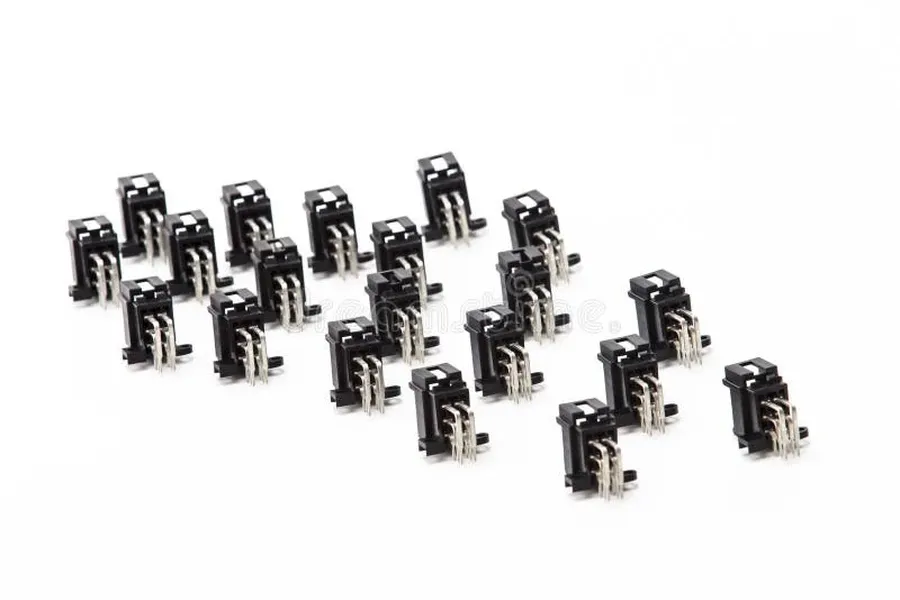
PCB terminal blocks are essential electromechanical components that facilitate the connection of wires to a printed circuit board (PCB), enabling a secure and organized interface for electrical signals and power. These blocks provide a convenient and reliable means for terminating wires, making connections and disconnections easier than directly soldering wires to the PCB. They serve a critical function in electronic circuits, allowing for modular design, ease of assembly, and simplified maintenance or repairs.
The primary purpose of a PCB terminal block is to establish a secure and electrically sound connection point on the PCB, where external wires can be easily attached or removed. This functionality is vital across various electronic applications and is crucial for the modularity and accessibility of electronic devices. Terminal blocks vary in design to suit specific applications and wire sizes, and there are several types which cater to different needs and scenarios. These blocks are rated for different voltage and current ratings, ensuring safety in their applications and are designed to withstand different operational environments.
Terminal blocks come in various designs. Screw type terminal blocks are a common design where wires are secured by tightening a screw, offering a robust and reliable connection. Spring clamp terminal blocks use spring pressure to hold the wire in place, enabling quick connections and saving space and can be advantageous in applications with vibration. Barrier terminal blocks provide insulation between terminals with physical barriers, increasing safety and are frequently used for high-power applications. Understanding the differences between these types will allow you to select the appropriate terminal block for your application, each with their own advantages and limitations.
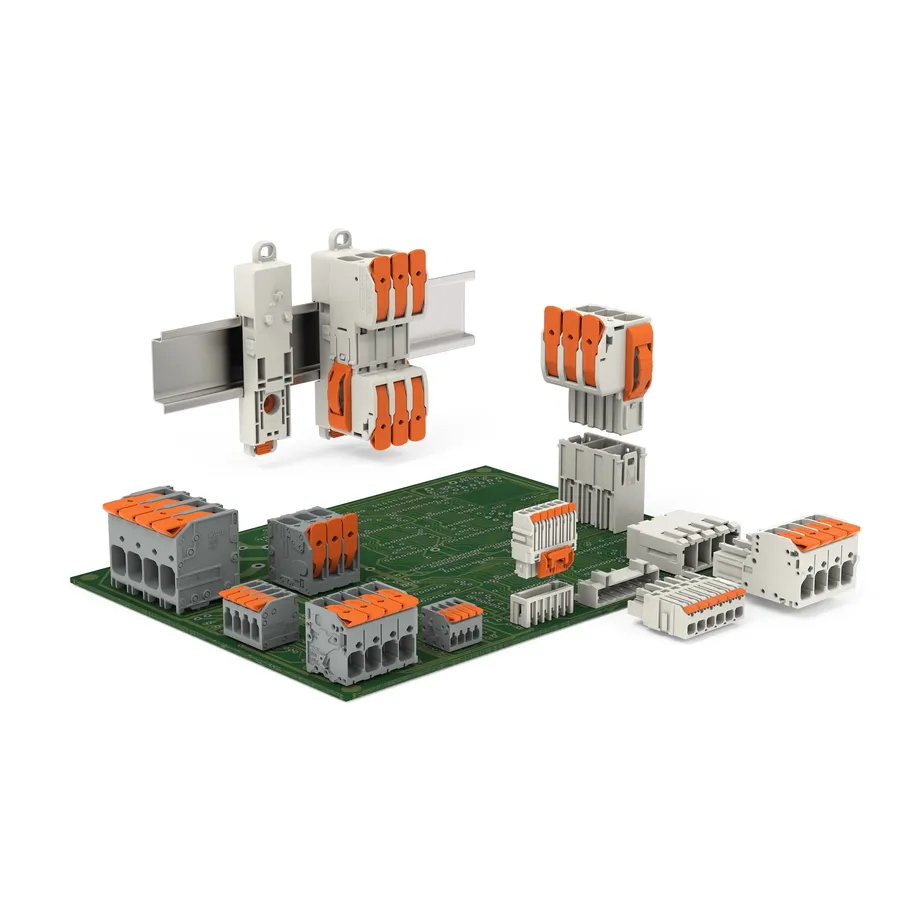
Selecting high-quality PCB terminal blocks is paramount for ensuring the reliability and longevity of electronic devices. These seemingly simple components play a critical role in providing secure and consistent electrical connections. The crucial characteristics that define a quality terminal block encompass material composition, plating specifications, electrical ratings, precise pitch, and robust environmental protection.
| Feature | Description | Importance |
|---|---|---|
| Material | Typically brass or copper alloys. | Influences conductivity, corrosion resistance, and mechanical strength. |
| Plating | Common options include tin and nickel. | Enhances conductivity, prevents oxidation, and ensures reliable long-term performance. |
| Current Rating | Maximum current the block can safely handle. | Critical for preventing overheating and device failure. |
| Voltage Rating | Maximum voltage the block can safely withstand. | Vital for ensuring electrical safety and preventing arcing. |
| Pitch | Spacing between adjacent contacts. | Determines compatibility with PCB layout and wiring. |
| Environmental Protection | Resistance to moisture, dust, and extreme temperatures. | Crucial for long-term reliability, especially in harsh conditions. |
The choice of materials directly affects the electrical conductivity and mechanical robustness of the terminal block. Brass and copper alloys are common due to their excellent conductivity and strength, while the selected plating, often tin or nickel, protects against corrosion and enhances solderability. Moreover, it is vital to choose components that meet or exceed the anticipated current and voltage demands of the application. Mismatches can lead to overheating, arcing, and device malfunction or failure. Correct pitch selection ensures seamless integration with the PCB layout, and adequate environmental protection measures safeguard against environmental damage. Opting for quality terminal blocks from reputable PCB terminal blocks manufacturers mitigates risks and ensures consistent performance.
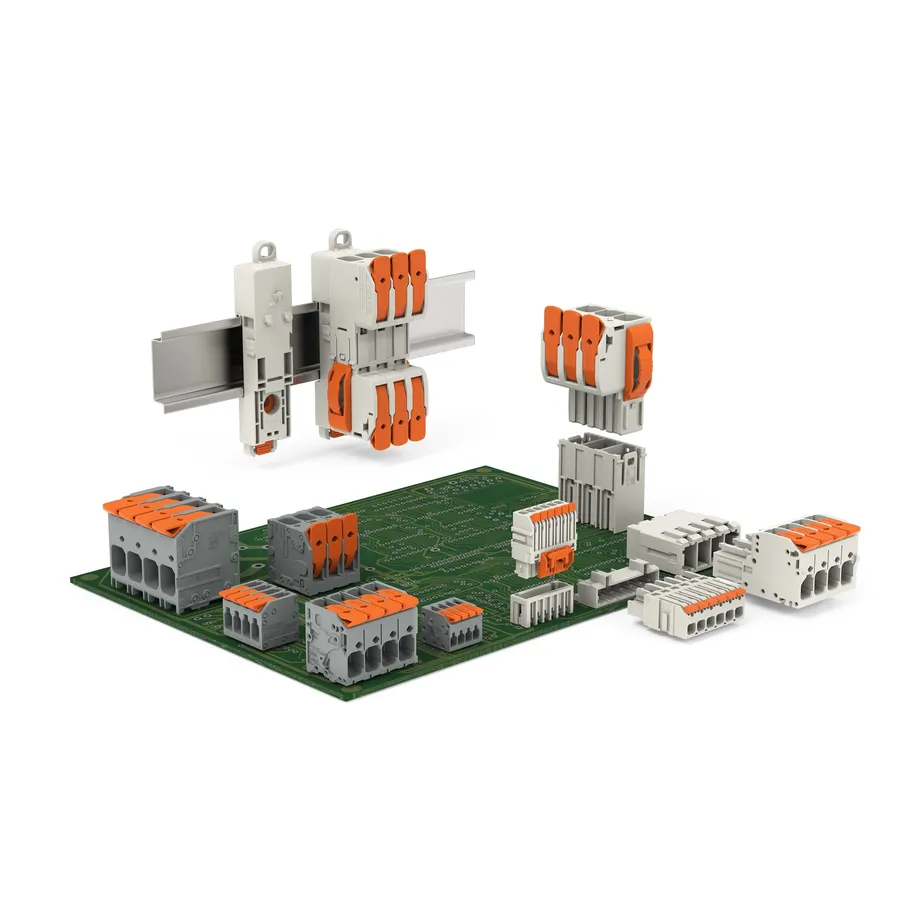
The global PCB terminal block market is populated by several key manufacturers, each with unique strengths in terms of product specialization, geographic reach, and market reputation. These companies supply a diverse range of industries, ensuring reliable connectivity in electronic devices and systems. This section profiles some of the leading players in the industry, highlighting their offerings and distinctive characteristics.
| Manufacturer | Specialization | Geographic Reach | Product Breadth |
|---|---|---|---|
| TE Connectivity | Broad range of terminal blocks with high-quality materials | Global | Wide range of terminal block types, serving many industries |
| Wago | Spring pressure connection technology | Global | Innovative push-in and cage clamp terminal blocks for ease of use |
| Phoenix Contact | Electrical connection, electronic interface and automation technologies | Global | Comprehensive selection of terminal blocks, high quality for industrial use |
| Weidmuller | Custom solutions for specific industry needs | Global | Wide array of reliable terminal blocks |
| Molex | Diverse connector and interconnect solutions | Global | Connector and terminal block solutions for diverse applications |
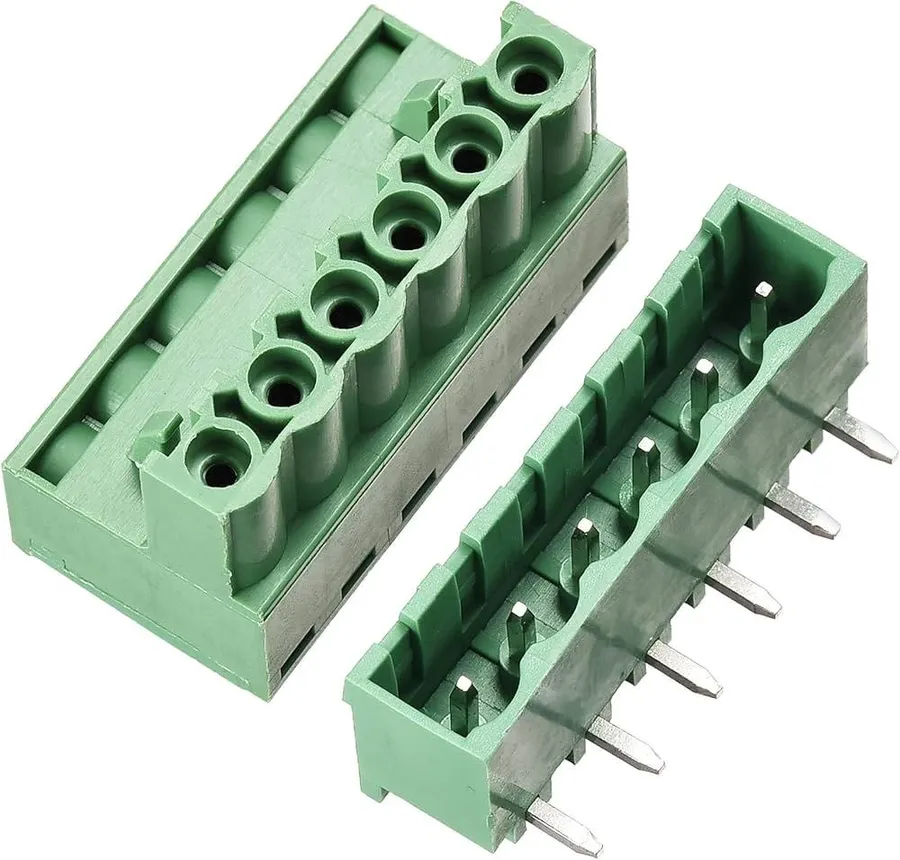
PCB terminal blocks facilitate the connection of wires to a printed circuit board, and their design is pivotal to ensuring reliable signal and power transfer. Different types cater to specific needs, with each having unique mechanisms and suitability for various applications. Understanding these differences is crucial for selecting the appropriate terminal block for your design.
| Terminal Block Type | Connection Method | Advantages | Typical Applications |
|---|---|---|---|
| Screw Terminal Blocks | Wires secured by tightening screws. | Robust connection, widely available, cost-effective. | Industrial control, power distribution, heavy-duty applications. |
| Spring Clamp Terminal Blocks | Wires held by spring pressure. | Quick connection, vibration resistant, requires no tools. | Automotive, automation systems, environments with mechanical stress. |
| Push-in Terminal Blocks | Wires pushed into place and secured. | Fast connection, tool-free, suitable for automated processes. | Lighting control, building automation, consumer electronics. |
| Barrier Terminal Blocks | Insulated barriers with screw connections. | High voltage and current handling, enhanced safety. | Power supplies, high-power equipment, heavy industrial machinery. |
| Pluggable Terminal Blocks | Mating plug and receptacle for quick disconnect. | Easy maintenance, modular design, simplifies circuit modification. | Modular electronics, test equipment, portable devices. |
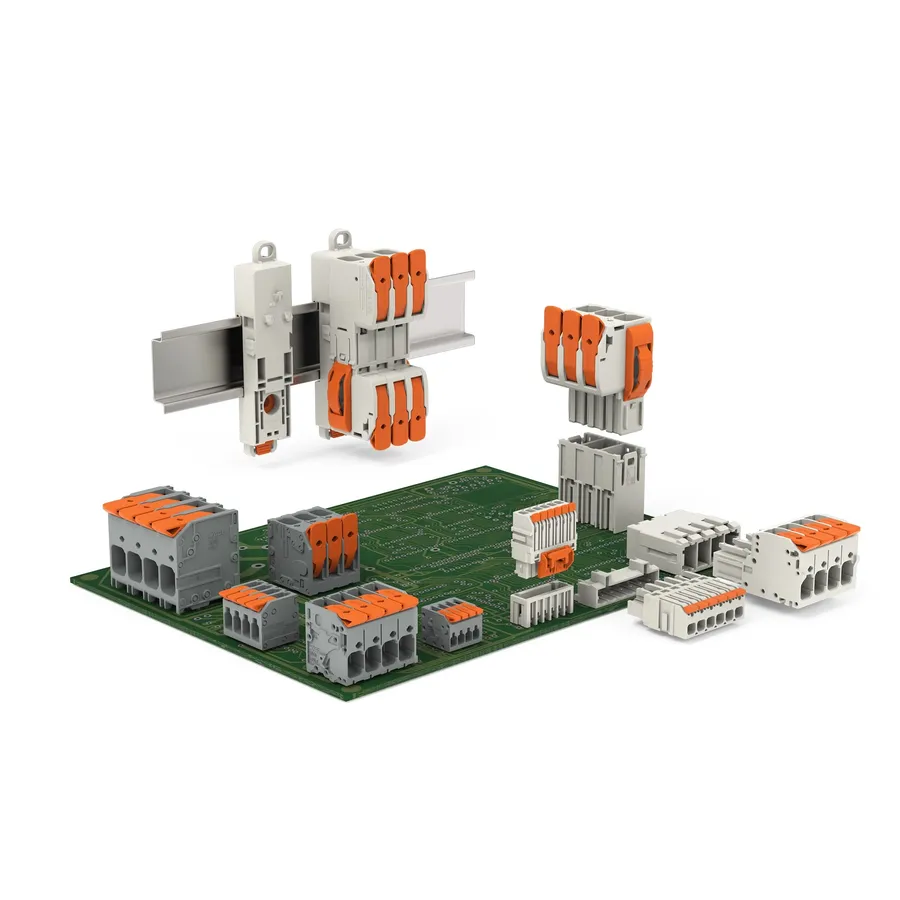
Selecting the appropriate PCB terminal block is crucial for ensuring the reliability and performance of electronic devices. A systematic approach, considering various electrical, mechanical, and environmental factors, is essential to make an informed decision.
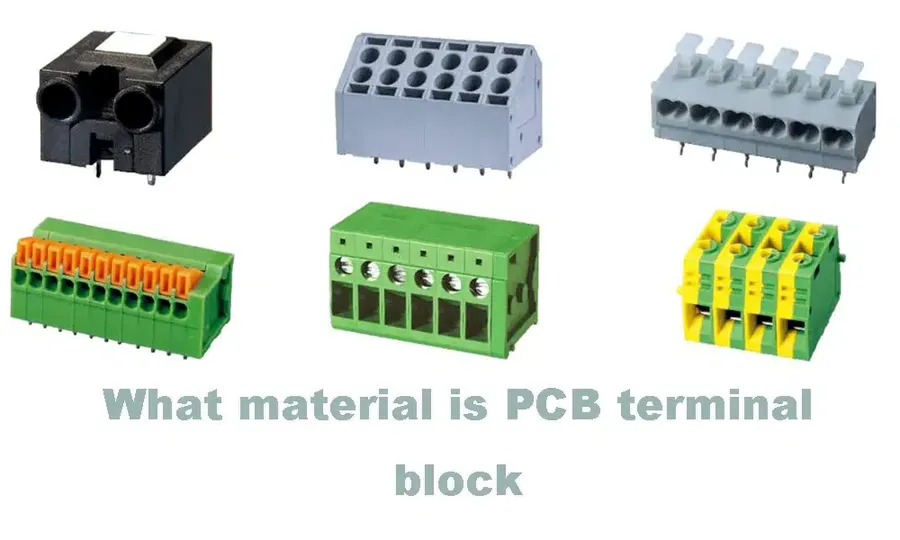
The selection of materials and plating for PCB terminal blocks is crucial to ensure optimal performance, reliability, and longevity. These components are not merely electrical connections; they are integral to the overall integrity of electronic systems. Material choice directly influences the electrical conductivity, mechanical strength, and environmental resilience of the terminal block. Similarly, the plating impacts the contact resistance, solderability, and corrosion resistance.
| Material | Properties | Common Applications | Advantages | Disadvantages |
|---|---|---|---|---|
| Brass | Good conductivity, moderate strength, easy to machine | General-purpose terminal blocks | Cost-effective, good machinability | Susceptible to corrosion, lower strength than copper alloys |
| Copper Alloys (e.g., Beryllium Copper, Phosphor Bronze) | Excellent conductivity, high strength, good spring properties | High-performance and spring-loaded terminal blocks | Superior electrical performance, high strength, excellent fatigue resistance | More expensive than brass, can be prone to stress corrosion cracking |
The plating on terminal blocks serves multiple purposes, including enhancing electrical contact, preventing corrosion, and improving solderability. Here are common plating materials and their characteristics:
| Plating Material | Properties | Advantages | Disadvantages |
|---|---|---|---|
| Tin | Good solderability, good corrosion resistance | Cost-effective, widely available | Lower conductivity than silver or gold, can form whiskers under certain conditions |
| Nickel | Good corrosion resistance, good barrier layer | Excellent base layer for other platings, good wear resistance | Can increase contact resistance, not as conductive as copper |
| Gold | Excellent conductivity, excellent corrosion resistance, good solderability | Superior performance in harsh environments, excellent signal integrity | High cost |
| Silver | Excellent conductivity, good solderability | Excellent electrical performance, lower cost than gold | Prone to tarnishing, less corrosion resistance than gold |
The selection of materials and plating depends on the specific application requirements. Factors such as operating temperature, humidity, current carrying capacity, and expected lifespan all play a role in choosing the optimal materials. For instance, applications requiring high reliability and corrosion resistance, such as those in automotive or aerospace, often utilize gold or silver plating over copper alloys. In contrast, cost-sensitive applications may opt for tin plating on brass for adequate performance at a lower price.
This section addresses common questions about PCB terminal blocks, providing clear and concise answers to aid in selection and application. The focus is on practical guidance drawn from industry experience and best practices.
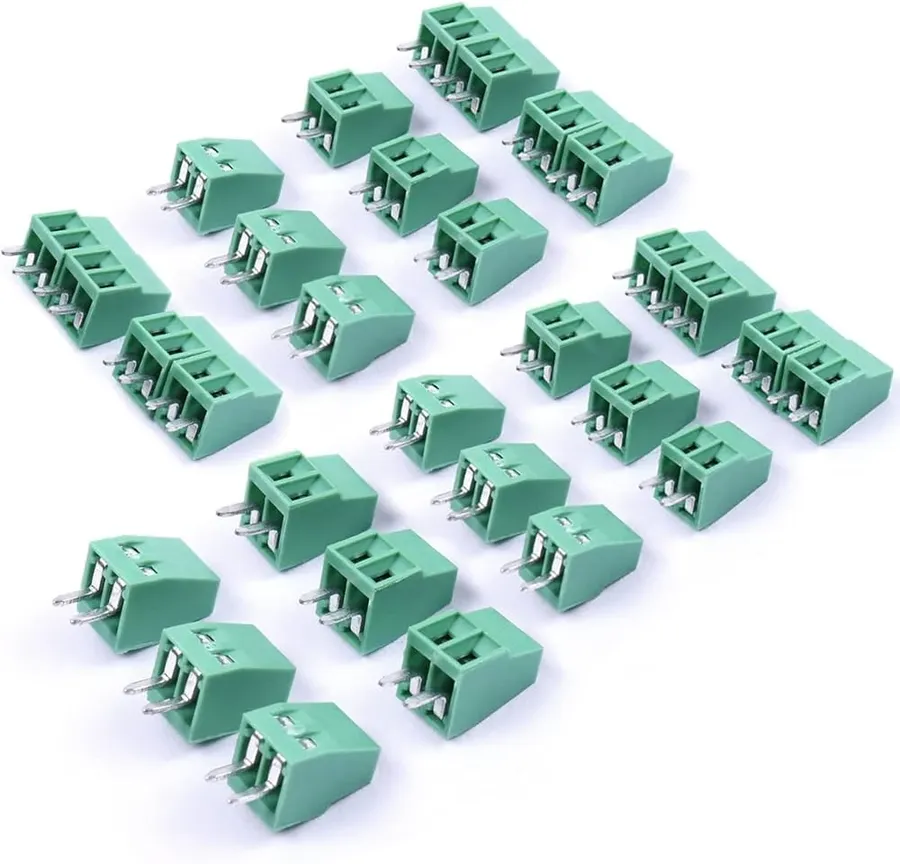
The landscape of PCB terminal block technology is continuously evolving, driven by the demands for more compact, efficient, and intelligent electronic systems. This section explores key trends shaping the future of these crucial components, focusing on miniaturization, increased density, smart functionalities, and sustainable manufacturing practices.
Choosing the right PCB terminal block from reliable PCB terminal blocks manufacturers is critical for the long-term performance and safety of any electronic device. By carefully considering your application needs, understanding material and design considerations, and selecting a reputable manufacturer, you can ensure secure and efficient connections. As technology advances, expect to see even more innovative solutions in PCB terminal block design, offering more compact, durable, and user-friendly connection options. By selecting trusted PCB terminal blocks manufacturers, your projects are well positioned to achieve excellence in performance and reliability.

