Your Guide to Fast & Accurate PCB Prototype Quotes
2025.01.15
In today's fast-paced electronics world, quickly obtaining a [pcb prototype quote] is crucial for project success. This article cuts through the noise, providing a clear guide on how to secure the best quotes for your printed circuit board prototypes, focusing on factors influencing price and ways to save time and money. Whether you're a seasoned engineer or just starting out, understanding the process of getting a PCB prototype quote is key to bringing your designs to life efficiently.
Understanding the Factors Influencing PCB Prototype Costs
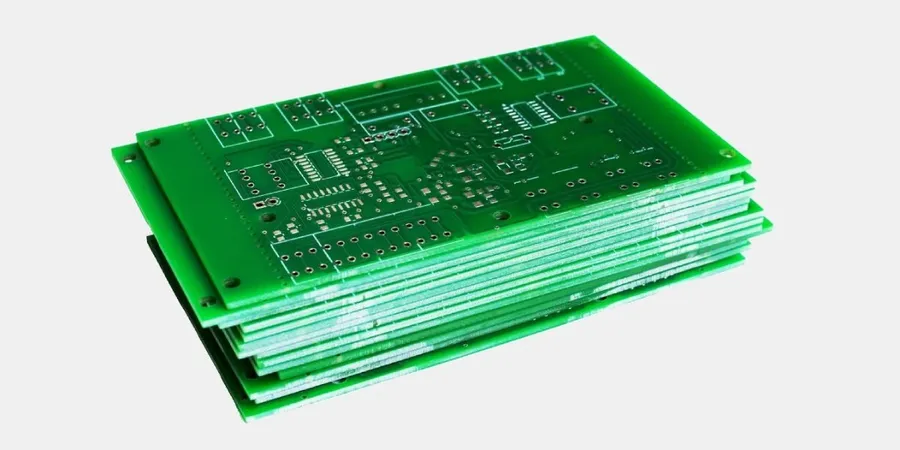
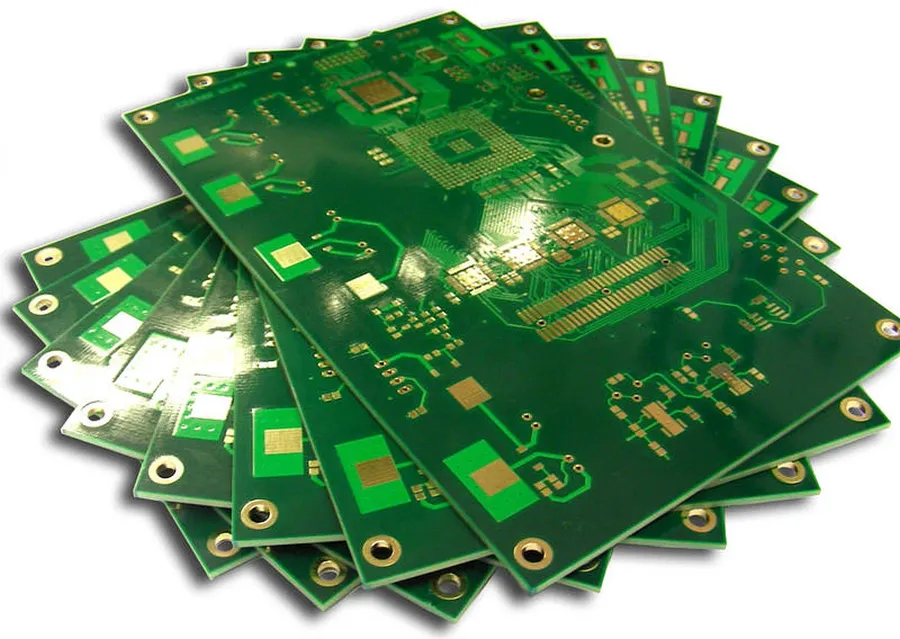
Bare PCB
Accurately estimating the cost of a PCB prototype requires a thorough understanding of the various factors that contribute to the final price. These factors range from the physical characteristics of the board to the complexity of the design and the materials used. A detailed analysis of these elements will allow for a more informed decision-making process when choosing a manufacturing service and optimizing your budget.
Board Size The physical dimensions of the PCB directly impact material usage and processing time. Larger boards generally require more materials and increased manufacturing time, leading to higher costs.
Layer Count The number of conductive layers within the PCB affects manufacturing complexity and cost. More layers translate to more intricate manufacturing processes, thus increasing expenses.
Material Selection The choice of PCB substrate material, such as FR-4, Rogers, or Aluminum, influences both cost and performance. Specialized materials with enhanced electrical or thermal properties often come at a premium.
Component Density The concentration of components on the board impacts assembly time and complexity. Higher density requires more precise placement and soldering, potentially driving up costs.
Drill Hole Count and Size The number of vias and their size affect manufacturing time, precision, and tool wear. More vias and smaller diameters can increase production costs.
Surface Finish The chosen surface finish (e.g., HASL, ENIG, Immersion Silver) impacts cost and solderability. Different finishes have varying material costs and processing steps.
Solder Mask and Silkscreen The number of solder mask and silkscreen layers, their complexity and color can influence the cost as well.
How Online Instant PCB Quote Systems Work
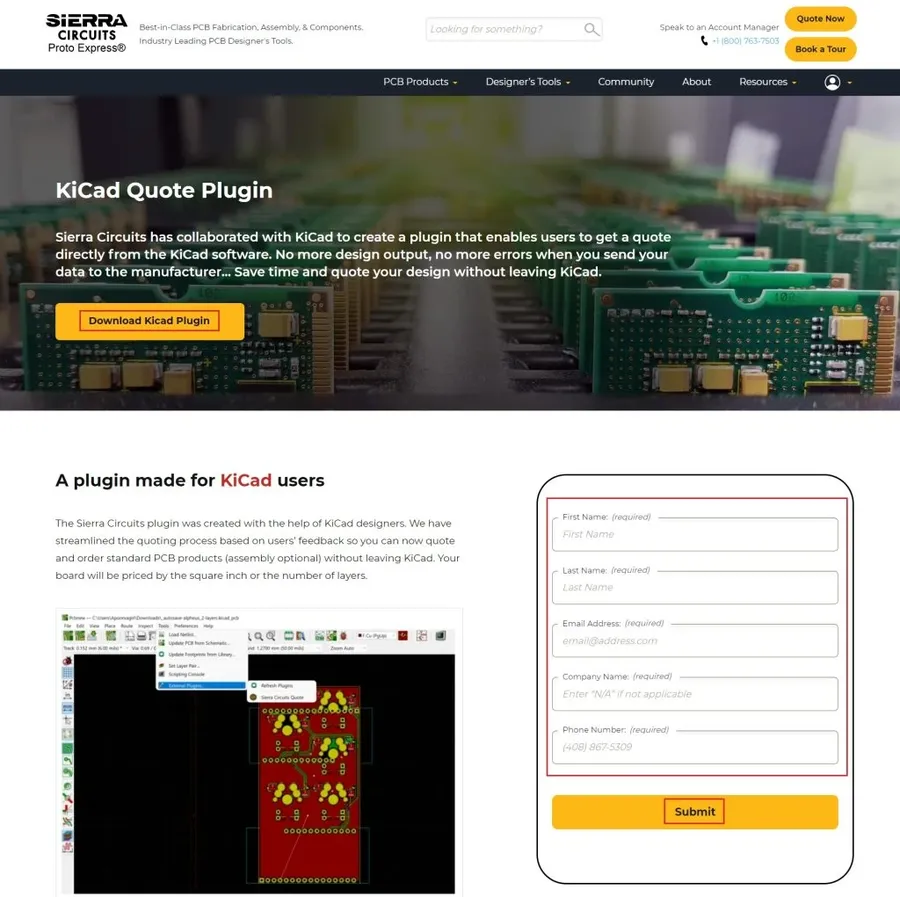
Online PCB Quote Interface
Online instant PCB quote systems have revolutionized the prototyping process by providing immediate cost estimates, significantly speeding up design cycles. These platforms operate by automatically analyzing uploaded design files, such as Gerber files, and factoring in manufacturing specifications to generate a quote. The accuracy and speed of these systems are critical for engineers and designers looking to iterate rapidly and efficiently on their PCB designs.
The core functionality hinges on sophisticated algorithms that interpret various aspects of your design files, each influencing the final price. Here's a breakdown of the analysis process:
File Format Compatibility The system first checks for compatibility with standard PCB design file formats like Gerber, EAGLE, and ODB++. Incompatible files will require conversion or may be rejected.
Board Dimensions and Complexity Board size, shape, and layer count are directly extracted from the files. Larger boards and higher layer counts generally increase cost due to material usage and processing complexity.
Material Specifications The type of material specified (e.g., FR4, aluminum, polyimide) is a significant cost driver. Certain materials offer better performance but are pricier.
Surface Finish The required surface finish (e.g., HASL, ENIG, OSP) is another key parameter. Different finishes have varying costs and impact solderability and longevity.
Component Density and Hole Count The system also analyzes the density of components and the number of holes, both of which influence processing time and tooling.
Special Features Features like impedance control, blind and buried vias, or special copper weights can also affect the cost and are extracted from your design files.
Based on this analysis, the platform calculates the cost using predefined manufacturing process costs and material pricing data. The final quote often includes a breakdown of individual expenses, offering transparency into the total price. This automated process enables users to quickly assess the financial impact of design modifications and select the most cost-effective option.
Step-by-Step Guide to Obtaining a PCB Prototype Quote
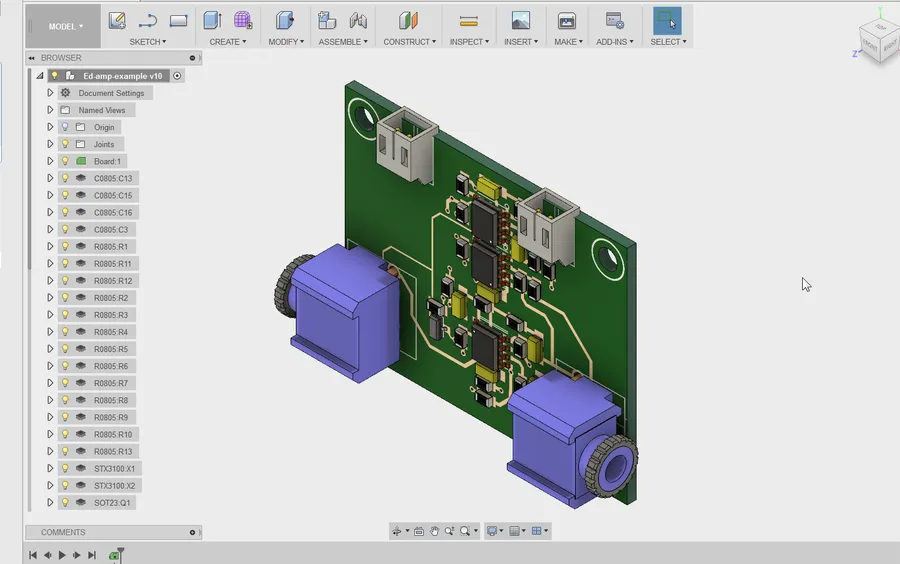
PCB Design Software
Securing an accurate PCB prototype quote necessitates meticulous preparation and a clear understanding of your design requirements. This section provides a pragmatic, step-by-step approach to ensure you obtain a quote that aligns with your project specifications and budget.
Prepare Your Design Files Begin by finalizing your PCB design using your chosen CAD software. Ensure all layers, including copper, solder mask, and silkscreen, are correctly defined. Generate Gerber files, which are the industry standard for PCB manufacturing, along with any necessary drill files. A Bill of Materials (BOM) should also be meticulously compiled.
Define Manufacturing Specifications Specify crucial manufacturing parameters. This includes the material type (e.g., FR-4, Aluminum), the number of layers, board thickness, copper weight, surface finish (e.g., HASL, ENIG), solder mask color, and silkscreen requirements. Precise tolerances and impedance control requirements should also be defined at this stage.
Choose the Right PCB Prototype Manufacturer Research and select a PCB manufacturer that aligns with your specific needs. Consider factors such as their specialization (e.g., quick-turn prototypes, high-layer count boards), geographic location, production capacity, and the availability of support services. Evaluate the platform used for requesting quotes for user-friendliness and feature set
Submit Your Files and Specifications Upload the prepared Gerber and drill files to the manufacturer's platform. Accurately input all the previously defined manufacturing specifications into the online form, ensuring the details match the design requirements. Include any special requirements or notes at this stage.
Review the Quote Carefully examine the generated quote. Verify that the cost, lead time, and all technical specifications are correct and match your expectations. Clarify any ambiguities or concerns with the manufacturer before finalizing the order.
Comparing Different PCB Prototype Quote Options
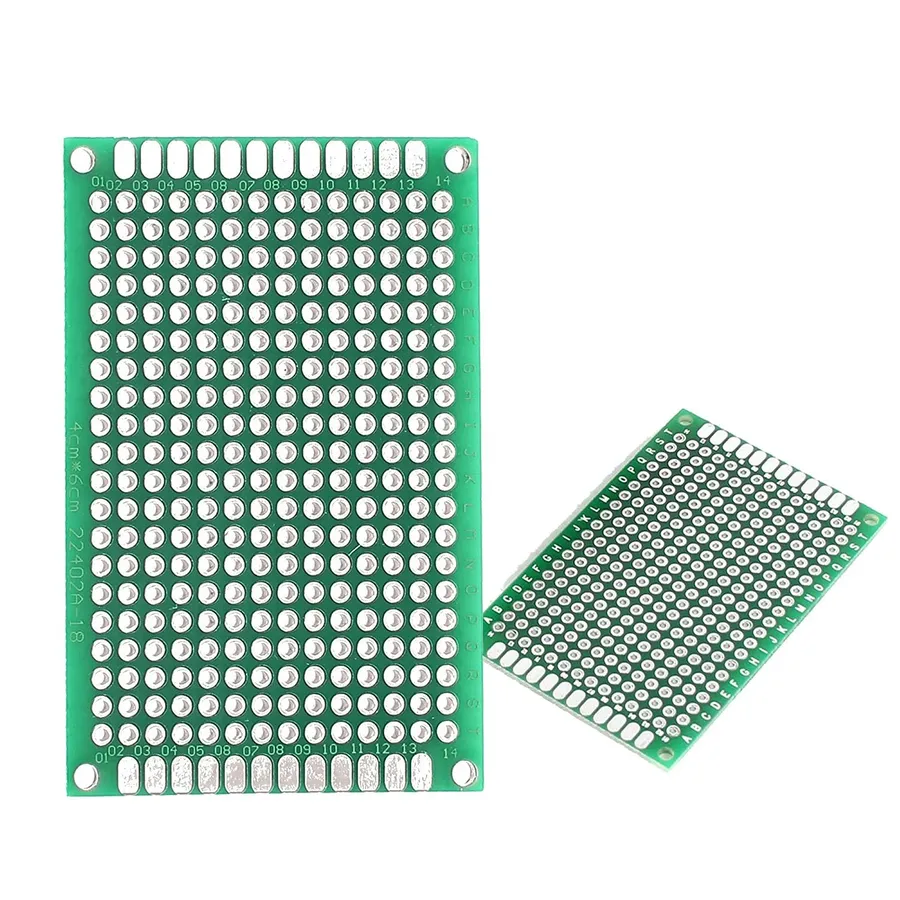
Various PCB Prototypes
Navigating the landscape of PCB prototype quotes requires a keen understanding that pricing can fluctuate significantly among different manufacturers, even for identical specifications. This variability stems from diverse operational efficiencies, material sourcing strategies, and business models. A thorough comparison is crucial to ensure optimal value without compromising quality.
When evaluating quotes, focus on these key areas:
Material Costs The type of substrate (e.g., FR-4, aluminum, polyimide) and its thickness are primary cost drivers. Look for transparency in material specifications.
Manufacturing Processes Advanced processes like blind vias, buried vias, or specific surface finishes can increase costs. Understand what is included or optional in the quote.
Setup Costs Some manufacturers may include a separate setup fee. Inquire whether this is a one-time cost or per order.
Minimum Order Quantities Many manufacturers have minimum order requirements. Verify these against your prototype needs to avoid paying for boards you don't need.
Shipping Costs Shipping expenses and lead times can vary greatly depending on the manufacturer's location and shipping method. Consider this in your overall cost analysis.
Turnaround Times Expedited services come with a premium. If lead time is critical, balance the cost and time savings of different manufacturers.
Quality and Reliability While cost is a major factor, quality is paramount. Request samples or reviews to gauge the manufacturer’s quality standards. Verify they meet relevant certifications such as IPC standards.
Factor
Manufacturer A
Manufacturer B
Manufacturer C
Base Material (FR-4)
$5/board
$6/board
$5.5/board
Shipping Costs
$10
$15
$8
Turnaround time
5 Days
7 Days
3 Days
Minimum Order
5 Boards
3 Boards
1 Boards
Setup cost
$0
$10
$0
By comparing quotes across these specific parameters, you will gain a more holistic view of the real value offered by each manufacturer, enabling you to make well-informed decisions and optimize costs without sacrificing the quality and precision of your PCB prototypes.
Frequently Asked Questions About PCB Prototype Quotes
Navigating the process of obtaining a PCB prototype quote can often raise questions. This section addresses the most common inquiries to provide clarity and assist you in making informed decisions regarding your PCB prototyping needs.
How much does it generally cost to prototype a PCB? The cost of prototyping a PCB varies widely based on factors such as board size, layer count, material, complexity, and the quantity of boards. It can range from a few tens of dollars for simple boards to several hundred dollars or more for complex designs. The best approach is to obtain a detailed quote based on your specific design requirements.
How should I estimate the cost of PCB assembly? Estimating PCB assembly costs involves several key components: the cost of components, assembly labor, and the complexity of the assembly process. To estimate this accurately, it's essential to have a Bill of Materials (BOM) with the specific components, their quantities, and your desired assembly method (SMT, through-hole, etc.). Online PCB assembly cost calculators can provide an initial estimate but may not account for all custom needs.
What influences the cost when getting a PCB assembled? The primary cost drivers in PCB assembly include the type and quantity of components, the complexity of the board design, the chosen assembly method, the required level of testing, and the volume of boards being assembled. Specialized components, intricate designs and rigorous testing will increase costs, whereas simpler designs and larger volumes usually reduce per-unit expenses.
How much should I charge for PCB design services? The pricing for PCB design services varies depending on the designer's experience, the complexity of the design, and the project's timeline. Rates can range from hourly charges to project-based fees. For simpler designs, a fixed-fee can be appropriate, whereas more intricate designs might require hourly billing to account for unforeseen issues and changes in design requirements. The range can be from a few hundred dollars for basic designs to thousands for very complex ones. It's vital to clearly define the project scope and expectations upfront.
Are there any free PCB prototyping options available? While completely free PCB prototyping is rare, some manufacturers offer promotional deals or discounts for first-time customers or educational projects. Some universities or maker spaces also have resources available for prototyping at reduced cost. Be aware that “free” services may have limitations or may not provide full-scale functionality, or may be subsidized with higher costs on related services.
What is the best way to reduce PCB prototyping costs? To minimize PCB prototyping costs, it's best to optimize your design to be as simple as possible, use standard parts, avoid excessive vias, and choose a board material that meets your requirements without overspending. Additionally, consider panelizing multiple designs onto a single board to take advantage of batch pricing and ensure your design is manufacturable before going to prototype to avoid costly errors.
How accurate are instant online PCB quote systems? Online PCB quote systems provide a good estimate of costs based on the specifications you input. However, these automated systems cannot account for all design nuances or custom requests. It is important to carefully review the quote and confirm any non-standard requirements directly with the manufacturer to get the most accurate cost estimate.
Strategies to Reduce PCB Prototype Costs
Panelized PCB
Optimizing your PCB design and manufacturing approach can significantly reduce prototype costs. Strategic choices in design, material selection, and component sourcing are key to achieving a cost-effective prototype without compromising functionality or quality.
Standardize Component Footprints Utilize standard, commonly available component footprints in your design. This avoids the need for custom library creation and reduces component costs due to their wider availability and competitive pricing.
Optimize Layer Count Reducing the number of layers in your PCB design directly decreases manufacturing costs. A simpler two-layer or four-layer board design, if suitable for the application, is considerably cheaper than designs with more layers. Carefully evaluate your routing complexity and signal integrity requirements to determine the minimum necessary layer count.
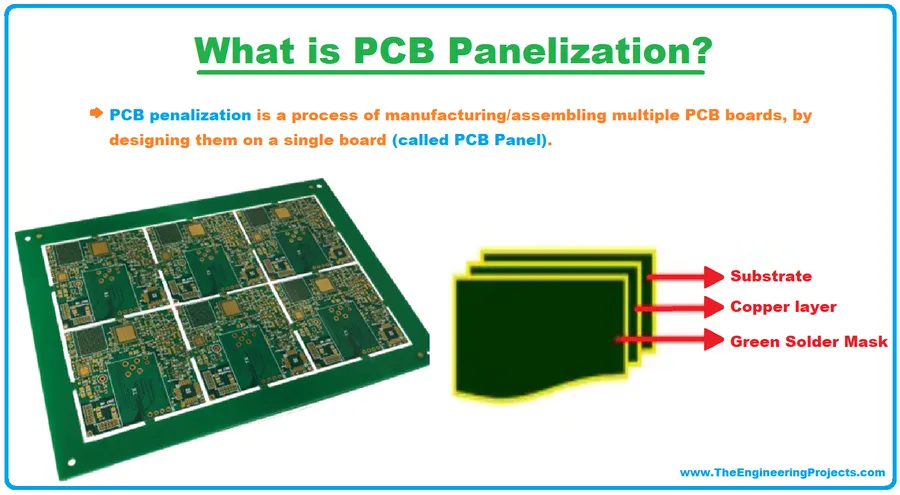
Panelization If the project requires multiple boards of the same design, consider panelizing the design. This involves arranging multiple copies of the PCB design on a single panel which can significantly reduce the per-board cost of manufacturing.
Strategic Component Placement Optimize the placement of components to minimize the board size and complexity of routing. A compact design not only saves material but can also lower the cost of assembly, reducing both material costs and manufacturing time.
Select Cost-Effective Materials Choose PCB materials that are appropriate for your application's performance needs, without over-specifying. For example, standard FR-4 is often sufficient for general-purpose prototypes and is considerably more cost-effective than advanced materials such as Rogers or high-Tg FR-4
Design for Manufacturability (DFM) Adhering to DFM guidelines is crucial. Simple design tweaks to ensure it is easy for the manufacturer to fabricate can significantly reduce the risk of errors, scrap, and rework, all of which add to the overall cost of prototyping. These include minimum trace widths, spacing, and via sizes.
Utilize Existing Designs Where possible, leverage existing verified designs, libraries, or modules. This reduces development and debugging time which is costly in both resources and schedule.
Choosing the Right PCB Prototype Service for Your Needs
PCB Manufacturing Facility
Selecting the appropriate PCB prototype service is crucial for project success, requiring careful consideration of multiple factors beyond just the initial quote. The ideal service will align with your specific project demands, balancing turnaround time, cost, and the quality of the final product.
Turnaround Time Evaluate the urgency of your project. Some manufacturers offer expedited services, but these often come at a premium. Assess whether standard lead times align with your project's schedule or if a faster option is necessary.
Price While cost is a significant concern, the lowest price doesn't always equate to the best value. Compare quotations carefully, considering all included services, and evaluate the cost-effectiveness. Aim for a balance between quality and cost.
Quality The quality of materials, manufacturing precision, and inspection standards directly impact the performance and reliability of your PCB. Look for certifications and customer reviews that speak to the consistent quality of the service.
Technical Capabilities Ensure the manufacturer can produce boards with your required specifications, such as layer count, material, impedance control, and surface finish. Confirm that their capabilities meet your design's complexity and performance needs.
Customer Support Access to responsive customer support can be vital, particularly when dealing with technical issues or design clarifications. Verify their communication channels and responsiveness, especially for critical project phases.
Minimum Order Quantity (MOQ) For prototype runs, ensure the manufacturer offers the quantity you need. Some manufacturers may have minimum order quantities, which can be excessive if only a small batch of boards are needed.
Additional Services Assess if they provide services such as design review, assembly, or testing. A comprehensive service can streamline the process and ensure all your prototyping needs are met.
Table: Comparison of PCB Prototype Quote Platforms
Selecting the appropriate PCB prototype quote platform is crucial for managing project costs and timelines. This section offers a comparative analysis of several popular platforms, highlighting their key features, strengths, and weaknesses to aid informed decision-making. This table allows you to quickly compare platforms based on factors that matter most to you, such as pricing, speed, and capabilities.
Platform
Pricing
Turnaround Time
Ease of Use
File Compatibility
Special Features
Support Quality
JLCPCB
Highly competitive, especially for small quantities
Fast, typically 2-7 days
User-friendly online interface
Gerber, Eagle, KiCad, Altium
Assembly service available, stencil service
Responsive and helpful
PCBWay
Competitive pricing with various options
Fast, 2-7 days standard, express available
Intuitive online quote and ordering
Gerber, Eagle, KiCad, Altium, etc.
Assembly service, advanced PCB options
Good support through various channels
AllPCB
Reasonably priced, discounts for larger orders
Standard turnaround 3-7 days
Simple interface for uploading files and ordering
Gerber files
Quick quotes, assembly and components sourcing
Support can be slow
Seeed Studio Fusion
Variable pricing, good for medium sized runs
3-10 days based on complexity and speed
Easy to use platform
Gerber, Eagle, Altium, KiCad
Assembly service, PCBA
Fast and effective support
OSH Park
Slightly higher per-unit cost, good for low volume
2-3 weeks for standard delivery
Clean and simple website
Gerber, Eagle, KiCad
Focus on quality for small volume runs
Good support
Getting a precise [pcb prototype quote] doesn’t have to be complicated. By understanding the key factors that influence pricing, leveraging online quoting tools effectively, and implementing cost-saving strategies, you can navigate the process with confidence. Remember, selecting the right PCB manufacturer is as critical as the design itself. With careful planning and the right resources, your PCB prototype can become a reality, paving the way for innovative electronic designs. Your successful project starts with a smart quote.