Printed wiring boards (PWBs), the backbone of modern electronics, are ubiquitous, from our smartphones to complex industrial machinery. Choosing the right printed wiring board manufacturers is crucial for product reliability and performance. This article delves into the landscape of top PWB manufacturers, their capabilities, and key factors in selection, ensuring your electronic projects get the best foundation.
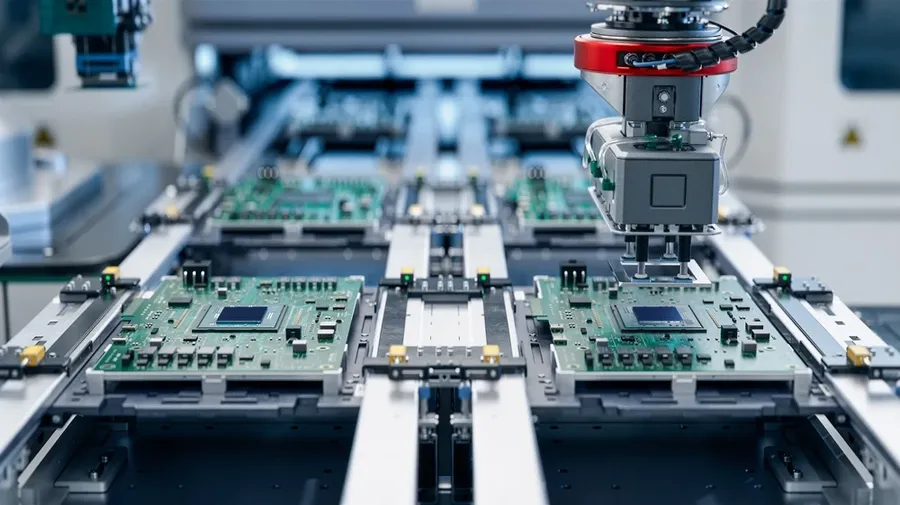
Printed Wiring Board (PWB) manufacturers are the cornerstone of the modern electronics industry, transforming intricate designs into the physical platforms upon which electronic components are mounted and interconnected. Their role extends from interpreting complex circuit schematics to fabricating and assembling the boards with high precision and reliability, ultimately determining the quality and functionality of electronic devices.
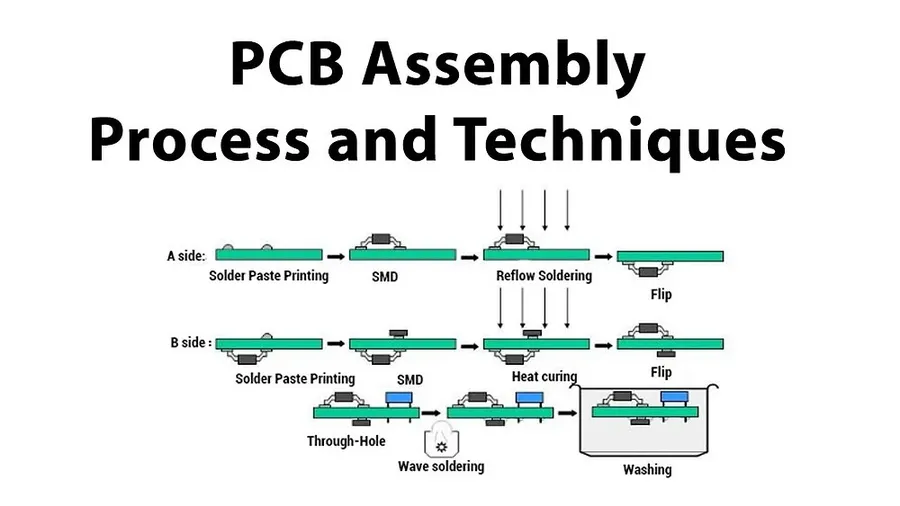
These manufacturers are not simply fabricators; they are critical partners in the product development cycle. They collaborate closely with design engineers, offering design for manufacturability (DFM) feedback, ensuring designs can be reliably and cost-effectively produced. The manufacturing process involves several key stages, each with specific quality and precision requirements: material selection, circuit pattern creation, etching, drilling, plating, solder mask application, component assembly and rigorous testing.
The proficiency of PWB manufacturers directly influences the performance and lifespan of electronic products. From simple single-sided boards to complex multi-layered structures with advanced materials, the capability of these manufacturers impacts the density, reliability, and functionality of various electronic applications, ranging from consumer electronics to aerospace and medical devices. They contribute to product quality not just in terms of fabrication precision, but also through their adherence to strict industry standards and quality control protocols. This critical role makes their selection a crucial decision in product development.
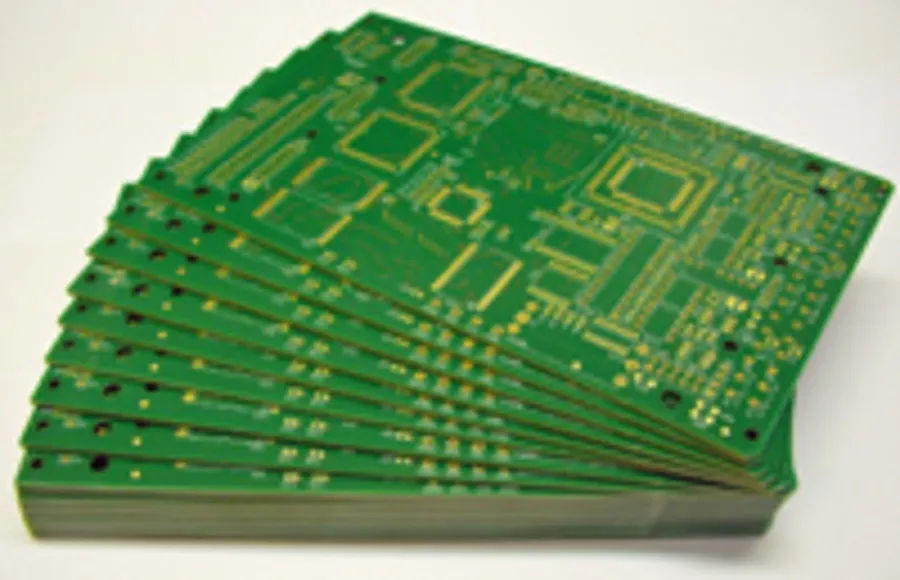
Selecting the right Printed Wiring Board (PWB) manufacturer is crucial for ensuring the quality and reliability of electronic products. This section outlines essential capabilities that should be considered when evaluating potential PWB manufacturing partners, focusing on fabrication technology, assembly services, certifications, prototyping options, turnaround times, and quality control.
| Capability | Description | Importance |
|---|---|---|
| Fabrication Technology | Capabilities in handling various materials (e.g., FR-4, polyimide), layer counts, and trace widths, as well as advanced technologies like HDI and flex PCBs. | Directly affects the complexity and performance of the final product. A manufacturer with advanced tech can meet more varied needs. |
| Assembly Services | Offers SMT, through-hole, and mixed technology assembly; in-house capabilities or partnerships for efficient component placement. | Ensures seamless production from bare board to populated PCB, saving time and reducing risk of errors from multiple vendors. |
| Certifications (AS9100D, ISO) | Complies with industry standards like AS9100D for aerospace/defense or ISO 9001 for general quality management; shows commitment to quality and reliability. | Provides assurance of consistent quality, especially important for high-reliability applications. |
| Prototyping Options | Offers rapid prototyping for quick testing and design iterations; ability to scale up from prototypes to large production volumes. | Allows for early validation of designs and reduces the time and cost of getting a product to market. |
| Turnaround Time | Delivers products on time with flexible options based on project urgency; capability to expedite production for urgent needs. | Is critical for time-sensitive projects; shorter lead times reduce time-to-market. |
| Quality Control | Rigorous testing and inspection processes at every production stage; uses automated optical inspection (AOI) and electrical testing. | Ensures the reliability and performance of the finished product; reduces the risk of field failures. |
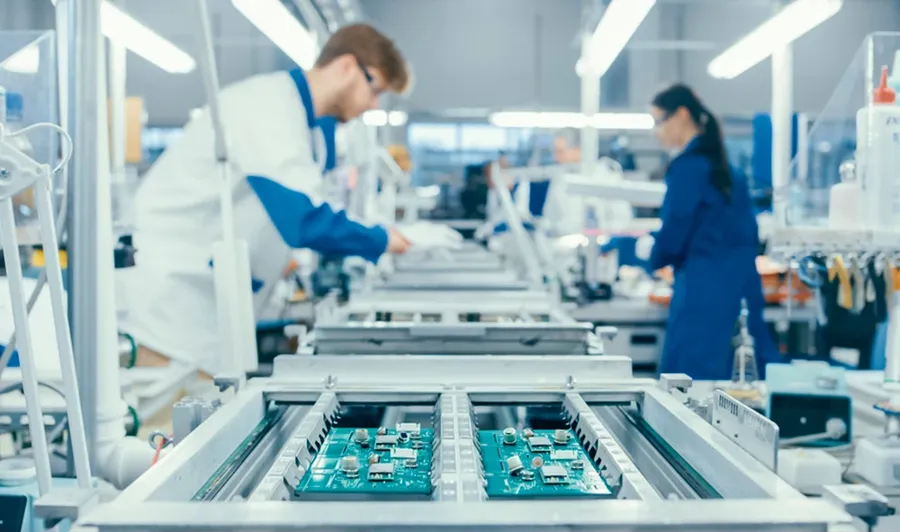
The United States is home to numerous high-quality printed wiring board (PWB) manufacturers, each with unique specializations and strengths. These manufacturers cater to a wide range of industries, from aerospace and defense to medical and consumer electronics, offering diverse production capabilities, from rapid prototyping to high-volume manufacturing.
The PWB manufacturing landscape in the USA is characterized by a blend of established players and innovative newcomers. This section highlights several leading manufacturers, focusing on their key capabilities, technological strengths, and areas of specialization. Understanding these distinctions can help in selecting the most appropriate partner for specific project needs.
| Manufacturer | Specialization | Key Strengths | Production Volume |
|---|---|---|---|
| Company A | Aerospace and Defense | High-reliability PWBs, AS9100D certification, advanced materials | Low to Medium |
| Company B | Medical Devices | Rigid-flex PCBs, biocompatible materials, ISO 13485 certification | Medium to High |
| Company C | Industrial Automation | Heavy copper PCBs, robust designs, UL certification | Medium to High |
| Company D | Consumer Electronics | High-density interconnect (HDI) PCBs, SMT assembly, quick turnaround | High |
| Company E | Telecommunications | High-speed PCBs, impedance control, RF and microwave capabilities | Low to Medium |
The table above highlights a small subset of the leading PWB manufacturers in the USA. When choosing a PWB manufacturer, it is vital to consider whether the manufacturer specializes in low, medium, or high volume production, as this will greatly impact delivery times and cost. Some manufacturers focus on rapid prototyping and quick turnarounds while others are optimized for large-scale production.
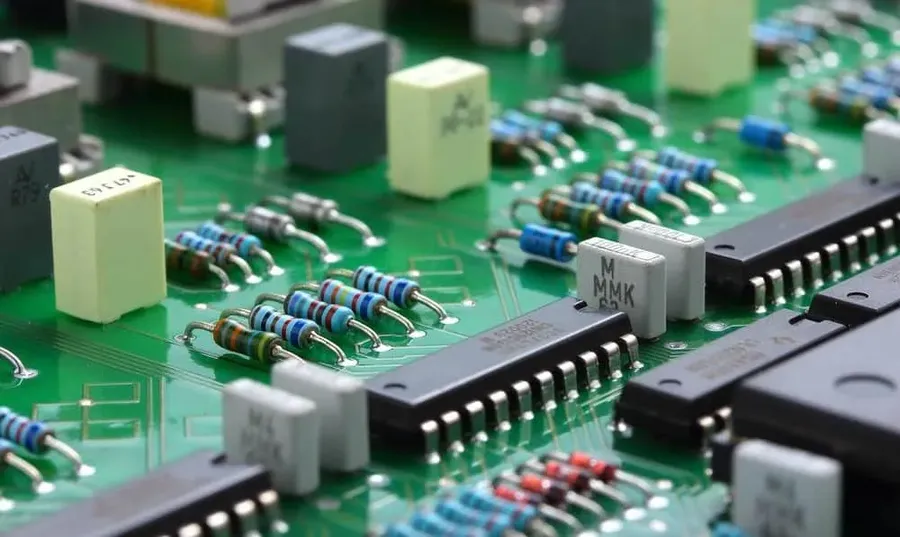
The global printed wiring board (PWB) manufacturing landscape is characterized by a mix of established giants and emerging players, each contributing to technological innovation and market dynamics. International manufacturing is primarily driven by cost optimization, specialized capabilities, and strategic market positioning, impacting the availability and pricing of PWBs worldwide.
Key factors influencing international PWB manufacturing include:
The impact of global manufacturing on the PWB industry is multifaceted:
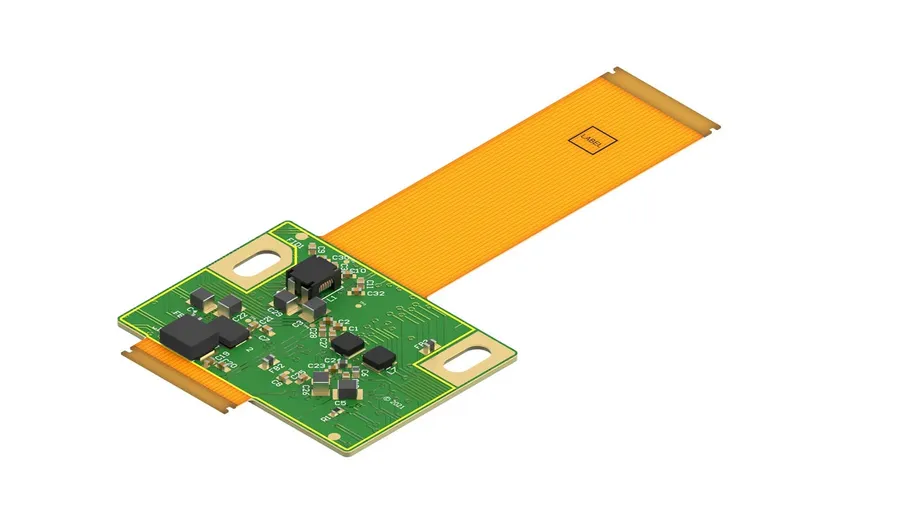
Beyond standard printed circuit board manufacturing, a range of specialized services are offered by leading manufacturers to meet the diverse needs of the electronics industry. These advanced services encompass technologies like High Density Interconnect (HDI), flexible PCBs, Surface Mount Technology (SMT), and rigorous testing procedures, catering to complex and demanding applications.
| Service | Description | Typical Applications |
|---|---|---|
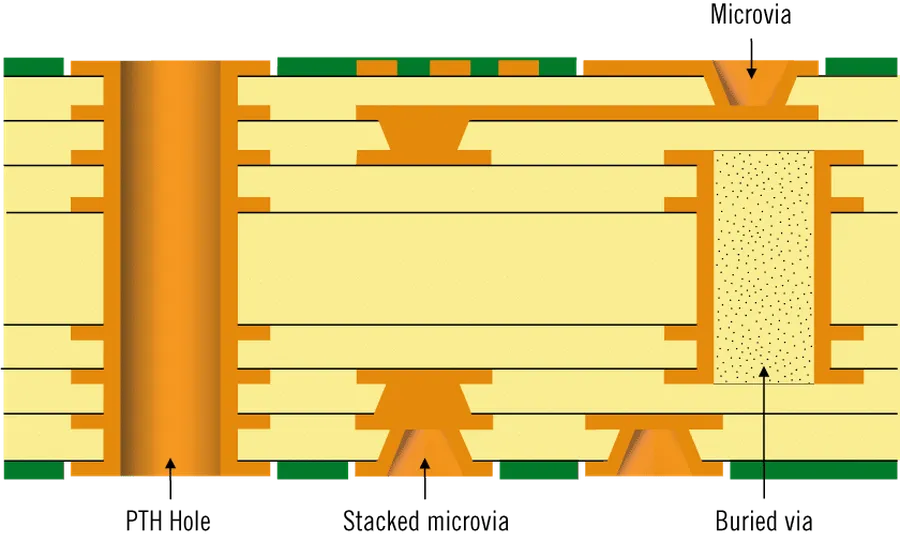
| High Density Interconnect (HDI) PCBs | PCBs with higher wiring density per unit area achieved through microvias and fine lines. | Smartphones, wearable electronics, high-performance computing. |
| Flexible PCBs (Flex PCBs) | PCBs built on flexible substrates, allowing for bending, twisting, and shaping. | Aerospace, automotive, medical devices, wearable technology. |
| Surface Mount Technology (SMT) | Automated assembly of electronic components directly onto the surface of a PCB, enabling higher circuit density. | Consumer electronics, automotive electronics, industrial control systems. |
| Comprehensive Testing | Rigorous electrical and functional testing to verify the integrity and performance of PCBs including In-Circuit Testing (ICT), Flying Probe Testing, Automated Optical Inspection (AOI). | All electronics requiring high reliability and performance. |
Selecting the appropriate printed wiring board (PWB) manufacturer is a critical decision that directly impacts the quality, cost, and delivery timeline of your electronic product. A systematic approach is essential to ensure your chosen manufacturer aligns with your project's specific requirements and overall objectives.
By systematically evaluating these factors, you can choose a printed wiring board manufacturer that best suits your needs, ensuring high-quality PCBs and a smooth manufacturing process, which is pivotal for a successful product launch.
In printed wiring board (PWB) manufacturing, cost is a critical factor that must be carefully balanced with quality. Understanding the various elements influencing the final price of a PCB, from material selection to manufacturing location, is essential for effective budgeting and project management. Optimizing costs without compromising performance requires strategic decisions throughout the design and manufacturing process.
| Cost Factor | Impact on Price | Optimization Strategies |
|---|---|---|
| Material Type | High-performance materials like Rogers or polyimide cost more than standard FR-4. | Use standard materials where performance requirements allow. Consider hybrid constructions for cost savings on specific layers. |
| Layer Count | More layers increase manufacturing complexity and cost. | Reduce layers through strategic component placement and signal routing if possible. |
| Board Size and Shape | Larger and non-standard shapes require more material and specialized handling, increasing cost. | Optimize board size and shape to fit standard panel sizes for efficiency. |
| Surface Finish | ENIG (Electroless Nickel Immersion Gold) is more expensive than HASL (Hot Air Solder Leveling). | Choose surface finish based on requirements, not preference; HASL is often adequate. |
| Copper Thickness | Thicker copper layers increase material costs and processing times. | Select copper thickness based on current carrying capacity, not a preference for heavier copper. |
| Via Type and Count | Blind and buried vias are more expensive than through-hole vias due to additional processing steps. | Limit use of blind and buried vias; use through-hole vias where possible or strategically utilize microvias instead of buried vias. |
| Manufacturing Location | Manufacturing in regions with higher labor costs, like the USA or Europe, can be more expensive than in Asia. | Compare quotes from different regions, carefully considering lead times and communication efficiency with suppliers. |
| Design Complexity | Intricate designs with fine lines, small clearances, and unique features increase production costs and time. | Design for manufacturability (DFM) to minimize complexity. This involves simplifying the design where possible. |
| Order Volume | Low volume orders have higher per-unit costs due to setup and tooling charges. | Consolidate orders where possible to achieve quantity discounts. Consider panelization for small boards. |
Design for Manufacturability (DFM) is a key strategy for cost optimization. It involves designing the PCB with consideration for the manufacturing process. Implementing DFM practices can significantly reduce production costs by minimizing errors, reducing waste, and optimizing the manufacturing flow.
This section addresses common queries regarding printed wiring board (PWB) manufacturing, providing clear and concise answers to enhance understanding of this critical aspect of electronics production. By exploring these frequently asked questions, we aim to clarify processes, technologies, and the overall PWB manufacturing landscape.
The printed wiring board (PWB) manufacturing sector is undergoing rapid transformation, driven by technological advancements and evolving market needs. Future trends point towards increased miniaturization, the rise of flexible substrates, and a strong focus on sustainable practices, alongside significant improvements in automation and assembly techniques.
Selecting the right printed wiring board manufacturers is critical for the success of any electronic product. By understanding the nuances of manufacturing capabilities, quality control, and cost considerations, you can make informed decisions that ensure your projects are backed by reliable and innovative solutions. Top printed wiring board manufacturers are constantly evolving, so staying informed is paramount for long-term success.

