Top Rogers PCB Manufacturers: Choosing the Right Partner
2025.01.07
In today's tech-driven world, high-performance PCBs are crucial, especially in demanding applications. Rogers PCBs, known for their superior high-frequency performance, are often the go-to choice. But navigating the landscape of Rogers PCB manufacturers can be daunting. This article serves as your guide, connecting you with the top players in the industry and helping you understand what makes each of them unique. We'll also explore the different Rogers materials and how they impact your final product. Choosing the right Rogers PCB manufacturer is a crucial step in creating reliable and cutting-edge electronic devices.
Understanding Rogers PCB Materials and Their Benefits
Rogers PCB Materials
Rogers PCB materials are engineered for high-frequency and high-performance applications, offering superior electrical and thermal properties compared to standard FR-4 materials. This section details the characteristics of popular Rogers materials, such as RO4350B, RO4003C, and RT5880, and their advantages in demanding electronic designs.
The selection of a PCB material is crucial to the performance of electronic devices, especially those operating in high-frequency bands. Rogers materials have a key advantage over FR-4 in these applications due to their precisely controlled dielectric constant (Dk), low loss tangent (tan δ), and excellent thermal stability.
Property
FR-4
RO4350B
RO4003C
RT5880
Dielectric Constant (Dk)
4.5 - 4.8
3.48
3.55
2.20
Loss Tangent (tan δ) at 10 GHz
0.020
0.0037
0.0027
0.0009
Thermal Conductivity (W/m-K)
0.25
0.62
0.67
0.2
Operating Frequency
Low
Microwave
Microwave
Millimeter Wave
Cost
Low
Medium
Medium
High
The dielectric constant (Dk) directly influences the impedance and signal propagation speed of a circuit. Rogers materials, with their lower and more stable Dk values, enable designers to achieve more precise impedance control and minimize signal distortion, critical for high-frequency applications. The loss tangent (tan δ) represents the energy lost as heat in the dielectric material; a low tan δ ensures efficient signal transmission. In addition, Rogers PCB materials offer enhanced thermal stability, maintaining their properties across a broader range of temperatures, thus ensuring reliability in demanding environments.
Specific materials include:
* **RO4350B:** A popular choice for microwave frequencies due to its cost-effectiveness and low loss. It is widely used in applications like power amplifiers and antennas.
* **RO4003C:** Known for its excellent electrical performance and stability across temperature ranges. Its suitability for high-frequency applications stems from its stable dielectric constant and low loss characteristics. Commonly found in RF designs and high-speed digital circuits.
* **RT5880:** This material excels in applications requiring extremely low dielectric constants and very low loss, making it suitable for millimeter-wave circuits. Often used in aerospace, radar, and advanced communication systems.
Key Factors to Consider When Selecting a Rogers PCB Manufacturer
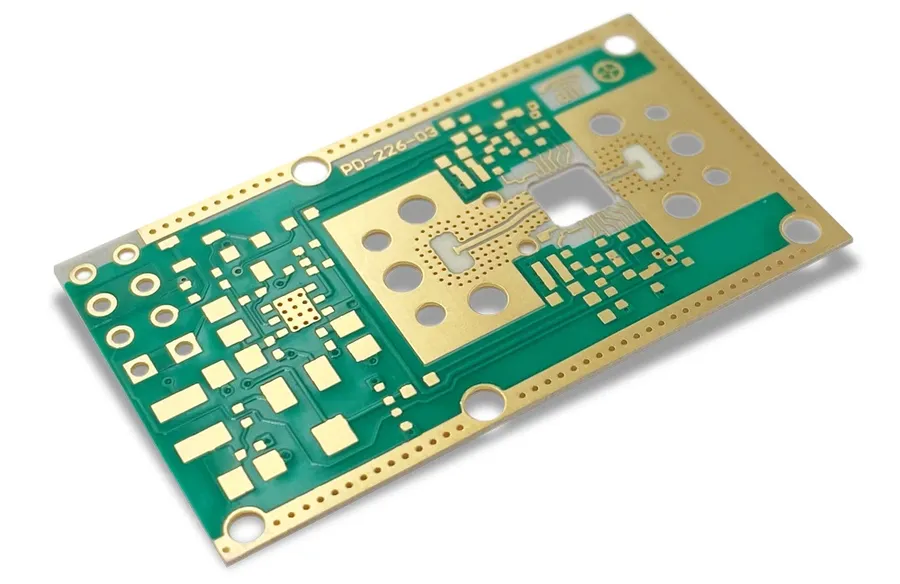
Rogers PCB Board
Selecting the right Rogers PCB manufacturer is crucial for ensuring the success of high-frequency electronic projects. Several critical factors must be evaluated to guarantee that the chosen partner can meet the stringent requirements associated with Rogers materials. These factors include manufacturing capabilities, experience with Rogers materials, certifications, turnaround time, prototyping services, and cost considerations, each playing a significant role in the overall project outcome.
Manufacturing Capabilities Assess the manufacturer's ability to handle the specific Rogers materials required (e.g., RO4350B, RO4003C, RT5880) and the necessary fabrication processes for high-frequency applications. Consider factors such as the manufacturer’s minimum trace width and spacing capabilities, layer count capacity, and panel size.
Experience with Rogers Materials Verify the manufacturer's depth of experience in handling Rogers materials. Expertise in material processing, lamination techniques, and understanding the unique characteristics of Rogers substrates is vital for avoiding manufacturing defects and ensuring reliable performance.
Certifications and Quality Standards Check for relevant industry certifications such as ISO 9001, AS9100, or others that demonstrate a commitment to quality and process control. These certifications are indicative of the manufacturer’s adherence to established standards and their ability to produce high-quality PCBs.
Turnaround Time Evaluate the manufacturer's typical lead times for production and how well they align with your project timeline. It’s important to determine if they offer quick-turn services or expedited manufacturing for rapid prototyping.
Prototyping Services Confirm the availability of robust prototyping services, including design assistance and fabrication of small quantities. This ensures early design verification and risk mitigation before moving to mass production.
Cost Considerations Analyze cost structures, including material, tooling, fabrication, and testing expenses. While Rogers materials are generally more expensive than standard FR-4, evaluate the total project cost based on your specific needs and the manufacturer's capabilities, including potential discounts for volume production.
Rogers PCB Manufacturer Capabilities: A Comparison
PCB Manufacturing Factory
Selecting the right Rogers PCB manufacturer requires a thorough evaluation of their capabilities, specifically their expertise with Rogers materials, their specializations, and their manufacturing locations. A comparative analysis is crucial to identify the ideal partner for your project’s unique requirements, ensuring alignment with your desired performance and reliability targets.
Manufacturer
Material Expertise
Specializations
Manufacturing Locations
Certifications
Prototyping Services
Typical Turnaround Time
Manufacturer A
RO4350B, RO4003C, RT5880
High-frequency PCBs, RF applications
USA, China
ISO 9001, AS9100
Yes, quick-turn prototypes
1-2 weeks
Manufacturer B
RO4350B, RO3003, TMM
Aerospace and defense PCBs, High-reliability
Europe
ISO 9001, IPC Class 3
Yes, with design support
2-3 weeks
Manufacturer C
RO4003C, RO3035
Automotive radar PCBs
Asia
ISO/TS 16949, IATF 16949
Yes, small batch production
1-2 weeks
Manufacturer D
RO4350B, RT5880
Antenna PCBs, Millimeter-wave applications
North America
ISO 9001
Yes, with impedance control
1 week
Manufacturer E
RO4835, RO3003
Medical device PCBs, High-precision
Europe, Asia
ISO 13485, ISO 9001
Yes, with micro vias
2-4 weeks
Rogers PCB Applications Across Industries
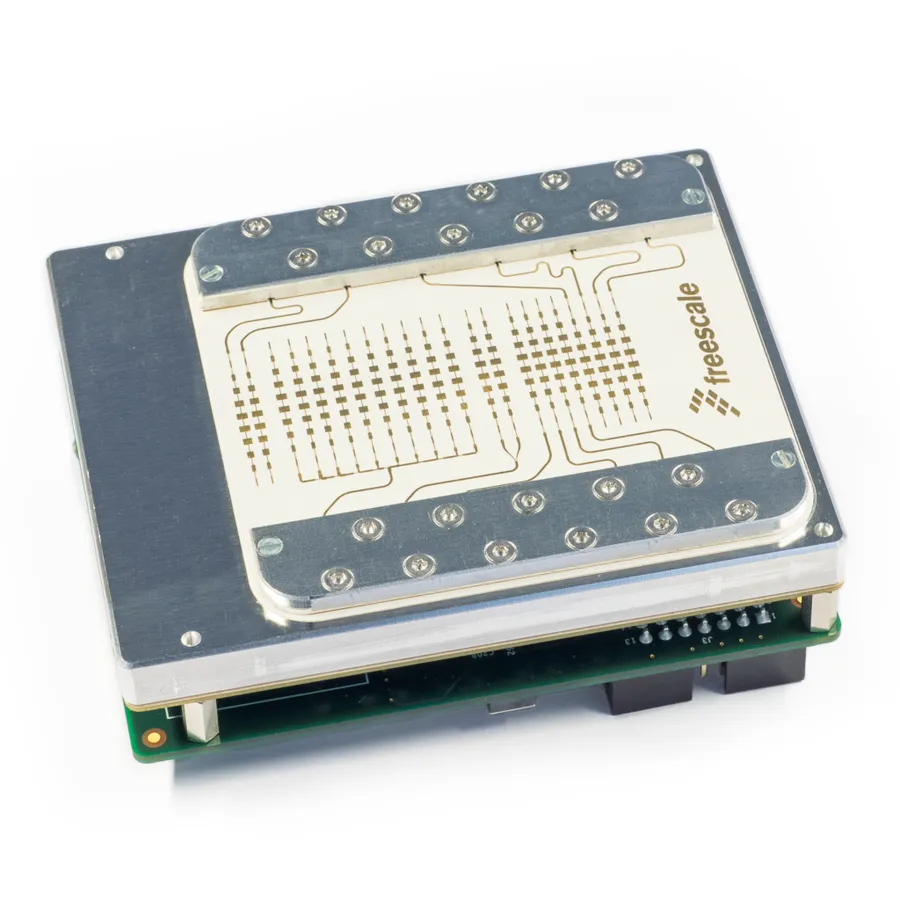
Radar PCB Antenna
Rogers PCBs, distinguished by their superior high-frequency performance, find extensive use across diverse industries that demand precision and reliability in signal transmission. Their unique material properties make them indispensable in applications where traditional FR-4 substrates fall short.
Below are some key industries and applications that benefit significantly from the use of Rogers PCB materials:
Telecommunications In the telecommunications sector, Rogers PCBs are crucial for high-frequency applications such as base stations, antennas, and microwave communication systems. Their low dielectric loss and stable dielectric constant enable efficient signal transmission with minimal signal degradation.
Aerospace and Defense Rogers PCBs are utilized in radar systems, satellite communication equipment, and various avionics applications. The materials' excellent thermal stability and low outgassing characteristics are vital for the harsh environments encountered in these fields.
Automotive Radar Systems Automotive radar systems rely on Rogers PCBs for their ability to handle high-frequency signals with precision. These systems are crucial for advanced driver-assistance systems (ADAS), including collision avoidance, adaptive cruise control, and blind-spot monitoring.
Advanced Medical Equipment Medical imaging, diagnostic equipment, and patient monitoring systems often use Rogers PCBs due to their low loss and high reliability. The precise signal integrity offered by these materials is essential for accurate measurements and imaging.
High-Performance Computing In high-performance computing, Rogers PCBs facilitate efficient signal transmission for high-speed data processing and server applications. The materials' ability to maintain signal integrity at high frequencies is vital for optimal system performance.
Test and Measurement Equipment Rogers PCBs are used in signal generators, spectrum analyzers, and other high-precision test equipment because of their low loss and stable performance, ensuring reliable and accurate measurements.
Wireless Communication Wireless communication technologies such as 5G, IoT, and Wi-Fi systems frequently employ Rogers PCBs due to their superior performance at high frequencies. These materials are essential for maintaining reliable connectivity and achieving higher data rates.
The selection of a Rogers PCB manufacturer should align with the specific demands of these applications. Manufacturers with demonstrable experience in your target industry are more likely to deliver boards that meet stringent performance and reliability standards.
Prototyping and Small Batch Production with Rogers Materials
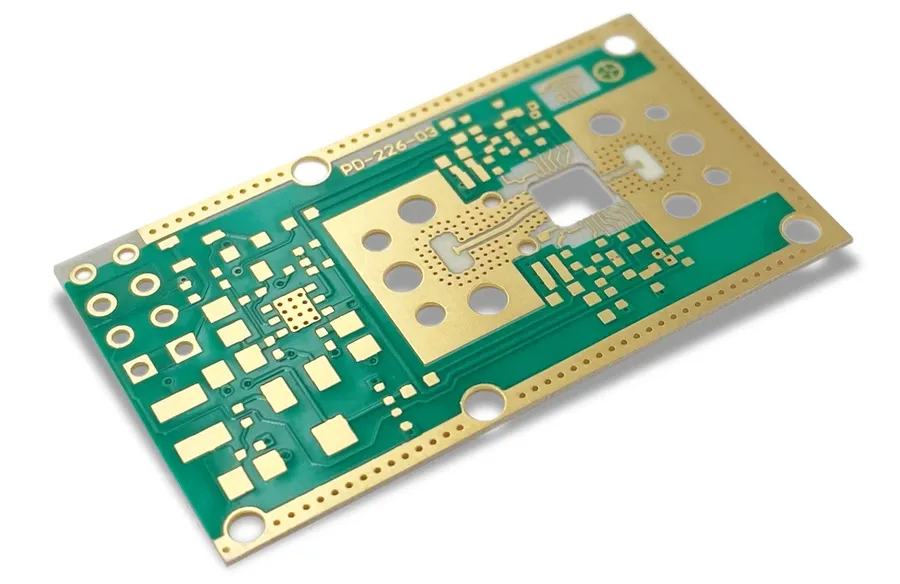
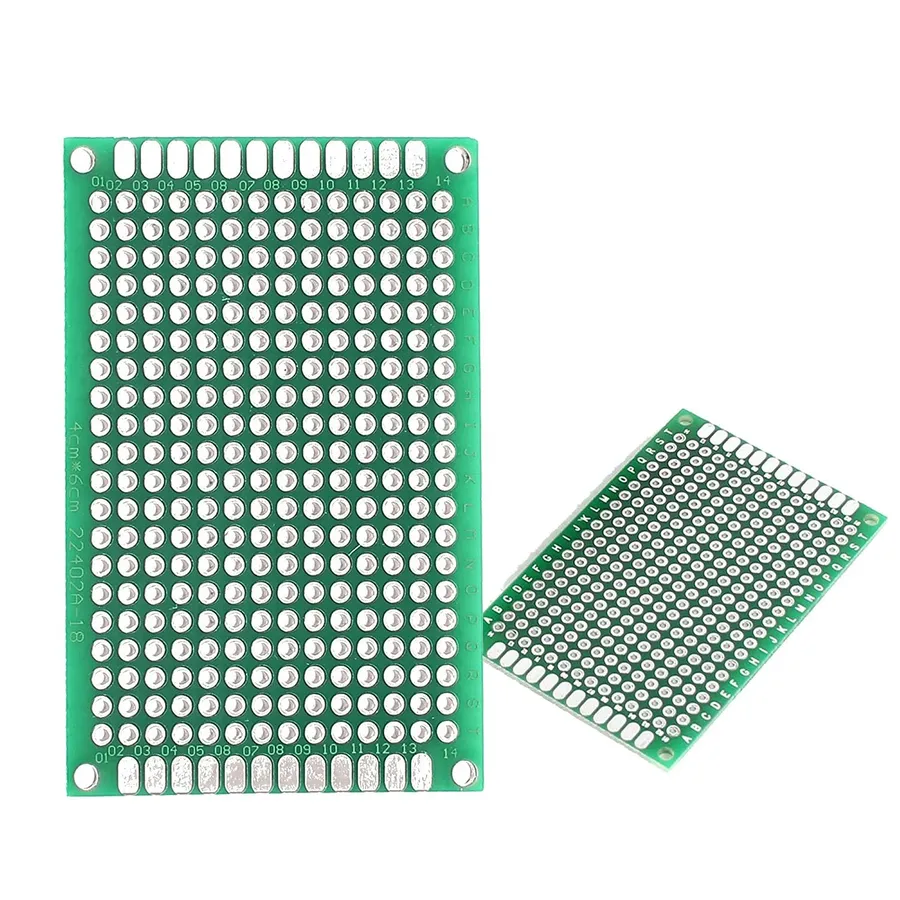
PCB Prototypes
Prototyping is an indispensable step in the development of any electronic product, especially when utilizing specialized materials like Rogers PCBs. It allows for early verification of design concepts, identification of potential issues, and optimization before full-scale production. Manufacturers specializing in Rogers materials often offer tailored services for small batch production, recognizing the unique challenges and demands of these advanced applications.
The significance of prototyping with Rogers materials is multi-faceted. It allows engineers to test the design's performance characteristics in real-world conditions using the precise materials intended for the final product. This is particularly crucial due to the specific dielectric and thermal properties of Rogers laminates, which directly influence high-frequency circuit behavior. Furthermore, the cost implications of identifying a design flaw during the prototyping phase are far less severe than during full-scale production.
Quick-Turn Services Manufacturers focused on Rogers PCBs often provide quick-turn prototyping services. This enables rapid turnaround times, often within days, for prototype boards. These services accelerate the development cycle, allowing for faster design iterations based on real test data.
Design Support Many manufacturers offer design support services specifically tailored to Rogers materials. This can include impedance calculations, material selection guidance, and design for manufacturability (DFM) reviews. Such support ensures that the prototypes are optimized for high-frequency performance and efficient manufacturing.
Small Batch Production Expertise Beyond prototyping, these manufacturers are equipped to handle small batch production runs of Rogers PCBs. This capability is essential for initial market testing or for niche applications where mass production is not required.
Rogers PCB Assembly Services and Turnkey Solutions
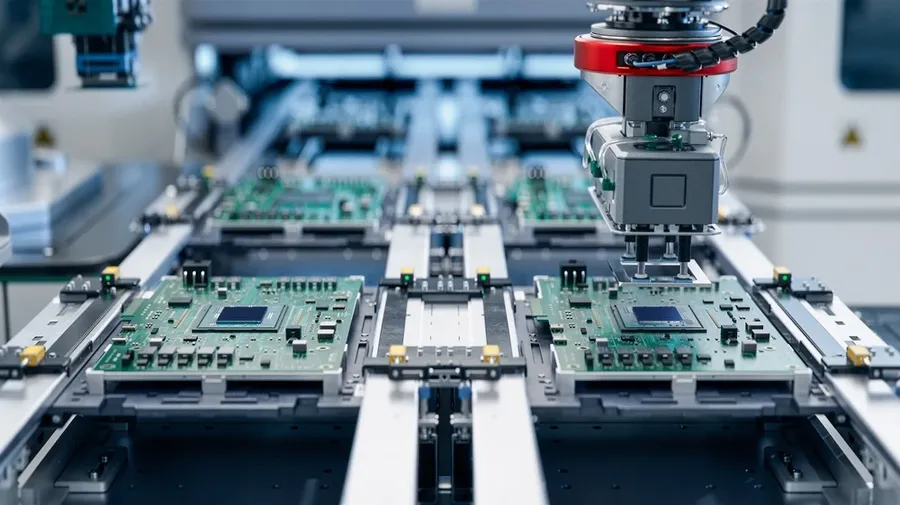
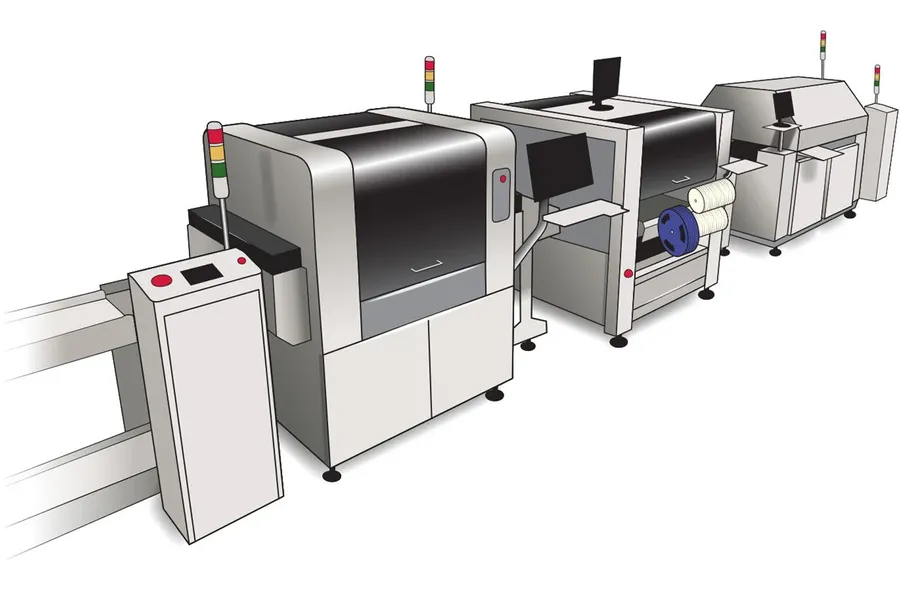
PCB Assembly Line
Manufacturers offering Rogers PCB assembly services provide a streamlined, turnkey solution, encompassing everything from bare board fabrication to fully assembled and tested circuit boards. This integrated approach simplifies the supply chain, reduces project timelines, and ensures compatibility between the PCB and its components. By providing a single point of contact, these manufacturers alleviate the burden of coordinating multiple vendors, resulting in a more efficient and cost-effective process for clients.
Turnkey solutions are particularly advantageous for complex high-frequency designs using Rogers materials, where precise component placement and impedance control are crucial. These services often include:
Component Sourcing Procurement of all necessary electronic components, ensuring quality and authenticity.
Surface Mount Technology (SMT) Assembly Automated placement of components on the PCB, ideal for high-density and fine-pitch devices commonly used in Rogers PCB applications.
Through-Hole Assembly Insertion of components with leads that pass through the PCB, suitable for larger or mechanically robust components.
Mixed Technology Assembly Combining both SMT and through-hole assembly methods to cater to diverse component types on a single board.
Reflow Soldering A process where solder paste is applied and then heated to create permanent solder joints for SMT components. Temperature profiles are crucial for Rogers materials to maintain their integrity.
Wave Soldering A bulk soldering process used primarily for through-hole components, typically after the SMT process.
Automated Optical Inspection (AOI) Automated inspection using high-resolution cameras to identify defects in solder joints and component placement, ensuring high assembly quality.
Functional Testing Rigorous testing to verify the electrical performance of the assembled PCBs, ensuring they meet design specifications.
In-Circuit Testing (ICT) A comprehensive test using electrical probes to check circuit performance and diagnose manufacturing defects.
X-ray Inspection Non-destructive testing method using X-rays to inspect solder joints underneath components, such as BGAs, that are difficult to visually assess.
The availability of these services allows clients to receive fully functional, ready-to-use Rogers PCBs, reducing their overall project complexity and risk.
Frequently Asked Questions About Rogers PCBs
This section addresses common inquiries regarding Rogers PCBs, providing clear and concise answers to help you understand their unique properties, applications, and limitations compared to traditional PCB materials like FR-4. We aim to clarify the key aspects that influence your decision-making process when choosing Rogers materials for your specific project needs.
What makes Rogers PCBs superior to FR-4 for high-frequency applications? Rogers materials, unlike FR-4, exhibit superior electrical performance at high frequencies due to their lower dielectric loss tangent and more stable dielectric constant over frequency and temperature. This results in reduced signal attenuation and improved signal integrity, which are crucial in high-speed and RF designs. Furthermore, Rogers materials often have better thermal management properties compared to FR-4.
Which specific Rogers material is best for my application? The 'best' Rogers material depends heavily on your application's specific requirements. For example, RO4350B is a popular choice for general high-frequency applications, while RO4003C offers tighter control of dielectric constant, making it ideal for impedance-controlled circuits. RT5880 is often selected for applications demanding extremely low dielectric loss. Consulting with your PCB manufacturer, who can take your design needs into account and provide recommendations based on their specific expertise, is often the best approach.
What are the limitations of Rogers PCBs? While Rogers PCBs offer superior performance at high frequencies, they generally have higher material costs compared to FR-4. Some Rogers materials may also be more difficult to process, requiring specialized manufacturing techniques. Additionally, certain Rogers laminates may have limited availability or longer lead times. FR-4, despite its limitations, provides a more cost effective solution for applications not requiring the same level of high frequency performance.
How does the Rogers dielectric constant impact circuit performance? The dielectric constant (Dk) of a PCB material influences the signal propagation speed and the impedance of transmission lines. Rogers materials allow for designing circuits with predictable impedance values. Variations in Dk over temperature or frequency will affect the consistency of impedance across the board. Choosing a Rogers material with a Dk that matches the requirements of the specific application and keeping this value stable during operation will ensure that the circuit behaves as designed.
Are there any special handling considerations required for Rogers PCB materials during manufacturing? Yes, some Rogers materials, particularly those with high PTFE content, require specific handling procedures due to their low mechanical strength. This might include using special tools, adjustments to processing parameters, and controlled storage environments. An experienced Rogers PCB manufacturer will have the right processes in place to handle these materials effectively and avoid any issues during manufacturing.
Can Rogers PCBs be used in multilayer PCB designs? Yes, Rogers materials can be used in multilayer PCB designs. However, because of their relative cost it is sometimes necessary to use FR-4 material for the internal layers. It's important to design with a good understanding of the different CTE (Coefficient of Thermal Expansion) values of all the materials within the stack-up. This will ensure a reliable and long lasting design. It's important to make this clear to your PCB manufacturer so they can ensure proper processing is performed.
What is the typical cost difference between Rogers PCBs and FR-4 PCBs? Rogers PCB's are typically more expensive than FR-4 PCBs because the raw materials are generally more costly. Additionally, Rogers PCB fabrication can require specialized equipment and processes, which can also increase manufacturing expenses. The exact cost difference will vary depending on the specific materials chosen, the board size, the complexity of the design and the volume of production. It’s crucial to obtain custom quotes from manufacturers to accurately compare expenses.
Future Trends in Rogers PCB Manufacturing
The Rogers PCB manufacturing landscape is rapidly evolving, driven by the increasing demand for high-performance electronics in applications like 5G, autonomous driving, and advanced radar systems. These advancements necessitate materials and manufacturing techniques that push the boundaries of current capabilities. Staying ahead requires understanding these trends and adapting to the future demands of PCB design and fabrication.
Advanced Material Development Research is focusing on creating new Rogers materials with enhanced properties, such as lower loss tangents at higher frequencies, improved thermal conductivity, and better mechanical stability. These materials will enable even more efficient and reliable high-frequency circuit designs. Nanomaterials and composites are also being explored to fine-tune dielectric properties and achieve specific performance characteristics.
Miniaturization and Finer Pitch Designs The trend towards smaller and more densely packed electronics is driving the need for finer pitch designs in PCBs. Manufacturers are investing in advanced equipment and processes to fabricate PCBs with smaller vias, traces, and spaces. This miniaturization allows for increased functionality in smaller footprints, critical for applications like wearable technology and IoT devices.
Increased Demand for High-Frequency Applications With the proliferation of 5G and other high-frequency technologies, the demand for Rogers PCBs optimized for these applications continues to grow. This requires not only advanced materials but also specialized manufacturing techniques to ensure signal integrity and performance at these frequencies. Manufacturers will increasingly need to demonstrate precision control of impedance and signal transmission properties.
Integration of Advanced Manufacturing Techniques Advanced manufacturing processes such as laser direct structuring (LDS), additive manufacturing (3D printing), and advanced etching techniques are being increasingly adopted by Rogers PCB manufacturers. These technologies allow for more complex geometries, greater design flexibility, and the ability to prototype and manufacture boards more quickly. Automation and AI are also starting to play a bigger role in optimizing the manufacturing process, improving yield, and reducing production time.
Sustainability and Environmental Concerns The industry is becoming more aware of environmental impact and is striving for more sustainable manufacturing processes. This includes efforts to reduce waste, use environmentally friendly materials, and minimize the energy consumption during production. Manufacturers are also increasingly looking to provide recycling and reuse programs for electronic components.
Choosing the right Rogers PCB manufacturer is a crucial step in ensuring the success of your high-frequency electronic projects. By understanding the different materials, evaluating manufacturer capabilities, and considering your specific application needs, you can select a partner that will help you bring your innovations to life. Whether you're looking for quick-turn prototypes or large-scale production, there is a Rogers PCB manufacturer ready to meet your needs with precision and expertise. Remember to focus on Rogers PCB manufacturers that align with the needs of your industry.