In today's interconnected world, Printed Circuit Boards (PCBs) are the backbone of almost every electronic device. The selection of a suitable PCB assembly supplier is critical to the success of any electronics project. This guide delves into essential aspects of choosing a reliable PCB assembly partner, ensuring your projects are handled with precision and expertise. From understanding the manufacturing processes to exploring different supplier options, we aim to equip you with the necessary knowledge to make informed decisions. With the right supplier, you can bridge the gap between innovation and tangible electronic solutions.
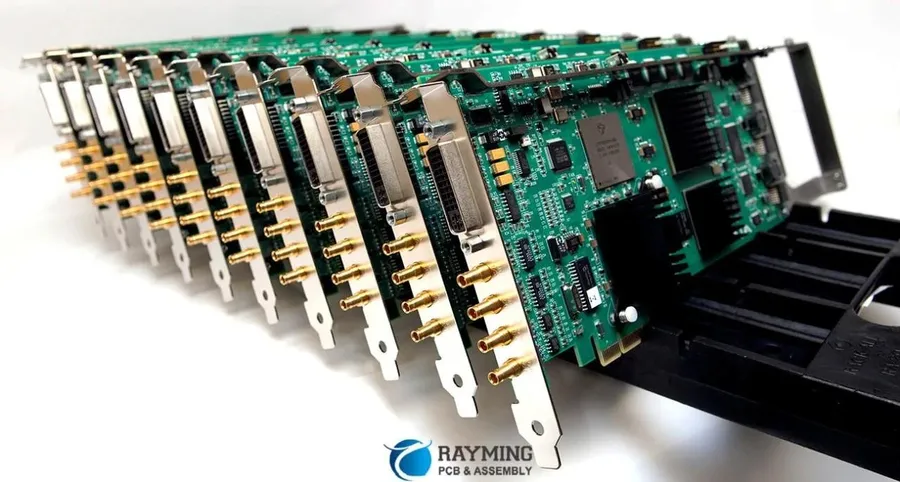
Prior to engaging a PCB assembly supplier, a clear understanding of your project's specific requirements is paramount. This involves defining several key parameters such as the complexity of the PCB design, the required production volume (whether it's for prototyping, low-volume, medium-volume, or high-volume production), the necessary lead time, and the allocated budget. A well-defined project scope will enable a more focused and effective selection of suitable manufacturing partners, ensuring that their capabilities align perfectly with your project demands.
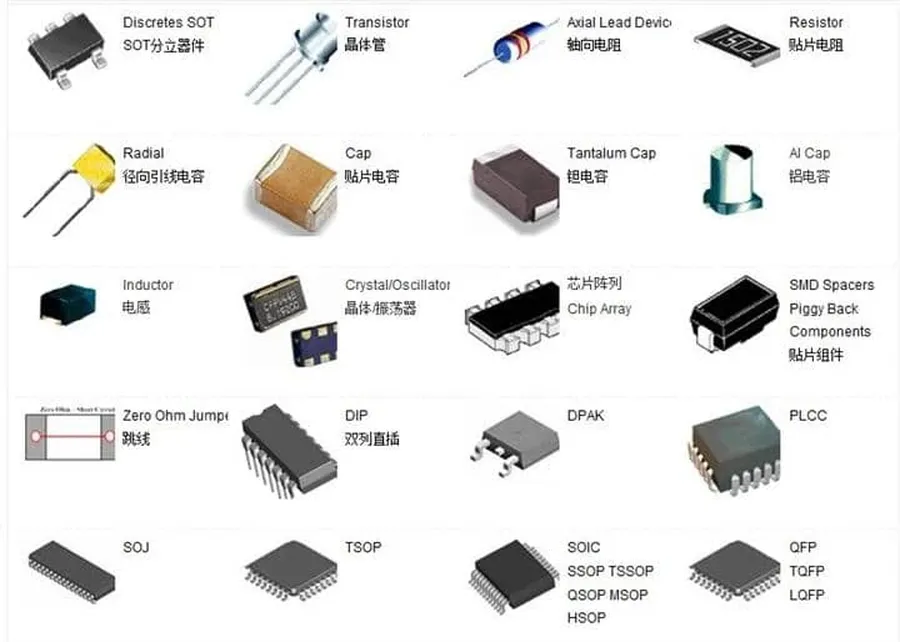
PCB assembly services vary widely, each catering to specific needs and complexities. Understanding these differences is crucial for selecting the right partner. This section outlines the primary assembly methods, including Surface Mount Technology (SMT), Through-Hole Technology (THT), mixed assembly, and turnkey solutions, highlighting the characteristics of each approach.
| Service Type | Description | Typical Application | Advantages | Disadvantages |
|---|---|---|---|---|
| Surface Mount Technology (SMT) | Components are mounted directly onto the surface of the PCB using solder paste. | High-density, small-size electronics, most modern devices. | High component density, automated assembly, cost-effective for large volumes. | Requires precise placement, less robust mechanically. |
| Through-Hole Technology (THT) | Components have leads that are inserted through holes in the PCB and soldered on the other side. | High-power applications, robust connections, larger components. | Strong mechanical bonds, easier to prototype, suitable for larger components. | Lower component density, manual assembly can be costly, not suitable for miniaturization. |
| Mixed Assembly | Combination of both SMT and THT on the same PCB. | Complex boards with diverse components, power electronics with control circuitry. | Flexibility to use best fitting technology for each component, cost optimization possible. | Requires specialized equipment and knowledge, adds complexity to assembly process. |
| Turnkey Assembly | The supplier manages the entire process, from component procurement to final testing. | Projects where full project delegation is desired, complete supply chain oversight. | Simplified management, single point of contact, faster time to market. | May have less control over component selection, could be more expensive than partial service. |
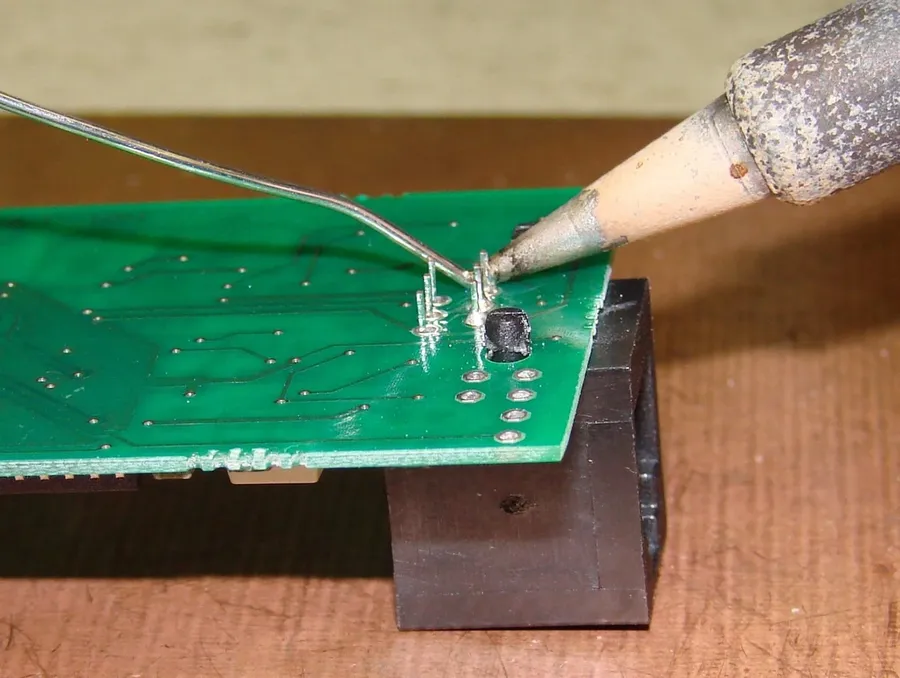
Selecting the right PCB assembly supplier is crucial for the success of any electronics project. It requires careful evaluation of various factors to ensure a reliable partnership that meets your specific needs and project goals. This section delves into the essential criteria for choosing a supplier that can deliver high-quality, cost-effective PCB assembly services.
| Factor | Description | Importance |
|---|---|---|
| Certifications (ISO, UL) | Compliance with industry standards such as ISO 9001 for quality management and UL certifications for safety standards. | Ensures quality and adherence to recognized benchmarks, crucial for reliability and compliance. |
| Manufacturing Capabilities | Assessment of the supplier’s technological capabilities, including SMT, through-hole, mixed assembly, and BGA placement. | Determines the supplier’s ability to handle your project's complexity and assembly requirements. |
| Component Sourcing Network | Verification of the supplier’s access to reputable component distributors and their ability to procure quality components at competitive prices. | Affects component availability, cost, and overall project timeline. |
| Quality Control Processes | Evaluation of the supplier's quality control measures during assembly, including inspection and testing protocols to detect defects and ensure reliability. | Ensures the quality and functionality of the assembled PCBs. |
| Turnaround Time | Analysis of the supplier's lead times from component procurement to final assembly and delivery. | Determines the project's time-to-market, directly impacting project deadlines. |
| Cost | Comparison of quotes from different suppliers, considering all costs, including assembly fees, component costs, and NRE charges. | Directly impacts project budget and profitability. |
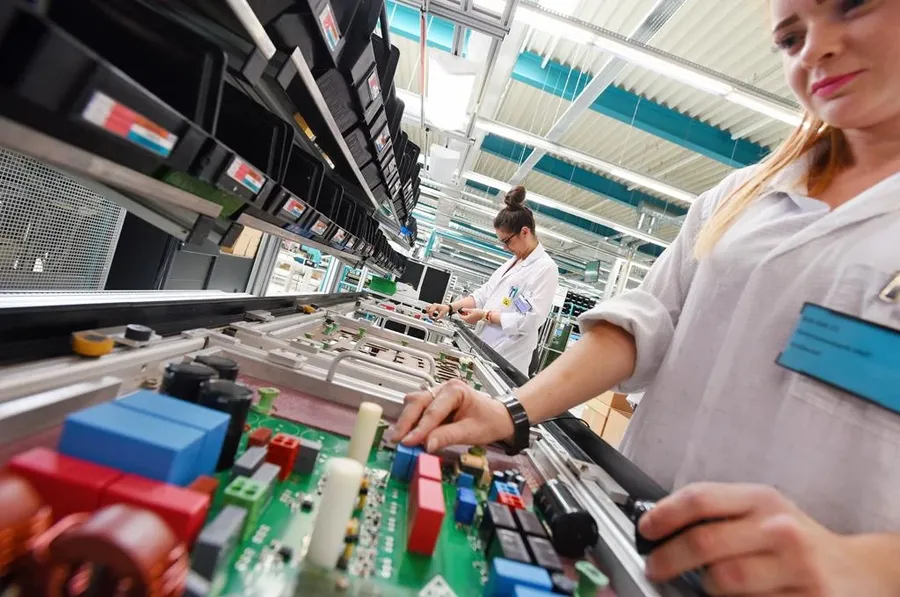
The decision between a local and an overseas PCB assembly supplier hinges on a trade-off between speed and cost, with implications for communication and supply chain management. Selecting the right geographic location for your PCB assembly partner requires a thorough assessment of your project’s priorities and constraints.
| Factor | Local PCB Assembly Suppliers | Overseas PCB Assembly Suppliers |
|---|---|---|
| Turnaround Time | Faster, often within days or weeks | Slower, typically weeks to months, including shipping |
| Communication | Easier, often in the same language and time zone | Potentially challenging due to language barriers, time zone differences, and cultural nuances |
| Cost | Generally higher due to higher labor costs and overhead | Typically lower due to lower labor costs and economies of scale |
| Quality Control | Potentially easier to oversee and address issues promptly | May require more rigorous upfront checks due to remote nature |
| Supply Chain Management | Simpler logistics and easier to manage and monitor | More complex logistics, longer lead times, and potential for shipping delays |
| Intellectual Property Protection | Potentially stronger protection under local laws | IP protection might be of more concern and require specific contracts |
| Flexibility | May offer greater flexibility for design changes and revisions | Might have less flexibility, design changes could take longer to implement |
Choosing a local supplier provides benefits such as improved communication, faster turnaround times, and easier resolution of issues. These advantages can be critical for projects that are time-sensitive or require close collaboration between the client and supplier. Conversely, engaging an overseas supplier typically offers significant cost savings due to lower labor and operational expenses, but this comes at the expense of potentially longer lead times, communication complexities, and challenges in overseeing quality control and intellectual property protection.
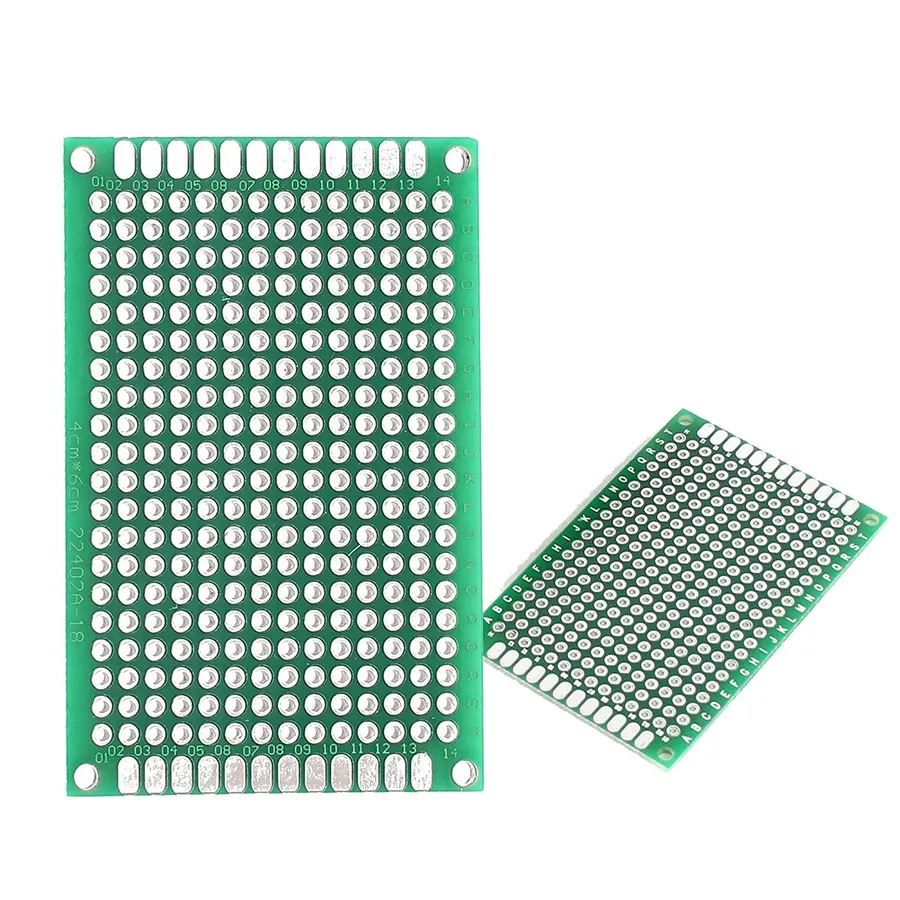
Differentiating between prototype and production PCB assembly is crucial for aligning project needs with supplier capabilities. Prototype assembly focuses on verifying design functionality and making iterative changes, whereas production assembly is geared toward cost-effective, large-scale manufacturing. Understanding these distinct phases ensures optimal resource allocation and project success.
| Feature | Prototype PCB Assembly | Production PCB Assembly |
|---|---|---|
| Quantity | Small, typically ranging from a few to a couple hundred units | Large, typically hundreds to thousands or more units |
| Flexibility | High flexibility for design changes and component modifications | Lower flexibility, optimized for consistency and efficiency |
| Turnaround time | Faster turnaround time for quicker testing and validation | Potentially longer lead times, especially for large quantities |
| Cost per Unit | Higher cost per unit due to lower volume and design iterations | Lower cost per unit due to economies of scale |
| Process Optimization | Process is less optimized to accommodate changes and iterations | Optimized for mass production and consistent quality |
| Focus | Focus on validation of design, functionality and performance | Focus on consistent high-volume production with cost-efficiency |
| Component Procurement | May be purchased in smaller quantities with more flexibility | Larger volume purchasing to take advantage of bulk pricing |
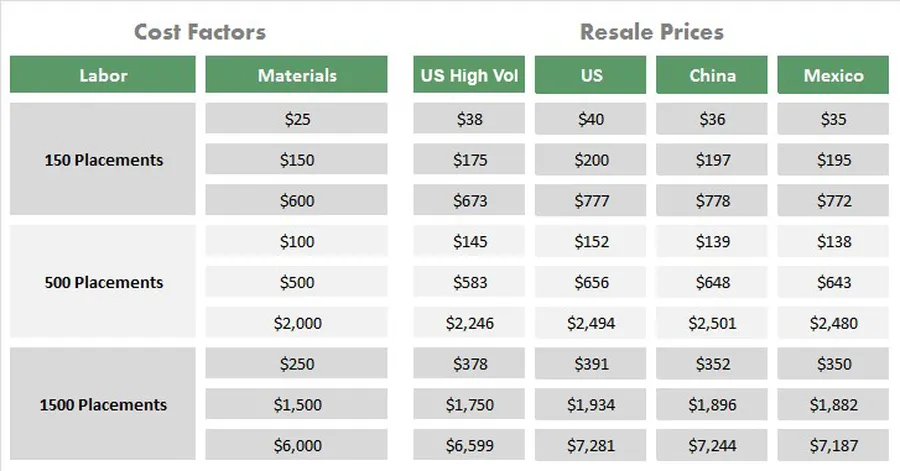
Understanding the cost drivers in PCB assembly is crucial for effective budgeting and supplier selection. These costs are multifaceted, encompassing not only the raw materials and assembly processes but also engineering setup and testing procedures. A comprehensive breakdown of these elements is essential for making informed decisions.
| Cost Category | Description | Factors Influencing Cost |
|---|---|---|
| Component Costs | The price of all electronic components used on the PCB. | Type of components, quantity, and market availability. |
| Assembly Costs | Labor and process costs for placing and soldering components onto the PCB. | Complexity of assembly, volume, and technology used (SMT, through-hole). |
| NRE (Non-Recurring Engineering) Costs | One-time costs for design setup, tooling, and programming. | Complexity of the design, required testing procedures, and special tools. |
| Testing Costs | Costs associated with electrical and functional testing. | Level of testing required (e.g., ICT, functional testing), and failure analysis. |
| Additional Costs | Costs associated with shipping, insurance, import duties, etc. | Distance, shipping speed, and international trade regulations. |
When comparing quotes from various PCB assembly suppliers, it is imperative to conduct a thorough assessment of each cost element. Ensure that all potential expenses, including hidden fees and charges, are disclosed transparently. This detailed analysis will allow you to accurately compare costs against the benefits and avoid unexpected financial surprises.
Navigating the landscape of PCB assembly can raise numerous questions. This section addresses some of the most frequently asked questions to provide clarity and guide your decision-making process when selecting a PCB assembly supplier.
Effective collaboration with your PCB assembly supplier is crucial for a successful project outcome. Optimizing communication, providing clear specifications, and managing design changes proactively can significantly streamline the assembly process and minimize potential delays or errors. A strong, collaborative relationship ensures that both parties are aligned on objectives and facilitates smoother project execution.
Selecting the optimal PCB assembly supplier requires a thorough comparison of various providers. This section presents a comparative analysis of several leading PCB assembly suppliers, highlighting their unique attributes, specializations, geographical presence, and service offerings. This analysis enables a well-informed decision based on specific project requirements and priorities, considering factors such as cost, lead time, and technological expertise.
| Supplier | Location | Specialties | Services | Capabilities | Unique Attributes |
|---|---|---|---|---|---|
| Supplier A | USA | High-complexity PCBs | SMT, Through-hole, Mixed Assembly, Turnkey | Advanced Manufacturing, Quick Turnaround | Strong focus on prototype and low-volume production, excellent customer support. |
| Supplier B | China | Cost-effective high volume PCBs | SMT, Through-hole, Mixed Assembly, Turnkey | Scalable manufacturing, cost-effective solutions | Offers complete BOM sourcing and logistic support, suitable for large scale projects. |
| Supplier C | Europe | Specialized PCBs for industrial applications | SMT, Through-hole, Mixed Assembly, Testing | High quality manufacturing, strong industry certifications | High reliability products, excellent quality assurance. |
| Supplier D | USA | Flexible and rapid prototypes | SMT, Through-hole, Quick Turn Assembly | Fast turnaround times, rapid prototyping | Focuses on quick prototyping with flexible volumes and fast response. |
| Supplier E | Taiwan | Large volume production for consumer electronics | SMT, Through-hole, Mixed Assembly | High speed assembly lines | Competitive pricing for mass production, good for high volume orders. |
Choosing the right PCB assembly supplier is a pivotal step for any electronics project. By understanding your needs, evaluating suppliers based on key criteria, and considering factors like cost, location, and service types, you can ensure the success of your project with a reliable partner. Whether you’re looking for a local PCB assembly supplier or a large-scale production partner, selecting the right partner is critical to your project success. This strategic approach not only guarantees quality and efficiency, but also streamlines your entire process, from conception to product launch, making the right pcb assembly supplier an invaluable asset.

