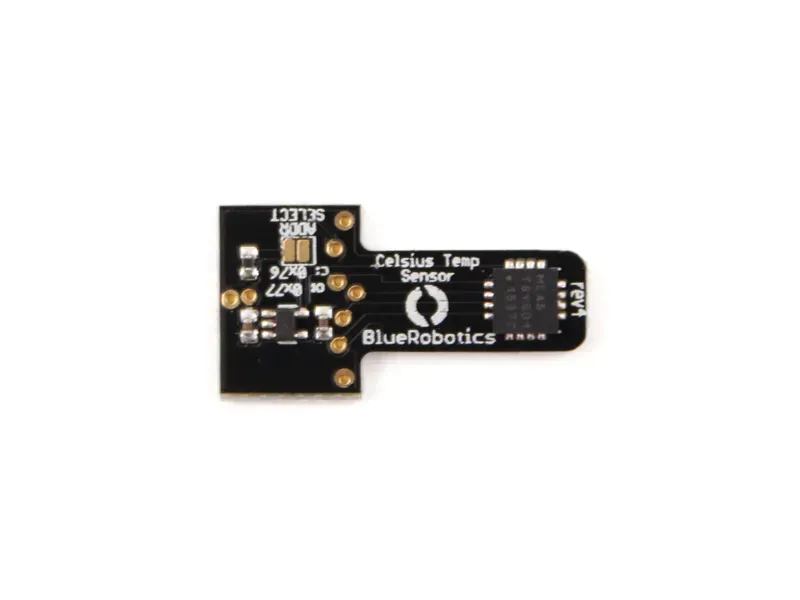
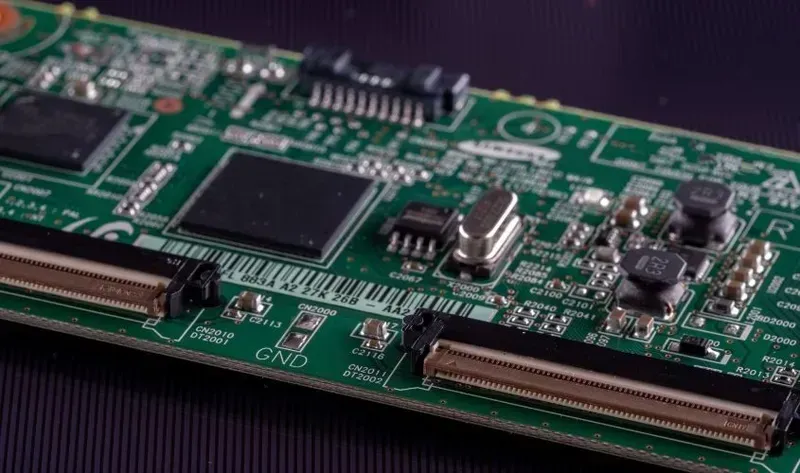
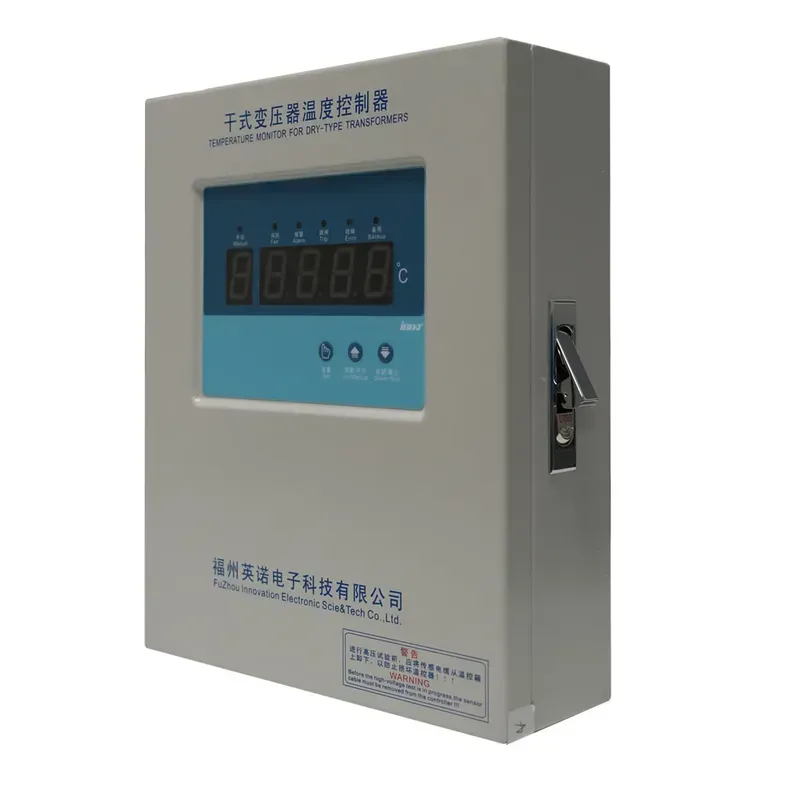
Transformers are vital components in electrical grids and industrial applications. Overheating can lead to efficiency loss, equipment damage, and even catastrophic failures. Real-time temperature monitoring is crucial for preventing these issues. At Zero One Solution Limited, we offer specialized PCB solutions for transformer temperature monitoring, enabling proactive maintenance and enhanced operational lifespan. We leverage our expertise in rapid prototyping and PCB design to provide one-stop solutions that address thermal challenges.
Introduction: The Importance of Transformer Temperature Monitoring
Transformers are the bedrock of modern electrical infrastructure, ensuring efficient power transmission and distribution across grids. Their reliable operation is paramount; however, these vital components are highly susceptible to thermal stress, with elevated temperatures being a primary cause of accelerated aging, reduced efficiency, and catastrophic failures. Effective temperature monitoring is not merely a best practice but a critical imperative for maintaining grid stability, prolonging asset lifespan, and preventing costly outages and safety hazards. Without precise and continuous temperature surveillance, the risk of unmanaged thermal runaway poses a significant threat to operational continuity and financial viability.
Understanding Thermal Dynamics in Transformers The operational lifespan of a transformer is inversely proportional to its winding hottest-spot temperature. For every 6-8°C increase above its rated temperature, the insulation's useful life can be halved. This exponential relationship underscores why even slight, sustained temperature deviations can lead to premature transformer degradation. Heat generation stems from core losses (hysteresis and eddy currents) and copper losses (I²R losses in windings), which must be efficiently dissipated. Inadequate cooling, exacerbated by ambient conditions or overloading, directly elevates internal temperatures, compromising insulation integrity and mechanical stability of components. Accurately characterizing these thermal dynamics through monitoring provides crucial insights for predictive maintenance and operational adjustments, ensuring the transformer operates within safe thermal limits and extending its service life beyond conventional expectations. According to IEEE C57.91-1995, maintaining proper winding temperatures is crucial for preserving insulation life, highlighting the direct correlation between thermal management and asset longevity.
The consequences of inadequate transformer temperature monitoring extend far beyond simple component failure. An overheated transformer can lead to:
Reduced Lifespan and Premature Failure Sustained high temperatures degrade insulation materials (e.g., cellulose paper, oil), leading to embrittlement, reduced dielectric strength, and ultimately, insulation breakdown and short circuits. This significantly shortens the operational life of the transformer, necessitating costly early replacement or extensive repairs, thereby increasing total cost of ownership and disrupting service.
Given these profound risks, implementing robust and precise temperature monitoring solutions is indispensable for any entity relying on transformers. It transitions maintenance from a reactive, breakdown-centric model to a proactive, predictive approach, enhancing reliability and cost-effectiveness.
Challenges in Transformer Temperature Monitoring
Accurately monitoring transformer temperatures is paramount for operational reliability and longevity, yet it presents several intricate challenges. The inherent complexity of transformer design, coupled with dynamic operating environments, necessitates advanced and often non-invasive measurement techniques. These challenges, if unaddressed, can lead to inefficiencies, premature failures, and significant financial losses, underscoring the critical need for sophisticated PCB solutions that can overcome these hurdles effectively.
Insulation Interference Transformers utilize various insulation materials (oil, paper, resin) that can thermally isolate internal components, making it difficult for external sensors to accurately gauge core and winding temperatures. Traditional contact methods may also compromise insulation integrity, necessitating non-invasive or embedded solutions that do not interfere with the dielectric strength or thermal properties of the insulation system. Fiber optic sensors are often considered for their non-electrical nature and immunity to electromagnetic interference, providing accurate readings without impacting insulation.
Environmental Factors Transformers often operate in diverse and harsh environments, including extreme temperatures, high humidity, and significant electromagnetic interference (EMI). These conditions can affect sensor accuracy, reliability, and lifespan. The monitoring solution must be robust enough to withstand these external influences while maintaining precise measurement capabilities. Shielding and robust component selection are vital to mitigate EMI effects on sensitive sensor circuitry, ensuring data integrity in electrically noisy environments.
Hotspot Detection and Localization Temperature distribution within a transformer is rarely uniform, with localized hotspots (e.g., winding hottest spot) often being the precursor to failure. Accurately identifying and monitoring these specific hotspots is challenging due to their small size and varied locations within the transformer's complex geometry. Effective solutions require multiple, strategically placed sensors or advanced thermal imaging techniques to map temperature profiles and pinpoint critical areas proactively. Computational Fluid Dynamics (CFD) models are increasingly used to predict hotspot locations, guiding optimal sensor placement for real-time validation.
Zero One Solution Limited delivers a cutting-edge PCB solution for transformer temperature monitoring, engineered to address the critical need for precise and reliable thermal management in electrical infrastructure. Our specialized PCB integrates advanced sensing, signal processing, and communication capabilities onto a compact, robust platform, significantly enhancing the longevity and operational safety of transformers. This dedicated approach not only provides superior accuracy compared to conventional methods but also facilitates seamless integration into diverse monitoring systems, establishing a new benchmark for proactive transformer maintenance.
Key Features of Zero One Solution's Transformer Temperature Monitoring PCB Our PCB solution incorporates high-precision digital temperature sensors, sophisticated analog-to-digital converters for accurate signal acquisition, and robust microcontrollers for data processing and communication. It is designed for electromagnetic compatibility (EMC) and thermal stability, ensuring reliable performance in harsh industrial environments.
Benefits of Adopting Our PCB Solution Clients benefit from enhanced transformer lifespan through early detection of overheating, reduced unscheduled downtime, and optimized maintenance schedules. The solution also enables remote monitoring, providing real-time data access and facilitating proactive intervention, which translates to significant operational cost savings and improved grid reliability.
Design Considerations for Optimal Performance Our design philosophy prioritizes miniaturization, power efficiency, and long-term reliability. We employ multi-layer PCB stack-ups for improved signal integrity and thermal dissipation, along with selective component placement to minimize interference. The board is also designed to withstand high temperatures and vibrations, common challenges in transformer environments, ensuring consistent performance over its operational life.
Seamless Integration and Scalability The PCB solution offers flexible communication interfaces, including Modbus, RS-485, and Ethernet, allowing for effortless integration with existing SCADA or control systems. Its modular design supports scalability, enabling deployment across a wide range of transformer types and sizes, from distribution transformers to large power transformers.
Rapid Prototyping for Tailored Solutions Leveraging our rapid prototyping capabilities, Zero One Solution can quickly develop and iterate custom PCB designs to meet specific client requirements, including unique sensor configurations or specialized communication protocols. This agility ensures that our solution perfectly aligns with the distinct operational demands of each application.
Feature
Zero One Solution PCB Solution
Traditional Monitoring Methods
Accuracy
Superior (±0.5°C)
Variable (±2-5°C)
Response Time
Rapid (milliseconds)
Slow (seconds to minutes)
Integration
Seamless digital/analog
Often complex, analog-only
Maintenance
Low, predictive
High, reactive
Data Access
Real-time, remote
Manual, intermittent
Lifespan Enhancement
Significant (proactive)
Limited (reactive)
Key Components and Design of Our Temperature Monitoring PCB
PCB temperature sensor
Zero One Solution's advanced Transformer Temperature Monitoring PCB is engineered with precision, integrating critical components and a meticulous design philosophy to ensure unparalleled accuracy, reliability, and longevity in demanding operational environments. Our design emphasizes optimal thermal performance, robust signal integrity, and seamless integration, addressing the unique challenges of transformer temperature management to prevent costly failures and extend asset lifespan.
Temperature Sensors The cornerstone of our PCB solution, we integrate high-precision temperature sensors, including:Thermocouples: Ideal for wide temperature ranges and harsh environments, offering robust and reliable measurements.RTDs (Resistance Temperature Detectors): Known for their high accuracy and stability, suitable for precise monitoring applications.Integrated Temperature Sensors (e.g., IC-based sensors): Provide digital output, simplifying signal processing and offering a compact footprint, often used for internal PCB temperature compensation or ambient readings. The selection is optimized based on the specific transformer type, operational temperature range, and required measurement accuracy, ensuring the most effective sensing solution.
Signal Conditioning Circuits Raw sensor outputs often require conditioning to ensure accuracy and noise immunity. Our PCBs incorporate sophisticated signal conditioning circuits designed to:Amplify Weak Signals: Boost the low-voltage or low-current signals from sensors to a measurable range.Filter Noise: Remove electrical interference (EMI/RFI) inherent in industrial environments, crucial for maintaining signal integrity.Linearize Output: Compensate for non-linear sensor responses, providing a precise and linear temperature reading.Isolate Signals: Implement galvanic isolation to protect sensitive electronics from high voltage transients and ground loops, essential in power applications.
Communication Interfaces Enabling data transmission to control systems, our PCBs feature versatile communication interfaces such as:I2C/SPI: For direct, short-distance communication with microcontrollers.UART/RS-485: For robust, longer-distance serial communication, often used in industrial settings.Ethernet/Wireless Modules (Optional): For advanced remote monitoring and integration into IoT platforms, facilitating real-time data access and predictive maintenance.
Microcontrollers/Processors At the heart of the monitoring system, these components process sensor data, execute algorithms for temperature analysis, and manage communication protocols. Our selection ensures efficient data handling and real-time responsiveness.
Power Management Unit Ensures stable and clean power delivery to all components, vital for accurate sensor operation and overall system reliability. This includes voltage regulators, overcurrent protection, and transient suppression circuits.
Our PCB layout considerations are paramount to performance. We adhere to stringent design rules to optimize thermal performance by strategically placing heat-generating components and utilizing thermal vias and copper pours for efficient heat dissipation. For signal integrity, we meticulously manage trace routing, impedance matching, and ground plane design to minimize crosstalk, reflections, and noise interference, ensuring precise and reliable temperature readings even in electrically noisy environments. This holistic approach to component selection and design guarantees a robust and high-performing PCB solution for critical transformer temperature monitoring.
Advantages of Using a Dedicated PCB for Temperature Monitoring
A dedicated Printed Circuit Board (PCB) solution for transformer temperature monitoring offers unparalleled precision, efficiency, and system integration compared to conventional, often rudimentary, methods. These purpose-built PCBs eliminate the inherent limitations of fragmented monitoring approaches, providing a robust, reliable, and scalable foundation for proactive thermal management, which is critical for extending transformer lifespan and preventing catastrophic failures. By consolidating sophisticated sensing, signal conditioning, and communication functionalities onto a single, optimized platform, dedicated PCBs empower real-time, highly accurate temperature assessments, thereby safeguarding critical infrastructure and ensuring operational continuity. Our solutions at Zero One Solution Limited are engineered to deliver these precise and actionable insights, fundamentally transforming how transformer health is monitored and maintained.
Enhanced Accuracy and Reliability Dedicated PCBs are designed with optimal component placement and trace routing, minimizing signal noise and interference. This precise engineering ensures highly accurate temperature readings, often within ±0.5°C, significantly surpassing the typical ±2°C accuracy of general-purpose sensors. The robust design also increases reliability in harsh industrial environments, reducing false alarms and missed critical events. This precision allows for more targeted maintenance and operational adjustments, preventing premature aging and ensuring peak performance of the transformer.
Feature
Dedicated PCB Solution
Traditional Monitoring Methods
Accuracy
High (±0.5°C typical)
Moderate (±2°C typical)
Response Time
Fast (milliseconds)
Slow (seconds to minutes)
Integration
Seamless with digital systems
Often manual or complex analog
Remote Monitoring
Built-in capabilities
Limited or requires significant add-ons
Footprint
Compact, integrated
Bulky, multiple discrete components
Calibration Stability
Excellent due to integrated design
Variable, susceptible to drift
Beyond accuracy, the inherent advantages of a dedicated PCB extend to critical operational aspects. The integration of advanced communication interfaces allows for real-time data transmission to SCADA systems, cloud platforms, or local control units, enabling true remote monitoring. This capability facilitates proactive decision-making, predictive maintenance, and optimized load management, reducing the need for manual inspections and minimizing downtime. Moreover, the compact footprint and optimized power consumption of these PCBs make them ideal for integration into existing transformer enclosures, ensuring a streamlined and cost-effective upgrade path. Zero One Solution Limited's commitment to rapid prototyping further allows for tailored solutions, ensuring perfect alignment with specific transformer models and operational requirements, from high-voltage power transformers to industrial distribution units. This dedicated approach not only enhances safety and extends asset life but also drives significant operational efficiencies and cost savings for our clients.
Customization and Rapid Prototyping at Zero One Solution
Custom PCB prototype
At Zero One Solution, we recognize that no two transformer monitoring challenges are identical. Our commitment to providing precise and effective solutions is underpinned by our robust capabilities in customization and rapid prototyping, ensuring that our Transformer Temperature Monitoring PCB Solutions are perfectly aligned with your unique operational demands and accelerated development cycles. This bespoke approach allows for optimal performance and seamless integration, moving beyond one-size-fits-all limitations.
Tailored PCB Designs for Diverse Transformer Needs We specialize in crafting customized PCB designs that address the specific nuances of various transformer types, from power and distribution transformers to specialty and instrument transformers. This includes adapting sensor integration for different winding configurations, optimizing power management for varying operational environments, and designing communication interfaces that seamlessly integrate with your existing SCADA or control systems. Our expert engineers work collaboratively with clients to define precise specifications, ensuring the final PCB perfectly meets performance, size, and environmental requirements, leading to enhanced accuracy and reliability in temperature monitoring. This collaborative process ensures that every aspect, from sensor placement to data output, is optimized for your specific application, maximizing the effectiveness of the monitoring system and extending transformer lifespan by preventing thermal overstress.
Accelerated Product Development with Rapid Prototyping Our rapid prototyping services are a cornerstone of our value proposition, significantly compressing the development timeline from concept to deployment. Leveraging advanced manufacturing techniques and an agile design methodology, we can produce functional prototypes of your custom Transformer Temperature Monitoring PCB swiftly. This allows for quick validation of design iterations, performance testing under real-world conditions, and identification of any necessary refinements early in the development cycle. The ability to quickly iterate and test designs minimizes risks, reduces time-to-market, and ultimately accelerates your product innovation, ensuring you gain a competitive edge. Our state-of-the-art facilities and experienced team enable us to deliver high-quality prototypes with unmatched efficiency, ensuring that your monitoring solution is robust, accurate, and ready for integration without unnecessary delays.
Applications and Case Studies
Transformer temperature monitoring case study
Zero One Solution Limited's advanced Transformer Temperature Monitoring PCB Solutions have been successfully deployed across diverse industries, demonstrably enhancing operational reliability and extending asset lifespans. Our bespoke PCB designs offer unparalleled accuracy and responsiveness, crucial for preventing costly outages and ensuring optimal performance in critical power infrastructure. These real-world applications underscore the tangible benefits derived from precise, real-time temperature insights.
Industry
Application
Key Benefit Achieved
Quantifiable Result
Power Generation
Grid Transformer Monitoring
Prevented catastrophic failures
Reduced unscheduled downtime by 18%
Renewable Energy
Wind Turbine Transformer Health
Optimized maintenance schedules
Increased asset uptime by 15%
Industrial Manufacturing
Furnace Transformer Protection
Ensured continuous operation
Avoided production losses exceeding $500,000 annually
Data Centers
UPS System Transformer Reliability
Guaranteed power continuity
Maintained 99.999% power availability
Railway Systems
Traction Transformer Surveillance
Enhanced safety and operational efficiency
Decreased maintenance interventions by 25%
Case Study: Large-Scale Power Substation A major utility provider faced recurrent issues with overheating transformers in their primary substations, leading to unexpected outages. Zero One Solution developed and supplied a customized PCB solution integrating high-precision RTD sensors and a robust communication module. Post-implementation, the utility reported a 30% reduction in thermal alarms and a significant decrease in reactive maintenance calls, attributing the improvement directly to the proactive insights provided by our monitoring system. This led to a 10% improvement in grid stability and reliability.
Future Trends in Transformer Temperature Monitoring
The landscape of transformer temperature monitoring is continuously evolving, driven by advancements in sensor technology, data analytics, and connectivity. These emerging trends are poised to revolutionize how we protect and manage these critical assets, moving beyond reactive fault detection to proactive, predictive maintenance strategies. Zero One Solution Limited remains at the forefront of this evolution, leveraging our expertise in advanced PCB design and rapid prototyping to integrate these innovations into our monitoring solutions, ensuring our clients benefit from the most cutting-edge capabilities available.
Wireless Sensor Networks (WSNs) Traditional wired sensor installations can be complex and expensive. Wireless sensors offer greater flexibility, easier deployment, and reduced installation costs, especially in hard-to-reach areas. Advancements in low-power, long-range wireless protocols like LoRaWAN and NB-IoT are making WSNs increasingly viable for continuous, real-time transformer monitoring, minimizing the need for extensive cabling and associated electromagnetic interference.
Internet of Things (IoT) Integration IoT platforms enable seamless data collection from multiple sensors across a fleet of transformers, transmitting information to centralized cloud-based analytics platforms. This integration facilitates remote monitoring, global data accessibility, and the creation of a comprehensive digital twin of the transformer's operational health, allowing for unified management and analysis of diverse data streams.
Artificial Intelligence (AI) and Machine Learning (ML) for Predictive Maintenance Beyond simple threshold alarms, AI and ML algorithms analyze historical and real-time temperature data, along with other operational parameters, to identify subtle patterns indicative of impending failures. These algorithms can predict potential overheating issues before they become critical, optimizing maintenance schedules, extending asset lifespan, and preventing costly unscheduled downtimes. This transition from reactive to predictive maintenance is a paradigm shift in asset management.
Zero One Solution Limited is actively investing in R&D to incorporate these future trends into our PCB solutions. Our rapid prototyping capabilities allow us to quickly develop and test new sensor interfaces for wireless communication modules and design PCBs optimized for low-power operation essential for IoT deployments. Furthermore, our experience in integrating complex signal conditioning circuits prepares our solutions for the nuanced data required by advanced AI/ML algorithms. By staying ahead of these technological shifts, we ensure that our transformer temperature monitoring PCBs provide not just current, but also future-proof, robust solutions for asset protection and operational efficiency.
FAQs About Transformer Temperature Monitoring PCBs
Why is a dedicated PCB solution superior for transformer temperature monitoring? A dedicated PCB solution offers unparalleled precision, rapid data acquisition, and robust reliability compared to traditional, often manual or less integrated methods. It enables direct sensor integration, optimized signal conditioning, and seamless digital communication, critical for real-time monitoring and proactive maintenance. This specialized design minimizes signal loss, enhances noise immunity, and allows for miniaturization, crucial for fitting into confined transformer environments and ensuring long-term operational integrity and accuracy for critical infrastructure protection and predictive analytics capabilities.
In conclusion, Zero One Solution Limited's transformer temperature monitoring PCB solutions offer a comprehensive approach to safeguarding critical assets. By leveraging our expertise in PCB design, rapid prototyping, and thermal management, we empower clients to enhance transformer reliability, minimize downtime, and optimize operational efficiency. Contact us today to explore how our customized PCB solutions can address your specific transformer monitoring needs and contribute to a more resilient and efficient electrical infrastructure. Zero One Solution: Your Partner in Advanced PCB Solutions.