Just like how a radiator cools your car's engine, a transistor heat sink is vital for preventing overheating and ensuring longevity in electronic circuits. We'll explore everything about transistor heat sinks, from their fundamental function to selecting, installing and even building your own, empowering you to manage heat effectively and extend the life of your valuable electronic components. We'll delve into the science and practice behind these unsung heroes of electronics.
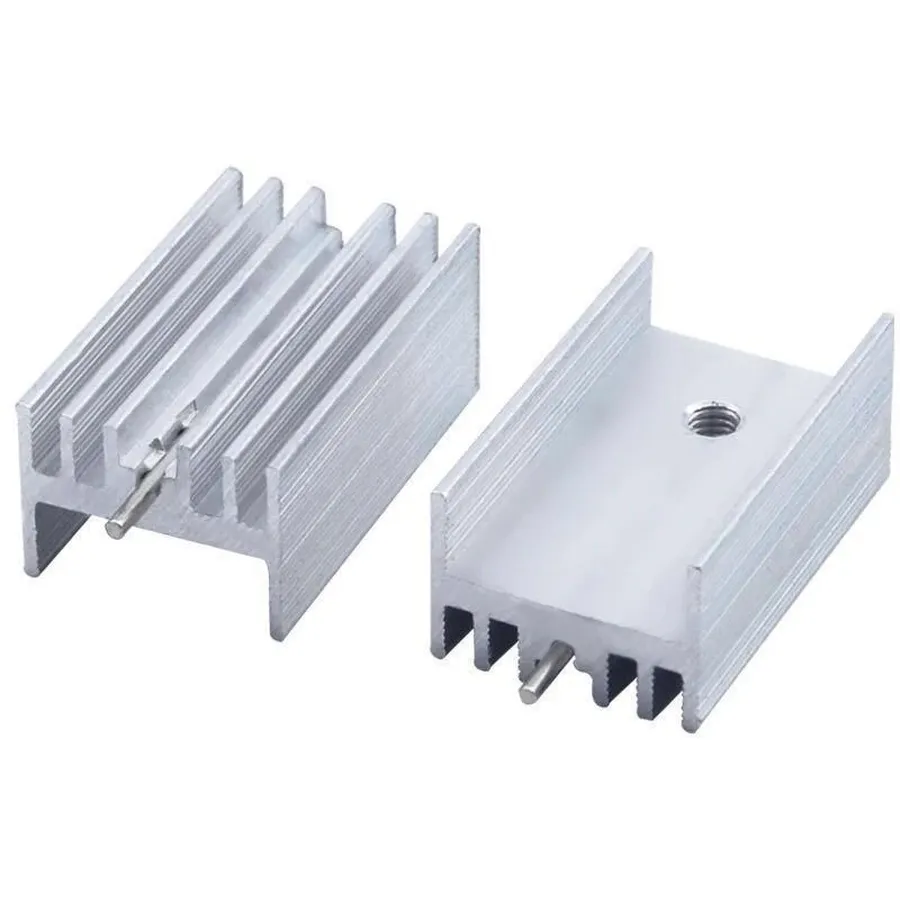
Transistors, fundamental components in modern electronics, inherently generate heat during their operation due to the flow of electrical current. Without effective thermal management, this heat buildup can lead to a phenomenon known as thermal runaway, where increasing temperature causes a further rise in current, escalating the heat generation in a positive feedback loop. This uncontrolled temperature rise can irreversibly damage the transistor, leading to premature failure and compromised performance of the overall electronic circuit. Therefore, heat sinks are critically important for reliable operation, by providing a path for heat to dissipate away from the transistor, preventing thermal runaway and maintaining stable operating temperatures, crucial for the longevity and consistent performance of electronic devices.
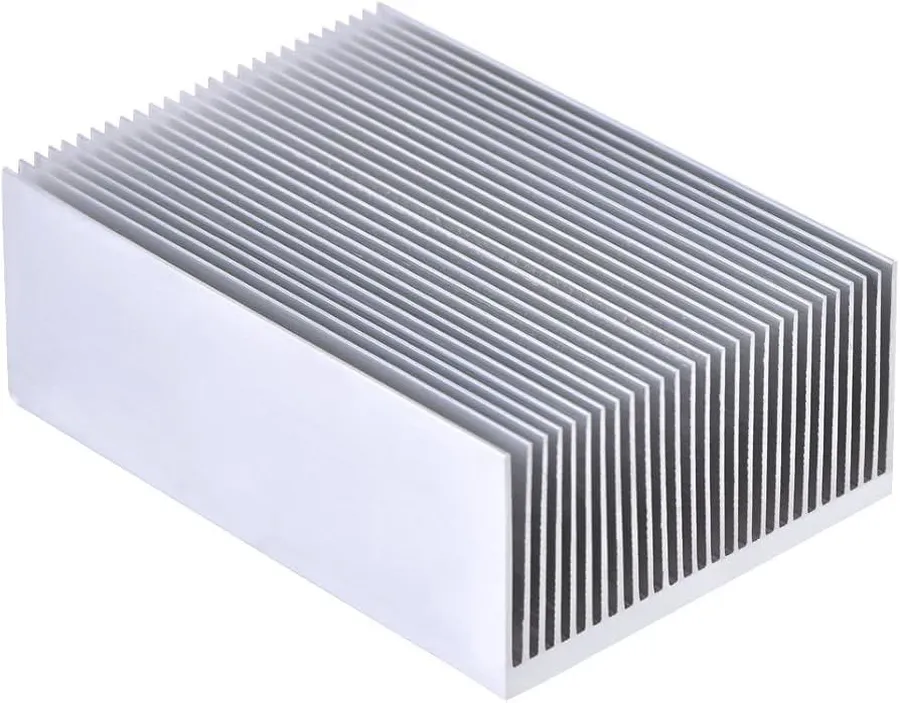
A heat sink is a crucial component in electronic devices, particularly for transistors, acting as a thermal conductor to dissipate heat away from the device and into the surrounding environment. This process is essential to prevent thermal runaway and ensure reliable operation. The core function of a heat sink is to facilitate the efficient transfer of thermal energy from a heat source, such as a transistor, to a cooler medium, typically the ambient air.
Several key principles govern the effectiveness of heat sinks:
Heat sinks are typically constructed from materials with high thermal conductivity to enhance heat dissipation. The most common materials include:
| Material | Thermal Conductivity (W/m·K) | Advantages | Disadvantages |
|---|---|---|---|
| Aluminum | 237 | Lightweight, Cost-effective, Good Corrosion Resistance | Lower Thermal Conductivity Than Copper |
| Copper | 401 | Excellent Thermal Conductivity | Heavier, More Expensive, Susceptible to Corrosion |
| Aluminum Alloys | Varies (120-220) | Good Strength-to-weight ratio, Cost-effective | Lower Thermal Conductivity than pure Aluminum |
| Copper Alloys | Varies (200-350) | Better strength, Better machinability | Lower thermal conductivity than pure copper |
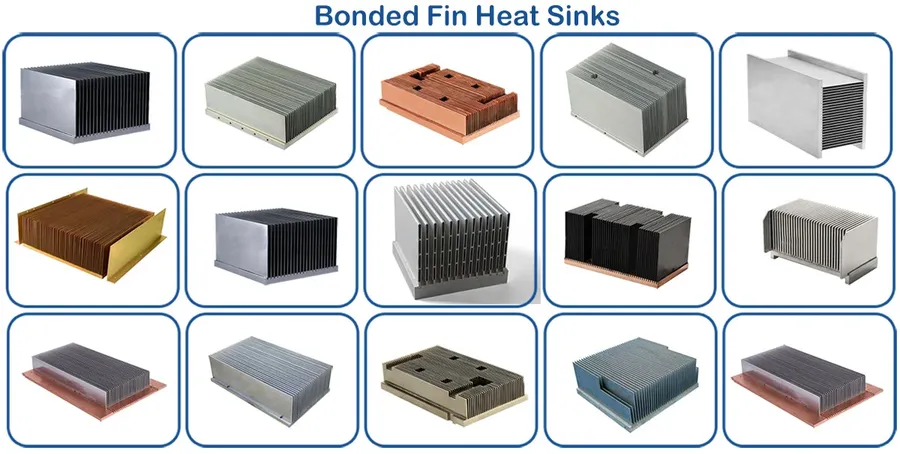
Selecting the appropriate heat sink for a transistor is crucial for ensuring its reliable operation and preventing thermal failure. This process involves a careful consideration of the transistor's thermal characteristics, the operating environment, and the heat sink's ability to dissipate heat effectively. Key parameters include power dissipation, operating temperature, ambient temperature, and thermal resistance.
The core objective of a heat sink is to facilitate heat transfer from the transistor to the surrounding environment. This heat transfer occurs through three primary mechanisms: conduction (direct transfer through the heat sink material), convection (heat transfer via air movement), and radiation (heat transfer via electromagnetic waves). Heat sinks are constructed from materials with high thermal conductivity, most commonly aluminum and copper.
| Parameter | Description | Importance |
|---|---|---|
| Transistor Power Dissipation (P_D) | The amount of power a transistor converts into heat. | Critical for determining the minimum heat dissipation capability of the heat sink. |
| Transistor Operating Temperature (T_J) | The maximum allowable junction temperature of the transistor. | Must be kept below the specified maximum to avoid device failure. |
| Ambient Temperature (T_A) | The temperature of the surrounding environment. | Affects the efficiency of heat dissipation; higher ambient temperatures require more effective cooling. |
| Thermal Resistance (R_Θ) | The measure of a material's resistance to heat flow, usually expressed in °C/W. | Crucial for calculating the temperature difference between the transistor junction and the ambient environment. |
Several types of heat sinks are available, each with its advantages and disadvantages. Finned heat sinks, with their large surface area, are a popular choice for maximizing convective heat transfer. Plate heat sinks are simpler and less expensive but offer less surface area. Extruded heat sinks are manufactured with complex shapes that can provide better performance than plate heat sinks with similar dimensions.
The calculation for required heat sink thermal resistance is based on the following equation: R_θ_sink = ((T_J - T_A) / P_D) - R_θ_transistor. Where R_θ_sink is the required thermal resistance of the heat sink, T_J is the maximum junction temperature, T_A is the ambient temperature, P_D is the power dissipation, and R_θ_transistor is the thermal resistance of the transistor. This calculation provides a starting point for selecting the appropriate heat sink. It's often helpful to choose a heat sink with slightly lower thermal resistance than calculated to provide a safety margin.
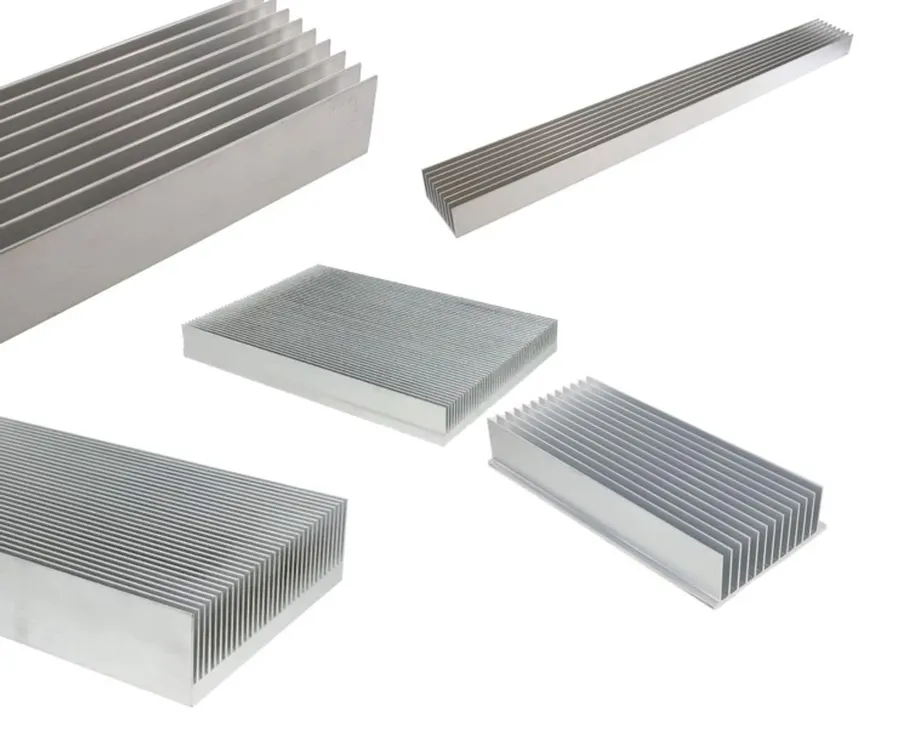
Proper heat sink mounting is crucial for effective thermal management of transistors, ensuring reliable operation and preventing premature failure. This section details various mounting methods and emphasizes the critical role of thermal interface materials (TIMs) in maximizing heat transfer efficiency.
Effective heat transfer relies on minimizing thermal resistance between the transistor and the heat sink. Mounting methods, along with TIMs, play a vital role in this process. Poor mounting and improper TIM application can negate even the best heat sink design, leading to thermal issues and potential component damage.
Thermal Interface Materials (TIMs) such as thermal paste, pads, and greases are designed to fill microscopic air gaps between the transistor and heat sink surfaces. These air gaps are poor heat conductors that cause a bottleneck in the heat transfer process. TIMs significantly reduce thermal resistance by creating a better thermal path. It is crucial to select the correct TIM type, matching the application requirements.
Potential pitfalls in mounting heat sinks include insufficient pressure, resulting in poor contact; an uneven distribution of thermal paste; selecting the incorrect TIM type for the application or not using a TIM at all; using damaged or dirty surfaces which could cause poor contact and uneven clamping, leading to air gaps and a higher thermal resistance.
By adhering to best practices in heat sink mounting and TIM application, one can significantly improve the reliability and longevity of transistor-based electronic systems. These methods provide the means to ensure the system operates within acceptable temperature ranges, avoiding thermal runaway and performance degradation.
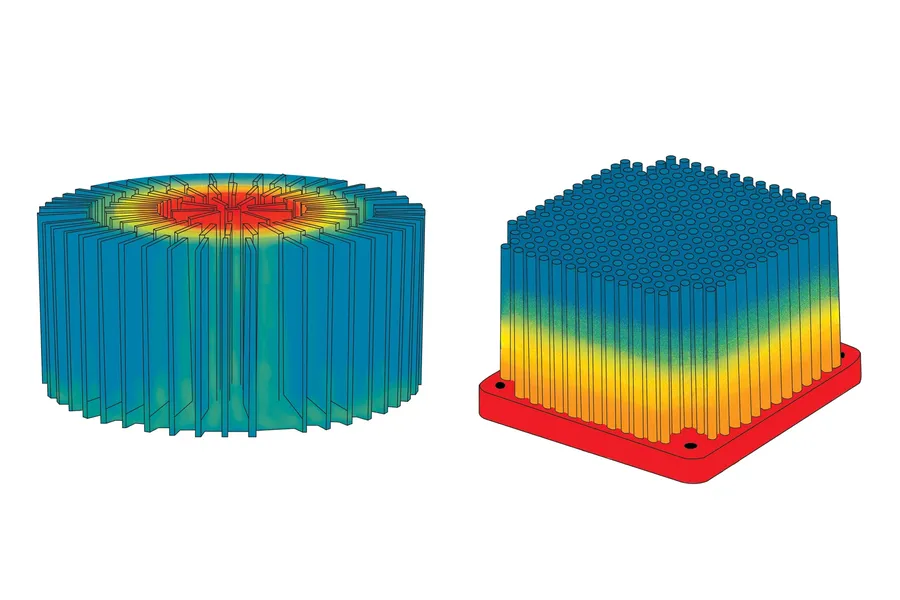
Effective heat sink design is crucial for maintaining transistor performance and longevity, requiring a balanced approach to fin geometry, surface area optimization, and the potential integration of forced air cooling. These elements work in concert to ensure efficient heat dissipation from the transistor junction to the ambient environment.
| Design Parameter | Impact on Heat Dissipation | Design Considerations |
|---|---|---|
| Fin Design (Number, Thickness, Spacing) | Number: More fins increase surface area but can impede airflow if too dense. Thickness: Thicker fins improve conduction but add weight and material. Spacing: Sufficient spacing allows better air circulation for convection. | Optimize fin density for maximum surface area without compromising airflow. Use simulations to determine the most efficient fin geometry for specific airflow conditions. |
| Surface Area | Larger surface areas facilitate greater heat transfer to the surrounding environment through conduction, convection, and radiation. | Maximize surface area within given space and material constraints. Consider folded, pin-fin, or other complex structures. |
| Fan Integration | Fans introduce forced convection, dramatically increasing the rate of heat dissipation. This allows for smaller heat sinks or use at higher power levels. | Consider power consumption, noise level, and reliability when selecting a fan. Ensure the fan is appropriately sized and positioned for optimal airflow over the heat sink. |
| Material | The material of the heat sink influences its ability to conduct heat away from the transistor. Aluminum is cost-effective, while copper is a superior conductor, but more expensive and heavier. | Choose the material that provides the best balance of performance, cost and weight for your application. |
Calculating the required surface area involves understanding the transistor's thermal resistance (junction-to-case), the heat sink's thermal resistance (case-to-ambient), and the ambient temperature. The heat sink thermal resistance is defined as (Tj - Ta) / Pd, where Tj is the maximum junction temperature, Ta is the ambient temperature, and Pd is the power dissipation in watts. The heat sink needs to be designed so that it’s thermal resistance is such that the calculated temperature of the transistor junction does not exceed it’s safe operating maximum. Thermal simulation tools can be used to optimize the heat sink design before final design and manufacturing.
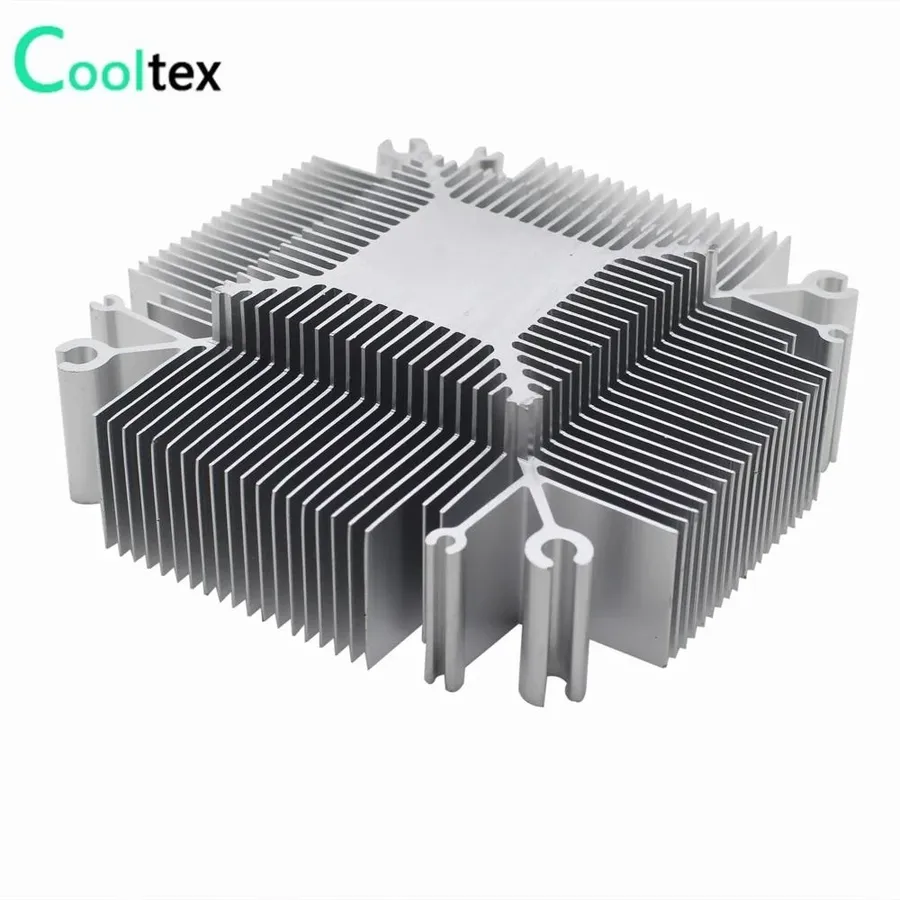
Constructing your own transistor heat sink can be a cost-effective and educational endeavor, particularly when dealing with unique form factors or experimental setups. While commercially available heat sinks are often the ideal choice, understanding the principles and techniques involved in DIY solutions empowers you to address specific thermal challenges. This section explores practical methods for creating simple, yet effective, heat sinks from readily available materials.
Before embarking on DIY heat sink construction, ensure you understand the fundamental principles of heat transfer: conduction, convection, and radiation. Effective heat sink design involves maximizing surface area for efficient heat dissipation. The materials you choose, such as aluminum, copper, or even steel, will influence the effectiveness of the DIY solution.
Effective heat dissipation is crucial for transistor longevity and performance; however, several common issues can undermine a heat sink's ability to function correctly. Addressing these problems promptly is essential to prevent transistor failure and maintain the overall reliability of electronic devices. This section outlines frequent heat sink-related problems, their symptoms, and practical solutions.
While traditional heat sinks utilizing conduction, convection, and radiation are effective for many applications, advanced techniques and technologies offer superior thermal management for high-performance electronics. These methods, including liquid cooling, thermoelectric coolers (TECs), and vapor chambers, are crucial when conventional heat sinks cannot adequately dissipate heat.
| Technology | Description | Advantages | Disadvantages | Typical Applications |
|---|---|---|---|---|
| Liquid Cooling | Utilizes a liquid (often water or a specialized coolant) to transfer heat away from the transistor to a radiator. | Highly efficient heat transfer, suitable for very high power applications, relatively compact. | More complex and costly, potential for leaks, requires additional components (pump, radiator). | High-performance CPUs/GPUs, server farms, electric vehicles |
| Thermoelectric Coolers (TECs) | Employ the Peltier effect to transfer heat from one side of the device to the other using electricity. | Precise temperature control, can cool below ambient temperature. | Less efficient than liquid cooling, generates heat on the hot side, requires a heat sink on the hot side to remove generated heat | Precision instruments, scientific equipment, laser diodes |
| Vapor Chambers | Utilize a sealed chamber containing a working fluid that evaporates and condenses to transfer heat. | High thermal conductivity, lightweight, excellent heat spreading, thinner profile than traditional heat sinks. | More expensive than traditional heat sinks, may require specific orientation to function optimally. | High-end laptops, smartphones, high power density electronics |
This section addresses common questions regarding transistor heat sinks, providing clear and concise answers to help you understand their importance and proper usage.
In conclusion, transistor heat sinks are essential components for ensuring the reliability and longevity of electronic devices. Understanding their function, selection, and proper installation techniques is crucial for effective thermal management. Whether you opt for commercial heat sinks or engage in DIY solutions, the principles of heat transfer remain paramount. By focusing on these considerations, you can maximize the performance and lifespan of your valuable electronic components. The humble heat sink, often overlooked, is a cornerstone of modern electronics, and its role cannot be understated.

