In the intricate world of electronics, seemingly small components like the 2R2 resistor play a crucial role. Just as a well-placed brick supports an entire building, this tiny component, with its 2.2 ohms of resistance, is fundamental to circuit design. This article unravels the mystery of the 2R2 resistor, connecting its presence in everyday devices to its significance in electronics engineering, ultimately enhancing our understanding of the technology we use daily.
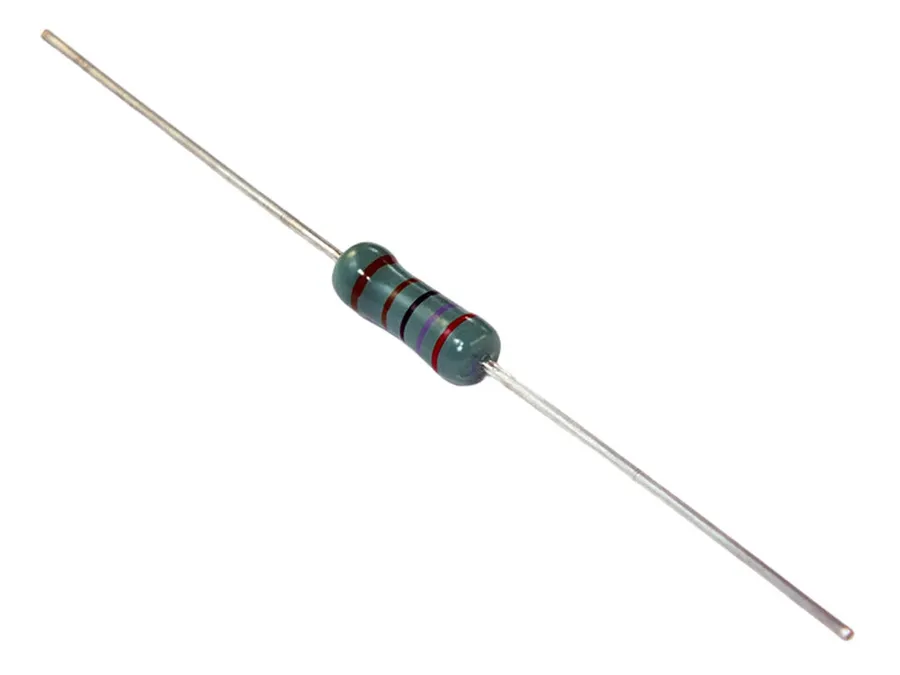
A 2R2 resistor is a fundamental electronic component characterized by its specific resistance value of 2.2 ohms. The notation '2R2' uses the letter 'R' to denote the decimal point, thus clearly indicating a resistance of 2.2 ohms, a value commonly encountered in a wide range of electronic circuits.
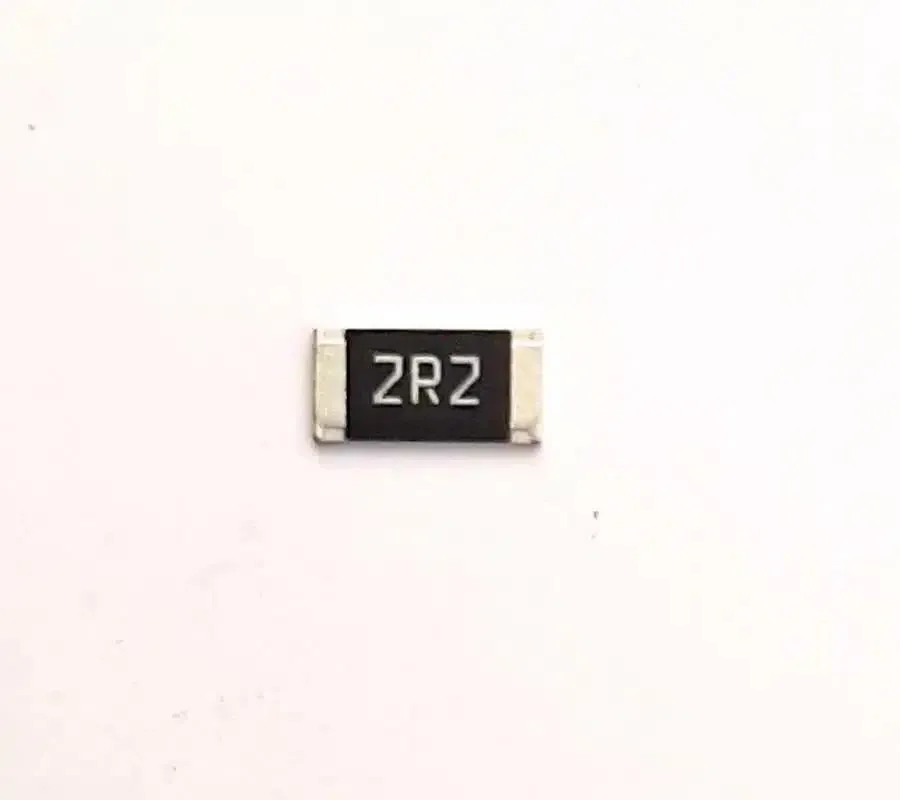
The '2R2' marking on a resistor signifies its resistance value directly, where 'R' represents the decimal point. Therefore, '2R2' indicates a resistance of 2.2 ohms. This alphanumeric notation is predominantly used on surface-mount (SMD) resistors, providing a clear and concise alternative to color-coded bands.
| Notation | Resistance Value |
|---|---|
| 2R2 | 2.2 ohms |
| 1R0 | 1.0 ohm |
| 10R0 | 10.0 ohms |
| 0R5 | 0.5 ohms |
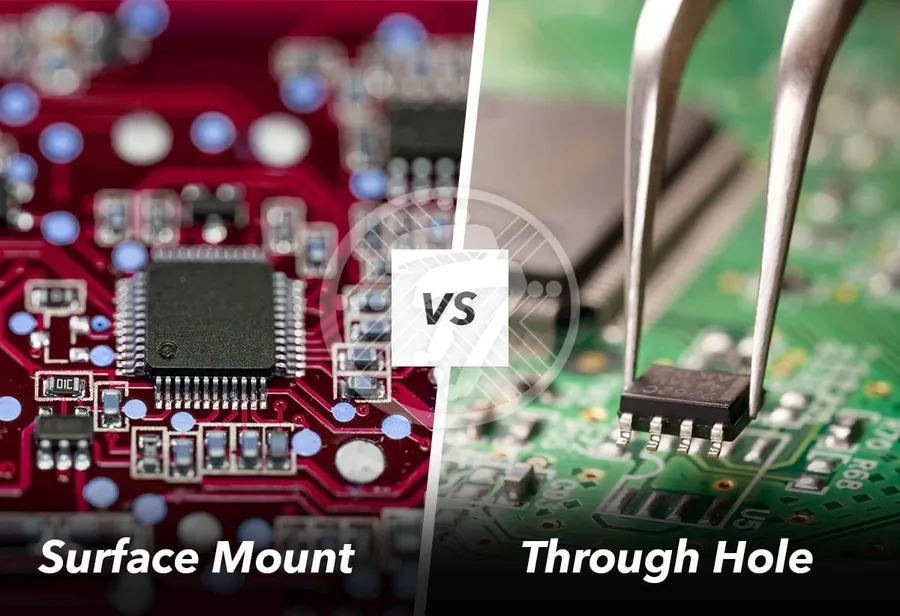
2R2 resistors, characterized by their 2.2-ohm resistance, are manufactured in two primary mounting styles: Surface Mount Devices (SMD) and Through-Hole. The choice between these types is largely dictated by the application's design and manufacturing requirements.
| Feature | SMD Resistors | Through-Hole Resistors |
|---|---|---|
| Size | Small, compact | Larger |
| Mounting | Surface mount, directly soldered to pads on PCB | Leads inserted into holes on PCB |
| Typical Applications | Modern electronics, high-density circuits, mass production | Prototyping, breadboarding, older devices, situations where manual soldering is common |
| Manufacturing | Automated assembly, reflow soldering | Manual or wave soldering |
| Lead Length | No leads | Leads present for insertion |
| Solder Joint | Smaller solder footprint | Larger solder joint |
SMD resistors, due to their compact size, are essential for modern, high-density electronic assemblies. Their absence of leads makes them compatible with automated pick-and-place machines and reflow soldering processes. Conversely, Through-Hole resistors, with their leads, are more suitable for prototyping and scenarios where manual soldering is necessary or preferred. Understanding the distinctions of SMD vs. Through-Hole 2R2 resistors is critical for proper component selection and assembly processes.
Beyond its 2.2-ohm resistance, a 2R2 resistor's power rating and tolerance are critical specifications for its reliable performance in electronic circuits. These parameters dictate the resistor's ability to handle power and the accuracy of its resistance value, respectively.
| Specification | Description | Typical Values for 2R2 Resistors |
|---|---|---|
| Power Rating | The maximum power the resistor can safely dissipate without overheating or failing. | 1/8W, 1/4W, 1/2W, 1W, 2W (SMD and Through-Hole) |
| Tolerance | The allowable deviation of the actual resistance from the nominal value (2.2 ohms). | 1%, 5%, 10% (Higher precision resistors have lower tolerance) |
| Temperature Coefficient | Indicates how much the resistance changes with temperature variations. | Typically +/- 100 ppm/°C to +/- 200 ppm/°C |
Selecting a resistor with an appropriate power rating prevents overheating and ensures reliable operation, while tolerance ensures that the resistor performs its intended function within the expected range. Always verify the datasheet of your chosen resistor for these key parameters.

2R2 resistors, characterized by their low 2.2-ohm resistance, are integral to numerous electronic circuits, primarily for current regulation, voltage partitioning, and safeguarding sensitive components. Their small resistance value makes them ideal for applications where minimal voltage drops are necessary while managing current flow effectively.
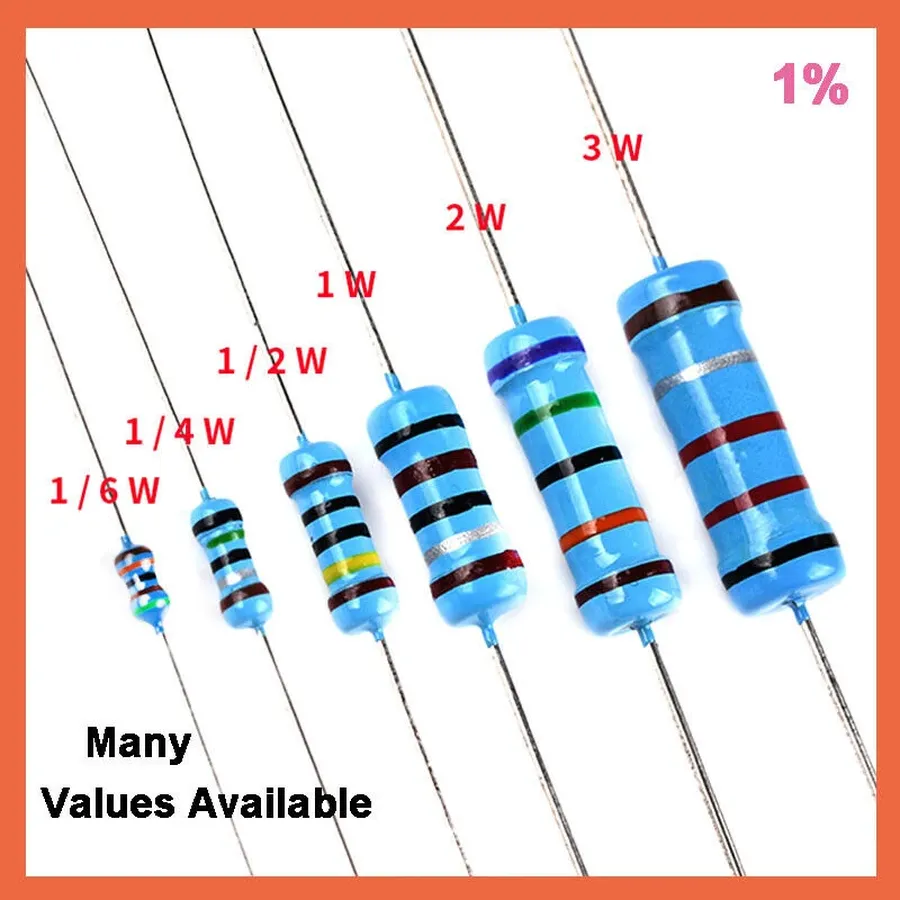
Replacing a 2R2 resistor requires careful consideration of several critical factors to ensure proper circuit function. The replacement must match the original in terms of resistance, power rating, tolerance, and physical dimensions. This section provides guidance on selecting an appropriate replacement and addresses practical considerations for successful substitution.
It's crucial to identify the original component correctly before ordering a replacement. When the original resistor is unmarked, a multimeter can be used to measure the resistance value. Always consult the circuit diagram, if available, to verify that 2R2 is the correct value. Additionally, consider purchasing from reputable sources to ensure the quality of your replacement component. This ensures reliability and proper function after repair, addressing concerns about '2r2 resistor replacement' and providing the practical application of 'What is 2R2?.
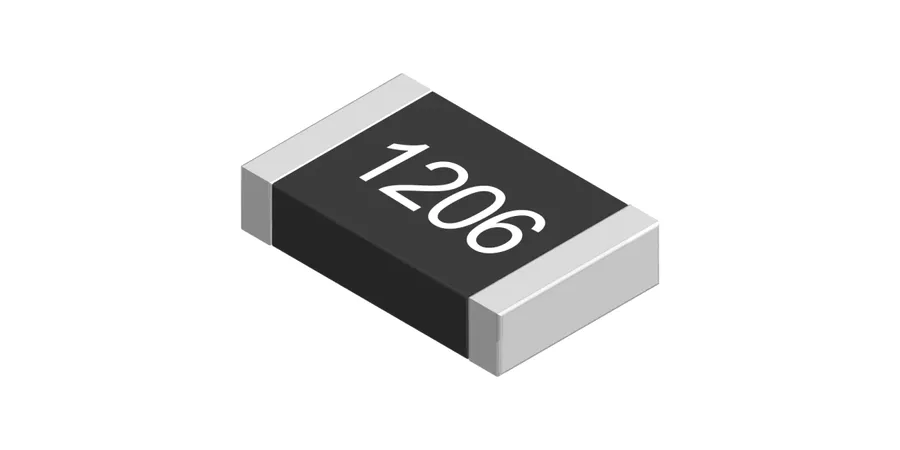
Surface Mount Device (SMD) 2R2 resistors are not standardized by size but rather by a set of industry standard package dimensions, primarily in rectangular form factors. These sizes are critical for proper PCB layout design and automated assembly processes, each size dictates the physical dimensions and solder pad requirements, affecting both assembly and functionality.
| Size Code (Imperial) | Length (mm) | Width (mm) | Typical Application | Power Rating (Typical) |
|---|---|---|---|---|
| 0201 | 0.6 | 0.3 | Very high-density boards | 1/20W |
| 0402 | 1.0 | 0.5 | High-density boards | 1/16W |
| 0603 | 1.6 | 0.8 | Compact consumer electronics | 1/10W |
| 0805 | 2.0 | 1.25 | General purpose, industrial | 1/8W |
| 1206 | 3.2 | 1.6 | Higher power applications | 1/4W |
| 1210 | 3.2 | 2.5 | Power supplies, automotive | 1/2W |
| 2010 | 5.0 | 2.5 | High-power circuits | 3/4W |
| 2512 | 6.3 | 3.2 | Very high-power applications | 1W |
Selecting the correct SMD package size is crucial. The footprint (the land pattern on the PCB) must match the dimensions of the resistor for proper soldering and electrical connection. Mismatches can lead to unreliable connections, assembly issues, or even damage during the soldering process. It's not merely about size; thermal characteristics and power dissipation capabilities also come into play, especially in smaller packages.
2R2 resistors, essential components in electronics, are readily available through a variety of sources. Understanding where to purchase these components can streamline your project's supply chain and potentially reduce costs. This section details the common places to acquire 2R2 resistors, alongside key considerations for each.
| Factor | Electronic Component Suppliers | Online Marketplaces | Authorized Distributors |
|---|---|---|---|
| Cost | Generally higher, but consistent quality. | Can vary significantly; often lower but potentially lower quality. | Generally higher, but quality is guaranteed. |
| Lead Time | May vary but typically reliable. | Can range from quick to long, depending on seller location. | Usually reliable, depending on supply agreements |
| Minimum Order Quantities | May have minimum quantities, which can be substantial. | Usually lower minimum or no minimum quantities. | Often have minimum quantities based on distribution agreement. |
| Quality | Consistent and reliable quality due to direct sourcing. | Variable, can be uncertain, requiring careful seller selection. | High quality, as they source directly from manufacturers |
| Support | Excellent technical support and datasheets readily available. | Support can be minimal or non-existent, can be a challenge with returns. | Excellent support, can have direct contact with the manufacturer |
The '2R2' designation, when referring to a component, specifically denotes a 2.2 ohm resistor. It is crucial to differentiate this from 2R2 inductors or capacitors, as each serves a distinct function within an electronic circuit. Confusing these components can lead to circuit malfunctions and unexpected behavior.
| Component | Symbol | Primary Function | Effect on Current | Unit |
|---|---|---|---|---|
| Resistor | R | Opposes the flow of current | Reduces current | Ohms (Ω) |
| Inductor | L | Stores energy in a magnetic field | Resists changes in current | Henries (H) |
| Capacitor | C | Stores energy in an electric field | Resists changes in voltage | Farads (F) |
The confusion between these components stems from the similar '2R2' marking, which signifies a numerical value but applies to different electrical properties: resistance (for resistors), inductance (for inductors), and capacitance (for capacitors). Each type of component plays a critical role in circuit design, and using the wrong component will invariably lead to circuit failure.
The 2R2 resistor, a small yet vital electronic component, is characterized by its 2.2-ohm resistance. From its role in everyday devices to its precise application in specialized circuits, understanding its specifications and selection criteria is crucial. Choosing the appropriate 2R2 resistor, whether for replacement or a new design, demands careful consideration of its type, power rating, and tolerance, ensuring optimal functionality and reliability in any electronic application. By mastering the specifics of the 2R2 resistor, engineers and hobbyists alike can effectively design, repair and innovate electronic systems.

