Understanding Carbon Resistors: Properties, Types, and Applications
2025.01.23
From vintage radios to modern circuit boards, the humble carbon resistor plays a vital, often unseen, role in controlling electrical current. These seemingly simple components, made from carbon and other materials, are the backbone of countless electronic devices. This article delves into the world of carbon resistors, exploring their construction, types, and how they contribute to the functionality of our everyday technology.
What is a Carbon Resistor?
Carbon Film Resistor
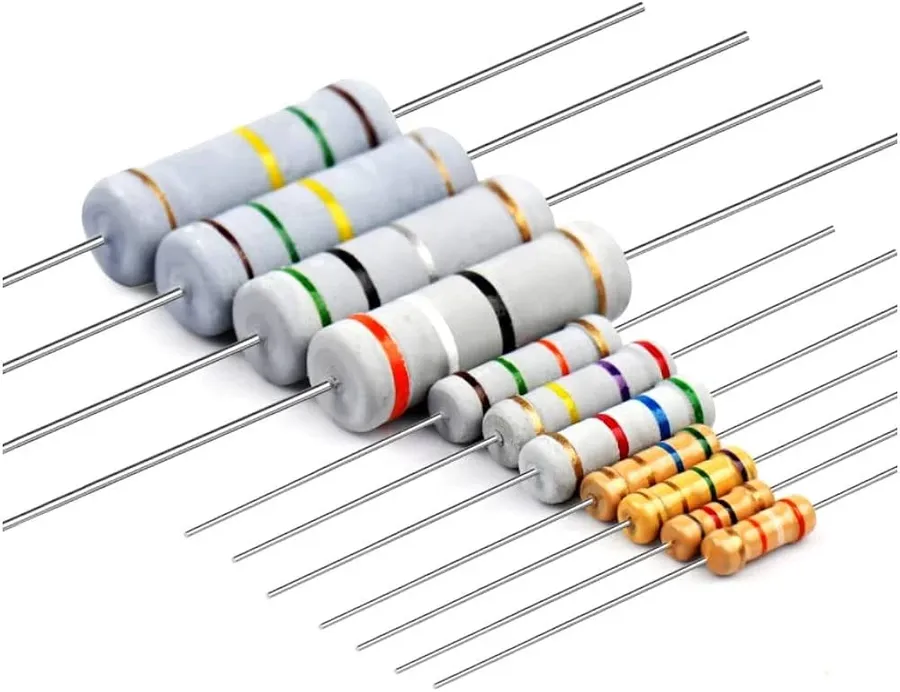
A carbon resistor is a fundamental passive electronic component designed to impede the flow of electrical current, utilizing carbon or a carbon film as its resistive material. Its defining characteristics are its uncomplicated structure and economical production, making it a widely used component in various applications.
Carbon Composition Resistors: The Original Design
Carbon Composition Resistor
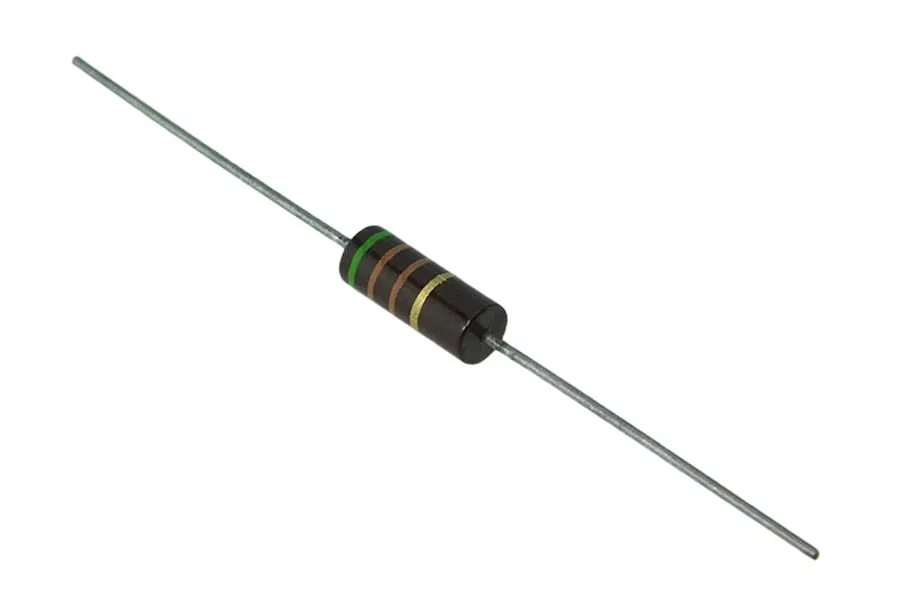
Carbon composition resistors, the earliest form of carbon resistors, are constructed from a mixture of fine carbon particles and a binding agent. The ratio of carbon to binder directly dictates the resistance value, where a higher carbon concentration results in lower resistance, and vice-versa. This simple yet fundamental design laid the groundwork for resistor technology, but it presents limitations in terms of precision and stability for demanding applications.
The manufacturing process involves mixing carbon powder with a non-conductive binder, such as ceramic or resin. The mixture is then molded into a cylindrical shape with embedded lead wires for connection, and a protective coating is applied. This method, while cost-effective, results in a resistor that is sensitive to temperature changes and possesses inherent variability in resistance values.
Characteristic
Description
Composition
Fine carbon particles mixed with a binder.
Resistance Control
Determined by the ratio of carbon to binder.
Construction
Cylindrical shape with embedded lead wires.
Advantages
Low cost, simple manufacturing.
Disadvantages
Poor precision, high temperature coefficient, higher noise.
Carbon Film Resistors: The Modern Approach
Carbon Film Resistor Magnified
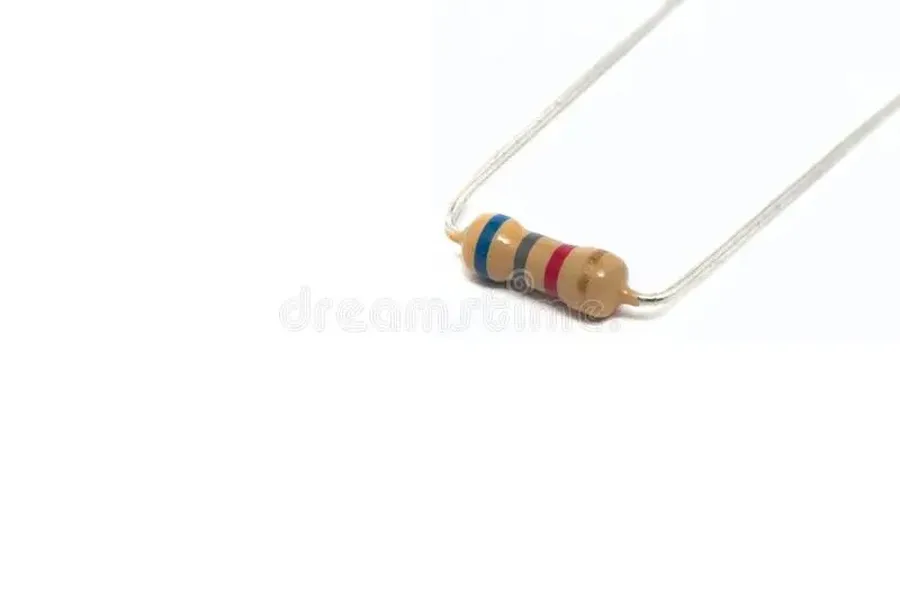
Carbon film resistors represent an advancement over traditional carbon composition resistors, employing a thin film of carbon deposited onto a non-conductive ceramic substrate, offering improved precision, stability, and reduced noise characteristics compared to their predecessors. This design facilitates a more controlled resistance value and enhances performance in electronic circuits.
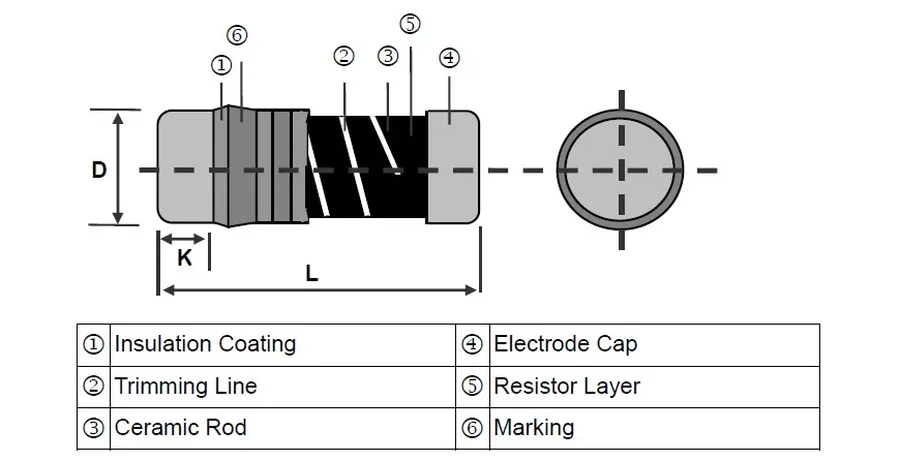
The construction of carbon film resistors involves a vacuum deposition process, where carbon is deposited onto a cylindrical ceramic rod. A helical groove is then precisely cut into the carbon film, forming a resistive path. The length and width of this path determine the resistance value. This manufacturing technique allows for greater precision in achieving the desired resistance and also improves the temperature stability of the resistor. The entire assembly is often coated in a protective layer to ensure long-term reliability and protection from environmental factors.
Construction of Carbon Resistors: Materials and Processes
Carbon Resistor Manufacturing
The construction of carbon resistors, whether carbon composition or carbon film types, involves specific materials and manufacturing processes that directly influence their electrical characteristics and performance. Understanding these details is crucial for selecting the appropriate resistor for a given application.
Component
Carbon Composition Resistors
Carbon Film Resistors
Resistive Element
Mixture of fine carbon particles and a binder.
Thin film of carbon deposited on a substrate.
Binder
Used to hold the carbon particles together and provide mechanical structure.
Not typically present; film adheres directly to substrate.
Substrate
Insulating material, often ceramic or phenolic, that provides structural support.
Ceramic rod or cylinder, providing structural support and insulation.
End Caps/Leads
Metal caps attached to either end of the resistive element for electrical connection.
Metal caps attached to each end of the substrate.
Protective Coating
Epoxy or phenolic resin that insulates the resistive element and protects against environmental factors.
Epoxy or other protective material, protecting the carbon film and providing insulation.
Carbon Composition Resistor Manufacturing The process begins with mixing fine carbon particles with a binder such as resin. This mixture is then molded or pressed into a cylindrical shape. End caps, typically made of metal, are attached to each end, and the assembly is baked to set the binder. Finally, a protective coating is applied.
Carbon Film Resistor Manufacturing A thin layer of carbon is deposited onto a ceramic substrate in a vacuum chamber, using techniques such as pyrolysis. A laser or mechanical cutting tool is then used to create a spiral groove in the carbon film, increasing the effective length of the resistive path and thus creating the desired resistance value. Metal end caps are attached and finally, a protective layer of epoxy or similar material is applied.
Carbon Resistor Applications: Where Are They Used?
Carbon Resistors on PCB
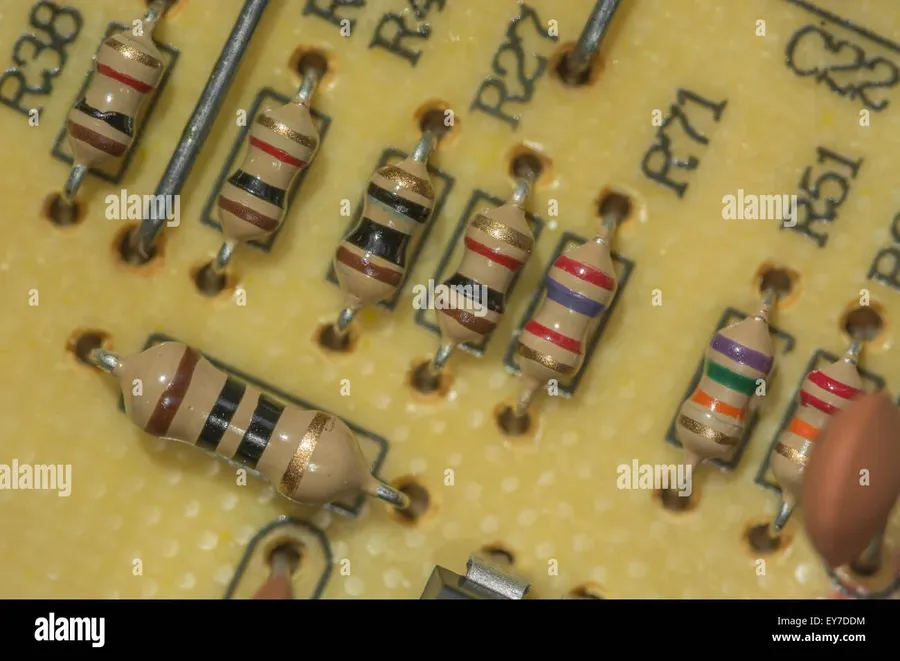
Carbon resistors, despite the rise of more advanced alternatives, retain relevance in numerous electronic applications. Their cost-effectiveness and robustness make them suitable for many general-purpose applications, ranging from basic circuit designs to components in more complex systems. While they may not be the first choice for high-precision or low-noise applications, their wide availability and ease of use ensure their continued presence.
General Purpose Electronics Carbon resistors are commonly found in basic circuits where precise resistance values are not crucial. They are often used in hobbyist projects, educational kits, and as pull-up or pull-down resistors.
Audio Amplifiers In audio applications, carbon resistors are utilized in gain stages and tone control circuits, though they may not be preferred for critical low-noise preamp stages due to their inherent noise characteristics.
Power Supplies They can be employed in power supply circuits for voltage division and current limiting, specifically in areas where high precision is not essential and cost considerations are important.
Control Systems Carbon resistors are used in control circuits, such as motor speed controllers and sensor interfaces, where they perform functions such as signal conditioning and current regulation.
Simple Electronic Devices Due to their cost and availability, carbon resistors are often found in low-cost consumer electronics such as simple radios, toys, and basic electronic gadgets.
Protection Circuits They are sometimes used in protection circuits as a low-cost solution for absorbing transient surges and preventing damage to sensitive components.
Advantages of Carbon Resistors: Simplicity, Cost, and Robustness
Carbon resistors, despite their limitations in precision and stability, offer distinct advantages in specific applications due to their inherent simplicity, low cost, and robustness. These benefits make them a viable option in many electronic circuits where high accuracy is not paramount, or where cost is a primary constraint.
Low Cost Carbon resistors are manufactured using relatively inexpensive materials and processes, leading to a low unit cost. This makes them particularly suitable for high-volume production and cost-sensitive applications.
Simplicity The basic construction of carbon resistors, whether composition or film, is straightforward and requires fewer processing steps compared to other resistor types. This simplicity not only reduces manufacturing costs but also contributes to their reliability.
High Surge Current Capability Carbon composition resistors, in particular, can withstand high surge currents without significant degradation. This robustness makes them ideal for applications where transient high currents are expected, such as in power supplies and motor control circuits.
Availability Carbon resistors are widely available in a variety of resistance values and physical sizes, making them easily accessible for designers and hobbyists.
These inherent advantages often lead to their selection in applications such as basic electronic circuits, educational kits, and surge protection devices where cost, simplicity, and surge robustness are more critical than high precision or temperature stability. While modern applications increasingly favour higher-performance resistors, carbon resistors still hold a niche for scenarios that value their specific traits.
Limitations of Carbon Resistors: Accuracy, Temperature Sensitivity, and Noise
While carbon resistors offer advantages in terms of cost and robustness, they also exhibit several limitations that make them unsuitable for certain applications. These drawbacks primarily involve accuracy, temperature sensitivity, and noise performance, which can significantly impact circuit behavior in precision or sensitive systems.
The inherent construction of carbon resistors contributes to these limitations. The use of carbon particles or films, while simple and inexpensive, results in less precise resistance values, greater susceptibility to temperature changes, and increased electronic noise compared to other types of resistors.
Limited Accuracy Carbon resistors typically have a higher tolerance compared to metal film resistors. Standard tolerance values for carbon resistors range from ±5% to ±20%, meaning the actual resistance value can deviate significantly from the nominal value. This makes them unsuitable for applications requiring precise resistance control, such as in precision instrumentation or analog circuits where tight tolerances are crucial.
High Temperature Coefficient The resistance of carbon resistors changes significantly with temperature. They exhibit a relatively high temperature coefficient, meaning their resistance value varies more with temperature fluctuations compared to other resistor types. This change in resistance can cause performance drifts and inaccuracies in circuits operating over a wide temperature range, potentially degrading the stability and reliability of the circuit’s operation.
Higher Noise Levels Carbon resistors are known to generate more electrical noise than other resistor types like metal film resistors. This noise, which is primarily caused by thermal agitation of electrons within the resistive material, can be detrimental in sensitive analog circuits, low-signal amplifiers, and other high-precision applications. The higher noise level can mask or distort small signals, reducing the effective resolution and overall performance of the circuit.
Frequently Asked Questions About Carbon Resistors
This section addresses common inquiries about carbon resistors, offering clear, concise answers to enhance understanding of their properties, limitations, and applications.
Why are carbon resistors no longer the most common type? While once ubiquitous, carbon resistors have been largely superseded by metal film resistors and other types due to their limitations in precision, temperature stability, and noise performance. Modern electronics often require tighter tolerances and more consistent performance than carbon resistors can provide, leading to their decline in popularity for general use. However, they remain in use in certain niche applications where their cost-effectiveness or surge current handling are advantageous.
What are the key disadvantages of carbon resistors? Carbon resistors suffer from several drawbacks including lower precision (typically 5% or 10% tolerance), a higher temperature coefficient of resistance (meaning their resistance changes more with temperature), and higher noise levels compared to film resistors. They also exhibit higher drift over time, making them less suitable for applications requiring long-term stability. These limitations make them less desirable for precision analog circuits, high-frequency designs, and sensitive measurement instruments.
Are carbon film resistors generally considered a good option? Carbon film resistors represent an improvement over carbon composition resistors. They offer better precision, stability, and lower noise. While not as precise or stable as metal film resistors, they strike a reasonable balance between performance and cost. They are good for many general-purpose electronic circuits where extremely high performance is not required, making them a good option for applications with cost and moderate performance needs. They are a good mid-range option.
What are the color codes on carbon resistors, and how are they interpreted? Carbon resistors use a color-band system to indicate their resistance value and tolerance. Typically, resistors have four, five, or six color bands. The first two or three bands represent the significant digits of the resistance value; the subsequent band represents the multiplier (power of 10), and the final band, which is often gold or silver, indicates the tolerance. Some resistors have a sixth band, which provides a temperature coefficient. Understanding these color codes is essential for circuit design and analysis. Online calculators and reference charts are available for determining these values accurately.
Are carbon resistors suitable for high-frequency circuits? Carbon resistors are not ideal for high-frequency applications. They exhibit parasitic inductance and capacitance due to their construction, which can affect the performance of high-frequency circuits, causing signal distortion and unwanted reactance. Metal film or surface mount resistors are generally preferred for these types of circuits, as their construction minimizes these parasitic effects. Specialised high frequency resistors are available for highly demanding applications.
How do carbon resistors compare in terms of surge current handling? Carbon composition resistors have a reasonable ability to withstand surge currents, which is one of their strong points. This is because the bulk material helps in the dispersion of heat. When it comes to film type resistors, the film layer might not be as robust as the bulk of composition resistors, and care must be taken when selecting the correct film resistor. This makes them suitable in certain applications where the circuit needs to be protected against short term high energy bursts of electrical current, such as in power supplies or transient protection circuits. However this must be compared with the tolerance and stability trade offs.
Carbon Resistors vs Metal Film Resistors: A Comparison
Carbon vs Metal Film Resistors
Carbon film resistors and metal film resistors are two common types used in electronic circuits, each with distinct characteristics that make them suitable for different applications. Understanding these differences, particularly in precision, temperature stability, noise, and cost, is crucial for selecting the appropriate component for a specific design.
Characteristic
Carbon Film Resistors
Metal Film Resistors
Precision (Tolerance)
Generally 2% to 5%
Typically 0.1% to 1%
Temperature Coefficient
Higher (can vary significantly)
Lower, more stable
Noise
Higher noise levels
Lower noise levels
Cost
Lower Cost
Higher Cost
Stability
Less stable over time and temperature
More stable over time and temperature
Power Rating
Good surge current capability
Better for low noise applications
Applications
General-purpose applications where high precision is not required; surge protection
Precision circuits, low noise applications, high temperature environments
Carbon resistors, while not always the most advanced, remain fundamental building blocks in electronics due to their cost-effectiveness, robustness, and versatility. Whether in their original carbon composition form or the refined carbon film variant, they continue to be important for many applications, from hobbyist projects to commercial devices. While newer technologies have surpassed them in certain areas, understanding carbon resistors is still a cornerstone of electrical engineering. Their enduring presence is testament to the balance they strike between cost, performance, and reliability. As technology evolves, the legacy of the carbon resistor as a fundamental component endures.