Electronic ICs, often referred to as microchips, are the fundamental building blocks of the digital age. These tiny components, packed with transistors, resistors, and capacitors, have revolutionized electronics, shrinking complex circuits into small, powerful packages. From simple household gadgets to advanced aerospace systems, electronic ICs are the unsung heroes that make modern technology possible. This article will delve into the world of electronic ICs, exploring their function, types, and applications, and how they’ve become so integral to our lives.
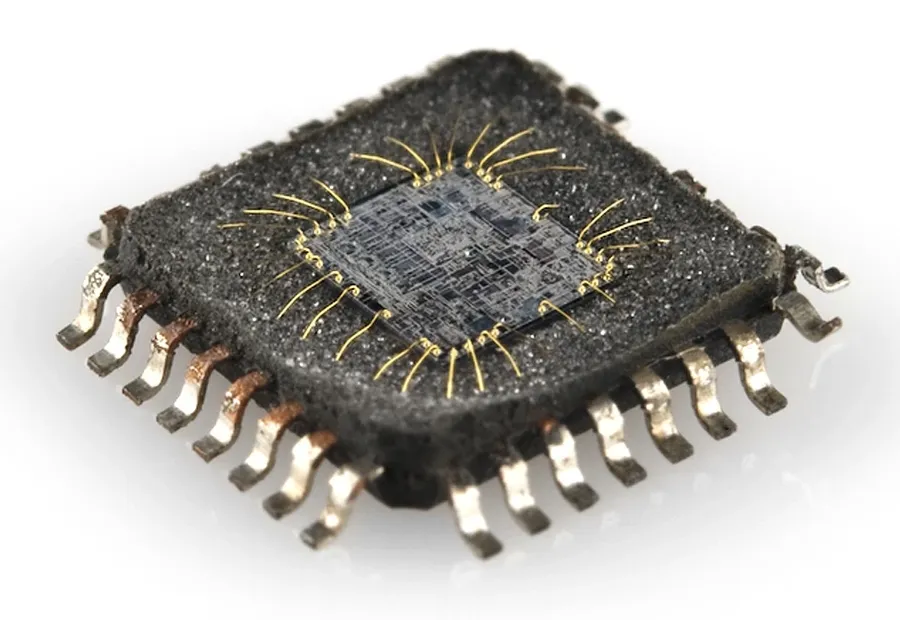
An electronic Integrated Circuit (IC), often referred to as a microchip or chip, represents a foundational element in modern electronics. It is essentially a miniaturized electronic circuit, meticulously crafted on a small piece of semiconductor material, typically silicon. This single, compact unit integrates numerous components—such as transistors, resistors, capacitors, and diodes—that work collectively to perform complex electronic functions. The core concept of an IC revolves around this integration, allowing for a vast array of electronic circuits to be produced in a significantly smaller space than previously possible with discrete components. The integration is key for reducing size and power consumption and increasing the performance and reliability of electronic devices.
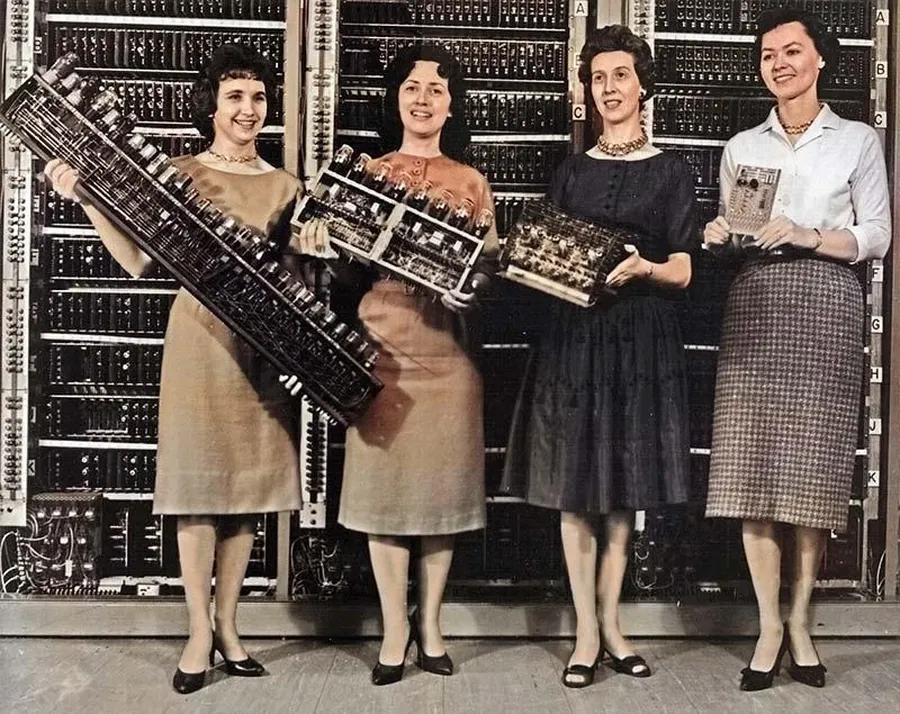
The journey of electronic integrated circuits (ICs) is a remarkable narrative of innovation, transforming electronics from bulky, discrete components to highly compact and powerful devices. This section charts the significant milestones in the evolution of ICs, from their inception to the advanced microprocessors that define modern technology.
| Era | Key Developments | Impact |
|---|---|---|
| Early 1950s | Development of the transistor by Bell Labs. | Replaced bulky and inefficient vacuum tubes, laying the foundation for solid-state electronics. |
| Late 1950s | Invention of the first integrated circuits by Jack Kilby at Texas Instruments and Robert Noyce at Fairchild Semiconductor. | Revolutionized electronics by integrating multiple components on a single chip, reducing size and cost. |
| 1960s | Development of small-scale integration (SSI) with a few transistors per chip. | Enabled the creation of smaller, more reliable electronic devices. Led to the first IC based calculators and digital clocks. |
| 1970s | Introduction of medium-scale integration (MSI) and large-scale integration (LSI), increasing the number of transistors per chip, culminating in the first microprocessors. | Enabled the creation of powerful computing devices, such as personal computers. |
| 1980s - 2000s | Development of Very Large Scale Integration (VLSI) allowing for millions of transistors per chip. Rise of CMOS technology. Further evolution of microprocessors and memory chips | Led to significant advances in processing power, memory capacity and integration. Enabled the creation of complex systems on a chip (SoC). |
| 2000s - Present | Continued advancements in miniaturization, with transistors reaching nanometer scale. Multi-core processors, 3D ICs and advanced packaging technologies. | Enabled high-performance computing in smaller devices such as smartphones and advanced AI systems, and increased power efficiency and reliability. |
The relentless pursuit of miniaturization, coupled with advancements in materials science and manufacturing processes, continues to drive the evolution of electronic ICs. Future advancements are expected to lead to even more powerful, energy-efficient and versatile devices, further expanding the scope of electronics in various applications.
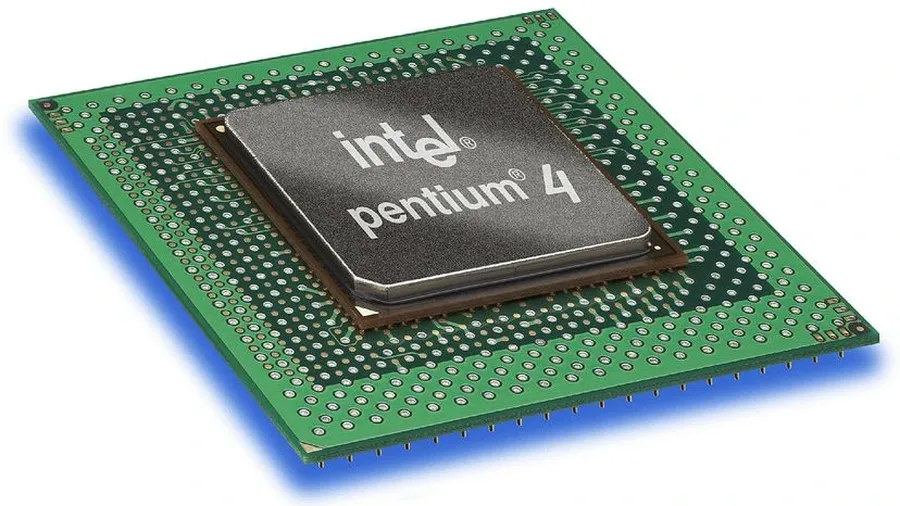
Electronic integrated circuits (ICs) are broadly categorized based on their function and the type of signals they process. This classification primarily distinguishes between digital ICs, which handle discrete signals, analog ICs, which process continuous signals, and mixed-signal ICs, which combine both functionalities. Understanding these categories is crucial for selecting the appropriate IC for a specific application.
| Type of IC | Signal Type | Function | Examples | Applications |
|---|---|---|---|---|
| Digital ICs | Discrete (binary) | Logic operations, data processing, memory storage | Logic gates, microprocessors, microcontrollers, memory chips (RAM, ROM), FPGAs | Computers, smartphones, digital communication systems, digital control systems |
| Analog ICs | Continuous | Signal amplification, filtering, modulation, signal conversion | Operational amplifiers, voltage regulators, sensors, comparators, analog-to-digital converters (ADCs), digital-to-analog converters (DACs) | Audio equipment, sensor interfaces, power supplies, communication systems, instrumentation |
| Mixed-Signal ICs | Both discrete and continuous | Integration of digital and analog functionalities | Data acquisition systems, audio codecs, system-on-a-chip (SoC) devices, radio frequency (RF) transceivers | Modern communication, industrial control, multimedia devices |
Each category of ICs has a unique role to play in modern electronics. Digital ICs form the bedrock of computational systems, analog ICs are essential for real-world signal processing, and mixed-signal ICs bridge the gap between the digital and analog domains.
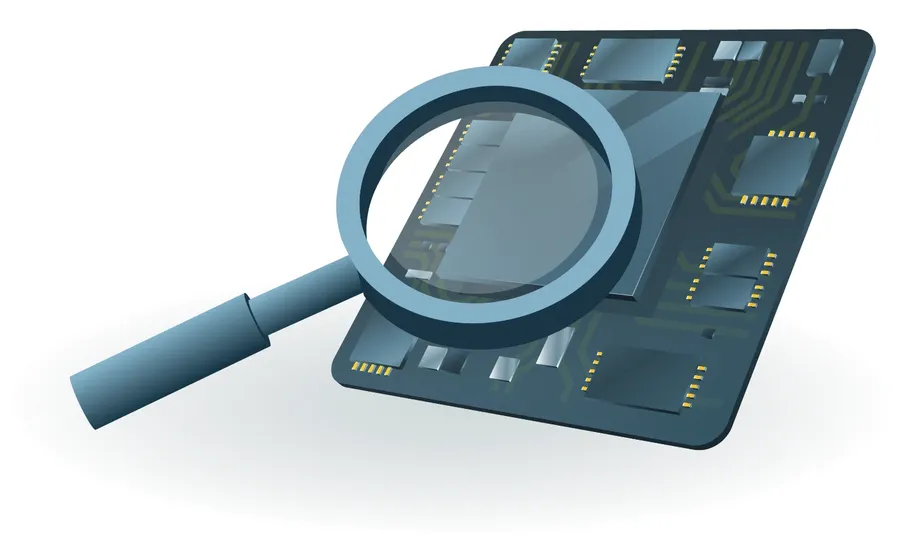
Electronic Integrated Circuits (ICs) are comprised of numerous fundamental components, each playing a vital role in the overall function of the circuit. These components, including transistors, resistors, capacitors, and diodes, are fabricated on a single semiconductor substrate and interconnected to perform specific electronic tasks. Understanding these components is crucial to comprehending how ICs operate.
| Component | Function | Description | Symbol |
|---|---|---|---|
| Transistor | Switching and Amplification | A semiconductor device used to switch or amplify electronic signals and power. It can act as a controllable switch or amplifier of current or voltage, with variations such as Bipolar Junction Transistors (BJTs) and Field-Effect Transistors (FETs). | Q |
| Resistor | Current Limiting | A passive component that restricts the flow of electric current in a circuit. It has a specified resistance value, and is commonly used to control voltage levels and current flow. Measured in ohms (Ω). | R |
| Capacitor | Energy Storage and Filtering | A passive component that stores energy in an electric field. It is used for various functions such as energy storage, filtering, and smoothing out electrical signals. Measured in farads (F). | C |
| Diode | Current Rectification | A semiconductor device that allows current to flow primarily in one direction. It is essential for converting alternating current (AC) to direct current (DC) and for other signal manipulation tasks. | D |
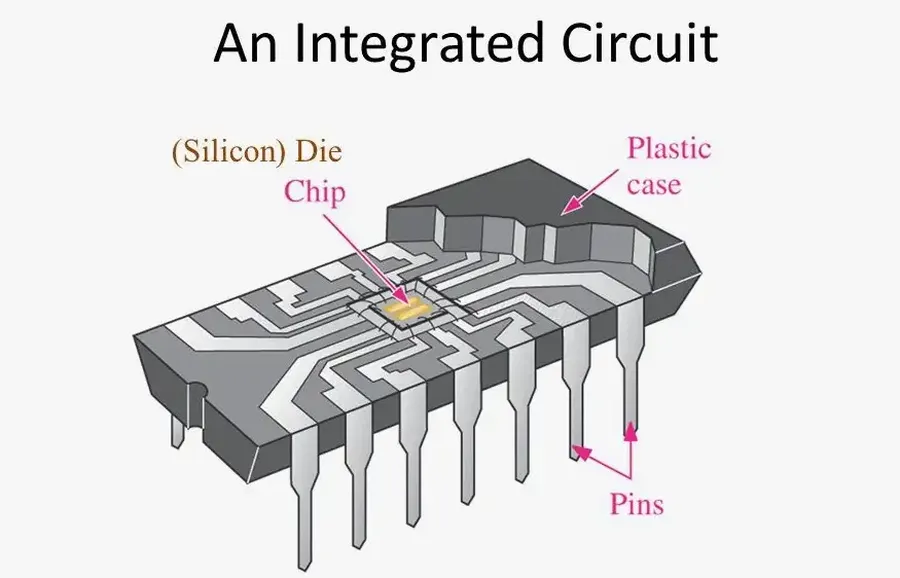
Electronic Integrated Circuits (ICs) operate by manipulating electrical signals through a network of interconnected components fabricated on a semiconductor substrate. These components, including transistors, resistors, and capacitors, work in concert to perform specific functions, from signal amplification to complex logic operations.
At the heart of IC operation is the transistor, which acts as a switch or amplifier. By controlling the flow of current through these transistors, ICs are able to execute logic functions (AND, OR, NOT) that form the basis of digital computation. In analog circuits, transistors manipulate signals to perform amplification, filtering, or modulation.
Semiconductor materials, typically silicon, are essential to this process because of their unique ability to conduct electricity under certain conditions. Doping these materials with impurities allows for the creation of p-type and n-type semiconductors, which form the basis for transistors and diodes. These precisely controlled impurities and geometries on the IC achieve the desired electronic behavior.
Signal processing within an IC involves the manipulation of electrical signals to perform a specific function. This can include amplifying weak signals, filtering out noise, or converting signals between different forms. Data storage is achieved by using structures such as flip-flops that can store logic states (0 or 1), or memory cells that are arrays of transistors and capacitors designed to hold data.
| Operation | Description | Example IC Component |
|---|---|---|
| Signal Amplification | Increases the magnitude of an electrical signal. | Transistors (as amplifiers) |
| Logic Function | Performs boolean operations. | Logic gates (AND, OR, NOT) |
| Data Storage | Retains data using electrical states. | Flip-flops, memory cells |
| Signal Filtering | Removes unwanted signal components. | Capacitors, Resistors in filter circuits |
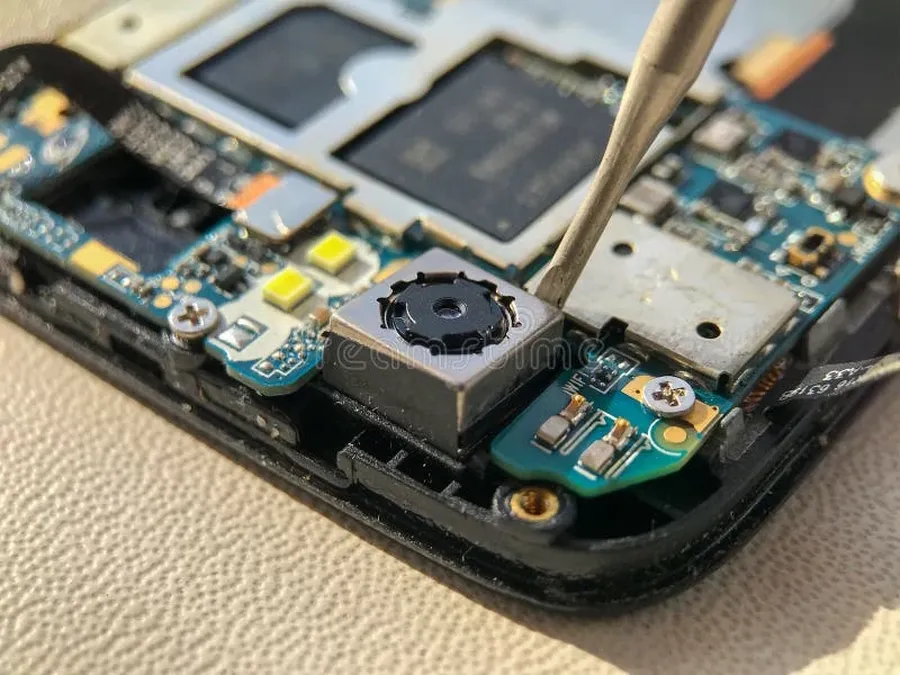
Electronic Integrated Circuits (ICs) are fundamental to modern technology, enabling a wide array of applications across diverse industries. Their ability to perform complex functions in a small form factor is driving innovation and efficiency across numerous sectors.
The impact of electronic ICs extends from personal devices to large-scale industrial systems. Below are some key examples of their pervasive use:
Electronic Integrated Circuits (ICs) have revolutionized modern electronics, offering significant advantages while also presenting certain limitations. This section provides a balanced view of these aspects, detailing both the benefits and drawbacks of IC technology.
| Feature | Advantages | Disadvantages |
|---|---|---|
| Size and Weight | Significant reduction in size and weight compared to discrete component circuits. | |
| Performance | Improved speed, accuracy, and reliability due to miniaturization and precise manufacturing. | Performance can be affected by environmental factors such as temperature fluctuations and radiation. |
| Power Consumption | Lower power consumption due to smaller components and reduced signal path lengths. | |
| Cost | Mass production of ICs allows for cost-effective solutions in many applications. | High initial costs associated with design and fabrication of custom ICs. |
| Complexity | Ability to integrate complex circuits into a single chip, simplifying design and assembly. | Increased manufacturing complexity leading to high failure rates and testing challenges. |
| Reliability | Enhanced reliability and durability due to reduced interconnections and enclosed construction. | Difficult to repair and replace individual components within an IC. |
| Manufacturing | Precise manufacturing processes provide high levels of consistency and uniformity. | Susceptible to environmental factors and contamination during the manufacturing process. |
| Environmental Impact | Reduced material consumption compared to discrete electronic components. | The manufacturing of ICs can be energy and resource intensive, with associated environmental impacts. |
This section addresses common inquiries regarding electronic integrated circuits (ICs), providing clear and concise answers to enhance understanding and resolve typical user questions about their function, meaning, types, and applications.
The trajectory of electronic integrated circuits (ICs) is marked by relentless innovation, driven by the demand for higher performance, lower power consumption, and smaller form factors. Future trends in IC technology are shaping not only the electronics industry but also the broader technological landscape, with emerging fields like artificial intelligence, quantum computing, and the Internet of Things (IoT) pushing the boundaries of what is possible.
Electronic ICs are the bedrock of modern electronics, silently driving the devices and systems we depend on daily. From their historical roots to their indispensable presence in today's technology, understanding how these microchips function and evolve is essential to grasp how technology shapes our lives. As the industry continues to push the boundaries of innovation in materials, design, and integration, electronic ICs will remain at the forefront of progress, constantly empowering new possibilities in all fields. The future is built with electronic ICs, the unsung heroes of our time.

