In today's world, LEDs have revolutionized lighting, and at the heart of every LED lighting system is the Printed Circuit Board (PCB). But what affects the led pcb board price? This article demystifies the pricing of LED PCBs, exploring materials, design complexity, and quantity influences, while also offering practical tips to optimize your costs.
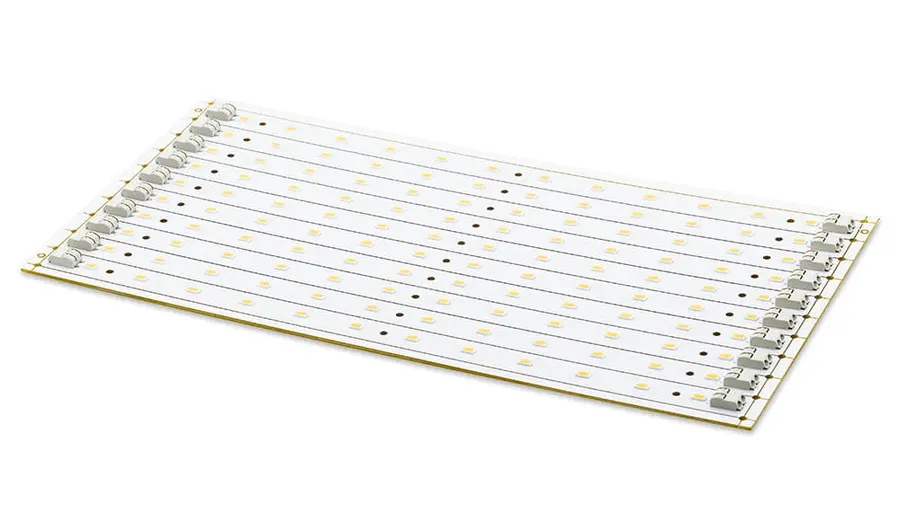
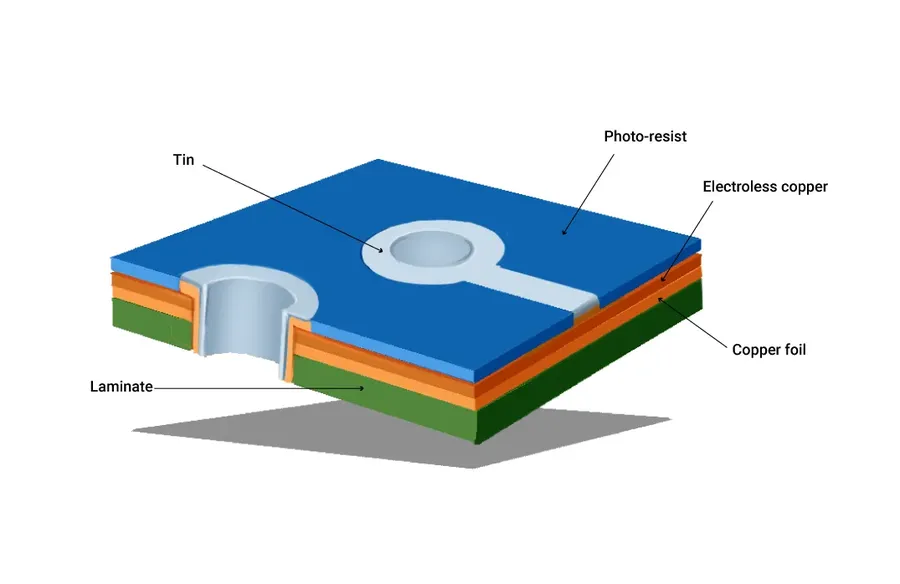
The price of an LED PCB board is fundamentally determined by its core components: the substrate material, the conductive copper layers, and the surface finish. These elements collectively dictate the board's performance, durability, and, ultimately, its cost. Understanding how each contributes to the final price is crucial for effective cost management.
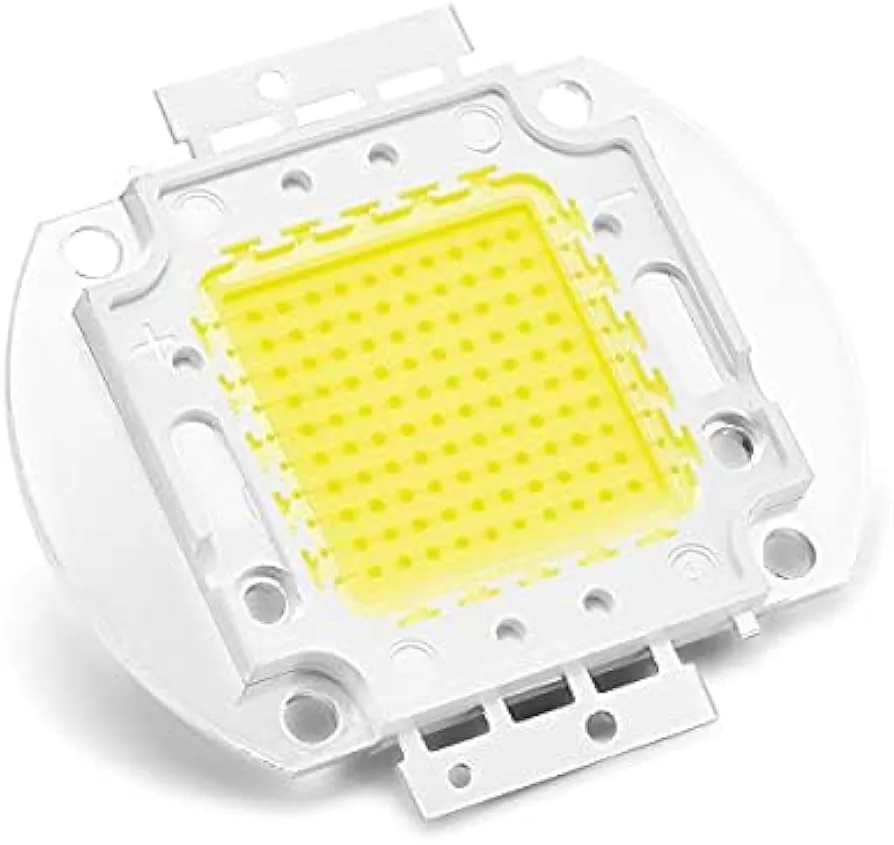
The price of an LED PCB board is not arbitrary; it's a function of several critical design and material choices. Understanding these factors allows for informed decision-making and cost optimization in your LED lighting projects. Key influences include the substrate material, the number of layers, the copper thickness, and the surface finish applied.
| Factor | Description | Impact on Price |
|---|---|---|
| Substrate Material | The base material upon which the circuit is built (e.g., FR-4, aluminum, ceramic). | Aluminum substrates (MCPCBs) are generally more expensive than FR-4 due to enhanced thermal conductivity. Ceramic substrates are the most costly due to superior performance. |
| Layer Count | The number of conductive layers in the PCB. Single-layer PCBs are the simplest, while multilayer boards have two or more. | More layers increase complexity and manufacturing costs, requiring additional processes. |
| Copper Thickness | The thickness of the copper traces, typically measured in ounces per square foot. | Thicker copper provides better current handling and heat dissipation, but increases material costs. |
| Surface Finish | The coating applied to exposed copper (e.g., HASL, ENIG, OSP). | Finishes like ENIG offer better solderability and corrosion resistance but come at a higher price than HASL or OSP. HASL is the most cost-effective |
| PCB Size and Complexity | The physical dimensions of the PCB and the intricacy of its layout. | Larger boards and more complex designs generally require more material and processing time, leading to higher costs. |
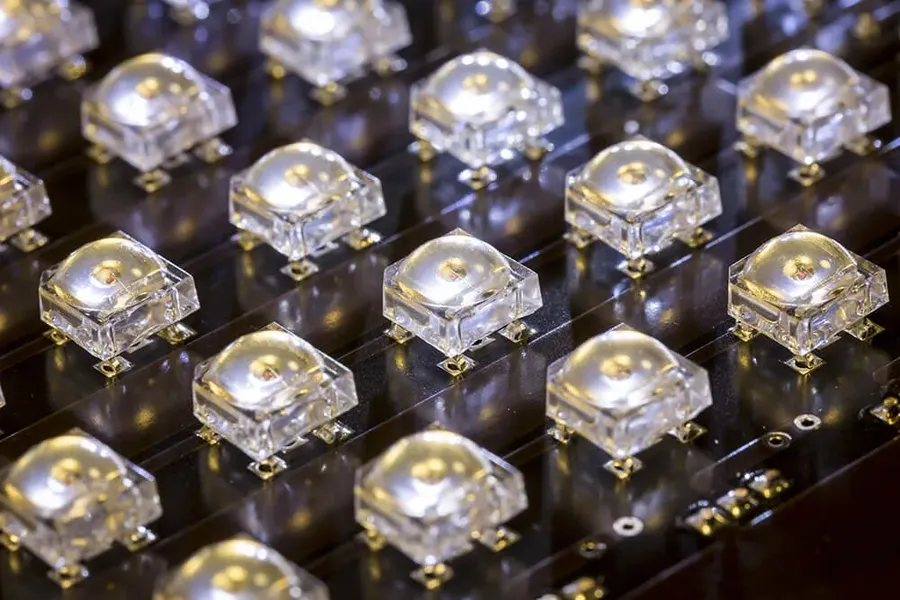
The cost of an LED PCB board is significantly influenced by its type, primarily determined by the substrate material and its construction. Different applications require specific types of PCBs, which leads to variations in price. This section will explore the price drivers associated with the three most common types of LED PCBs: rigid, flexible, and aluminum-backed (MCPCBs).
| PCB Type | Material | Typical Applications | Cost Factor | Price Range (Relative) |
|---|---|---|---|---|
| Rigid PCB | FR-4, CEM-1 | General lighting, consumer electronics | Base material, layer count | Low to Medium |
| Flexible PCB (Flex PCB) | Polyimide | Wearable devices, curved lighting | Material cost, precision manufacturing | Medium to High |
| Metal Core PCB (MCPCB) | Aluminum, Copper | High-power LED lighting, thermal management | Metal base, thermal properties | Medium to High |
Rigid PCBs, commonly made of FR-4, represent the most traditional and cost-effective option. Their price is influenced by the number of layers and the complexity of the circuit design. Flexible PCBs, made from materials like polyimide, are more expensive due to their higher material costs and intricate manufacturing processes. MCPCBs, characterized by a metal backing such as aluminum, are essential for applications with high thermal requirements. The use of a metal substrate improves heat dissipation, but also increases the cost due to the specialized manufacturing required.
The selection of the appropriate PCB type is crucial not only for performance but also for cost efficiency. Considering the specific demands of your project will guide you to the best choice between the price and functionality, taking into account factors like mechanical stress, heat management, and space constraints.
The cost of an LED PCB board is significantly influenced by the manufacturing processes employed. These processes, ranging from component placement to soldering techniques, directly impact the efficiency, yield, and ultimately, the price of the final product. Optimizing these processes is key to achieving cost-effective LED PCB production.
| Manufacturing Process | Description | Impact on Cost | Efficiency & Automation |
|---|---|---|---|
| Surface Mount Technology (SMT) | Automated process of placing components directly onto the surface of the PCB. | Lower labor costs, higher speed and volume production, precise placement. Can reduce costs but requires upfront investment in equipment. | High efficiency due to automated placement and soldering; well-suited for large volumes |
| Through-Hole Technology (THT) | Inserting component leads into drilled holes on the PCB, typically followed by manual soldering. | Higher labor costs due to manual assembly and soldering steps. More suitable for larger components. Typically more expensive than SMT for high-volume production. | Lower efficiency, suitable for prototyping and low-volume or specialized components |
| Wave Soldering | Soldering method where PCBs pass over a wave of molten solder to connect components. | Cost-effective for through-hole components in high volumes. Requires specific setup and preparation and is less versatile than other techniques. | High volume but limited flexibility, suitable for through-hole assembly |
| Reflow Soldering | Soldering process used for SMT, where solder paste is heated to melt and join components to the board. | Enables high volume, accurate placement with automated process. Requires specific equipment but can lead to lower overall cost for SMT | High efficiency and precision suitable for SMT, used in high-volume PCB production |
| Automated Optical Inspection (AOI) | Utilizing cameras to inspect PCBs for defects post-soldering. | Reduces defects, rework costs, improves reliability but also adds a minor cost to the production process. | High efficiency, critical for quality control in high volume production. |
| Pick and Place Machines | Robotic machines designed to accurately place components on PCBs. | Reduces labor costs, increases placement accuracy, significantly improves throughput and reduces errors. | Increases precision and placement speeds while minimizing errors |
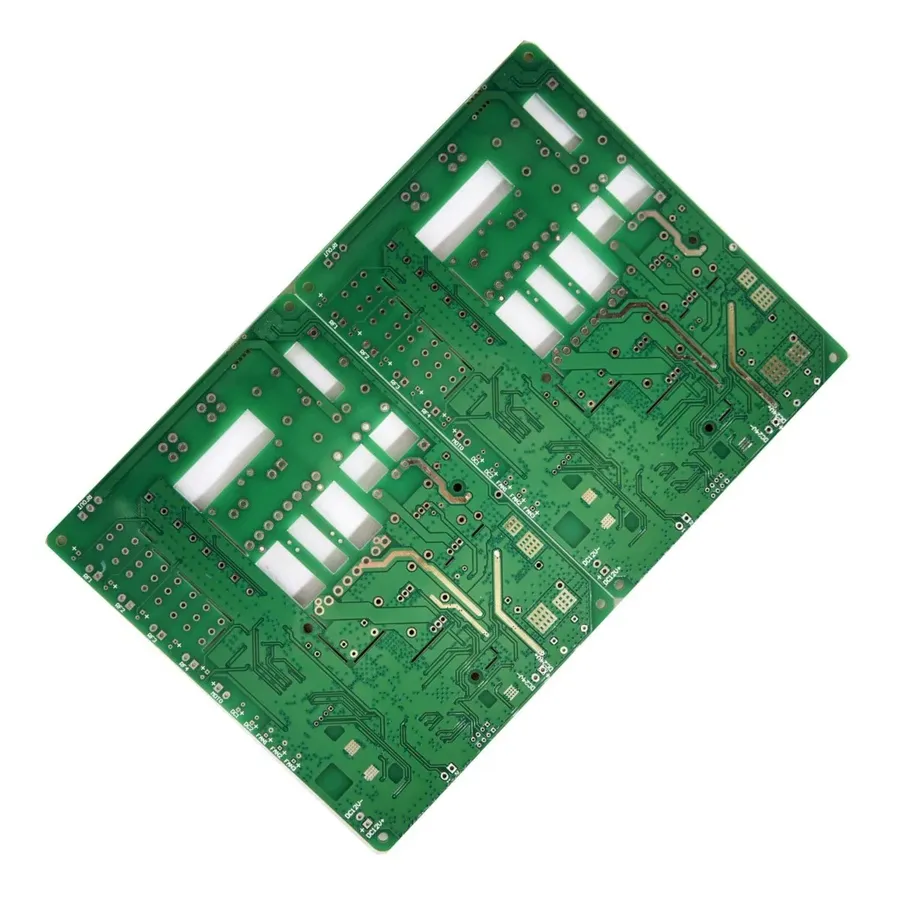
The relationship between order quantity and per-unit cost of LED PCB boards is governed by the principle of economies of scale. As the volume of PCBs ordered increases, the cost per unit tends to decrease, primarily due to the fixed costs of production being spread over a larger number of units, in addition to volume discounts from suppliers.
This effect is a cornerstone of manufacturing efficiency and is critical for optimizing the financial aspect of any PCB project. Below, we explore the elements that contribute to this effect and offer effective strategies to leverage them.
Leveraging these economies of scale is essential for cost-effective PCB production. Consider these strategies when placing an order:
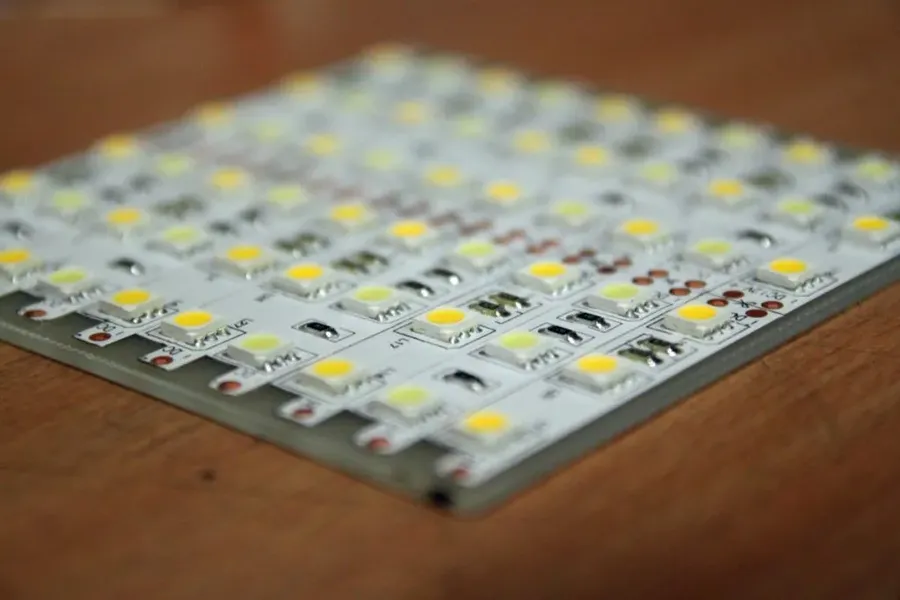
The choice between custom and standard LED PCB designs significantly impacts the overall project cost. Standard, or off-the-shelf, LED PCBs offer a lower entry price point due to their mass production and readily available designs. However, they might not perfectly fit specific application needs. Conversely, custom-designed PCBs, while more expensive initially, can provide tailored solutions that optimize performance and reduce long-term costs.
| Feature | Standard LED PCB | Custom LED PCB |
|---|---|---|
| Initial Cost | Lower | Higher |
| Design Flexibility | Limited | High |
| Lead Time | Shorter | Longer |
| Application Fit | May require compromises | Optimized for specific requirements |
| Suitability for High Volume | Good for general applications | Ideal for specific, complex applications |
| Long-Term Cost | Can be higher due to inefficiencies or necessary modifications | Can be lower with optimization |
The decision to use a standard versus custom PCB design depends on the project’s specific requirements and trade-offs. Standard designs are cost-effective for general applications, while custom designs are beneficial when performance and specific functional requirements are the priority.
Understanding the nuances of LED PCB board pricing can be challenging. This section addresses common questions to clarify the factors influencing cost and help you make informed decisions.
Analyzing LED PCB board prices across various suppliers is crucial for making informed purchasing decisions. This section presents a comparative overview, highlighting price ranges for different types of LED PCBs and key factors influencing these costs. This comparison helps identify cost-effective solutions without compromising quality or performance.
| Supplier | Type of LED PCB | Price Range (USD) | Key Factors Influencing Price |
|---|---|---|---|
| Supplier A | Standard FR-4 LED PCB | $0.05 - $0.15 per sq cm | Volume, Layer count, Copper Thickness |
| Supplier A | Aluminum MCPCB | $0.10 - $0.25 per sq cm | Thermal performance requirements, Aluminum thickness |
| Supplier A | Flexible LED PCB | $0.20 - $0.40 per sq cm | Complexity, material type, bending radius |
| Supplier B | Standard FR-4 LED PCB | $0.06 - $0.18 per sq cm | Lead time, Finish type, Order quantity |
| Supplier B | Aluminum MCPCB | $0.12 - $0.28 per sq cm | Customization requirements, Aluminum Alloy |
| Supplier B | Flexible LED PCB | $0.22 - $0.45 per sq cm | Flexibility requirements, special treatments |
| Supplier C | Standard FR-4 LED PCB | $0.04 - $0.14 per sq cm | Automation level, material source, inspection standards |
| Supplier C | Aluminum MCPCB | $0.09 - $0.24 per sq cm | Thermal conductivity requirements, quality control |
| Supplier C | Flexible LED PCB | $0.18 - $0.38 per sq cm | Material thickness, high density interconnect |
The price of LED PCBs is influenced by numerous factors, and this table provides only a snapshot. To obtain the most precise pricing, it is essential to contact suppliers directly with specific project requirements. Key factors include material choices, order volume, manufacturing complexity, and required turnaround times.
Optimizing LED PCB board costs requires a strategic approach, balancing budgetary constraints with performance and quality requirements. This section provides practical advice on how to achieve cost efficiency without compromising the functionality of your LED lighting solutions.
Understanding the many factors influencing led pcb board price allows you to make informed choices. By considering materials, design complexity, manufacturing processes, and order volumes, you can optimize your project's cost without compromising quality. Keeping up with the market trends will ensure that you get the most efficient and affordable options. For your next project, strategic planning will help you achieve a reasonable price for your led pcb board needs, maximizing value and efficiency.

