In today's fast-paced electronics industry, ordering PCBs online has become essential. This guide provides insights into navigating the world of PCB online orders, from prototyping to mass production, highlighting the convenience and efficiency this approach provides. Whether you're a hobbyist or a professional, understanding how to effectively utilize online platforms is key to streamlining your projects. Discover how to get instant quotes, find reliable manufacturers, and achieve rapid turnaround times, all through the convenience of a PCB online order.
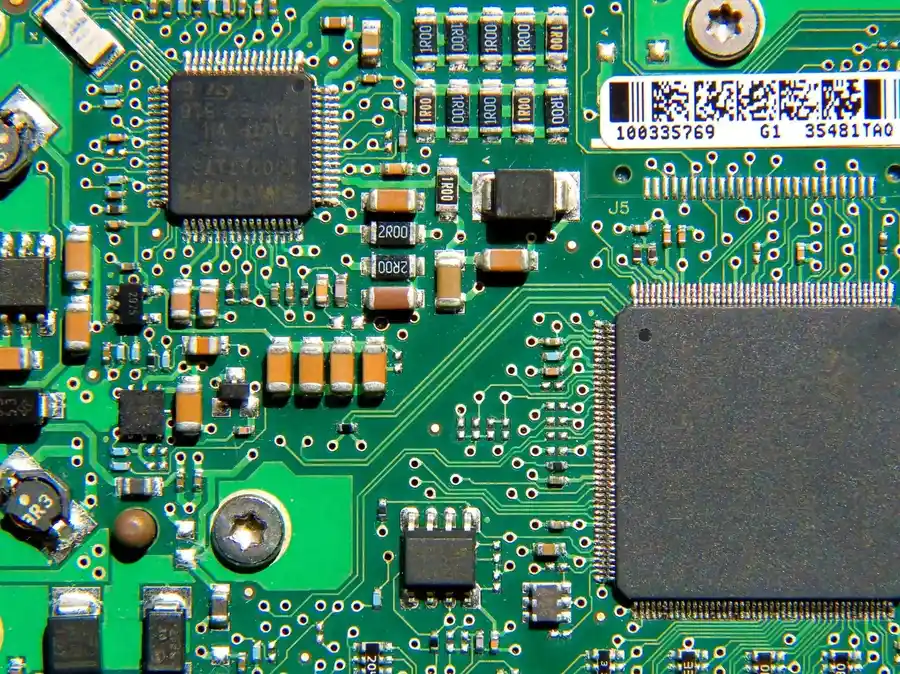
The online PCB order process is a streamlined method for procuring custom printed circuit boards, moving from design files to physical boards. This process typically involves several key steps, including file preparation, online quoting and order placement, manufacturing, and final delivery.
Central to this process is the Gerber file, the industry standard for PCB fabrication, which is a comprehensive set of files that detail each layer of the board, including copper traces, drill holes, and solder mask, that will be used by the manufacturer. Accurate and complete Gerber files are essential for correct PCB fabrication.
Additional documentation, such as drill files, are also needed for a seamless order process and to specify other required elements such as the fabrication specifications (board material, thickness, copper weight, etc.) as these documents allow the manufacturer to accurately interpret the design and fabricate the boards to the designer's specifications.
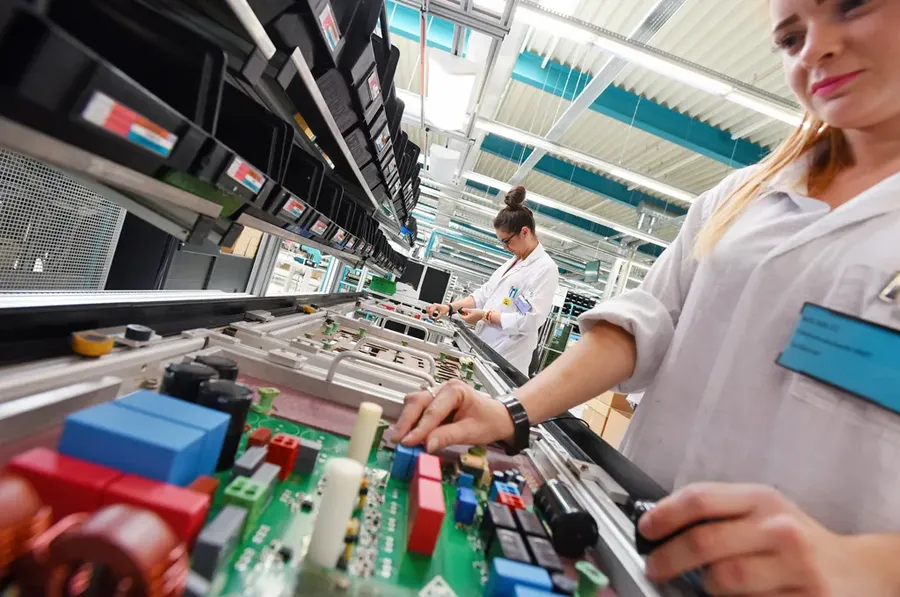
Selecting the right online PCB manufacturer is crucial for ensuring the quality and reliability of your printed circuit boards. Several factors must be carefully evaluated, as they directly impact the final product's performance, cost, and delivery timeline. This section details key considerations to help you make an informed decision.
| Factor | Description | Importance |
|---|---|---|
| Pricing | Evaluate the cost per board, setup fees, and any additional charges for specific options, such as surface finish or layer count. Volume discounts should also be considered. | Directly impacts the project budget, especially for large production runs. Look for cost-effectiveness without sacrificing quality. |
| Turnaround Time | Check the lead times for fabrication and assembly. Some manufacturers offer expedited services for faster delivery. | Crucial for time-sensitive projects. Balance the need for speed with the overall cost. |
| Quality Standards | Confirm that the manufacturer adheres to industry standards, such as IPC standards, and verify any certifications they have received. | Ensures the PCBs meet reliability and performance requirements. Adherence to standards is a sign of a reputable manufacturer. |
| Customer Support | Assess the responsiveness and helpfulness of the manufacturer's support team. Effective communication is crucial to resolve any issues. | Important for addressing any issues promptly. Good support can minimize project delays and frustration. |
| Material Options | Consider the range of materials offered. This includes substrate types (FR-4, Aluminum, etc.), copper thickness, and solder mask options. | The correct material selection is critical for specific applications. Verify materials meet performance criteria. |
| Technology Capabilities | Review the manufacturer's technological capabilities, including the number of layers supported, minimum trace width and spacing, via types, and surface finish options. | Determines if the manufacturer can produce your specific PCB design. Verify their capabilities align with your design requirements. |
| Minimum Order Quantity (MOQ) | Consider the minimum number of PCBs that must be ordered per run, and if it matches your project needs. | MOQs can impact cost-effectiveness, especially for prototypes. Choose a manufacturer with the appropriate MOQ for your needs. |
| Assembly Services | Consider if the manufacturer provides assembly services if needed, and what level of assembly they offer (partial/full) | For projects needing assembly, this can streamline the process. Look into the cost and lead times of assembly options. |
Selecting the right online platform for your PCB order is crucial for ensuring a smooth and cost-effective manufacturing process. Numerous platforms are available, each with unique strengths and weaknesses. This section provides a comparative overview of some of the most popular options, helping you make an informed decision based on your specific needs.
| Platform | Strengths | Weaknesses | Online Quoting | Available Options | Minimum Order | PCB Assembly |
|---|---|---|---|---|---|---|
| JLCPCB | Cost-effective, fast turnaround, wide range of options, strong community support | Customer support can be slow at times, limited advanced options compared to other providers. | Yes | Multilayer PCBs, SMT assembly, various materials and finishes | Typically 5 PCBs | Yes |
| PCBWay | Good for complex designs, extensive material selection, excellent customer support, offers PCBA services | Can be more expensive than JLCPCB for standard PCBs, potentially longer lead times for complex boards. | Yes | Advanced PCB technologies, flexible PCBs, rapid prototyping, various assembly options. | Varies with design complexity and order options | Yes |
| ALLPCB | Competitive pricing, focus on mass production, wide range of PCBA options. | May have longer lead times for small batch orders, customer support reviews are mixed. | Yes | Standard and advanced PCBs, PCBA services with online parts quoting | Varies with design and order requirements. | Yes |
| OSH Park | High-quality boards, suitable for hobbyists and small-scale projects, straightforward ordering process | Limited options, not as cost-effective for large orders, slower turnaround times | No Instant Quoting | Standard 2-layer and 4-layer boards | 3 Boards | No |
| Seeed Fusion | Good balance of price and quality, offers prototyping and low volume assembly services | Fewer options for material and finish than some of the other platforms. | Yes | Standard and advanced PCBs, PCBA services | Varies with design and order requirements | Yes |
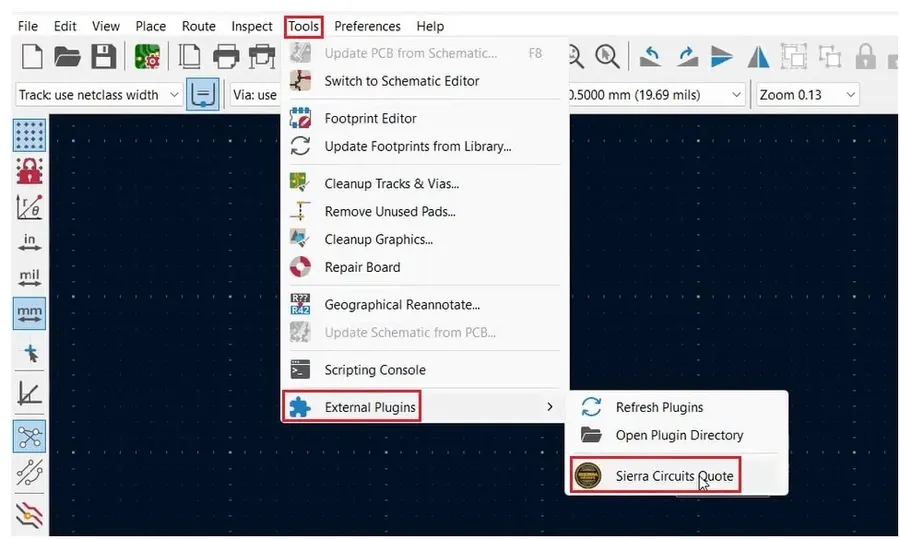
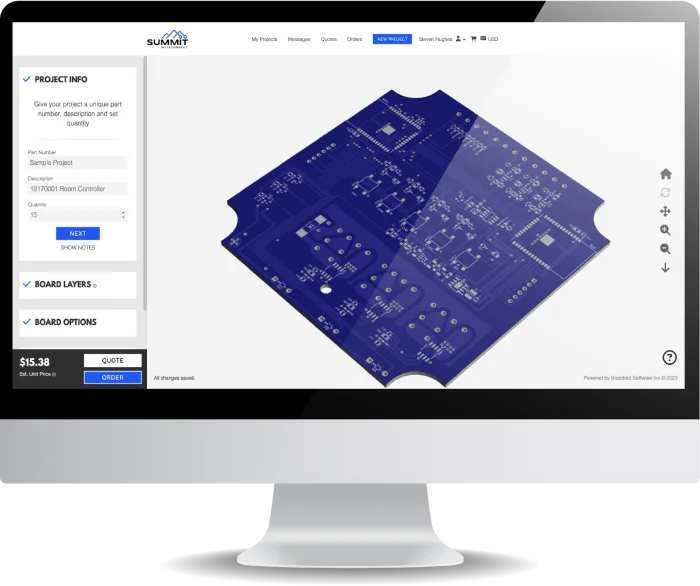
Instant quoting tools are a cornerstone of modern online PCB manufacturing, offering users immediate price estimates based on their design specifications. These tools streamline the ordering process, providing a quick and transparent way to assess project costs before committing to production. They function by analyzing uploaded design files and user-defined parameters to generate a quote.
The underlying mechanisms of instant quoting tools are typically based on algorithms that calculate costs based on a series of predefined parameters. Here's a breakdown:
Factors that influence instant quotes include:
While instant quoting tools provide a rapid estimate, they should be considered an initial guide. The final cost may vary slightly after a more thorough review by the manufacturer, especially if any design rule violations or unusual features are identified. Furthermore, remember that the accuracy of instant quotes is closely tied to the accuracy of the input information and design file. Always verify your parameters carefully before finalizing your order.
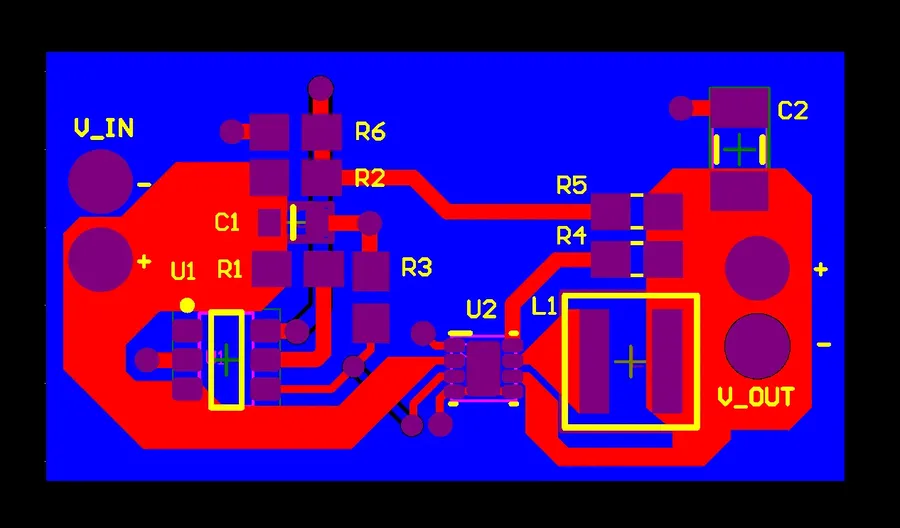
Optimizing your PCB design for online manufacturing is crucial for a smooth and cost-effective fabrication process. By adhering to Design for Manufacturability (DFM) principles and standard specifications, you can avoid common pitfalls, reduce manufacturing delays, and ensure the production of high-quality printed circuit boards. This section provides guidance on key aspects to consider when designing PCBs for online manufacturing.
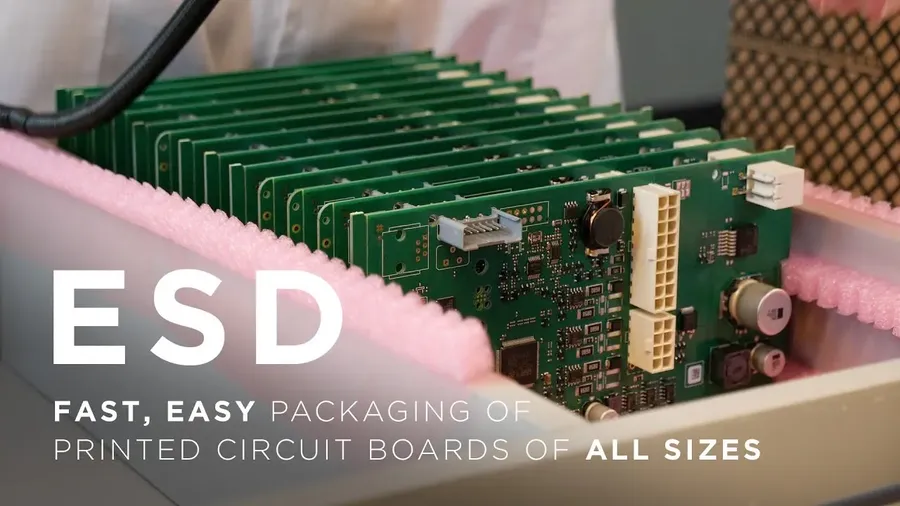
Successfully completing a PCB online order involves understanding the available payment and shipping options. This section details the common methods and considerations for a smooth transaction and delivery.
Payment methods typically include digital options such as PayPal and major credit cards (Visa, Mastercard, American Express), and in some instances, wire transfers or other forms of electronic payment. The availability of each method will vary depending on the specific manufacturer. It's crucial to ensure the platform has robust security measures to protect your financial details during transactions.
| Payment Method | Description | Security | Typical Availability |
|---|---|---|---|
| Credit/Debit Cards | Direct payment using card details. | Secure payment gateway with encryption. | Widely accepted |
| PayPal | Payment through a PayPal account. | Secure platform with buyer protection. | Commonly accepted |
| Wire Transfer | Direct bank transfer. | Generally secure, but slower processing. | Less common, primarily for larger orders |
| Other digital wallets | Payment using digital wallet apps such as Apple Pay or Google Pay | Secure platform with buyer protection. | Increasingly available |
Shipping options are diverse, offering a balance between cost and delivery speed. Standard shipping is the most economical but slowest option, whilst express shipping is faster but incurs higher costs. Courier services like DHL, FedEx, and UPS are common for express options. Consider factors such as shipping insurance (for covering damage or loss during transport) and tracking (for real-time updates). Shipping costs are influenced by package weight, size, and delivery destination. Some platforms may offer free shipping for orders exceeding a specific value or within particular regions.
| Shipping Option | Description | Cost | Estimated Delivery Time | Insurance | Tracking |
|---|---|---|---|---|---|
| Standard Shipping | Basic delivery service. | Lowest. | Longer delivery times (7-20 days). | Optional | Often limited tracking. |
| Express Shipping | Faster delivery service. | Higher cost. | Faster (2-7 days). | Often included | Full tracking available. |
| Courier Services (e.g., DHL, FedEx, UPS) | Fast, reliable shipping. | Variable. | 2-5 days | Generally included | Full tracking available. |
Navigating the world of online PCB orders can be complex, and many questions often arise. This section addresses the most common queries, providing clear and concise answers to ensure a smooth ordering process.
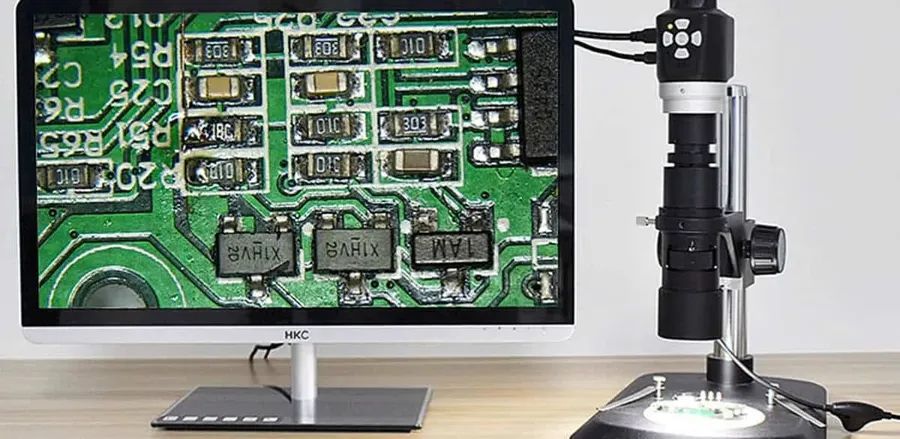
Ensuring the quality and reliability of your printed circuit boards (PCBs) from online orders is paramount to the success of your electronic projects. This involves a multi-faceted approach, starting with selecting a reputable manufacturer and extending to rigorous inspection upon delivery. Understanding the manufacturer's certifications, quality control procedures, and implementing your own verification processes is crucial in this endeavor.
The pursuit of quality should begin even before placing the order, by carefully reviewing the manufacturer's certifications and quality control procedures. Reputable manufacturers will often hold certifications such as ISO 9001, demonstrating their commitment to quality management systems. These standards mean the manufacturer has established processes for consistent production. Furthermore, consider any industry-specific certifications related to environmental compliance or specialized material handling that may be relevant for your project. Quality control procedures implemented by the manufacturer should be transparent and include inspections and tests at various stages of the fabrication process.
Upon receiving your PCBs, your own inspection is a critical step to ensure the boards meet your specifications. This should include a visual inspection for any physical defects, such as layer misalignments, incorrect plating, or damage incurred during shipping. Following the visual inspection, electrical tests are highly recommended to confirm the board’s functionality, such as continuity tests and insulation resistance tests, with further electrical performance checks based on the specific application of the PCB. Such testing is crucial for identifying defects that visual inspections may miss. Furthermore, for more advanced designs, impedance testing may be necessary to ensure signal integrity. Document your inspection findings carefully, as this may be necessary if issues arise.
By considering and incorporating these factors, you can reduce the risk of receiving subpar PCBs, ensuring your electronic products are of the highest quality and operate reliably.
The PCB online ordering landscape is undergoing a rapid transformation, driven by advancements in automation, materials science, and the sophistication of online platforms. These changes promise to make PCB fabrication more accessible, faster, and cost-effective, ushering in a new era for electronics manufacturing.
The integration of Industry 4.0 technologies is pivotal to the future advancements within this sector. Key trends include:
In conclusion, the future of PCB online ordering is poised for significant advancements that will empower designers and engineers with faster, more reliable, and cost-effective solutions. These trends promise to accelerate the pace of electronics development, driving innovation across numerous industries.
The ability to place a PCB online order has fundamentally transformed how engineers and hobbyists alike create electronic projects. By understanding the process, carefully evaluating online manufacturers, and optimizing designs for fabrication, you can leverage the convenience of the digital world to bring your electronic ideas to life. The future of PCB ordering lies in further automation and user-friendly online platforms, streamlining the process and making it even more accessible. Consider exploring a reliable platform for your next project – a streamlined PCB online order awaits.

