Understanding Microtek Inverter PCB Board Prices: A Comprehensive Guide
2025.01.03
In a world increasingly reliant on uninterrupted power, inverters play a crucial role, and at their heart lies the PCB board. This article dives deep into the world of Microtek inverter PCB board prices, revealing the key factors affecting cost. From design intricacies to the nuances of model variations, we'll illuminate what dictates the price you pay. Whether you're seeking a replacement or simply curious about the costs, this guide will serve as a comprehensive resource, helping you navigate the complexities of 'microtek inverter pcb board price' effectively.
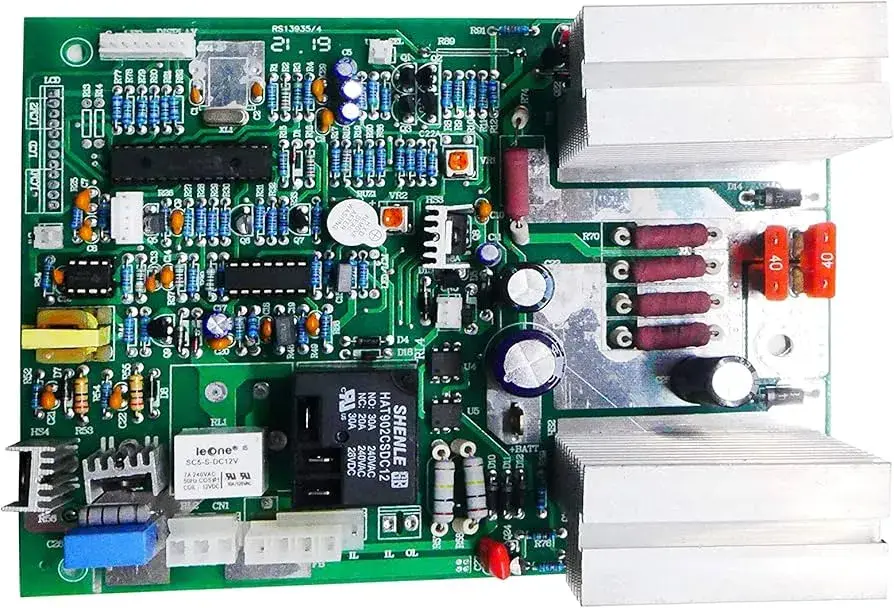
The price of a Microtek inverter PCB board is determined by a combination of design intricacy, material quality, and manufacturing processes. Understanding these core factors provides insight into why costs fluctuate across different models and specifications.
Design Complexity More complex PCB designs, incorporating advanced circuitry and multiple layers, require sophisticated manufacturing techniques and higher quality materials, increasing the final cost. This complexity directly influences the number of components and their interconnection density.
Number of Layers A higher number of layers in the PCB board results in increased manufacturing complexity and material usage, which directly contributes to the overall price. Multilayer boards are often required for advanced inverters with more sophisticated features and higher performance requirements.
Component Quality The type and quality of electronic components used in the PCB, such as capacitors, resistors, and integrated circuits, significantly affect the price. Higher-grade components are generally more expensive but provide better performance, reliability, and longevity.
Specialized Features Inclusion of specialized features, like enhanced protection circuits, advanced communication interfaces or smart functionalities adds to the complexity and manufacturing cost, thereby increasing the overall PCB price.
Manufacturing Processes The precision and type of manufacturing processes, such as surface-mount technology (SMT) versus through-hole technology, can affect costs, with higher precision methods typically being more expensive.
Material Costs The cost of the substrate material and conductive materials influences the overall PCB price. High-quality materials with better electrical and thermal properties contribute to a higher production cost.
Microtek Inverter Models and Corresponding PCB Costs
Microtek Inverter Models
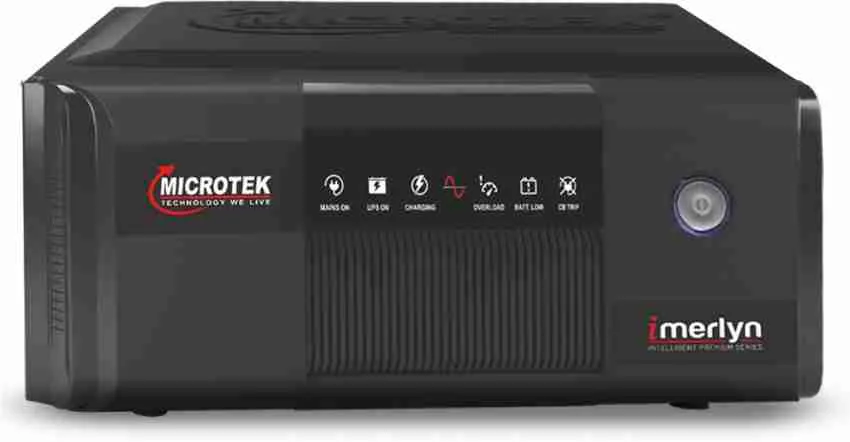
The cost of a Microtek inverter PCB board is significantly influenced by the specific inverter model it is designed for. Each model, such as the EB700, 850VA, and 1100VA, employs unique PCB designs tailored to its power handling and operational requirements. These variations in design directly impact the cost of the PCB, reflecting differences in component complexity and board layout.
Microtek Inverter Model
Typical PCB Complexity
Estimated Relative PCB Cost
Notes
EB700
Low to Medium
Lower
Designed for basic power needs, simpler design
850VA
Medium
Medium
Balances cost and performance.
1100VA
Medium to High
Medium to High
Higher power requirements, more complex circuit.
Other Models (e.g., 900VA, 1000VA)
Varies
Varies
Specific prices depend on individual design specs.
Different Microtek inverter models utilize PCBs with varying complexities. For example, the EB700, designed for lower power applications, typically features a less complex PCB, translating to lower costs. Conversely, models such as the 1100VA, intended for higher power output, often require more sophisticated circuit designs, resulting in a higher price point for the PCB. This variability in PCB design also extends to models like the 850VA, which occupy a mid-range tier in terms of complexity and cost. Therefore, understanding your specific Microtek inverter model is crucial when estimating the potential cost of a replacement PCB or assessing repair feasibility. The costs also reflect different component specifications and the physical dimensions of the PCB, all influencing the overall price.
Where to Buy Microtek Inverter PCB Boards: A Comparative Analysis
Electronic Component Store
Sourcing Microtek inverter PCB boards involves navigating various channels, each presenting a unique balance of price, convenience, and reliability. This section offers a comparative analysis of online retailers, local electronics stores, and authorized service centers to assist in making an informed purchasing decision.
Online Retailers (e.g., Amazon, Flipkart, Indiamart) Online platforms offer a broad selection of Microtek inverter PCB boards, often at competitive prices. Advantages include the convenience of home delivery, customer reviews, and price comparisons. However, potential drawbacks involve shipping delays, concerns about product authenticity, and the need for careful vetting of sellers. Always check seller ratings and reviews before making a purchase.
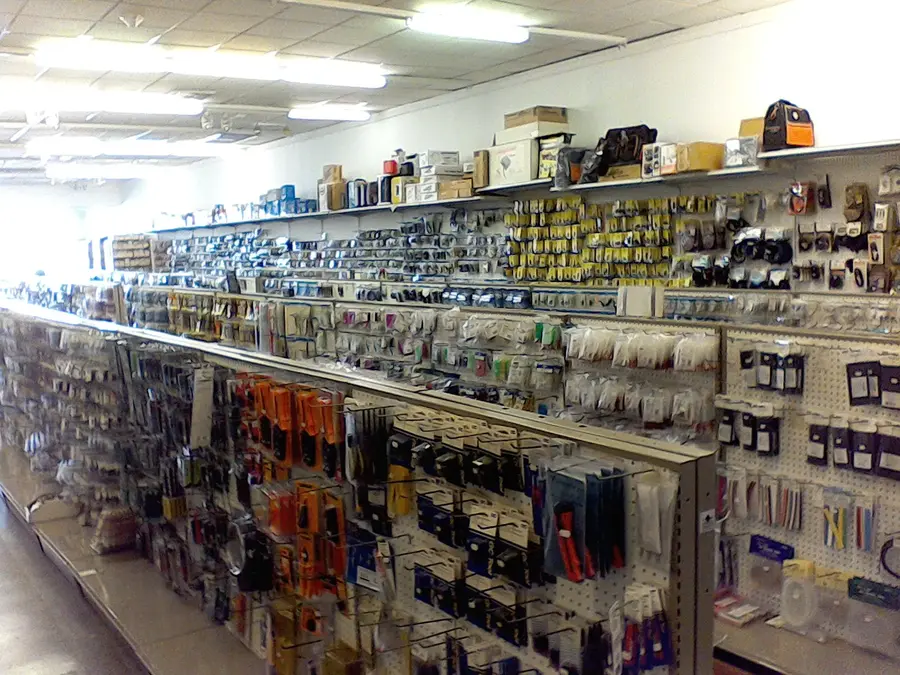
Local Electronics Stores Local stores provide the advantage of physically inspecting the PCB board before purchasing. This allows for immediate acquisition and offers a direct line of communication for queries and after-sales support. However, pricing might be less competitive compared to online platforms, and stock availability could be inconsistent. Consider this option if you prefer a hands-on approach and require the component urgently.
Authorized Service Centers Purchasing from authorized service centers guarantees genuine Microtek PCB boards, backed by the manufacturer's warranty. Although prices might be higher, this option minimizes the risk of counterfeit products and provides access to expert advice. Service centers often offer installation services, which can be beneficial if you're not comfortable with DIY repairs. This is the most reliable option, though often the most expensive.
Source
Price
Authenticity
Convenience
Support
Ideal For
Online Retailers
Competitive
Variable, requires vetting
High
Online support, Seller dependent
Price-conscious buyers
Local Stores
Moderate
Generally Reliable
Moderate
Direct, immediate
Buyers who prefer physical inspection and immediate purchase
Authorized Centers
Higher
Guaranteed
Moderate
Expert, reliable
Buyers prioritizing authenticity and professional installation
Repair vs. Replacement: Making the Right Choice for Your Microtek Inverter PCB
PCB Repair
Deciding whether to repair or replace a Microtek inverter PCB board is a critical decision that hinges on a careful evaluation of several factors. This section provides guidance on how to make that determination based on cost-effectiveness, the extent of the damage, and the availability of spare parts.
A direct comparison of repair versus replacement costs is crucial. When assessing the costs, consider not just the immediate expenditure but also the potential long-term reliability. Repairing a severely damaged PCB may only provide a short-term fix, potentially leading to further issues, whereas a replacement offers the benefit of a new, fully functional board with extended reliability.
Factor
Repair
Replacement
Initial Cost
Generally lower if damage is minor, may become high for complex issues
Higher upfront cost, varying by model.
Long-Term Reliability
Variable depending on repair quality, could lead to future problems.
Provides a brand new, fully functional board with extended reliability.
Availability of Parts
Parts may not be available for older or less common models.
Generally, new PCB boards are readily available for current models.
Time required
Repair time varies based on the complexity and technician availability.
Replacement is quicker, especially if purchased from a local store.
Labor cost
Dependent on the repair complexity, technician's charges, and time spent on the job.
Installation cost may be charged but is generally lower than repair labor charges.
Warranty
Repaired boards may have limited warranty or no warranty at all.
New PCB boards usually come with a manufacturer's warranty.
The nature and extent of the damage are paramount. Minor issues, such as a faulty capacitor or a loose connection, might be economically repaired. However, significant damage like burnt traces, physical cracks, or extensive component failures might necessitate a complete board replacement. When the repair cost approaches or exceeds the replacement cost, choosing to replace the PCB board is logical.
Considering the availability of spare parts is also crucial. Older or less common Microtek inverter models may have limited availability of PCB components, making a repair difficult or impossible. In such cases, a board replacement is the only viable option, though the new board might be updated. Conversely, for recent and common models, spare parts are usually easily obtainable, making repair a more feasible choice.
DIY PCB Repairs: Risks and Precautions
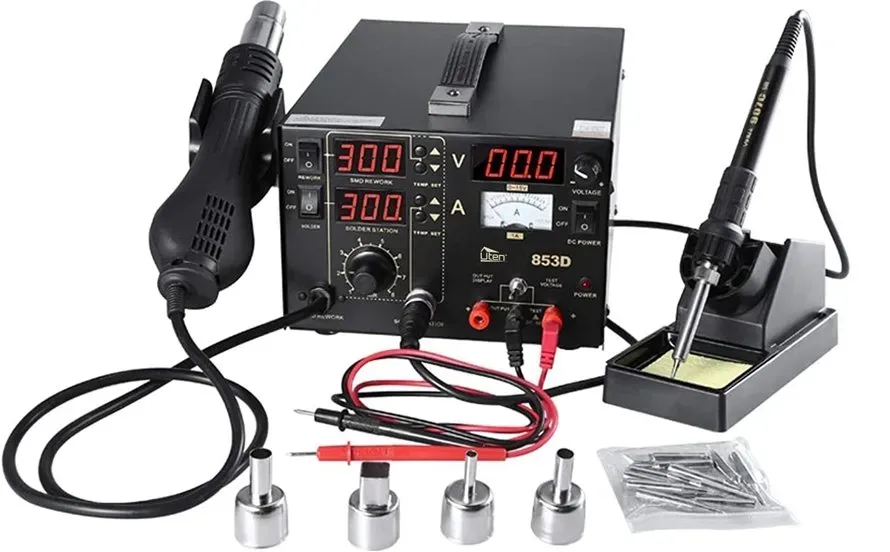
Soldering tools for PCB
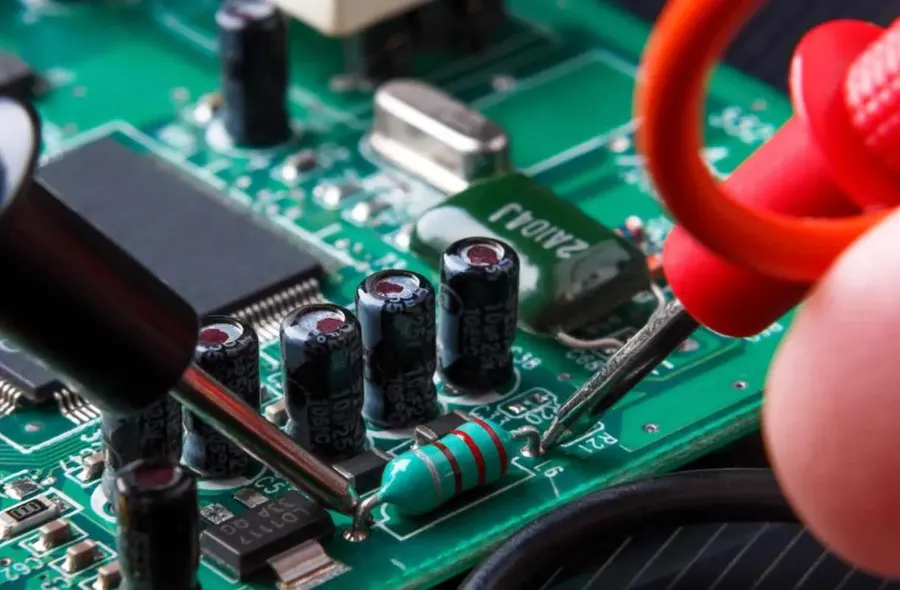
Attempting to repair a Microtek inverter PCB board yourself can seem like a cost-effective solution, but it's crucial to understand the inherent risks and necessary precautions. PCB repair involves intricate electronic components and requires specialized knowledge and tools. Proceeding without these can lead to further damage, void warranties, or even pose safety hazards.
Risk of Further Damage Incorrect soldering or handling of sensitive components can exacerbate the original problem or cause new issues. PCBs are densely packed with delicate parts, and improper techniques can easily lead to irreversible damage.
Safety Hazards Working with electrical circuits poses significant safety risks, including electrical shock. Inverters operate at high voltages, and improper handling can lead to serious injury or even death.
Warranty Voidance Attempting DIY repairs often voids the manufacturer's warranty, meaning you will lose any potential coverage for future issues with the inverter if a repair has been done by a non-authorised personnel.
Requirement of Specialized Skills and Tools Successful PCB repair requires expertise in electronics, soldering, and component identification. Moreover, specialized tools like a multimeter, oscilloscope, and soldering station are essential. Lack of these will invariably lead to an unsuccessful repair.
Potential for Improper Diagnosis Without the right test equipment, an accurate diagnosis of the root cause of the problem is difficult, leading to unnecessary and expensive repair attempts, and time wastage.
Time Consumption and Frustration DIY repairs can be time-consuming and frustrating, especially for individuals without prior experience. Many repairs that seem like a simple task become much more time consuming if an individual is not skilled.
When considering DIY PCB repair, assess your skills and the tools available against the risks involved. For complex issues or if you lack the necessary expertise, seeking professional help from an authorized service center or qualified technician is a much more prudent path. Furthermore, the use of incorrect parts can lead to further damage. The price of an incorrectly fixed system can be far higher than getting a qualified technician to fix the inverter in the first place.
Frequently Asked Questions About Microtek Inverter PCB Boards
This section addresses common queries regarding Microtek inverter PCB boards, providing clear and concise answers to assist users in understanding their functionality, repair options, and related considerations.
Can a Microtek inverter PCB be repaired? Yes, Microtek inverter PCBs can often be repaired, depending on the extent and nature of the damage. Minor issues like component failures can frequently be addressed through repair. However, severe damage, such as extensive physical breakage or water damage, may necessitate a full replacement.
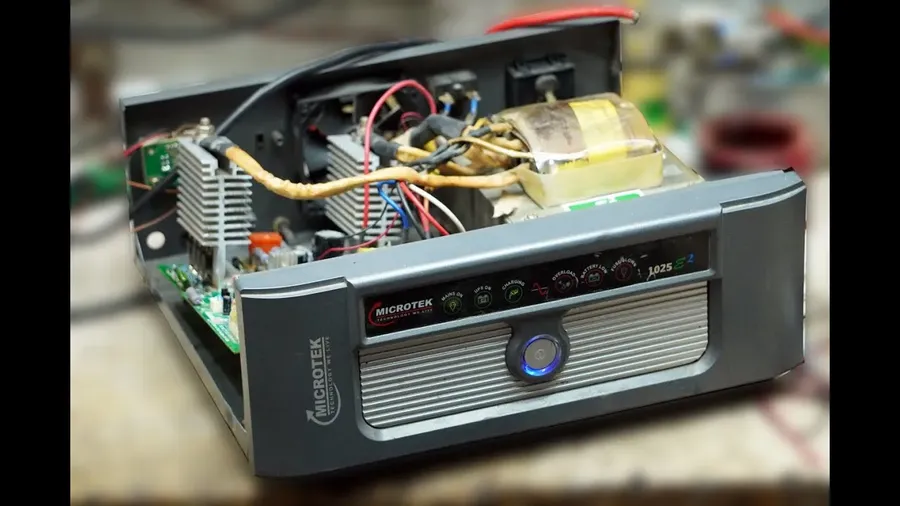
What is the function of a PCB in an inverter? The Printed Circuit Board (PCB) is the central nervous system of an inverter. It houses all the electronic components and interconnections necessary for the inverter to function. The PCB controls the flow of electricity, converting DC power from the battery to AC power for your appliances, and manages various safety and operational features.
What is the typical warranty period for a Microtek inverter? The warranty period for Microtek inverters typically varies depending on the model and the specific terms of the sale. It generally ranges from 1 to 2 years. Always refer to the warranty card included with your product to confirm the coverage period and conditions.
What does the inverter control board do? The control board, which is a part of the PCB, is the brains of the inverter. It monitors the battery’s charge level, controls the charging process, manages the power output, and initiates protective measures such as overload and short-circuit protection. It also interfaces with user controls and indicators.
How can I diagnose a faulty Microtek inverter PCB? Diagnosing a faulty PCB often requires specialized equipment and expertise. However, common signs of a PCB issue include the inverter not powering on, intermittent operation, frequent shutdowns, error codes, unusual noises, or a burning smell. If you experience any of these, consult a qualified technician.
Is it possible to replace a Microtek inverter PCB myself? While it's technically possible to replace a PCB yourself, it is strongly discouraged unless you have significant experience with electronics repair. Incorrect handling can damage the new board or other components, and void your warranty. It is best to seek assistance from authorized service centers or qualified technicians.
What is the cost of replacing a Microtek inverter PCB? The cost of a Microtek inverter PCB replacement depends on the specific model, the source of the replacement, and the repair center. Prices vary significantly, so it's crucial to get a quote from authorized service centers or reputable suppliers to get an accurate estimate. Generic boards purchased online may not be fully compatible and could damage the inverter.
Cost-Saving Tips for Microtek Inverter PCB Maintenance
Microtek Inverter Maintenance
Maintaining your Microtek inverter's PCB board properly can significantly reduce the need for frequent replacements, leading to substantial cost savings over time. By focusing on preventative measures, you can extend the lifespan of your PCB and enhance the overall reliability of your inverter system.
Ensure Proper Ventilation Inadequate ventilation can lead to overheating, which is a major cause of PCB damage. Position your inverter in a well-ventilated area, away from direct sunlight or heat sources. Ensure that any cooling vents are not obstructed. Proper air circulation helps to dissipate heat, reducing stress on the electronic components.
Use Surge Protectors Power surges and voltage fluctuations can damage sensitive electronic components on the PCB. Installing a high-quality surge protector between the power source and your inverter can safeguard against such events. This simple measure can prevent catastrophic failures and the need for costly PCB replacements. Select surge protectors that meet or exceed your inverter's power specifications and always check the ratings of each protective circuit in a surge protector.
Regular Inverter Maintenance Regular cleaning and inspection of your inverter can help identify potential issues before they escalate. Dust and debris accumulation can lead to overheating and component failure. Use a soft brush or compressed air to gently remove dust from the PCB and surrounding areas. Regularly check the condition of wires and connectors for signs of wear or damage. It’s essential to disconnect the power supply before any cleaning and maintenance.
Avoid Overloading the Inverter Operating the inverter beyond its specified load capacity can lead to overheating and component damage. Always be mindful of the total power demand of your connected devices, and do not exceed the inverter’s maximum wattage. Using the inverter within recommended operating limits minimizes the stress on the PCB and helps to extend its lifespan.
Proper Wiring Practices Ensure all wiring connections are secure and that the correct gauge wire is used. Loose or improper connections can lead to arcing and excessive heat, damaging the PCB. Follow the manufacturer's guidelines for proper wiring connections. Regularly inspect the wiring for any sign of degradation or loose connections. Only qualified personnel should perform installation and maintenance.
Environmental Factors Extreme temperatures and high humidity levels can have a damaging effect on the PCB. Avoid placing the inverter in areas with significant temperature fluctuations or high moisture content. Temperature controlled and dry environments are optimal for prolonged operation and longevity. Ensure the environment remains stable to protect the PCB from physical degradation.
Understanding the Lifespan of Your Microtek Inverter PCB
Inverter in use
The lifespan of a Microtek inverter PCB (Printed Circuit Board) is not fixed and varies based on several key factors. Understanding these factors is crucial for optimizing the performance and longevity of your inverter. While a PCB itself doesn't have a defined 'expiration date', its operational life is tied to the cumulative stresses it experiences.
Usage Patterns: The frequency and intensity of use directly affect the PCB's lifespan. Inverters subjected to heavy loads and frequent cycling will likely experience more wear and tear compared to those used more sparingly.
Environmental Conditions: Extreme temperatures, high humidity, and dust accumulation are detrimental to PCB health. Overheating, in particular, can accelerate the degradation of electronic components and solder joints.
Maintenance Practices: Regular maintenance, including proper ventilation, dust removal, and surge protection, significantly extends the PCB's lifespan. Neglecting these aspects can lead to premature failures.
Component Quality: The quality of the electronic components used in the PCB assembly plays a vital role. Higher-grade components tend to have a longer and more reliable operational life.
Manufacturing Quality: The manufacturing process, including soldering, assembly, and testing, plays a crucial role in the long term reliability. Poor workmanship can lead to premature failures
In general, with proper usage, environmental control, and regular maintenance, a Microtek inverter PCB can last for several years. However, neglecting these factors could result in a significantly shorter lifespan, making the understanding of these factors critical to the longevity of your inverter.
It’s important to note that while a PCB can often be repaired, factors such as component availability, damage severity, and repair costs can influence the decision to repair or replace the board.
Table: Comparative Analysis of Microtek PCB Board Prices
This section provides a detailed comparative analysis of Microtek inverter PCB board prices across various models and purchasing channels. The table below highlights price variations, repair costs, and specifications, enabling informed decision-making for replacements or repairs. These figures are approximate and can vary based on market conditions and specific retailers.
Microtek Inverter Model
Typical Online Price (INR)
Typical Local Store Price (INR)
Estimated Repair Cost (INR)
Key Specifications
Notes
EB700
1200-1800
1300-1900
800-1200
Single layer, basic protection circuits
Entry-level model, lower component density
850VA
1500-2200
1600-2300
1000-1500
Double layer, improved heat dissipation
Common mid-range option
EB900
1700-2400
1800-2500
1200-1700
Double layer, additional protection
Slightly higher capacity with better features
1100VA
2000-2800
2200-3000
1500-2000
Multi-layer, advanced protection
High-capacity model, more complex design
1600VA
2500-3500
2800-3800
1800-2500
Multi-layer with additional components
For higher power requirements
Understanding the nuances of 'microtek inverter pcb board price' is vital for both cost management and effective maintenance. By considering the various factors discussed, including model variations, repair options, and preventative maintenance, you can make informed decisions, ensuring your inverter operates optimally and extends its lifespan. This knowledge is crucial for those needing replacements or looking to reduce costs, while helping you understand the various aspects that affect the final price. We encourage you to use this information to navigate the complexities of maintaining your Microtek inverter and ensure its long-term reliability.